Best Soundproof Windows For Home (And What Actually Works)

Best soundproof windows for home sounds like a simple replacement-window question, but most buyers are really choosing between three different paths: full replacement windows, retrofit inserts or secondary glazing, and temporary add-ons that reduce leakage or soften street noise. The best option changes completely depending on whether you own the home, how severe the noise is, and whether the current window frame is worth keeping.
That is why so many people overspend on the wrong fix. Some buy expensive replacement windows when the main issue is actually leakage around the sash, while others buy curtains or foam and expect them to perform like laminated acoustic glass when they never had enough mass or air gap to do that job.
The good news is that quiet-window buying gets much easier once you separate true window performance from retrofit support products. If you know when you need better glazing, when a secondary layer is enough, and when a cheap sealing upgrade is the smart first move, you can spend much more intelligently.
Start by deciding whether you need a real window upgrade, a renter-friendly retrofit, or a temporary stopgap for one noisy opening. Below, you’ll see what actually makes one window quieter than another, which direct-buy products are worth considering, and when the smartest move is not an Amazon fix at all.
The most effective soundproof windows use better glass, better frames, tighter seals, and a larger air gap than standard units. For many homes, a true insert or laminated replacement window will outperform any curtain or seal product, but direct-buy retrofit products still have a place: weatherstripping for leakage, layered curtains for moderate street noise, removable plugs for severe nighttime noise, and temporary high-mass barriers when replacement is not realistic yet.
Before You Buy: What Makes a Window Quiet
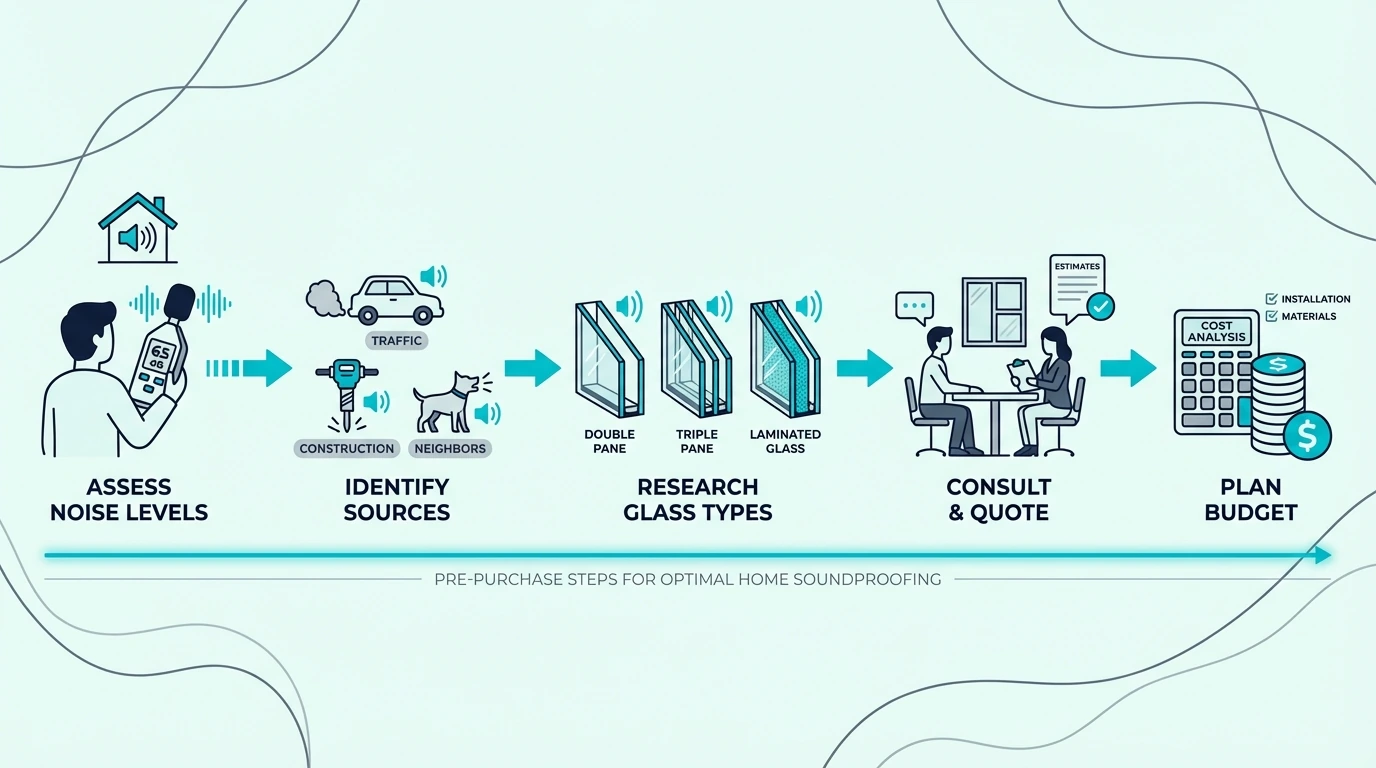
The first thing to know is that no residential window is perfectly soundproof. The real goal is lower noise transmission, which depends on how much mass, separation, sealing, and frame quality the window system gives you.
The factors that matter most
The strongest quiet-window setups usually combine laminated glass, multiple panes or a meaningful secondary air gap, tight perimeter seals, and a frame that does not leak.
A good quiet window is not just thicker glass. It is the whole assembly working together.
That is why a weak frame or leaky sash can undermine an otherwise decent pane package. If air gets around the window, the glazing specs matter less than buyers expect.
Which homes benefit most
That assembly-level thinking narrows the field quickly. Street-facing bedrooms, homes near traffic, train lines, airports, barking-dog corridors, and dense urban lots benefit the most because windows are often the weakest point in the room envelope.
If the wall is solid but the window is thin and leaky, the window becomes the obvious upgrade target.
This is especially true in older homes where the frame is still usable but the sealing and glazing no longer match the noise environment. If you need the full room-level decision tree before committing to the window alone, start with the soundproofing hub and compare it with buyer guides like best soundproof curtains.
Upgrade vs cheaper fix
A real window upgrade is worth it when the glass itself is the bottleneck or when the frame is old enough that sealing alone will not solve the problem. If the existing unit leaks badly but is otherwise decent, cheaper fixes can make sense first.
That is why buyers should think in stages. Seal leakage first, then decide whether the remaining noise justifies inserts, secondary glazing, or full replacement.
The Quietest Window Types: Laminated, Triple, and Secondary Glazing
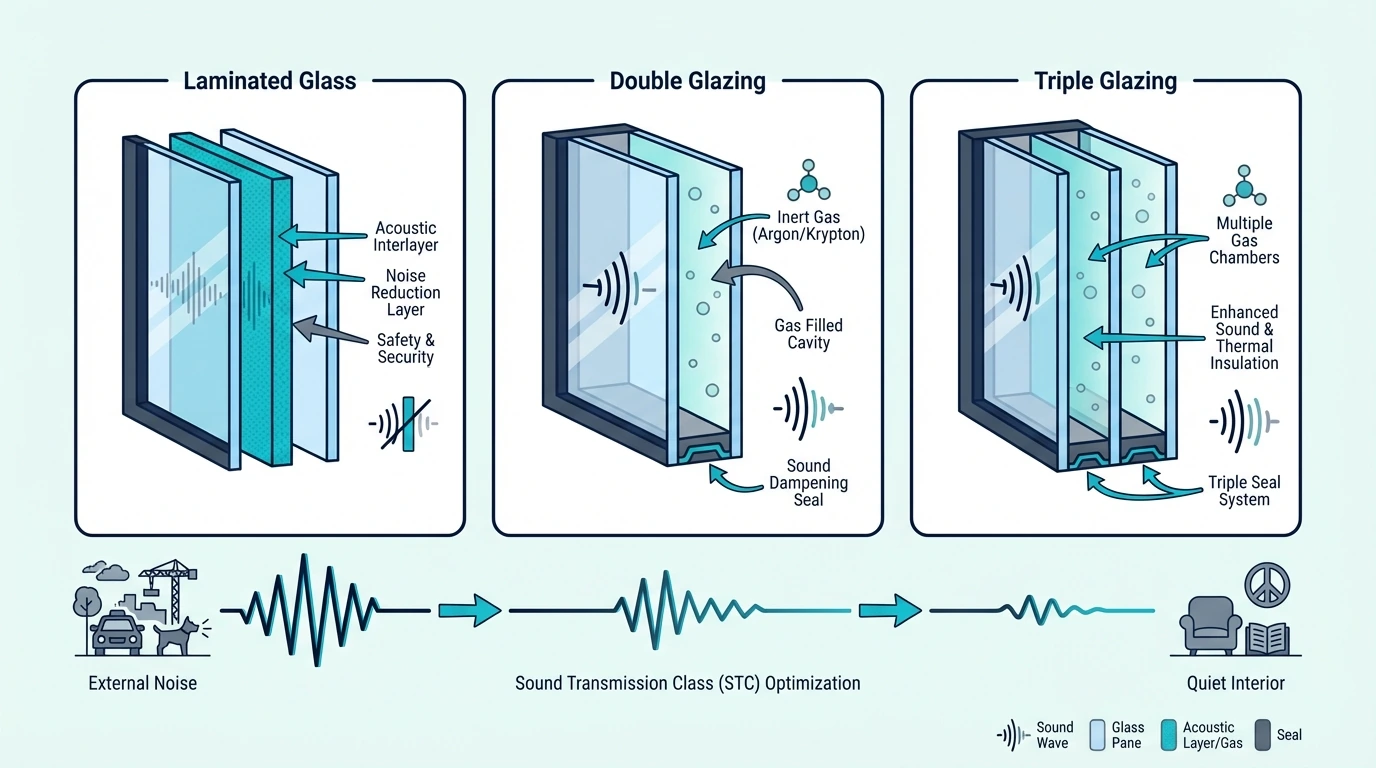
The quietest residential windows are usually laminated or acoustically optimized units with strong frames and well-controlled air gaps. In many homes, a secondary window layer or insert can also outperform standard double-pane replacement windows because the extra separation helps more than buyers expect.
Laminated vs standard double pane
Usually, yes. Laminated glass is better at reducing a wider range of outside noise than ordinary double-pane glass because the interlayer helps damp vibration instead of letting the pane ring as freely.
That does not mean every laminated window automatically wins. A poorly sealed laminated unit can still disappoint if the frame and installation are weak.
Acoustic windows vs triple glazing
Laminated glass wins on damping, but triple glazing sometimes enters the conversation too. Triple glazing can help with thermal performance and sometimes noise, but a well-designed acoustic window with laminated glass and better damping can outperform a generic triple-pane unit for traffic and mid-frequency urban noise.
That is why quiet-window shopping should focus on the whole assembly and realistic outdoor noise rather than assuming more panes always means more silence. If you are comparing soft add-ons against true window performance, keep guides like best soundproof window inserts in the same decision set.
Full replacement vs inserts and secondary glazing
With laminated and triple options compared, the next question is whether you need to replace the whole unit. Not automatically.
A high-quality replacement window can be the right long-term answer, but inserts and secondary glazing often deliver better noise reduction per dollar when the existing frame is still decent and the real win comes from adding a second barrier and air gap.
That is why retrofit solutions remain attractive for many homes. You can often get a meaningful improvement without opening the wall or replacing the whole unit.
Get Studio Tips Weekly
Join 5,000+ creators getting acoustic treatment advice every week.
No spam. Unsubscribe anytime.The Best Direct-Buy Soundproof Window Products
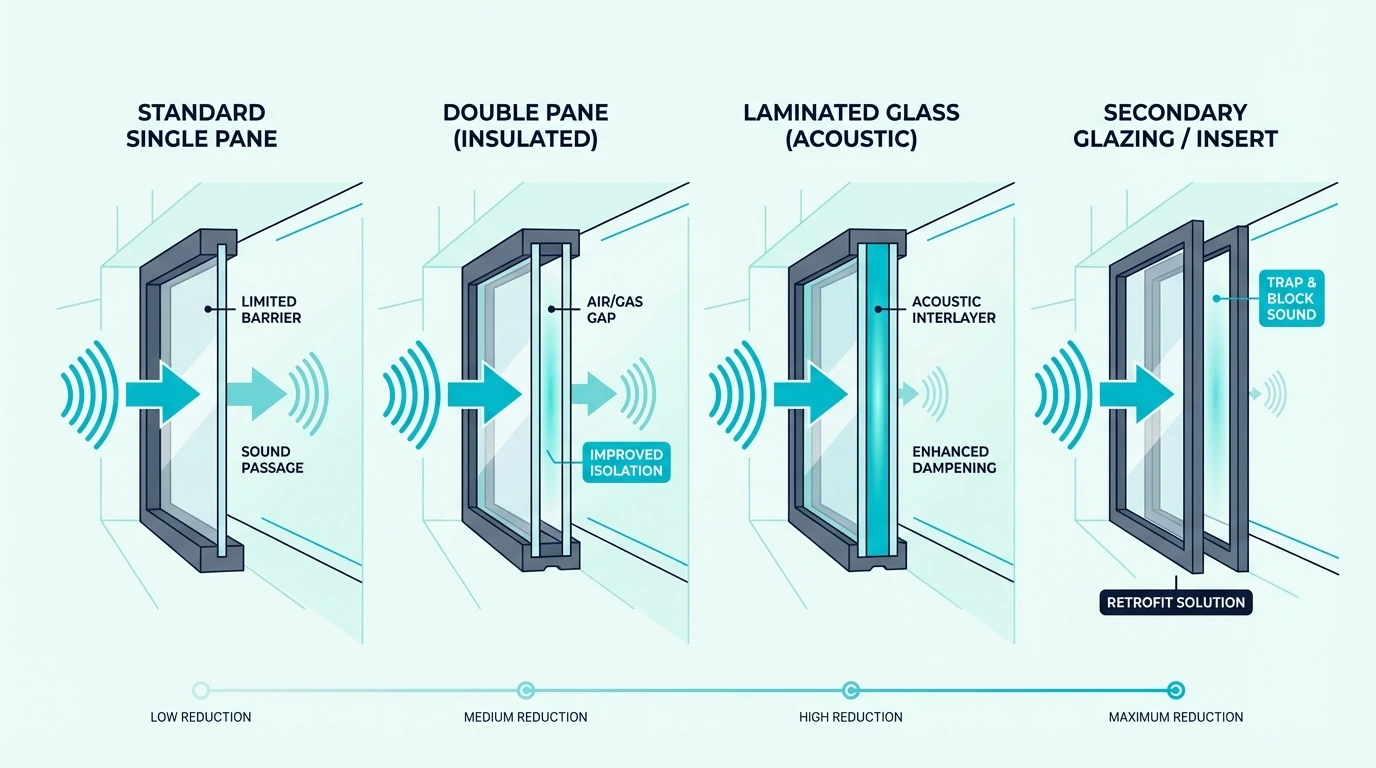
For homeowners buying right now, the best choice depends on whether the job is leakage control, renter-safe retrofit, severe nighttime noise, or a DIY removable plug while you plan a larger upgrade. These are not all “windows” in the pure replacement sense, but they are the most practical direct-buy options for home window noise control.
The easiest way to use this section is to treat it like a buying ladder. Start with the cheapest fix that answers the real weak point, then move up only when the remaining noise tells you the glass, the air gap, or the opening still needs more help.
Best Overall Soundproof Window Option
If your main problem is leakage around the sash or frame, 33 Ft Soundproofing Weather Stripping is the smartest first buy because it addresses the easiest failure point in many older home windows. It will not turn a weak pane into an acoustic window, but it often delivers the highest first-dollar value when air leakage is obvious.
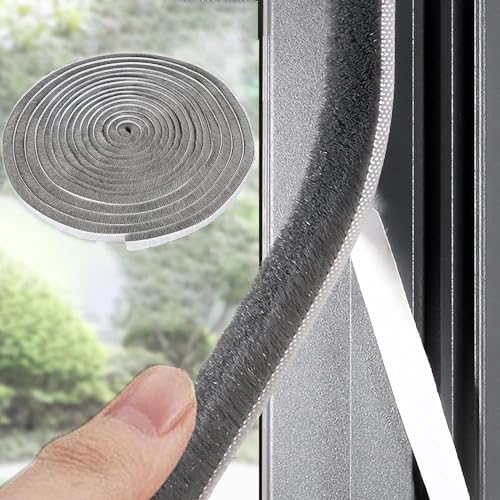
33 Ft Soundproofing Weather Stripping
For buyers who want a rational order of operations, this is the product to start with before moving up to curtains, inserts, or replacement. In many homes, sealing tells you whether the real problem is the gap or the glass.
Best Value Soundproof Window Option
For a renter-friendly or finished-room retrofit, RYB HOME Soundproof Curtains is the better value buy than most gimmicky stick-on window products. It is not a substitute for laminated glass or a true insert, but it can reduce harsh outdoor noise, improve comfort, and work in spaces where permanent modifications are off the table.
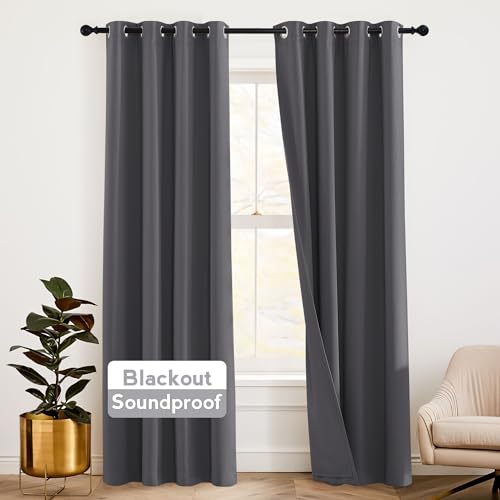
RYB HOME Soundproof Curtains
If your window plan is primarily a retrofit strategy, compare this pick with broader BOFU options like best soundproof curtains and best soundproof blankets before you choose the cheapest fabric solution on the market.
Best Premium Upgrade Option
For buyers willing to build a removable plug or add serious mass around a problematic opening, Trademark Soundproofing MLV is the strongest premium direct-buy option in this roundup. It makes sense when the buyer understands they are building a system, not hanging a miracle sheet on glass.
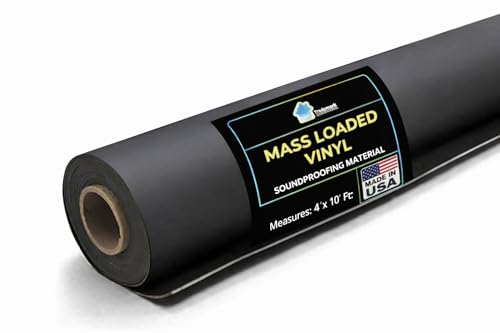
Trademark Soundproofing MLV
That is a key distinction. MLV is powerful when it becomes part of a removable plug, secondary barrier, or sealed frame detail. It is weak value when buyers expect it to behave like a finished acoustic window with no structure behind it.
That is also why it belongs later in the buying ladder, not first. You move to this kind of product after sealing and lighter retrofit ideas stop being enough, not before you have confirmed the window really needs more mass.
Best Option For Existing Homes Or Retrofits
If you need a temporary high-mass barrier before replacement or inserts, US Cargo Control Sound Dampening Blanket is the better short-term answer for severe nighttime noise than cheap foam or thin film. It is not elegant, but it adds more mass than lightweight decorative products and can buy you time in the worst locations.
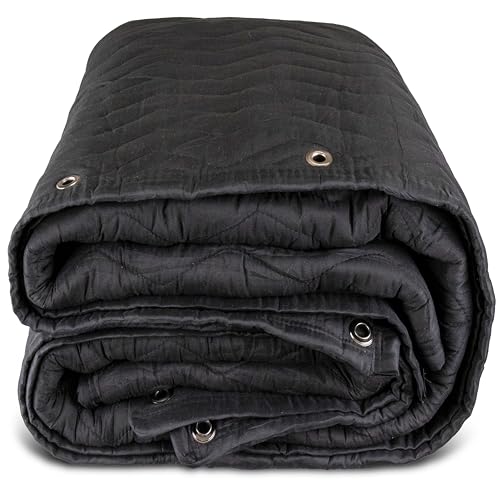
US Cargo Control Sound Dampening Blanket
This is the kind of option that makes sense when replacement is months away, when you are testing how much the window is really responsible for the noise, or when you need a reversible fix in an existing home.
It also helps buyers avoid spending on the wrong permanent project too early. If a temporary high-mass layer barely changes the room, the window may not be the only weak point worth chasing next.
Realistic Expectations: What Window Upgrades Actually Deliver
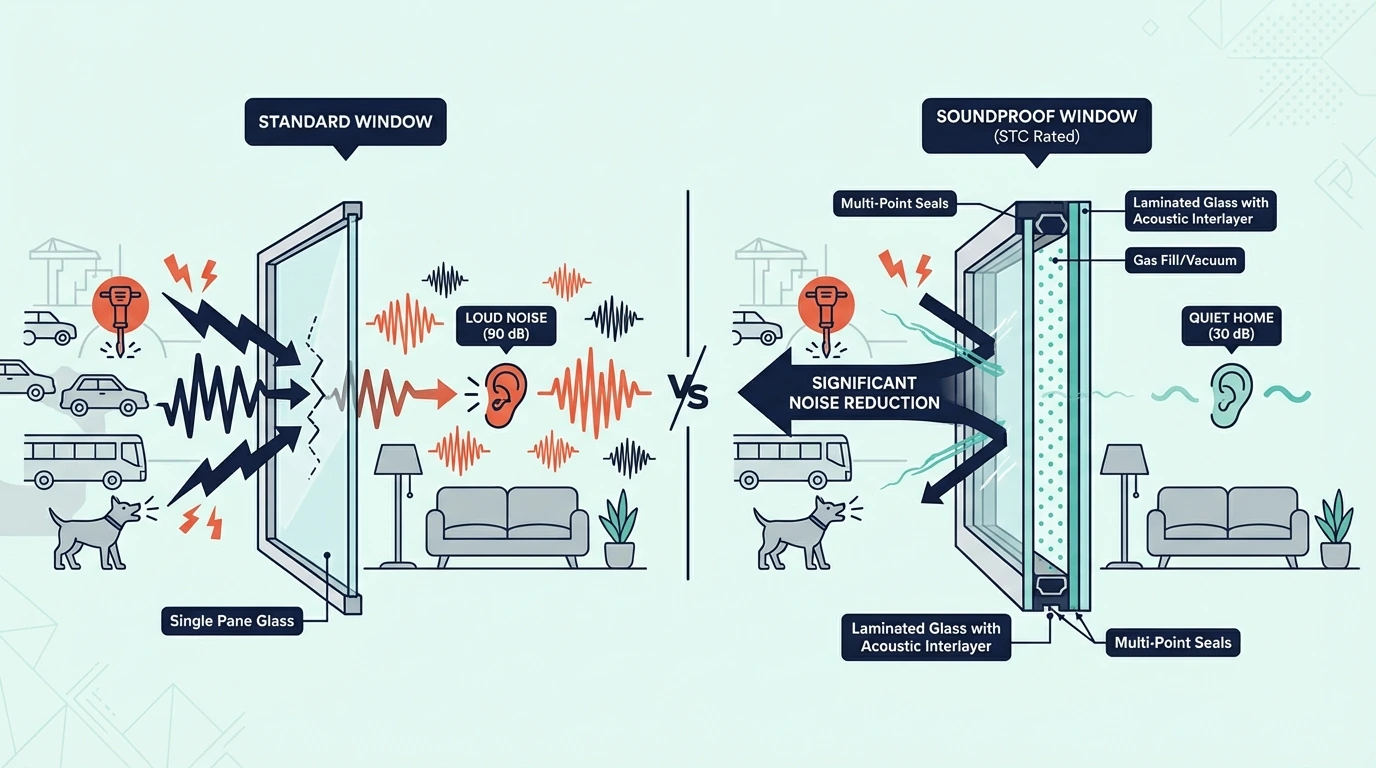
Yes, but only when the fix matches the actual weak point. Quiet-window marketing often fails buyers because it blurs the difference between true acoustic windows, secondary glazing, and low-cost accessories that only handle drafts or light high-frequency noise.
How much noise reduction to expect
A well-chosen insert, laminated unit, or better replacement window can make a noticeable difference, especially for traffic, voices, and general urban noise. Severe low-frequency noise is harder, which is why some buyers still need a broader room strategy even after upgrading the window.
That is also why expectation management matters so much in this category. Buyers chasing “100 percent noise blocking” almost always need more than one surface strategy.
What matters besides the glass
Installation quality, sash compression, frame condition, perimeter sealing, and the wall around the window still matter. A strong glass package inside a weak install can underperform more than people expect.
That is why even a simple product like soundproofing weather stripping can punch above its price when the real problem is obvious leakage. It is not glamorous, but it often clarifies whether you truly need a new window system.
When the problem is bigger than the window
If the room still feels loud after you improve the window, the sound may be flanking through the wall, ceiling line, door, vents, or floor junctions. In that case, spending more on the window alone will not solve the whole problem.
That is where the rest of your BOFU comparison stack matters. Use the soundproofing hub, best soundproofing for walls, and best door sweep for soundproofing to check whether the window is truly the bottleneck.
The Bottom Line
The best soundproof windows for home are the ones that match the real noise path, the condition of the existing frame, and the level of disruption you are willing to accept. For true performance, a well-designed insert, secondary glazing layer, or laminated replacement window usually beats cheap accessories by a wide margin.
For direct-buy products, start with weatherstripping if leakage is obvious, move to layered curtains for renter-safe retrofit value, and use MLV or a heavy sound blanket when you need stronger temporary mass while planning a permanent upgrade.
If you are still comparing all the related BOFU options around openings and weak surfaces, keep this page tied to best soundproof window inserts, best soundproof curtains, best soundproof blankets, and the broader soundproofing hub.
Frequently Asked Questions
How to block out 100% of noise?
You usually cannot block 100 percent of noise through a normal residential window opening. The closest approach is a high-quality window system plus strong sealing and, if necessary, secondary layers that reduce leakage and add separation.
What are the best quiet windows?
The best quiet windows are usually laminated or acoustically optimized units with tight frames and good installation. In many homes, inserts or secondary glazing can also outperform ordinary replacement windows for noise reduction per dollar.
Are Soundproof Window Inserts Worth It?
Yes, when the existing frame is decent and the main goal is better noise reduction without full replacement. They are often one of the smartest middle-ground options between cheap add-ons and a full new window package.