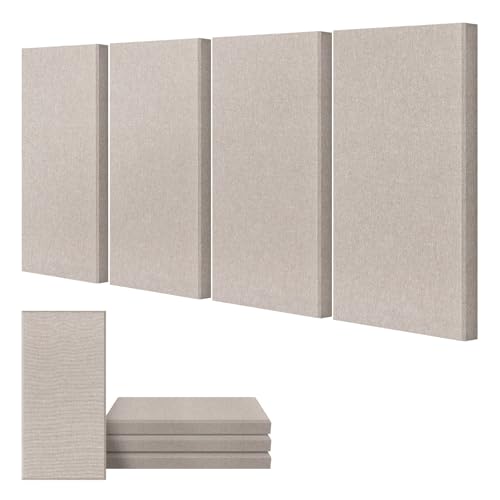
Can You Paint Acoustic Panels? What Actually Happens to Sound [2026]
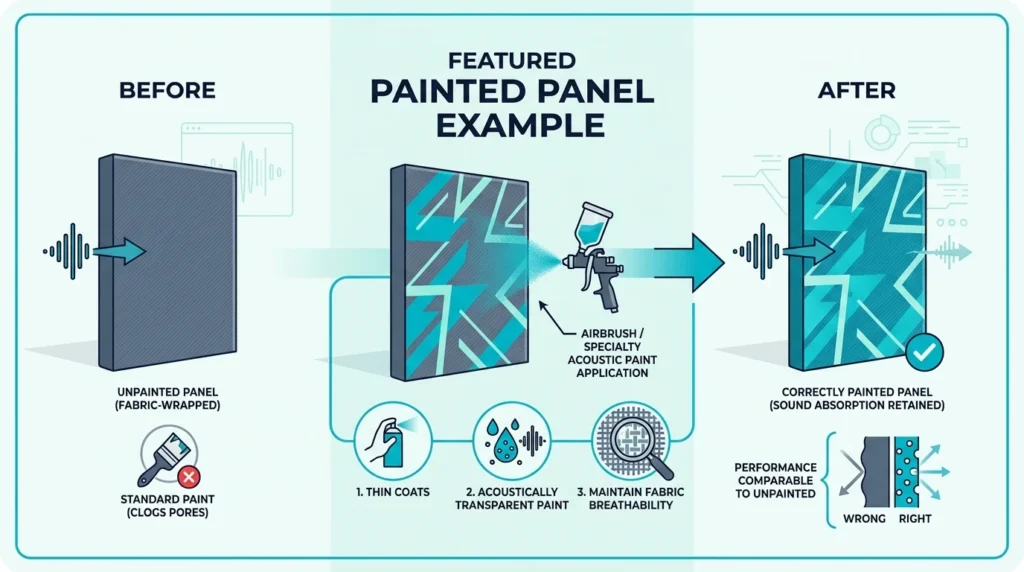
Can you paint acoustic panels? Yes — but doing so reduces their absorption by 30–50%, because paint seals the fabric pores that let sound waves enter the core material.
Most people discover this the hard way: they paint their panels to match a room refresh, the echo comes back, and they don’t understand why. The frustration happens because the color change looks great but the acoustic performance is gone — the cause is always the sealed surface.
The good news: there are ways to add color without sacrificing acoustics, so you can get the look you want and keep the treatment working.
We’ll walk you through what painting actually does to performance, when it’s acceptable, and the better alternatives below.
you can paint acoustic panels, but expect 10-30% performance reduction depending on paint thickness. Thin, breathable fabric paints work best.
Better alternatives include re-wrapping with new fabric or buying pre-colored panels. If you must paint, use light coats and avoid latex or acrylic paints that seal the surface.
Can you Paint Acoustic Panels?
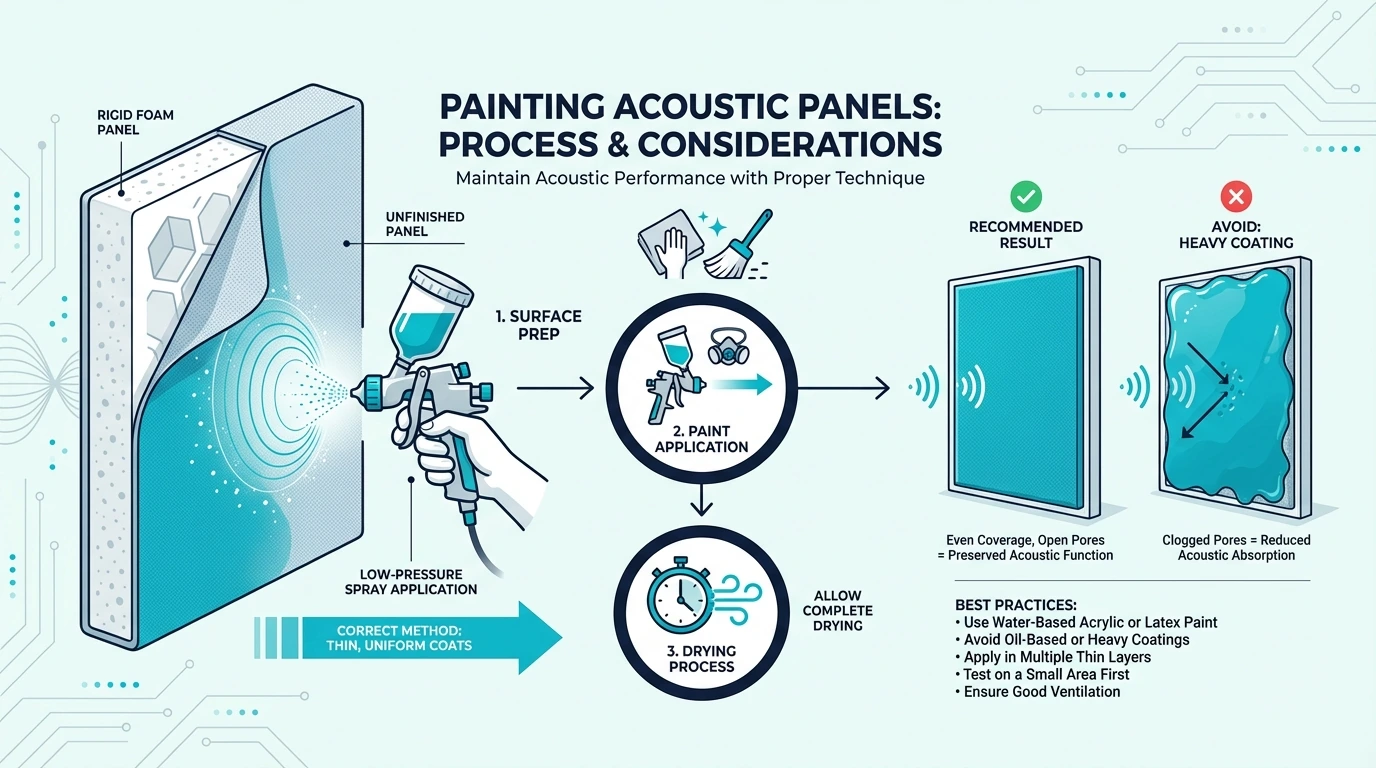
Yes, you can paint acoustic panels—but the real question is whether you should. Understanding how acoustic panels work helps explain why painting creates problems.
How Does Paint Affect Sound Absorption?
Acoustic panels absorb sound because their porous surface allows sound waves to enter the material. Once inside, the sound energy gets converted to tiny amounts of heat as it travels through the fibrous core.
Paint disrupts this process by sealing the surface pores. When you apply paint to fabric, the liquid fills the gaps between fibers and dries into a continuous film. Sound waves that previously entered the panel now bounce off the painted surface instead.
The thicker the paint layer, the worse this effect becomes. A single light coat might reduce absorption by 10-15%. Multiple heavy coats can cut performance by 30% or more.
How Much Performance Will You Lose?
The performance impact depends on three factors: paint type, application thickness, and the panel’s original construction.
Fabric spray paints designed for upholstery cause the least damage. These formulas are engineered to remain flexible and somewhat porous after drying. you might lose 10-15% absorption with a single light coat.
Standard latex and acrylic paints create the biggest problems. These paints form a solid film that completely seals the surface. Expect 25-40% performance reduction with full coverage.
Oil-based paints are even worse—they penetrate deeply and create an impermeable barrier. Avoid them entirely for acoustic applications.
Can you Paint Fabric-Wrapped Panels?
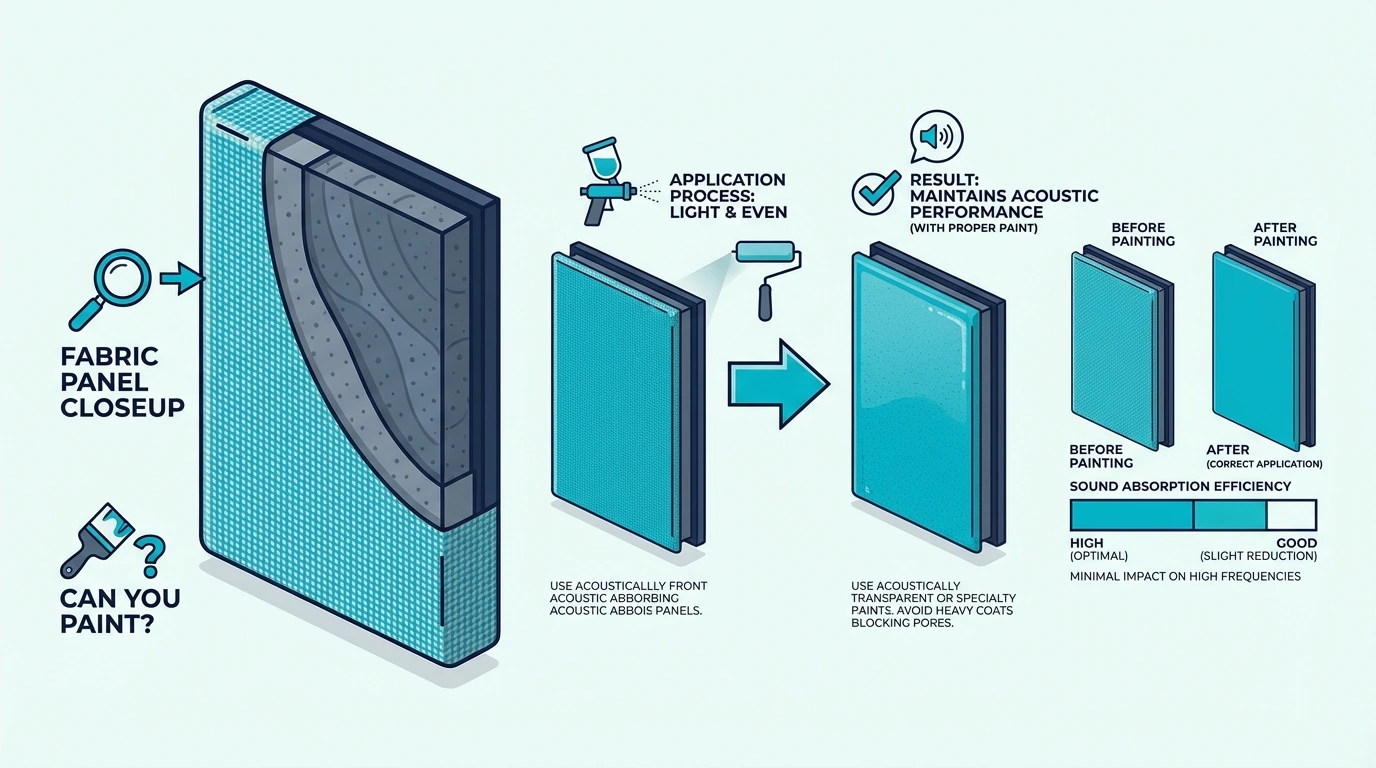
Fabric-wrapped panels present unique challenges because the fabric itself is part of the acoustic design. Consider these factors before painting these common panel types.
What Happens to the Fabric?
The fabric on acoustic panels serves two purposes: it protects the core material and allows sound to pass through. Most acoustic fabrics have an open weave specifically designed for sound transparency.
Painting changes the fabric’s acoustic properties permanently. The paint fills the weave gaps that allow sound transmission, converting an acoustically-transparent fabric into a semi-reflective surface.
you’ll also change the fabric’s texture. A smooth guilford-style fabric becomes slightly rough and stiff after painting. The natural drape disappears, and the surface may crack over time as the dried paint ages.
Will It Clog the Weave?
Yes—that’s exactly what happens with most paints. Standard household paints are designed to create complete surface coverage, which means filling every gap and pore they encounter.
Even “thin” paints applied with a brush push pigment deep into the fabric weave. Spray paints work better because they deposit smaller droplets that sit on top of fibers rather than soaking through them.
If you’re determined to paint fabric-wrapped panels, spray application from 12+ inches away gives the best results. Multiple mist coats build color without saturating the fabric.
Get Studio Tips Weekly
Join 5,000+ creators getting acoustic treatment advice every week.
No spam. Unsubscribe anytime.If you Must Paint, How Should you Do It?
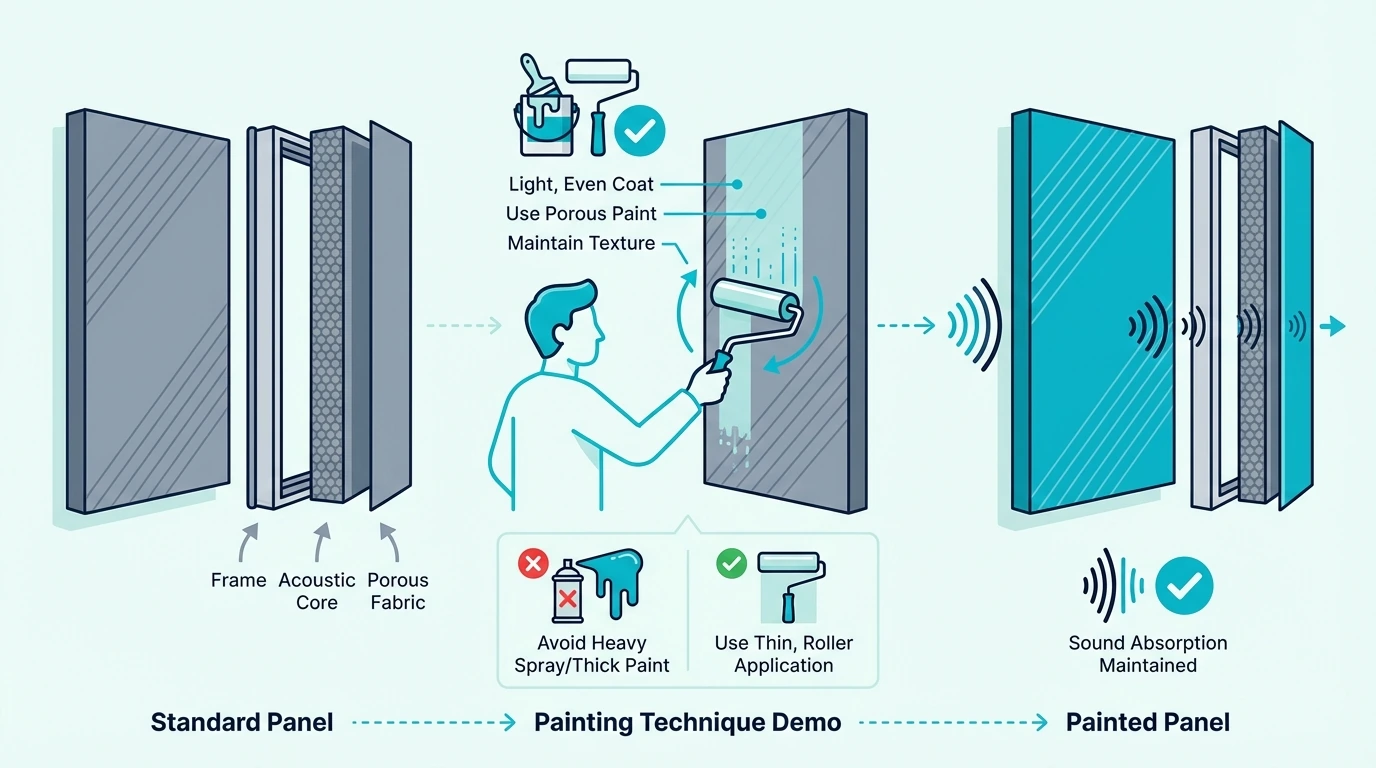
Sometimes painting is the only practical option. Maybe you’re matching panels to a specific room color, or you’ve inherited panels that clash with your space. These steps minimize acoustic damage.
What Type of Paint Should you Use?
Fabric spray paints marketed for upholstery are ythe best choice. Brands like Tulip or Simply Spray are designed to remain flexible and somewhat breathable after drying.
Avoid acrylic craft paints, latex house paints, and any “all-surface” products. These create the solid film that destroys acoustic performance.
Water-based fabric dyes are another option—they change color without adding a paint layer. Dyes penetrate fibers rather than coating them, preserving more of the original acoustic transparency.
How Should you Apply the Paint?
The single biggest mistake is applying too much paint too quickly. Thick, wet coats create the impermeable surface that blocks sound.
Instead, hold your spray can 12-18 inches from the panel surface. Make quick, sweeping passes rather than focused spraying. Let each coat dry completely before adding another.
Two light mist coats will give better acoustic results than one heavy coat, even if the coverage looks similar. The goal is color change with minimal surface sealing.
Work outdoors or in a well-ventilated area. Fabric spray paints have strong fumes that linger in enclosed spaces.
What Are Better Alternatives?
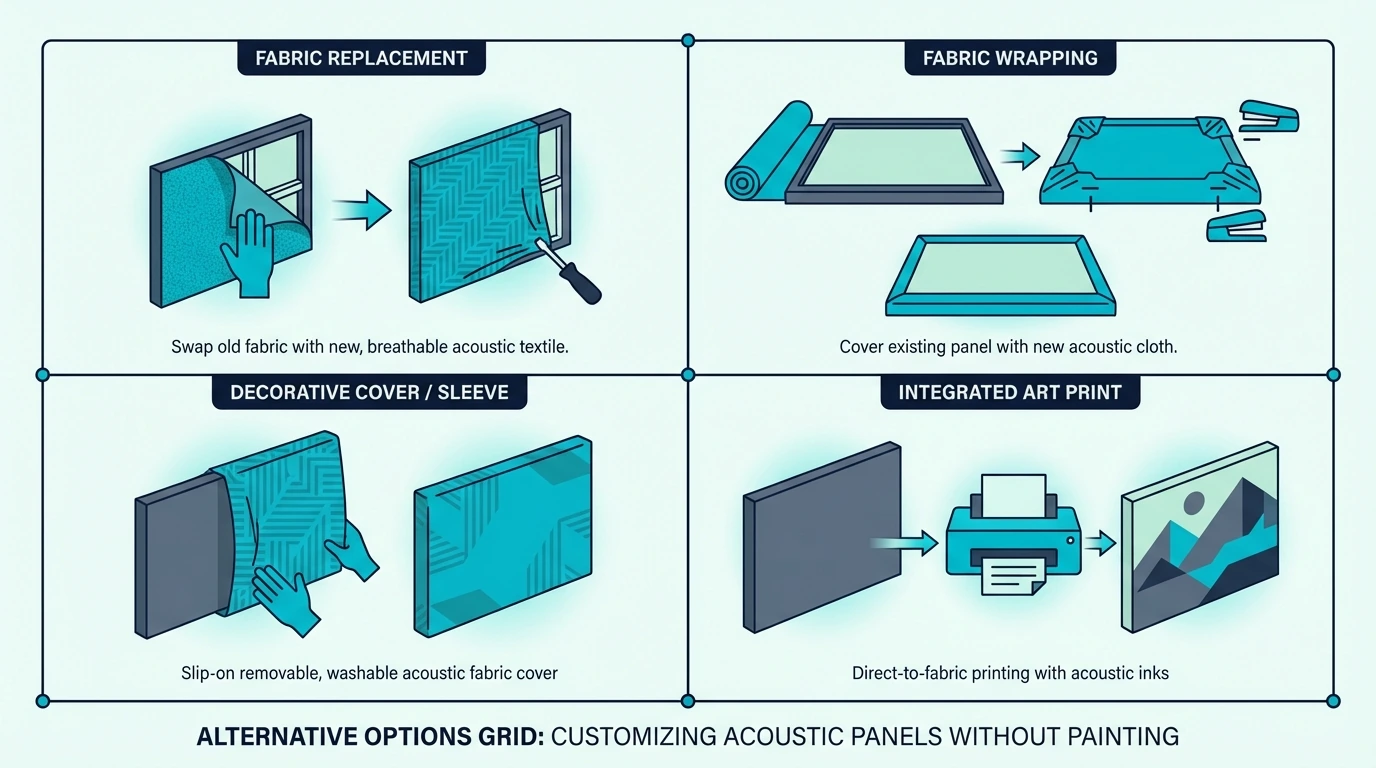
Before painting, consider these alternatives that give you the color you want without sacrificing acoustic performance. Most take similar effort to painting but preserve ythe panels’ effectiveness.
Can You Re-Wrap with New Fabric Instead?
The best solution for fabric-wrapped panels is replacing the fabric entirely. you can purchase acoustically-transparent fabric in virtually any color and pattern.
The process involves removing the old fabric (usually stapled or glued to the frame), cutting new fabric to size, and reattaching it. Total time is about 30 minutes per panel once you’ve done a few.
Guilford of Maine and similar acoustic fabrics come in hundreds of colors. The SoundAssured Acoustical Fabric is designed specifically for panel wrapping and comes in multiple colors.
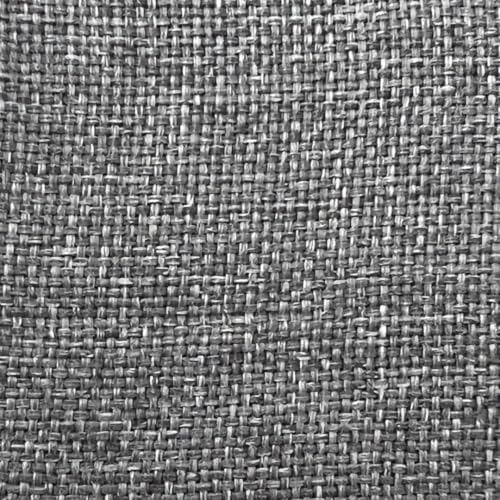
SoundAssured Acoustical Fabric
For larger projects, the 96” x 54” Speaker Grill Cloth covers multiple panels with a single purchase. you’ll maintain full acoustic performance while getting exactly the look you want. Building your own panels from scratch uses the same techniques. See the best fabric for acoustic panels guide for more fabric options.
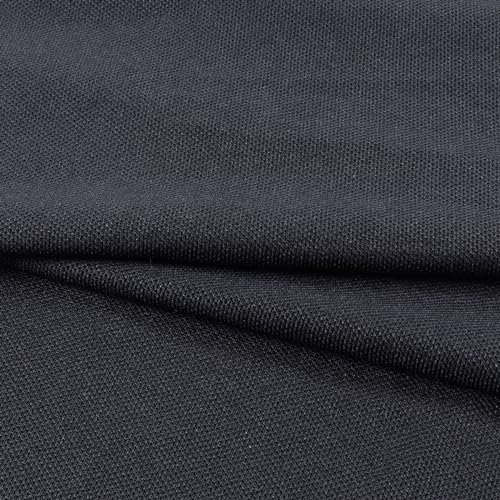
96” x 54” Speaker Grill Cloth
Should you Buy Custom Color Panels?
Many manufacturers offer panels in custom colors for a modest upcharge. If you’re buying new panels anyway, ordering the right color eliminates the painting question entirely.
The UMIACOUSTICS 47.2”x23.6” panels come in neutral fabric that works with most room decors without painting. For a more affordable entry, the UMIACOUSTICS 4-pack gives you more panels at a lower cost.
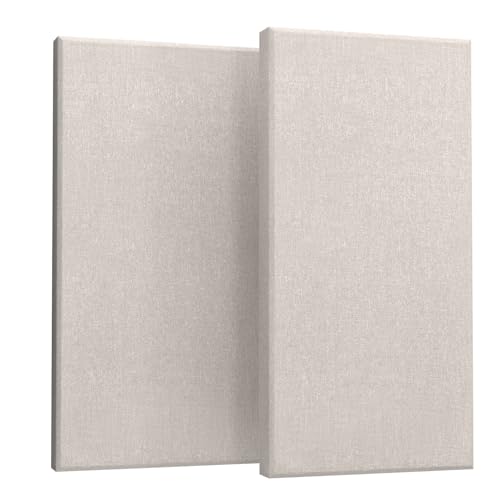
UMIACOUSTICS 47.2”x23.6” panels
Custom-colored panels use fabric that’s dyed before wrapping, not painted after. The acoustic properties remain unchanged because the color is in the fiber, not on top of it.
Lead times for custom colors are typically 2-4 weeks longer than standard colors. Planning ahead eliminates the temptation to paint and the performance loss that comes with it.
Are Art or Printed Panels a Better Option?
Acoustic art panels combine acoustic treatment with decorative prints. These panels use specialized printing techniques that maintain acoustic transparency while displaying images or patterns.
The 8-Pack Art Acoustic Panels give you professional-looking treatment without any painting required. The scenic designs work as wall art while providing real absorption.
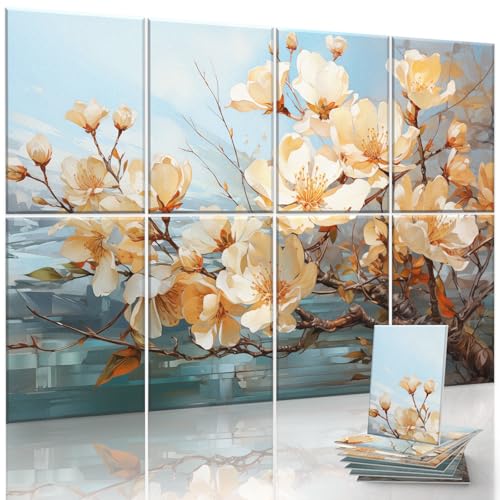
8-Pack Art Acoustic Panels
For a more budget-friendly option, the Foggy Forest Art Panels offer the same color-without-painting benefit at a lower price point. See the best acoustic art panels guide for more options.
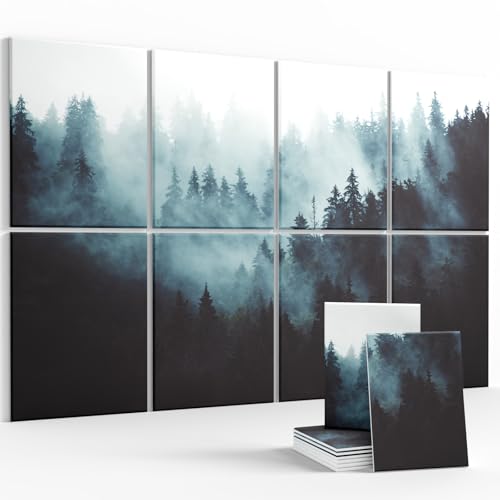
Foggy Forest Art Panels
This option works particularly well when you want panels to complement room decor rather than disappear. Art panels become a design feature rather than something you’re trying to hide. For correct panel placement, art panels can double as both treatment and wall art.
Should You Paint Your Panels?
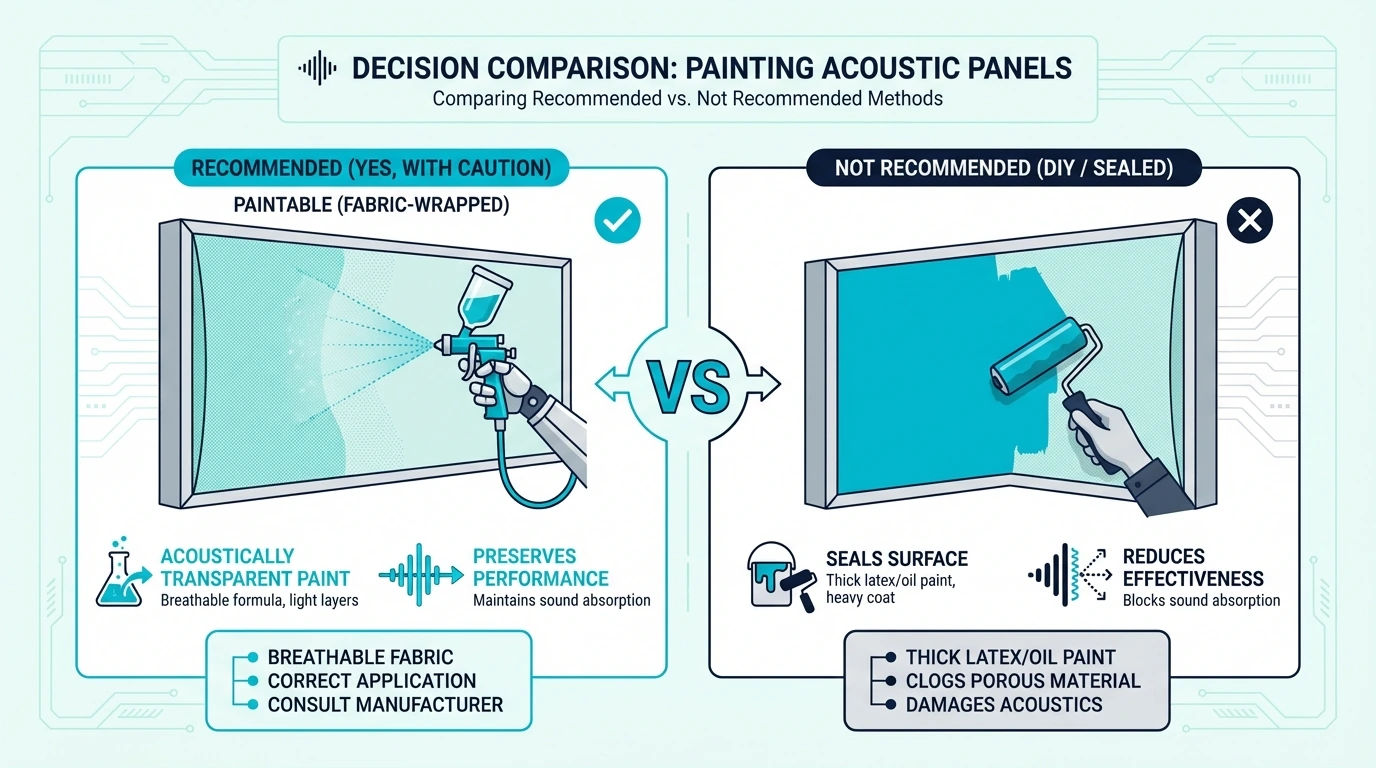
After weighing the options, painting should be your last resort—not your first choice. The performance loss is real, and better alternatives exist for most situations.
Paint ythe panels if you need a quick fix and can accept reduced absorption. Choose fabric spray paint, apply light coats, and expect 10-20% performance loss at minimum.
Don’t paint if acoustic performance matters for your application. Recording studios, mixing rooms, and home theaters depend on effective absorption. Stick with pre-colored panels, re-wrapping, or acoustic art panels instead. The art panels mentioned above deliver the aesthetic customization you want without sacrificing a single decibel of absorption.
For more on acoustic panel selection, the best acoustic panels guide covers options in various colors and styles that eliminate the painting question entirely. If you’re hanging panels for the first time, getting the color right from the start saves future headaches.
Frequently Asked Questions
Does Paint Color Matter?
Darker colors require more paint coverage than lighter colors, which typically means more performance loss. If you’re painting panels, choose a color close to the original to minimize the amount of paint needed.
White and light gray panels can be tinted to pastels with very light spray coats. Going from white to deep navy or black requires heavy coverage that much impacts acoustics.
The paint’s chemical composition matters more than color for acoustic purposes—but color affects how much paint you’ll need.
Can you Remove Paint Later?
Not effectively. Once paint has dried into fabric, removal attempts cause more damage than the paint itself. Solvents that dissolve paint also damage panel materials.
Removing and replacing the fabric is your only real option after painting. The painted fabric comes off with the paint—you can’t strip just the paint layer.
Consider painting a permanent modification. If tHere is any chance you’ll want to restore original performance later, explore alternatives before committing to paint. The installation process is easier with unpainted panels that remain flexible.
Will Painting Void Warranty?
Almost certainly yes. Manufacturers design panels for specific acoustic performance. Painting modifies the panel in ways that affect acoustic performance, which most warranties explicitly exclude.
If ythe panels are still under warranty and you’re considering painting for cosmetic reasons, contact the manufacturer first. Some offer fabric replacement services or color-matching options that preserve warranty coverage.
Painted panels also won’t be eligible for performance claims. If a manufacturer rates their panels at NRC 0.85, that rating becomes meaningless after painting reduces absorption.