Ceiling Acoustic Panels: How They Work and When to Use Them [2026]
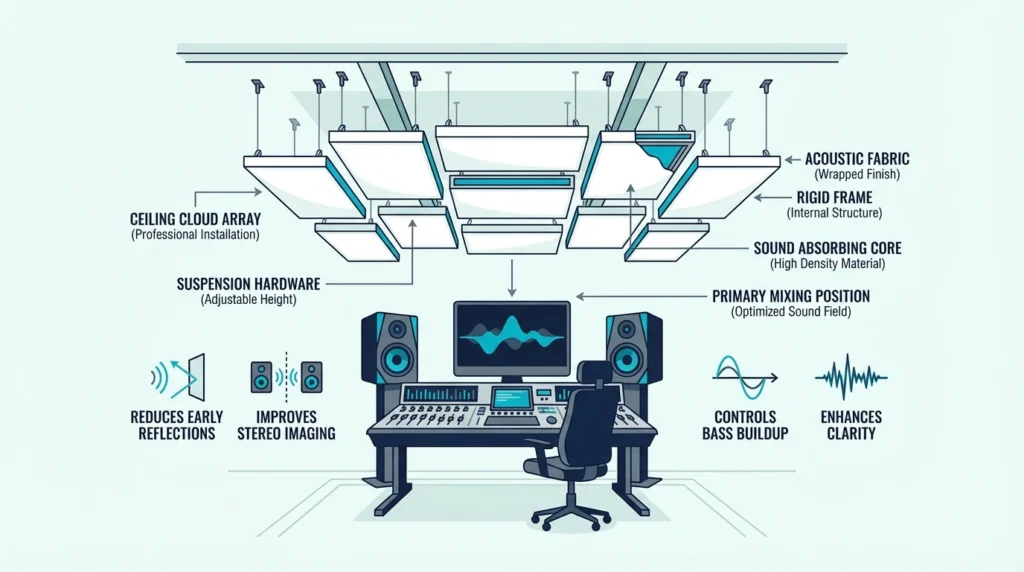
Can I put acoustic panels on ceiling surfaces? Yes — but only if your mounting hardware matches the panel weight and ceiling type, because improperly secured ceiling panels are a real safety hazard.
Most people focus on which panels to buy and skip the mounting research entirely. The frustration comes later: panels that sag, anchors that fail in drywall, or treatment that ends up on the floor. It happens because ceiling mounts carry panels over occupied areas, so the same command strip or adhesive you’d use on a wall isn’t safe overhead.
With the right hardware for your ceiling type, ceiling treatment is safe, permanent, and often delivers more improvement than wall panels alone.
We’ll walk you through every mounting method, panel type, coverage targets, and common mistakes below.
You can absolutely install acoustic panels on your ceiling using direct mounting, suspended clouds, or drop ceiling tiles. Ceiling treatment controls first reflections and flutter echo that wall panels miss entirely.
Use hardware rated for the panel weight and mount into joists or use appropriate anchors for drywall.
Why Does Ceiling Treatment Matter So Much?
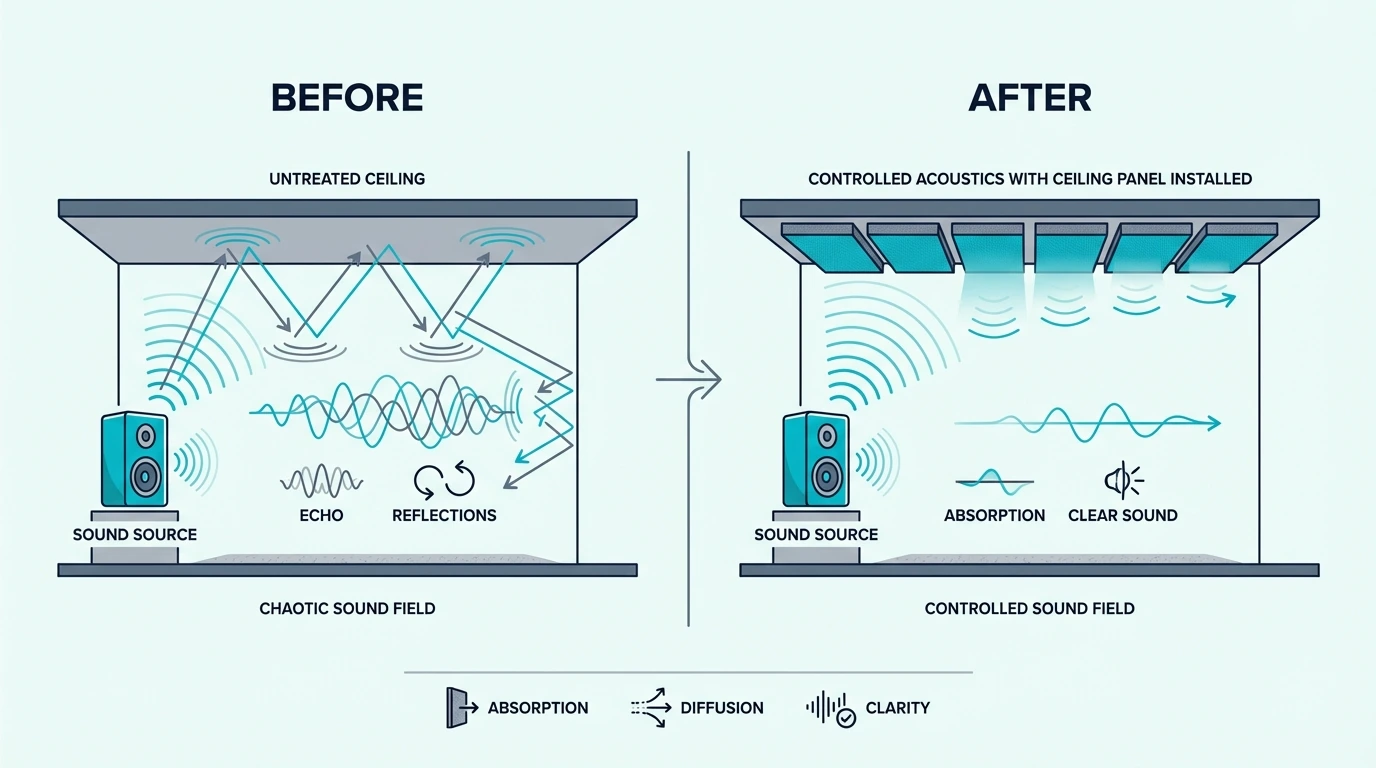
That “yes” answer comes with important context. your ceiling is the largest untreated surface in most rooms. Sound travels upward from speakers, instruments, and voices, hits that flat surface, and bounces straight back down — arriving at your ears milliseconds after the direct sound.
These ceiling reflections cause more problems than you might expect. They create comb filtering that makes audio sound thin and phasey, and they contribute heavily to the reverb tail that makes rooms feel echoey.
What Are First Reflections From the Ceiling?
First reflections are the earliest sound bounces that reach your ears after the direct sound. The ceiling reflection typically arrives before wall reflections because the distance is shorter in most rooms.
your brain can’t separate these early reflections from the original sound. Instead of hearing them as echo, you perceive them as coloration — a harsh or hollow quality that affects everything you hear in the room.
Treating the ceiling eliminates or reduces these first reflections. The improvement is immediately noticeable, especially for anyone mixing audio or using the room for critical listening.
How Does Flutter Echo Involve the Ceiling?
Flutter echo happens when sound bounces rapidly between two parallel surfaces. your floor and ceiling create the perfect conditions for this — flat, reflective, and directly facing each other.
You can test for flutter echo by clapping sharply in an untreated room. That metallic ringing you hear is sound bouncing back and forth between floor and ceiling dozens of times per second.
Ceiling panels break up this flutter path. Even partial coverage disrupts the parallel surface reflection pattern and eliminates that ringing quality.
What Are the Main Ceiling Mounting Options?
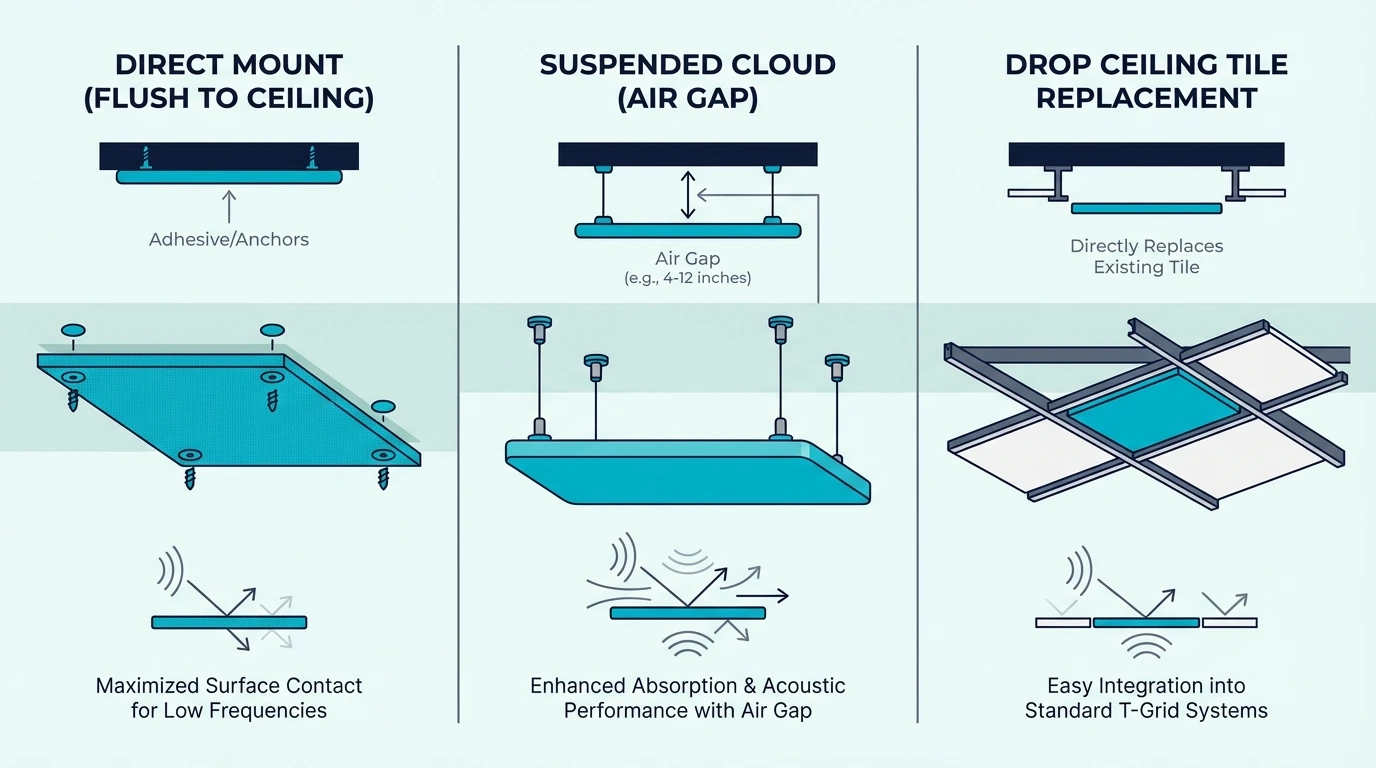
Three main approaches exist for ceiling mounting, each suited to different situations and skill levels.
How Does Direct Mounting Work?
Direct mounting attaches panels flush against the ceiling surface. This method works well when ceiling height is limited or when you want a clean, integrated look.
The process involves locating ceiling joists, marking panel positions, and using appropriate hardware to secure the panels. Z-clips, impaling clips, or construction adhesive are common attachment methods.
Direct mounting is moderately difficult. you’ll need a helper to hold panels in position while securing them, and working overhead causes fatigue quickly. For specific hardware recommendations, check the panel hanging guide.
What About Suspended Ceiling Clouds?
Suspended clouds hang below the ceiling with an air gap above them. This approach provides better low-frequency absorption because sound can enter the panel from both sides.
The installation uses eye hooks in the ceiling and cables or chains attached to the panel. Typical air gaps range from 2 to 6 inches depending on room height and aesthetic preference.
Cloud installations look more intentional than direct mounting. The floating appearance signals that the room has been acoustically treated, which matters for studios and professional spaces.
Can You Use Drop Ceiling Tiles?
Drop ceiling systems accept acoustic tiles in place of standard ceiling panels. If your room already has a suspended grid ceiling, this is by far the easiest approach.
Simply remove the existing tiles and drop in acoustic panels cut to fit the grid. Standard grid sizes are 2×2 feet or 2×4 feet, and many acoustic panels come pre-cut to these dimensions.
Office buildings, basements, and commercial spaces often have drop ceilings already installed. Taking advantage of the existing grid saves real installation time and effort.
Get Studio Tips Weekly
Join 5,000+ creators getting acoustic treatment advice every week.
No spam. Unsubscribe anytime.What Safety Considerations Apply?
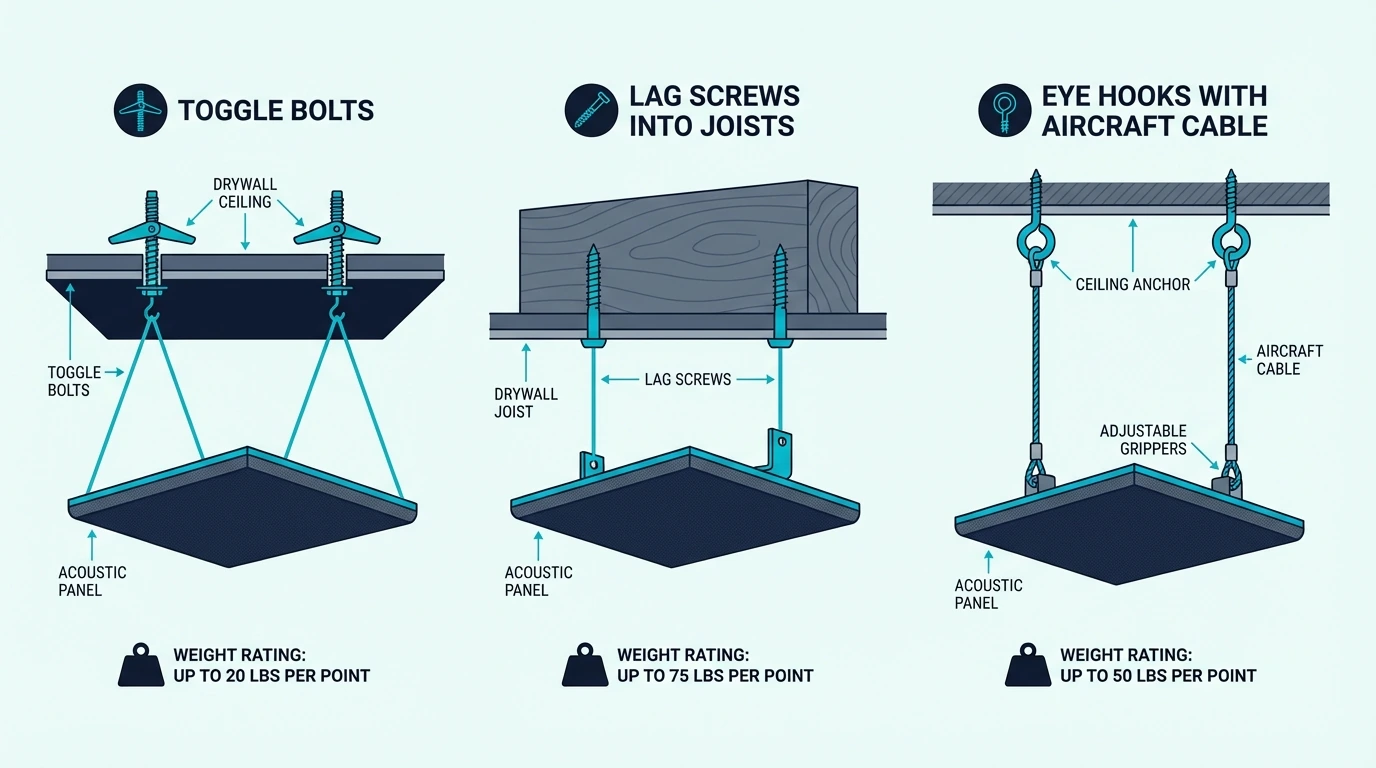
Those mounting options all work — but only if you approach safety correctly. Ceiling installations carry more risk than wall mounting because gravity works against you.
How Much Weight Can Ceilings Support?
Drywall alone supports very little weight. A single drywall anchor might hold 10-15 pounds, but acoustic panels often weigh 5-15 pounds each depending on size and material.
Mounting into ceiling joists changes everything. A properly placed lag screw into a joist can support 50+ pounds easily.
This is why locating joists matters so much for ceiling installations.
For suspended clouds, calculate the total panel weight plus hardware weight. Distribute that load across multiple attachment points rather than relying on a single anchor.
How Do You Find Ceiling Joists?
A stud finder is the standard tool for locating ceiling joists. Run it across the ceiling surface and mark each joist location with pencil or painter’s tape.
Joists typically run parallel to each other, spaced 16 or 24 inches apart. Once you find one, measuring to locate others becomes simple.
Knock testing works as a backup method. The ceiling sounds hollow between joists and more solid directly over them.
Combine knock testing with stud finder results for confidence.
What Hardware Ensures Secure Mounting?
Toggle bolts provide the strongest drywall-only attachment. The wings spread behind the drywall to distribute load across a larger area than standard anchors.
For joist mounting, lag screws or heavy-duty wood screws work best. Pre-drill pilot holes slightly smaller than the screw diameter to prevent splitting.
Cable suspension systems need rated hardware. Aircraft cable rated for several hundred pounds provides huge safety margin for acoustic panel weights.
Don’t use decorative chain or lightweight wire.
What Panel Types Work Best on Ceilings?
Before you compare products, it helps to know what suspended ceiling tiles are made of, because the material sets the absorption.
With safety fundamentals covered, material choice becomes the next decision. Not every panel type works equally well for ceiling applications.
Which Materials Handle Overhead Installation?
Lightweight panels make ceiling work easier and safer. PET felt and thin fiberglass panels weigh less per square foot than dense rockwool, reducing strain during installation.
Fiberglass wrapped in fabric remains the professional standard for ceiling clouds. The material offers excellent absorption while staying light enough for cable suspension systems.
Foam panels work for budget ceiling treatment but absorb less effectively than fiberglass alternatives. The weight savings don’t compensate for reduced performance in most serious applications.
Does Thickness Matter for Ceiling Panels?
Two-inch panels handle most ceiling treatment needs effectively. They absorb frequencies above 500Hz where first reflections cause the most audible problems.
Four-inch panels extend absorption into lower frequencies but add weight and cost. Reserve thicker panels for rooms with specific low-mid issues or professional recording applications.
For general guidance on panel thickness, the panel effectiveness guide explains frequency absorption.
How Many Ceiling Panels Do You Need?
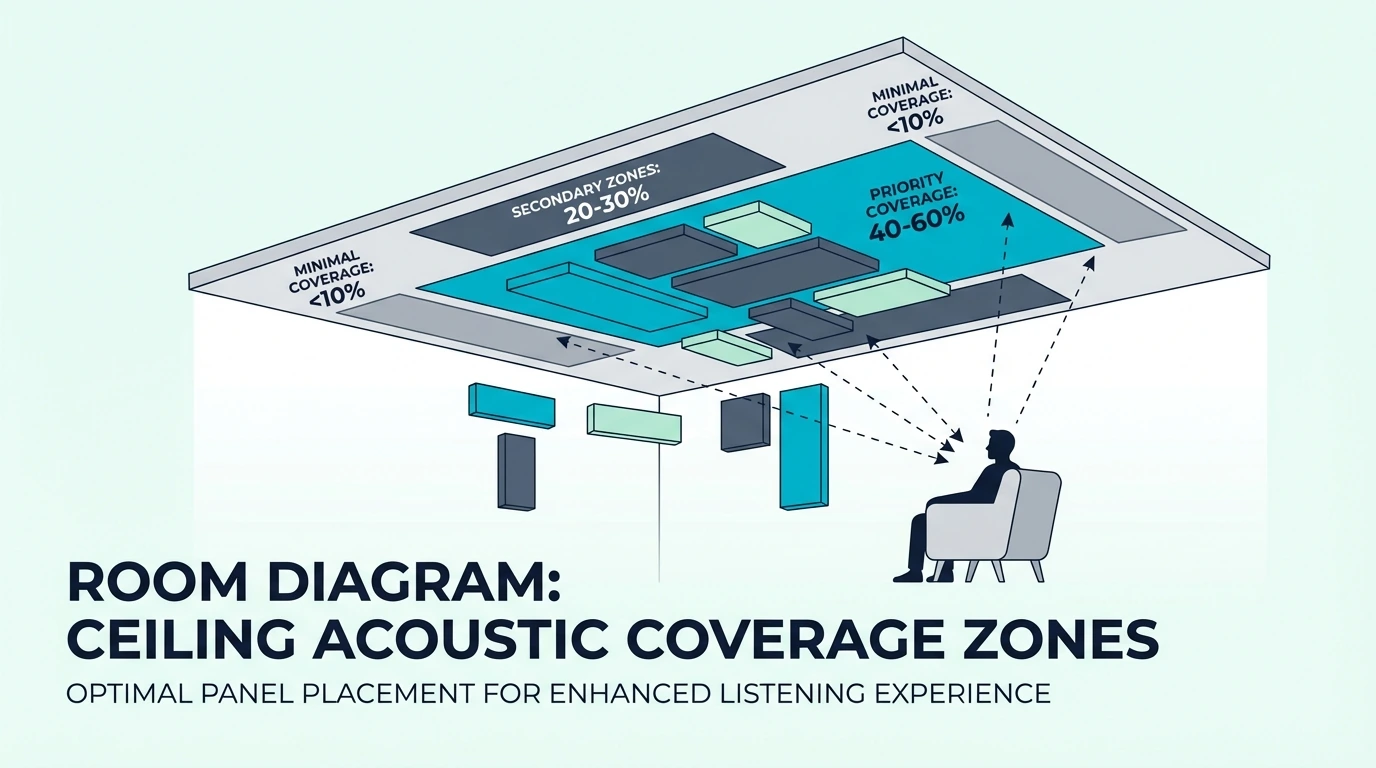
The practical question becomes quantity. How much of your ceiling actually needs treatment?
What Percentage Coverage Works Best?
Most rooms benefit from 25-50% ceiling coverage. This range provides meaningful acoustic improvement without making the room feel dead or over-treated.
Critical listening spaces like studios often push toward 40-60% coverage. The goal is controlling enough reflection to hear accurately while maintaining some natural room character.
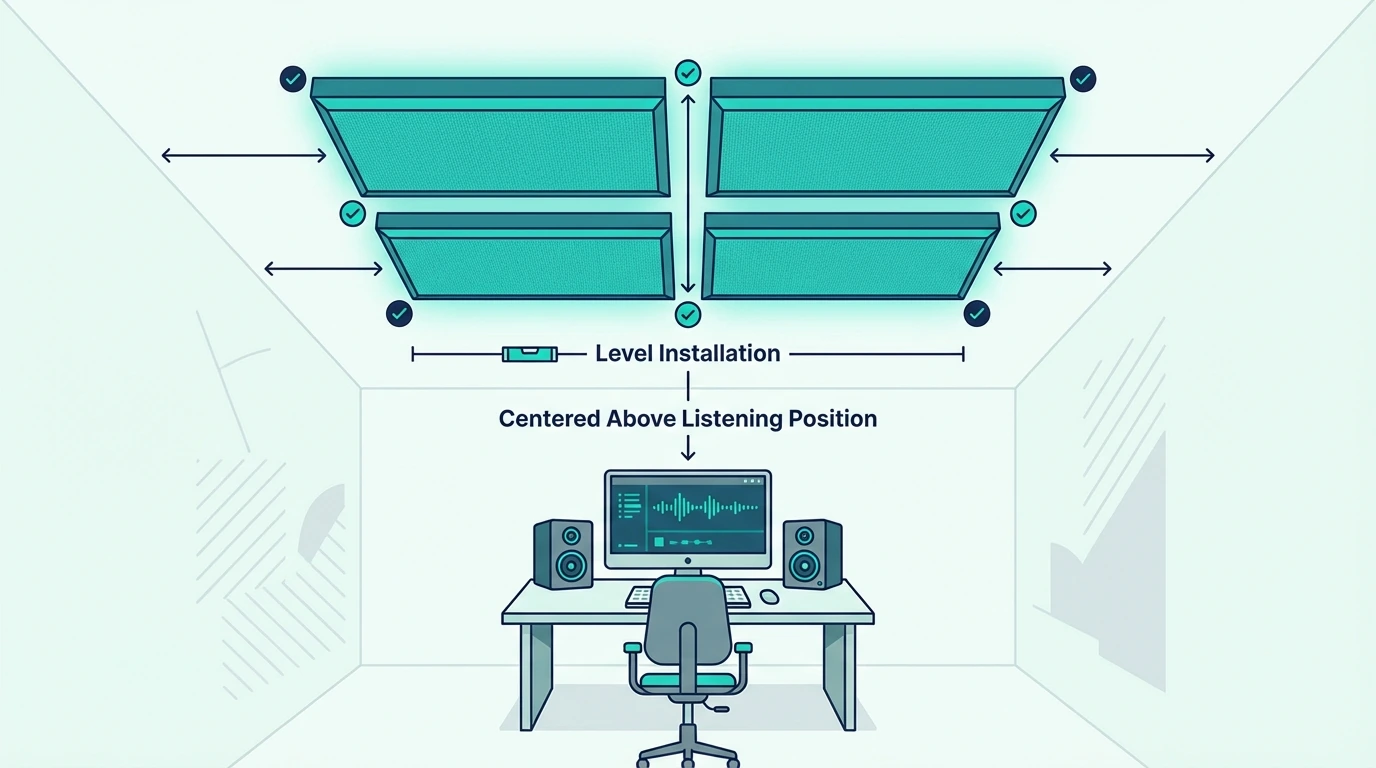
Start with treatment directly above your primary listening or working position. That zone affects what you hear more than any other ceiling area.
The panel quantity calculator helps determine exact numbers.
Which Ceiling Areas Deserve Priority?
The first priority zone is directly above where you sit or stand most often. For home studios, that’s above the mixing position.
For home theaters, it’s above the main seating area.
Second priority goes to the ceiling area between your speakers (or sound source) and your listening position. First reflections in this zone have the most impact on what you hear.
The ceiling above equipment racks, corners, or doorways has lower priority. Sound interaction in these zones matters less for most use cases.
What Common Mistakes Should You Avoid?
A few preventable errors cause most ceiling panel failures.
Why Do Some Ceiling Installations Fail?
Under-engineering the mounting is the primary cause of problems. Those weight limits and joist-mounting techniques matter here.
Ignoring them is exactly how panels fail.
People use hardware rated for exactly the panel weight with zero safety margin, then wonder why panels sag or fall after months of subtle vibration.
Ignoring joist locations leads to drywall-only mounts that can’t handle the load long-term. Always locate joists first and plan panel placement around secure mounting points.
How Can You Prevent These Issues?
Use hardware rated for at least double your panel weight. The cost difference between adequate and over-engineered hardware is minimal compared to the risk of failure.
Test your mounting before committing. Hang one panel and check it after a week.
If it stays secure under normal room conditions, proceed with the rest of your installation.
What Results Should You Expect?
With secure mounting, the right panels, and strategic coverage, ceiling treatment delivers noticeable improvement that most people recognize immediately.
The room feels less echoey, voices sound clearer, and audio playback gains definition.
For recording and mixing, ceiling panels often provide the biggest single improvement over an untreated room. The clarity gained from controlling overhead reflections translates directly to better decisions during creative work.
The change is most obvious when someone else enters your treated room. They’ll comment on how different it sounds compared to typical spaces — that feedback confirms you’ve done something meaningful.
For product recommendations, the best ceiling panels guide covers top options.
These ceiling-ready panels are structurally rated for overhead mounting:
UMIACOUSTICS 4-Pack Acoustic Panels with Brackets
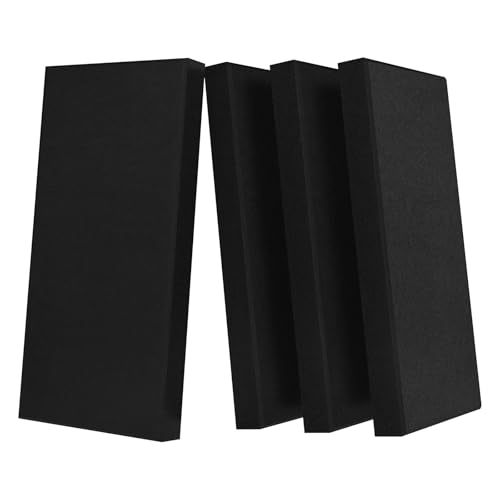
UMIACOUSTICS 4-Pack Acoustic Panels with Brackets
UMIACOUSTICS Standard Fiberglass Acoustic Panels
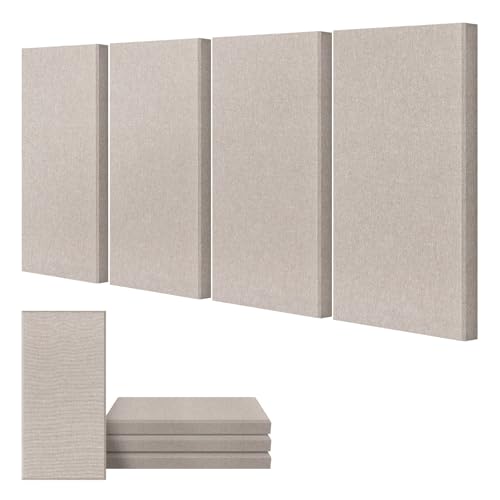
UMIACOUSTICS Standard Fiberglass Acoustic Panels
BUBOS 4-Pack Fabric Wrapped Acoustic Panels
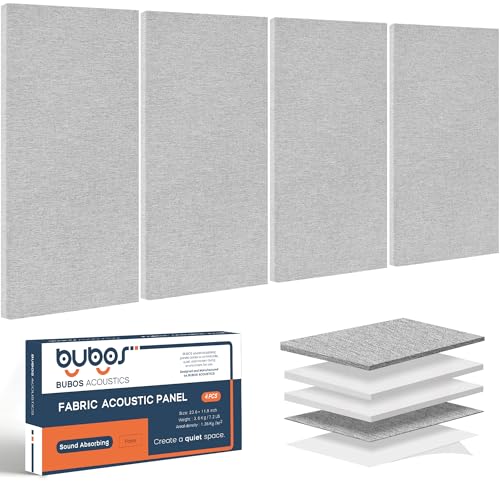
BUBOS 4-Pack Fabric Wrapped Acoustic Panels
The full installation guide walks through ceiling cloud setups step by step.
Use the panel count calculator to estimate how many ceiling panels your room needs before ordering.
Combine ceiling treatment with wall coverage using the placement guide for best results.
For ceiling clouds, 2-inch density panels absorb low-mid frequencies that 1-inch panels miss.
Ceiling panels accumulate dust quickly — see the cleaning guide for the right maintenance approach.
For ceiling mounts, fabric-wrapped panels hold up better than foam over time.
Building a DIY ceiling cloud costs 60–80% less than commercial options with identical performance.
Frequently Asked Questions
These are the questions that come up most often about ceiling panel installation.
Is It Safe to Mount Acoustic Panels on the Ceiling?
Yes, ceiling mounting is safe when done correctly. Use hardware rated for more than your panel weight, mount into joists when possible, and distribute load across multiple attachment points.
Avoid single-anchor installations for heavy panels.
Can Ceiling Panels Fall Down?
Properly installed ceiling panels should never fall. Failures occur when people use inadequate hardware, skip joist mounting, or exceed weight ratings.
Follow manufacturer guidelines and use appropriate safety margins.
Do Ceiling Panels Work as Well as Wall Panels?
Ceiling panels address different acoustic problems than wall panels. They’re particularly effective for first reflections, flutter echo, and overhead sound paths.
Most treated rooms need both ceiling and wall treatment for complete acoustic control.
How Far Should Ceiling Panels Hang Below the Surface?
Direct mount panels sit flush against the ceiling. Suspended clouds typically hang 2-6 inches below, with more gap providing better low-frequency absorption.
Room height determines what gap is practical — maintain at least 7 feet of clearance below panels.
Can I Install Ceiling Panels Myself?
DIY ceiling installation is possible but challenging. Working overhead causes fatigue, and you’ll need a helper to hold panels during attachment.
Start with lighter panels and simpler mounting methods if you’re new to acoustic treatment. Check the installation guide for complete instructions.