Best Soundproofing Material (Ranked By What Actually Blocks Noise)
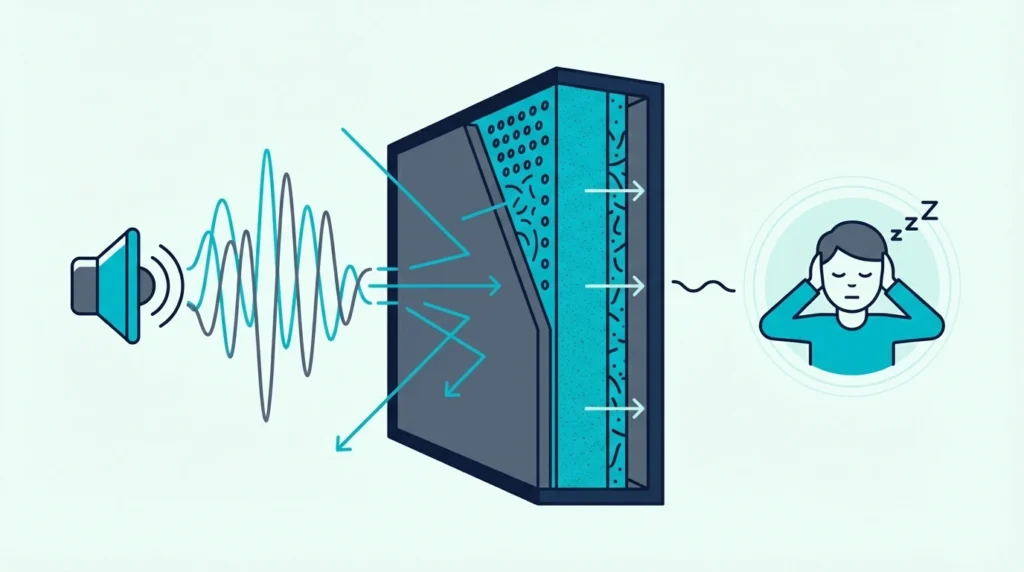
Best soundproofing material is not one product, but most buyers search for exactly that — and that single misunderstanding is why the first purchase often does the wrong job entirely.
The problem is that “soundproofing material” gets applied to everything from mass loaded vinyl to acoustic foam, even though one blocks noise through walls and the other only absorbs echo inside the room. Picking the wrong category means the noise stays exactly the same no matter how much you spend.
Below you will find one recommended product for each category of soundproofing material — from mass barriers and damping compounds to door seals and sealants — so you can match the right material to the right surface and get a real result on the first try.
The best soundproofing materials cover four jobs: mass (MLV, extra drywall), damping (Green Glue), cavity absorption (mineral wool), and sealing (acoustic caulk). For walls, drywall plus Green Glue gives the best cost-to-performance ratio. For doors and windows, sealing gaps and adding a curtain or sweep often delivers the biggest improvement per dollar. Start with whatever surface leaks the most noise.
Our Top Picks At A Glance
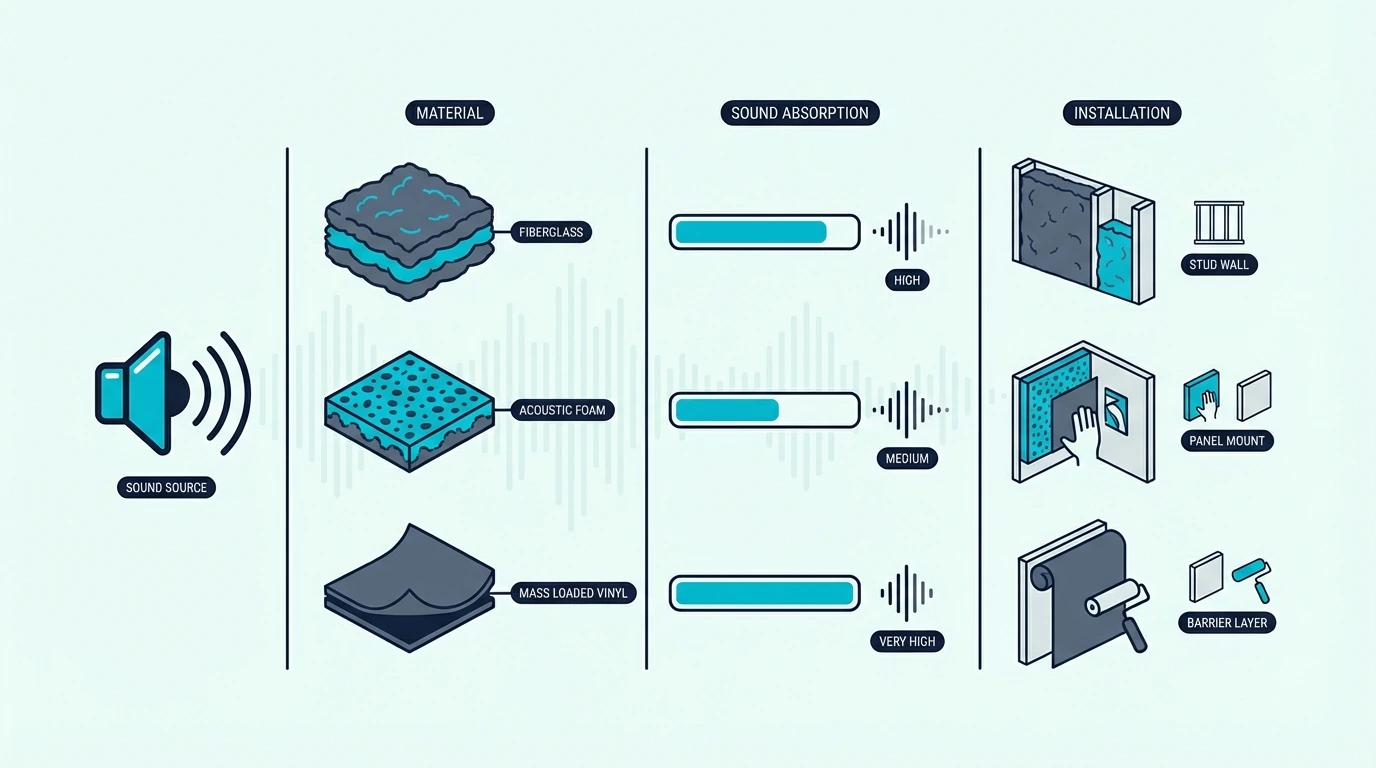
Each material below addresses a different part of the soundproofing problem. Most projects need at least two or three of these working together — mass alone will not help if the edges leak, and sealing alone will not help if the wall is paper-thin.
The picks are organized by the job each material does, not by price. A cheap door sweep can deliver more perceived improvement than a far pricier roll of MLV if the door was the real weak point all along.
Plain wood isn’t one of the picks: HUD rates 1 in of fir at 20 dB of transmission loss against 40 dB for 4 in of dense concrete, and our guide to what wood blocks and absorbs has the full table.
| Product | Link |
|---|---|
Best Mass Barrier 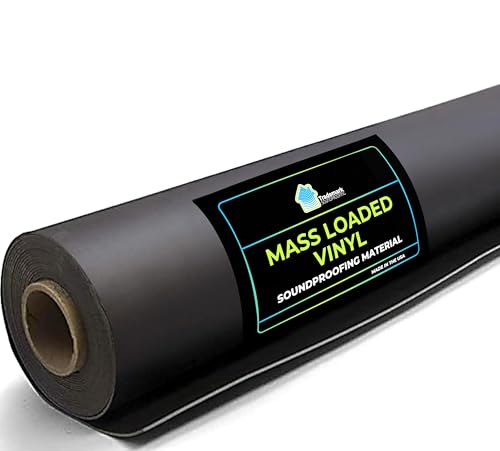 | See ratings |
Best Damping Compound 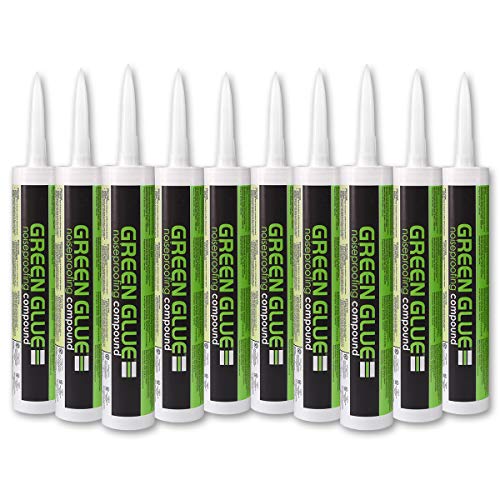 | See ratings |
Best Soundproof Curtain 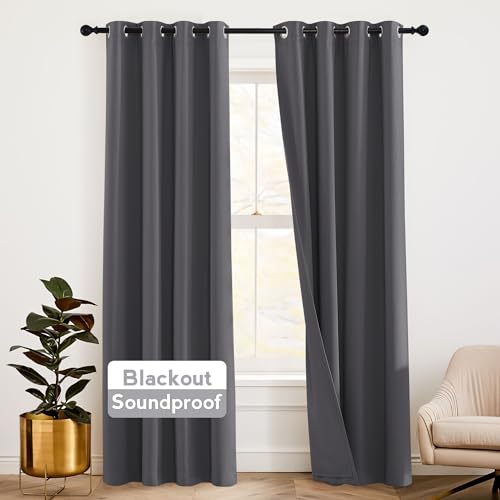 | See ratings |
Best Door Seal 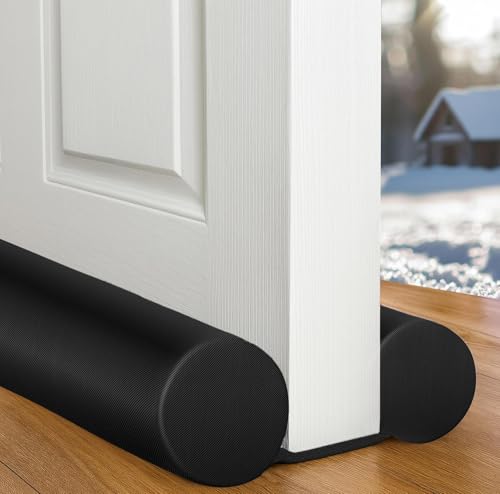 | See ratings |
Best Sealant 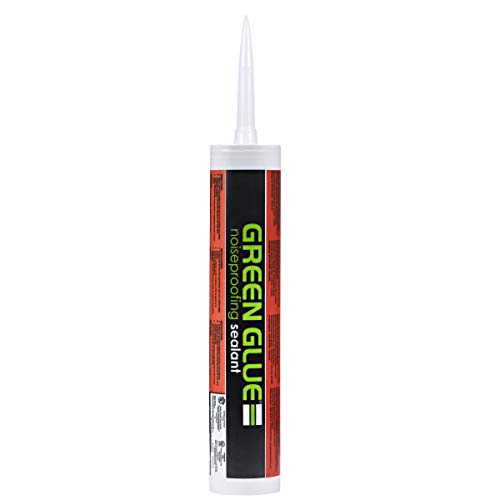 | See ratings |
Best Absorption Panel 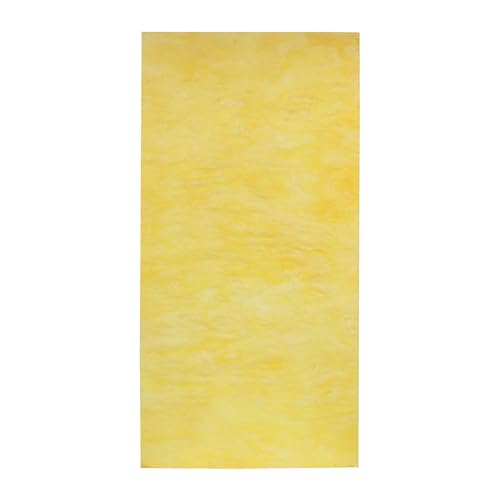 | See ratings |
Best Temporary Barrier 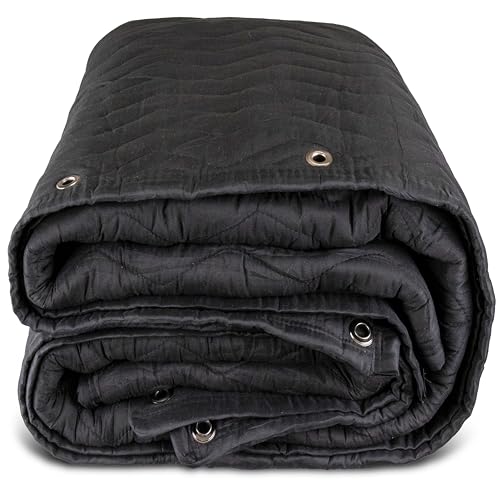 | See ratings |
Wall and Ceiling Materials: Mass, Damping, and Cavity Fill
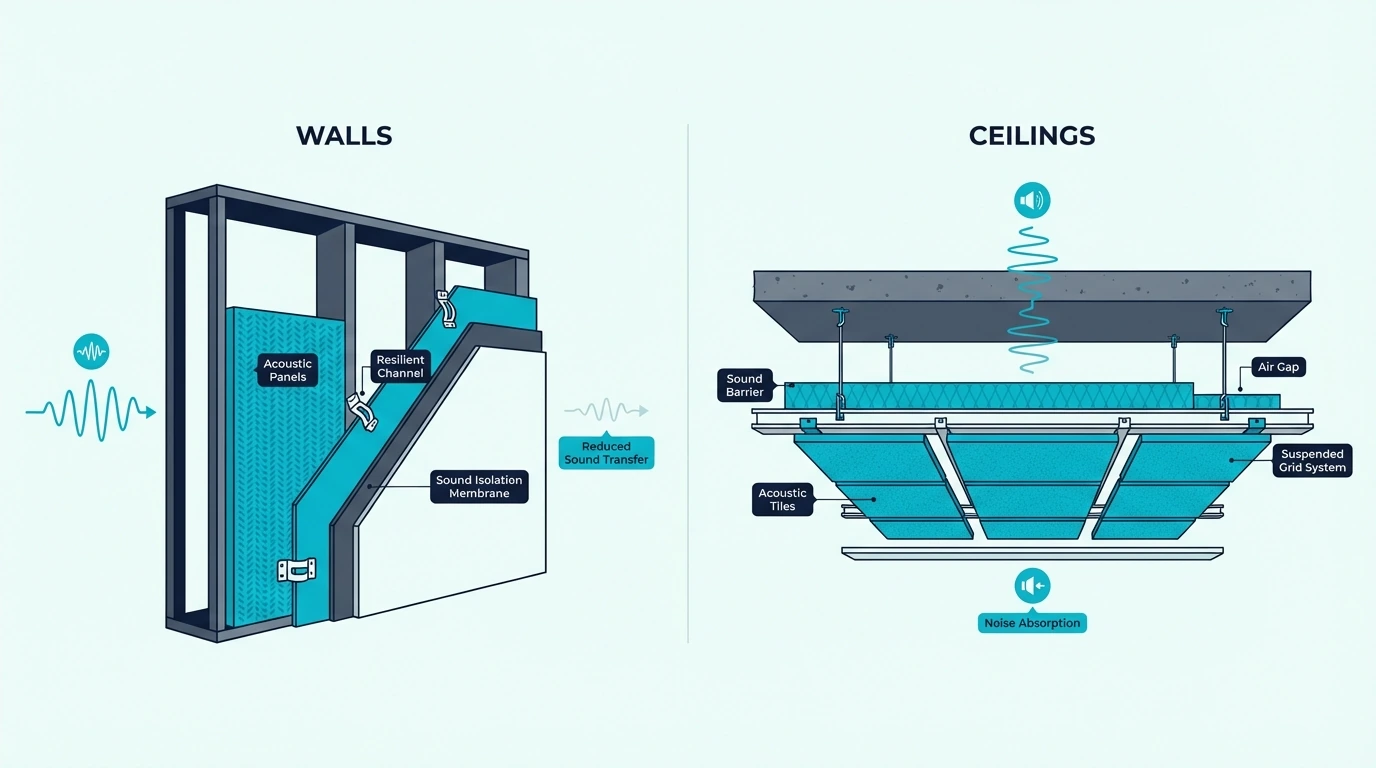
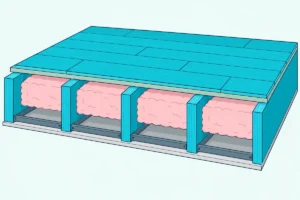
Walls and ceilings account for the largest surface areas in most rooms, so the materials used here have the biggest impact on overall noise reduction. Three categories matter most: mass barriers, damping compounds, and cavity insulation.
Ceilings add footsteps to the problem, so Burton Acoustix’s ceiling material comparison weighs these same three by their published impact (IIC) ratings as well as STC.
Best Mass Barrier: Mass Loaded Vinyl
Trademark Soundproofing Mass Loaded Vinyl is the strongest barrier material you can buy on Amazon for blocking airborne noise through walls and ceilings.
Trademark Soundproofing Mass Loaded Vinyl
At 1 lb per square foot, MLV adds density to a wall assembly without adding much thickness. It works best installed as a continuous, sealed layer between two rigid surfaces — typically between drywall layers or stapled to studs before the finish layer goes on.
Gaps between sheets reduce performance significantly, so overlapping seams and sealing edges with acoustic caulk is essential.
MLV earns its value inside wall assemblies where its thin profile and high density matter. Hanging loose MLV on a finished wall provides less benefit than the same weight of additional drywall, because drywall creates a rigid sealed surface.
For the full wall approach, see best soundproofing panels.
Best Damping Compound: Green Glue
Green Glue Noiseproofing Compound is the most tested damping compound for residential wall and ceiling upgrades.
Green Glue Noiseproofing Compound
Applied between two layers of drywall, Green Glue converts vibration energy into heat. That means less sound passes through the drywall sandwich to the other side.
Testing shows 3 to 9 STC points of improvement compared to the same two layers without damping — roughly equivalent to cutting perceived loudness by 30 to 50 percent at the frequencies where it works hardest.
A case of 12 tubes covers about 6 sheets of drywall at the recommended 2 tubes per sheet for walls. For most bedrooms and home offices, drywall plus Green Glue is the best cost-to-performance upgrade available without full decoupling.
For application details and common mistakes, see our soundproofing hub.
Best Cavity Insulation: Mineral Wool Batts
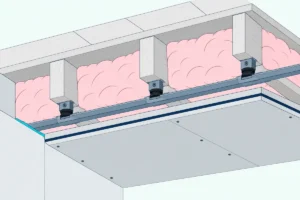
Mineral wool batts fill the cavity between wall studs or ceiling joists and absorb sound there, which reduces resonance. No mineral wool batt on Amazon met our review and stock checks on 15 October, so buy batts from a building supplier.
Without cavity insulation, the air space between drywall layers acts like a drum and can amplify certain frequencies. That is why even a well-sealed, heavy wall can still underperform if the cavity is empty.
Mineral wool is denser and stiffer than standard fiberglass batts, and ROCKWOOL says its batts friction-fit between the studs, but NRC Canada’s lab work on about 400 walls found denser absorbers help mainly at higher frequencies, not the low ones that set a wall’s STC rating.
This material only works inside cavities — it does nothing stuck to the surface of a finished wall. If you are building or opening a wall anyway, filling the cavities is one of the cheapest performance gains available.
For a deeper comparison, see best insulation for soundproofing.
Get Studio Tips Weekly
Join 5,000+ creators getting acoustic treatment advice every week.
No spam. Unsubscribe anytime.Floor, Door, and Window Materials, And Openings
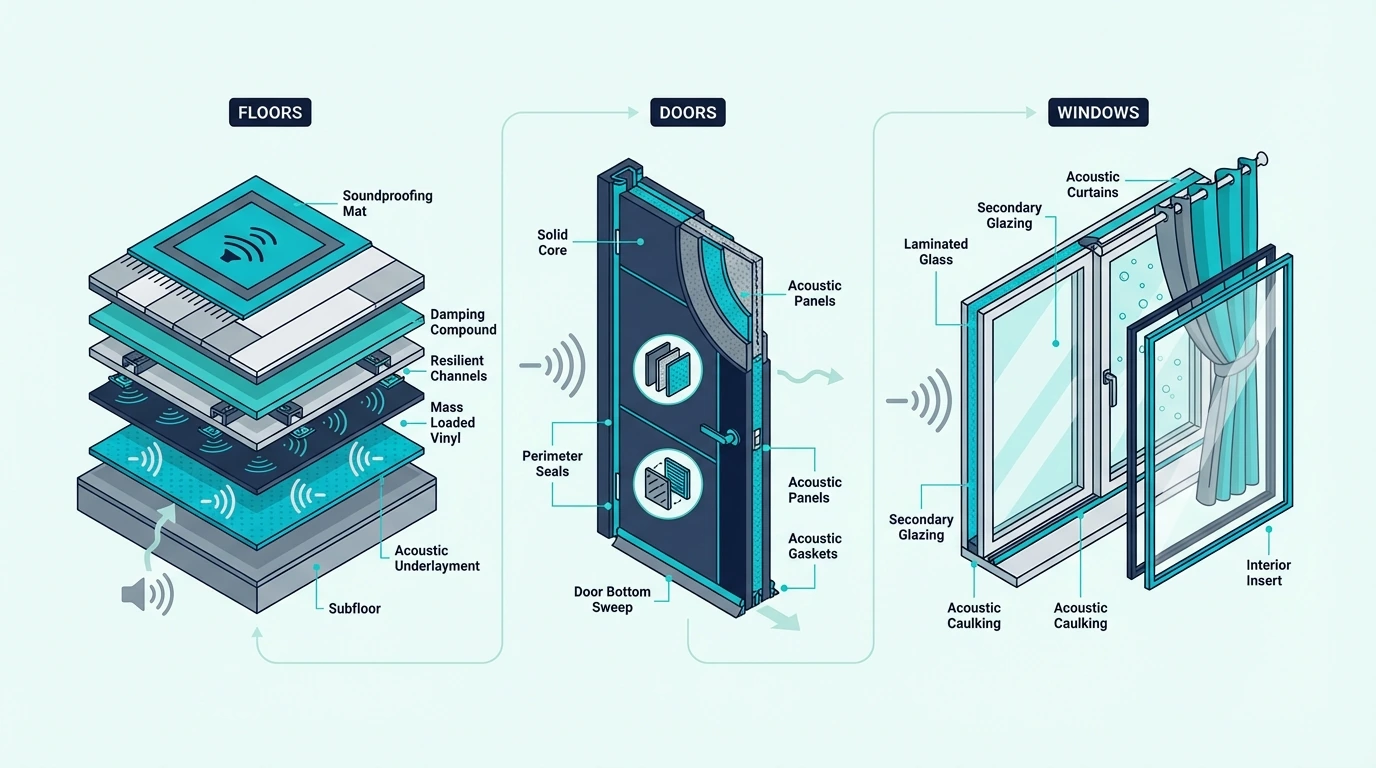
Doors, windows, and unsealed openings are almost always the weakest points in any room. Treating them first often delivers the biggest improvement per dollar because the noise concentrates at these leak paths instead of spreading evenly across the wall.
Best Soundproof Curtain: RYB HOME
RYB HOME Soundproof Divider Curtain is our pick for a heavy curtain that reduces noise at windows and open spaces without any construction.
RYB HOME Soundproof Divider Curtain
Heavy curtains reduce high-frequency noise by 5 to 10 dB — useful for street noise, barking dogs, and general urban sound when combined with sealed window frames. They do not block low-frequency bass or heavy traffic rumble, so expectations need to match what fabric can physically do.
Curtains earn their keep when the window frame is already sealed and you want an additional layer of mass over the glass, or when you need a renter-friendly fix that comes down when you move. For a deeper comparison, see best soundproof curtains.
Best Door Seal: MAXTID Draft Stopper
MAXTID Under Door Draft Stopper seals the gap under the door — the single most common noise leak path in any room.
MAXTID Under Door Draft Stopper
Doors are usually the weakest point in a room. A hollow-core door with a visible gap at the bottom transmits nearly as much noise as an open window.
Before spending on wall treatments, sealing the door gap first often reveals whether the door was the bottleneck all along.
This is the highest-return starting point in the entire roundup. If the door sweep makes a noticeable difference, the next step is weatherstripping the sides and top of the frame.
If it barely helps, the noise is coming through the wall or ceiling instead, and the budget should go there. For the full door approach, see best door sweep for soundproofing.
Best Sealant: Acoustical Caulk
Acoustical Caulk seals the air gaps around door frames, window trim, electrical boxes, and drywall edges that let sound bypass every other material in the assembly.
Acoustical Caulk
Sound follows the path of least resistance. A 1 percent gap in an otherwise solid wall can let through a disproportionate amount of noise because sound concentrates at the weak point.
Acoustic caulk stays flexible permanently, unlike standard caulk that hardens and cracks over time — that flexibility is what makes it suitable for joints that shift with temperature and settling.
This is the material every soundproofing project should start with, regardless of budget. Sealing air paths costs under thirty dollars and often delivers 3 to 5 dB of improvement before any heavier materials go in.
For the broader approach, see our soundproofing hub.
Acoustic Panels, Foam, and Curtains: Treatment vs Soundproofing
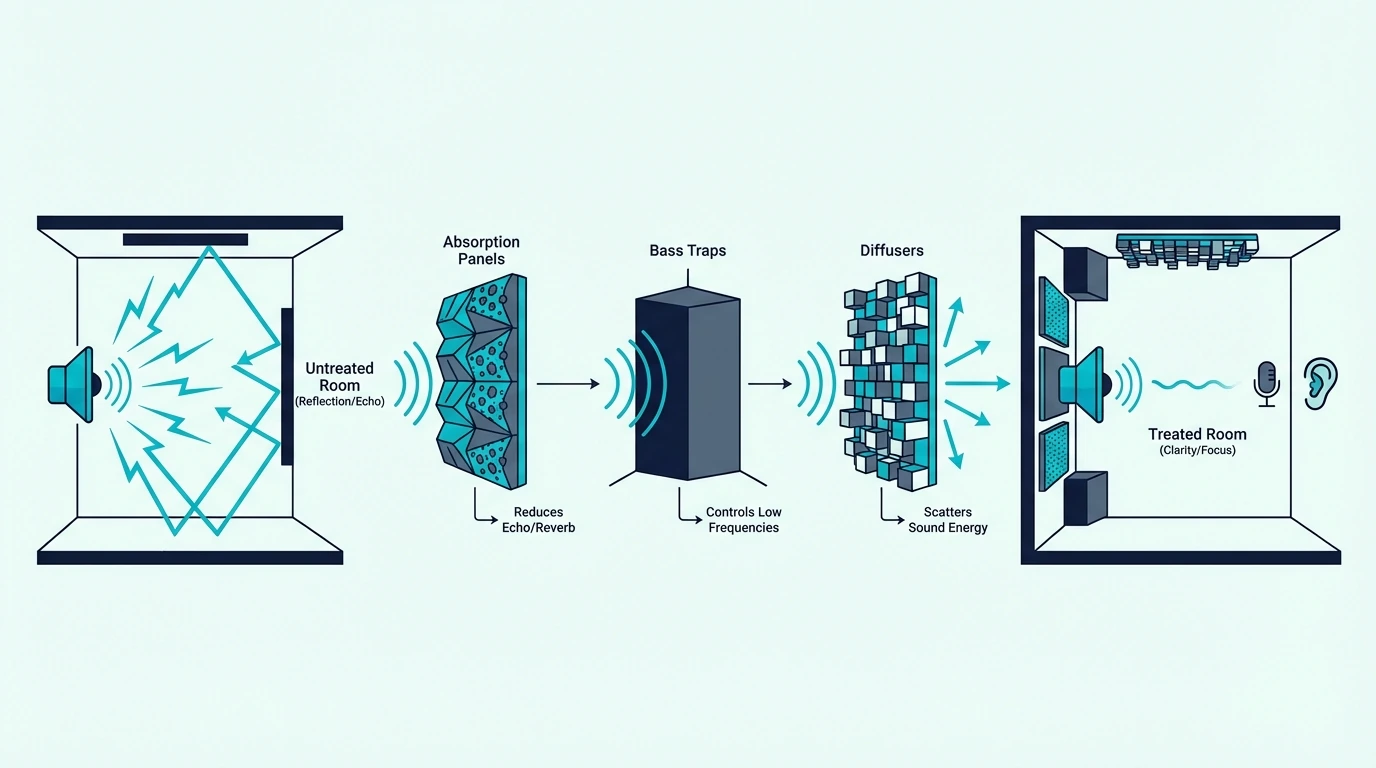
Not every “soundproofing” search is actually about blocking noise. Many buyers are dealing with echo, reverb, or temporary noise problems that call for different materials than mass barriers and damping compounds.
Best Absorption Panel: Owens Corning 703
Owens Corning 703 fiberglass board absorbs echo, reverb and flutter inside a room: Owens Corning lists the 2-inch board at an NRC of 1.00 under ASTM C423, mounted flat against a solid backing.
Owens Corning 703 fiberglass board
This is not a soundproofing material in the blocking sense. OC 703 does not add mass or stop noise from passing through a wall.
What it does is absorb reflections inside the room, which makes speech clearer, music tighter, and the space feel quieter even though the actual noise transmission has not changed.
It earns a spot in this roundup because many “soundproofing” searches are actually room-treatment problems in disguise. If the issue is echo during video calls or muddy audio in a home studio, absorption panels are the right fix.
If the issue is neighbor noise through a shared wall, panels alone will not help — that requires mass, damping, and sealing. For the full treatment approach, see best soundproofing panels.
Best Temporary Barrier: Sound Dampening Blanket
US Cargo Control Sound Dampening Blanket is the heaviest blanket-style barrier you can buy for temporary or renter-friendly noise reduction.
US Cargo Control Sound Dampening Blanket
Hanging a heavy blanket over a weak surface adds mass without construction. It will not match the performance of a drywall-plus-Green-Glue assembly, but it can take the edge off moderate noise in apartments, dorm rooms, and rental spaces where permanent modifications are not allowed.
The grommeted design makes it easy to hang from hooks and reposition as needed. It also works as a diagnostic tool — hang it over the suspected weak surface and listen.
If the noise drops noticeably, you have confirmed where the main leak path is before committing to a bigger investment.
How To Choose The Right Material
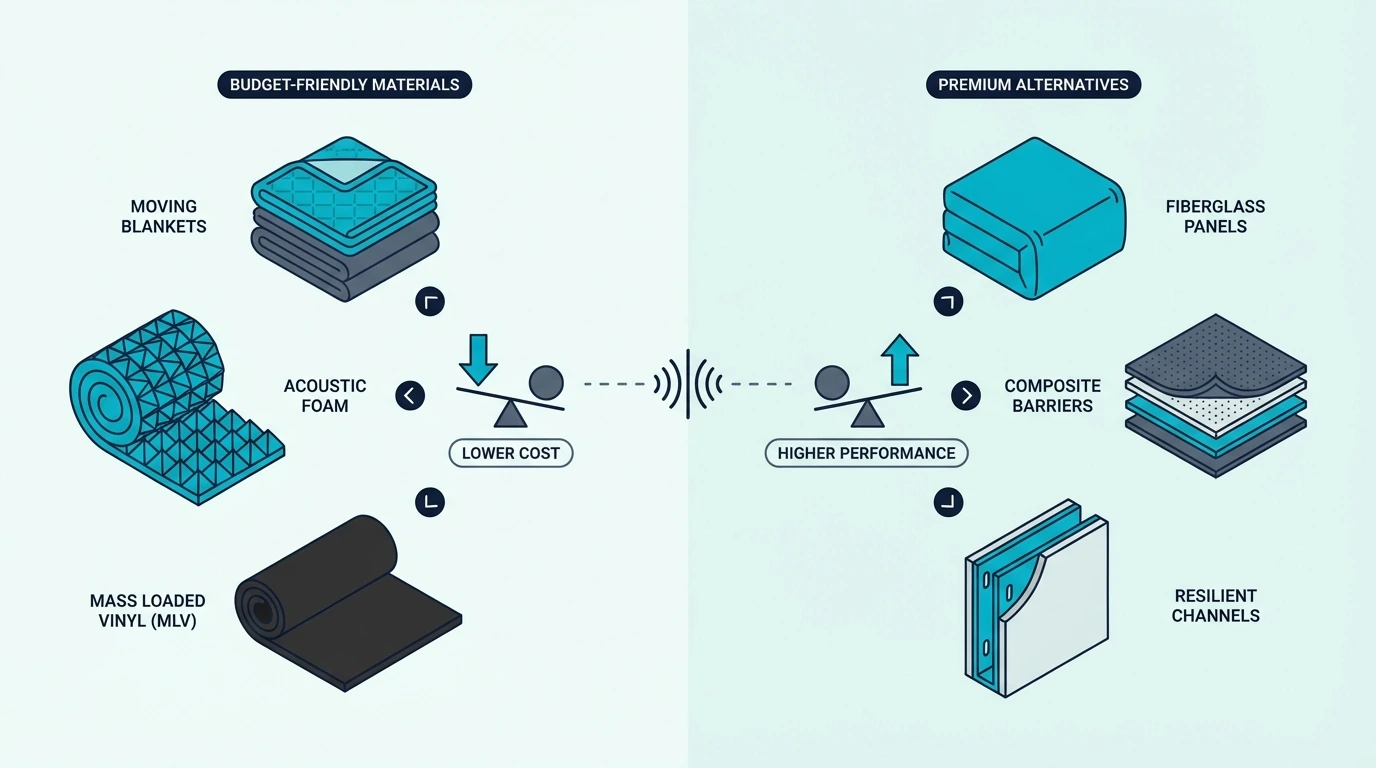
The decision is simpler than it looks once you think in order of priority instead of trying to pick one product.
Step 1: Seal Air Gaps First
Acoustic caulk and a door sweep cost under fifty dollars combined and close the paths that bypass everything else. Start here regardless of budget.
Step 2: Identify The Weakest Surface
If the door is hollow with gaps, treat the door. If the wall is thin and the door is solid, treat the wall.
If the window rattles, treat the window. Treating the strongest surface while ignoring the weakest wastes money.
Step 3: Match The Material To The Job
Use mass (MLV, extra drywall) for thin surfaces that vibrate easily. Use damping (Green Glue) between rigid layers to reduce vibration transfer.
Use insulation (mineral wool) inside open cavities. Use curtains and blankets when you cannot modify the structure.
Step 4: Combine For Best Results
No single material solves the full problem. A wall treated with MLV but no sealed edges will leak around the perimeter.
A ceiling with insulation but no added mass will still transmit airborne noise through the drywall. The best results come from addressing mass, damping, absorption, and sealing together.
The Bottom Line
The best soundproofing material is always a system, not a single product. Start by sealing air gaps with acoustic caulk, then add mass and damping where sound passes through surfaces.
For most residential wall and ceiling projects, a second layer of drywall with Green Glue between layers delivers the best cost-to-performance ratio. For severe airborne noise, adding mass loaded vinyl to the assembly pushes performance further.
For renters and lighter fixes, a door sweep plus soundproof curtains can deliver noticeable improvement without any construction.
For a complete room-by-room approach, see our soundproofing hub and related guides on best insulation for soundproofing, best soundproofing panels, and best soundproof curtains.
Frequently Asked Questions
What is the most effective soundproofing material?
Mass loaded vinyl (1 lb per square foot) installed as a continuous layer inside a wall assembly is the single most effective material for blocking airborne noise. For maximum performance, combine it with damping compound and an additional layer of drywall.
No single material alone provides complete soundproofing — the best results come from combining mass, damping, absorption, and sealing.
What is the best soundproofing material for walls?
An additional layer of 5/8-inch drywall with Green Glue damping compound between layers provides the best cost-to-performance ratio for most wall projects. For higher performance, add mass loaded vinyl between the drywall layers or install sound isolation clips to decouple the wall surface from the framing.
What is the cheapest soundproofing material that actually works?
Acoustic caulk and a door sweep are the cheapest effective soundproofing materials. Sealing air gaps around doors, windows, and wall penetrations costs under fifty dollars total and can reduce noise by 3 to 5 dB.
After sealing, the next cheapest effective upgrade is an additional layer of standard 5/8-inch drywall.
Egg cartons aren’t a cheaper route to the same result, as our page on egg cartons as soundproofing explains.
Does acoustic foam work for soundproofing?
No. Acoustic foam is lightweight and designed to absorb high-frequency reflections inside a room. It adds virtually no mass to a surface and does not block noise transmission through walls, ceilings, or floors.
Foam is room treatment for echo control, not a soundproofing material.