Best Soundproofing Panels (What Actually Blocks Noise vs What Doesn’t)
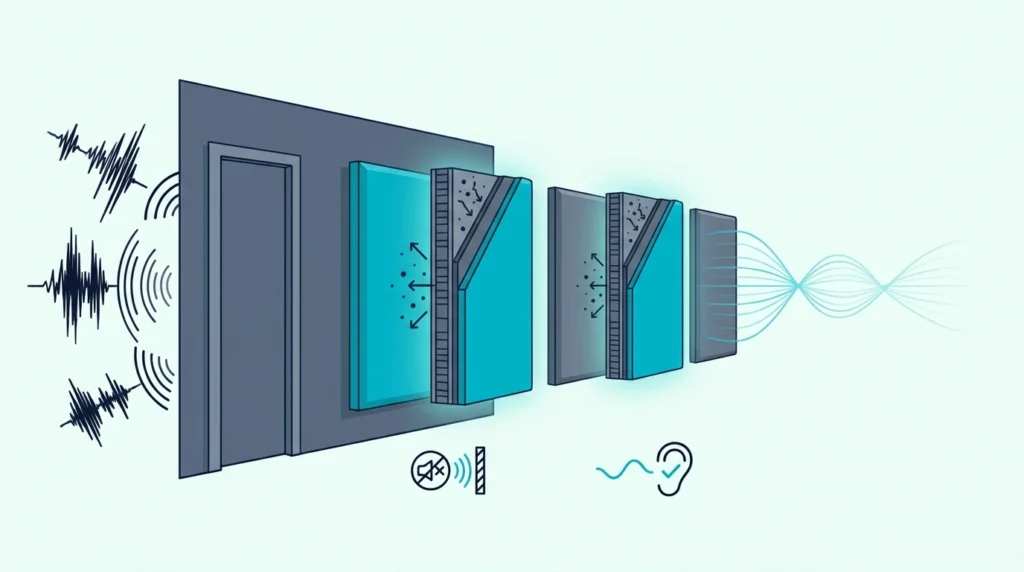
Best soundproofing panels is one of the most searched product terms in noise control, but the products most stores label as “soundproofing panels” don’t actually soundproof anything. Acoustic foam panels reduce echo and reverberation inside a room – they don’t block noise from passing through walls, ceilings, or floors.
That distinction matters because buying the wrong product wastes money and leaves you with the same noise problem. Real noise blocking requires mass – dense, heavy materials that stop sound waves from transmitting through a surface.
Below, you’ll find which panel types actually reduce noise transmission, which ones only improve room acoustics, and our top picks for each category so you can buy the right product for your situation.
If your goal is blocking noise through a wall, mass loaded vinyl (MLV) panels and extra drywall with damping compound are the effective products. If your goal is reducing echo inside a room for better audio quality, acoustic foam or fabric-wrapped panels are what you need. Most “soundproofing panels” sold online are acoustic absorption panels – effective for echo, not for noise blocking.
The Two Categories Most Buyers Confuse
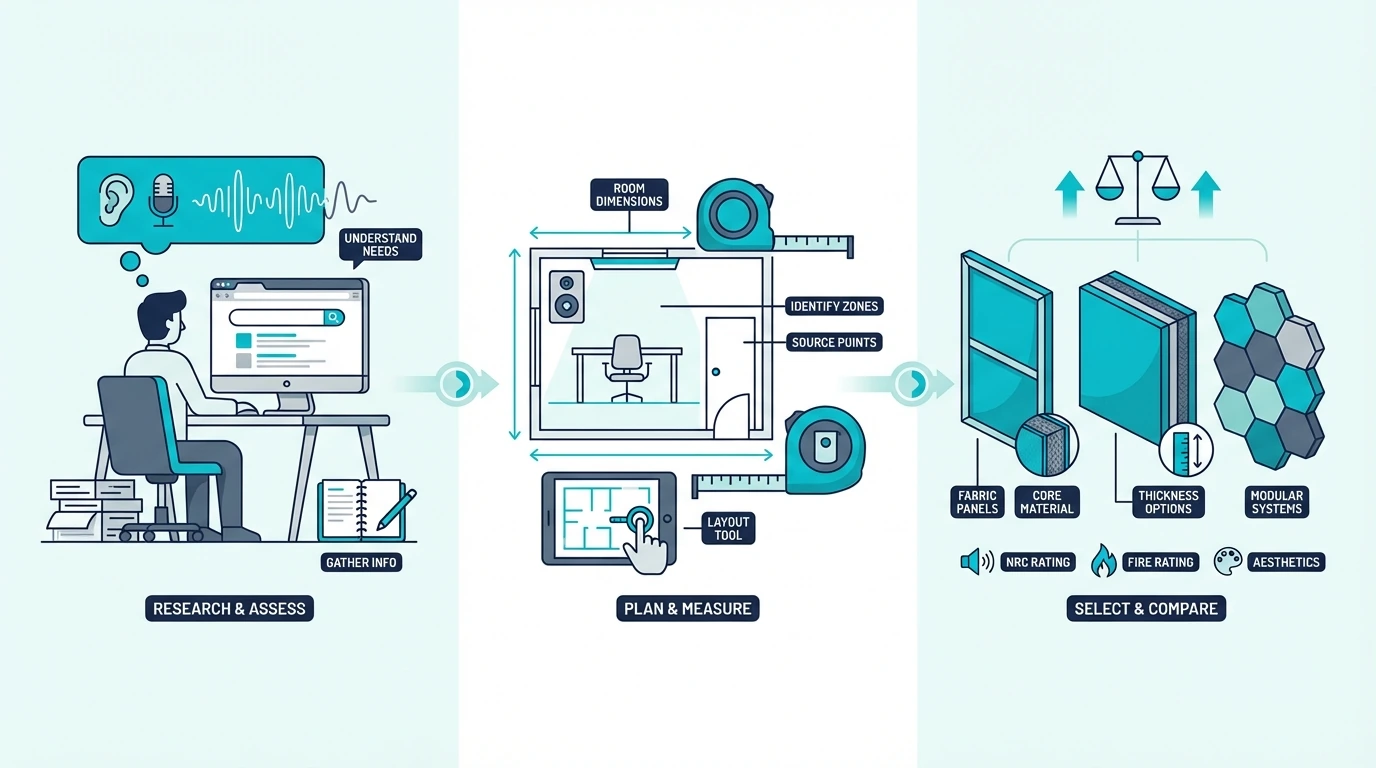
The term “soundproofing panels” covers two completely different product categories. Understanding which one solves your problem prevents an expensive mistake.
Absorption panels vs mass barriers
Most panels sold as “soundproofing” are acoustic absorption panels – lightweight foam or polyester that absorbs sound energy bouncing around inside a room. They make echo and reverberation quieter, which improves speech clarity and recording quality.
Blocking noise from passing through a wall requires something fundamentally different: mass. Sound waves need heavy, dense barriers to stop them – not lightweight foam.
Mass loaded vinyl, extra layers of drywall, and damping compounds are the products that actually reduce noise transmission between rooms.
Which rooms need which category
That absorption-vs-mass split maps directly to different rooms and complaints. For echo reduction and audio clarity, absorption panels work well in home offices (video calls), recording spaces, gaming rooms, and any room with hard surfaces that create excessive reverberation.
For noise blocking, mass-barrier products work in bedrooms with shared walls, home offices next to noisy rooms, and anywhere you need to reduce sound passing through a surface. The deciding question is whether the noise problem lives inside your room (echo) or enters from outside it (transmission).
The specs that separate good panels from bad ones
Once you know which category you need, the comparison specs change too. For acoustic panels: density, thickness, and NRC (Noise Reduction Coefficient) rating determine absorption performance.
Higher NRC means more echo absorbed. Mounting method matters too – panels with adhesive backing are easier for renters.
For mass-barrier panels: weight per square foot is the primary metric. One pound per square foot of mass loaded vinyl is the standard for residential wall treatment.
Heavier barriers block more sound but cost more and are harder to install.
| Product | Size | Link |
|---|---|---|
Best Overall 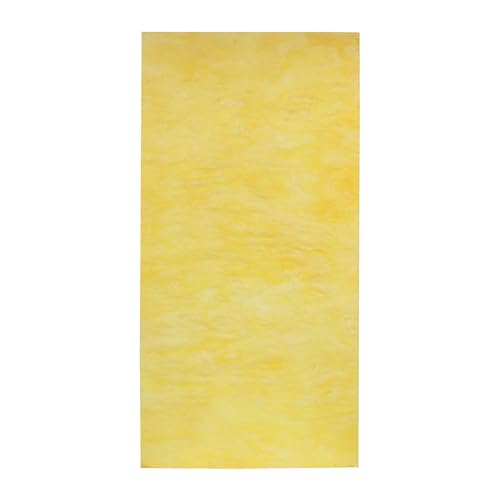 | 2 inch | See ratings |
Best Pro-Grade 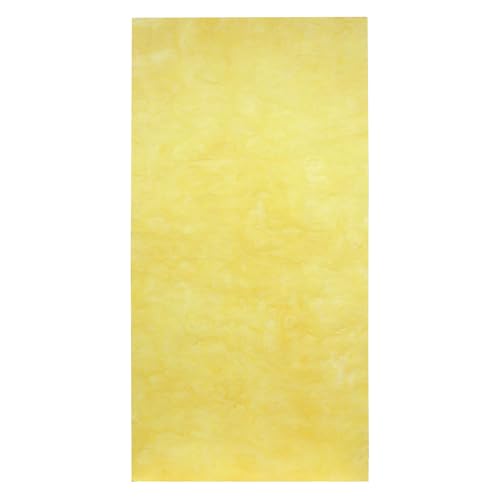 | 2 inch | See ratings |
Best Premium 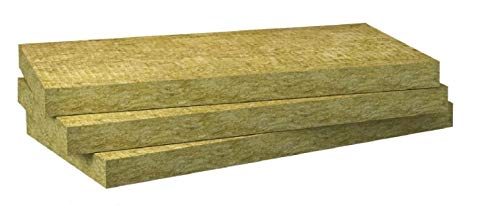 | 2 inch | See ratings |
Best Value 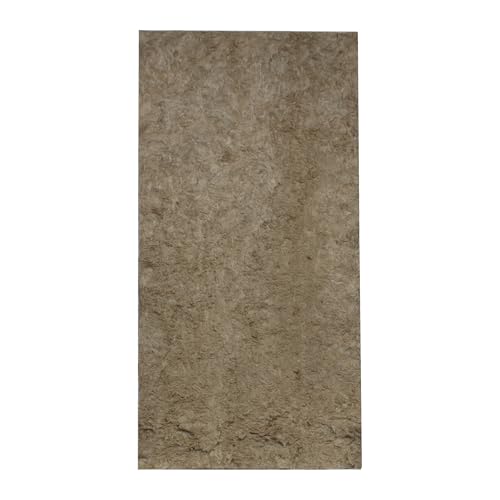 | — | See ratings |
Best Foil-Faced 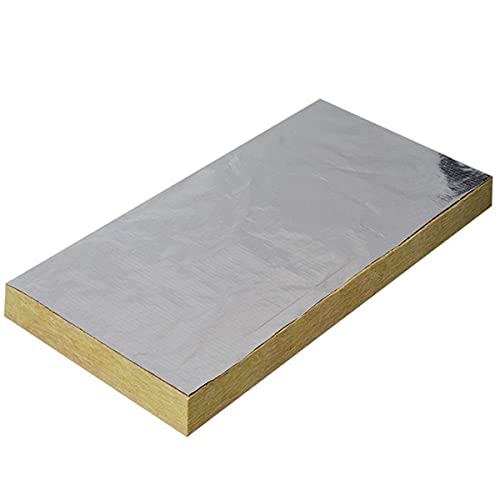 | — | See ratings |
Best For Small Projects 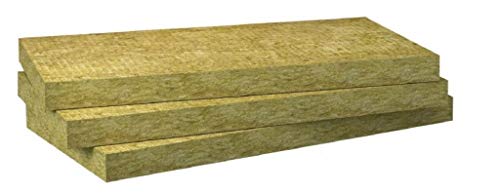 | 2 inch | See ratings |
Panel Types: Fabric-Wrapped, Foam, Decorative, and Ceiling
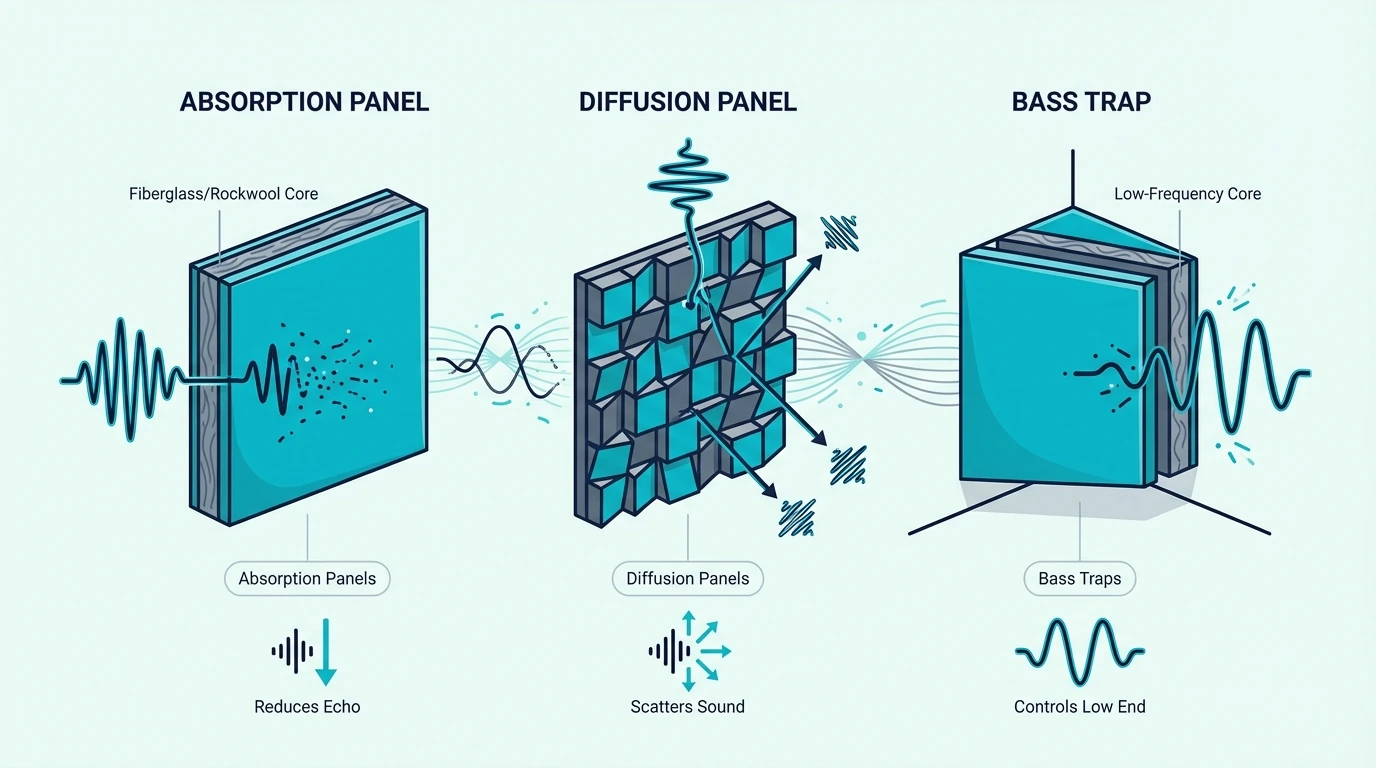
Three product categories dominate the market, each solving a different problem.
Fabric-wrapped vs foam panels
Among absorption panels, the biggest performance gap is between fabric-wrapped and foam. Fabric-wrapped fiberglass or mineral wool panels absorb more sound across a wider frequency range than foam panels.
They perform better in the mid and low-mid frequencies where voice energy concentrates, making them the better choice for offices and recording spaces.
Foam panels are cheaper, lighter, and easier to mount with adhesive. They work well enough for high-frequency echo in small rooms but underperform on the mid-range frequencies that matter most for speech and music.
For most applications, fabric-wrapped panels deliver better results per dollar if you can handle the slightly more involved mounting.
Decorative wood-slat and design panels
Fabric-wrapped panels win on performance, but not every room prioritizes raw acoustics over appearance. Wood-slat acoustic panels look attractive and provide moderate absorption behind the slat spacing.
They’re a good fit when visual design matters as much as acoustics – living rooms, modern offices, and client-facing spaces.
The tradeoff is performance per dollar. A decorative wood-slat panel absorbs less sound per square foot than a fabric-wrapped fiberglass panel at the same price point. If pure acoustic performance is the priority, skip the decorative options and invest in functional panels or mass barriers instead.
Ceiling panels
Wall panels handle the most common reflection points, but the ceiling is often the largest untreated hard surface in the room. Ceiling panels help in rooms where sound bounces off a hard ceiling and creates excessive flutter echo – the rapid repetitive echo you hear when you clap in an empty room.
Open-plan offices, podcast rooms, and gaming setups with hard ceilings benefit from ceiling-mounted absorption.
For noise blocking between floors, ceiling panels alone don’t help. Reducing footstep noise from above requires mass added to the ceiling structure and ideally decoupling with resilient channels – not surface-mounted panels.
See our picks for soundproof glass if windows are the weak point in your ceiling-level noise problem.
Get Studio Tips Weekly
Join 5,000+ creators getting acoustic treatment advice every week.
No spam. Unsubscribe anytime.What Are The Best Soundproofing Panels?
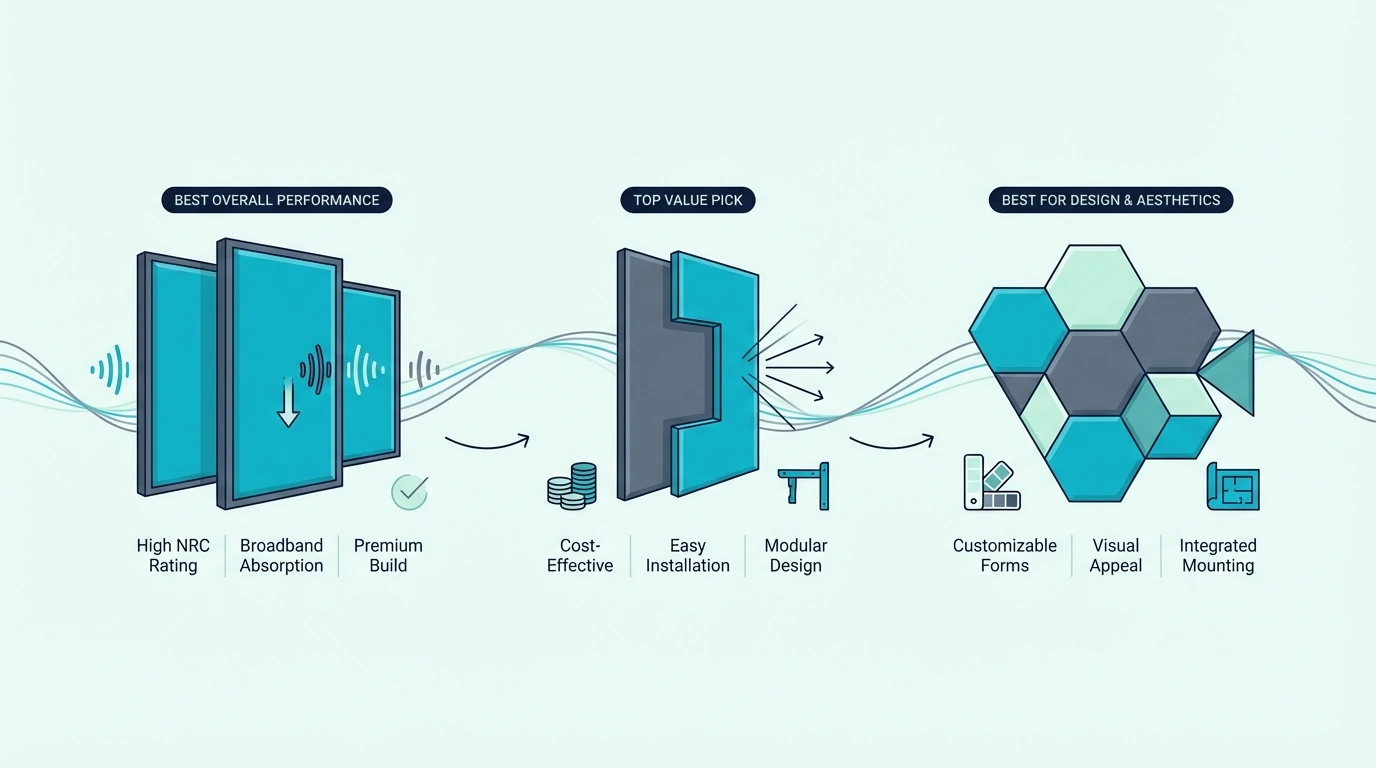
Our picks cover both categories: acoustic panels for echo reduction and mass barriers for noise blocking. Every product was selected based on verified reviews, performance ratings, and value for the application.
Best Rigid Fiberglass Board (Industry Standard)
Owens Corning 703 Semi Rigid Fiberglass Board is the industry standard for building sound-absorbing panels and treating wall cavities. The 703 board is the same material used in professional recording studios, broadcast rooms, and commercial acoustic builds.
Owens Corning 703 Semi Rigid Fiberglass Board
At 3 lb per cubic foot density and 2 inches thick, these boards absorb effectively across mid and high frequencies. They are most commonly wrapped in acoustic fabric and mounted on walls as broadband absorbers, or installed directly inside open wall and ceiling cavities for sound attenuation.
Best High-Density Fiberglass Board
Owens Corning 705 High Strength Rigid Fiberglass Board is the denser, stronger sibling of the 703. At 6 lb per cubic foot, it absorbs more energy at lower frequencies and holds its shape better when mounted without a rigid frame.
Owens Corning 705 High Strength Rigid Fiberglass Board
This is the right pick for bass traps, low-frequency absorbers, and any application where the standard 703 does not provide enough absorption below 250 Hz. Studios and home recording spaces that need serious low-end control should start here.
Best Premium Mineral Wool Panel
Rockwool Roxul Mineral Wool 8 lb Density Soundproofing Insulation (7-Pack) is the strongest mineral wool option for residential soundproofing. The 8 lb density is significantly heavier than standard batts, which means it absorbs more sound energy inside wall and ceiling cavities.
Rockwool Roxul Mineral Wool 8 lb Density Soundproofing Insulation (7-Pack)
The 7-pack covers enough area for a typical bedroom shared wall. For insulation-focused projects where the joists or studs are exposed, these fit between standard framing and stay in place without fasteners.
Best Value Mineral Wool Batt
AFB Acoustical Fire Batts are the best value mineral wool batts for standard residential soundproofing. They fit standard stud cavities, provide strong sound absorption, and are fire-rated for safe installation.
AFB Acoustical Fire Batts
Inside a wall cavity, these batts can improve the wall’s STC rating by 4 to 8 points compared to an empty cavity. That is a noticeable difference when combined with drywall upgrades or resilient channels.
Best Foil-Faced Mineral Wool Panel
Rockwool 8 lb Density Foil-Faced Stone Wool Insulation combines the soundproofing performance of 8 lb mineral wool with a foil vapor barrier. This is the right pick when the installation needs both acoustic and thermal performance, or where moisture control matters.
Rockwool 8 lb Density Foil-Faced Stone Wool Insulation
The foil facing reflects radiant heat and provides a built-in vapor barrier, making it useful for exterior wall cavities, HVAC duct wrapping, and pipe insulation where unfaced batts would need a separate vapor barrier.
Best Mineral Wool Panel (Smaller Pack)
Rockwool Roxul Mineral Wool 8 lb Density (5-Pack) is the same premium 8 lb density mineral wool in a smaller 5-pack format. This makes sense for smaller projects where you only need to treat one wall section, a ceiling area above a listening position, or a single shared-wall zone.
Rockwool Roxul Mineral Wool 8 lb Density (5-Pack)
Choosing Panels: Coverage, Placement, and Installation
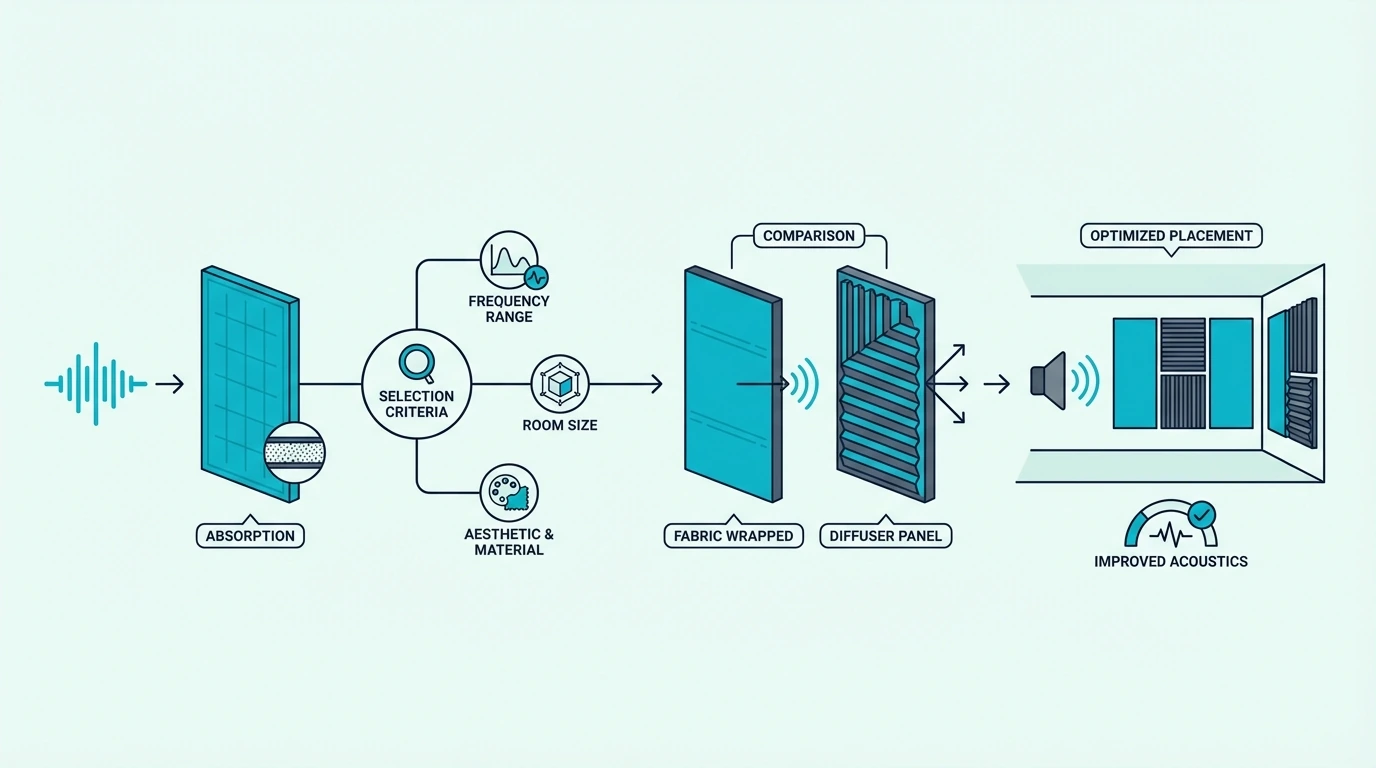
The right product depends entirely on what problem you’re solving.
How much coverage you actually need
The amount of panel coverage changes dramatically depending on which category you are buying. For acoustic absorption (echo reduction), covering 25 to 40 percent of the wall area in a room typically provides enough absorption to noticeably reduce reverberation.
You don’t need to cover every surface – focus on the first reflection points (the wall behind your monitor, the wall opposite your speakers, and the ceiling above your listening position).
For mass barriers (noise blocking), you need to cover the entire surface you’re treating. Sound finds any gap, so leaving even a small section untreated creates a weak point that undermines the rest of the installation.
Full coverage is essential for meaningful noise reduction.
Placement priority
Coverage amount only matters if the panels go in the right spots. Acoustic panels work best at first reflection points – the surfaces where sound bounces between you and your speakers or microphone.
For a desk setup, the wall directly behind your monitor and the walls to your left and right at ear height are the priority locations.
Mass barriers cover the entire weak surface. If the noise comes through a shared wall, the entire shared wall needs treatment.
If it comes through a door or window, those surfaces need mass added specifically.
Renter-friendly vs permanent mounting
With placement decided, the last filter is whether you can drill into the walls. Self-adhesive acoustic panels work for renters – they mount without screws and most can be removed without damaging the wall. Command strips provide another renter-friendly mounting option for heavier fabric-wrapped panels.
Mass barriers require permanent installation in most cases – they’re stapled or glued to the wall and covered with drywall. Renters who need noise blocking are limited to temporary solutions like heavy curtains and sound blankets, which add some mass without permanent modification.
When Panels Are Not the Right Answer
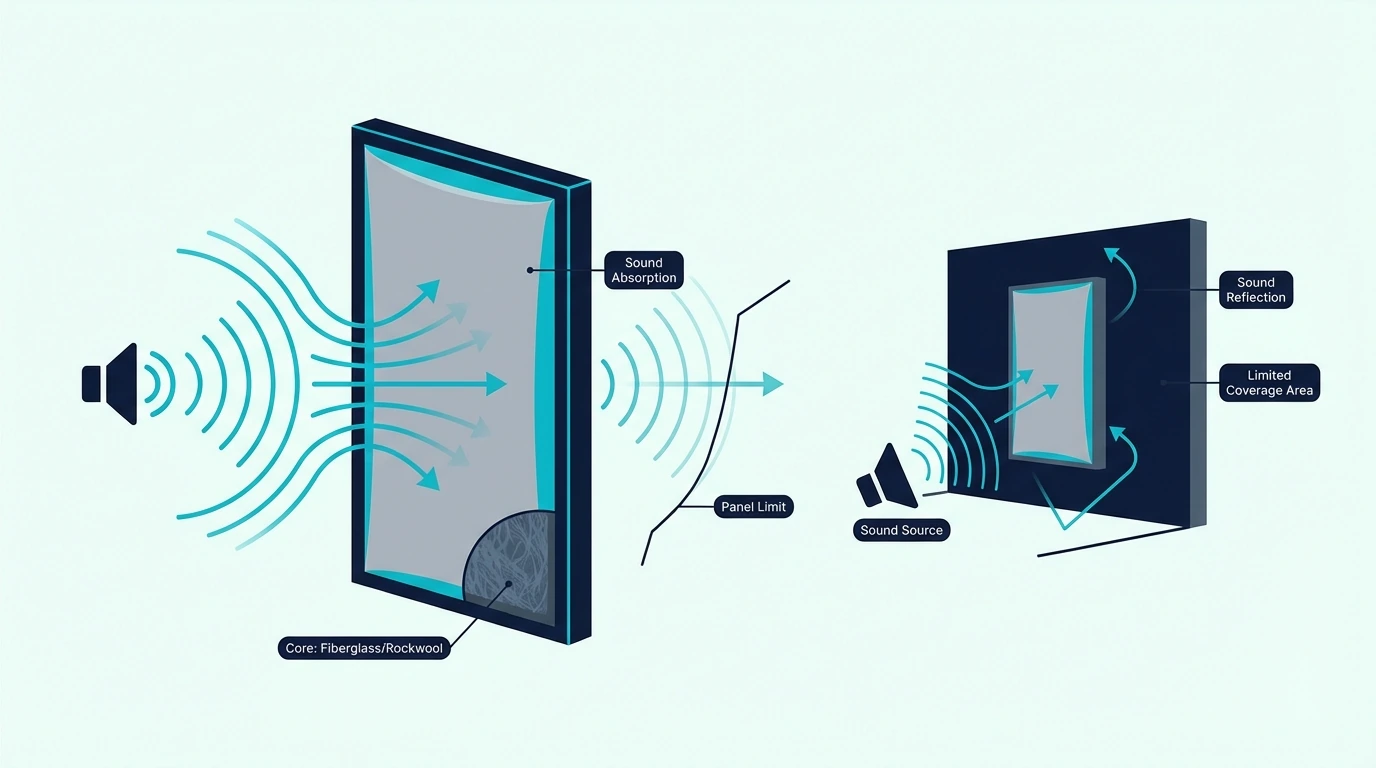
Panels have limits, and spending money on the wrong solution wastes both money and time.
Blocking outside or neighbor noise
This is the most common mismatch in the category. Surface-mounted acoustic panels do not block noise from outside or from neighbors.
The foam is too light to stop sound waves – it absorbs reflections inside the room but doesn’t add the mass needed to reduce transmission.
For neighbor noise through walls, mass loaded vinyl behind new drywall is the effective product. For outside noise through windows, acoustic inserts or secondary glazing outperform any panel product.
For a complete overview of product categories, see our soundproofing hub.
When panels alone are enough and when they are not
That blocking limitation defines the boundary. Acoustic panels are enough on their own when the problem is echo and reverberation inside the room.
A room with hard floors, bare walls, and no soft furnishings creates excessive echo that panels can effectively tame.
For noise blocking, panels are never enough on their own. Effective noise reduction requires a system approach: sealing air gaps, adding mass, and sometimes decoupling the wall structure. Panels are one component, not a complete solution.
Budget expectations
Knowing whether you need absorption or blocking also sets the budget. Acoustic foam panels start under twenty-five dollars for basic packs and run up to one hundred dollars or more for premium fabric-wrapped panels. For a typical home office, fifty to one hundred fifty dollars covers enough panels for meaningful echo reduction.
Mass loaded vinyl ranges from thirty dollars for small rolls to several hundred dollars for full-wall coverage. A complete wall treatment (MLV plus new drywall plus damping compound) typically costs five to fifteen dollars per square foot including materials.
The Bottom Line
The most important decision is whether you need echo reduction (acoustic panels) or noise blocking (mass barriers). Buying acoustic foam panels expecting them to block noise from neighbors is the most common and most expensive mistake in this product category.
For echo reduction, self-adhesive acoustic panels at first reflection points solve the problem affordably. For noise blocking, mass loaded vinyl behind drywall with damping compound is the proven approach.
For related products, see our picks for soundproof foam, soundproof drywall, and soundproof underlayment.
Frequently Asked Questions
What Type Of Sound Absorbing Panels Are Best?
Fabric-wrapped fiberglass or mineral wool panels with NRC ratings above 0.80 are the best acoustic absorption panels. They outperform foam across a wider frequency range, especially in the mid-frequencies where voice energy concentrates.
For budget options, high-density foam panels with self-adhesive backing provide adequate absorption at a lower price.
What Is The Most Effective Sound Deadening Material?
Mass loaded vinyl at one pound per square foot is the most effective material for blocking sound transmission through walls. Combined with damping compound and extra drywall, it creates a wall assembly that reduces noise by 10 to 15 decibels – enough to make loud conversation inaudible through the wall.
Do Sound Deadening Panels Actually Work?
Acoustic foam panels work for reducing echo and reverberation inside a room – they noticeably improve audio clarity for calls, recording, and gaming. They do not work for blocking noise from passing through walls, floors, or ceilings.
For noise blocking, you need mass-based products like MLV, extra drywall, or damping compounds, not lightweight foam.