Best Soundproof Foam (What Helps, What Doesn’t, And Our Top Picks)
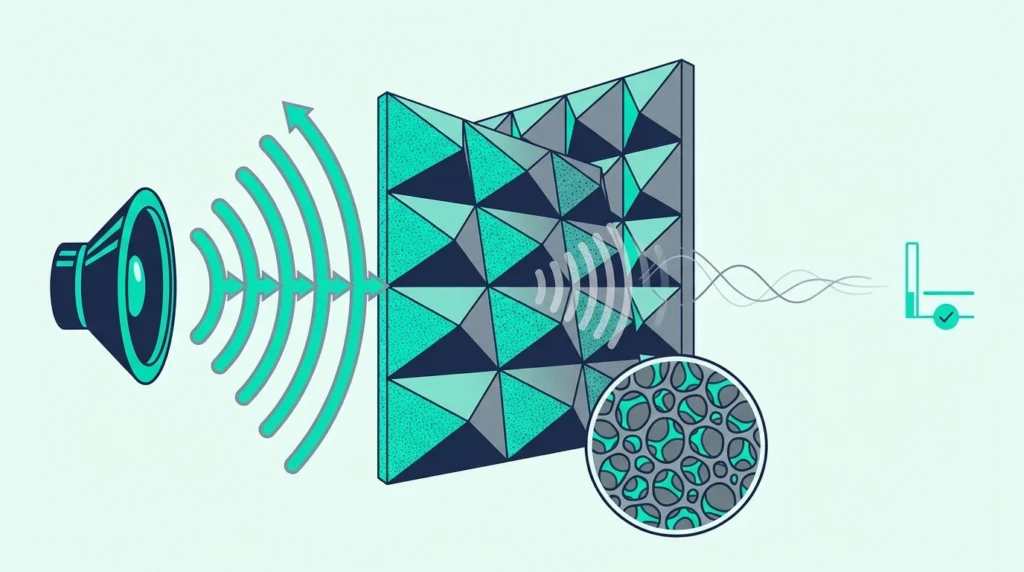
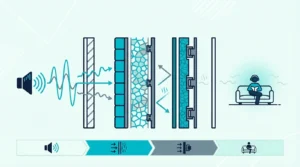
Best soundproof foam is one of the most misleading searches in this category, but that does not mean foam is useless. Most products sold under this term are really acoustic foam, which helps with echo inside a room rather than true soundproofing through walls or doors.
That mismatch is why so many buyers feel burned. They want less neighbor noise or TV bleed, then end up with a product that mainly changes room tone instead of blocking transmission.
Below, you’ll see which foam products are worth buying, who they actually help, and when to switch to real soundproofing materials instead.
The best soundproof foam for most buyers is really the best acoustic foam for echo control. Thicker 2-inch foam can improve a home studio, streaming room, or vocal corner, but foam still will not block much wall noise, bass, or serious outside sound on its own.
Before You Buy: What Foam Can and Cannot Do
The soundproofing myth
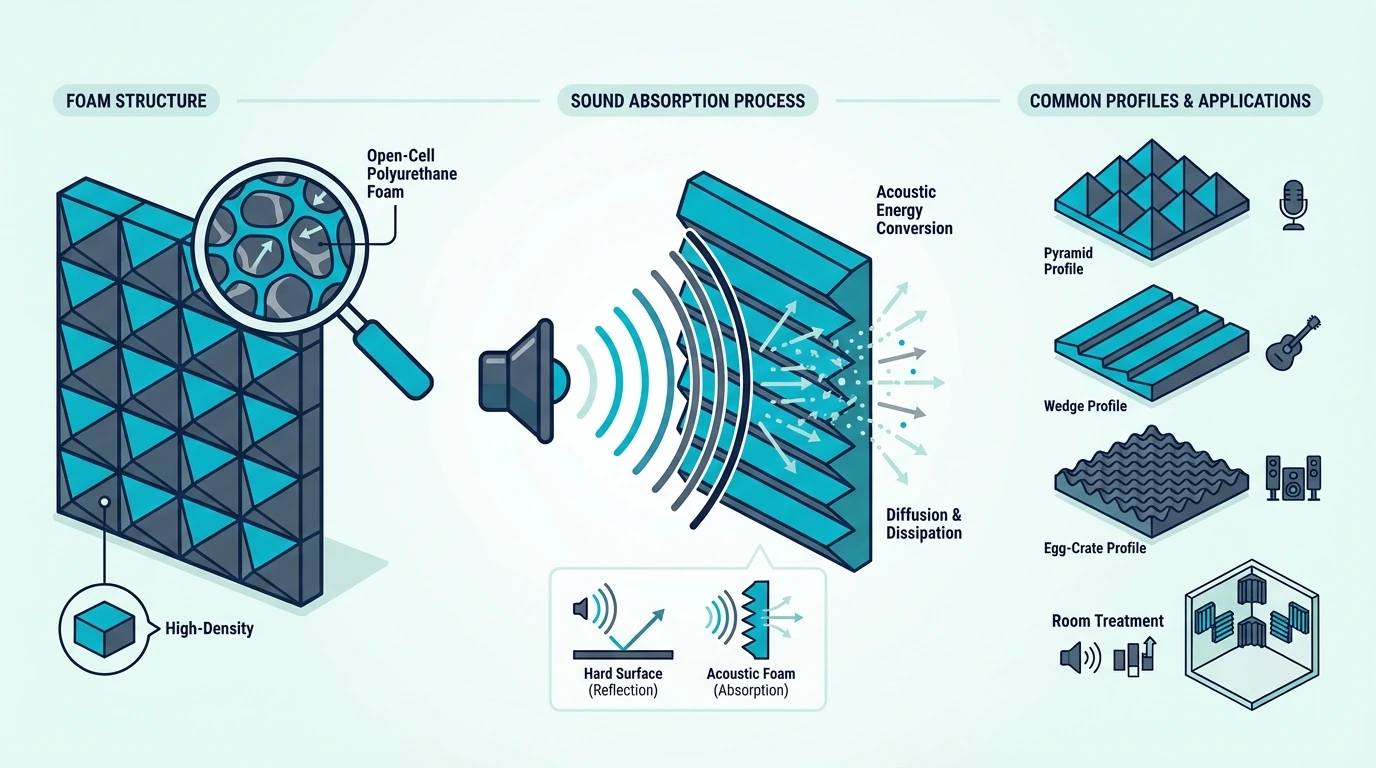
No, not in the way most people mean it. Foam absorbs sound energy inside the room, but it does not add enough mass or isolation to stop sound from moving through the room shell.
That means foam can make a recording space sound cleaner while still doing almost nothing for a neighbor’s TV, barking through drywall, or bass from the next room. If your goal is blocking transmission, foam is usually the wrong first purchase.
If the real leak is a weak opening rather than room echo, start with soundproof interior doors or better seals before buying foam.
What foam actually does well
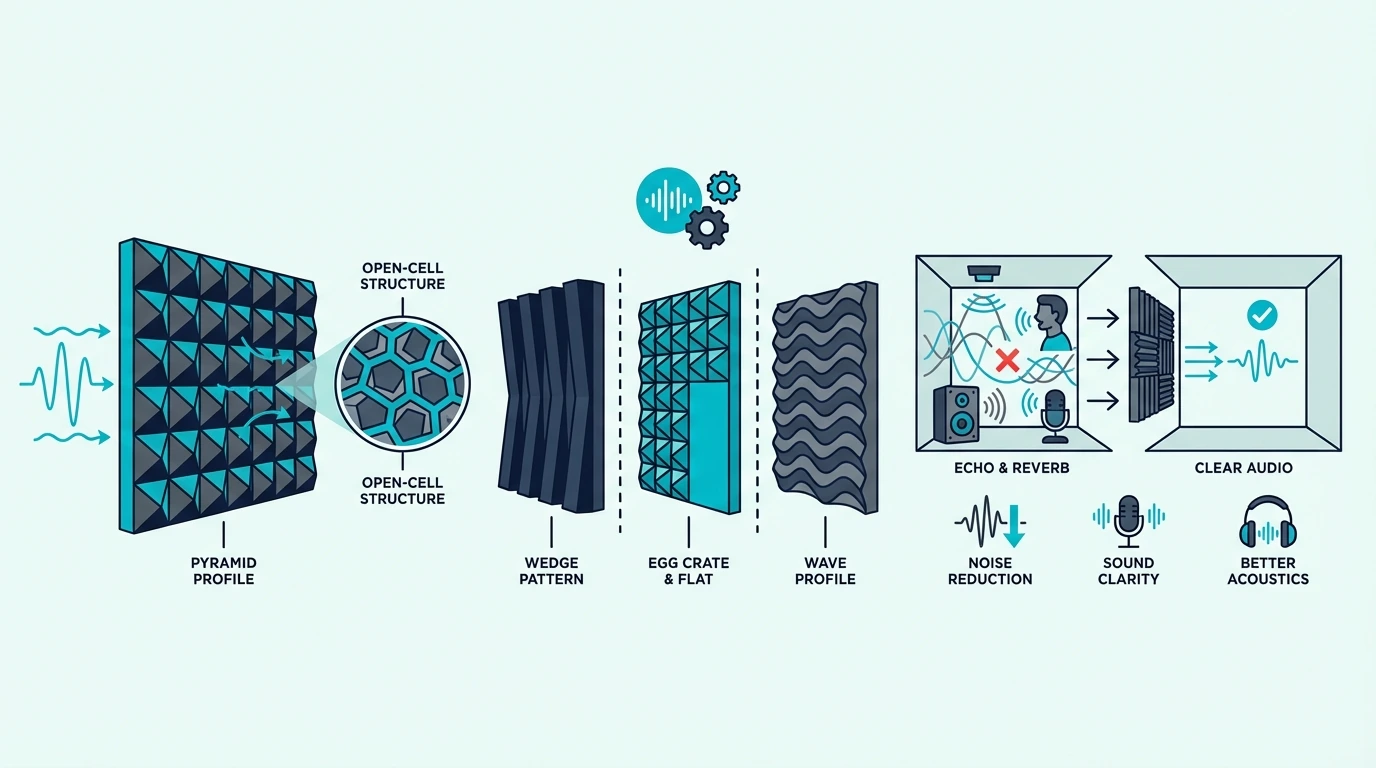
That lack of blocking ability does not make foam useless — it just means the real strength is somewhere else. Foam is much better at taming slapback, flutter echo, and harsh reflections in small rooms.
When a room sounds bright, splashy, or hollow, foam can calm that down quickly.
True soundproofing materials do a different job. Products like heavier soundproofing panels, better seals, layered wall upgrades, and window inserts aim to reduce sound passing between spaces rather than changing the sound inside one room.
If you are trying to improve a weak opening before rebuilding a room, door sweep upgrades often make more sense than adding more foam.
Who benefits most
Those two categories — echo control vs noise blocking — point to a specific buyer profile. Foam makes the most sense for buyers who need a cleaner room sound without construction work.
Streamers, podcasters, casual musicians, gamers, and renters usually get the clearest value from it when the problem is echo rather than real isolation.
That distinction matters most in small bedrooms and desk setups where the room sounds sharp, boxy, or tiring long before sound leakage becomes the main complaint. In those cases, a modest foam layout can make monitoring, calls, streaming, and vocals feel more controlled without pretending the walls suddenly became soundproof.
The Best Soundproof Foam Products
The easiest way to use this roundup is to start with the room problem, not the foam shape. Once you know whether you need a balanced starter set, broader coverage, a cheap test pack, or a shape-specific add-on, the picks narrow quickly.
If you want the safest all-around pick, the TroyStudio Thick Acoustic Foam Panels gives most buyers the best balance of thickness and trust. For larger coverage, the Focusound Acoustic Panels 50 Pack and the VEVOR Acoustic Foam Panels 24 Pack both work well.
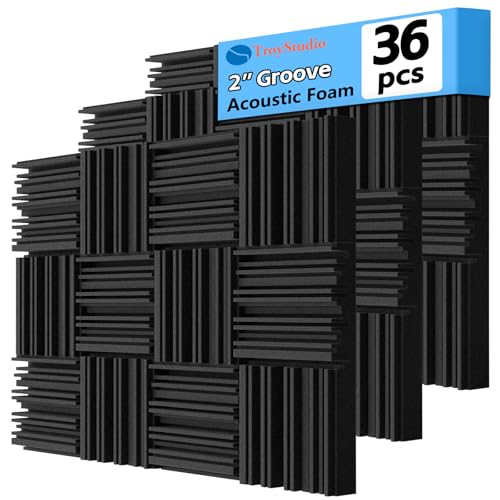
TroyStudio Thick Acoustic Foam Panels
Shape-specific buyers also have solid choices. The 24 Pack Pyramid Acoustic Foam Panels is a safer pyramid-style option, the JBER Acoustic Wedge Studio Foam Corner Block works best as an add-on, and the JBER 12 Pack Acoustic Foam Panels 1 Inch is the cheapest test case.
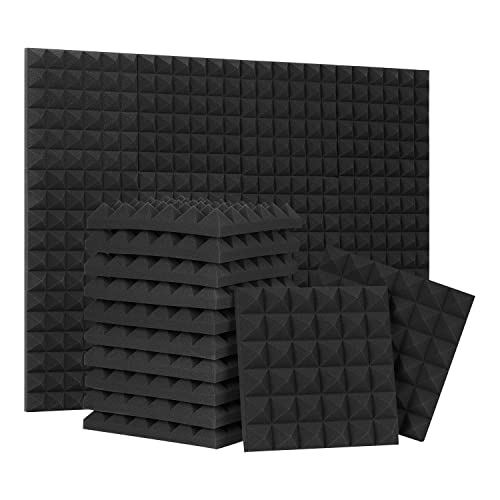
24 Pack Pyramid Acoustic Foam Panels
That is also why pack math matters more than most listings make it seem. A 12-pack can improve a desk corner or the wall behind a mic, but it rarely transforms a full bedroom, rehearsal wall, or larger gaming space on its own.
None of these picks should be judged by the same standard as a mass-loaded barrier or rebuilt wall assembly. The right comparison is how well they tame harsh reflections for the money, how easy they are to deploy in a real room, and how honestly they match the problem buyers are actually trying to solve.
Best Overall Soundproof Foam
For most buyers, the safest move is starting with a balanced 2-inch panel rather than chasing the cheapest foam or the biggest pack. TroyStudio Thick Acoustic Foam Panels is the best overall pick because it gives buyers the stronger 2-inch profile most rooms need.
If you actually need to stop sound through a wall, move toward heavier temporary barriers or heavier wall upgrades instead.
Best Foam For Home Studios
Once you already know the room needs broader coverage, buying too small usually creates more frustration than savings. Focusound Acoustic Panels 50 Pack is the strongest fit for buyers who already know they need more wall coverage. A hobby studio or rehearsal corner can burn through a small pack quickly, so a larger set avoids the awkward second order.
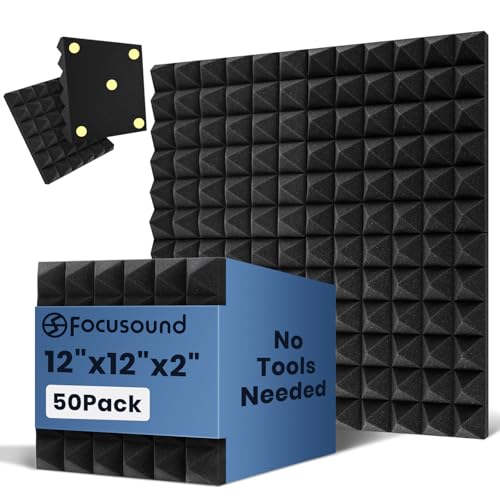
Focusound Acoustic Panels 50 Pack
It also gives you enough pieces to treat the obvious early reflections without covering every wall in foam. That usually produces a more believable improvement than scattering a few random squares around the room and expecting a full transformation.
Best Budget Soundproof Foam
If you are still diagnosing the room and do not want to overcommit, the cheapest useful test is still a small 1-inch pack. JBER 12 Pack Acoustic Foam Panels 1 Inch is the budget pick when the goal is learning what foam can do before spending more.
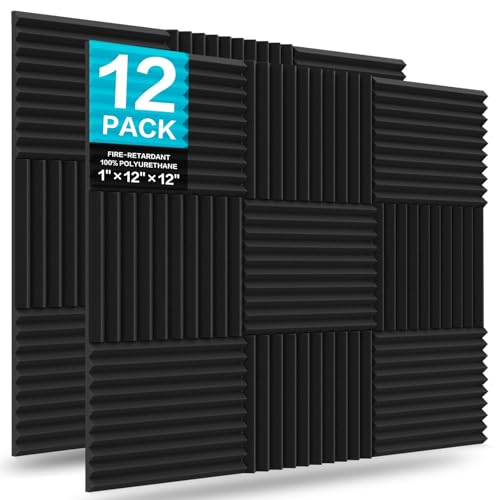
JBER 12 Pack Acoustic Foam Panels 1 Inch
Budget foam works best as a diagnostic buy, not a final room-treatment plan. If a small starter layout clearly calms the room, the smarter next move is usually thicker 2-inch foam or better placement, not stacking more thin bargain panels everywhere.
Best Thick Foam For More Aggressive Echo Control
If 1-inch starter foam feels too light but a 50-pack feels excessive, a mid-size 2-inch option is the cleaner middle ground. 24 Pack Pyramid Acoustic Foam Panels is the safer choice for buyers who want a fuller 2-inch setup without moving into a huge pack.
Get Studio Tips Weekly
Join 5,000+ creators getting acoustic treatment advice every week.
No spam. Unsubscribe anytime.Choosing the Right Foam: Shape, Thickness, and Coverage
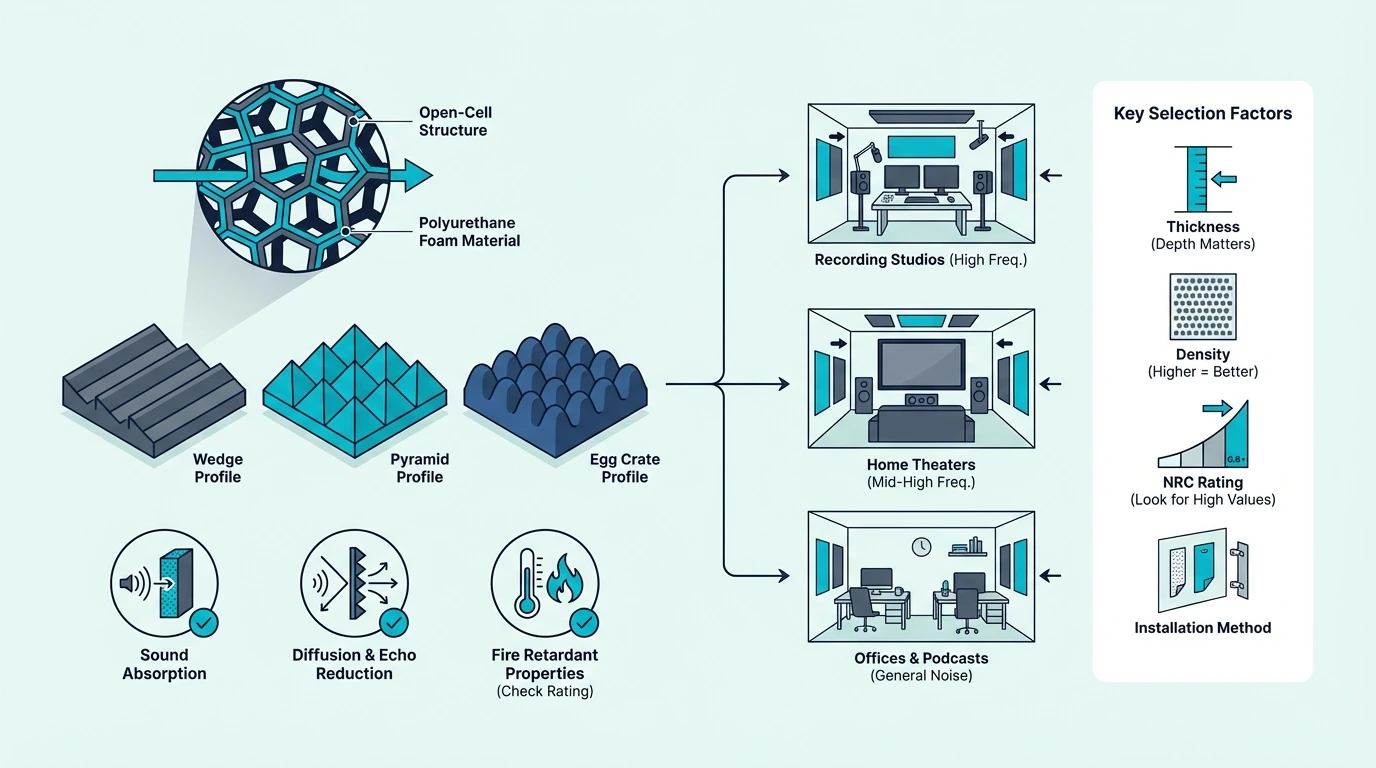
Wedge vs pyramid vs egg-crate
Not exactly, but the gap is smaller than many listings suggest. Wedge and pyramid foam can both work well when the thickness and placement are right, which is why the pyramid-style 24-pack and the TroyStudio option belong in the same practical class.
Marketing often treats pattern as if it changes the physics more than it really does. In practice, thin foam and bad placement ruin results faster than choosing wedges over pyramids, so buyers should prioritize thickness and layout first.
Thickness vs shape
Yes, by a wide margin. The JBER 1-inch pack is fine when the room only needs lighter high-frequency control, while the VEVOR 2-inch pack makes more sense when voice or instruments are involved.
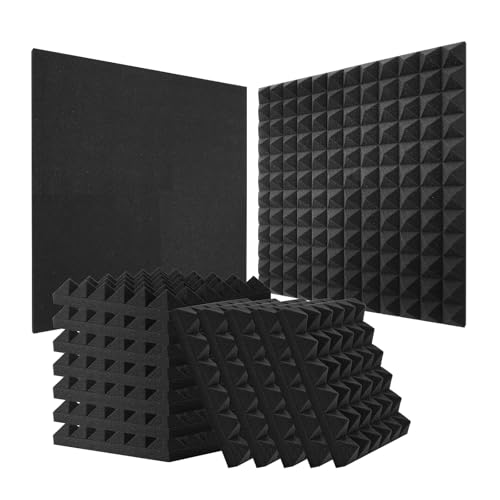
VEVOR Acoustic Foam Panels 24 Pack
That is why buyers so often feel disappointed by thin bargain foam. It can shave off a little brightness, but it rarely gives the calmer midrange and fuller control people expect when they are talking about speech, guitar, streaming, or basic recording.
How much coverage you actually need
Most rooms need less foam than buyers assume. A small desk setup may only need a starter pack at the first reflection points.
That usually means the wall directly behind the mic or speakers, the nearest side reflection, or the single surface that throws the most obvious slapback. Treating one or two real trouble spots almost always beats spreading a few panels thinly across every wall just because the room still looks empty.
A fuller hobby-studio setup may justify a larger pack like the Focusound 50-pack, while the JBER corner-block set works better as a supplement.
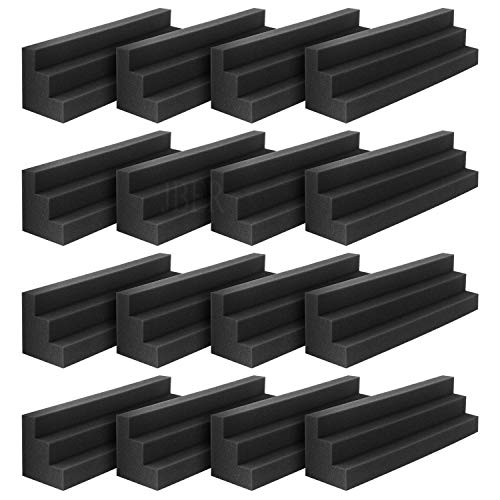
JBER Acoustic Wedge Studio Foam Corner Block
The safer rule is to treat first-reflection areas, the wall behind the mic or speakers, and the harshest bare surfaces before buying more. Coverage beats decoration, and deliberate placement beats turning foam into wall art.
When Foam Is Not the Right Tool
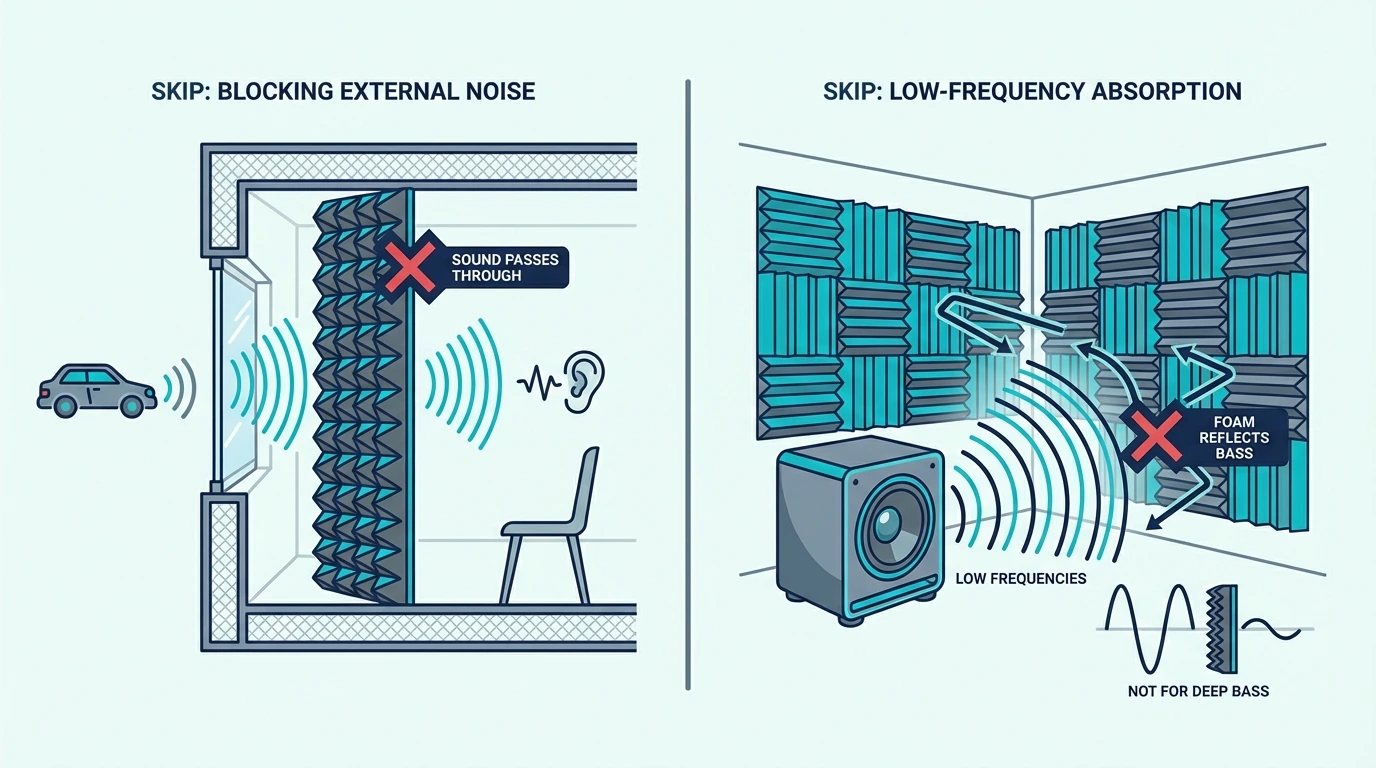
Neighbor noise through walls
Skip foam as the primary answer. Neighbor noise, TV bleed, traffic through weak windows, and rumble from outside point you toward better soundproof windows, heavier curtains, window inserts, or even better soundproofing materials rather than decorative foam squares.
Foam may make your own room sound less harsh while the noise still comes straight through the wall. That is why so many buyers think soundproof foam is fake when the real issue is that they bought an absorption product for a transmission problem.
Bass-heavy problems make that mismatch even worse because foam is weakest exactly where many complaints feel most intrusive. If the issue is subwoofer rumble, shared-wall thump, or low-end vibration, foam usually changes the room vibe more than the amount of noise that escapes or enters.
Better wall or door isolation
A wall or door that leaks sound needs mass and airtightness first. That usually means better seals, a more solid door, layered upgrades, or products like door sweeps and soundproof interior doors.
The same rule applies to thin shared walls. If the core problem is the assembly itself, skip foam and move toward heavier wall-focused solutions or more complete room-treatment plans.
For window-heavy rooms, the next real step is usually window inserts, not more absorption foam on the wall beside the glass.
A simple diagnostic helps here: if the noise is clearly strongest at a door edge, window perimeter, or another obvious gap, foam is solving the wrong problem. Seal the leak first, then use absorption only if the room still sounds harsh after the isolation basics are handled.
When foam is still worth buying anyway
Despite those limits, foam is worth buying when the room itself sounds worse than the noise outside it. That includes bright gaming rooms, vocal corners, desktop production setups, and content rooms where reverb control matters more than isolation.
That is also where honest product picks become useful. The right foam can improve clarity and reduce slapback, especially in rooms that are too lively but do not need heavier soundproofing products.
If you know the room needs real blocking rather than cleaner tone, start with better soundproofing materials before buying more foam.
That does not make foam a bad purchase. It just means foam is the right tool only after you define the job correctly, which is the difference between a smart acoustic treatment buy and a disappointing fake-soundproofing purchase.
The Bottom Line
The best soundproof foam for most people is really the best acoustic foam for echo control, which is why the TroyStudio Thick Acoustic Foam Panels remains the strongest overall pick. It gives buyers the cleaner, more controlled room sound they usually want when they search this term.
If you need broader coverage, the Focusound 50-pack is the better studio fit, while the JBER 12-pack is the right cheap test if you are still diagnosing the room.
Frequently Asked Questions
What kind of foam is best for soundproofing?
No foam is the best answer for true soundproofing between rooms. The best foam for most buyers is usually thick acoustic foam for echo control, while real soundproofing needs mass, sealing, damping, or decoupling.
Does soundproof foam really work?
Yes, but only for the job foam is actually built for. It works for reducing reflections and making a room sound less echoey, not for stopping much noise through a wall.
How to block out 100% of noise?
A normal room almost never reaches 100 percent noise blocking with light retrofit materials. The closest approach needs a heavily isolated room shell with airtight construction, decoupling, and much more mass than foam can provide.
Does spray foam provide soundproofing?
Spray foam can help with sealing and insulation in some assemblies, but it is not the main tool for serious soundproofing. Buyers who need real isolation usually get better results from airtight detailing plus heavier wall or window upgrades.