Best Soundproof Window Inserts (What To Buy And What To Skip)

Best soundproof window inserts are usually the ones that create a meaningful air gap over your existing window, but only if the insert fits tightly enough to seal the edges and the material adds real mass where it matters.
That is why so many buyers get mixed results. A loose-fitting acrylic panel or a thin DIY layer can look like a proper insert while still letting sound leak around the edges, and the difference between a tight seal and a leaky fit is often the difference between noticeable noise reduction and wasted money.
The smarter approach is to match the insert type to the noise problem, the window size, and the budget before shopping. Once you know whether you need a custom-fit acrylic insert, a heavy DIY barrier, or a simpler temporary layer, the right product becomes much easier to find.
Below, you will see which window inserts actually work, what to look for in each price tier, how fit and material affect performance, and when inserts are not enough on their own.
Best soundproof window inserts work by adding an air gap and mass over the existing window without replacing it. Custom-fit acrylic inserts from specialty manufacturers deliver the strongest results, but DIY inserts built with dense barrier material can also make a real difference when the fit is tight and the edges are sealed properly.
Before You Buy: How Window Inserts Actually Work
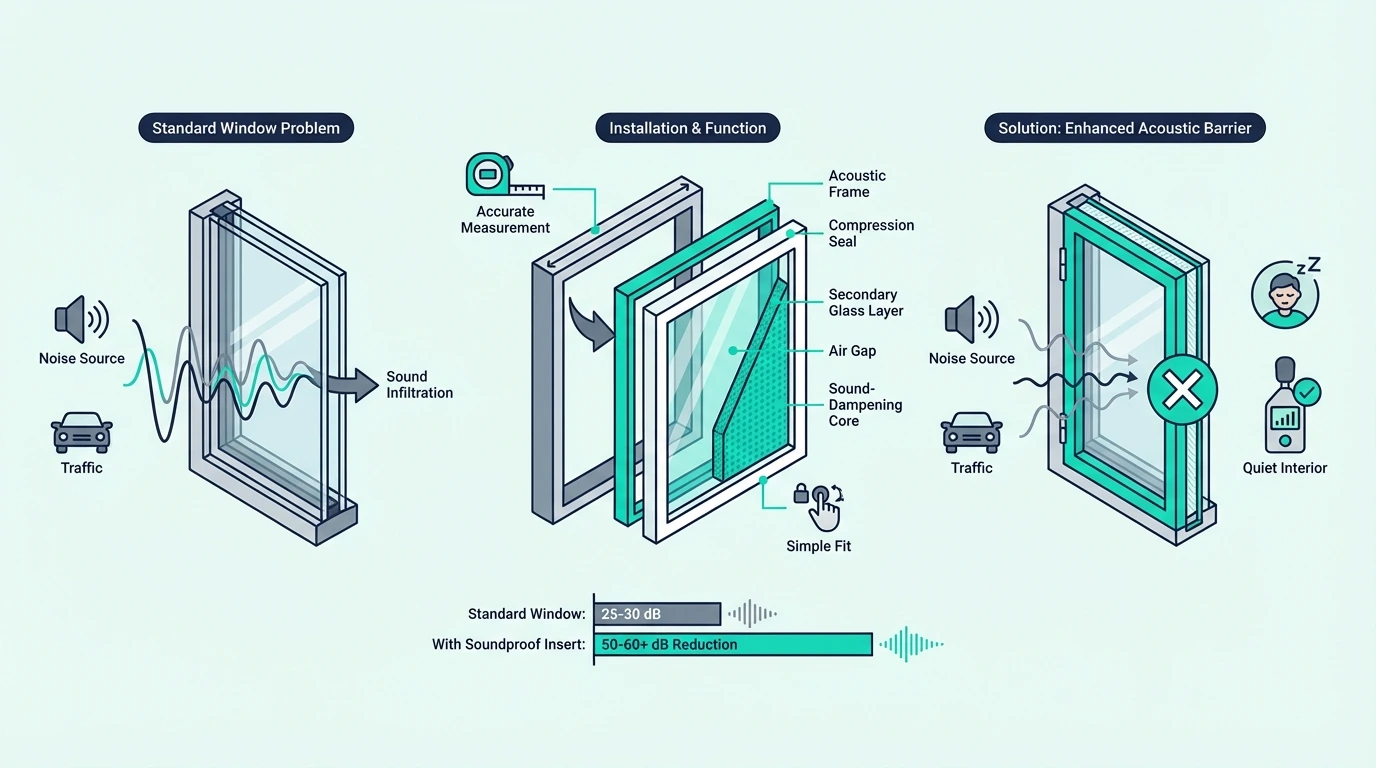
Before you compare products, you need to understand what makes an insert work and when it makes more sense than other window fixes.
The air gap and seal principle
Window inserts work when they create a sealed air gap between the insert and the existing window glass. That air gap is where most of the additional sound reduction happens, and the seal around the edges is what keeps the gap effective.
The performance depends heavily on fit. A custom-measured insert with compression seals can reduce outside noise noticeably, while a loose panel with visible gaps around the edges will barely change the result.
That is the same weak-link logic that makes best soundproof windows for home a useful companion page when you are comparing insert-level fixes against full window replacements.
Inserts vs full window replacement
That seal-dependent performance makes inserts especially attractive when the existing window is in reasonable condition, you want to avoid the cost and disruption of a full replacement, or you are renting and cannot modify the window permanently. They are also the strongest mid-range option when sealing and curtains are not enough but a full replacement is not justified.
That makes them especially appealing in city apartments, bedrooms facing busy streets, and home offices where the frame is still usable but the glass path is clearly weak. In those situations, an insert often gives you a meaningful step up without turning the project into full exterior window work.
If the window frame is damaged, the glass is cracked, or the window is single-pane in a severe noise environment, a full replacement may be the better long-term investment. But for most buyers dealing with moderate traffic noise, neighbor sound, or general urban background, an insert is often the smarter first step.
Which noise types inserts handle best
Even a well-sealed insert has frequency limits. Inserts are best at reducing outside airborne noise: traffic, construction, voices, and general city sound.
They are less effective against low-frequency bass, vibration through the building structure, or noise that is entering through the wall rather than the window.
That distinction matters because some buyers install a window insert and are disappointed when the noise does not drop enough, only to discover that the window was never the main weak point. Checking whether the noise is louder near the window or equally loud across the wall helps you avoid that mistake before spending.
The Best Soundproof Window Inserts
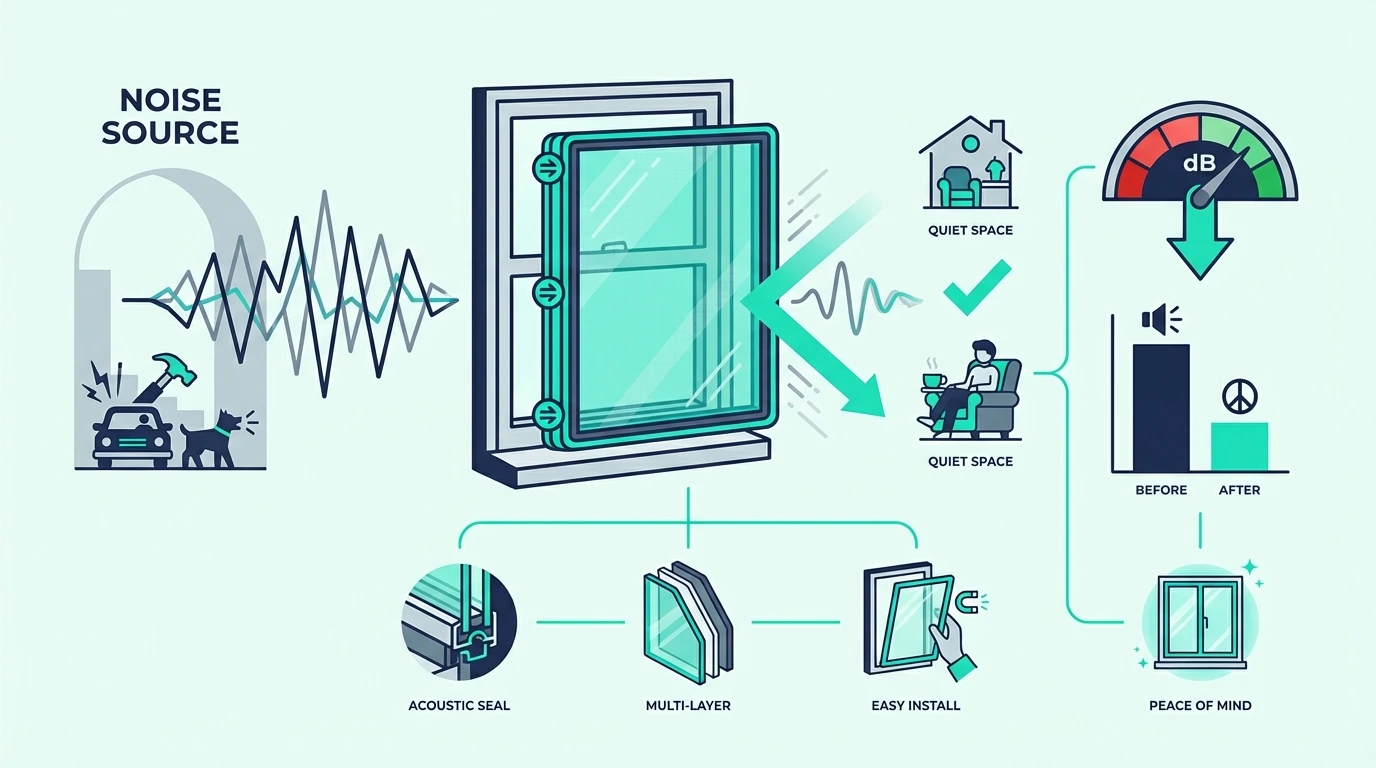
Once you narrow the category, the best picks separate into custom-fit inserts, DIY barrier builds, and temporary layers that test whether the window is the real bottleneck before you commit to a bigger investment.
The cleanest way to use this section is to decide whether you are building a real insert, testing the window with a removable barrier, or tightening the supporting seals that help an insert do its job. That keeps the product choices connected to the actual insert path instead of reading like a grab bag of unrelated noise products.
Best Overall Soundproof Window Insert
For the strongest all-around window barrier material, Trademark Soundproofing Mass Loaded Vinyl is the strongest core material for a DIY window insert because it adds meaningful mass where lighter materials fall short.
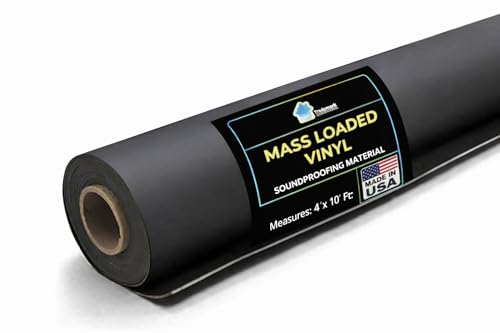
Trademark Soundproofing Mass Loaded Vinyl
This is the right pick when you want to build an insert that performs closer to a custom acrylic panel but at a fraction of the cost. You mount the MLV over a frame or directly against the window recess, seal the edges, and the added mass reduces transmission across the frequency range that matters most for traffic and voice noise.
It is also easier to justify when the window shape is straightforward and you can build a frame that seats consistently. Odd trim profiles, crank hardware, deep sills, and frequent window use are usually the details that push buyers back toward a simpler removable layer or a true custom-fit insert path.
Best Removable Window Insert
For renters and seasonal-use situations, US Cargo Control Sound Dampening Blanket is the most practical removable option because it adds a heavy absorptive layer over the window opening without requiring permanent installation.
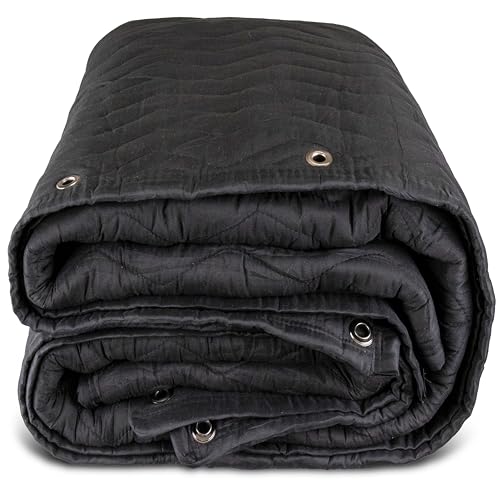
US Cargo Control Sound Dampening Blanket
This is the right pick when you want to test whether covering the window reduces the noise enough to justify a permanent insert, or when you need a renter-friendly barrier that can come down when you move.
That test step matters more than buyers expect. If a removable barrier barely changes the room, it is a strong clue that the real problem may be the surrounding wall, the ceiling path, or the broader opening strategy rather than the glass alone.
Best Premium Window Insert
For buyers who want a stronger permanent barrier, Trademark Soundproofing Mass Loaded Vinyl (larger roll) provides more coverage for bigger windows or multi-window projects where the standard roll is not enough.
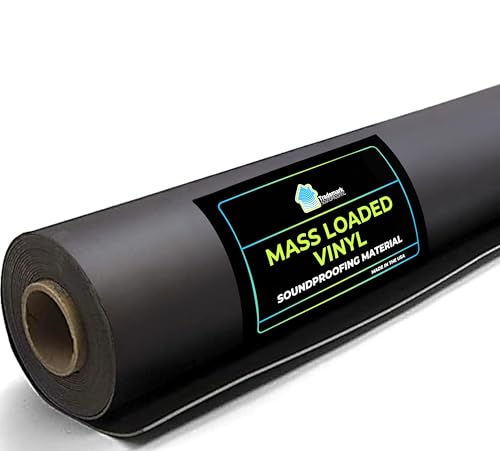
Trademark Soundproofing Mass Loaded Vinyl (larger roll)
This is the premium choice because it lets you build a denser, more complete DIY insert system across a whole room instead of treating one window at a time.
Best Budget-Friendly Window Insert Option
For the lowest-cost entry into window barrier treatment, soundproofing weather stripping is the most useful budget starting point because it targets the edge gaps that make or break any window insert installation.
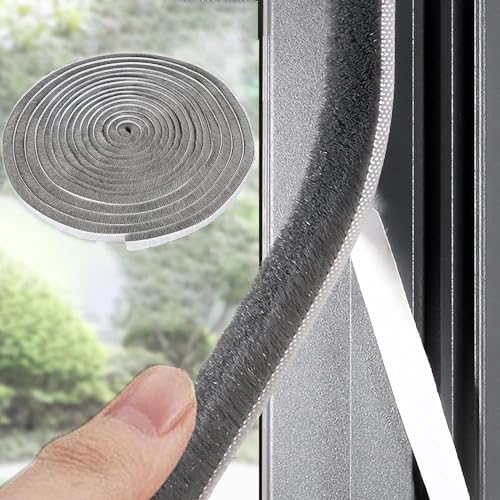
soundproofing weather stripping
This is the right pick when you already have a barrier layer and need to seal the edges, or when you want to test whether closing the gaps around your existing window frame makes a noticeable difference before investing in heavier materials.
That also keeps the budget pick in the right lane. It is not the insert by itself, but it is often the cheapest way to make an insert idea succeed instead of leak around the perimeter.
Best Companion Seal For Window Inserts
For the wall area around the window frame, acoustic caulk can reduce leakage around the window recess so the insert itself performs closer to its potential.
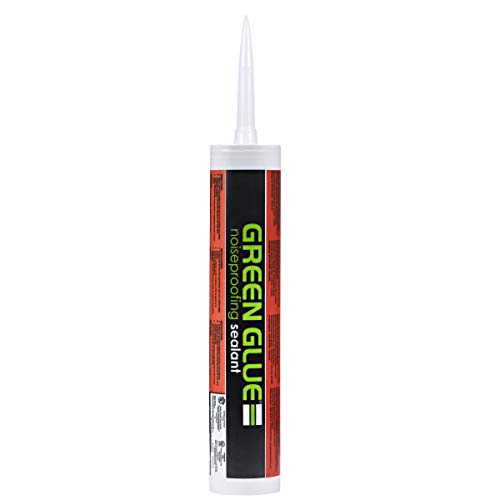
acoustic caulk
Best Temporary Window Barrier
For quick testing before committing to a permanent build, Boxer Studio Sound Dampening Blanket is a practical diagnostic tool that helps you confirm the window is the main noise path before spending on a permanent insert.
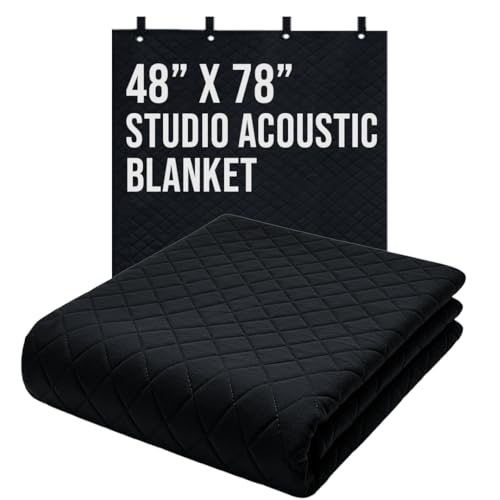
Boxer Studio Sound Dampening Blanket
Get Studio Tips Weekly
Join 5,000+ creators getting acoustic treatment advice every week.
No spam. Unsubscribe anytime.Choosing the Right Insert: Thickness, Fit, and Mounting
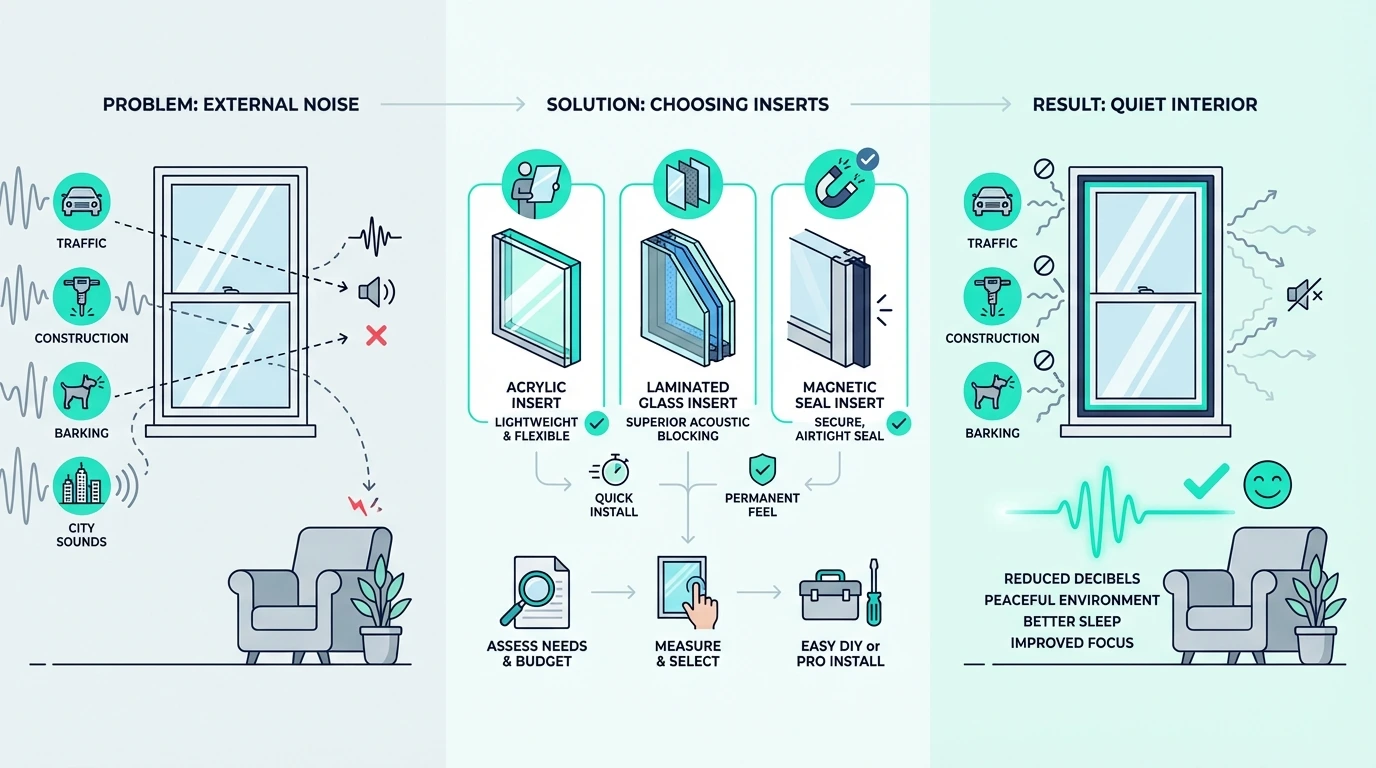
The roundup matters, but the better buying decision comes from matching the insert to the window and the noise problem you actually have.
Acrylic thickness vs air gap
Thicker acrylic or glass adds more mass, which helps with noise reduction. But the air gap between the insert and the existing window usually contributes more to performance than the insert thickness alone.
A thinner insert with a well-sealed 2-inch air gap will often outperform a thicker insert pressed flat against the glass with no gap.
Why fit matters more than material
That air-gap advantage disappears if the edges leak. Sound leaks through gaps the same way it leaks under doors and around window frames.
A tight-fitting insert with compression seals around the edges will outperform a larger, heavier panel that leaves even small air gaps visible.
This is the same weak-link principle that drives results in best door sweep for soundproofing and best soundproof interior doors. The barrier is only as strong as its weakest seal.
Removable vs permanent
Removable inserts are better for renters, seasonal use, and situations where you want to open the window regularly. Permanent or semi-permanent inserts are better when noise reduction is the priority and you are willing to trade window access for stronger performance.
The better choice also depends on how often the window has to function like a normal window. A bedroom that stays shut for sleep may tolerate a denser semi-permanent insert much better than a kitchen or living room window that needs regular airflow.
Window Insert Costs and Value Compared to Other Fixes
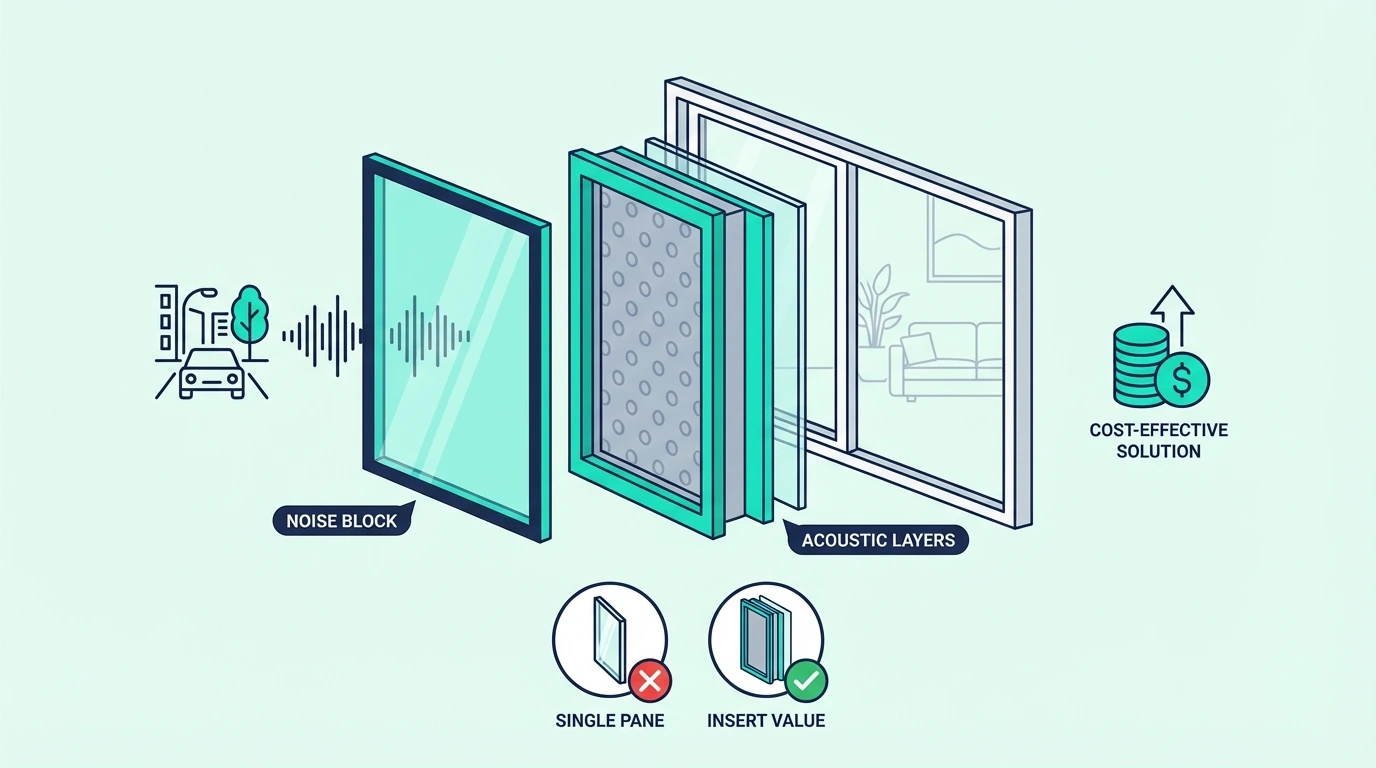
Insert costs range from under $50 for a basic DIY build with foam and barrier material to $300–$800+ per window for custom-measured acrylic inserts from specialty manufacturers.
What drives the price up
Custom sizing, thicker acrylic, laminated glass options, and compression-seal mounting systems all push the price higher. Larger windows cost more because the insert material and frame need to be bigger, and professional measurement adds labor cost.
Large window groups raise the budget fastest because they multiply every part of the job at once: material, frame size, sealing time, and visual impact. That is also where it becomes worth comparing whether one especially noisy opening should get the first insert before you scale the idea across the whole room.
Inserts vs curtains vs replacement
Those costs make more sense in context. Inserts are usually worth it when sealing and curtains have already been tried and the window glass path is still the main bottleneck.
They cost less than full window replacement, deliver stronger results than curtains or weatherstripping alone, and can be removed if you move or change your mind.
For a lighter comparison, best soundproof curtains covers the tier below inserts, and best soundproof windows for home covers the tier above.
The main downsides
The main downsides are reduced window access, potential condensation between the insert and the glass, and appearance. Most inserts make the window harder to open, and trapped moisture between layers can cause problems in humid climates if the seal is not designed to allow some ventilation.
That is why inserts work best when the buyer is honest about tradeoffs before ordering materials. If you need frequent ventilation, easy cleaning, and zero visual change, you may be happier starting with best soundproof curtains or by moving up to a full replacement path instead of forcing the wrong insert style into the room.
The Bottom Line
Best soundproof window inserts work by adding an air gap and mass over the existing window without replacing it. The strongest results come from custom-fit inserts with tight seals, but DIY builds using dense barrier material can deliver meaningful improvement at a fraction of the cost.
For most buyers, the right first step is testing whether covering the window makes a real difference before committing to a permanent or expensive insert. If the test confirms the window is the main noise path, invest in the tightest-fitting, densest insert you can justify.
If the window turns out to be less important than the wall, door, or ceiling, redirect the budget to the actual weak point instead.
Compare this page with the broader soundproofing hub and best soundproofing panels so the window insert decision stays in proportion to the rest of the room.
Frequently Asked Questions
Are there any downsides to acoustic window inserts?
Yes, the main downsides are reduced window access, potential moisture buildup between layers, and appearance changes. Most inserts make the window harder to open, and in humid climates condensation can form between the insert and the glass if ventilation is not managed.