Best Sonos Soundbar — Arc Ultra vs Beam vs Ray And Which One Fits Your Room
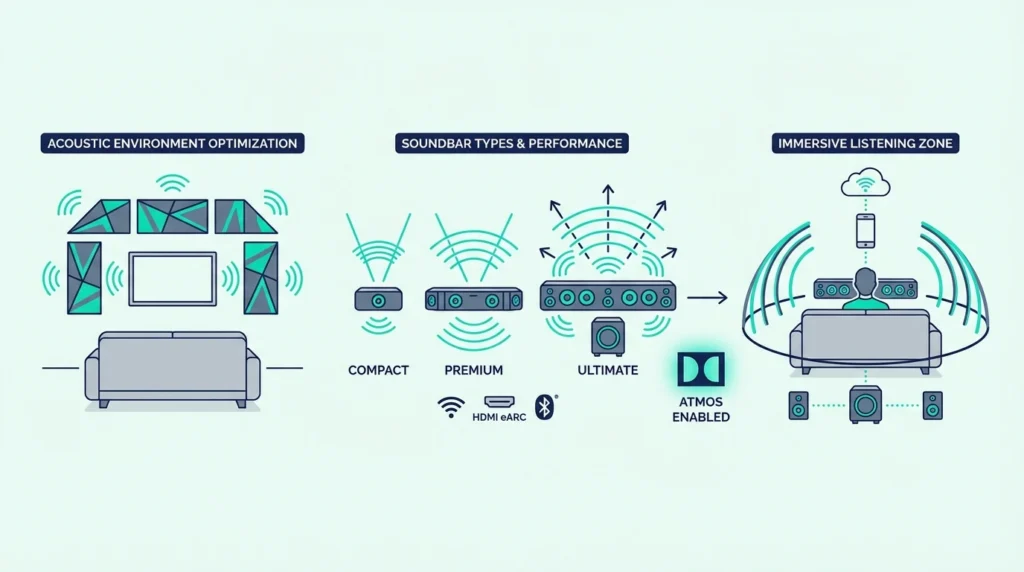
The best Sonos soundbar depends on your room size, TV setup, and whether you plan to expand into a full Sonos surround system — but most buyers overpay for the Arc Ultra when the Beam Gen 2 or Ray delivers everything they actually need at half the price or less.
The problem is that Sonos prices its soundbars at a significant premium over competing brands, and the differences between models are not immediately obvious from the spec sheets alone. The cause is Sonos’s ecosystem lock-in strategy — once you buy one Sonos product, expanding with Sonos speakers, subs, and accessories costs substantially more than mixing brands, which pressures buyers into overspending on the initial soundbar purchase.
This guide breaks down every current Sonos soundbar model, explains exactly which rooms and setups each one fits, identifies where Sonos delivers genuine value over competitors, and highlights where you can get equivalent or better audio from other brands at a lower price. You will know exactly which Sonos bar — or alternative — delivers the best audio for your specific situation.
Start with the Sonos Arc Ultra if you have a large open living room and want the best Dolby Atmos experience Sonos offers, or skip to the alternatives section if you want Sonos-quality audio without the Sonos price tag.
The Sonos Arc Ultra at $1,070 is the best Sonos soundbar for large rooms with Dolby Atmos — its Sound Motion technology fills open spaces better than any competing single-bar system. For most rooms under 300 square feet, the Sonos Beam Gen 2 at $369 delivers Dolby Atmos in a compact package that costs $700 less. The Sonos Ray at $219 is the best entry point for small rooms and bedrooms where Atmos and premium bass are unnecessary.
| Product | Link |
|---|---|
Best For Large Rooms 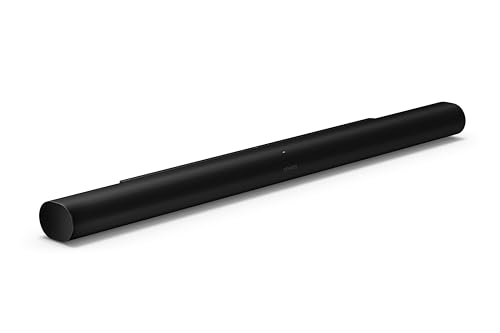 | See ratings |
Best For Most Rooms 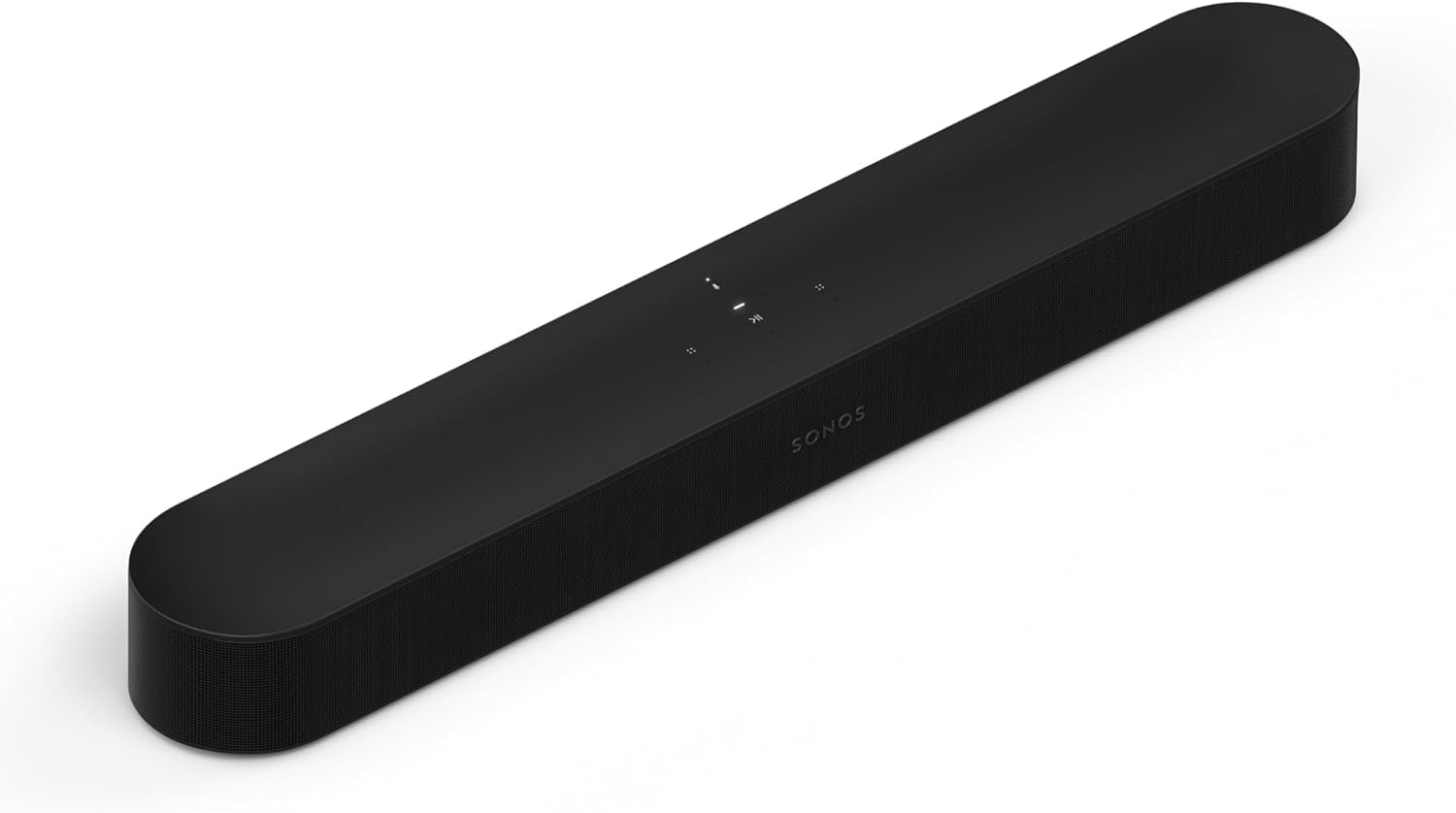 | See ratings |
Best Budget Sonos 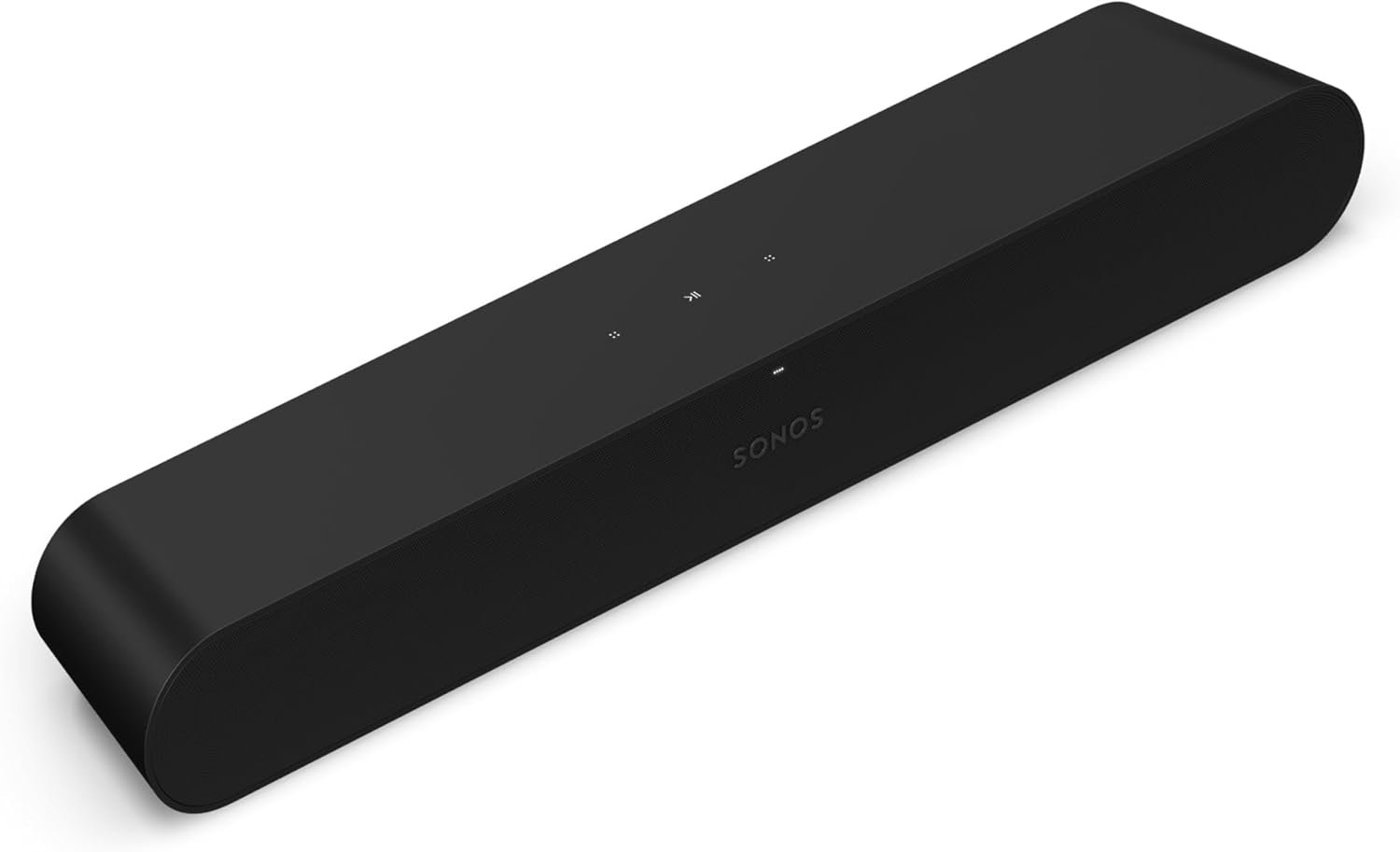 | See ratings |
Best Atmos Alternative 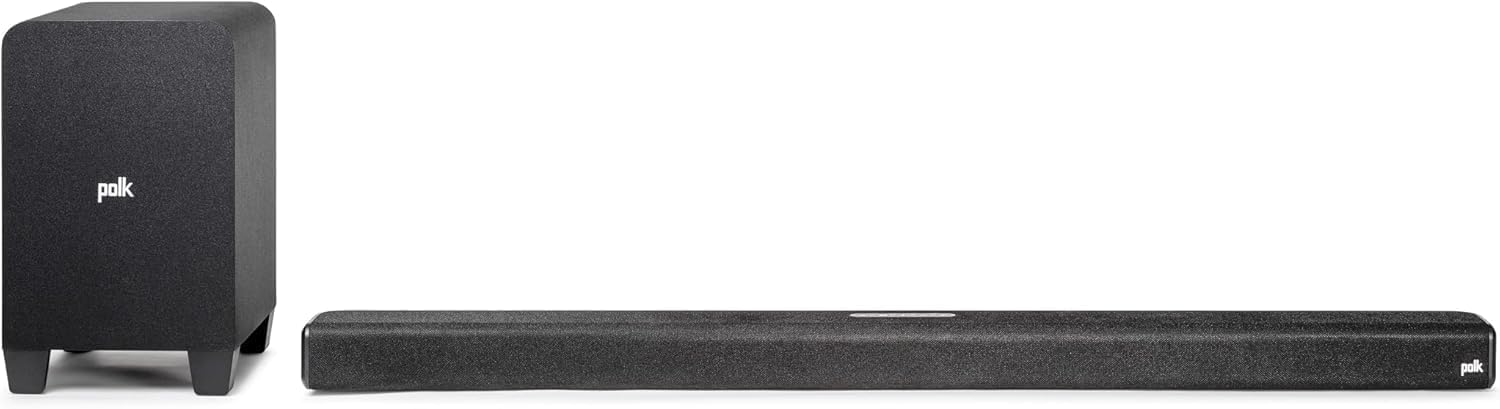 | See ratings |
Best Premium Alternative  | See ratings |
Best Budget Alternative 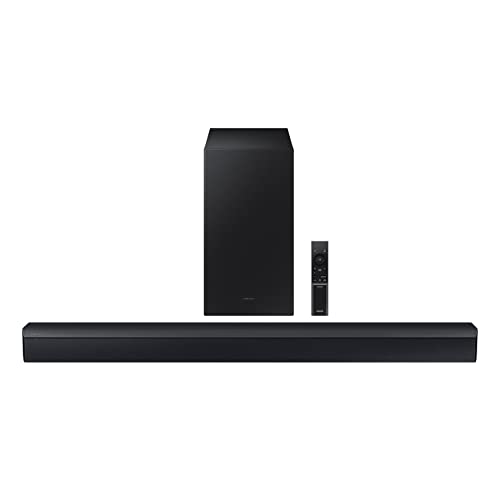 | See ratings |
Best Value Alternative 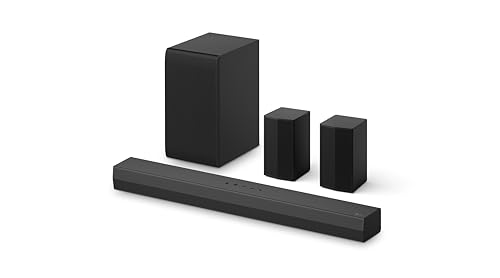 | See ratings |
Which Current Sonos Soundbar Fits Your Room?
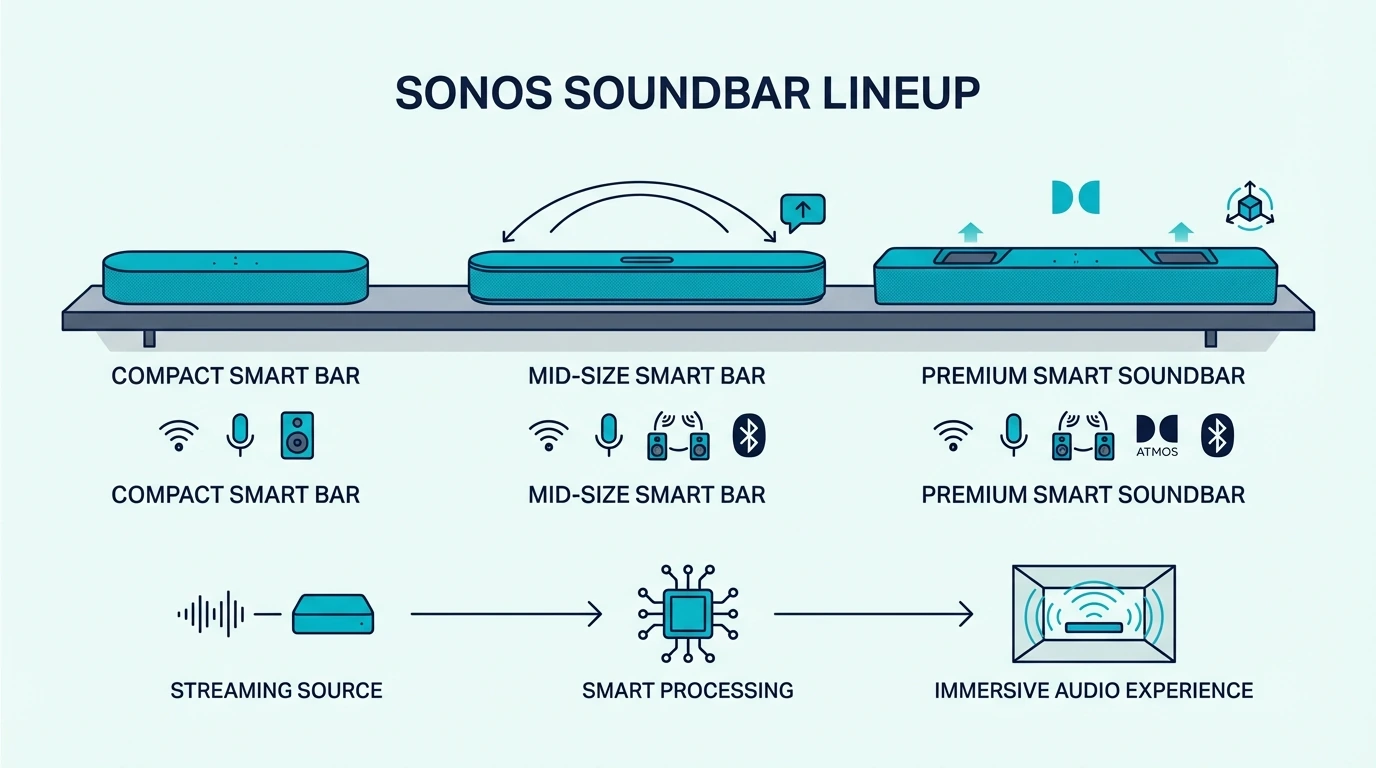
Sonos currently sells three soundbar models — the Arc Ultra, Beam Gen 2, and Ray. Each targets a different room size and budget, and choosing the wrong one means either overpaying for features your room cannot use or underspending and getting audio that disappoints in your specific space.
The most important difference between models is room coverage. The Arc Ultra fills rooms up to 500 square feet with immersive spatial audio, while the Beam Gen 2 handles rooms up to 300 square feet effectively.
The Ray is designed for rooms under 200 square feet like bedrooms, offices, and small apartments. Choosing by room size prevents both overspending on features your space cannot use and underspending on a bar that sounds thin in your room.
How Sonos Models Stack Up
The Arc Ultra uses Sound Motion technology with 14 drivers including up-firing speakers for physical Dolby Atmos height effects. It delivers 9.1.4 spatial audio from a single bar without any additional speakers, which is unmatched by any competing standalone soundbar at any price.
Sound Motion is Sonos’s proprietary driver technology that replaces the traditional woofer design with a motor that moves air more efficiently. This produces deeper bass from a slimmer enclosure and allows the Arc Ultra to deliver low-frequency response that previous Sonos soundbars could not achieve without a separate subwoofer.
The Beam Gen 2 uses 5 drivers with virtual Atmos processing rather than physical up-firing speakers. Virtual Atmos is noticeably less immersive than the Arc Ultra’s physical approach, but in rooms under 300 square feet, the difference shrinks because sound reflections off closer walls partially compensate for the missing height channels.
The Beam Gen 2 connects via HDMI eARC and supports Dolby TrueHD passthrough for lossless audio from Blu-ray discs. It also includes an IR receiver that lets your existing TV remote control volume without any additional setup or Sonos app configuration.
The Ray is a stereo 2.0 soundbar with no Atmos support and no HDMI eARC — it connects via HDMI ARC or optical. It delivers clear dialogue and balanced sound for small spaces where surround effects and bass depth are secondary to clean, room-appropriate audio.
The Ray also connects via optical cable rather than HDMI on older TVs that lack ARC ports entirely. This makes it the most universally compatible Sonos soundbar for older and budget TV setups.
Sonos Ecosystem Expansion: Sub and Surround Speakers
Every Sonos soundbar expands into a full surround system using the Sonos app. Adding a Sonos Sub ($799) brings deep bass that no soundbar alone can match.
Adding two Era 100 speakers ($249 each) as rear surrounds creates a 5.1 system with physical rear channel separation that virtual surround processing cannot replicate.
The total cost of a full Sonos surround system ranges from $1,217 for Ray + Sub + two Era 100s to $1,817 for Arc Ultra + Sub + two Era 100s. These are premium prices, but the wireless setup eliminates running speaker wire across the room.
The multi-room audio capabilities are genuinely easier to configure than wired surround systems from competing brands. Each Sonos speaker connects to your Wi-Fi network independently, and the app handles all channel assignment and level calibration automatically.
For buyers who want surround sound without the Sonos price tag, competing complete systems from Samsung and Sony deliver 5.1 surround with wireless rear speakers and subwoofer for $300-$500 total.
The soundbar guide covers sub-equipped systems from other brands that include rear speakers or wireless subwoofers at far lower total cost.
Sonos App and Multi-Room Audio
The Sonos app controls all Sonos speakers from a single interface with Trueplay room tuning that optimizes audio for your specific room acoustics. Multi-room audio lets you play the same music across every Sonos speaker in your home or different music in different rooms simultaneously.
Apple AirPlay 2 is built into every Sonos soundbar, which means iPhone and Mac users can stream audio without the Sonos app. Spotify Connect and Amazon Alexa integration are also standard across the lineup.
The app also provides EQ adjustment, Night Sound mode for late-night viewing, and Speech Enhancement for dialogue clarity. These software features are consistent across all three soundbar models, which means the Ray gets the same software experience as the Arc Ultra despite the $850 price difference.
One limitation worth noting is that Trueplay room tuning currently requires an iPhone or iPad — Android users cannot run the tuning process. Sonos has announced plans for Android Trueplay support, but as of early 2025 it remains iOS-only.
Which Sonos Soundbar Should You Buy?
Best Overall: Sonos Arc Ultra
The Sonos Arc Ultra is the best Sonos soundbar for large living rooms and open-concept spaces where you need a single bar to fill the entire room with immersive spatial audio. Sound Motion technology with 14 drivers creates a 9.1.4 soundstage that competing single-bar systems cannot match.
Sonos Arc Ultra
Physical up-firing speakers bounce Atmos height channels off the ceiling for genuine overhead effects during Dolby Atmos content. Trueplay room tuning uses your phone’s microphone to measure your room and optimize the audio output for your specific space.
At $1,070, the Arc Ultra costs more than most complete 5.1 Atmos systems from Samsung and Sony. The premium is justified for buyers who want a single elegant bar with no separate subwoofer or rear speakers cluttering the living room.
Buyers with rooms under 300 square feet should consider the Beam Gen 2 instead, since the Arc Ultra’s 14 drivers are designed to fill larger spaces and the audio advantage narrows significantly in smaller rooms where wall reflections do most of the spatial work.
The soundbar guide covers how the Arc Ultra compares to Atmos bars from Samsung, Sony, and JBL across the wider category.
Best For Most Rooms: Sonos Beam Gen 2
The Sonos Beam Gen 2 delivers Dolby Atmos in a compact soundbar at $369 — a third of the Arc Ultra’s price. Five drivers with virtual Atmos processing create a convincing spatial effect in rooms up to 300 square feet.
Sonos Beam Gen 2
In medium-sized rooms, sound reflections off closer walls and ceilings enhance the virtual surround experience to the point where the difference from physical up-firing drivers becomes less noticeable for most listeners.
Speech Enhancement mode boosts dialogue clarity for TV shows, movies, and news broadcasts by isolating voice frequencies and lifting them above background music and effects. Night Sound compresses the dynamic range for late-night viewing without disturbing others.
On the Arc Ultra, that setting has a Max level designed for hearing loss, and our guide to sound bars for viewers with hearing loss compares it with ZVOX’s dialogue-first bars.
Night Sound reduces bass output and boosts midrange dialogue automatically, which solves the common complaint of action movie explosions waking up the rest of the household during late-night viewing sessions.
Sonos positions the Arc Ultra for serious cinephile viewing, and how it compares with JBL, Sony and Yamaha for movies is in our movie soundbar roundup.
For most Sonos buyers, the Beam Gen 2 delivers the best balance of Atmos capability, room-appropriate audio, and Sonos ecosystem access at a price that leaves budget for adding a Sonos Sub later. It is the Sonos soundbar we recommend most frequently for typical living room setups.
The soundbar guide ranks the Beam Gen 2 against competing mid-range bars from all brands.
Best Budget Sonos: Sonos Ray
The Sonos Ray is the entry point to the Sonos ecosystem at $219 with clear dialogue, balanced sound, and full compatibility with all Sonos expansion options. The compact design fits under any TV without overhanging, and Apple AirPlay 2 plus Spotify Connect are built in.
Sonos Ray
The Ray does not support Dolby Atmos and has no built-in subwoofer, which limits bass and spatial audio compared to the Beam and Arc. For bedrooms, offices, and small apartments under 200 square feet, these limitations rarely matter because the room is too small for Atmos height effects to make a meaningful difference.
The Ray is also the only Sonos soundbar that works well as a standalone music speaker on a bookshelf or desk. Its compact size and balanced tuning make it versatile beyond just TV audio duties.
The soundbar guide covers how compact lower-cost bars like the Ray compare to the wider field once you leave the Sonos ecosystem.
Get Studio Tips Weekly
Join 5,000+ creators getting acoustic treatment advice every week.
No spam. Unsubscribe anytime.Is Sonos Worth The Premium Over Competing Brands?
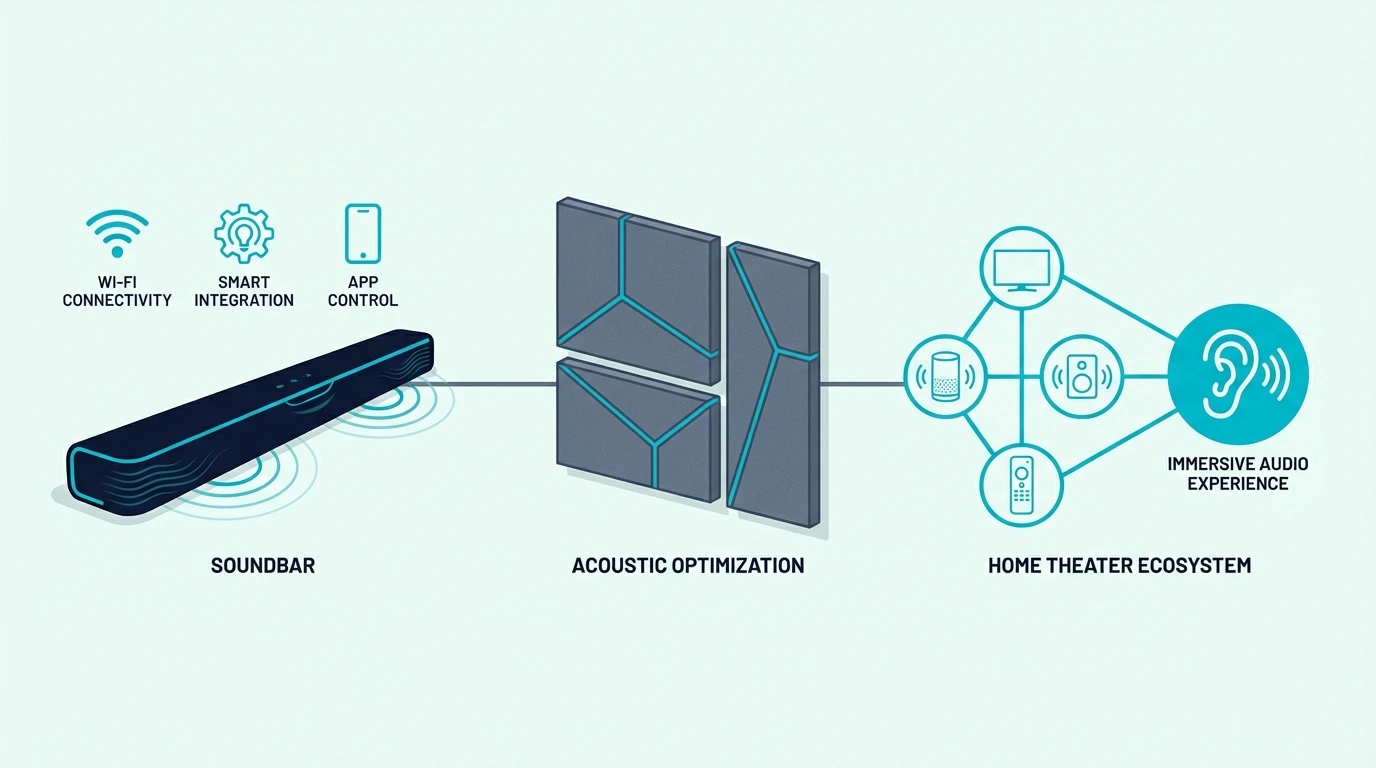
Sonos delivers genuine value in three areas — multi-room audio ecosystem, Trueplay room tuning, and build quality with long-term software support. These features justify the premium for buyers who plan to expand their system over time.
Buyers who want a single platform controlling audio throughout their entire home will find that no competing brand makes this as seamless as Sonos does.
Sonos does not deliver the best raw audio quality per dollar. Competing bars from Samsung, Polk, and Yamaha frequently match or exceed Sonos audio performance at 40-60% of the price.
The difference is that those competing bars do not offer multi-room expansion or the same level of app-based control and room tuning that Sonos provides.
Where Sonos Wins
Multi-room audio is Sonos’s strongest advantage. No competing soundbar ecosystem makes it as easy to add speakers to multiple rooms and control them all from a single app.
Trueplay room tuning delivers measurable audio improvements that most competing bars lack entirely. The tuning process takes about two minutes and adjusts EQ, balance, and spatial output for your specific room dimensions and furniture placement.
Software support is another Sonos strength. Sonos soundbars receive regular firmware updates with new features and improvements years after purchase, while competing brands typically stop updating within 1-2 years.
Build quality across all three models uses premium materials with clean industrial design that blends into modern living rooms. Every Sonos soundbar is designed to last 5-7 years of daily use, which amortizes the higher upfront cost over a longer lifespan than budget alternatives that may need replacing in 2-3 years.
Where Alternatives Win
Every non-Sonos alternative in this guide includes a wireless subwoofer or matches Sonos on Atmos capability at a significantly lower price. The soundbar guide is the better place to compare Sonos against Samsung, Bose, and the wider premium field in one pass. Once it arrives, setup hinges on one thing — reading the status light before you touch any button.
What Are The Best Alternatives To Sonos Soundbars?
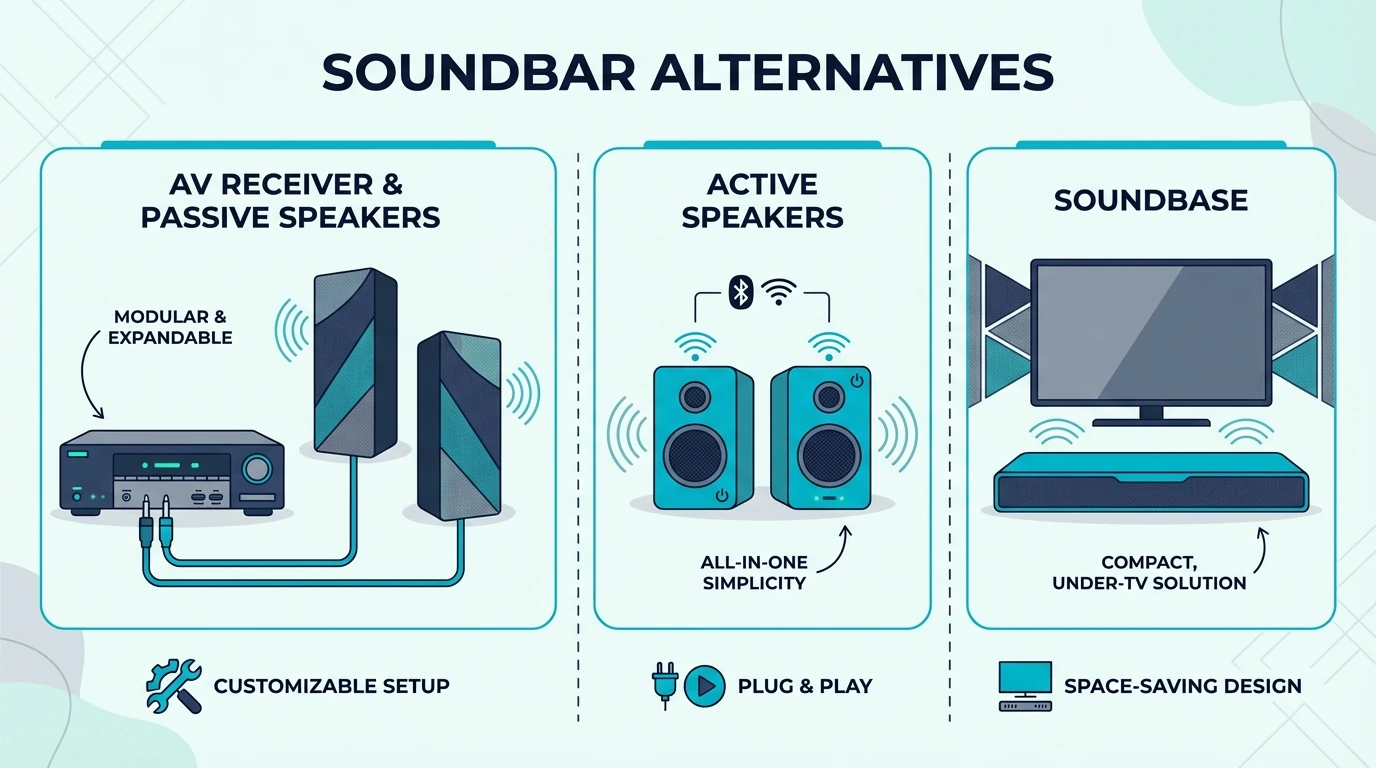
These alternatives deliver comparable or better audio quality than Sonos soundbars at lower prices. The trade-off is losing Sonos multi-room audio and Trueplay room tuning, but gaining features like wireless subwoofers that Sonos charges $799 extra for.
All of these bars connect to any TV via HDMI ARC or eARC and support HDMI CEC for volume control with your existing TV remote.
Best Atmos Alternative: Polk Audio Signa S4
The Polk Audio Signa S4 delivers 3.1.2 Dolby Atmos with physical up-firing drivers and a wireless subwoofer at $379 — the same price as a Sonos Beam Gen 2 but with a dedicated sub included. VoiceAdjust dialogue control gives you independent voice level adjustment that Sonos does not offer.
Polk Audio Signa S4
For buyers who want Atmos and bass without paying $1,168 for a Sonos Beam + Sonos Sub combo, the Signa S4 delivers comparable spatial audio and significantly better bass at a third of the total cost. The dedicated center channel also provides clearer dialogue than the Beam Gen 2’s virtual center processing.
The soundbar guide covers more options with dedicated dialogue enhancement features.
Best Premium Alternative: Samsung S60D
The Samsung S60D delivers 5.0 channel wireless Dolby Atmos at $348 with Adaptive Sound that automatically optimizes audio based on content type. Q-Symphony synchronizes the soundbar with Samsung TV speakers for a wider soundstage, similar to what Sonos achieves with its ecosystem approach.
Samsung S60D
At $21 less than the Sonos Beam Gen 2, the S60D offers more channels and automatic content optimization. The trade-off is no multi-room audio ecosystem, no Trueplay room tuning, and Q-Symphony only works with Samsung TVs.
For Samsung TV owners who do not need multi-room audio, the S60D delivers more spatial channels and better TV integration than the Sonos Beam Gen 2 at a lower price point.
Best Budget Alternative: Samsung HW-C450
The Samsung HW-C450 delivers a 2.1 system with a wireless subwoofer at $150 — $69 less than the Sonos Ray while including a dedicated sub that adds bass the Ray physically cannot produce. DTS Virtual:X creates a virtual surround effect for movies and gaming.
Samsung HW-C450
For buyers who want better bass than the Sonos Ray without spending $1,018 on a Ray + Sonos Sub combo, the HW-C450 delivers significantly more audio per dollar with deeper bass and virtual surround that the Ray cannot match at any setting. The soundbar guide covers more TV-friendly alternatives once you step outside the Sonos ecosystem.
Best Value Alternative: LG S40TR
The LG S40TR delivers a 4.1 package with rear speakers and a wireless subwoofer for under $200. That gives you real surround placement and deeper bass than any standalone Sonos bar at roughly half the price of a Beam Gen 2.
LG S40TR
It is not as polished as Sonos, and the missing center channel means dialogue is not as locked-in as a good 3.1 or 5.1 bar. Still, for buyers who care more about immersive movie value than multi-room features, the S40TR is a far stronger value play than a bare Sonos Ray or Beam.
The soundbar guide covers more room-fit alternatives once you compare Sonos against the wider field.
The Bottom Line
The best Sonos soundbar for most buyers is the Beam Gen 2 at $369 — it delivers Dolby Atmos, Sonos ecosystem access, and room-appropriate audio for the majority of living rooms under 300 square feet. The Arc Ultra at $1,070 justifies its price only in large open spaces above 300 square feet.
In those larger rooms, the Arc Ultra’s 14 drivers and Sound Motion technology fill the space with immersive spatial audio in ways the Beam simply cannot replicate from its smaller 5-driver configuration.
The Ray at $219 is the best entry point for small rooms and bedrooms where Atmos and deep bass are unnecessary. For buyers who do not need Sonos multi-room audio or ecosystem expansion, the Polk Signa S4 at $379 matches the Beam Gen 2 on price while including a wireless subwoofer, physical Atmos up-firing drivers, and VoiceAdjust dialogue control.
The soundbar guide covers competing brand ecosystems for buyers who want to compare Sonos against Sony, LG, Samsung, and the wider category before committing to one platform.
Frequently Asked Questions
Is Sonos really better than Bose?
Sonos delivers better multi-room audio integration and longer software support than Bose. Bose offers slightly better voice assistant integration with built-in microphones and comparable audio quality.
For standalone soundbar use, both deliver premium audio at similar price points. Sonos wins on ecosystem expansion and multi-room capability while Bose wins on voice control convenience and ADAPTiQ room calibration.
Should I buy Sonos Arc or Arc Ultra?
Buy the Arc Ultra if your room exceeds 300 square feet and you want the best spatial audio experience from a single bar without any additional speakers or subwoofer. The original Arc has been officially discontinued by Sonos and the Arc Ultra replaces it with Sound Motion technology for significantly improved bass response and spatial audio performance across all content types.
Are Sonos soundbars any good?
Sonos soundbars deliver excellent audio quality, reliable software with regular updates, and the best multi-room ecosystem available. The trade-off is premium pricing — competing brands often deliver similar audio with included subwoofers at 40-60% of Sonos pricing.
Is Sonos Arc Ultra better than Bose Ultra?
The Sonos Arc Ultra delivers wider spatial audio coverage with 14 drivers and better multi-room ecosystem integration through the Sonos app. The Bose Ultra Soundbar offers better voice assistant features and slightly more precise dialogue clarity with its PhaseGuide technology.
For large rooms above 300 square feet, the Sonos Arc Ultra fills the space more effectively. The Bose Ultra excels in medium rooms with its ADAPTiQ room calibration that measures your specific room for optimized output.