Best Sony Soundbar — Bravia Theater Bar 9 vs HT-A3000 vs HT-S40R And Which One Fits Your Setup
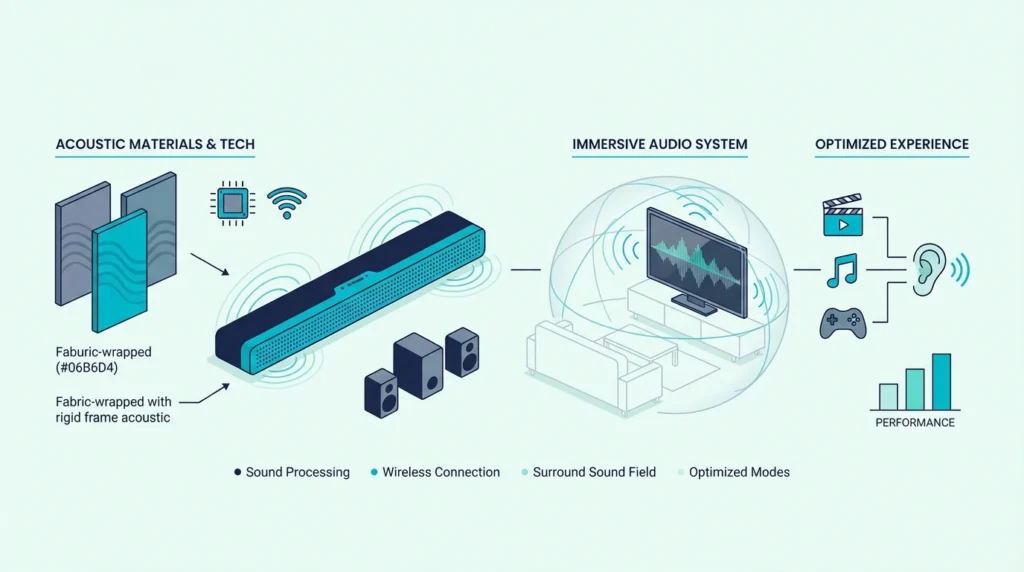
The best Sony soundbar depends on whether you want Sony’s exclusive Bravia Synergy features for a Sony TV or just the best audio quality you can get from a Sony-branded bar — but most buyers shopping for the best sony sound bar do not realize that Sony’s premium features like 360 Spatial Sound Mapping only work with specific Sony Bravia TVs, while the core audio quality works identically with any TV brand.
The problem is that Sony prices its soundbars across a wide range from $250 to $1,300, and the differences between models are buried in marketing names like “Bravia Theater” that do not clearly communicate what you actually get for the extra money. The cause is Sony’s shift from simple model numbers like HT-S400 to the Bravia Theater branding, which groups soundbars by ecosystem integration rather than audio capability, making it harder to compare models on the specs that actually matter for sound quality.
This guide breaks down every current Sony soundbar by audio performance, room size, and Sony TV integration features so you can identify exactly which model delivers the best value for your specific setup. You will know which Sony bar fits your room, whether you need a Sony-brand bar for your Sony TV, and where competing brands deliver better audio for less money.
Start with the Bravia Theater Bar 9 if you have a large room and a compatible Sony Bravia TV, or skip to the alternatives section if you want Sony-level audio quality without the Sony price premium.
The Sony Bravia Theater Bar 9 at $1,298 is the best Sony soundbar for large rooms with 13 drivers and 360 Spatial Sound Mapping for compatible Sony Bravia TVs. For most buyers, the Sony HT-A3000 at around $400 delivers 3.1 channel Dolby Atmos with excellent audio quality at a third of the price. The Sony HT-S40R at $329 is the best Sony option with physical rear speakers for true 5.1 surround sound on a budget.
| Product | Link |
|---|---|
Best For Large Rooms 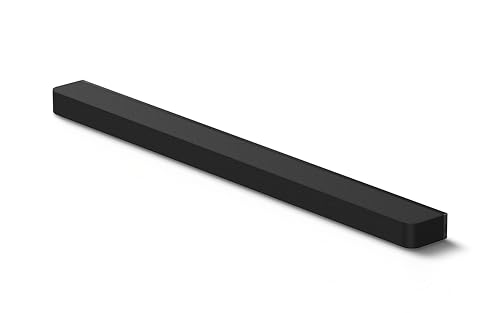 | See ratings |
Best 5.1 System 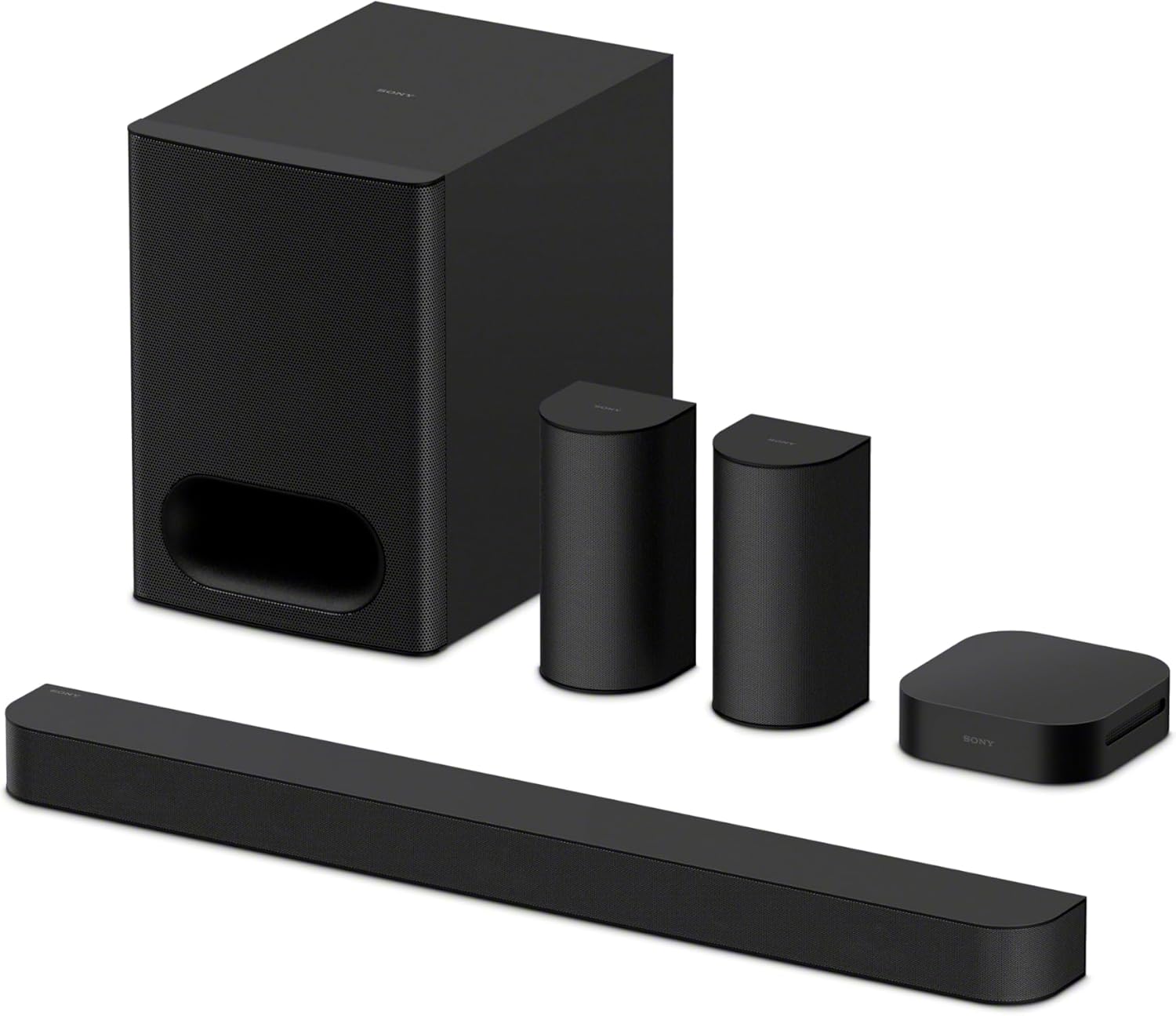 | See ratings |
Best Mid-Range Sony 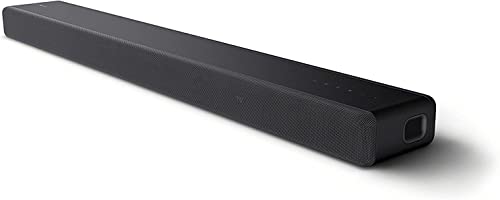 | See ratings |
Best Budget Sony 5.1 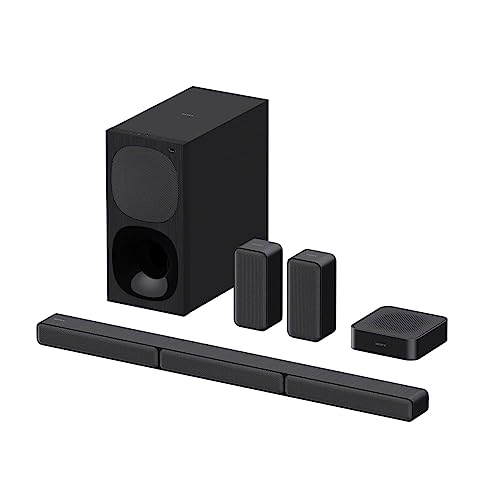 | See ratings |
Best Atmos Alternative 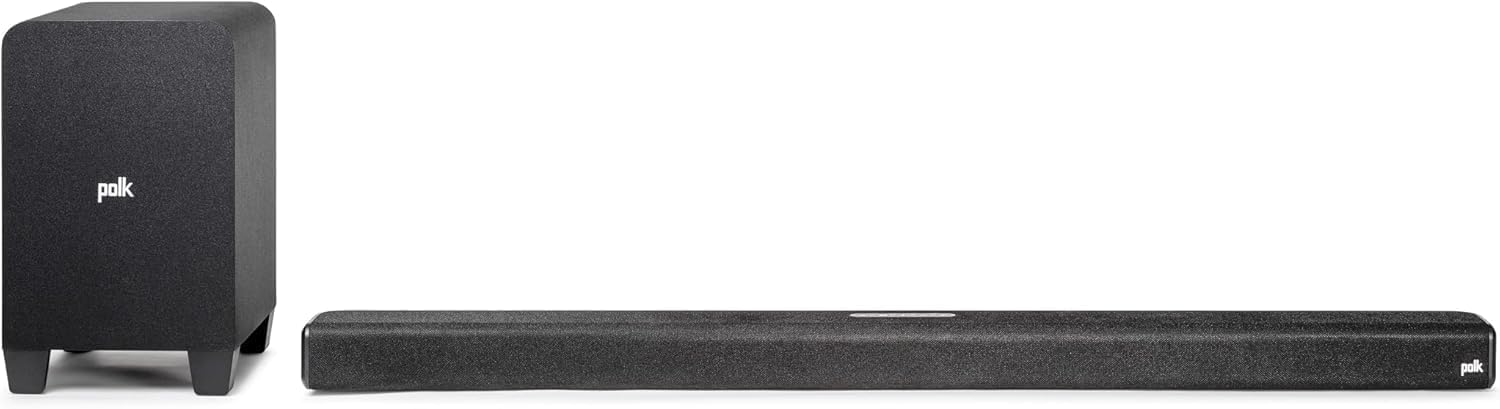 | See ratings |
Best Value Alternative 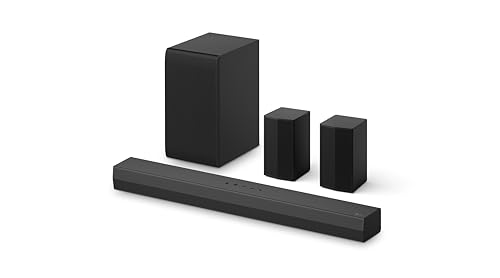 | See ratings |
Which Current Sony Soundbar Fits Your Setup?
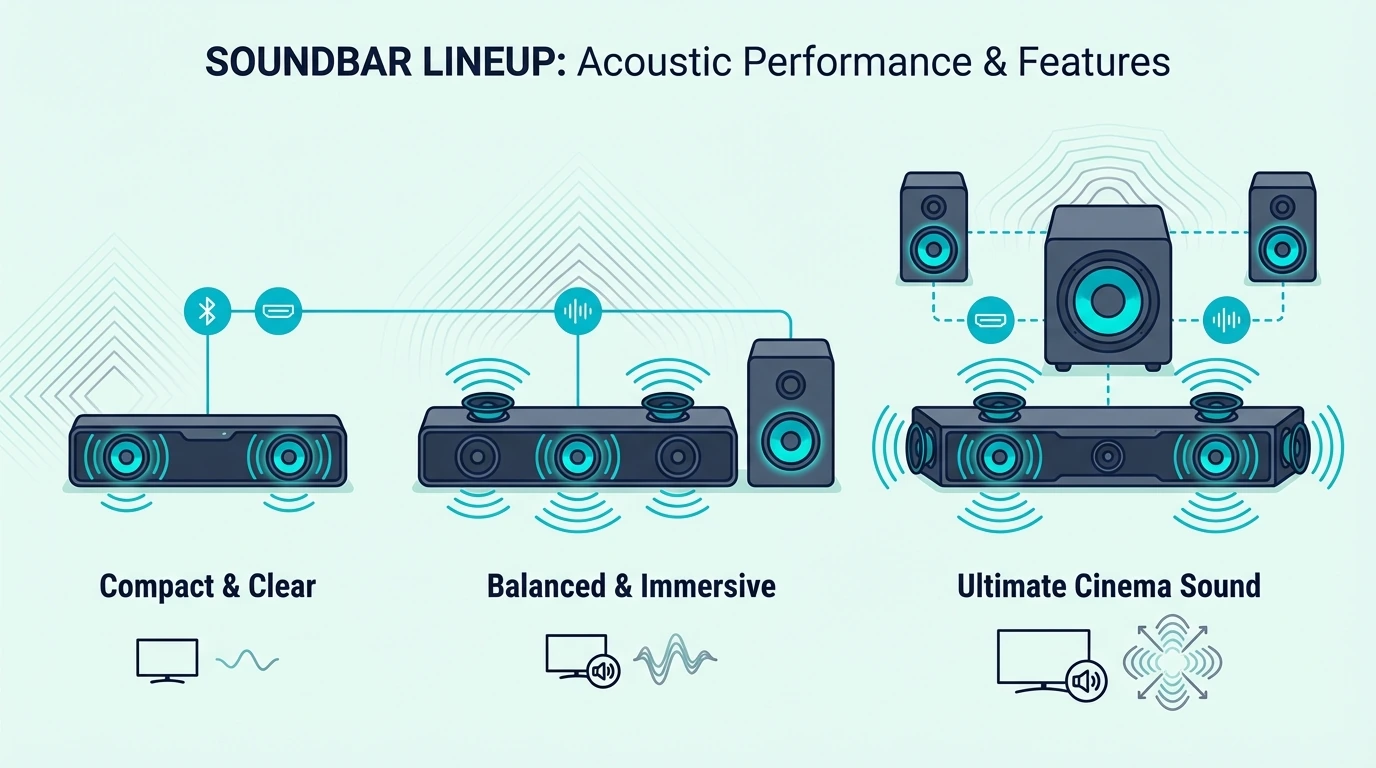
Sony currently sells soundbars under two branding systems — the newer Bravia Theater line and the older HT series. Both connect to any TV via HDMI eARC or ARC, but the Bravia Theater models include exclusive integration features that only activate when paired with specific Sony Bravia TVs.
The Bravia Theater Bar 9 is Sony’s flagship with 13 drivers, 360 Spatial Sound Mapping, and Dolby Atmos with up-firing speakers. The Bravia Theater System 6 bundles a soundbar with rear speakers and subwoofer in one package for buyers who want complete 5.1 surround without buying components separately.
The HT-A3000 sits in the mid-range with 3.1 channel Dolby Atmos from a single bar and the option to expand with Sony’s wireless sub and rear speakers later. The HT-S40R delivers 5.1 surround with physical rear speakers at a lower price point but without Dolby Atmos support, making it the best value Sony system for buyers who prioritize real surround placement over height channel effects.
Sony Bravia Synergy: What It Does And Who Needs It
Bravia Synergy is Sony’s TV-soundbar integration feature that shares acoustic data between the TV and soundbar to optimize audio placement. 360 Spatial Sound Mapping uses the TV’s microphones to map your room and calibrate the soundbar’s output for your specific listening position.
These features only work with compatible Sony Bravia TVs from 2022 or newer. If you own a non-Sony TV or an older Sony TV, you get standard HDMI eARC audio without any of the Bravia-specific enhancements.
For Sony Bravia TV owners, the integration is genuinely impressive and creates a more immersive experience than standard HDMI connections provide. The room calibration adjusts EQ, channel balance, and spatial processing based on your room’s dimensions and furniture layout.
For everyone else, the premium you pay for Bravia Theater branding goes toward features you cannot use, and the base audio quality — while excellent — is available from competing brands at lower prices.
Sony Sound Field: How It Affects Audio
Sony’s Vertical Surround Engine and S-Force PRO Front Surround create virtual height and surround effects from a single bar without physical up-firing or rear speakers. The effectiveness varies significantly by model — the Theater Bar 9 with physical up-firing drivers delivers noticeably better and more convincing height effects than the HT-A3000’s virtual processing approach.
Sound Field optimization analyzes content in real time and adjusts the spatial audio presentation based on whether you are watching dialogue-heavy drama, action movies, live sports, or music content. This automatic content-aware optimization works with all TV brands and does not require Bravia Synergy to function.
Which Sony Soundbar Should You Buy?
Best Overall: Sony Bravia Theater Bar 9
The Sony Bravia Theater Bar 9 is Sony’s flagship soundbar with 13 drivers including physical up-firing speakers for genuine Dolby Atmos height effects and built-in dual subwoofers that deliver deep bass without a separate sub unit cluttering your living room.
Sony Bravia Theater Bar 9
360 Spatial Sound Mapping uses compatible Sony Bravia TV microphones to analyze your room acoustics and calibrate the soundbar output for your specific seating position. This feature creates a measurable improvement in spatial audio accuracy, but it requires a compatible Sony Bravia TV from 2022 or newer.
At $1,298, the Theater Bar 9 competes directly with the Sonos Arc Ultra at $1,070 and the Samsung Q990D at around $1,300. The Sony wins on built-in dual subwoofers and Bravia Synergy integration, while the Sonos wins on multi-room ecosystem and the Samsung wins on included rear speakers and subwoofer in the box.
For Sony Bravia TV owners with rooms over 300 square feet, the Theater Bar 9 delivers the most integrated single-bar experience available from any brand.
The soundbar guide compares the Theater Bar 9 against flagship Atmos bars and other premium brand ecosystems.
Best 5.1 System: Sony Bravia Theater System 6
The Sony Bravia Theater System 6 bundles everything you need for 5.1 surround sound in a single purchase — soundbar, wireless subwoofer, and two wireless rear speakers. This eliminates the guesswork of buying components separately and ensures every piece is designed to work together.
Sony Bravia Theater System 6
Dolby Atmos and DTS:X processing with physical rear speakers creates genuine surround separation that virtual surround from a standalone bar cannot match. 360 Spatial Sound Mapping works with compatible Sony Bravia TVs to calibrate the entire 5.1 system for your room layout.
At $698, the Theater System 6 costs more than competing 5.1 packages from Samsung at around $500 and Polk at $379 for the Signa S4 (3.1.2 without rear speakers). The Sony premium buys Bravia Synergy integration and Sony’s build quality.
The soundbar guide covers more sub-equipped options at lower price points.
Best Mid-Range: Sony HT-A3000
The Sony HT-A3000 delivers 3.1 channel Dolby Atmos with a dedicated center channel for clear dialogue at around $400. The dedicated center channel means dialogue comes from a physically separate driver rather than being mixed into the left and right channels, which improves voice clarity significantly during busy movie scenes.
Sony HT-A3000
360 Reality Audio support brings immersive spatial music from compatible streaming services like Amazon Music and Tidal. The HT-A3000 is also expandable — you can add Sony’s SA-SW3 subwoofer ($300) and SA-RS3S rear speakers ($350) later to build up to a full surround system.
Adding that subwoofer later means a pairing step in the TV’s on-screen menu, which our Sony subwoofer pairing steps walk through.
For most Sony soundbar buyers, the HT-A3000 delivers the best combination of audio quality, Atmos capability, and upgrade potential at a reasonable price. The soundbar guide ranks the HT-A3000 against competing mid-range bars from all brands.
Best Budget Sony: Sony HT-S40R
The Sony HT-S40R delivers true 5.1 surround sound with physical wireless rear speakers and a wireless subwoofer at $329 — Sony’s most affordable complete surround system. The rear speakers create genuine channel separation that single-bar virtual surround cannot replicate.
Sony HT-S40R
The trade-off is no Dolby Atmos support and no HDMI eARC, which limits the system to Dolby Digital 5.1 via optical or standard HDMI ARC. For buyers who prioritize real surround placement over Atmos height effects, the HT-S40R delivers genuine spatial separation from physical rear speakers at Sony’s lowest price point.
The included wireless rear speakers plug into wall power outlets and connect to the soundbar automatically without running any speaker wire across the room.
The soundbar guide covers more affordable options including single-bar systems and compact all-in-one bars at lower prices.
Get Studio Tips Weekly
Join 5,000+ creators getting acoustic treatment advice every week.
No spam. Unsubscribe anytime.Is A Sony Soundbar Worth It For Non-Sony TVs?
Sony soundbars work with any TV brand via standard HDMI eARC or ARC connections. Every Sony soundbar delivers its full Dolby Atmos and DTS:X audio performance regardless of TV brand — the only features you lose without a Sony Bravia TV are Bravia Synergy and 360 Spatial Sound Mapping.
Once yours arrives, how to connect a Sony soundbar to a TV walks through the HDMI, optical and Bluetooth setups.
For non-Sony TV owners, the question becomes whether Sony’s base audio quality justifies the price premium over competing brands. The Theater Bar 9 at $1,298 competes with the Sonos Arc Ultra at $1,070, and the HT-A3000 at $400 competes with the Samsung S60D at $348 and the Polk Signa S4 at $379.
Sony’s audio engineering and driver quality are genuinely excellent across all models, but without the Bravia Synergy ecosystem features, you are paying for the Sony brand name and build quality rather than exclusive functionality. The soundbar guide covers competing premium ecosystems that offer their own TV-specific integration features.
Best Soundbar For Sony Bravia 4K TV
Sony Bravia 4K TV owners get the most value from Sony soundbars because Bravia Synergy, 360 Spatial Sound Mapping, and seamless CEC control all activate automatically. The Theater Bar 9 and Theater System 6 both support these features with compatible 2022+ Sony Bravia models.
For Sony Bravia owners on a budget, the HT-A3000 at $400 still supports basic Bravia integration including CEC control and audio format passthrough, even though it lacks the full 360 Spatial Sound Mapping. This makes it the best value Sony bar for Sony TV owners who want brand matching without spending over $700.
What Are The Best Alternatives To Sony Soundbars?
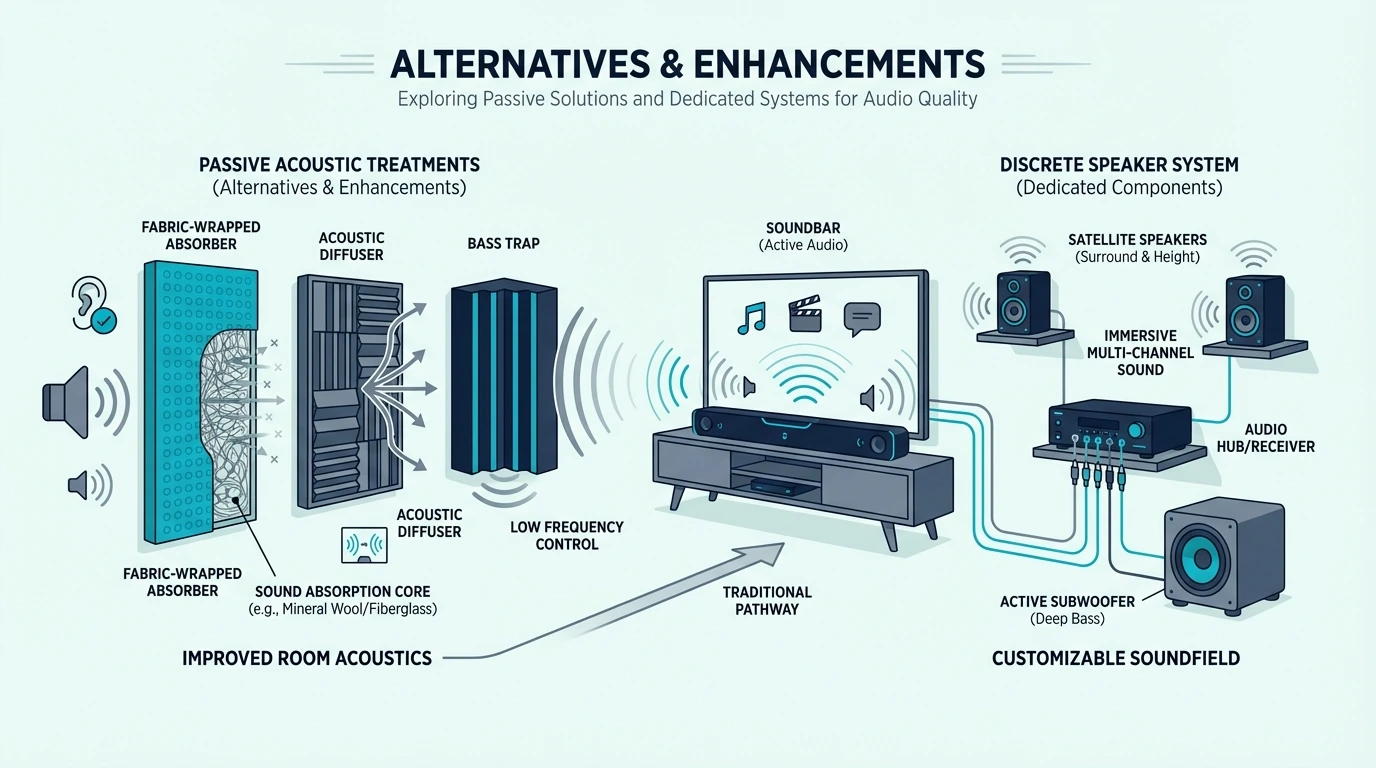
These alternatives deliver comparable or better audio quality than Sony soundbars at lower prices. The trade-off is losing Sony’s Bravia integration features, but gaining features like included subwoofers, dialogue boost controls, and multi-room audio that Sony charges extra for.
Best Atmos Alternative: Polk Audio Signa S4
The Polk Audio Signa S4 delivers 3.1.2 Dolby Atmos with physical up-firing drivers and a wireless subwoofer at $379 — comparable Atmos performance to the Sony HT-A3000 at a similar price but with a subwoofer included that Sony charges $300+ extra for.
Polk Audio Signa S4
VoiceAdjust dialogue control lets you independently boost voice levels without affecting other audio channels, which is a feature no current Sony soundbar offers as a dedicated control. The soundbar guide covers more bars with dedicated voice enhancement features.
Best Value Alternative: LG S40TR
The LG S40TR delivers a 4.1 package with rear speakers and a wireless subwoofer for under $200. That gives you real surround placement and deeper bass than Sony’s standalone bars at a much lower entry price.
LG S40TR
It is not as refined as Sony, and the missing center channel means dialogue is less locked-in than the HT-A3000 or Theater System 6. Still, for buyers who care more about immersive movie value than ecosystem features, the S40TR is the stronger low-cost surround play.
The soundbar guide covers more alternatives for different TV brands, gaming setups, and desk-friendly rooms.
The Bottom Line
The best Sony soundbar for most buyers is the HT-A3000 at around $400 — it delivers 3.1 channel Dolby Atmos with a dedicated center channel, 360 Reality Audio for music, and expansion potential for adding a sub and rear speakers later. The Bravia Theater Bar 9 at $1,298 justifies its price only for buyers with large rooms and compatible Sony Bravia TVs where 360 Spatial Sound Mapping activates.
The HT-S40R at $329 is the best budget Sony option with true 5.1 surround using physical rear speakers. For buyers who do not need Sony-specific Bravia integration, the Polk Signa S4 at $379 delivers comparable Atmos audio with an included subwoofer and VoiceAdjust dialogue control at a similar price to the HT-A3000 but with significantly more included hardware.
The soundbar guide covers competing brand ecosystems with different TV integration strengths once you compare Sony against the wider field.
Frequently Asked Questions
Are Sony soundbars any good?
Sony soundbars deliver excellent audio engineering with clean midrange clarity and effective spatial processing. The Bravia Theater models add exclusive TV integration features for Sony Bravia owners that no competing brand can match.
The trade-off is premium pricing — competing brands frequently include wireless subwoofers at price points where Sony sells the soundbar alone, requiring an additional $300-$700 investment for Sony’s optional sub.
Which is better, Bose or Sony soundbar?
Bose delivers better voice assistant integration and slightly clearer dialogue with ADAPTiQ room calibration. Sony delivers better spatial audio processing and exclusive Bravia TV integration features.
For Sony Bravia TV owners, Sony soundbars win on ecosystem integration. For all other TV brands, Bose offers comparable audio quality with better out-of-box setup simplicity and voice control.
Is the Sony soundbar better than the JBL?
Sony delivers better build quality, more refined audio tuning, and exclusive Bravia integration features. JBL soundbars typically offer more aggressive bass and louder maximum volume at lower price points.
For home theater use with movies and TV shows, Sony provides more accurate spatial audio with cleaner dialogue separation. For music listening and parties, JBL’s bass-forward tuning and louder output are often preferred by buyers who prioritize volume and low-end impact over subtle spatial accuracy.