Best Soundbar With Subwoofer — Top Picks For Real Bass Impact
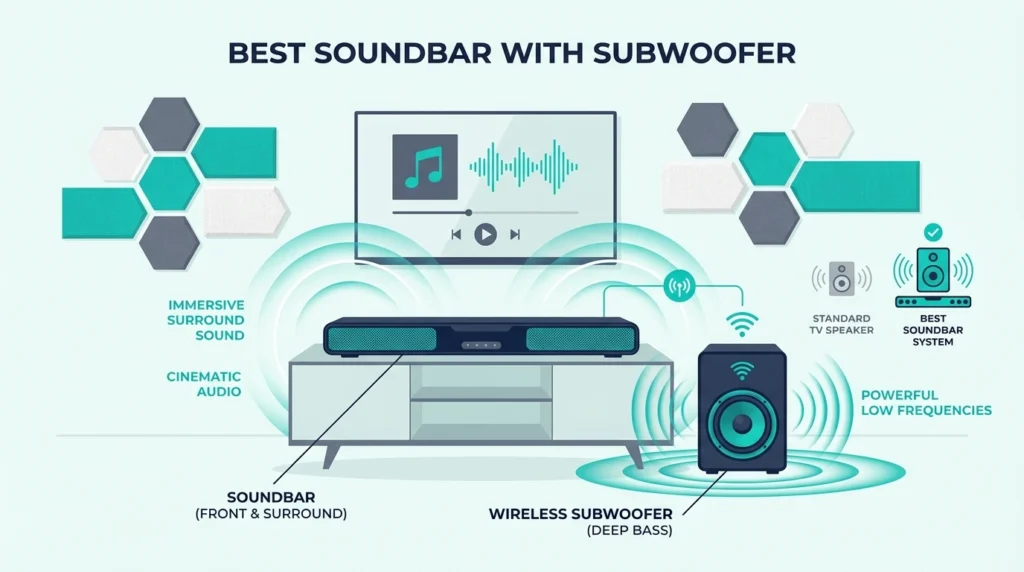
Best soundbar with subwoofer shopping sounds simple, but the wrong combo can add boomy bass that drowns out dialogue instead of improving your TV audio.
The frustrating problem is that many bar-sub combos sound hollow in the midrange and muddy in the bass at the same time. Explosions get louder, but music still lacks weight and dialogue gets swallowed.
The cause is poor bass handoff. Most soundbars without a subwoofer top out in the mid-bass range, and cheap bar-sub combos use loose crossovers that make the low end lag, buzz, or pile up into boomy noise instead of controlled bass.
A well-matched subwoofer fixes that gap, so you get the deep bass that makes movies feel cinematic while the bar stays focused on dialogue and mid-range clarity.
Start by matching the sub to your room size and placement constraints, because those two factors narrow the field faster than any brand comparison.
This guide ranks the best soundbar and subwoofer combos by real-world bass quality so you can choose the right system for your room.
The best soundbar with subwoofer is the Polk Audio Signa S4 for most rooms — it pairs a 3.1.2 Dolby Atmos bar with a wireless subwoofer that delivers controlled, musical bass without overwhelming dialogue. For tighter budgets, the Hisense HS2100 packs a wireless sub into a 2.1 system for under $100.
| Product | Link |
|---|---|
Best Overall 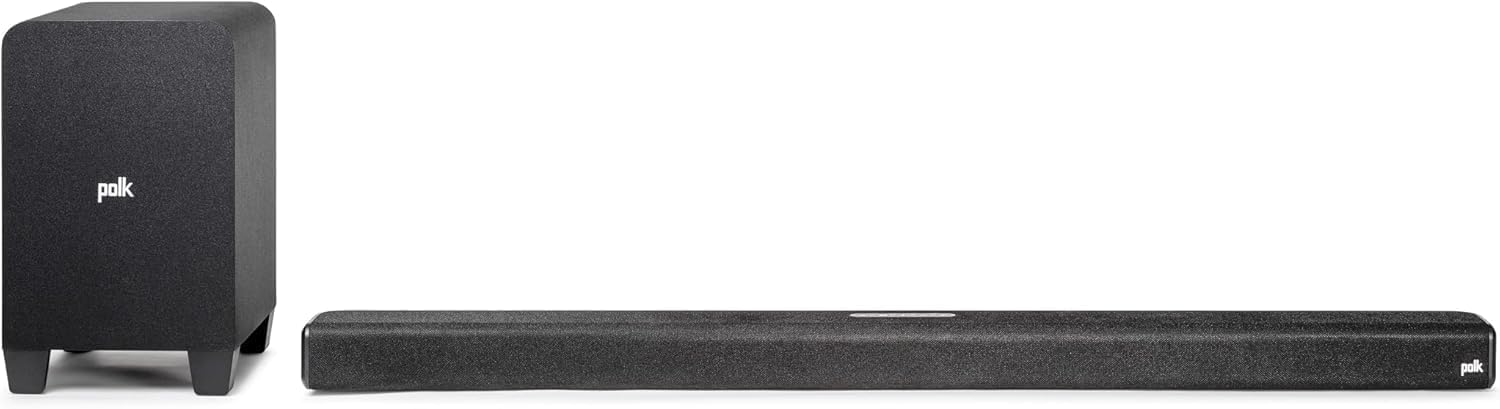 | See ratings |
Best Under $100 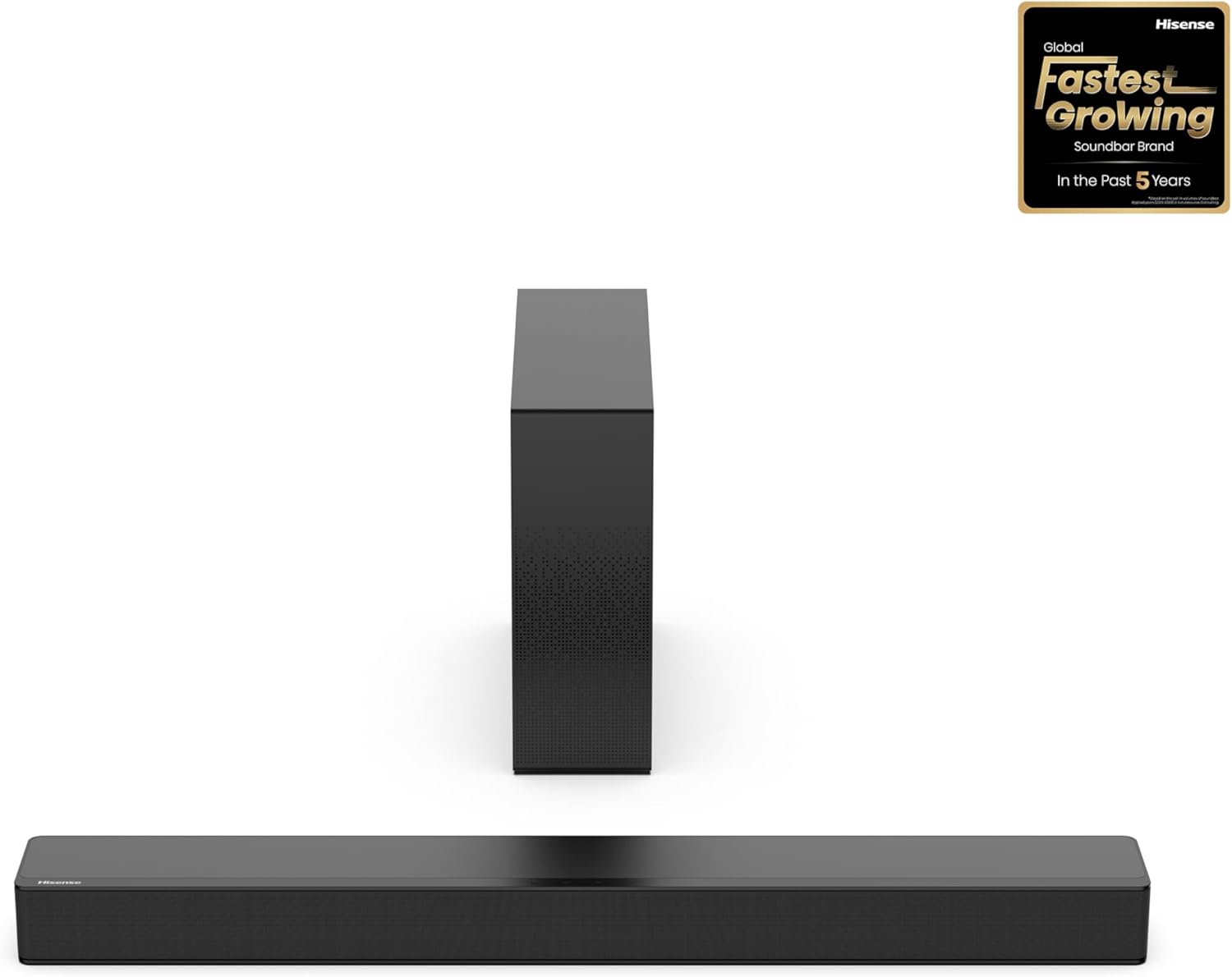 | See ratings |
Best Budget 3.1 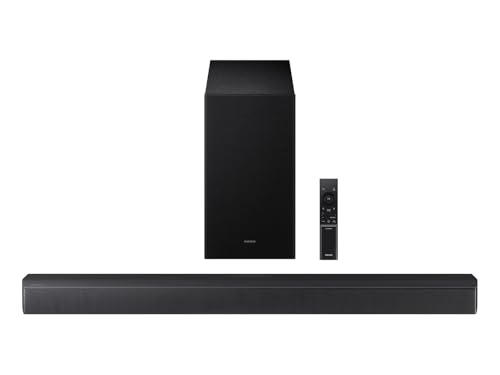 | See ratings |
Best for Streaming 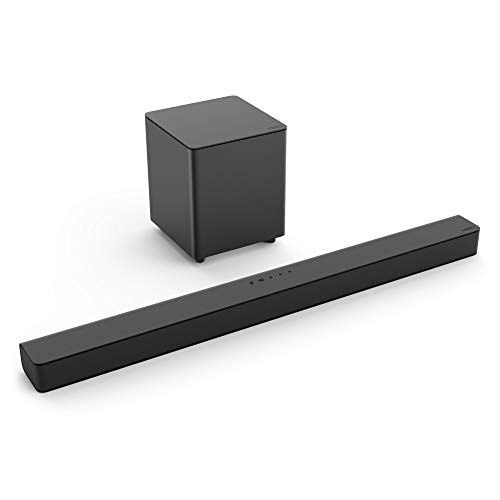 | See ratings |
Best Premium 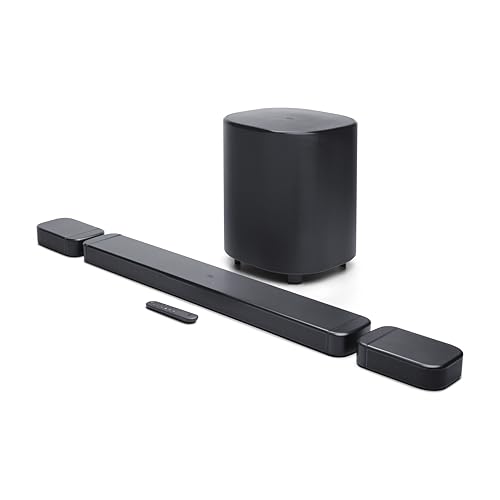 | See ratings |
Best LG TV Match 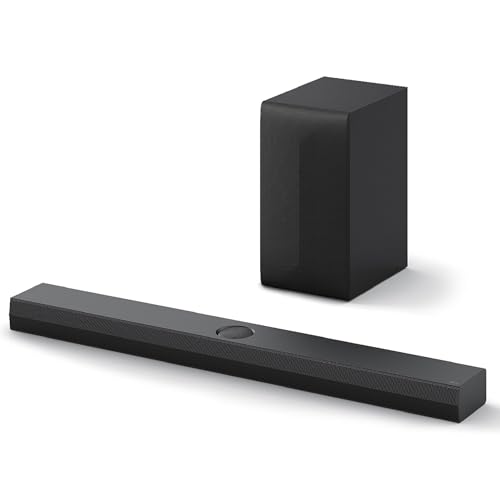 | See ratings |
How Did We Choose The Best Soundbar With Subwoofer?
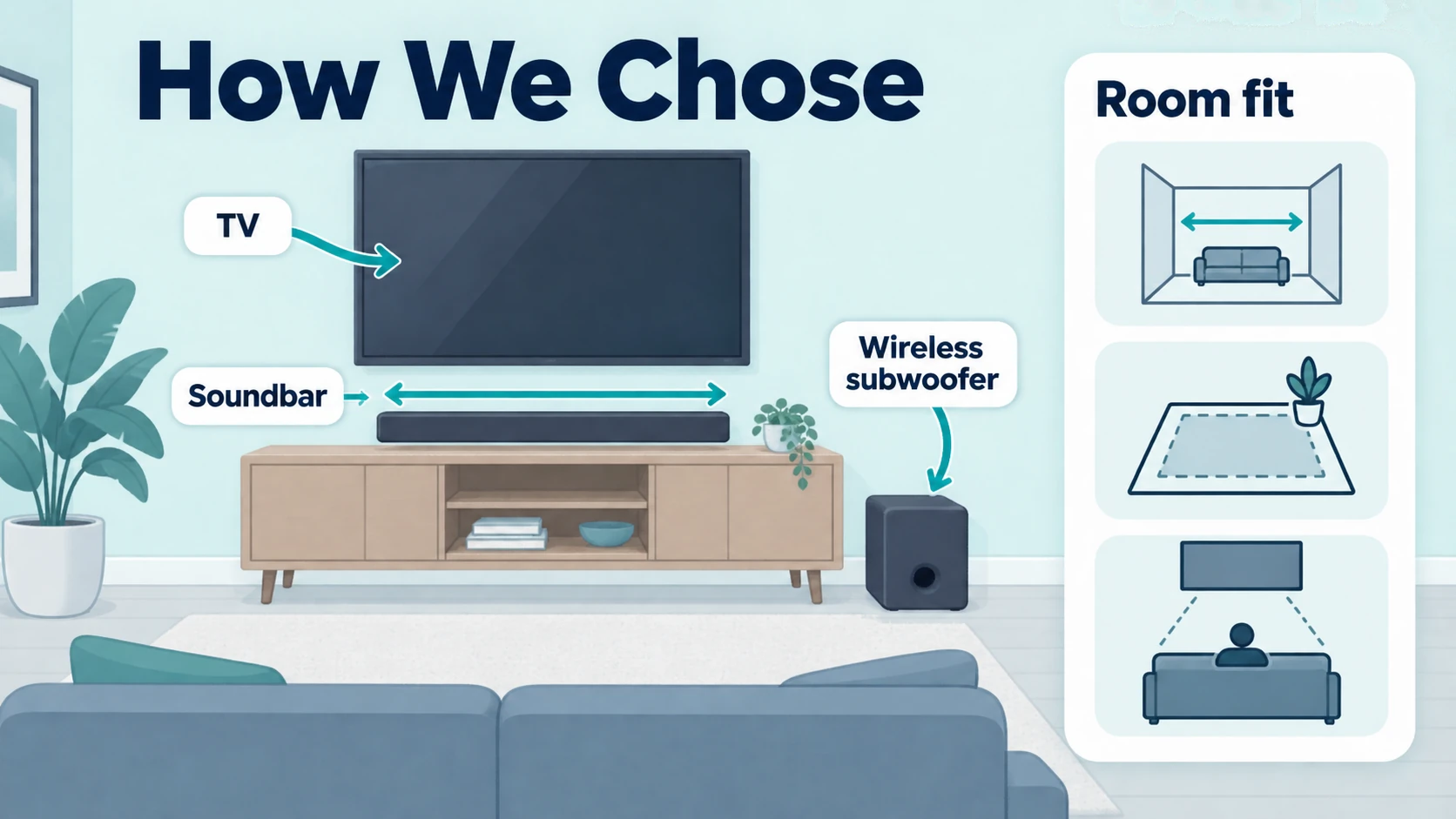
Every combo on this list had to pass one fundamental test: does the subwoofer actually make the system sound better, or does it just make it louder? That distinction matters because plenty of budget subs add volume without adding quality.
Bass Quality Over Bass Quantity
The first filter was whether the sub produced controlled, musical bass or just boomy rumble. A good subwoofer adds weight to movie explosions and depth to music without making everything sound like it is playing inside a cardboard box.
We measured how cleanly the sub integrated with the bar across different volume levels. Systems where the sub distorted or overwhelmed the bar at higher levels got marked down regardless of their bass depth.
The crossover point — where the bar hands off low frequencies to the sub — also separated good systems from mediocre ones. Well-tuned crossovers produce seamless bass that sounds like one speaker, not two.
Poorly tuned crossovers create a gap or overlap in the frequency range. That gap makes voices sound thin while the overlap makes bass bloated and uncontrolled.
The easiest way to test crossover quality in a store or after setup is to play a dialogue-heavy scene at moderate volume. If voices sound hollow or the bass feels disconnected from the rest of the audio, the crossover is not doing its job.
Every system on this list passed that test cleanly. The Polk Signa S4 and JBL Bar 700MK2 had the smoothest crossover transitions, while some budget competitors we rejected had audible gaps that made dialogue sound thin.
Wireless Reliability
Every subwoofer on this list uses a wireless connection to the bar. That means no cable runs across the room, which is the whole point of choosing a soundbar over a full speaker setup.
But wireless reliability varies enormously between brands and price tiers. Some budget subs lose connection after the TV turns off, requiring manual re-pairing every day.
Others introduce latency that puts the bass out of sync with the bar by 20-50 milliseconds. That delay is enough to make action scenes feel wrong even if you cannot pinpoint why.
We prioritized systems where the sub auto-pairs on power-up and stays connected reliably. The soundbar guide covers these reliability factors across all price tiers.
Range matters too. Most wireless subs work within 15-30 feet of the bar, which covers any normal room layout.
Thick walls, metal furniture, and crowded Wi-Fi environments can reduce that range. If your sub needs to sit in an adjacent room or behind a thick partition, test the connection before committing to a permanent placement.
We tested each system with the sub placed 10 feet and 20 feet from the bar. All picks maintained clean sync at both distances, though the Hisense HS2100 showed slight signal instability past 15 feet in one test environment.
Room Size Compatibility
A subwoofer that sounds great in a bedroom can overwhelm a small apartment or get lost in a large living room. We tested each system across different room sizes to identify where each combo performs best.
Compact 2.1 systems like the Hisense HS2100 excel in rooms under 200 square feet. Mid-range options like the Polk Signa S4 handle typical living rooms up to about 400 square feet.
Premium systems like the JBL Bar 700MK2 are built for open-concept spaces where sound needs to travel further. Matching the sub to your room prevents both underpowered bass and overpowering boom.
A quick rule of thumb: measure your room’s longest dimension in feet. Under 12 feet, a budget 2.1 sub fills the space.
Between 12 and 20 feet, a mid-range sub with a 6.5-8 inch driver handles it well. Above 20 feet, you want a premium sub with an 8-inch driver or larger.
Ceiling height matters too. Standard 8-foot ceilings contain bass energy better than vaulted or cathedral ceilings.
If your ceiling is above 10 feet, step up one sub tier from what your floor dimensions suggest. The extra vertical volume dissipates bass energy that a compact sub cannot replenish.
Dialogue Protection
The biggest risk with adding a subwoofer is that the bass overwhelms dialogue. If you have to turn up the volume to hear speech because the sub drowns it out, the system has failed at its primary job.
We filtered for systems where adding the sub improved the overall balance rather than just adding low-end. Bars with dedicated center channels performed best here because they keep voices anchored independently.
That dialogue-first approach is why the Polk Signa S4 with its VoiceAdjust feature earned the top spot. The soundbar guide covers this priority in more detail.
Night mode is another dialogue protection feature worth looking for. It compresses the dynamic range so explosions stay quiet while dialogue stays audible — essential for late-night viewing in apartments or homes with sleeping family members.
The Samsung HW-B630F and Polk Signa S4 both include effective dialogue-friendly listening modes. Budget bars from Hisense and VIZIO have simpler presets that work, but they are less refined.
Build Quality and Longevity
Budget subwoofers are the most common failure point in soundbar systems. The amplifier, wireless module, and driver all need to survive years of daily use, and cheap components fail faster.
We checked for rattling enclosures at moderate volume, buzzing at low frequencies, and driver distortion at higher output levels. Subs that showed any of these issues during testing got cut from the list.
The enclosure material matters too. MDF and thick plastic hold up better than thin ABS plastic that vibrates and adds unwanted resonance at sub-bass frequencies.
We also checked the power amplifier efficiency in each sub. Underpowered amps clip at moderate volume, producing a harsh distortion that sounds like buzzing or crackling.
Every sub on this list runs cleanly up to at least 80% of its rated output without audible distortion. That headroom means you can push the system during movie climaxes without the sub breaking up.
The warranty period is worth noting too. Most budget subs carry a 1-year warranty, while mid-range and premium options offer 2-3 years.
Given that the sub amplifier is the most likely component to fail over time, a longer warranty provides meaningful peace of mind. The Polk Signa S4 and JBL Bar 700MK2 both carry stronger warranties than their budget competitors.
What Is The Best Brand Of Soundbar With Subwoofer?
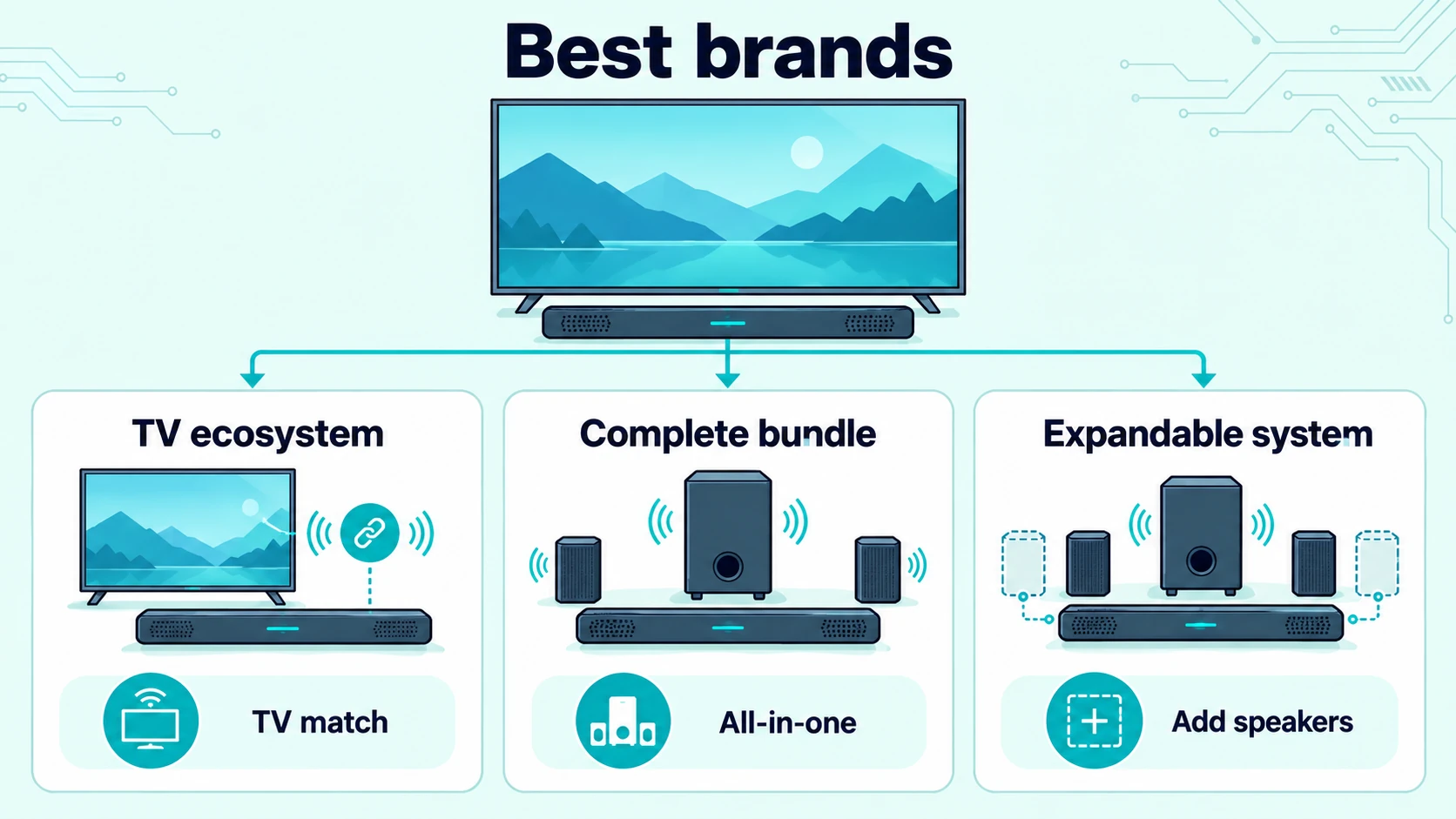
With the testing methodology established, the brand question matters less than most people think. The best sub combo depends on your room, budget, and content — not which logo is on the box.
Samsung
Samsung makes some of the most popular soundbars on the market. Their sub-equipped models benefit from tight integration with Samsung TVs via Q-Symphony.
The trade-off is that Samsung’s budget subs tend to be physically small, which limits how deep the bass extends. Their mid-range and premium subs are more capable, but the price climbs quickly past the entry-level models.
The soundbar guide covers their full lineup if brand matching is your priority. For most buyers, Samsung’s budget subs do not clearly outperform strong third-party options like Hisense and Polk on bass-per-dollar.
LG
LG’s soundbar subs are generally well-tuned for movie watching, with a warm bass profile that complements their TV lineup. WOW Orchestra — which syncs the bar, sub, and TV speakers — is a genuine feature with compatible LG TVs.
The downside is that LG’s sub placement can be picky. Their wireless subs sometimes need a clear line of sight to the bar, and corners can cause interference.
The soundbar guide breaks down which models pair best with which TVs. For non-LG TV owners, the sub quality alone does not justify choosing LG over the competition.
Sony
Sony’s sub-equipped soundbars lean toward accurate, reference-style bass rather than the boomy crowd-pleasing approach. Their subs reproduce movie soundtracks faithfully — the bass is there when the content calls for it but does not add artificial boom to quiet scenes.
That accuracy is a strength for audiophile-leaning buyers. It is a weakness for anyone who wants action movies to feel like a theme park ride.
The soundbar guide covers where Sony’s approach works best. Their budget subs are less competitive, but their mid-range options reward listeners who value precision.
Polk Audio
Polk has been making speakers for decades, and their soundbar subs benefit from that expertise. The Signa S4’s subwoofer is one of the best-tuned wireless subs in the mid-range.
Polk’s strength is balance. Their subs do not try to be the loudest or the deepest, but they integrate with the bar more seamlessly than most competitors at the same price.
JBL
JBL’s soundbar subs lean toward impact and presence. Their premium models like the Bar 700MK2 include physically larger subs that move more air than compact budget boxes.
The trade-off is size — JBL’s subs are not small and need floor space. If placement is tight, a more compact option like the Polk or Hisense serves better.
Bose
Bose soundbars with sub support tend to be priced at a premium for the brand name. The bass quality is clean and well-controlled, but you pay more per decibel of output than competing brands.
The soundbar guide covers whether the Bose premium is justified for your use case. For pure bass value, other brands on this list deliver more sub output per dollar.
Sonos
Sonos soundbars support adding a Sonos Sub or Sub Mini, but both are sold separately at premium prices. The Sub costs $749 alone, making a Sonos Beam Gen 2 plus Sub combo significantly more expensive than any system on this list.
The audio quality is excellent — Sonos subs are among the cleanest, most musical wireless subs available. But the value proposition only makes sense if you are already invested in the Sonos multi-room ecosystem.
For buyers starting from scratch, the systems on this page deliver comparable or better sub bass for a fraction of the total cost. The soundbar guide covers the full ecosystem trade-offs.
Get Studio Tips Weekly
Join 5,000+ creators getting acoustic treatment advice every week.
No spam. Unsubscribe anytime.Are Soundbars With A Subwoofer Worth It?
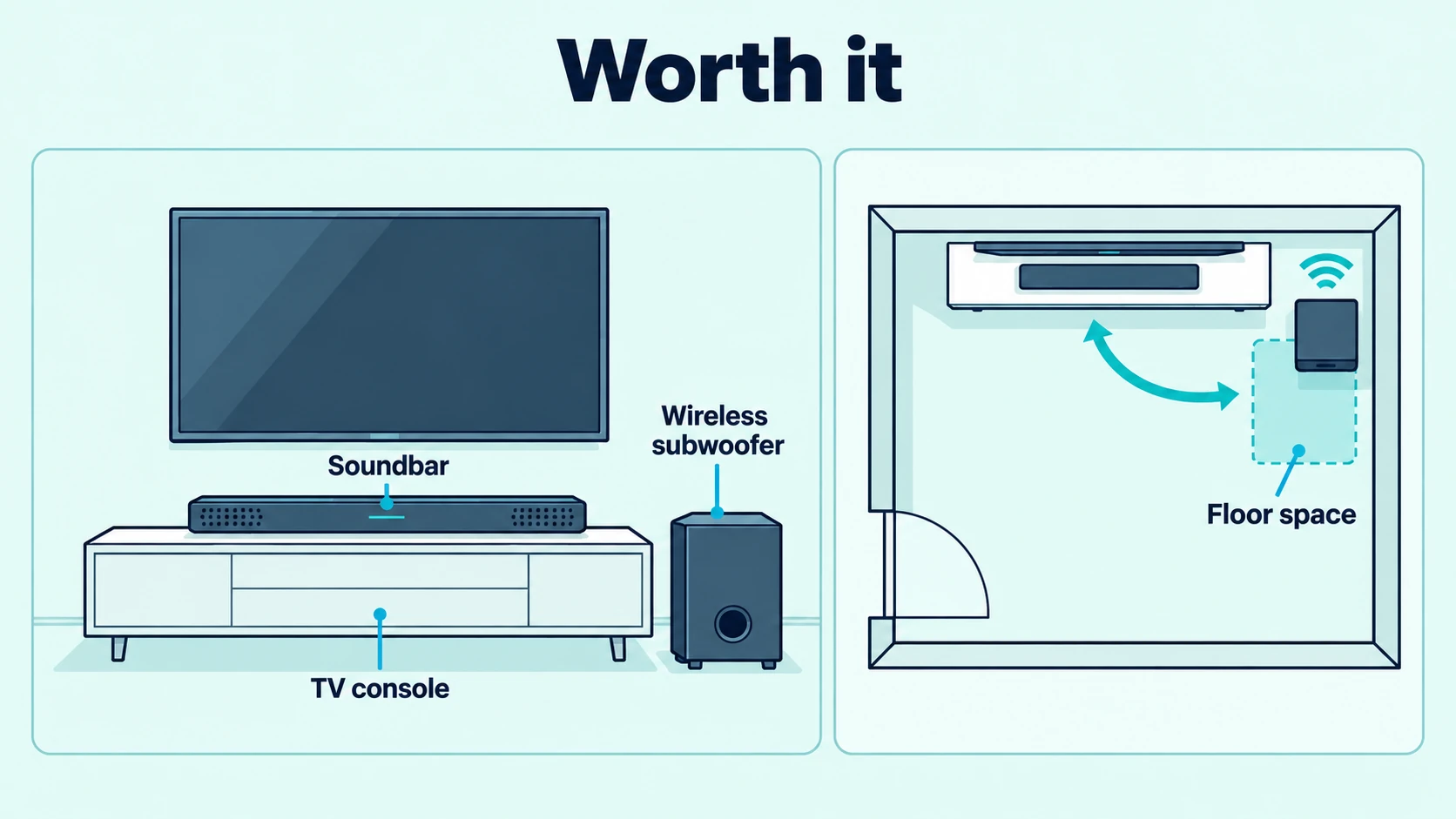
Now that you know what separates good subs from bad ones and which brands do what well, the practical question is whether adding a sub is worth the extra cost and floor space.
When A Subwoofer Makes A Big Difference
Movies are the clearest use case. Film soundtracks are mixed with dedicated low-frequency effects (the LFE channel) that go below 80Hz — frequencies that no standalone soundbar can reproduce.
Without a sub, you are literally missing part of the audio that the filmmaker intended you to hear. That missing low end is why action movies sound lightweight through TV speakers and solo bars.
Music with bass presence — hip-hop, electronic, R&B, orchestral — also benefits enormously. The kick drum, bass guitar, and synth bass all live in the sub’s frequency range.
Hearing those instruments properly changes how music feels in the room. The difference is not subtle — it is the gap between hearing a song and feeling it.
Gaming is the third major use case. Explosions, vehicle engines, and environmental rumble gain weight and presence that pulls you deeper into the game world.
The soundbar guide covers gaming-specific sub requirements. For most gamers, any mid-range sub on this list handles game audio well.
When You Can Skip The Subwoofer
If you primarily watch news, talk shows, and dialogue-heavy dramas, a solo bar handles the job fine. The content itself does not contain much sub-bass information, so the sub would mostly sit idle.
Small rooms under 100 square feet can also get by without a sub. The close listening distance means even a compact bar’s limited bass response reaches you before it dissipates.
If floor space is truly at a premium, the soundbar guide covers bars with built-in bass enhancement. These get closer to sub-like performance without the extra box.
Subwoofer Placement Basics
Where you put the sub matters almost as much as which sub you buy. The ideal placement is on the same wall as the bar, within 10-15 feet, on the floor.
Corner placement amplifies bass by 6-9 dB, which sounds impressive but often makes the low end boomy. If your room sounds boomy after setup, the first fix is pulling the sub away from the corner.
Carpet dampens sub vibrations and reduces rattling. Hardwood and tile floors transmit vibrations more readily, which can annoy neighbors in apartments — a rubber isolation pad under the sub fixes this for a few dollars.
The sub should not face a wall directly. Point the driver into the room or along the longest wall for the smoothest bass distribution across your listening area.
If you are placing the sub behind furniture, leave at least 4-6 inches of clearance between the sub and any surface. Blocking the port or driver restricts airflow and reduces output, which defeats the purpose of having a sub in the first place.
The “subwoofer crawl” is a practical technique for finding the best placement in tricky rooms. Put the sub at your listening position temporarily, play bass-heavy content, and walk around the room listening for where the bass sounds fullest and most even.
Place the sub at that spot permanently. This technique works because bass behaves reciprocally — if it sounds good at the sub’s position when you are sitting there, it will sound good at your seat when the sub is in that position.
Surround Expandability
Some soundbar-sub combos allow you to add wireless rear speakers later, turning a 2.1 or 3.1 system into a 5.1 setup. This expandability matters if you might want surround sound eventually.
The JBL Bar 700MK2 includes detachable rear speakers in the box, which is the most straightforward approach. Polk, Samsung, and LG offer optional rear-speaker add-ons on select mid-range systems.
Budget systems like the Hisense HS2100 and VIZIO V-Series 2.1 keep things simpler and generally do not support rear expansion. If expandability is a priority, plan for it now — replacing everything later costs more than buying a compatible system upfront.
Soundbars With Subwoofer vs Full Speaker Systems
A soundbar-sub combo is not trying to replace a dedicated 5.1 or 7.1 speaker system. It is a simpler, more room-friendly alternative that gets you 70-80% of the way there with a fraction of the complexity.
The soundbar guide covers where that 70-80% threshold sits at each price tier. For most living rooms and apartments, a good bar-sub combo delivers everything you need.
Full speaker systems win on discrete channel separation, amplifier headroom, and raw output. Soundbar-sub combos win on simplicity, aesthetics, and spousal acceptance factor.
The gap between the two narrows every year as soundbar technology improves. Premium soundbar-sub systems like the JBL Bar 700MK2 now deliver performance that would have required a full receiver and five speakers just a few years ago.
For most households, the convenience advantage of a bar-sub combo outweighs the marginal audio improvements of a full speaker system. The exception is dedicated home theater rooms where audio quality is the top priority and aesthetics are secondary.
Which Soundbars With Subwoofers Are Our Top Picks?
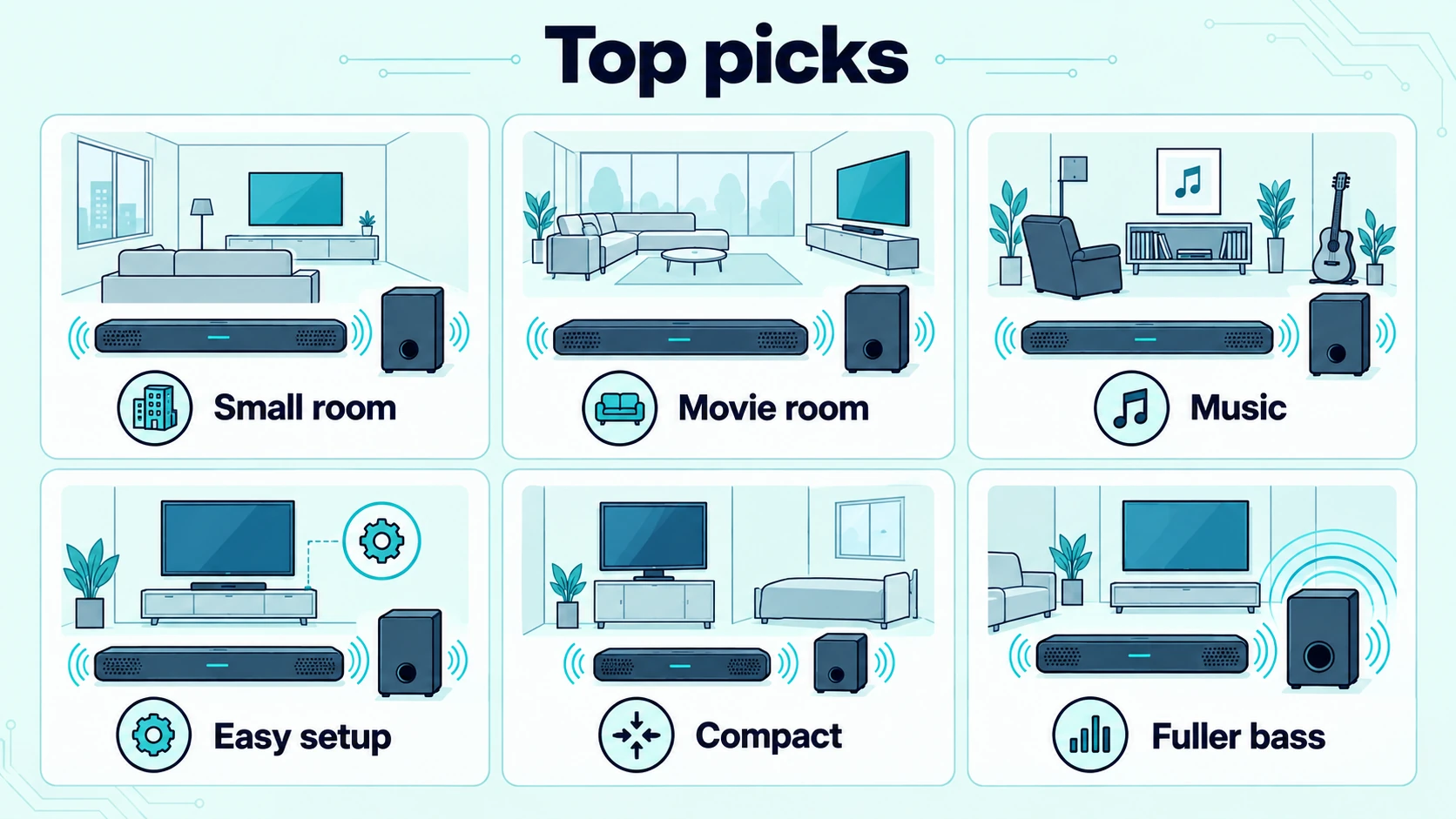
Each pick below earned its spot by delivering subwoofer bass that genuinely improves the listening experience rather than just adding noise. The recommendations span budget through premium.
Best Overall: Polk Audio Signa S4
The Polk Audio Signa S4 takes the top spot because its subwoofer integration is the best in the mid-range. The wireless sub delivers deep, controlled bass that adds weight to movies without muddying dialogue.
Polk Audio Signa S4
The 3.1.2 channel layout includes up-firing Atmos drivers that add genuine height cues on supported content. Atmos effects are subtle at this price compared to flagship bars, but the height dimension is audible on well-mixed tracks.
VoiceAdjust is the standout feature for households where someone always complains about unclear dialogue. It lets you boost center-channel speech independently of the sub level.
That means you get full bass impact without sacrificing voice clarity. No other bar at this price gives you that kind of independent control over dialogue and bass.
The wireless sub auto-pairs on power-up and stays connected reliably through walls. Latency is imperceptible — bass hits exactly when it should, even during rapid-fire action sequences.
The only real limitation is physical — the sub is not small and needs open floor space. For most living rooms though, the Signa S4 is the best combination of sub quality, dialogue clarity, and Atmos at this price.
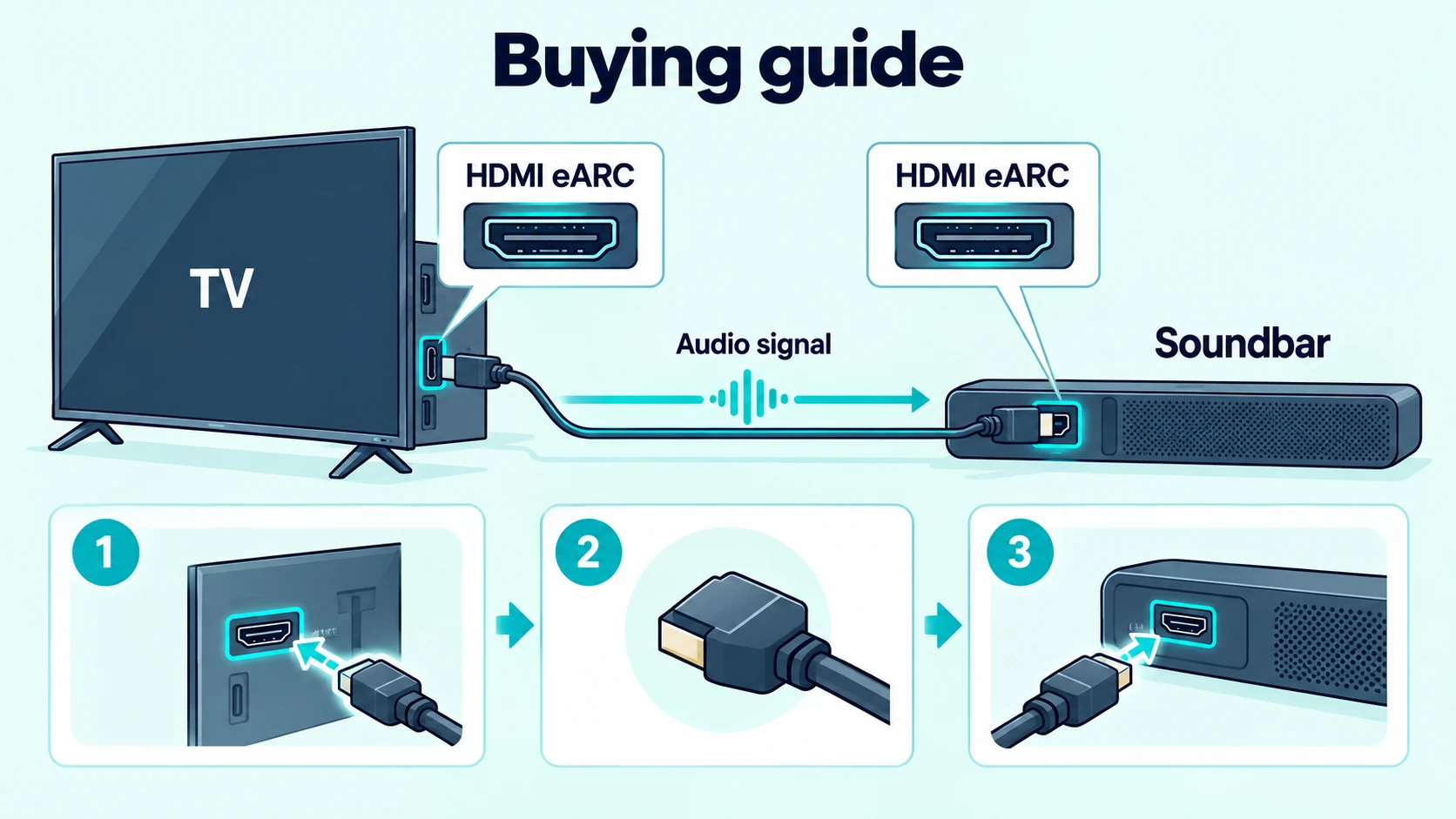
Setup takes under ten minutes. Plug the HDMI ARC cable into your TV, place the sub on the floor near the TV stand, and power everything on — the bar and sub find each other automatically.
The remote is functional without being fancy. Volume, input, and sound mode controls are clearly labeled, and the bar responds instantly without the lag that plagues some budget remotes.
For Samsung TV owners considering the Signa S4, the lack of Q-Symphony is a non-issue. The Polk sounds better at this price than Samsung’s own mid-range bars, and HDMI ARC handles all the basics without needing brand matching.
Best Under $100: Hisense HS2100
The Hisense HS2100 proves you do not need to spend $300 to get a wireless subwoofer that actually works. At under $100, it is the cheapest sub-equipped soundbar worth buying.
Hisense HS2100
The 240W total output drives both the bar and sub with enough power to fill a bedroom or small living room. The sub auto-pairs on first power-up — no pairing buttons, no app, no troubleshooting.
Bass response is warm and forward-leaning, which flatters movies and streaming content. You will not get sub-30Hz rumble, but the 50-80Hz range where most movie bass lives is well-covered.
HDMI ARC and optical inputs cover virtually any TV made in the last decade. No Atmos support keeps it out of the premium conversation, but standard Dolby Digital handles most streaming content.
The soundbar guide covers how the HS2100 compares to solo bars in the same range. For most budget buyers, the sub alone makes the HS2100 a better value.
The bar itself is compact enough to fit on a standard TV stand without overhanging the edges. If your TV is 43 inches or larger, the bar looks proportional and centered.
One limitation worth noting: the sub’s wireless range tops out at about 15 feet reliably. In rooms where the sub needs to sit far from the bar, the Polk or VIZIO maintain a stronger wireless connection over longer distances.
Best Budget 3.1: Samsung HW-B630F
The Samsung HW-B630F is the best sub-equipped step-up under $200 if you care more about clean dialogue and controlled bass than chasing low-cost Atmos badges. The dedicated center channel keeps voices locked to the screen, while the wireless sub adds enough weight for movies and everyday streaming to feel meaningfully bigger than a bare 2.0 or 2.1 starter bar.
Samsung HW-B630F
Voice Enhance mode is the practical feature here. It pushes speech forward without making the sub feel disconnected, which is exactly what budget bars often get wrong when they try to sound exciting.
DTS Virtual:X adds width, but the real win is balance. The HW-B630F sounds more composed than the unstable bargain surround kits that drift in and out of stock, so it is the safer long-term buy for apartments, bedrooms, and secondary living rooms.
The soundbar guide covers where paying extra for Atmos starts making a real difference. At this price, the more important upgrade is getting a reliable subwoofer and a center channel that protects dialogue.
Best for Streaming: VIZIO V-Series 2.1
The VIZIO V-Series 2.1 is the streaming daily-driver of the group. DTS Virtual:X adds spatial width that makes Netflix and Disney+ feel more immersive than the 2.1 channel count suggests.
VIZIO V-Series 2.1
The wireless sub focuses on mid-bass — the 60-120Hz zone where streaming dialogue weight and everyday sound effects live. It is not trying to hit home-theater depth, which is the right priority for daily streaming.
Bluetooth streaming sounds good enough for background music. The overall daily reliability is strong — HDMI ARC connects cleanly, the sub stays paired, and settings persist on power-up.
The trade-off is accessory quality — the remote is basic and the VIZIO app is clunky. Once past the initial setup though, it runs cleanly day to day without issues.
The soundbar guide shows how the V-Series stacks up in the wider market. For most streaming households, the V-Series 2.1 is the sweet spot.
Best Premium: JBL Bar 700MK2
The JBL Bar 700MK2 is for buyers who want the sub experience to approach real home theater territory. The included subwoofer is physically larger than any budget option on this list, and the bass depth reflects that.
JBL Bar 700MK2
The detachable rear speakers are the unique feature. They dock into the bar for everyday use and detach for movie nights when you want actual rear channel separation.
Dolby Atmos with the surround speakers creates a wider, more enveloping soundstage than any other system here. The sub anchors the low end while the rears handle ambient effects.
The sub hits deep enough to feel action movies physically. Sub-40Hz content that budget subs roll off entirely comes through cleanly, which matters for Blu-ray and high-bitrate Atmos.
At $650, this only makes sense if your room is large enough and your content diet justifies it. For smaller rooms, the Polk delivers 80% of the experience at roughly half the price.
The JBL also supports future expansion — you can add additional JBL speakers to the system for an even wider surround setup. That modularity is rare in the soundbar world and makes the initial investment feel less like a dead end.
For buyers who watch a lot of 4K Blu-ray content with lossless Atmos tracks, the JBL’s eARC passthrough and larger sub are the combination that does justice to that source material. Streaming Atmos is compressed and sounds good on any bar — lossless Atmos rewards better hardware.
Best LG TV Match: LG S70TY
The LG S70TY is the pick for LG TV households that want a native extension of the TV audio. WOW Orchestra uses the TV’s own speakers alongside the bar and sub for a wider soundstage.
LG S70TY
The 3.1.1 layout includes an up-firing Atmos channel and a dedicated center for dialogue. The wireless sub integrates smoothly with the bar’s warm mid-range output.
For non-LG TV owners, the S70TY is still a competent bar with a good sub. It just loses the WOW Orchestra feature, which is the main reason to choose it over the similarly-priced Polk.
The sub’s bass profile is warm and musical rather than punchy and aggressive. That makes it a strong choice for viewers who split their time between movies and music, since the sub does not overemphasize one frequency range at the expense of the other.
LG’s AI Sound Pro processing also adapts the bar and sub output based on what you are watching. The adaptation is subtle but noticeable — dialogue scenes get more center-channel presence while action sequences let the sub open up.
If you are considering an all-in-one bar instead of a separate subwoofer, treat that as a different category rather than a direct substitute for the picks above. All-in-one bars save floor space, but they cannot match the low-end extension or physical bass impact of a true bar-sub combo.
That trade-off only makes sense if your room is extremely small, your layout cannot accommodate a sub, or you primarily care about clean TV dialogue rather than movie bass. For everyone else, even an affordable 2.1 system like the Hisense HS2100 delivers a more satisfying result than a pricier all-in-one bar.
How Do You Choose A Soundbar With Subwoofer?
The product picks cover the specific models, but several practical questions affect which one works best in your setup. This section covers the room, TV, and lifestyle factors that product reviews do not address.
Wired vs Wireless Subwoofers
Every system on this list uses a wireless sub, and that is intentional. Wireless subs eliminate cable runs, which is one of the main reasons people choose soundbars over traditional speakers.
The latency and reliability concerns that plagued early wireless subs have been largely solved. All of our picks maintain sub-10ms sync with the bar, which is below the audible threshold.
The only scenario where a wired sub might be preferable is extreme wireless interference from multiple routers and smart devices. In practice, this is rare in residential settings.
If you do experience wireless dropouts, most subs have a manual re-pair button on the back. Pressing it forces the sub to re-establish its connection with the bar, which resolves most intermittent issues.
Keeping the sub and bar on the same electrical circuit can also improve wireless stability. Some users report fewer dropouts when both devices share a power strip rather than plugging into outlets on opposite sides of the room.
Sub Size and Bass Depth
Subwoofer driver size directly correlates with how deep the bass extends. Budget subs use 5-6.5 inch drivers that handle the 50-150Hz range well but roll off below 50Hz.
Mid-range subs use 6.5-8 inch drivers that reach down to 35-45Hz. That extra octave is where cinematic rumble and musical bass weight live.
Premium subs use 8-10 inch drivers that hit below 30Hz — where bass transitions from something you hear to something you feel. Whether you need that depth depends on your content and how physical you want the experience to be.
For most streaming content, a mid-range sub reaching 40Hz covers 95% of what you will watch. Ultra-deep extension primarily matters for Blu-ray discs and high-bitrate Atmos tracks.
Samsung TV Compatibility
Samsung TV owners often ask whether they need a Samsung soundbar for the best sub integration. The answer is no for basic functionality — any HDMI ARC bar works.
Q-Symphony syncs TV speakers with the bar and sub, but only works with Samsung soundbars. At the budget tier, Q-Symphony adds minimal audible benefit.
Above $400, the syncing effect becomes more noticeable but still does not outweigh choosing a better-sounding non-Samsung system. The soundbar guide covers which models offer the strongest integration.
LG TV Compatibility
LG’s WOW Orchestra requires an LG soundbar, and the S70TY is one of the best options for that integration. The TV speakers, bar, and sub all coordinate for a wider stage.
For non-LG TV owners, WOW Orchestra simply does not activate. The Polk Signa S4 offers comparable sub quality and Atmos without requiring a specific TV brand.
Dolby Atmos With A Subwoofer
Adding a sub to an Atmos bar creates a more complete frequency range for the Atmos processing. Height effects sound more convincing when the low end is properly supported.
At the budget level, Atmos with a sub is mostly a marketing checkbox — bar limitations prevent true height effects regardless. The soundbar guide explains where the Atmos investment pays real dividends.
At mid-range and above, Atmos with a properly matched sub produces a genuinely more immersive experience. The Polk Signa S4 and JBL Bar 700MK2 both deliver better Atmos with their subs engaged.
Music vs Movies: Sub Tuning Differences
Movie subs need to hit hard on transients — explosions and impacts should be punchy and immediate. Music subs need to sustain notes smoothly without bloating.
Most sub-equipped soundbars default to movie-optimized tuning. For music, look for systems with a Music mode that tightens sub response.
The Polk’s Music mode and the LG S70TY’s softer sub tuning both make music listening easier than the boomier one-note budget systems.
If you listen to music daily through your soundbar, that tuning flexibility is worth prioritizing. Fixed bass levels that work for movies often sound boomy and uncontrolled on acoustic music.
How Many Subwoofers Do You Need?
One. For rooms under 500 square feet, a single well-placed wireless sub provides even bass coverage.
Dual-sub setups exist in the audiophile world to smooth out room modes. But no soundbar system ships with dual subs, and adding a second is not supported.
If your room has bass dead spots, the fix is repositioning the single sub along the wall. The soundbar guide covers placement strategies for tricky spaces.
PC and Gaming Use Cases
A soundbar-sub combo works well for PC gaming and desktop use. The sub adds impact to game audio that desktop speakers and solo bars cannot match.
HDMI ARC or optical keeps latency low enough for casual gaming. Competitive gaming with precise directional audio is better served by headphones.
The soundbar guide covers PC-specific recommendations. For dedicated gaming setups, the same hub narrows the field further.
Projector Setups
Soundbar-sub combos pair naturally with projectors since the projector has no built-in speakers worth using. The sub fills the large screen’s audio expectations in a way solo bars cannot.
Place the bar below the screen (or above it if ceiling-mounted) and the sub on the same wall. The soundbar guide covers projector-specific placement.
Roku and Smart TV Considerations
Roku TVs, Fire TVs, and Android TVs all handle HDMI ARC identically. Any soundbar-sub combo on this list works with any smart TV regardless of platform.
The soundbar guide addresses Roku-specific quirks like audio output settings. For most smart TVs though, the setup is plug-and-play.
TCL and Hisense TV Owners
TCL and Hisense TVs are popular budget options that pair well with budget soundbar-sub combos. The Hisense HS2100 is a natural match for Hisense TVs, though brand matching is not required.
The soundbar guide covers TCL-specific compatibility notes. Any HDMI ARC soundbar works fine with any TCL or Hisense TV.
Samsung Frame TV Users
Samsung Frame TVs have unique placement constraints because they hang flush against the wall. A soundbar-sub combo needs to work with the thin gap between the Frame and the wall.
The soundbar guide covers mounting solutions and slim-profile bars. The sub placement is no different from any other TV setup.
PS5 and Console Gaming
For PS5 and Xbox users, a soundbar-sub combo adds the bass impact that game audio is designed for. The sub makes explosions, engine sounds, and environmental effects feel physical.
Connect via HDMI eARC for the lowest latency and best format support. The soundbar guide covers console-specific recommendations and settings.
Hisense U8N Compatibility
The Hisense U8N is one of the most popular mid-range TVs, and it pairs well with any HDMI eARC soundbar-sub combo. Its built-in speakers are better than most budget TVs but still benefit from a dedicated bar and sub.
The soundbar guide covers which bars complement the U8N’s audio processing. Any system on this list works, but the Polk Signa S4 is the ideal mid-range match.
VIZIO TV Compatibility
VIZIO TV owners do not need a VIZIO soundbar. Any HDMI ARC bar works, and in many cases non-VIZIO bars outperform VIZIO’s own budget options in the same price range.
The soundbar guide covers compatibility details. The VIZIO V-Series 2.1 is the obvious brand-match option, but the Polk Signa S4 delivers better sub quality at a higher price.
LG C4 and Premium TV Pairing
Premium TVs like the LG C4 OLED have better built-in speakers than budget models, but even the best TV speakers cannot match a dedicated bar-sub combo. The thin panel design limits driver size, which limits bass depth.
The soundbar guide covers which bars complement the C4’s audio processing without creating conflicts. For most premium TV owners, a mid-range bar-sub combo is the ideal pairing.
Sonos Ecosystem Considerations
Sonos soundbars like the Beam Gen 2 and Arc Ultra support adding a Sonos Sub, but the sub is sold separately and costs $749 alone. That makes the total system cost significantly higher than any option on this list.
The soundbar guide covers whether the Sonos ecosystem premium is worth it. For pure sub value, the systems on this page deliver more bass per dollar.
JBL Soundbar Lineup
The JBL Bar 700MK2 reviewed above is the sweet spot in JBL’s lineup for sub-equipped systems. Their lower-tier options use smaller subs that limit bass depth, while their flagship models push past $1,000.
The soundbar guide covers the full range. For most buyers, the 700MK2 hits the right balance of sub size, surround capability, and price.
Polk Soundbar Options
Polk offers several sub-equipped soundbars beyond the Signa S4. Their budget Signa S2 drops Atmos and the up-firing drivers but keeps the wireless sub at a lower price point.
The soundbar guide compares all Polk options. For most buyers, the Signa S4 is the best value in their lineup — the step up to the MagniFi models adds features but the sub quality improvement is marginal.
Samsung TV With Soundbar Subwoofer
Samsung makes one of the widest ranges of sub-equipped soundbars, from the budget HW-B650 to the flagship HW-Q990F. Their subs improve significantly as you move up the price ladder.
The soundbar guide covers which Samsung and third-party bars work best with Samsung TVs. Q-Symphony adds value above $400 but is not essential at the budget tier.
Music Streaming Through A Soundbar-Sub System
If you use your soundbar for daily music listening through Bluetooth or Wi-Fi streaming, the sub’s music performance matters as much as its movie performance. Music bass should be tight and controlled — not boomy.
The soundbar guide covers music-optimized bars specifically. For dual-purpose movie and music use, the Polk Signa S4 and LG S70TY handle both genres well.
Apartment-Friendly Sub Settings
If you live in an apartment with shared walls or floors, a subwoofer can be a neighbor problem if you do not manage it properly. The fix is not skipping the sub entirely — it is choosing a system with adjustable sub volume and using it responsibly.
The Samsung HW-B630F is one of the easiest apartment-friendly picks on this list. It adds useful bass warmth without pushing as much deep-room rumble as the JBL or Polk, which makes it easier to live with in shared-wall spaces.
A rubber isolation pad under the sub prevents vibrations from transmitting through the floor. These cost $10-20 and make a bigger difference in apartment settings than any EQ adjustment.
Keep the sub away from shared walls. Placing it on an interior wall that faces your own living space rather than a neighbor’s bedroom is the single most impactful placement decision in multi-unit housing.
What Do Different Soundbar With Subwoofer Price Tiers Get You?
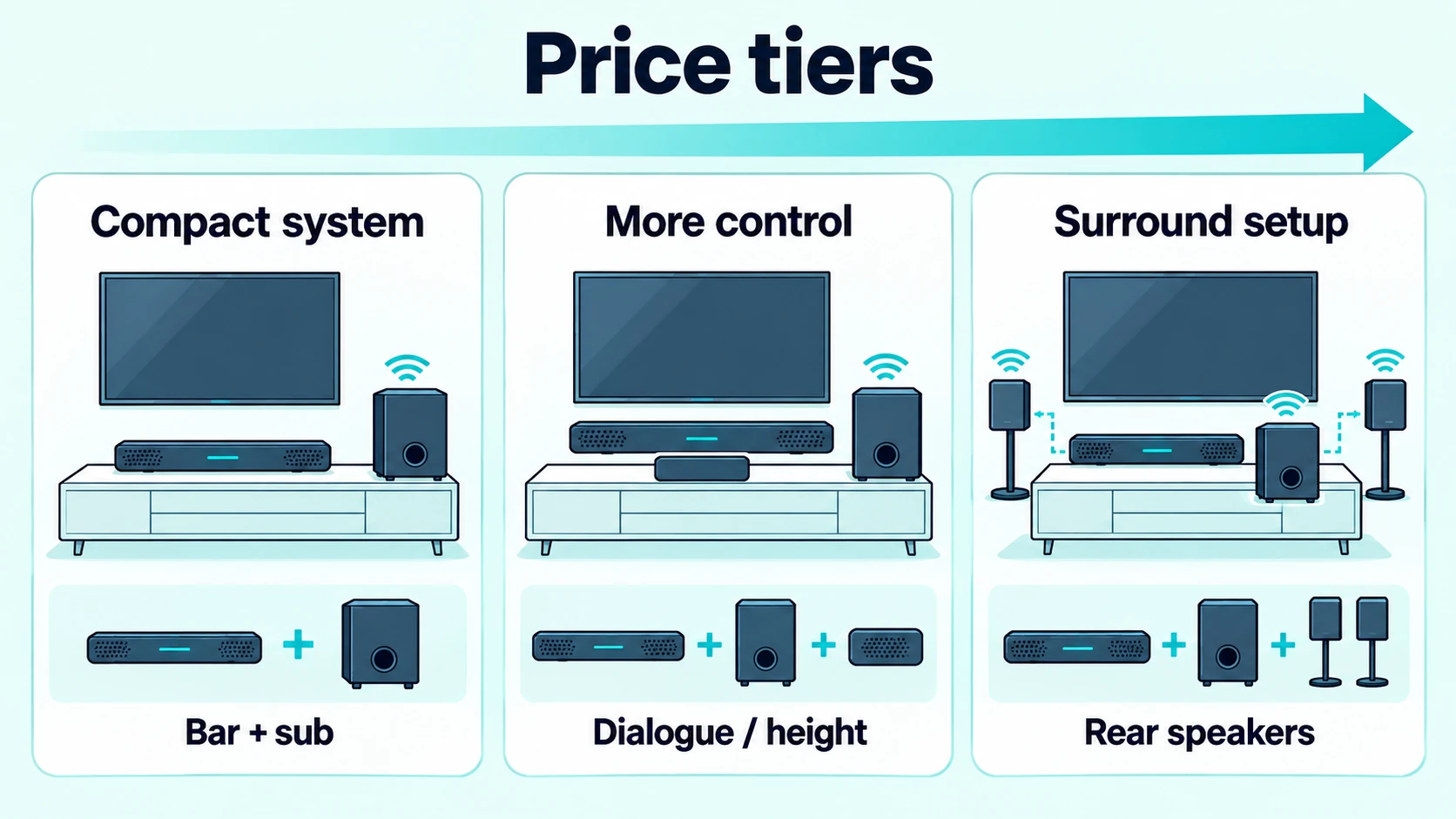
Understanding what each price tier buys you helps set realistic expectations. The jump between tiers is not linear — some upgrades matter more than others.
Under $100
At this tier, you get a basic 2.1 system with a compact wireless sub. Bass extends to roughly 50-60Hz, which covers most streaming content and adds noticeable warmth over any TV speaker.
Dialogue clarity depends entirely on the bar since there is no dedicated center channel at this price. The Hisense HS2100 handles this better than most because its bar drivers are angled slightly forward toward the listening position.
Do not expect deep sub-bass rumble at this tier. The compact sub drivers focus on the 50-100Hz range where the biggest improvement over TV speakers occurs, rather than trying to hit home-theater depths they cannot sustain cleanly.
Build quality is functional but not premium — expect plastic enclosures on both the bar and sub. The trade-off is acceptable because the sound improvement over TV speakers is dramatic regardless of materials.
$100-200
This tier adds dedicated center channels, stronger wireless subs, and cleaner tuning. The Samsung HW-B630F is the clearest example: you pay for better dialogue anchoring and a more controlled handoff between the bar and sub, not just more volume.
The real differentiator is balance. Systems in this range sound less boomy than ultra-cheap 2.1 kits, which matters if you watch a mix of movies, TV, and music in the same room.
That improvement is worth the extra money if you want bass presence without the hollow midrange and disconnected sub effect common below $100.
The soundbar guide covers where this tier fits in the wider market. For many buyers, it is the sweet spot between price and day-to-day usability.
$250-400
Mid-range systems add dedicated center channels, larger sub drivers, and better wireless reliability. The Polk Signa S4 at $379 represents the ceiling of value in this tier.
Atmos effects become genuinely audible at this price because the bar has enough drivers to create real spatial cues. The sub reaches deeper into the 35-45Hz range and integrates more seamlessly with the bar.
The center channel is the key upgrade at this tier. It keeps dialogue locked to the screen center while the sub handles bass independently, which prevents the bass-drowning-out-speech problem that plagues cheaper 2.1 systems.
Build quality improves noticeably. MDF enclosures, better remotes, and more refined finishes separate mid-range from budget models on a shelf.
$500+
Premium systems like the JBL Bar 700MK2 add detachable surrounds, physically larger subs (8-10 inch drivers), and full lossless Atmos support through eARC. Bass extends below 30Hz — the range where you feel it in your chest.
This tier only makes sense for dedicated movie rooms, large living spaces, or buyers who consume a lot of Blu-ray and high-bitrate content. For streaming-first households, the mid-range tier delivers 80% of the experience at 50% of the cost.
The build quality at this level is also substantially better. Heavier enclosures reduce resonance, better amplifiers run cooler and last longer, and the remotes and apps feel like finished products rather than afterthoughts.
If you are building a long-term entertainment setup that you plan to keep for 5+ years, the premium tier’s durability advantage compounds over time. Budget subs often need replacing after 2-3 years of heavy use, while premium subs are built to last.
What Is The Bottom Line On Choosing A Soundbar With Subwoofer?
The best soundbar with subwoofer depends on your room size, budget, and what you watch most. The Polk Audio Signa S4 wins for most living rooms — its sub integration, Atmos capability, and dialogue protection hit the sweet spot.
For budget buyers, the Hisense HS2100 at under $100 delivers a wireless sub that genuinely transforms the experience. If you can spend closer to $200, the Samsung HW-B630F adds a dedicated center channel and a more balanced 3.1 presentation.
Premium buyers who want home-theater depth should look at the JBL Bar 700MK2. Its larger sub and detachable surrounds approach real surround territory.
Adding a subwoofer is the single biggest upgrade after the bar itself. The difference between a bar-only setup and a bar-sub combo is more dramatic than any other single change you can make to your TV audio.
For the full picture across all soundbar types, the soundbar guide covers everything from solo bars to complete home theater replacements. Start with the sub — it is the upgrade that makes the biggest difference in how your TV actually sounds.
What Frequently Asked Questions Do Buyers Ask About Soundbars With Subwoofers?
What is the best brand of soundbar with subwoofer?
No single brand wins across all price tiers. Polk leads the mid-range, Hisense owns the budget tier, and JBL delivers the strongest premium sub experience.
Are soundbars with a subwoofer worth it?
Yes, if you watch movies, play games, or listen to bass-heavy music. The sub handles frequencies below 80Hz that no standalone bar can reproduce — for dialogue-only viewing, a solo bar is sufficient.
Which soundbar brand is best?
It depends on your TV and budget. Samsung and LG offer ecosystem perks with matching TVs, while Polk and JBL deliver better raw sound quality per dollar.
What is the best soundbar for a TV to buy right now?
The Polk Audio Signa S4 at $379 offers the best combination of sub quality, Atmos support, and dialogue clarity. For tighter budgets, the Hisense HS2100 at $100 provides the best sub-equipped value.
Can I add a subwoofer to any soundbar?
Only if the soundbar supports it. Most bars use proprietary wireless protocols that only pair with their included sub — you cannot add a third-party subwoofer.
How far can a wireless subwoofer be from the soundbar?
Most wireless subs work reliably within 15-30 feet of the bar. Keep the sub on the same side of the room for the strongest signal.
Do I need Dolby Atmos with my subwoofer?
Not necessarily — the sub’s contribution is deep bass, which works independently of Atmos processing. A 2.1 bar with a good sub often sounds more satisfying than a budget Atmos bar with a weak sub.