Best Soundproof Underlayment For Hardwood Floors (What Works And What To Skip)
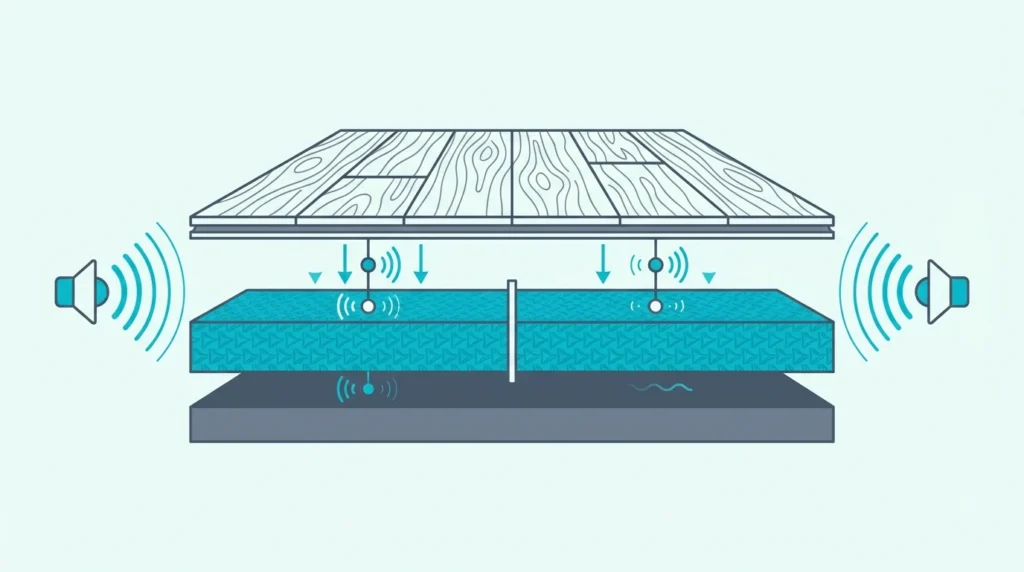
Best soundproof underlayment for hardwood floors is usually the one that cuts footfall and impact noise the most, but only if it also matches your subfloor, moisture conditions, and installation method.
That is why this category gets confusing fast. Many buyers spend on a “soundproof” underlayment that looks convincing on paper, then end up with a floor that still sounds hollow, travels too much impact noise, or fails the install they were planning.
The better way to shop is to stay hardwood-first from the beginning. You want a layer that helps with impact noise, supports the type of wood floor you are installing, and fits the real problem in the room instead of promising full soundproofing by itself.
Below, you’ll see what underlayment can realistically do, which material types make the most sense under hardwood, which products are worth buying, and when the smarter upgrade is outside the underlayment layer entirely.
The best soundproof underlayment for hardwood floors helps most with footsteps, impact noise, and the hollow feel hard floors can create. For most buyers, the strongest picks are denser underlayments that suit hardwood installs, while thin bargain foam works best only when your expectations stay modest and the floor assembly itself is already in decent shape.
Before You Buy: What Underlayment Can and Cannot Do Under Hardwood
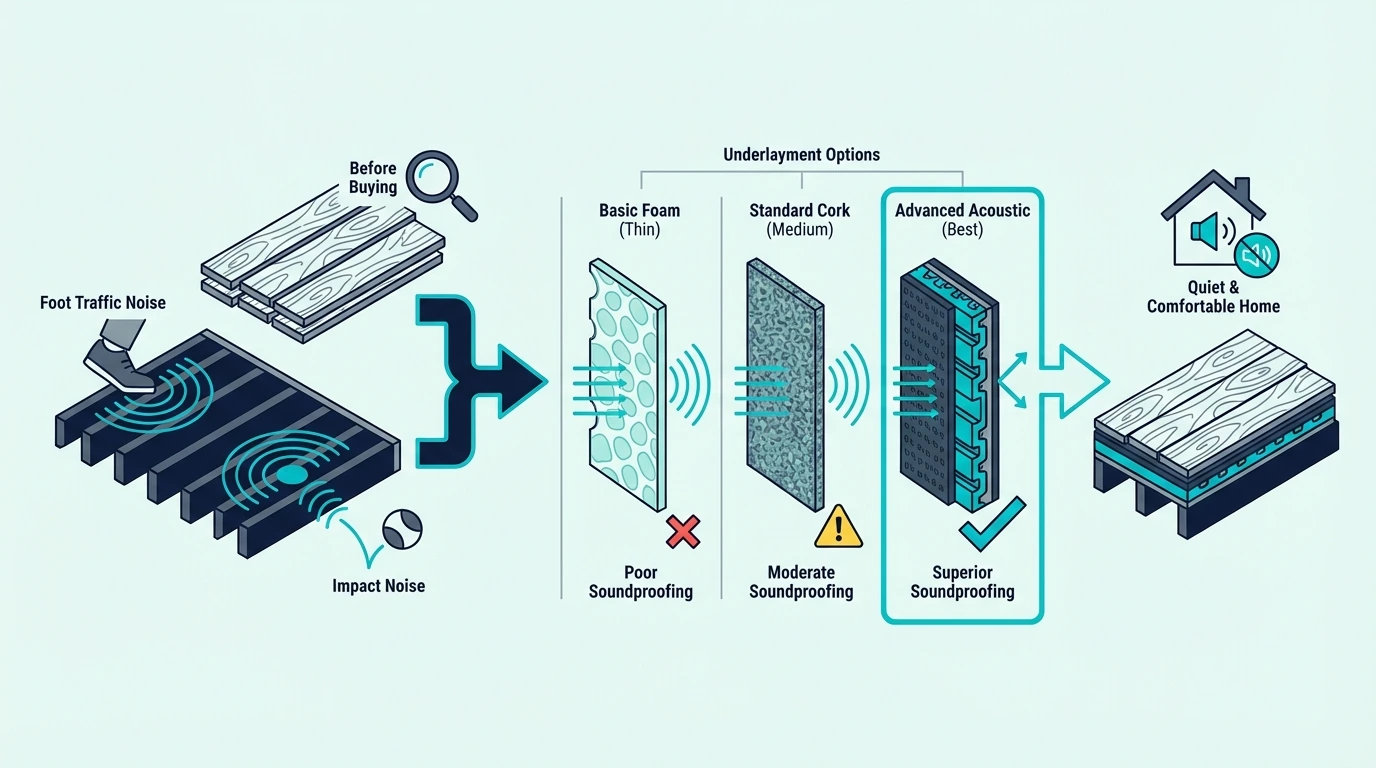
Before you compare products, you need to be clear about what problem the underlayment is actually solving.
Underlayment is only one of three levers, and our guide to the best floor soundproofing puts maker ratings for it next to carpet and the ceiling below.
Impact noise vs airborne noise
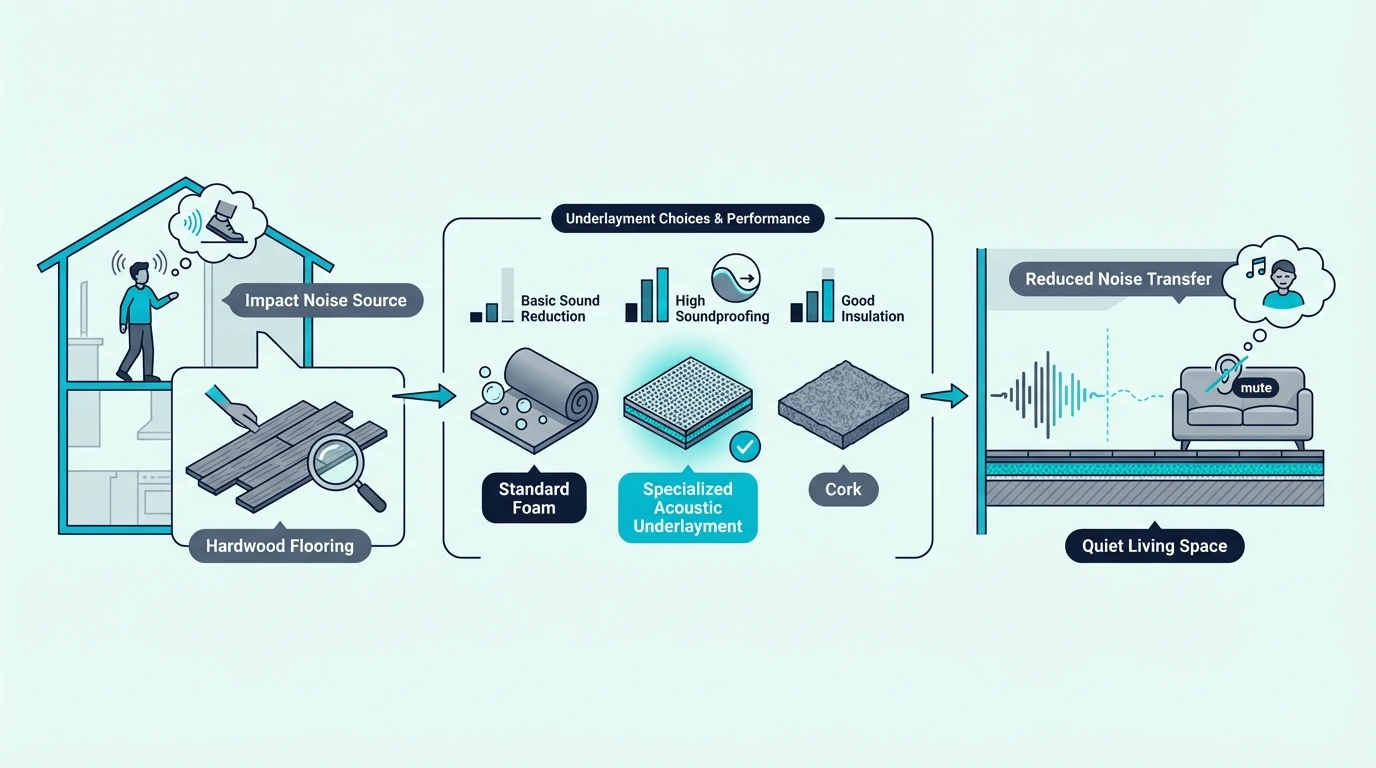
Underlayment helps most with impact noise. That means footsteps, chair movement, dropped objects, and the hard slap that travels through wood floors and into the room below.
It can help a little with airborne noise too, but that is not where it shines. If your main complaint is loud voices, TV sound, or bass transfer, the wider floor-ceiling assembly matters more than the underlayment alone, which is why it helps to compare this page with the broader soundproofing hub and adjacent upgrades like best soundproof interior doors before you overspend on the wrong layer.
Why hardwood raises the bar
That impact-noise focus becomes even more important under hardwood, because hardwood gives you less forgiveness because the surface is rigid and reflective. Small differences in density, cushioning, and subfloor fit are easier to hear under wood than under carpet or thicker floating finishes.
That is also why hardwood buyers should be more skeptical of cheap foam than buyers installing softer floor systems. A weak underlayment can leave the floor sounding clicky or hollow even when the product description sounds impressive.
The specs that actually matter
With hardwood’s rigidity in mind, the comparison specs shift too. Start with density, material type, and installation compatibility.
For hardwood, those factors usually matter more than marketing language alone.
It also helps to treat IIC-style claims carefully. Good competitors make the same point: ratings depend on the full assembly, so a product that performs well in one test build may not deliver the same result over your exact joists, subfloor, ceiling, or finish floor.
| Product | Link |
|---|---|
Best Overall 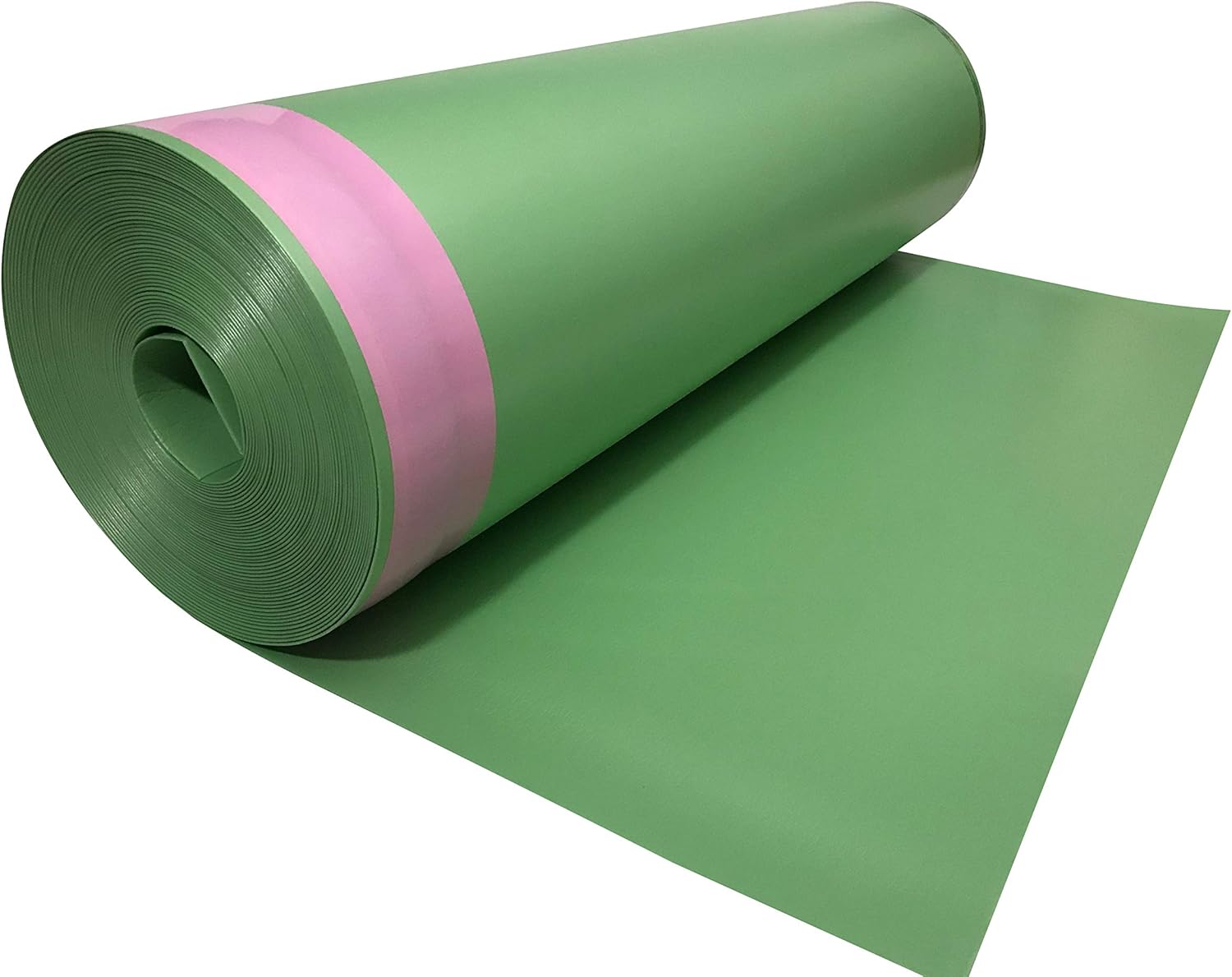 | See ratings |
Best Budget 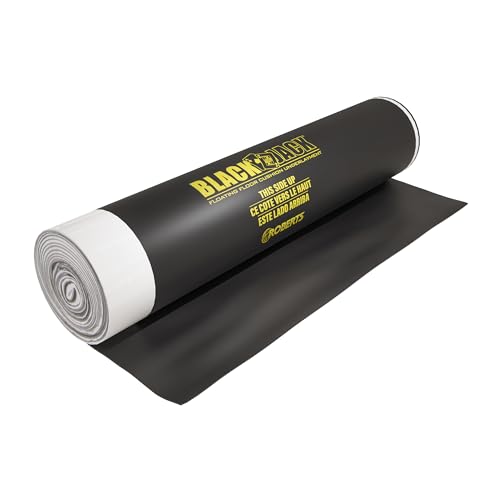 | See ratings |
Best Cork 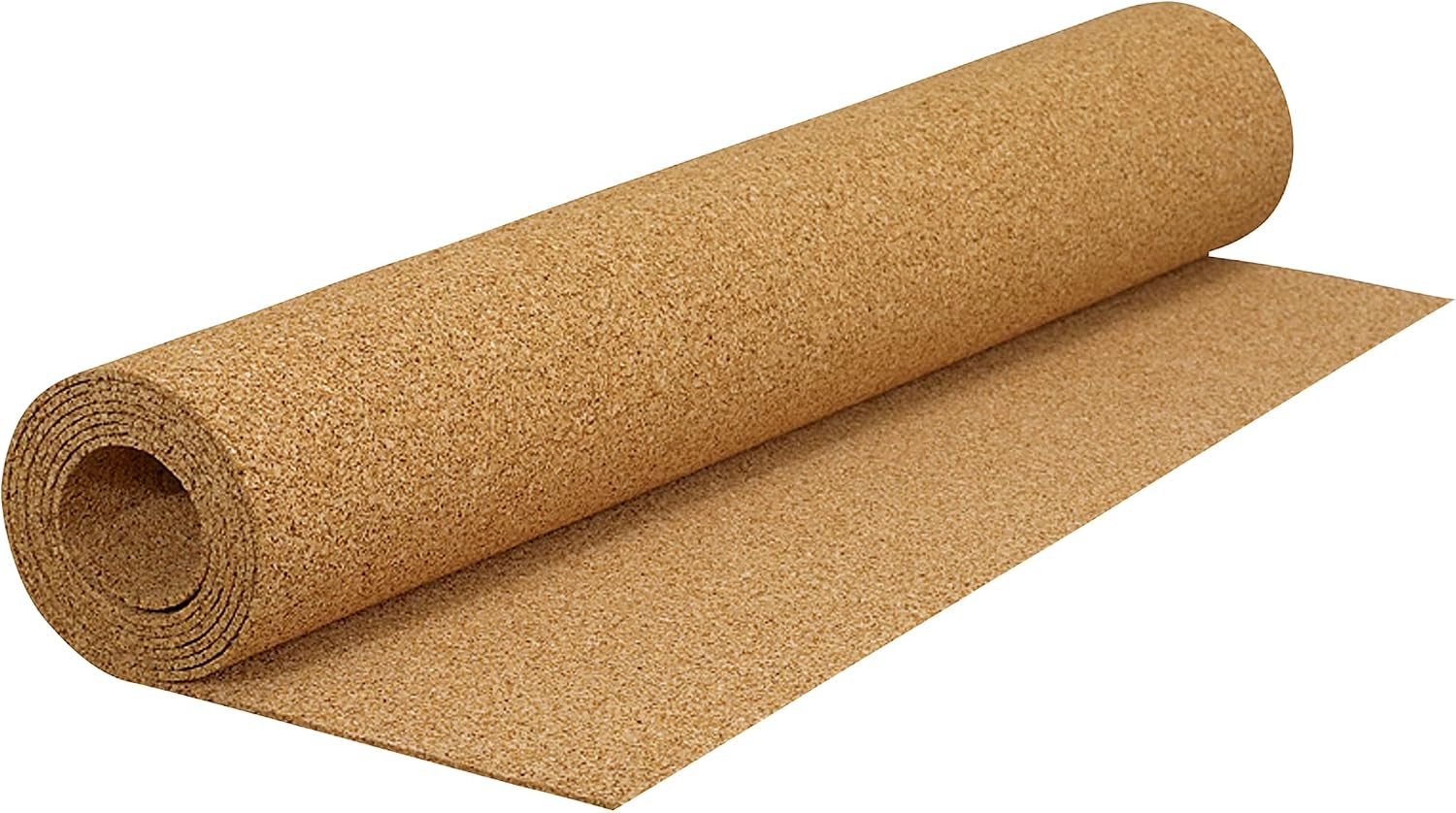 | See ratings |
Best Quick Test 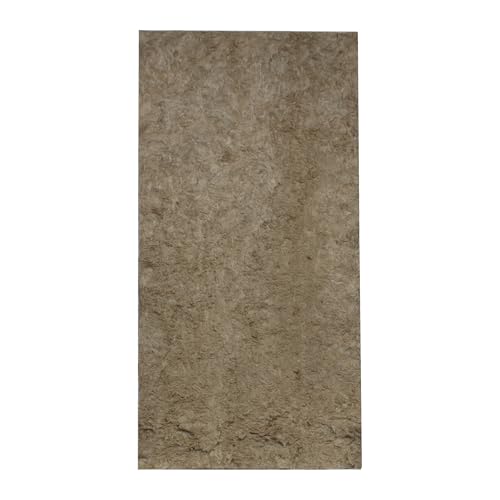 | See ratings |
Best Add-On Mass Layer 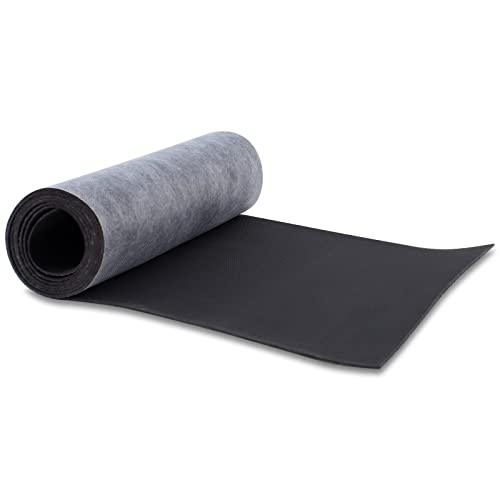 | See ratings |
Best Full-Rebuild Upgrade 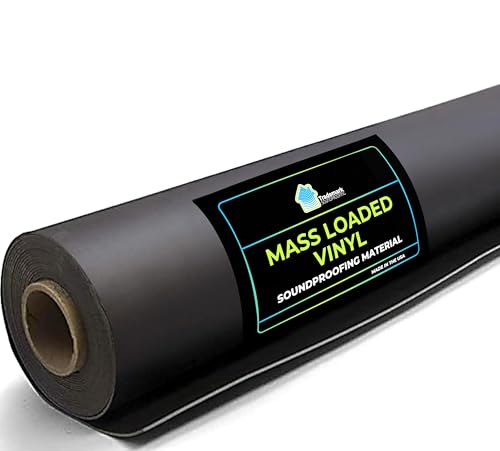 | See ratings |
Underlayment Materials: Rubber, Cork, Foam, and Combination
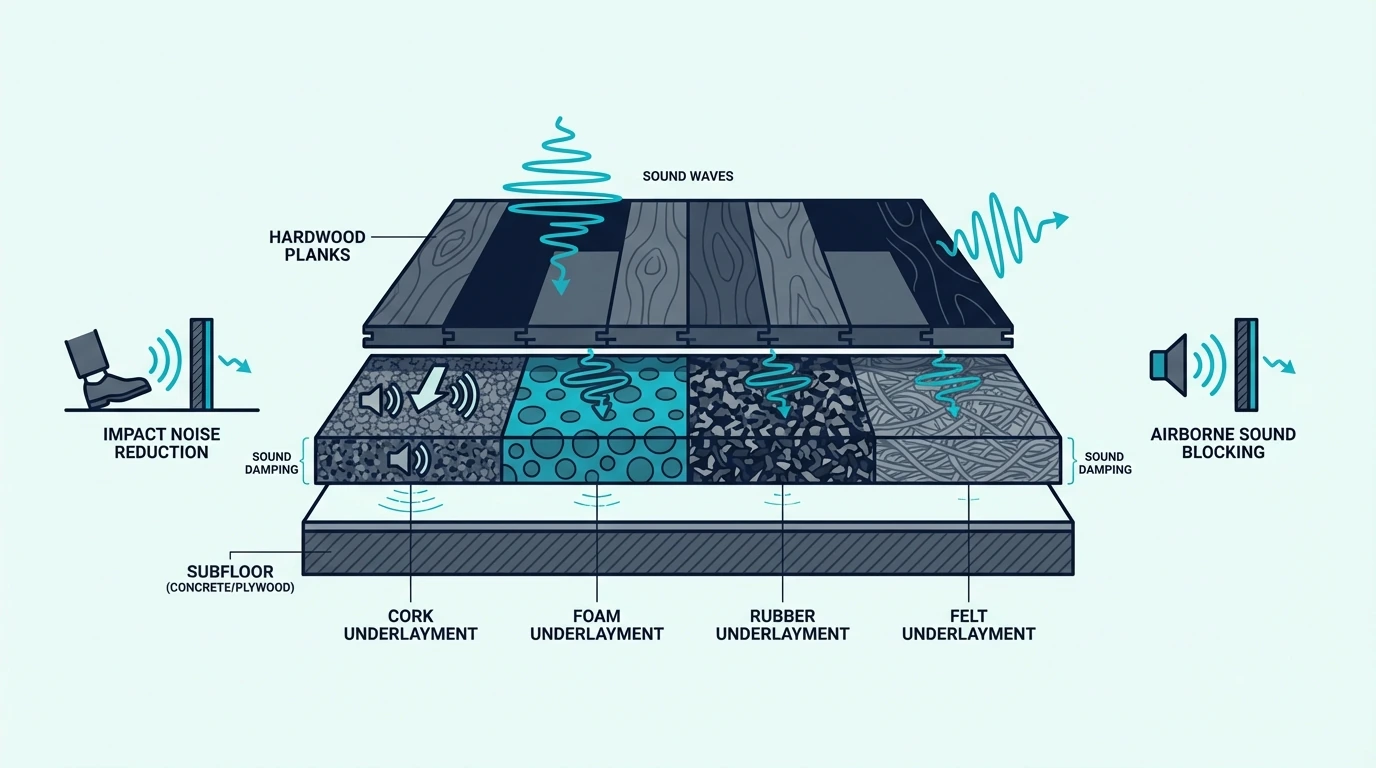
Now that the goal is clearer, the next question is which material type actually fits hardwood best.
Rubber vs cork
Rubber usually wins when the main goal is stronger impact-noise control. It is denser, handles load better over time, and makes the most sense in upstairs rooms, condos, and other hardwood installs where footsteps are the real complaint.
Cork still has real value. It is more appealing to buyers who want a natural material, some thermal comfort, and solid everyday sound reduction without jumping straight to a heavier rubber-first build.
Foam as the lighter-duty option
Rubber and cork both add real density, but foam remains the most common underlayment material. Foam can be good enough when the room is not especially demanding, the floor is floating or engineered, and you mainly want to reduce the hollow sound underfoot.
It is usually the easiest path for buyers who want a lighter, simpler, and less expensive layer.
The catch is that foam is easy to overrate. If you are trying to tame a loud upstairs hardwood floor, it usually makes more sense to compare foam honestly against denser options instead of assuming any “acoustic” foam roll will solve the problem.
Combination underlayments with moisture barriers
Combination products make sense when the buyer needs two things at once: practical moisture management and better sound control than thin bargain padding can offer. That is especially relevant over concrete or in rooms where the floor manufacturer wants a specific underlayment profile.
This is also where hardwood decisions overlap with other room upgrades. If your room still has weak windows, doors, or wall leakage, compare the wider plan with best soundproof windows for home, best soundproof interior doors, and best door sweep for soundproofing so the floor layer is not doing all the work alone.
Get Studio Tips Weekly
Join 5,000+ creators getting acoustic treatment advice every week.
No spam. Unsubscribe anytime.The Best Soundproof Underlayments for Hardwood Floors
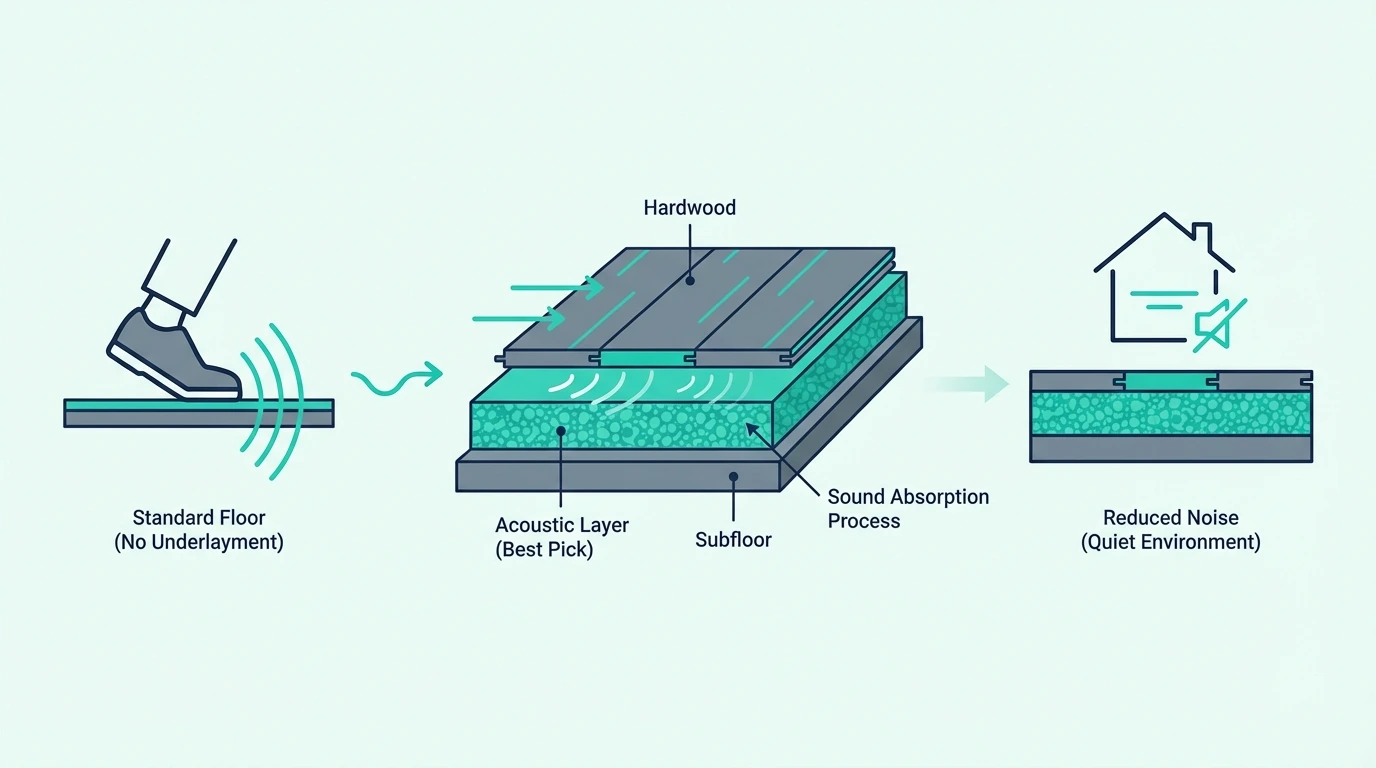
Once you narrow the category, the best picks become easier to separate. The right choice depends less on hype and more on whether you want the best all-around hardwood fit, the lowest-cost acceptable option, or the strongest noise-control upgrade you can realistically install.
The important guardrail here is staying inside the underlayment category first. If the floor clearly needs ceiling-cavity work, added mass, or a deeper assembly fix, that is the next stage of the plan rather than the underlayment pick itself.
Best Overall Underlayment For Hardwood Floors
For the broadest mix of hardwood compatibility, sound control, and real-world convenience, FloorMuffler Ultra Seal Underlayment 300SF is the strongest all-around pick in this set.
FloorMuffler Ultra Seal Underlayment 300SF
It stands out because it is easy to position for real hardwood buyers. It works when you need one underlayment that feels more serious than bargain foam, still stays practical to install, and does not force every buyer into a thick premium build right away.
Best Budget Underlayment
If you want a simpler value option for floating laminate or engineered-wood style installs, ROBERTS Black Jack Underlayment 100 sq. ft. Roll makes the most sense.
ROBERTS Black Jack Underlayment 100 sq. ft. Roll
This is the honest budget choice, not the miracle choice. It works when you want a recognizable hardwood underlayment with published sound-control intent, but you are not trying to force a mid-priced foam product into a heavy-duty condo or multi-family noise problem.
It is also the kind of pick that makes more sense in smaller rooms than across a whole demanding upper floor. That keeps the budget logic realistic instead of stretching a lighter underlayment into a job it was never built to handle.
Best Cork Underlayment For Hardwood
When you want a natural material with real density, the QEP 72000Q Natural Cork Underlayment (6 mm) is the pick to look at first. QEP lists 74 IIC and 70 STC for it under ceramic tile on a 6-inch concrete slab, so expect different numbers over wood joists.
QEP 72000Q Natural Cork Underlayment (6 mm)
It fits upstairs hardwood complaints and projects where a denser layer than foam is worth the extra cost. It also matches the hardwood-first logic of this guide better than trying to sell thin convenience foam as the answer to every footfall problem.
Best Underlayment For Upstairs Hardwood Floors
For upstairs rooms, the smartest move is usually to start with the densest hardwood-compatible option you can justify and then check whether the assembly below is still limiting the result. In practice, that usually means leaning toward the denser cork or rubber route first rather than assuming a lighter pad will be enough.
That keeps the recommendation anchored to actual underlayment instead of drifting into a different part of the build. If the premium underlayment route still leaves the floor too loud, that is the sign to move beyond underlayment and look at ceiling-side or cavity-side upgrades.
At that point, a product like AFB Mineral Wool Insulation Batts can help you test whether softening the source side changes the result enough to justify bigger work, but it belongs in the next assembly step rather than in the underlayment layer itself.
AFB Mineral Wool Insulation Batts
Choosing the Right Underlayment for Your Floor
The roundup matters, but the better buying decision comes from matching the product to the floor build you actually have.
How your installation method changes the choice
Yes, sometimes dramatically. Floating engineered systems give you more underlayment freedom than nail-down solid hardwood, and some products that look perfect on paper become less useful once the install method is fixed.
That is why convenience picks are not automatically the best picks. A product can look great in a listing and still be the wrong choice if the hardwood manufacturer, installer, or subfloor conditions point you toward a denser or more specific underlayment profile.
Thickness: when more helps and when it hurts
Once the install method is settled, thickness becomes the next filter. Thicker is not automatically better.
You want enough density and cushioning to help impact noise, but not so much bulk that you create fit issues, door clearance problems, or an underlayment/floor combination the manufacturer does not support.
For many buyers, the smarter question is not “what is the thickest product?” but “what is the thickest product my hardwood install can actually use well?” That is the same mindset that keeps buyers from overspending on the wrong material in pages like best soundproof foam or best soundproofing panels, where the use case matters as much as the product itself.
When underlayment alone falls short
Even with the right thickness and material, underlayment is not enough when the real bottleneck is the assembly, not the finish layer. If severe airborne transfer, joist-path vibration, or a weak ceiling below is driving the complaint, even a good underlayment may feel underwhelming.
That is where added mass or a broader rebuild becomes the smarter spend. For a lighter added-mass step during floor work, TroyStudio Mass Loaded Vinyl Sound Proof Barrier is the cleaner supporting option.
TroyStudio Mass Loaded Vinyl Sound Proof Barrier
If you already know the problem is bigger than the underlayment layer, Trademark Soundproofing Mass Loaded Vinyl 1 lb for Wall Sound Control is the better example of what buyers graduate to when they move beyond a simple underlayment fix.
Trademark Soundproofing Mass Loaded Vinyl 1 lb for Wall Sound Control
That larger perspective also helps keep expectations realistic. If the room still leaks badly after the floor work, compare the weak points against best soundproof curtains or nearby openings and barriers before blaming the underlayment for a problem it was never designed to solve by itself.
The Bottom Line
Best soundproof underlayment for hardwood floors comes down to honest expectations and the right material match. If you want the safest all-around buy, start with a hardwood-compatible underlayment that gives you real impact-noise control and practical installation flexibility instead of chasing the biggest marketing claim.
For most buyers, that means using a denser underlayment for tougher upstairs noise, keeping budget foam in proportion to lighter jobs, and remembering that severe sound complaints often point to the full floor-ceiling build rather than the underlayment alone. When you shop that way, you are much more likely to buy once instead of redoing the floor because the first “soundproof” layer was never the right fit.
Frequently Asked Questions
How do you soundproof hardwood floors?
You soundproof hardwood floors best by targeting impact noise first, then checking whether the subfloor, ceiling below, or joist path is still limiting the result. Underlayment helps most during flooring work, but major noise problems often need a wider assembly upgrade.
What underlay reduces noise?
The underlay that reduces noise best under hardwood is usually a denser product such as rubber, rubber-cork, or a stronger acoustic underlayment made for wood floors. Thin foam can still help, but it is usually the lighter-duty option.
What underlayment has the highest IIC rating?
The highest IIC number on paper is not automatically the best real-world product because the full test assembly changes the result. A denser hardwood-compatible underlayment usually performs better for demanding installs, but you should compare the assembly logic, not just one isolated claim.
Should you put underlayment under hardwood floors?
You should use underlayment under many hardwood floors when the installation method allows it and when moisture control, floor feel, or impact-noise reduction matter. The exact answer depends on whether the floor is floating, engineered, glued, or nail-down and what the manufacturer requires.