Best Fabric for Acoustic Panels: How to Choose [2026]
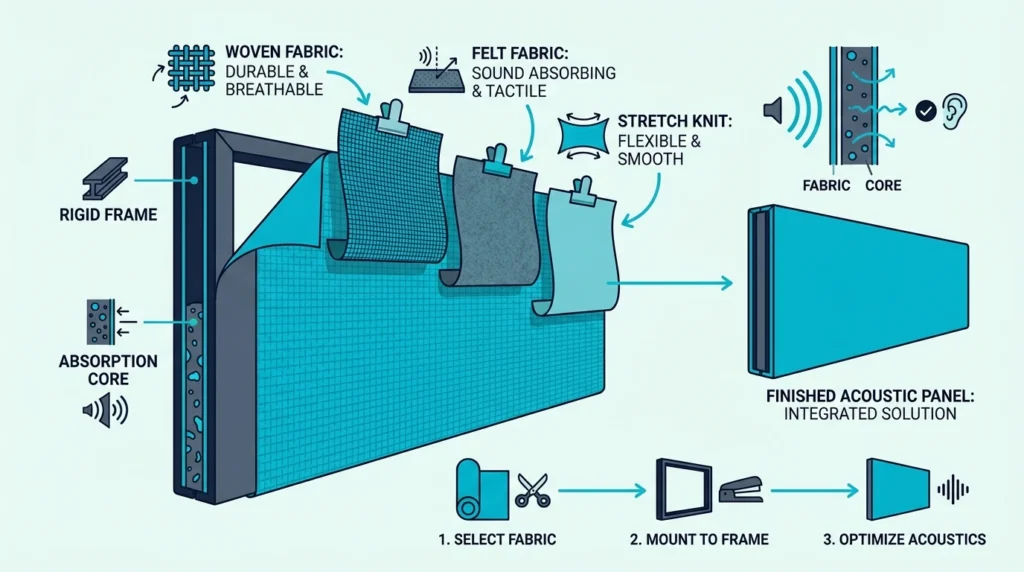
Best fabric for acoustic panels is what separates real absorption from an expensive decorative wall hanging. You can build the perfect frame and source premium rockwool insulation, but cover it with the wrong material and sound bounces off instead of passing through.
The fabric mistake is the most common DIY error because sound has to pass through the fabric before it can reach the absorbing core — and most craft store fabrics block it instead of letting it through.
Below you’ll find exactly which fabrics work, which ones to avoid, and how to test any material in five seconds before you spend money on it.
Your first step is the breath test — and after that, choosing between the proven options below based on your budget and aesthetic requirements.
The best fabric for acoustic panels is acoustically transparent — meaning sound passes through easily. Top choices include speaker grill cloth, Guilford of Maine FR701, and certain polyester fabrics. Always perform the breath test: if you can breathe through it easily, sound can pass through too.
What Is the Best Fabric for Acoustic Panels?
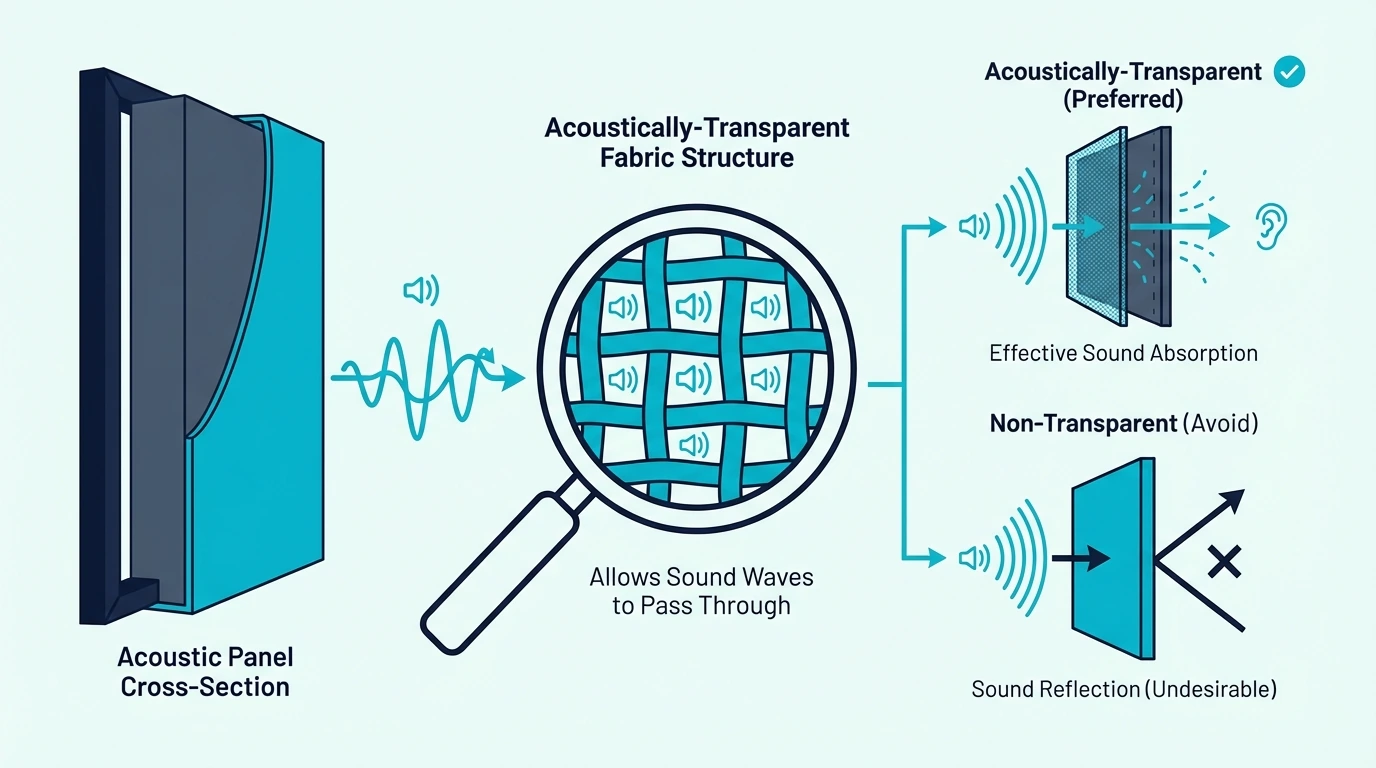
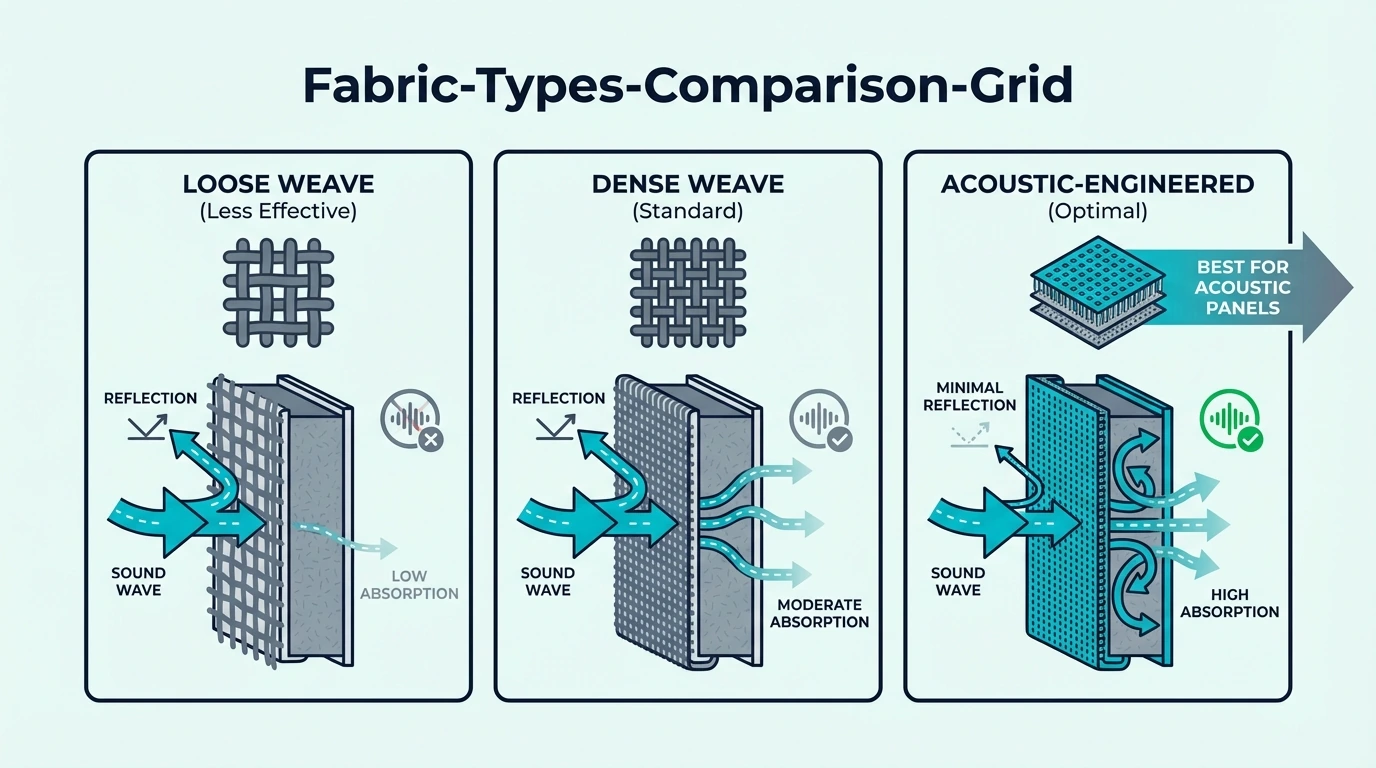
The technical term for material that lets sound waves reach the absorbing core is “acoustically transparent.” It means the fabric has an open enough weave that sound passes through instead of bouncing back into the room.
What Makes Fabric “Acoustically Transparent”?
That transparency depends on Air Flow Resistance (AFR). When the weave is loose, air — and therefore sound — moves through the gaps freely. Professional acoustic fabrics are engineered for specific AFR ratings, but you don’t need laboratory numbers to make a choice.
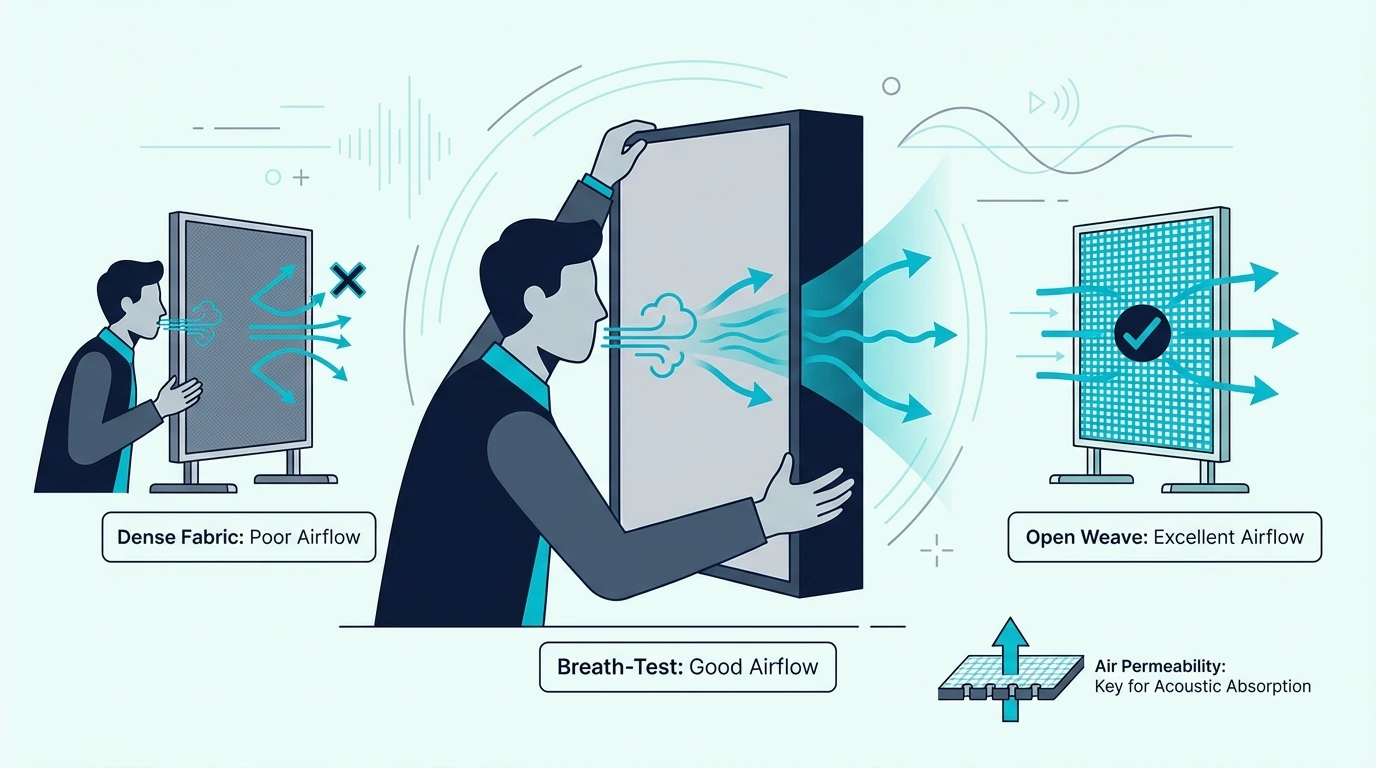
The practical test requires no equipment: if you hold the fabric to your mouth and can breathe through it easily, sound will pass through it. If it feels like blowing through a thick pillow, the material is too dense.
Does Fabric Choice Actually Affect Sound Absorption?
That density matters because the wrong cover can destroy a panel’s effectiveness by 20–40%. Your acoustic panel’s absorption happens entirely in the core material (fiberglass, rockwool, etc.), making the fabric just a visual shell to contain loose fibers.
But if that shell reflects high frequencies before they ever reach the core, you’ve built a very expensive wall decoration. It’s like wrapping a sponge in plastic wrap and expecting it to soak up a spill — the cover defeats the core’s entire purpose.
What Fabrics Work Best for Acoustic Panels?
Speaker grill cloth, Guilford of Maine FR701, burlap, and certain polyesters all meet that transparency requirement — but they differ wildly in price, durability, and appearance.
What Is Guilford of Maine Fabric?
The industry standard that you’ll find covering commercial installations, theaters, and high-end recording studios is Guilford of Maine FR701. It earns that spot because it is specifically engineered for acoustic transparency while inherently passing strict fire codes.
The material wraps cleanly around sharp panel edges and maintains consistent color across massive dye lots, but that reliability comes at a steep premium per yard.
Can You Use Burlap for Acoustic Panels?
If that price breaks the budget for a DIY home studio, natural burlap offers the exact opposite proposition. The coarse, open weave easily passes the breath test and costs a fraction of professional fabric, making it a favorite for garage and basement setups.
The tradeoff is consistency: weave density varies wildly between bolts, and the rustic texture looks entirely out of place in a modern living room or corporate office. If budget is the absolute ceiling, check the recording studio panel guide for pre-made alternatives before wrestling with burlap.
Does Cotton Work for Panels?
Cotton introduces a different kind of risk because the name tells you nothing about the weave density. A thin muslin or cheesecloth will let sound through perfectly, but they are too fragile to survive being stretched and stapled tightly over a wooden frame.
Conversely, a sturdy cotton canvas will survive the stapling process but block the sound entirely. If you’re committed to cotton for aesthetic reasons, you have to buy samples and test each specific bolt before committing to a bulk order.
Can You Use Polyester Fabric?
Polyester actually strikes a safer balance when you choose the right blend. Because the synthetic fibers hold color without fading and resist sagging over time, many professional acoustic covers are polyester-based.
Products like SoundAssured Acoustical Fabric take the guesswork out of synthetic blends by engineering the material specifically for sound transmission. The key is avoiding polyester apparel fabrics, which are woven tightly to block wind and will do exactly the same to acoustic energy.
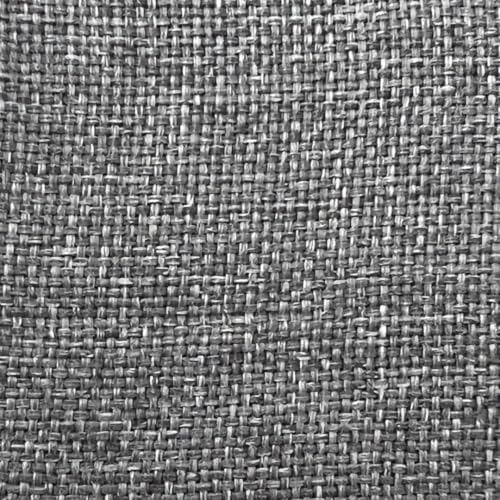
SoundAssured Acoustical Fabric
If polyester still feels too risky to judge on your own, the next option removes the guesswork entirely because it was built for audio from the start. The fundamental difference is that audio-grade materials have their thread density calibrated to transmit sound faithfully, while apparel polyester prioritizes wind resistance — the exact property that blocks acoustic energy.
What About Speaker Grill Cloth?
The most reliable budget alternative to Guilford of Maine is standard speaker grill cloth. It is designed for the exact same acoustic physics — protecting internal components while letting audio pass through untouched.
Speaker manufacturers have invested decades of research into materials that transmit audio faithfully, which is exactly what your panel cover needs. The cloth preserves the full frequency range while protecting drivers, and that same engineering translates directly to acoustic panel wrapping.
Because the material is mass-produced for the consumer electronics industry, it costs a fraction of specialty acoustic fabric while delivering identical transparency. That supply chain advantage makes it the go-to choice for DIYers building multiple panels on a budget.
A bulk roll like the FINDUFA Speaker Grill Cloth (96” x 54”) covers multiple large panels for the price of a single yard of premium fabric. The only real limitation is aesthetics, as speaker cloth almost universally ships in utilitarian black, gray, or tan.
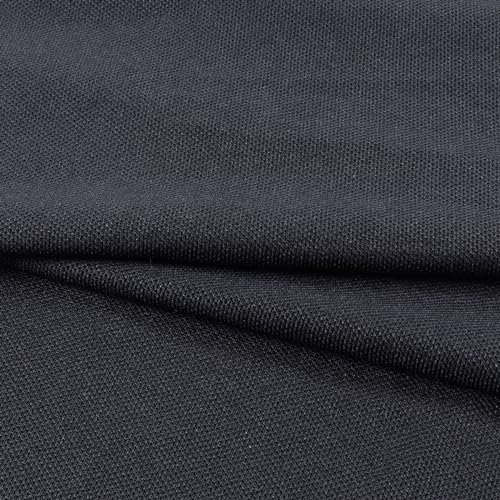
FINDUFA Speaker Grill Cloth (96” x 54”)
Get Studio Tips Weekly
Join 5,000+ creators getting acoustic treatment advice every week.
No spam. Unsubscribe anytime.How Do You Test if Fabric Is Acoustically Transparent?
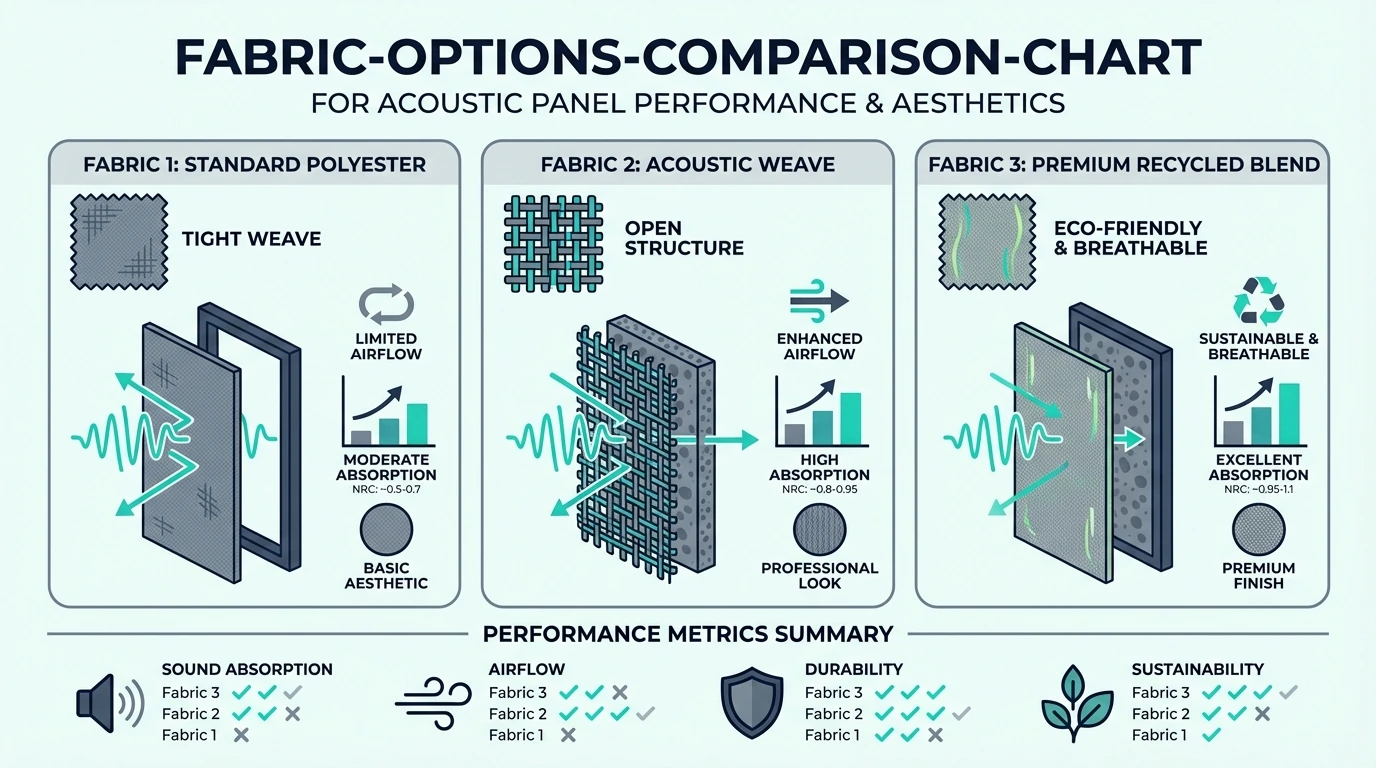
The fabric options above are proven quantities, but evaluating an unknown fabric requires a physical check before you commit your budget. Two simple tests filter out materials that will ruin your panel’s performance.
What Is the Breath Test?
The most reliable diagnostic tool is your own lungs. When you hold a fabric sample tightly against your mouth and blow, the air should pass through with almost zero resistance.
If you feel noticeable back-pressure — like blowing against a thick winter coat or a wall — the weave is too tight. Sound waves will hit that dense barrier and reflect right back into the room instead of sinking into the rockwool behind it.
What Is the Light Test?
You can confirm the breath test visually by holding the material up to a strong light source. A truly open weave will let pinpricks of light shine through the gaps between the threads.
This visual check is less definitive than the breath test because some glossy or coated fabrics pass light while still reflecting high frequencies. If a fabric completely blocks the light, it will definitely block sound — but if it passes the light test, you still need to breathe through it to be sure.
What Fabrics Should You Avoid?
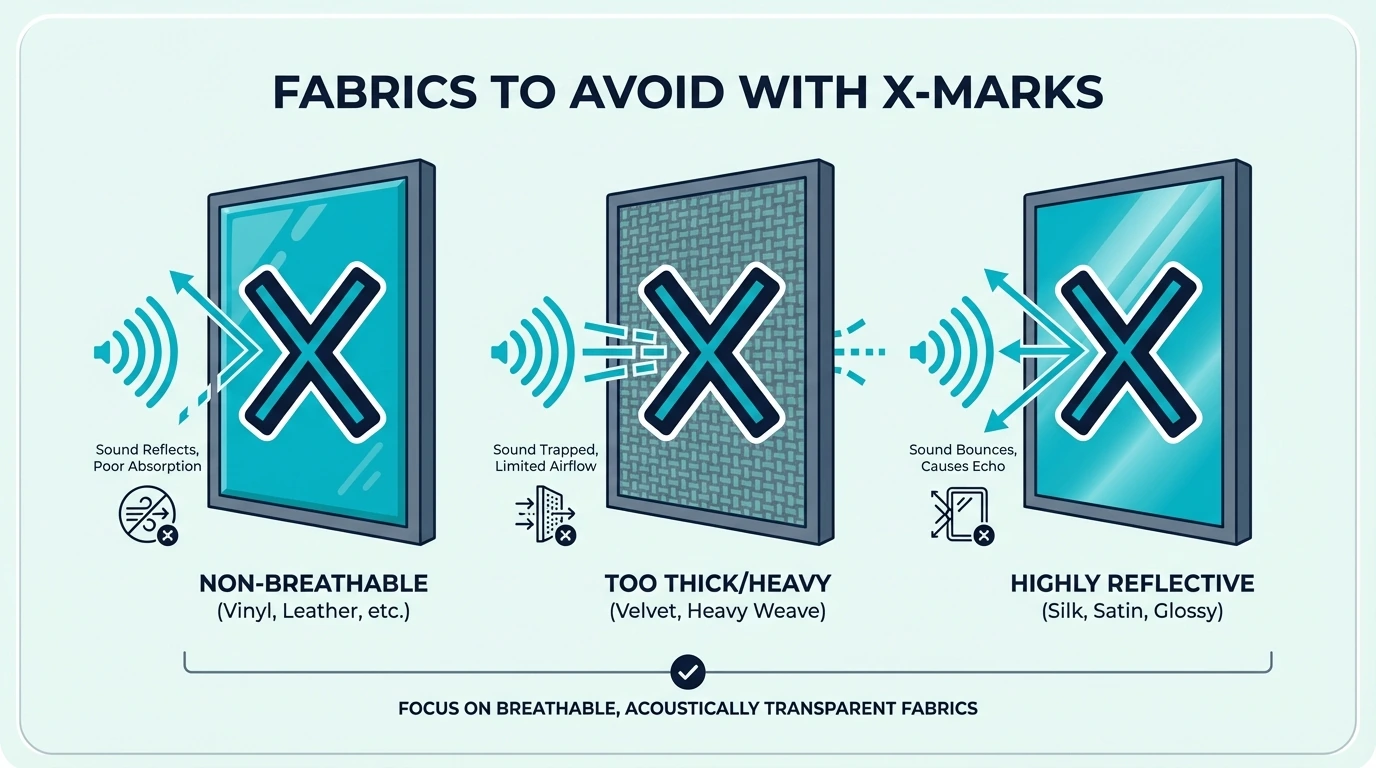
Those two tests immediately disqualify three of the most popular craft store materials: canvas, velvet, and upholstery fabric. All three look great on a frame, and all three destroy acoustic performance.
Why Doesn’t Canvas Work?
Canvas fails because the threads are packed tightly together to create a rigid, durable surface. That dense structure creates a hard boundary that bounces high and mid-frequency sound waves away before they ever reach your absorbing material.
While it’s easy to stretch tightly over a frame without tearing, that physical sturdiness is exactly what makes it an acoustic nightmare.
Is Velvet Bad for Acoustic Panels?
Velvet creates a different kind of trap because its plush, soft texture instinctively looks “acoustic” to most people. But softness does not equal transparency.
The dense pile that gives velvet its luxurious feel creates a solid wall against sound waves, failing the breath test completely. If you absolutely need the velvet aesthetic in a studio, use it to wrap diffusers instead — they are designed to scatter sound off a hard surface, so the thick fabric won’t hurt their function.
What’s Wrong with Thick Upholstery Fabric?
Furniture upholstery fabric combines the worst traits of both canvas and velvet. It is engineered specifically to resist wear, spills, and tearing, which requires a tight weave that is often reinforced with a sealed backing layer.
That backing layer turns the fabric into armor, sealing your insulation inside a reflective box. If you’re making your own acoustic panels using leftover couch fabric, you are building an expensive drumhead.
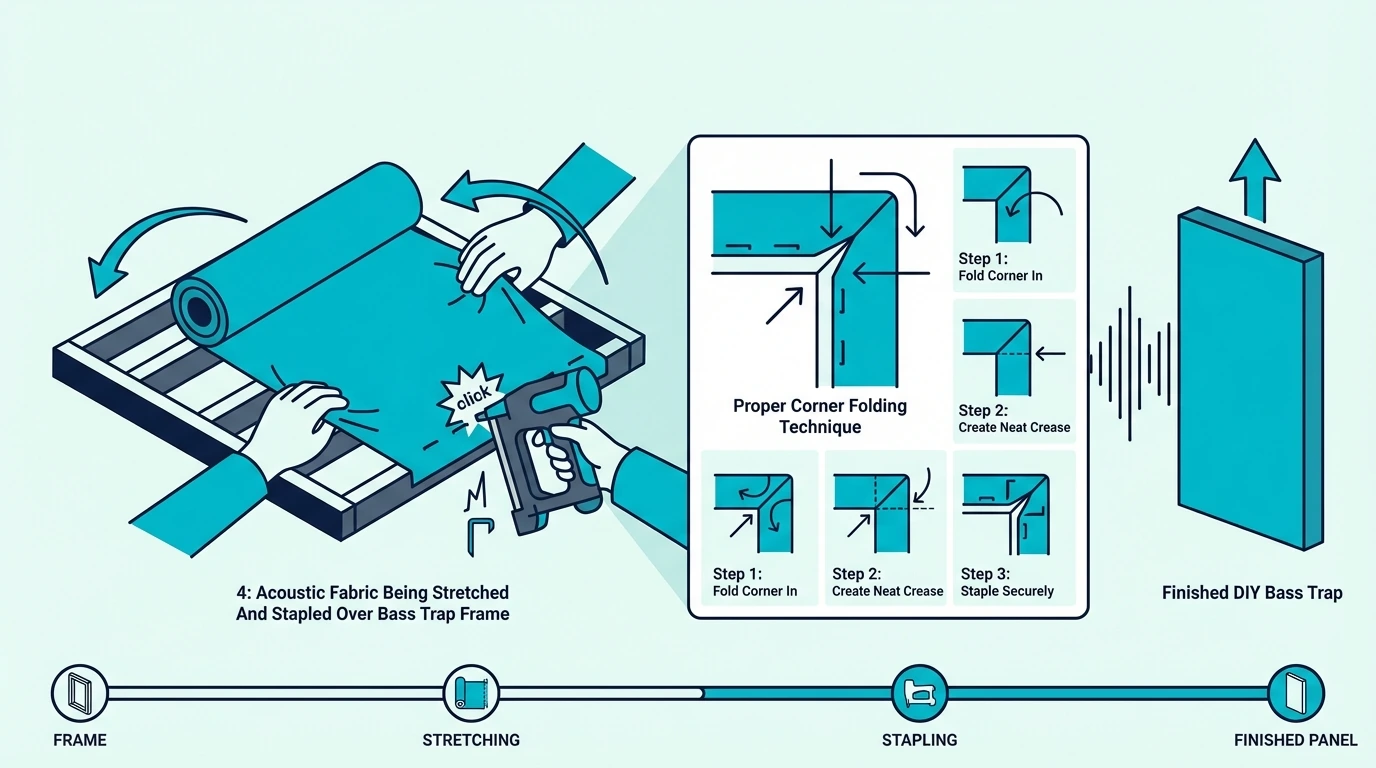
Understanding how to wrap acoustic panels correctly means nothing if the material itself fights your core insulation.
Which Fabrics Should You Buy for DIY Acoustic Panels?
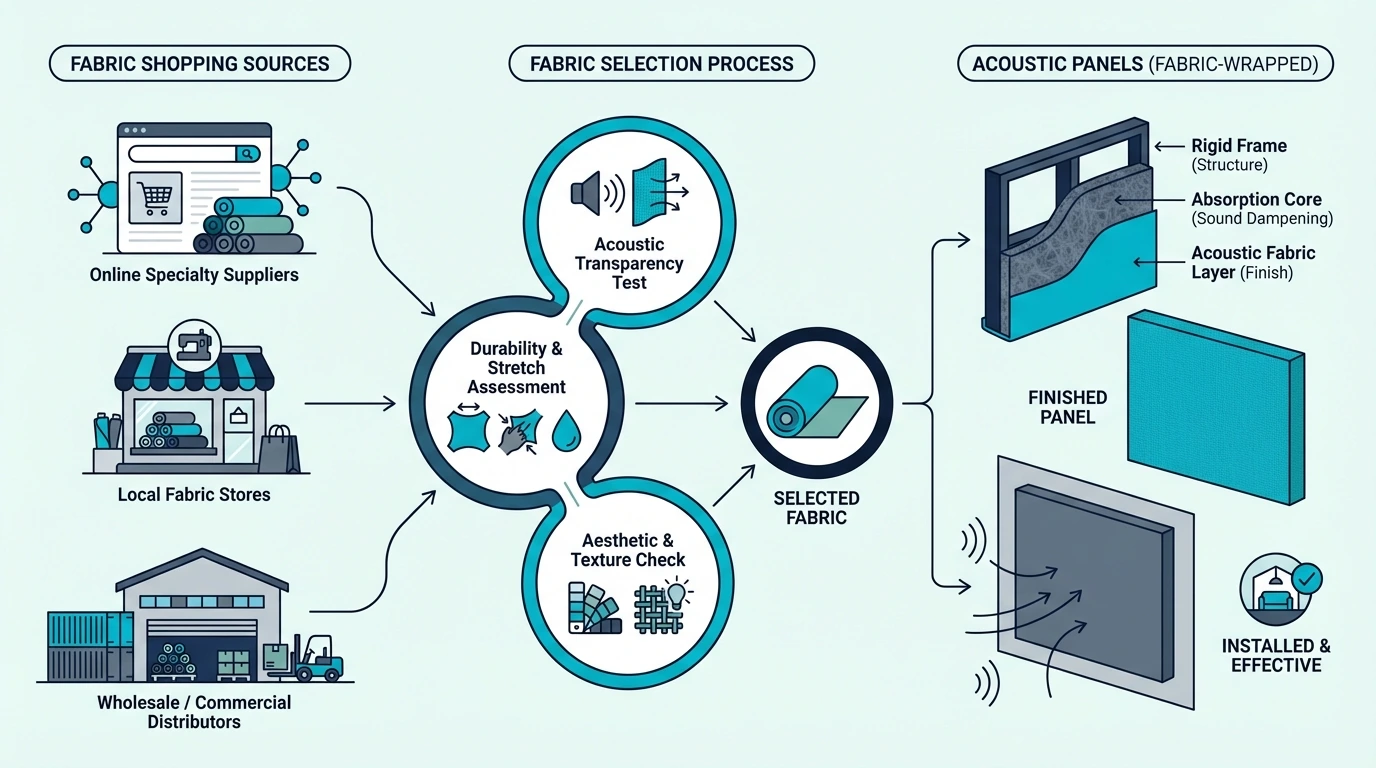
Every fabric below passes the breath test and has verified acoustic transparency across multiple panel builds. Price and availability are the main differentiators.
For most DIYers on a budget, speaker grill cloth offers the best balance of price, availability, and consistent acoustic performance.
FINDUFA Speaker Grill Cloth (1 Yard) is an affordable entry point if you’re testing the concept.
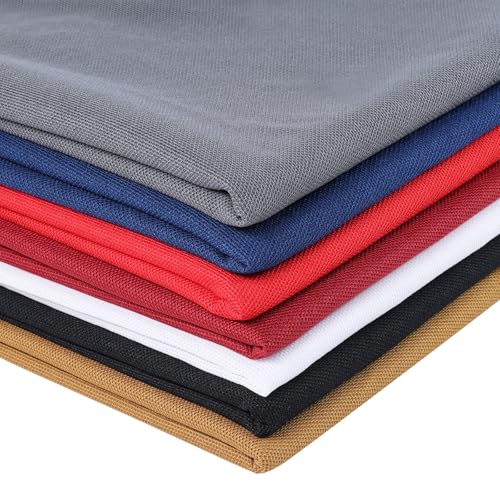
FINDUFA Speaker Grill Cloth (1 Yard)
Both options come in standard neutral tones that blend into most room setups, but if your panels double as wall decor, a textured finish can add depth without sacrificing transparency.
The single-yard cut is the smarter starting point for a first-time build because it covers one standard 24×48 panel with enough excess for the back wrap. Once you confirm the material works with your frame and stapling technique, ordering the larger 96×54 sheet from the previous section saves real money per square foot on multi-panel projects.
For rooms where panels face visitors or clients, the fabric finish carries more weight than in a tucked-away home studio. Flat speaker cloth disappears against the wall and lets the panel shape do the talking, while a textured weave catches light and turns each panel into a deliberate design element.
That textured approach requires verifying one extra detail: make sure the raised pattern does not seal the weave shut. Run the breath test on the textured side before committing, because some decorative fabrics sacrifice transparency for visual effect.
If appearance matters and you’re covering multiple panels, FINDUFA 3D Textured Speaker Fabric adds visual interest while maintaining acoustic transparency.
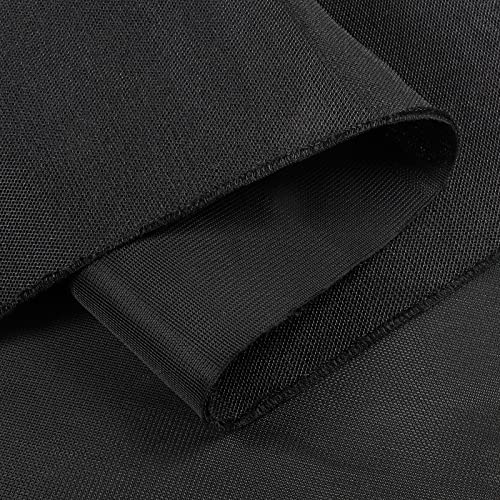
FINDUFA 3D Textured Speaker Fabric
Where Can You Buy Acoustic Panel Fabric?
Because craft stores cater to clothing and upholstery rather than acoustics, you have to source your materials strategically.
Online Fabric Stores
The most reliable path is ordering specialty acoustic fabric or speaker cloth from online retailers like Amazon, Fabric.com, or direct from manufacturers. Shopping online gives you access to exact AFR ratings and reviews from other studio builders who have verified the material’s transparency.
You can also find a wide selection of fabrics on Amazon, including products specifically marketed for speaker grills or acoustic applications. Stick with products that have reviews from other acoustic panel builders, and check the product specifications to ensure they meet your needs.
Local Fabric Shops
If you need material today, a local fabric shop is your only option, but you won’t find anything labeled “acoustic.” You have to hunt through the aisles for lightweight polyester meshes, loose burlap, or unbacked speaker cloth.
The smartest approach is bringing a small scrap of known speaker grill cloth with you to the store. Use it as a baseline to compare against any potential purchase using the breath test right in the aisle.
How Much Fabric Do You Need Per Panel?
Once you find the right material, you have to calculate your cuts precisely because you cannot splice two pieces of fabric in the middle of a panel face without ruining the look.
What’s the Fabric Coverage Formula?
The math for a standard rectangular panel is simple: take your panel dimensions, double the depth for the sides, and add 6 inches of excess for the back wrap. For a standard 24×48×2 inch frame, you need a single piece measuring at least 34×58 inches.
How Much Extra Should You Buy?
That formula covers a perfect build, but you will inevitably bunch a corner, tear a staple through the weave, or misalign a pattern on your first attempt. For your first bulk order, calculate your total square footage and add a 25% safety margin.
You also have to factor panel thickness into the raw width of the fabric bolt. If you buy a 54-inch wide roll to cover 48-inch wide panels, you’ll end up with a pile of useless 6-inch strips.
When your frames are finally wrapped and ready to hang, target the first-reflection points first — placing panels strategically matters just as much as what you cover them with.
The Bottom Line
The best fabric for acoustic panels is the one that passes the breath test and fits your budget — not the one that looks the most “acoustic” at the craft store. Speaker grill cloth and Guilford of Maine FR701 are the most reliable choices, while loose-weave burlap works well for budget builds.
Avoid canvas, velvet, and upholstery fabric entirely. Their tight construction blocks sound before it ever reaches your absorbing core.
If you already have your panel frame built, grab one of the fabric options above and run the breath test before buying in bulk. Build a single panel first to verify your wrapping technique before committing to a full room treatment.
Once your panels are covered, the panel count guide helps you calculate how many you need for your room, and the hanging guide covers hardware for every wall type.Frequently Asked Questions
Does expensive fabric perform better acoustically?
No — acoustic transparency is binary. Either sound passes through or it doesn’t.
A cheap speaker cloth that passes the breath test performs identically to premium professional fabric acoustically. Expensive options offer benefits like fire resistance certifications, more color options, and consistent quality batch-to-batch — these matter for commercial installations but rarely justify the cost for home DIY projects.
Can you paint fabric on acoustic panels?
You can, but every coat of paint reduces acoustic transparency because it fills the gaps between threads. Thin spray coats are less damaging than brush or roller application.
The smarter move is painting the wall behind the panel instead. Neutral fabric over a colored wall achieves the same look without compromising absorption.
If you need a specific color, dye the fabric before wrapping rather than painting it after — dye saturates fibers without sealing the weave shut.
Can you reuse fabric from old panels?
Usually yes — if the fabric still passes the breath test and shows no visible wear or damage. The fabric itself doesn’t degrade acoustically from normal use.
Carefully remove staples and any backing material, then clean the fabric according to its care instructions. Re-stretch over your new panels as normal.
The main exception is fabric that’s absorbed heavy dust, smoke, or other contaminants. These can clog the weave and reduce transparency over time.