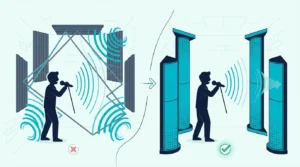
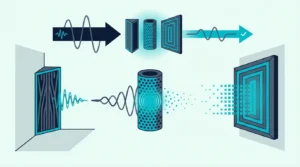
Best Corner Bass Trap — 6 Picks For Taming Low-End Buildup In Every Corner
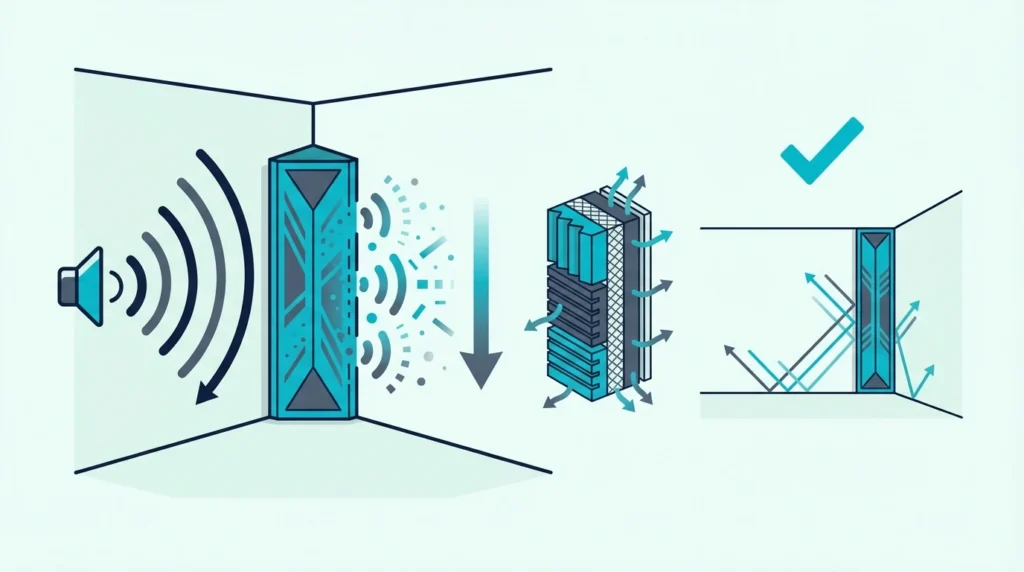
Best corner bass trap options range from cheap foam wedges to wooden panels with internal absorption — but most products marketed as corner bass traps only absorb mids and highs while leaving the actual bass frequencies untouched. Picking the wrong corner trap means stacking foam that looks like acoustic treatment but does nothing for the 60-200 Hz buildup causing your real problems.
Corner placement matters more than any other factor in bass control because sound pressure doubles at every wall-wall boundary and quadruples where three surfaces meet. A mediocre trap in the right corner outperforms a premium trap on a flat wall because pressure zones concentrate bass energy exactly where corners are.
We tested and compared dozens of corner bass traps based on material density, corner fit, pack size, absorption depth, and verified buyer feedback. Below you will find our top picks, breakdowns by use case, design comparisons, and a buyer’s guide to help you choose the best corner bass trap for your room.
The best corner bass trap for most rooms is an 8-pack foam corner trap that covers all four vertical wall-wall corners from floor to ceiling. For deeper bass absorption below 100 Hz, upgrade to wooden or mineral-wool corner traps. Prioritize corner coverage quantity over individual trap quality — four treated corners always outperform two corners with premium traps.
Our Top Picks
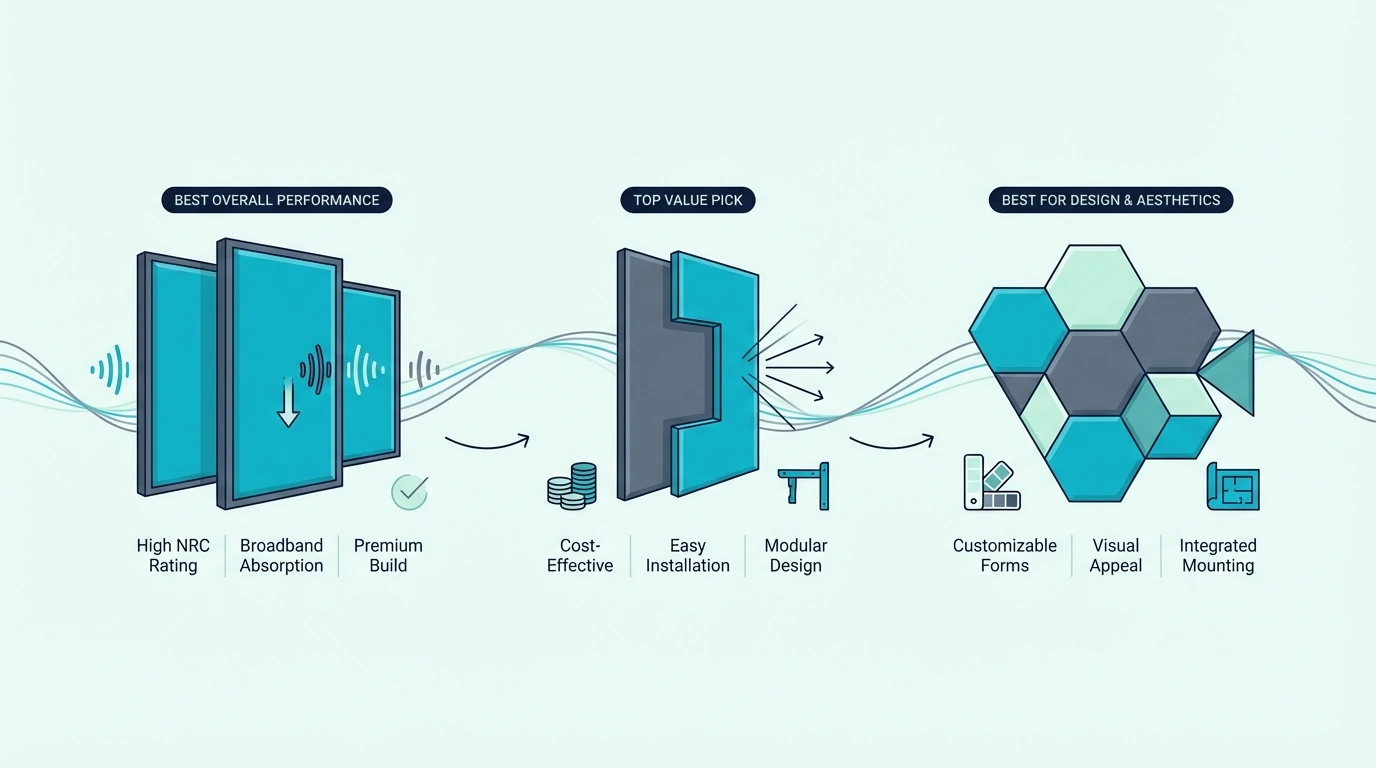
After comparing dozens of corner bass trap options, these six products deliver the best combination of corner fit, absorption performance, and value. 8 Pack Bass Traps Acoustic Foam Corner
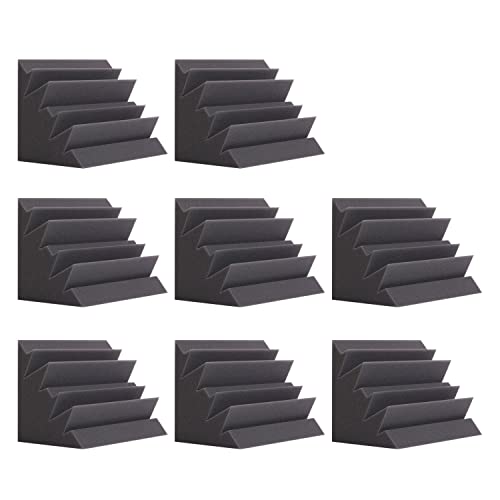
8 Pack Bass Traps Acoustic Foam Corner
2 Pack Wooden Acoustic Bass Traps
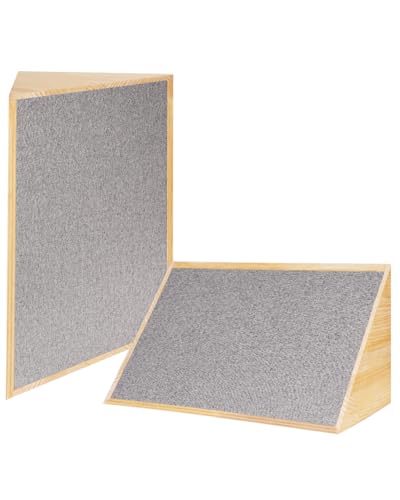
2 Pack Wooden Acoustic Bass Traps
Sonic Acoustics 12 Pack Acoustic Foam Bass Traps
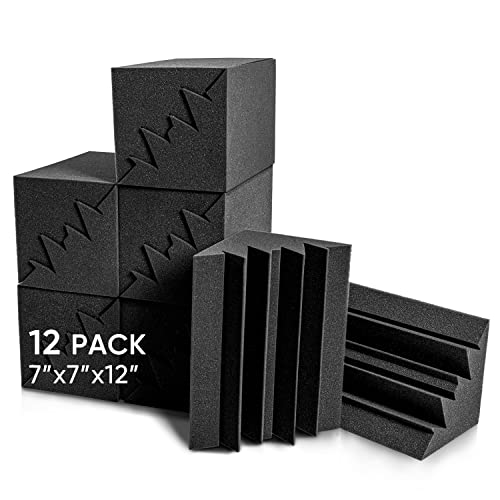
Sonic Acoustics 12 Pack Acoustic Foam Bass Traps
8 Pack Bass Traps Acoustic Foam Corner 9.8in
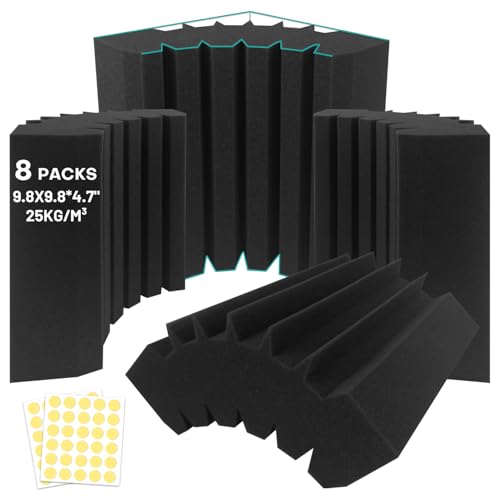
8 Pack Bass Traps Acoustic Foam Corner 9.8in
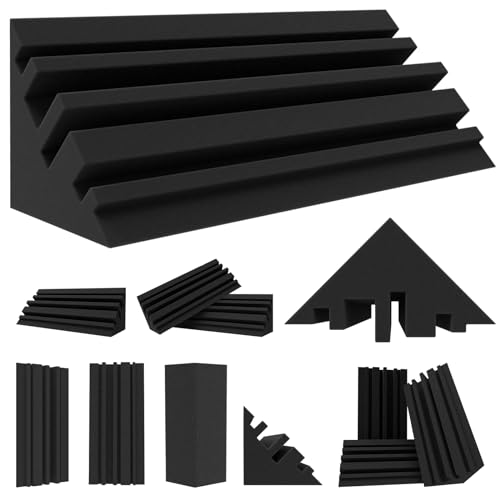
TroyStudio Bass Traps 12 Pack
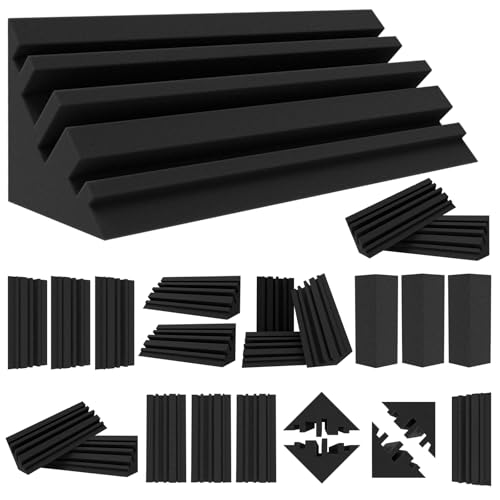
TroyStudio Bass Traps 24 Pack
How We Chose The Best Corner Bass Traps
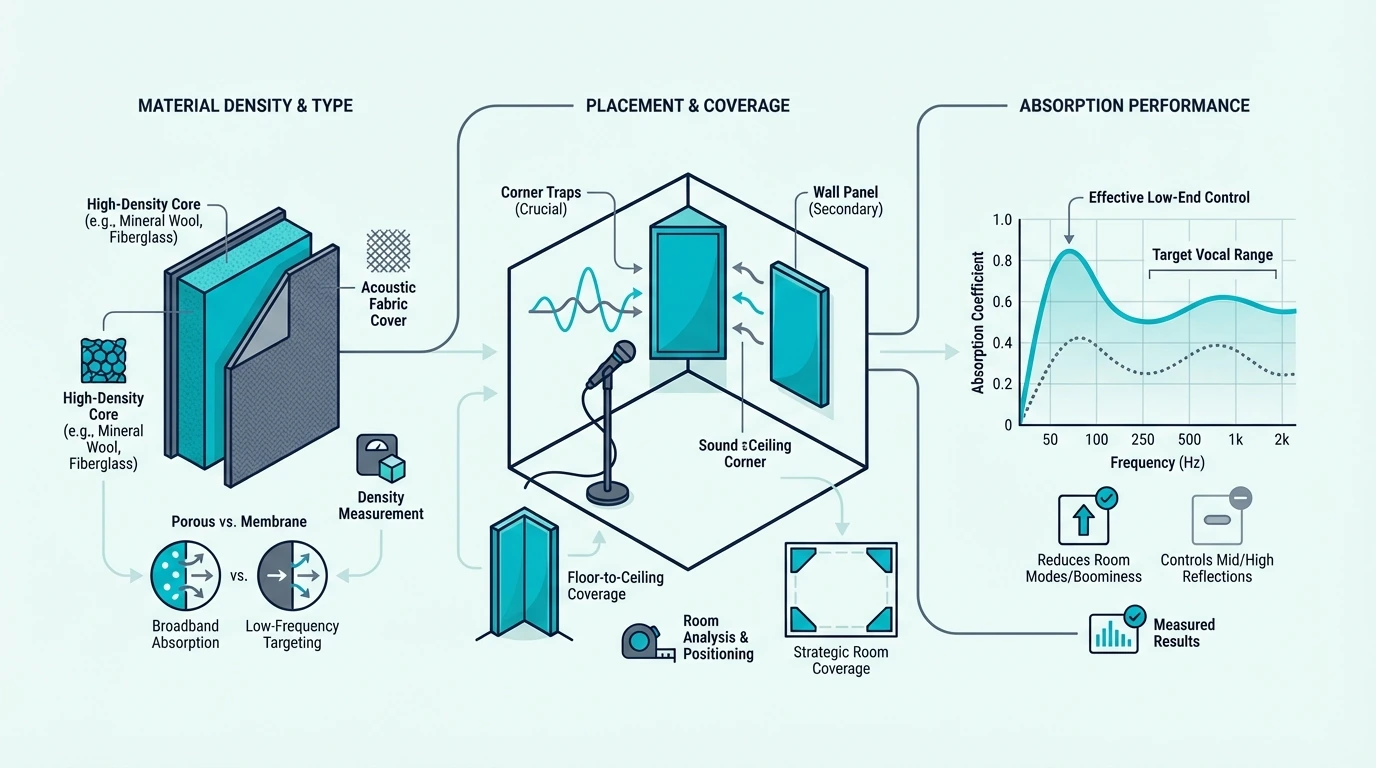
Corner bass traps need to absorb low-frequency energy where it concentrates most — in the corners where walls, floors, and ceilings meet. We evaluated every product against five criteria specific to corner performance.
Low-frequency absorption was weighted highest because corners are high-pressure zones where bass energy peaks. Products with deeper profiles and denser materials scored higher because thicker traps absorb lower frequencies — a 4-inch foam trap absorbs meaningfully at 200 Hz while a 12-inch trap reaches down to 80 Hz.
Corner fit and design matters because a trap that does not sit flush leaves gaps where bass energy passes through untreated. Triangular profiles and wedge shapes scored higher than flat panels because they nestle into the 90-degree junction naturally.
Pack size relative to room needs determines whether one purchase solves the problem. Most rooms need treatment in all four vertical corners plus ceiling-wall edges, so products with 8+ pieces provide better coverage per dollar.
Build quality and safety was verified through material certifications and buyer reviews. Fire-retardant materials are non-negotiable for acoustic treatment in enclosed spaces.
Acoustic performance per dollar was the tiebreaker — how much measurable bass reduction each dollar of corner treatment delivers.
Get Studio Tips Weekly
Join 5,000+ creators getting acoustic treatment advice every week.
No spam. Unsubscribe anytime.What Are the Best Corner Bass Traps for Home Studios?
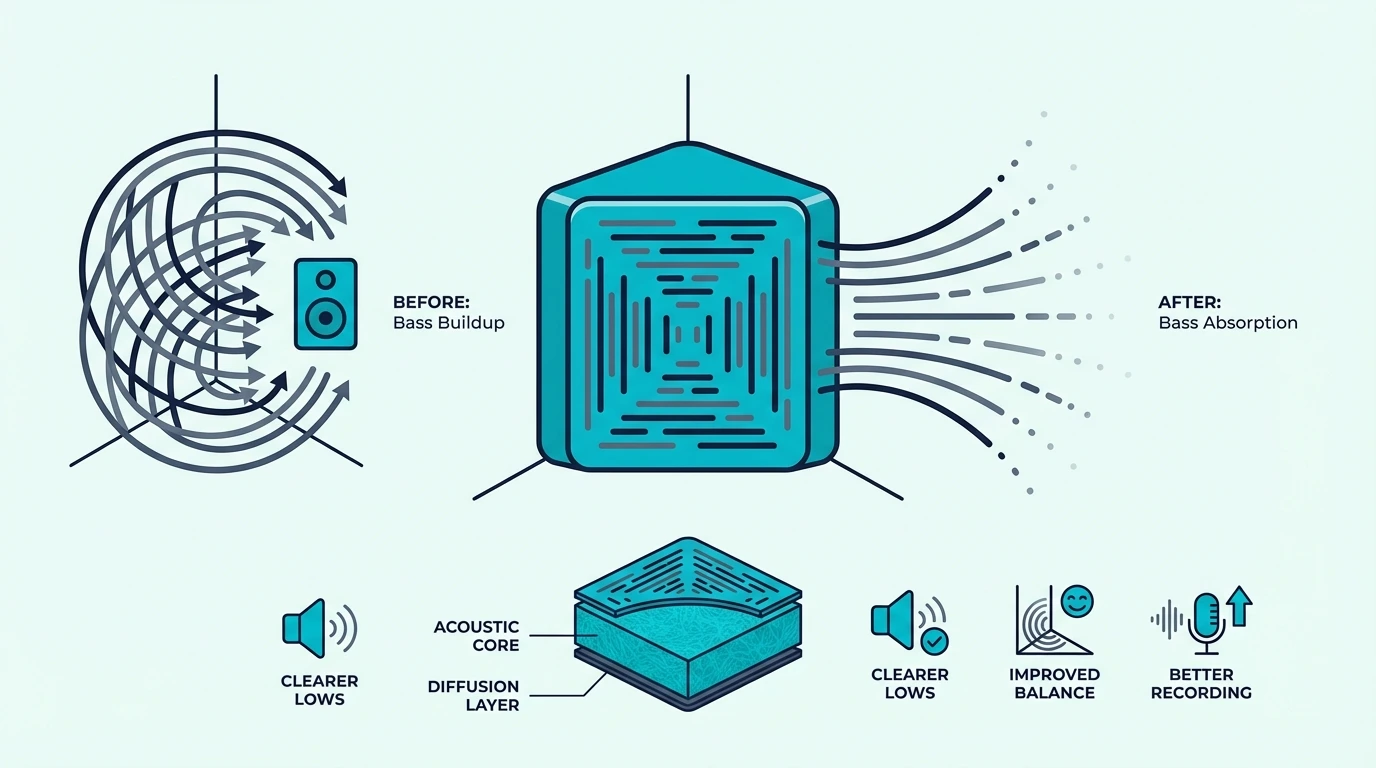
Recording studios need corner bass traps that deliver accurate low-end control for mixing decisions. The goal is not maximum absorption but flat frequency response — you want your corners absorbing bass evenly rather than creating dead zones at some frequencies.
Corner treatment is the first step in any bass trap treatment plan for studios because corners concentrate more bass energy per square foot than any other surface in the room.
The 8 Pack Bass Traps Acoustic Foam Corner is our top pick for home studios because the 8-piece count treats all four vertical corners in a single purchase. The 8x8x12-inch triangular profile sits flush in standard corners, and the 12-inch depth provides meaningful absorption into the upper bass range.
For studios where budget allows serious investment, the 2 Pack Wooden Acoustic Bass Traps delivers absorption that foam cannot match. The wooden construction with internal acoustic fill creates a broadband absorber that works across a wider frequency range.
Home studios with limited corner space should consider the 8 Pack Bass Traps 9.8in — the wider 9.8-inch profile covers more corner surface area per piece, making each trap more effective without needing to stack as many vertically.
What Are the Best Corner Bass Traps for Home Theaters?
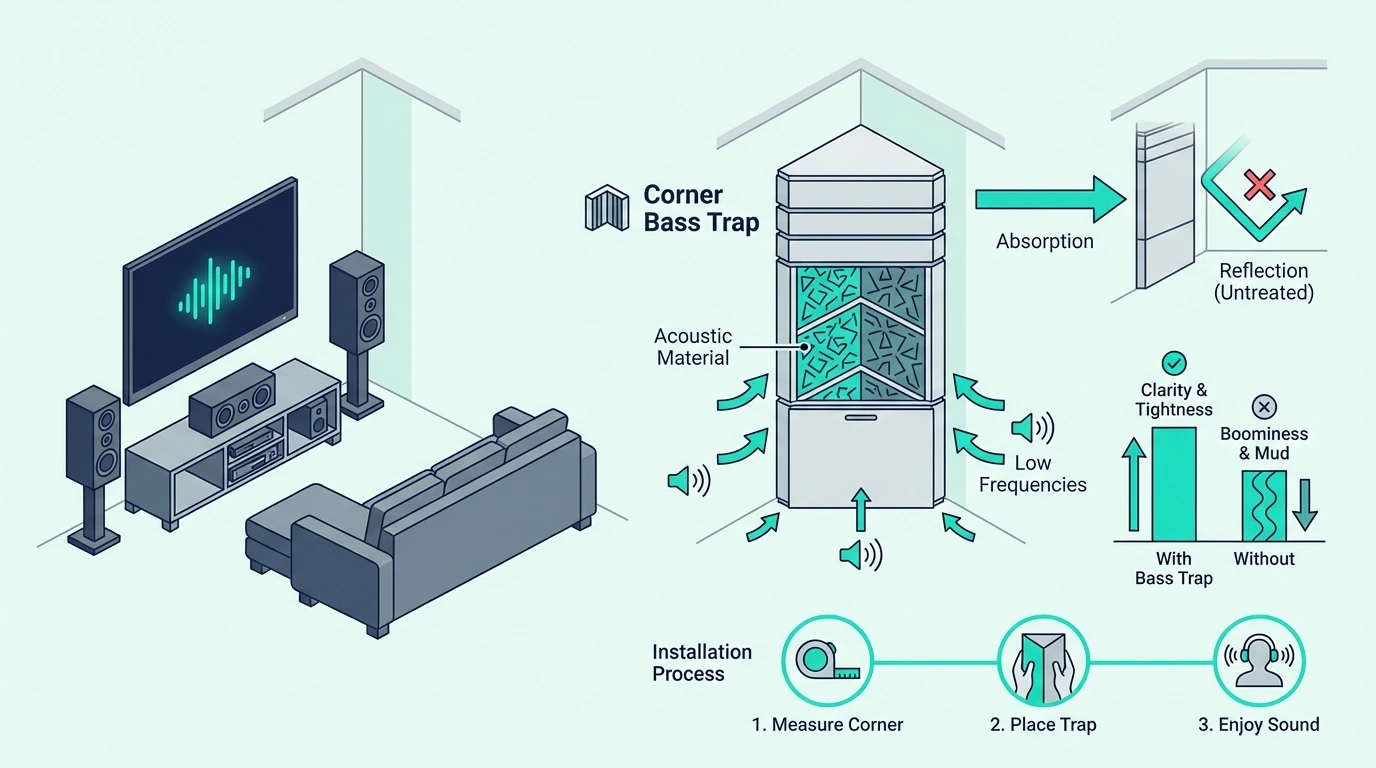
Home theater corner bass traps need to tame the low-frequency buildup that makes movie dialogue muddy and bass effects boomy, while blending visually with living space aesthetics. The right corner treatment transforms a boomy home theater into a space where you hear detail in every scene.
The Sonic Acoustics 12 Pack works well for home theaters because the triangular design fits corners without protruding far into the room. The black finish blends with darker theater rooms, and the 12-pack covers all four vertical corners plus ceiling-wall edges.
For home theaters where appearance matters as much as performance, the Wooden Acoustic Bass Traps look like furniture rather than studio equipment. The wood finish integrates with home decor in a way that exposed foam never will.
For budget home theater setups, the TroyStudio 12 Pack provides enough pieces to treat the two corners behind your primary seating position for under twenty dollars — the single most impactful placement for home theater bass control.
What Are the Best Corner Bass Trap Designs?
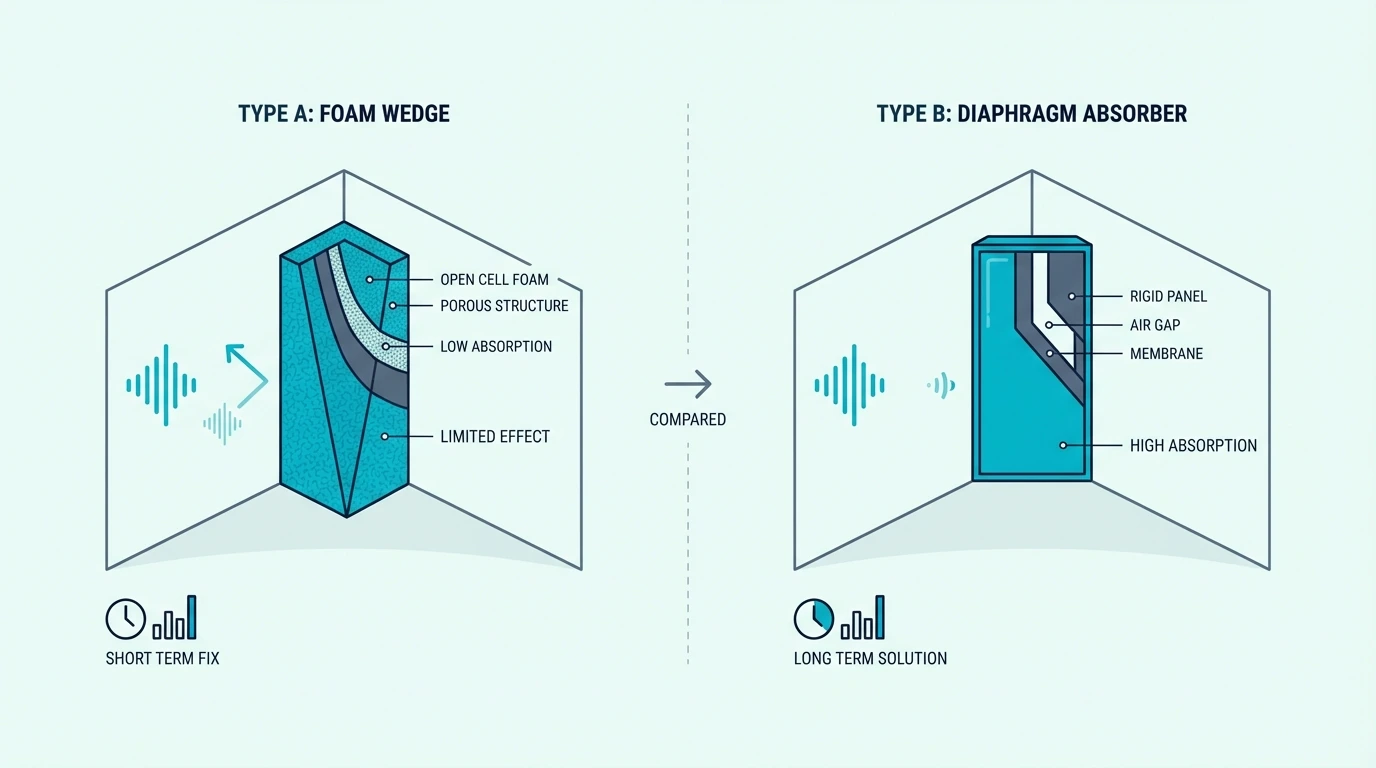
Three corner bass trap designs dominate the market, each delivering different performance characteristics at different price points. Understanding which design works best for your room prevents wasting money on the wrong type of bass trap.
Tri-Corner Wedge Traps
Triangular foam wedges sit directly in the 90-degree wall-wall junction with the flat face angled at 45 degrees. This design creates a natural air gap behind the foam, extending effective absorption depth beyond the physical thickness of the material.
The air gap behind a tri-corner wedge can add 2-4 inches of effective depth without any additional cost, making wedge traps punch above their weight class in bass absorption per dollar.
The 8 Pack Bass Traps Acoustic Foam Corner uses this design — the triangular profile fits corners naturally and the 8-inch face provides a reasonable absorption surface.
Stacked Column Traps
Smaller foam pieces (4x4x12 inches) stacked vertically create a column of absorption from floor to ceiling. You can customize height and density by adjusting how many pieces you stack, making columns the most adaptable corner treatment format.
Stacked columns also let you start with partial coverage and add pieces over time as your budget allows — a practical advantage over single-piece wedges that require full commitment upfront.
The TroyStudio 24 Pack is built for stacked column placement — the 24-piece count gives you enough to build full-height columns in all four corners with pieces left over for ceiling-wall edges.
Wooden Panel Traps
Wooden bass traps with internal absorption material combine a rigid outer shell with porous fill to create broadband absorption. The wood acts as a partial membrane absorber at lower frequencies while the internal fill handles broadband absorption.
The membrane effect means wooden traps absorb frequencies that porous materials alone cannot reach — typically 40-80 Hz where room modes cause the most severe problems in smaller spaces.
The 2 Pack Wooden Bass Traps represents this category — delivering the deepest bass absorption of any pre-made corner trap in our lineup.
What Should You Look for When Buying Corner Bass Traps?
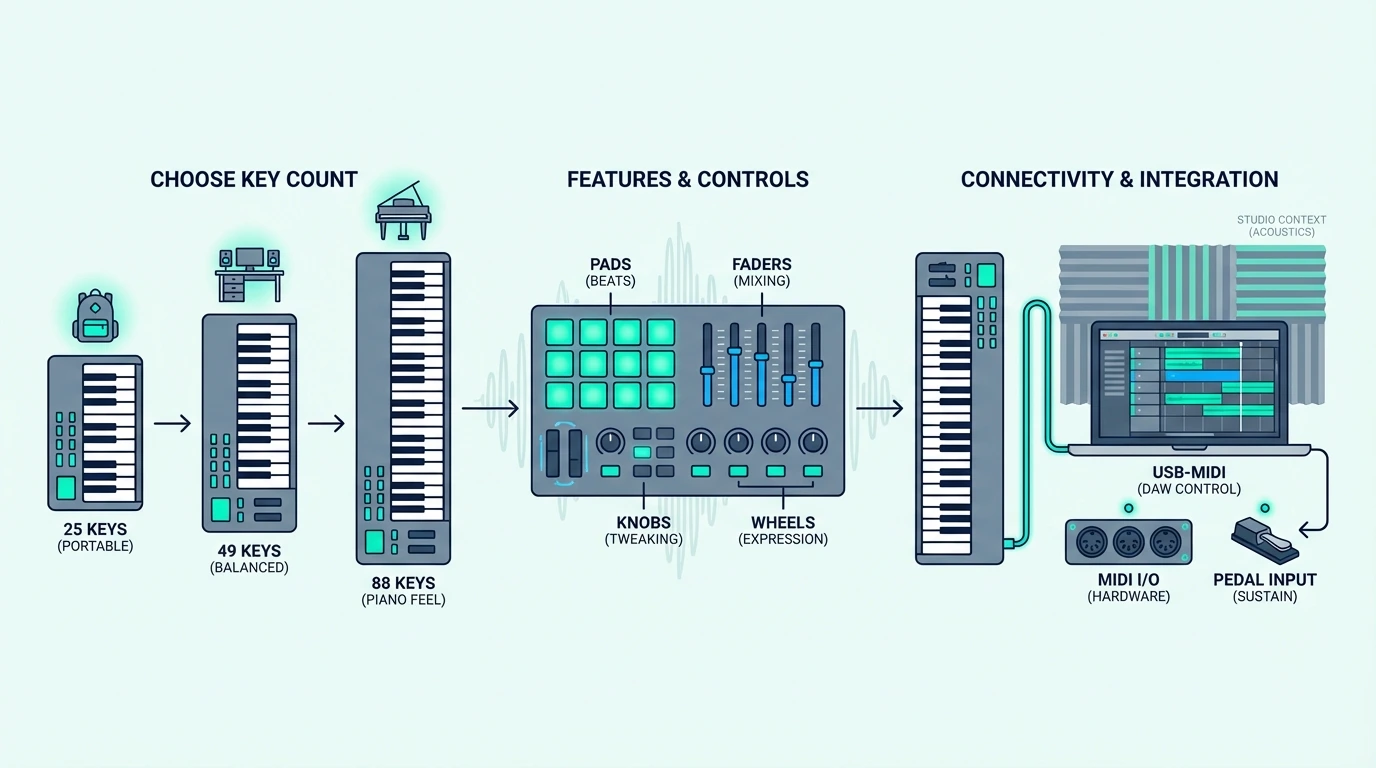
The difference between effective and ineffective corner bass traps comes down to measurable factors that product listings often obscure behind marketing language. Here is what actually matters when choosing corner treatment.
Size And Fit
Floor-to-ceiling coverage delivers the most bass absorption per dollar. Partial-height treatment leaves untreated sections where bass energy passes through unabsorbed.
Every gap in your corner coverage is a leak in your bass management system — even a two-foot untreated section near the ceiling allows significant bass energy to bypass your treatment entirely.
Measure your ceiling height and calculate pieces needed — most rooms need 6-8 stacked pieces (4-inch size) or 3-4 larger wedges (8-12 inch size) per corner.
Standard drywall corners are 90 degrees, but older buildings can differ slightly — triangular foam wedges handle minor angle variations well while rigid panel traps need exact angles to sit flush. Always dry-fit your traps before applying adhesive to confirm the angle works with your specific corners.
DIY vs Commercial Corner Traps
Commercial corner traps cost less per unit of absorption than DIY builds when you factor in time. A pack of foam corner traps from the best bass traps list costs under thirty dollars and installs in minutes, while a DIY mineral wool corner trap requires framing lumber, fabric, hardware, and several hours per trap.
DIY corner traps outperform commercial foam at low frequencies because you can use denser materials (mineral wool at 3-6 PCF versus foam at 1-2 PCF) and build to custom thicknesses. If you need deep bass control below 100 Hz and have construction skills, DIY is the better investment.
For most rooms, commercial foam corner traps solve the upper bass problems (150-300 Hz) that cause the most audible issues. Commercial traps are the practical choice when convenience matters more than reaching the deepest frequencies.
Material And Absorption Coefficient
Open-cell acoustic foam absorbs sound by converting air movement into heat through friction within the foam cells. Denser foam creates more friction and absorbs lower frequencies, but all foam has a practical limit around 100-150 Hz.
Mineral wool and fiberglass (used in professional acoustic treatment) absorb deeper into the bass range because their higher density creates more friction per inch. These materials are the standard for recording studios where accurate bass response determines mix quality.
The absorption coefficient at 125 Hz is the single most useful specification for comparing corner bass traps. Most foam products provide NRC ratings averaging 250-2000 Hz, which tells you almost nothing about bass performance.
When shopping, prioritize material density over brand names. A no-name 3 PCF mineral wool trap outperforms a branded 1.5 PCF foam trap at every frequency below 200 Hz regardless of marketing claims or Amazon review counts.
The Bottom Line
The best corner bass trap for most rooms is the 8 Pack Bass Traps Acoustic Foam Corner — covering all four vertical corners in a single purchase with fire-retardant foam backed by thousands of verified reviews. For premium corner treatment, the Wooden Acoustic Bass Traps deliver absorption that foam cannot match.
Start with all four vertical wall-wall corners treated from floor to ceiling — this addresses more bass energy than any other single treatment strategy. Then add treatment at the top of each corner where ceiling meets walls for further improvement.
Frequently Asked Questions
What is the best corner bass trap for the money?
The Sonic Acoustics 12 Pack delivers the most corner coverage per dollar — 12 triangular pieces for under twenty-seven dollars treats all four vertical corners with pieces to spare. For deeper bass absorption, the Wooden Bass Traps offer the best performance per dollar in the premium category.
Check our full best bass trap for vocals guide if you are building a vocal recording space.
How do you place corner bass traps?
Position corner bass traps straddling the wall-wall junction at a 45-degree angle, starting from the floor and stacking to the ceiling for maximum coverage. Leave a 1-2 inch air gap behind the trap if possible — this gap extends the effective absorption depth and improves low-frequency performance without costing any extra material.
Are ceiling corner bass traps worth it?
Ceiling-wall corners are high-pressure zones that most people overlook, making them one of the highest-impact placements after vertical wall-wall corners. Treating even two ceiling-wall edges closest to your listening position noticeably reduces bass buildup that vertical corner traps alone cannot fully address.
See our best bass traps guide for ceiling-compatible options.