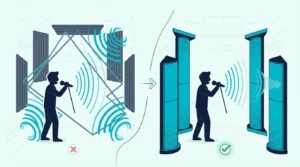
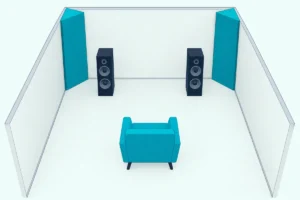
Bass traps go in the corners first: Auralex’s home-studio guide makes that the first step in any small room.
The picks
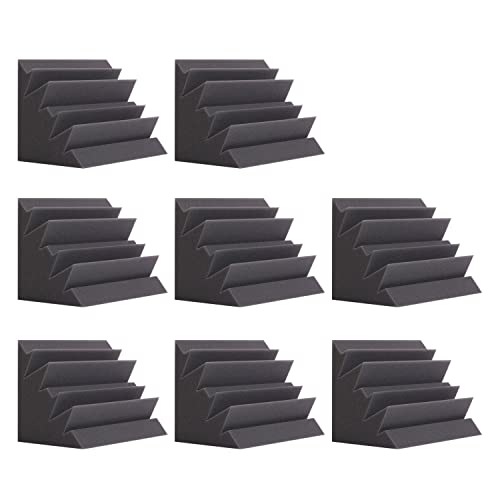
8 Pack Bass Traps Acoustic Foam Corner
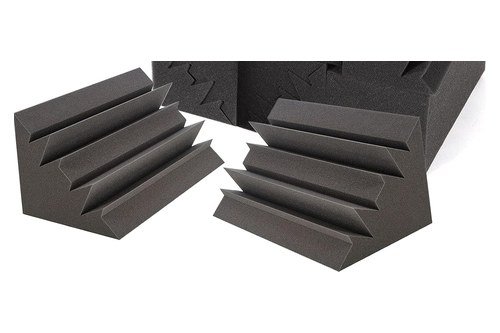
Eerbaier Corner Bass Trap Foam Blocks (12 Pack)
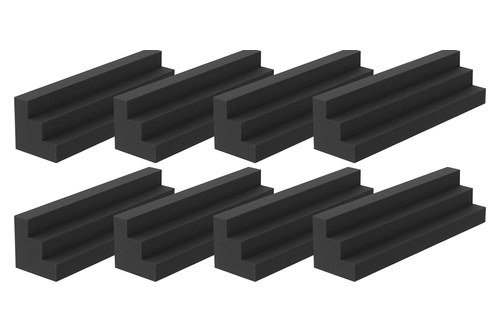
JBER Column Acoustic Wedge (16 Pack)
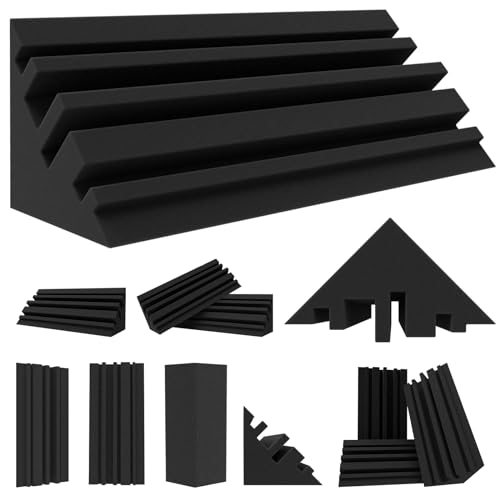
TroyStudio Bass Traps 12 Pack
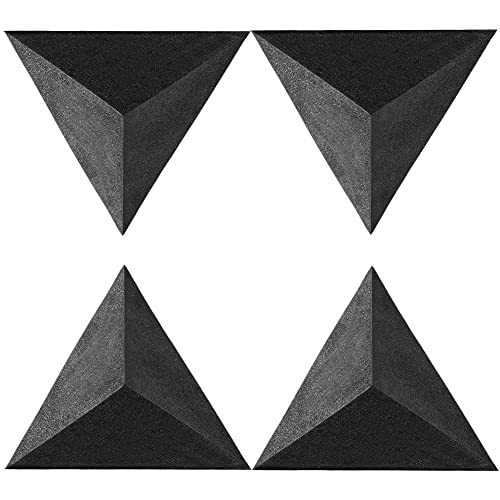
4 Pack Bass Traps for Ceiling Corner
Best bass traps come in dozens of shapes and materials, and the five picks here are foam traps made for room corners. Auralex, which makes acoustic foam, says thicker acoustic foam is better at absorbing low frequency sounds.
A listing’s NRC says little about bass, because Auralex’s Acoustics 101 defines a material’s NRC as the average of its absorption coefficients at 250, 500, 1000 and 2000 Hz. Owens Corning lists 2-inch unfaced 703 fiberglass at an NRC of 1.00 but 0.15 at 125 Hz.
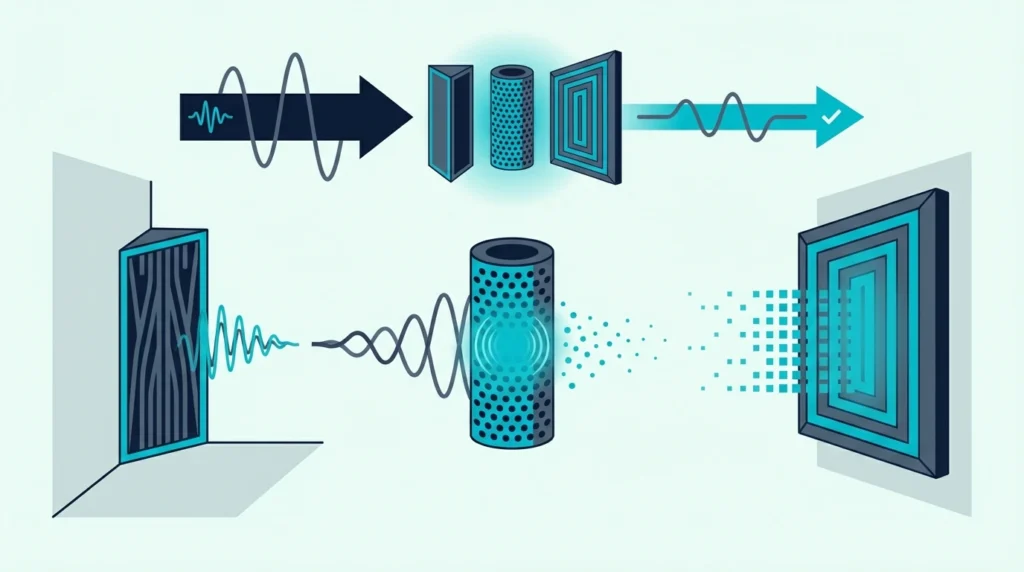
The sections below set the picks side by side, then cover them by use and room, with a buying guide.
For bass below 100 Hz, ATS, which makes mineral wool panels, says even its 4-inch panels won’t absorb much and points to its Corner Bass Traps.
Top Picks at a Glance
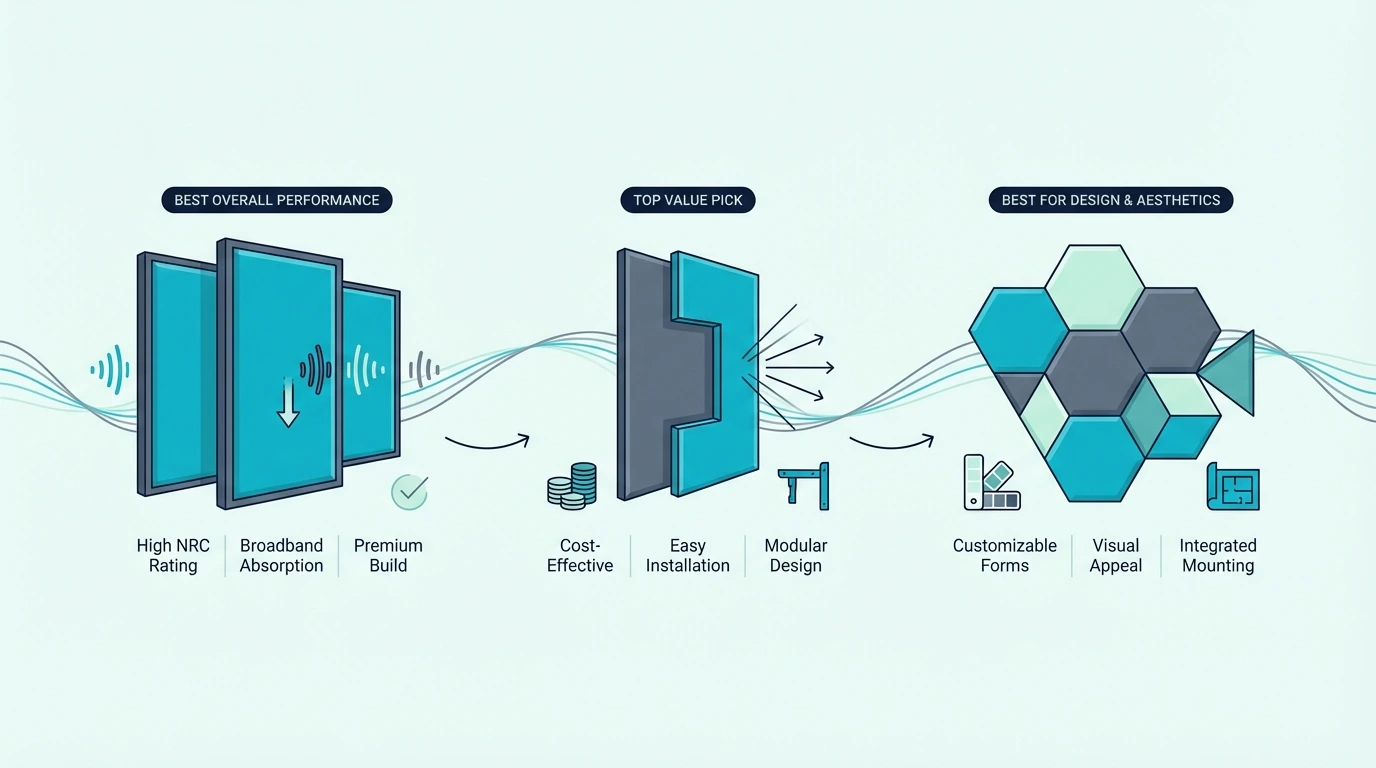
These five foam packs differ in shape, size and piece count.
How Do Bass Traps Differ?
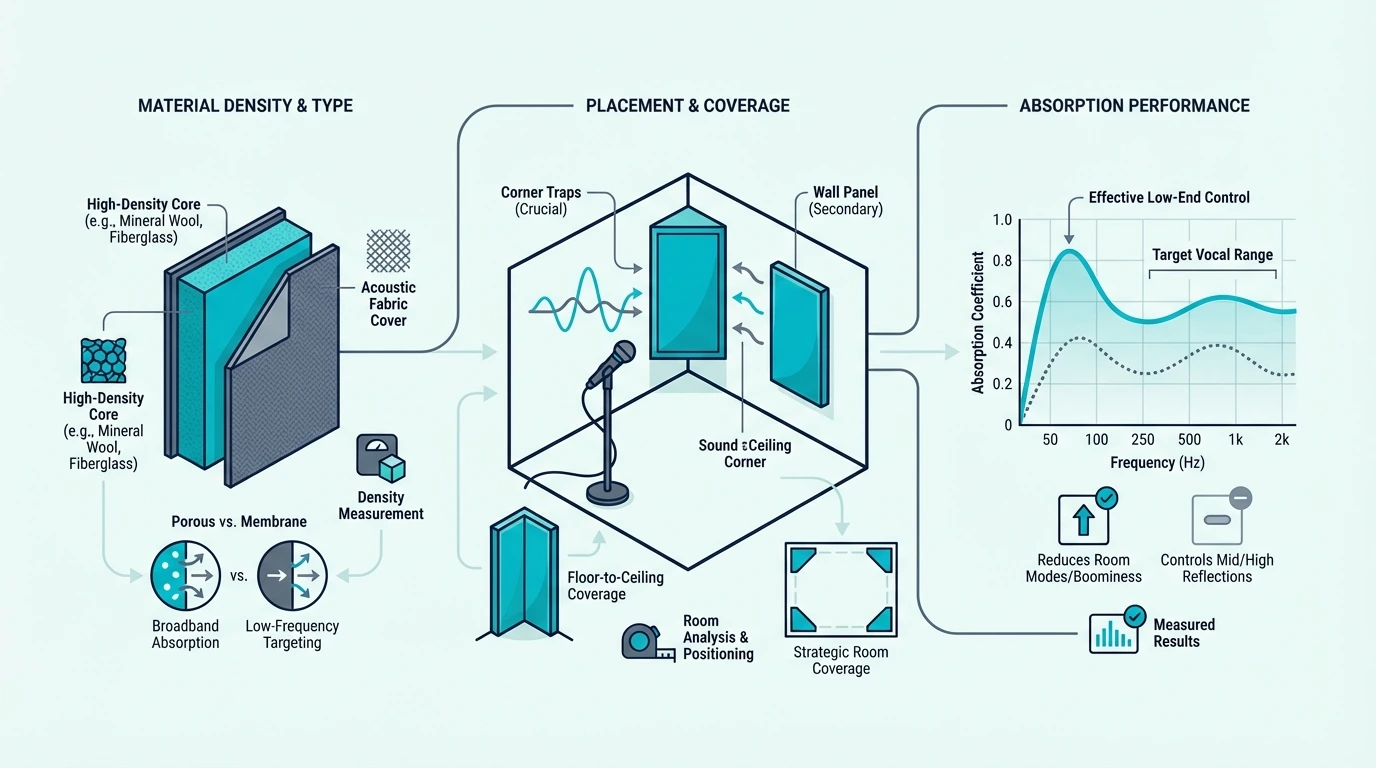
Every pick met Burton Acoustix’s rating, review and stock checks on 6 November 2026. Three points set one bass trap apart from another.
The descriptions come from the makers’ manuals and spec pages.
Absorption at low frequencies comes with thickness, since thicker panels absorb lower frequencies: Owens Corning’s 700 Series sheet gives unfaced 703 fiberglass 0.05 at 125 Hz at 1 inch and 0.56 at 4 inches.
Pack size and corner coverage decide how many corners one pack fills, so count the pieces you need for all four vertical corners. Auralex’s home-studio guide treats corners vertically where it can and says bass traps can also be placed horizontally where a corner doesn’t allow it.
Fire safety depends on the foam: Auralex’s Studiofoam safety data sheet warns that, if ignited, foam can produce rapid flame spread, intense heat and dense black smoke, and says fire retardants may be present depending on the product.
What Are the Best Broadband Bass Traps?
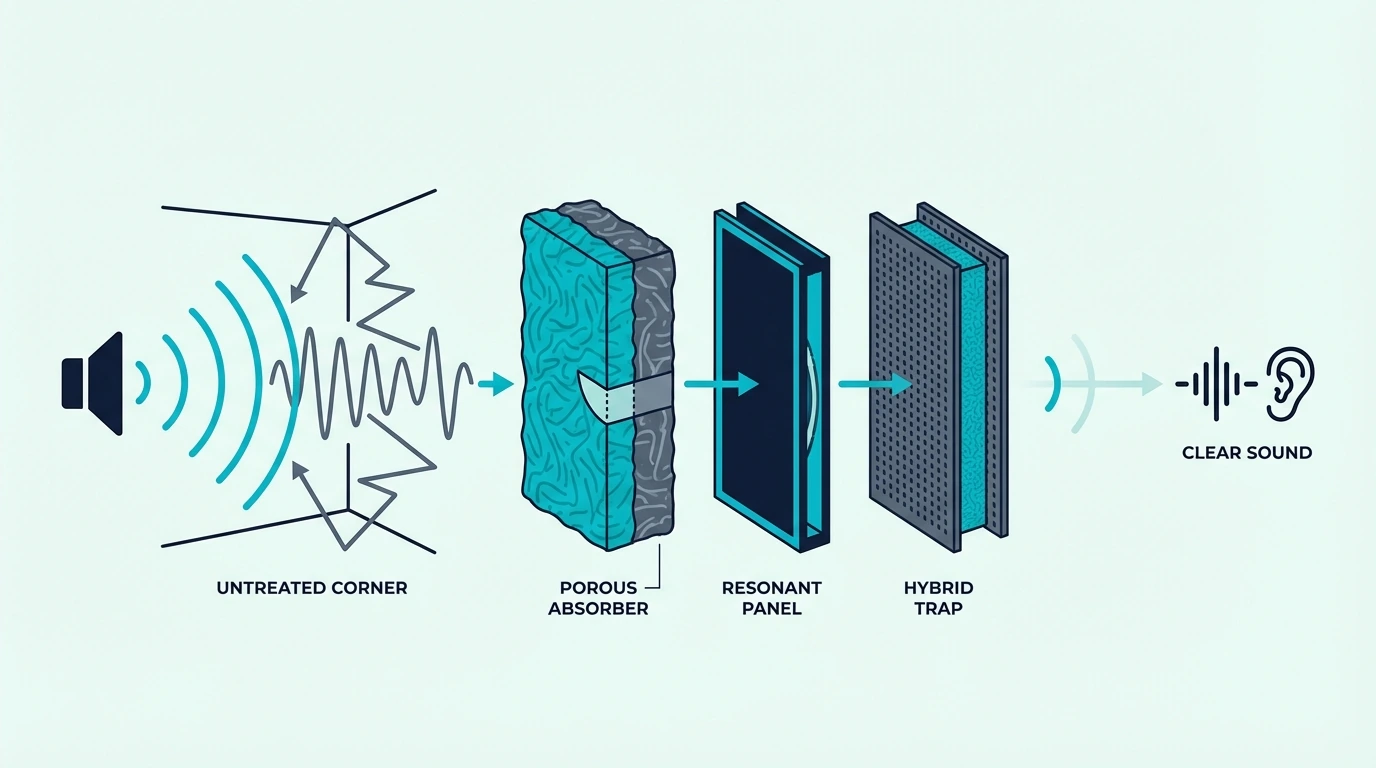
Broadband bass traps absorb across a wide frequency range, bass as well as mids and highs.
The 8 Pack Bass Traps Acoustic Foam Corner is the Best Overall pick: eight 8 x 8 x 12-inch foam pieces, two for each of the four vertical corners.
ATS Acoustics, which makes 2-inch and 4-inch mineral wool panels, says its panels are not true bass traps: even the 4-inch ones won’t absorb much below 100 Hz, and the 2-inch ones absorb a quarter as much at 125 Hz. For serious bass absorption, 50 to 125 Hz, ATS points to its Corner Bass Traps.
What Are the Best Cheap Bass Traps?
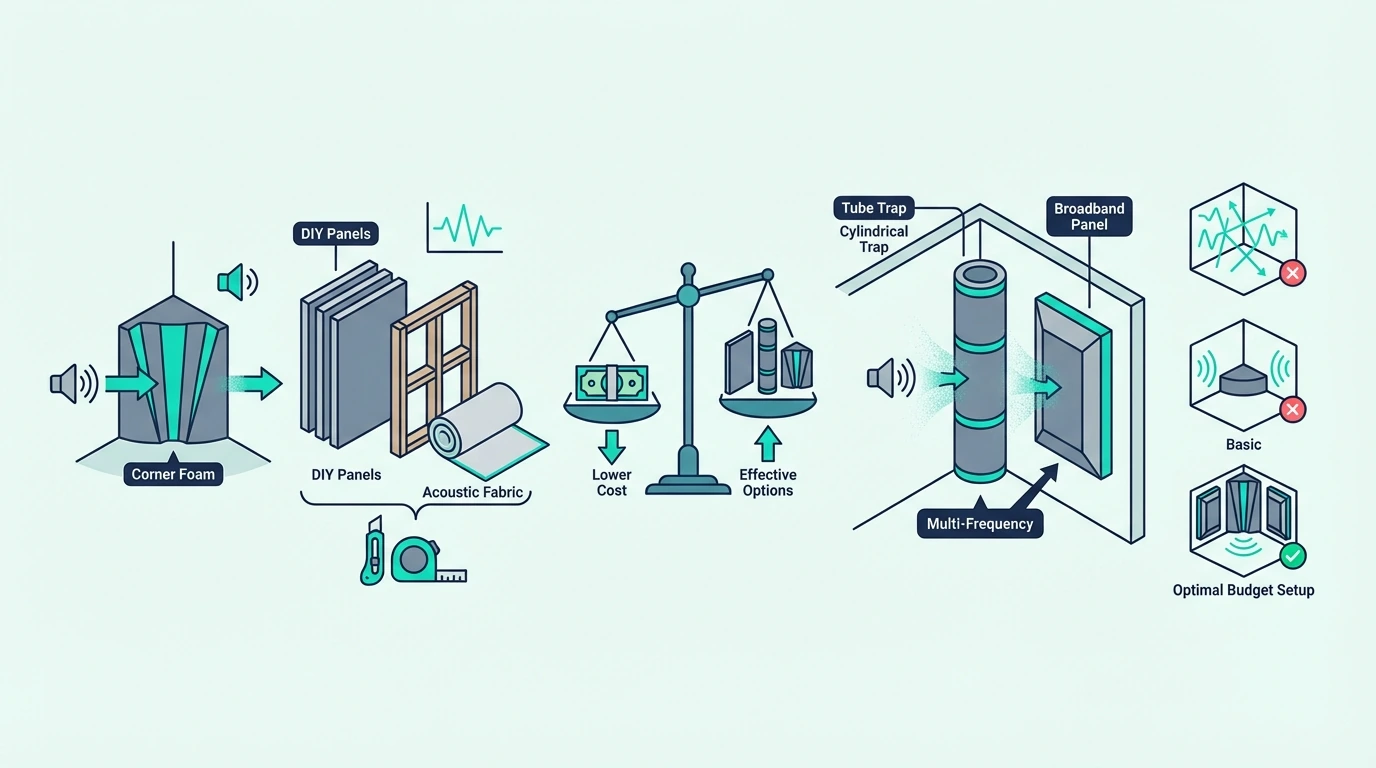
Three of the picks come in packs of 12 or 16 foam pieces, and each splits across the corners differently.
The TroyStudio Bass Traps 12 Pack gives you twelve dense 4 x 4 x 12-inch foam pieces, six to a corner for two vertical corners. TroyStudio sells them as a low frequency sound absorber for music rooms and home recording studios.
The 12-pack of 12 x 7 x 7-inch foam corner blocks gives you twelve triangular blocks for the wall corners, which Eerbaier sells as low-frequency sound absorption material.
For taller corner columns, the JBER 16-pack of column corner traps gives you sixteen pieces, enough for a four-piece column in each vertical corner.
What Are the Best Bass Traps for Small Rooms?
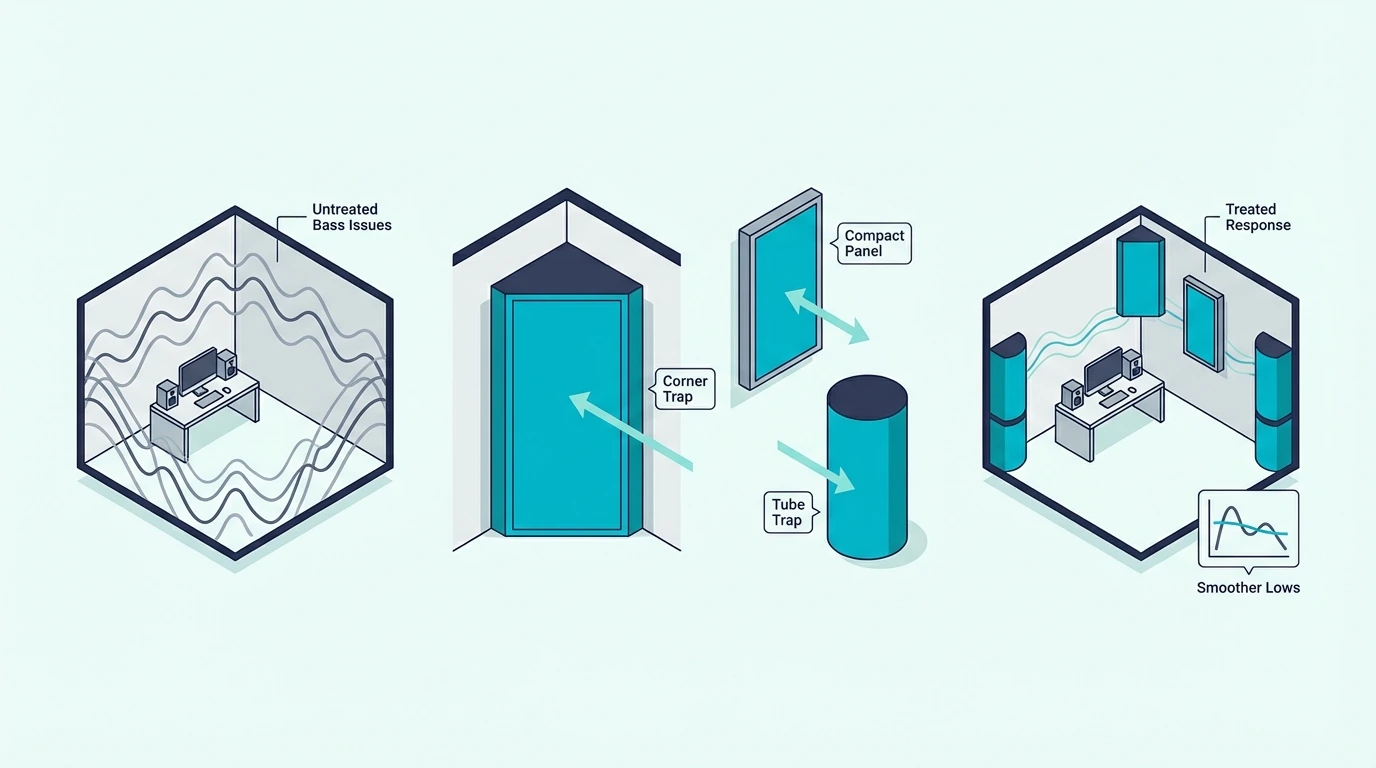
Small rooms need bass trapping because, by Auralex’s home-studio guide, the buildup of low frequencies, especially in corners, is one of the most common problems in small rooms. Auralex’s Acoustics 101 adds that room modes, the low frequency standing waves in a room, are normally a small room phenomenon.
The 4 Pack Bass Traps for Ceiling Corner is four triangular pyramid foam traps sold for ceiling corners, where two walls meet the ceiling, and it’s the bass pick in our gift ideas for hi-fi listeners.
To start smaller, put the TroyStudio 12 Pack in the two vertical corners closest to your listening position, then add a second pack for the other two. Auralex’s home-studio guide suggests trying different placements and listening to the results.
What To Look For When Buying Bass Traps
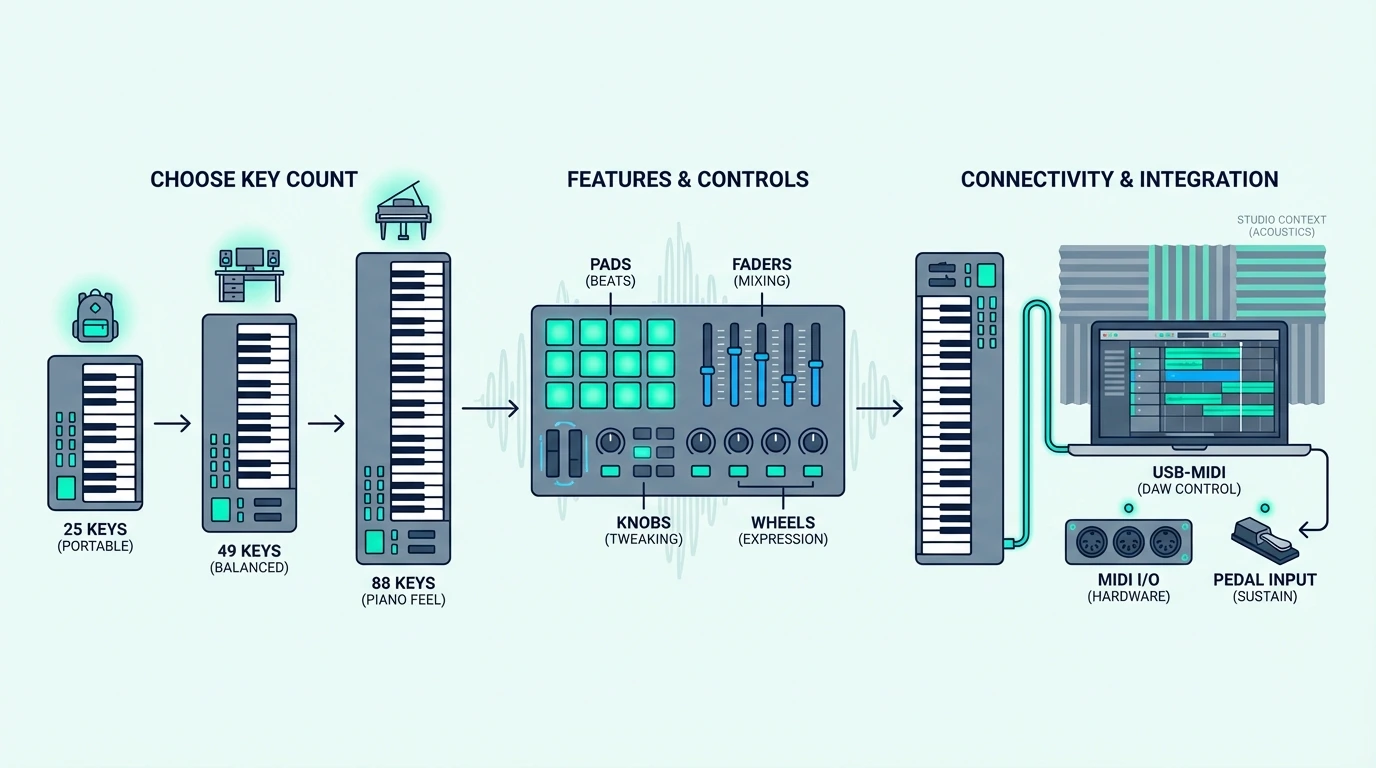
These are the points to compare on a listing: material and density, then size and thickness.
Material And Density
Foam bass traps are polyurethane foam, and Auralex’s safety data sheet gives its own Studiofoam a density of 0.50 to 20 lbs per cubic foot.
Fiberglass boards for home studio treatment come in set densities: Owens Corning’s 703 is 3.0 pcf and its 705 is 6.0 pcf. At 2 inches its sheet gives them 0.15 and 0.18 at 125 Hz, and at 4 inches 0.56 and 0.60.
Size And Thickness
Larger pieces cover more of a corner each, so a column needs fewer of them. For rooms with severe bass problems, compare thickness before surface area.
When comparing products, look for absorption coefficients at 125 Hz, a band the NRC’s 250 to 2000 Hz average leaves out.
The Bottom Line
The Best Overall pick is the 8 Pack Bass Traps Acoustic Foam Corner, eight pieces for the four vertical corners.
Start by treating all four vertical wall-wall corners, then add treatment behind your monitors and mix position, the next step in Auralex’s home-studio guide.
Frequently Asked Questions
What bass traps should I get?
Start with an 8-pack or 12-pack of foam corner traps to cover all four vertical corners in your room. For more bass absorption, compare mineral wool or wooden bass traps by their absorption at 125 Hz.
Are GIK Acoustics bass traps worth it?
Compare GIK’s traps as you would any others, by their absorption coefficients at 125 Hz, which a material’s NRC leaves out. For casual listening rooms or vocal recording setups, the foam corner traps above are another option.
What are the best bass traps for home theater?
Home theater bass traps should prioritize corner placement with thick panels, since Owens Corning’s 700 Series sheet shows thicker boards absorbing more at 125 Hz. Start with corner traps in all four vertical corners.