Bose Smart Ultra Soundbar vs Sonos Arc Ultra and the Original Arc

If you’re weighing the Bose Smart Ultra Soundbar vs Sonos Arc, check which Arc you mean first, because Sonos now sells the Arc Ultra and marks the original Arc out of stock under its Last Chance label.
Pick on the name alone and you could end up with an Arc whose spec sheet lists no Bluetooth, or a Bose whose guide never mentions the DTS soundtracks on your discs.
Match the bar to your TV’s ports, your phone and the speakers you plan to add, and any of the three adds Dolby Atmos height from upward-firing speakers in one long bar.
A side-by-side table from Bose’s and Sonos’s spec sheets comes first, then each difference in turn.
By the end, you’ll know which bar fits your room, your phone and the system you want to grow into.
What Separates the Bose Smart Ultra Soundbar vs Sonos Arc Ultra?
That question of which Arc settles itself in the table below, built from each maker’s own spec sheets. The short answer is the system around each bar: the Arc Ultra brings Sonos’s Sound Motion woofer, Wi-Fi 6 and Trueplay tuning from an iPhone or Android phone, while the Smart Ultra brings an ADAPTiQ headset and an optical cable in the box, Google Cast, and Alexa with Voice4Video.
| Feature | Bose Smart Ultra Soundbar | Sonos Arc Ultra | Sonos Arc (original) |
|---|---|---|---|
| Speakers (maker’s count) | 9 plus a center tweeter, 2 firing upward | 14 drivers, 2 tweeters firing upward | 11 drivers, 2 dedicated height channels |
| DTS | Not mentioned in Bose’s guide | DTS Digital Surround listed | DTS Digital Surround listed |
| TV connection | HDMI eARC or ARC; optical cable in the box | HDMI eARC or ARC; optical adapter sold separately | HDMI eARC or ARC; optical adapter in the box |
| Network | Wi-Fi and Ethernet | Wi-Fi 6 and Ethernet | 2.4 GHz Wi-Fi and Ethernet |
| Bluetooth | 5.0 | 5.3 | Not in Sonos’s spec list |
| Streaming | AirPlay 2, Google Cast | AirPlay 2, services in the Sonos app | AirPlay 2, services in the Sonos app |
| Built-in voice | Alexa; Google Assistant through a Google device | Sonos Voice Control, Alexa | Sonos Voice Control, Alexa, Google Assistant |
| Room tuning | ADAPTiQ, headset included | Trueplay from iOS or Android | Trueplay from iOS |
| Size (H x W x D) | 2.29 x 41.14 x 4.21 in | 2.95 x 46.38 x 4.35 in | 3.43 x 44.96 x 4.57 in |
| Weight | 12.68 lb | 13.01 lb | 13.78 lb |
| Maker’s US store | Sold | Sold | Out of stock (Last Chance) |
Read down the columns and Bose packs more into the box, while the original Arc trails its successor on Bluetooth, Wi-Fi and Android tuning.
Which Arc Are You Comparing, the Original or the Ultra?
That last column is the one to double-check, because some listings still say only “Sonos Arc.” The original Arc has 11 drivers and no Bluetooth in Sonos’s spec list, while the Arc Ultra has 14 drivers, Sound Motion included, plus Bluetooth 5.3 and a Bluetooth button on its back panel.
Sonos’s Arc Ultra page calls the Arc the previous generation, and Sonos’s Arc page now shows it out of stock under the Last Chance label. On Amazon, the older bar sells as the Sonos Arc (Gen 1).
The upgrades sit in the details, which our Sonos Arc vs Arc Ultra comparison covers line by line: Wi-Fi 6 instead of 2.4 GHz-only Wi-Fi, Trueplay from Android as well as iOS, and AI Speech Enhancement with four levels. The Arc, though, ships with the optical adapter in the box and lists Google Assistant, which the Arc Ultra’s spec sheet doesn’t.
How Do the Speakers and Height Channels Compare?
That first row of speaker counts needs a caution, since the two makers don’t count the same way. Bose gives the Smart Ultra nine speakers, two of them firing upward, plus a center tweeter, while Sonos gives the Arc Ultra 14 drivers, with two of its tweeters firing upward to create dedicated height channels.
Bose’s owner’s guide pairs the up-firing speakers with side-firing ones, and Bose’s TrueSpace processing upmixes stereo or 5.1 content for what Bose calls an immersive sense of height. On the Sonos side, Sound Motion is a four-motor, dual-membrane woofer that Sonos says frees up space for more tweeters and midrange drivers.

The original Arc uses three silk-dome tweeters and eight elliptical woofers, which Sonos describes as eleven speakers with two dedicated height channels. Sonos rates the Arc Ultra at 9.1.4, while RTINGS describes both the Arc Ultra and the Smart Ultra as 5.1.2 configurations, and Bose gives no channel figure on its product page.
Treat those numbers as each source’s own way of counting, and our list of Dolby Atmos soundbars sorted by where the height comes from explains how to read figures like 5.1.2.
Is the Sonos Arc Ultra Better Than the Bose Smart Ultra?
Specs stop short of sound, and that’s where RTINGS’s lab comparisons come in. RTINGS calls the Arc Ultra the better all-in-one soundbar, citing a more balanced default sound profile, better bass extension and an improved center performance that helps localize dialogue, while it calls the Bose better built.
RTINGS adds that the Bose gets louder, though the Sonos shows considerably less compression at maximum volume. Its comparison of the original Arc with the Smart Ultra also gives the Arc the edge, for its center and more natural surround performance, while noting that the Bose supports more wireless playback formats.
The full RTINGS comparison of the Smart Ultra and Arc Ultra lists its test results, measured in RTINGS’s lab rather than your room.
Does Either Bar Play DTS, and Does Dolby Atmos Need eARC?
That RTINGS verdict also names DTS, the format that splits these bars most cleanly. Sonos lists DTS Digital Surround for both the Arc and the Arc Ultra, with its own note that the listing isn’t an indication of a licensed decoder, while Bose’s Smart Ultra guide doesn’t mention DTS at all.
For Dolby Atmos, both makers point you to the TV’s HDMI eARC or ARC port. Sonos’s format list marks Dolby TrueHD and multichannel PCM as needing eARC, while Dolby Atmos over Dolby Digital Plus carries no such note.
Bose’s Smart Ultra owner’s guide ties the Dolby Atmos experience to HDMI eARC or ARC. For a TV without either, it offers the optical cable for “spacious and life-like sound.”
To check what’s arriving, play an Atmos title and open the app’s Now Playing screen, which Sonos says shows the format being decoded and Bose’s guide uses to confirm Dolby Atmos. If DTS shows up often in your disc menus, that points to Sonos.
Do the Ports, Wi-Fi and Bluetooth Match?
Those format rules depend on the cable you run, so the back panels come next. Mostly, yes: all three take one HDMI cable to the TV’s eARC or ARC port and have an Ethernet port, but only the Smart Ultra includes an optical cable, only the original Arc includes Sonos’s optical adapter, and the Arc Ultra needs that adapter bought separately.
Wireless is where the two Sonos generations split. The Arc Ultra supports Wi-Fi 6 on 2.4 and 5 GHz and Bluetooth 5.3, while the original Arc connects to 2.4 GHz Wi-Fi only and its spec sheet lists no Bluetooth.
The Smart Ultra has Bluetooth 5.0 with a 30-foot (9 m) range in Bose’s guide and remembers up to eight devices. The Arc Ultra pairs from the button on its back, but Sonos says it has to be set up on Wi-Fi with the Sonos app first.
For streaming music, all three take AirPlay 2, and the Sonos bars play your services through the Sonos app. The Smart Ultra adds Google Cast, which neither Sonos spec sheet mentions.
How Do ADAPTiQ and Trueplay Tune Each Bar to the Room?
That phone in your pocket also decides how room tuning works. The Smart Ultra uses Bose’s ADAPTiQ headset from the box, the Arc Ultra tunes itself with its own microphones from an iPhone or Android phone, and the original Arc needs an iOS device for Trueplay.
Bose’s guide asks for 10 quiet minutes while the headset’s microphone takes measurements at several spots in the room. It also tells you to run ADAPTiQ again after adding a bass module or surround speakers, moving the bar or furniture, or mounting it on a wall.
Sonos’s Trueplay article says quick tuning uses the Arc Ultra’s built-in microphones for its current location. Its Arc Ultra guide puts advanced tuning at about 5 minutes with an iOS device as you walk the room, and calls it the best choice for large rooms.
In an Android-only household, that leaves the Arc Ultra’s quick tuning or Bose’s headset.
What Voice Assistants Work on Each Bar?
Those built-in microphones also take voice commands, for different assistants on each bar. The Smart Ultra has Amazon Alexa built in and takes Google Assistant commands through a separate Google device, the Arc Ultra works with Sonos Voice Control and Alexa, and the original Arc adds Google Assistant to those two.
Bose’s Voice4Video goes furthest with Alexa. It can turn on your TV and the bar, switch to your video source and tune a cable or satellite box by network name or channel number.
On the Smart Ultra, Google Assistant works once you switch on Google Cast in the Bose app and set up voice casting for a Google Assistant-enabled device. On the original Arc, Sonos says that since September 2026 the Assistant can only be added from the Sonos app for iOS, and Sonos’s Arc page notes that Alexa and Google Assistant can’t run on the same product.
Are the Dialogue and Headphone Features Different?
Voice matters on screen too, where each maker has its own dialogue tool. Yes: the Smart Ultra uses AI Dialogue Mode, which Bose says senses dialogue and balances voice and surround sound, while the Arc Ultra uses AI Speech Enhancement with four levels and both Arcs offer Night Sound.
Headphones split the brands further. With Personal Surround, Bose Ultra Open Earbuds play a mix of the center, height and surround channels alongside the Smart Ultra, like individual surround speakers, and SimpleSync connects Bose headphones or a SoundLink speaker to the bar.
Sonos’s TV Audio Swap moves the bar’s sound to Sonos headphones on both the Arc and the Arc Ultra. The Arc Ultra can connect two pairs of Sonos Ace at once, for a movie with a companion.
Do Both Take a Subwoofer and Rear Speakers?
Those headphone tricks suit one or two listeners, while a whole room needs more speakers. Yes, each within its own brand: the Smart Ultra takes Bose’s Bass Module 500 or 700 and Bose Surround Speakers or Surround Speakers 700, and both Arcs take a Sonos Sub 4 or Sub Mini plus two matching Sonos speakers as rears.
Bose lets the Smart Ultra run two bass modules of the same model and recommends the floor, against the TV’s wall, for each one. Sonos’s Arc Ultra page pairs it with a Sub and Era 300 rears, and its Sub 4 page mentions running two subwoofers with the Arc Ultra.
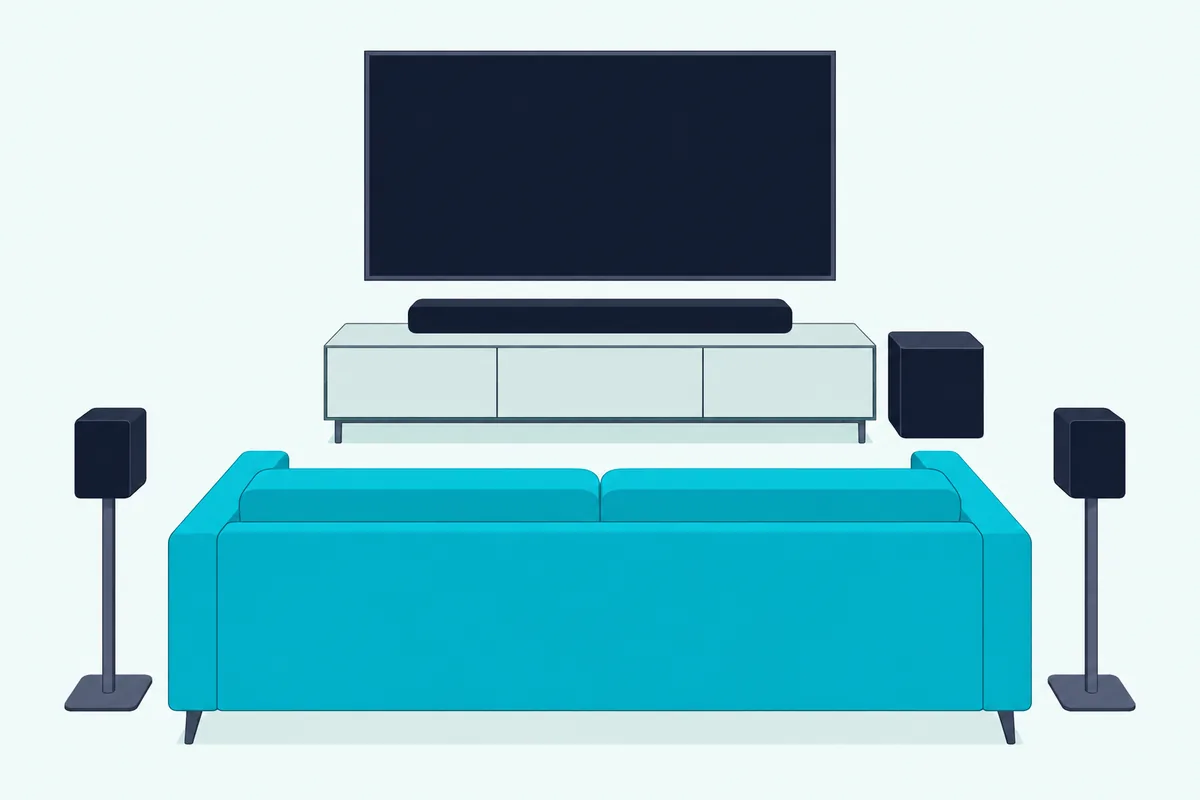
Already own a Bose Bass Module 700? It’s on the Smart Ultra’s list, while Sonos’s pages list only Sonos subwoofers for the Arc and Arc Ultra, so the speakers already in your ecosystem can settle the choice.
Will Each Bar Fit Under Your TV?
Those add-ons need room of their own, but the bar itself has to fit under your screen first. The Smart Ultra is the narrowest at 41.14 inches wide and 2.29 inches tall, against 44.96 inches for the original Arc and 46.38 inches for the Arc Ultra, and Sonos pitches both Arcs at TVs of 50 inches and up.
Bose suggests a room of 12 by 14 feet for the Smart Ultra, while Sonos aims the Arc Ultra at large living rooms and open floor plans of 350 square feet or more. Twelve by 14 feet works out to 168 square feet, so Sonos is describing the bigger space.
Measure your screen first: a 55-inch TV is about 48 inches wide, so even the Arc Ultra fits under it, while a 43-inch set, about 37.5 inches wide, would leave all three overhanging.
Sonos aims its smaller Beam (Gen 2) and Beam Ultra at TVs up to 65 inches, and our guide to the Sonos bar that suits each size of room covers them. On a wall, both makers want at least 4 inches (10 cm) between the bar and the TV.
Where Does the Bose Lifestyle Ultra Fit In?
Those sizes cover the Smart Ultra, but Bose has since added a bar it calls its most powerful yet. Bose announced the Lifestyle Ultra Soundbar on May 5, 2026, and its product page says it builds on the previous Smart Ultra, while Bose’s US store still sells the Smart Ultra alongside it.
It’s a different system, though. Bose’s Lifestyle Ultra page lists only a pair of Lifestyle Ultra Speakers as its surrounds, not the Surround Speakers 700, and says a Bass Module 700 connects only by wire.
If you’re still choosing among Bose bars, how the Smart Ultra differs from Bose’s smaller Smart Soundbar covers that step down. For every bar from both brands, see Bose and Sonos compared as whole systems.
Which One Should You Buy for Your Room?
With the newer Bose in view, the choice still comes down to your phone, your TV’s ports and the speakers you already own. Choose the Arc Ultra for a large or open room, Trueplay from any phone and Sonos headphones or speakers, and the Smart Ultra for ADAPTiQ in the box, an optical cable for an older TV, Google Cast and Voice4Video.
The original Arc makes sense only if you find it new and your household has an iPhone for Trueplay. Its spec sheet lists no Bluetooth, and its Wi-Fi is 2.4 GHz only.

For a big room or a Sonos system, the Sonos Arc Ultra in white is the pick.
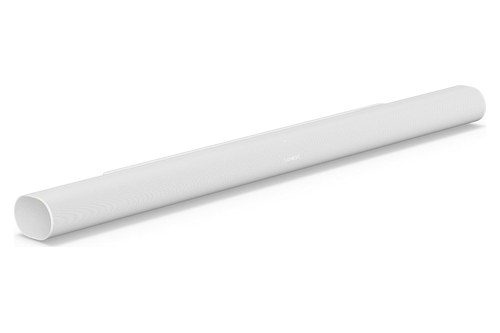
the Sonos Arc Ultra in white
For Bose’s room calibration and the most ways to stream, the Bose Smart Ultra Soundbar in white fits better.
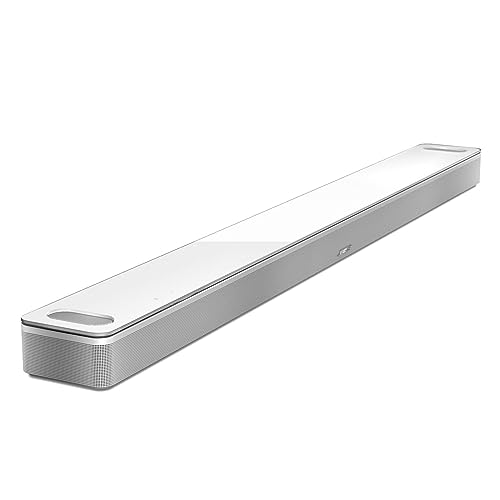
the Bose Smart Ultra Soundbar in white
Every pick met Burton Acoustix’s rating, review and stock checks on 30 October 2026.
The Bottom Line
So the Bose Smart Ultra Soundbar vs Sonos Arc choice turns on which Arc and which system. The Arc Ultra brings Bluetooth 5.3, Wi-Fi 6 and Trueplay from any phone, the Smart Ultra brings ADAPTiQ, an optical cable and Google Cast, and the original Arc suits iPhone homes if you can still find one new.
The descriptions come from Bose’s and Sonos’s owner’s guides and spec pages, and the lab verdicts are RTINGS’s.
Frequently Asked Questions
Is the Sonos Arc discontinued?
Sonos’s store lists the original Arc as out of stock under its Last Chance label, and its Arc Ultra page calls the Arc the previous generation. Sonos’s support pages still list the Arc for Sub Mini, AirPlay and TV Audio Swap.
Does the Bose Smart Ultra Soundbar have an HDMI input?
No. Bose says sources such as a cable box or game console connect to the TV, with one HDMI or optical cable from the TV to the bar, and no video passes through it. The Arc and Arc Ultra also have a single HDMI port, for the TV.
Can the Arc Ultra connect to a TV with only an optical port?
Yes, with Sonos’s Optical Audio Adapter, which Sonos sells separately for the Arc Ultra. It attaches to the included HDMI cable and plugs into the TV’s optical out. The original Arc came with that adapter in the box, and the Smart Ultra includes an optical cable.