Best Acoustic Panels for Music Room: Setup and Placement Guide [2026]
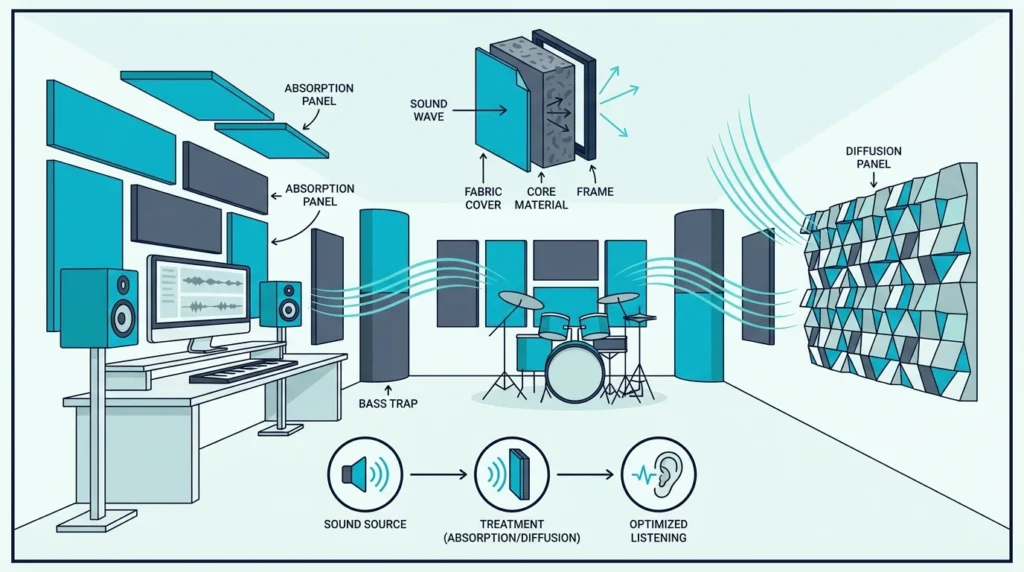
Best acoustic panels for music room make a real difference in how clearly you hear yourself play — but only when matched to your instrument type, and most setups treat every instrument the same.
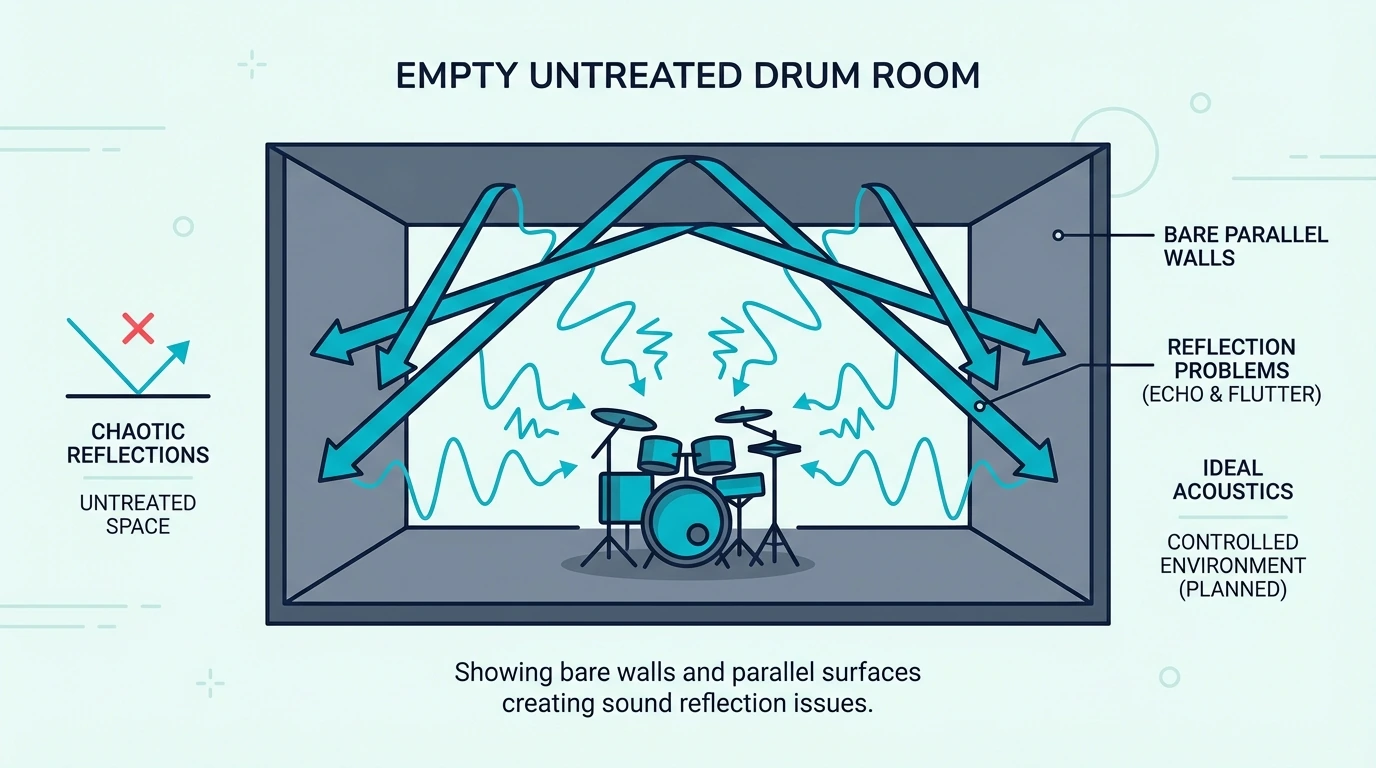
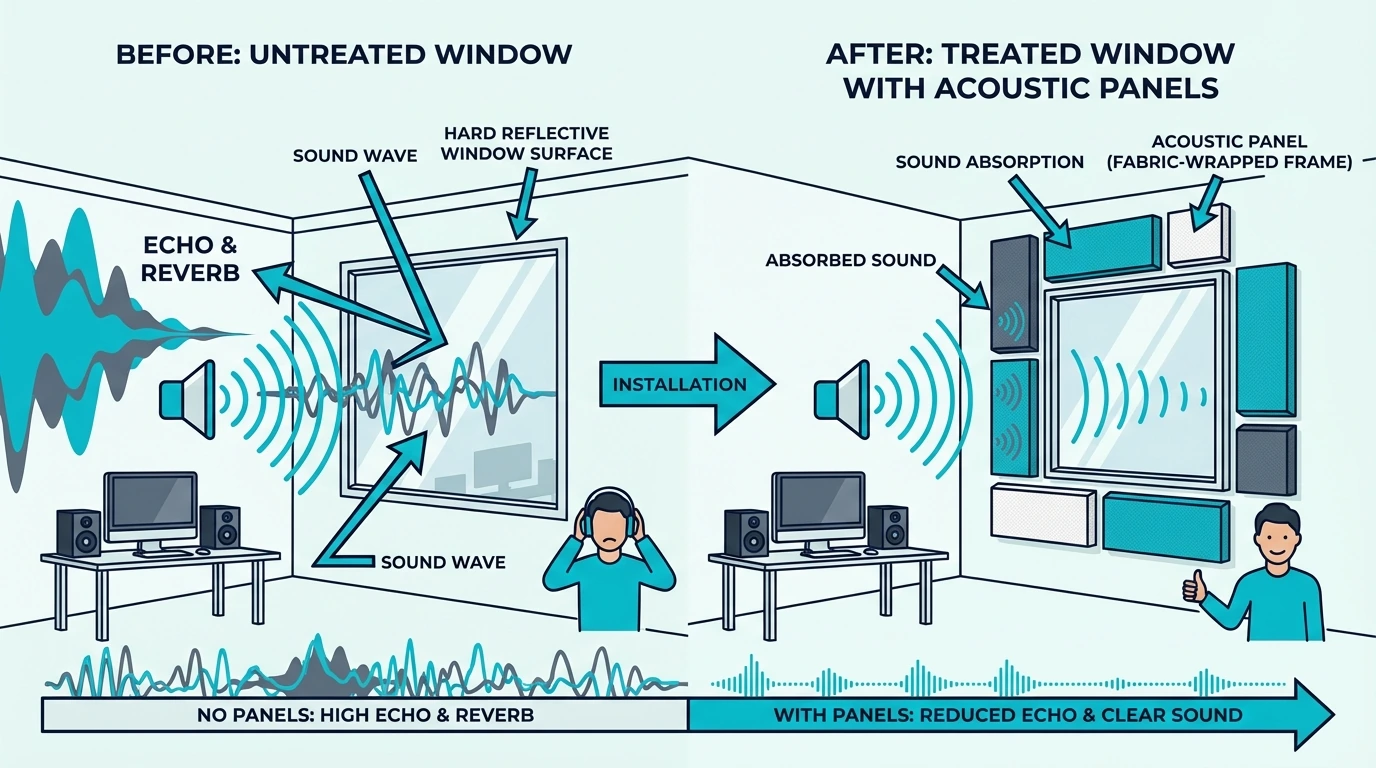
Practice rooms with parallel bare walls create flutter echo that masks timing errors and buries nuance. Vocals blur together, guitar tones smear, and piano note separation disappears.
What feels like a skill plateau is often just an acoustic problem.
The right panels in the right positions let you hear exactly what your instrument is doing, which makes every practice session more useful. Below you’ll find the best panels for each instrument type, how many you need by room size, and where to place them — you’ll have a clear treatment plan by the end.
Acoustic panels for music room reduce the echo and reverb that muddy your practice sessions, letting you hear your instrument clearly. For drummers needing low-frequency control, add dedicated corner bass traps to tame kick drum and bass guitar frequencies.
Top Picks for Music Room Panels
These panels consistently deliver the clearest improvement across different instruments and room sizes.
Best Overall: The UMIACOUSTICS 4-Pack with Brackets earns the top spot with its 2-inch fiberglass core that handles vocals, guitar, and piano frequencies. The included mounting hardware eliminates guesswork.
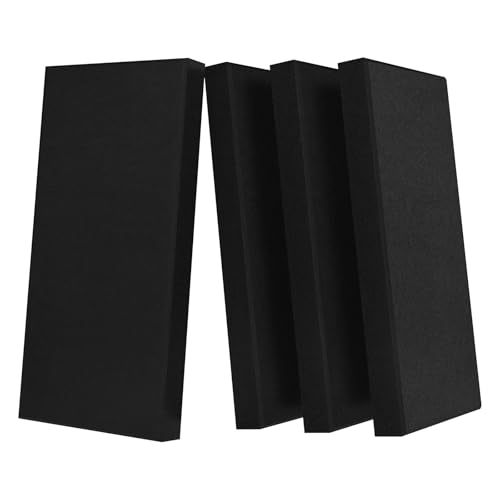
UMIACOUSTICS 4-Pack with Brackets
Best for Instruments: The TONOR Dual-Layer Panels excel at absorbing the wider frequency range that instruments produce. The dual-layer construction handles both high and mid frequencies effectively.
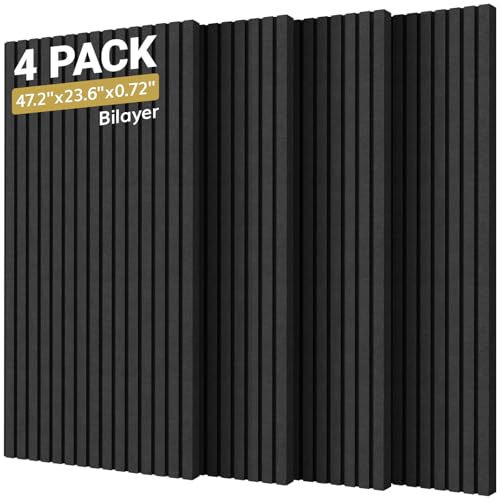
TONOR Dual-Layer Panels
Best Budget: The 18 Pack Black Acoustic Panels give musicians on a budget enough material to treat their primary playing area without breaking the bank.
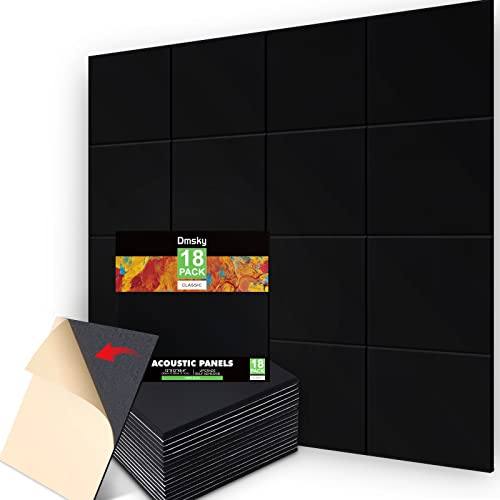
18 Pack Black Acoustic Panels
Best Bass Trap: The 12 Pack Bass Traps are essential for drummers and bass players. Standard panels don’t touch low frequencies — you need corner treatment for that.
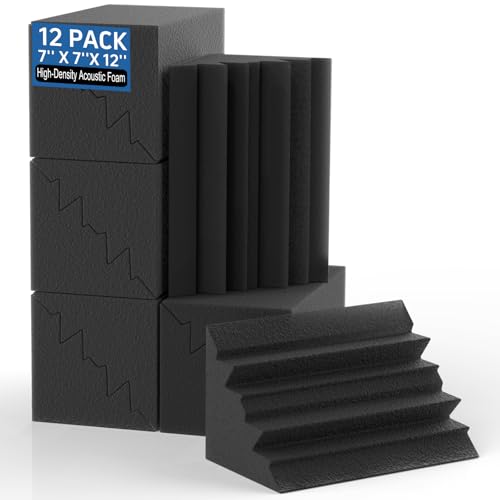
12 Pack Bass Traps
Why Music Rooms Need Acoustic Treatment
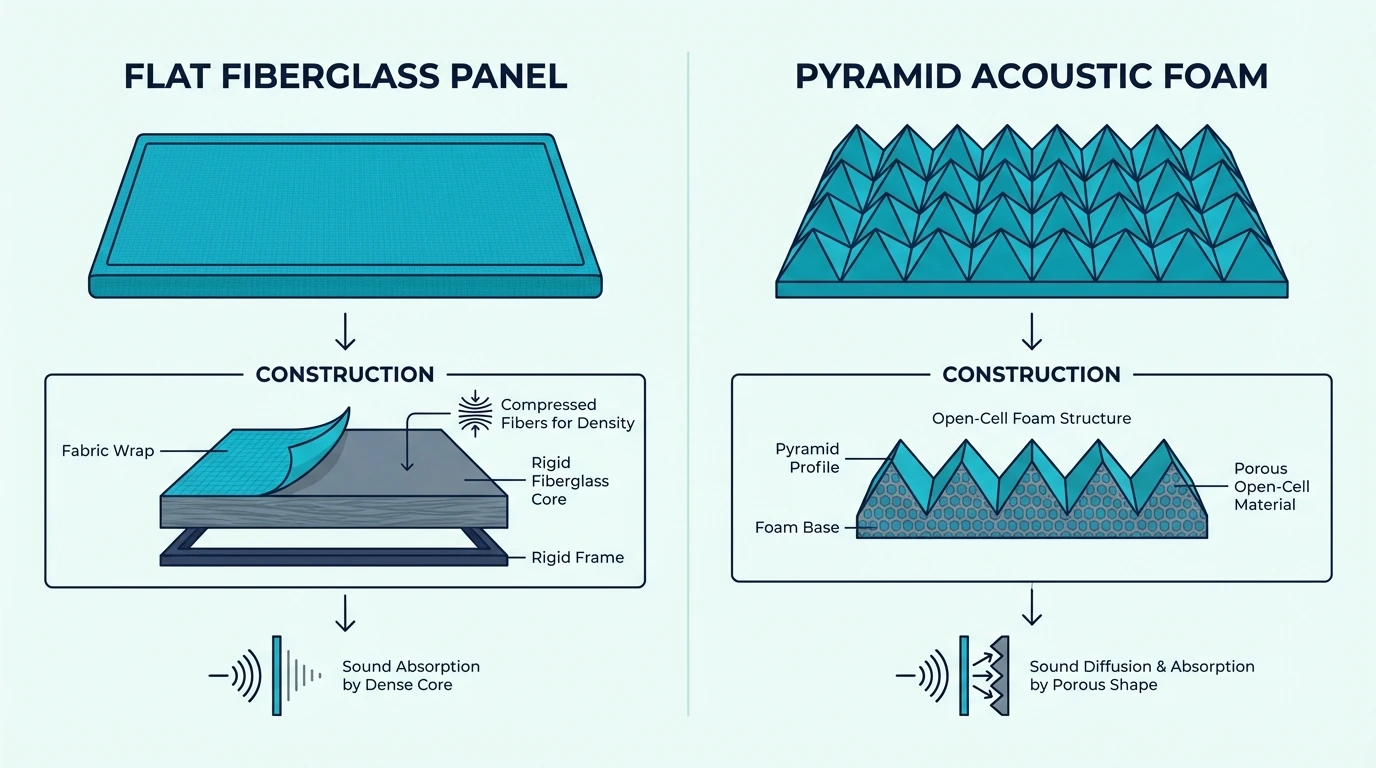
Sound in small practice rooms works against clear practice — the physics of parallel walls, hard surfaces, and low ceilings create problems that panels solve.
Reduce Echo and Reverb
Untreated rooms add their own reverb to everything you play. Fast passages blur together because notes overlap with their own reflections.
Sustained notes ring with uneven coloration from room modes.
This extra reverb isn’t the pleasing kind you hear in concert halls. It’s short, harsh, and masks the detail in your playing.
You can’t hear whether your vibrato is even or your timing is tight. Acoustic panels absorb these early reflections, revealing the pure sound of your instrument.
Better Sound for Practice
Practicing in a treated room accelerates improvement because you hear your actual mistakes. In a reverberant room, the room covers subtle timing errors and tonal inconsistencies.
You think you sound better than you actually do.
Panels strip away this false flattery. Every detail becomes audible — which means every detail becomes correctable.
Musicians who practice in treated spaces develop better ears faster. The room stops lying to you.
The installation guide covers every mounting method for getting panels up quickly.
Panels Don’t Stop Noise Leaving (Important!)
Clearer practice sound is one thing, but many musicians assume treatment also keeps the noise from bothering neighbors. Acoustic panels will NOT soundproof your music room. They don’t stop sound from traveling through walls to neighbors or other rooms in your house.
Panels absorb sound inside your room — they don’t block it from escaping. If you’re playing drums at 2 AM, your neighbors will still hear you.
That requires mass-loaded vinyl, double-layer drywall, decoupled framing, and other construction-level solutions. Understanding how absorption differs from soundproofing prevents buying the wrong product.
What panels DO accomplish: they make your room sound better to you while you’re playing. That’s a worthy goal on its own, but don’t expect them to solve noise complaints.
Get Studio Tips Weekly
Join 5,000+ creators getting acoustic treatment advice every week.
No spam. Unsubscribe anytime.Best Acoustic Panels for Vocals and Guitar
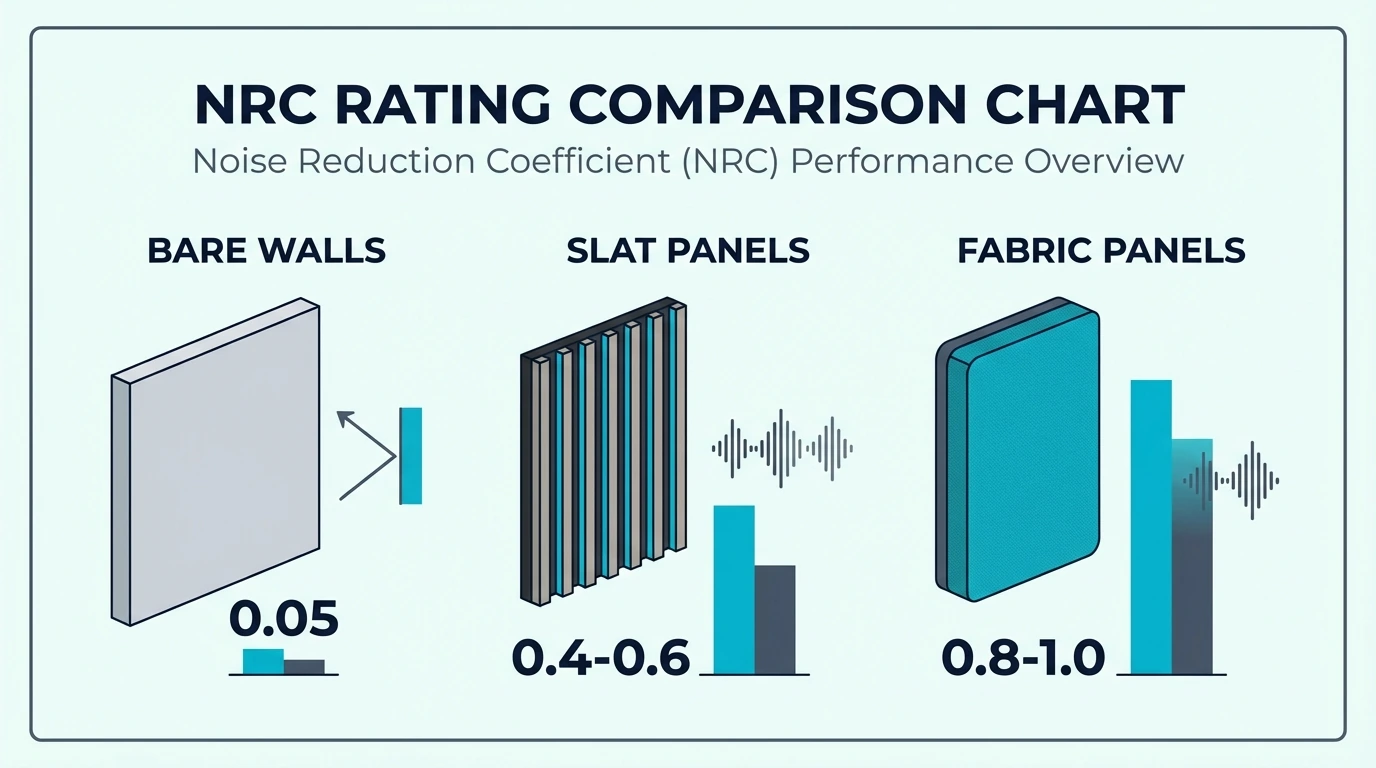
Vocalists and guitarists produce similar frequency ranges — both benefit from 2-inch fiberglass panels that absorb the 200-4000Hz band where voice and guitar fundamentals live.
UMIACOUSTICS with Hanging Bracket
The UMIACOUSTICS Panels with Bracket hit the sweet spot for vocal and guitar practice. The 2-inch fiberglass core absorbs the 200-4000Hz range where voice and guitar fundamentals live.
At 4.6 stars with 126 reviews, these panels have proven themselves across many home practice setups. The included mounting brackets are a genuine convenience — no hunting for compatible hardware.
For singers working on tone and breath control, these panels reveal subtleties that reverberant rooms hide. Guitarists hear pick attack and finger noise more clearly, enabling precise technique work.
Olanglab Fiberglass Panels
The Olanglab Fiberglass Panels offer genuine acoustic performance at a competitive price. The fiberglass core outperforms foam alternatives by a wide margin.
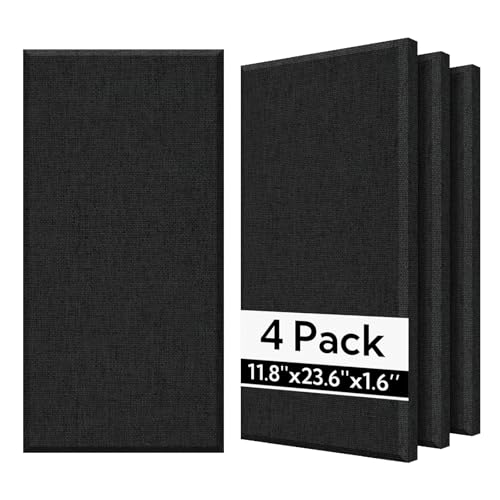
Olanglab Fiberglass Panels
For acoustic guitarists especially, the clean absorption helps you hear the natural tone of your instrument. Finger squeaks, string buzz, and body resonance all become more distinct.
UMIACOUSTICS Standard Pack
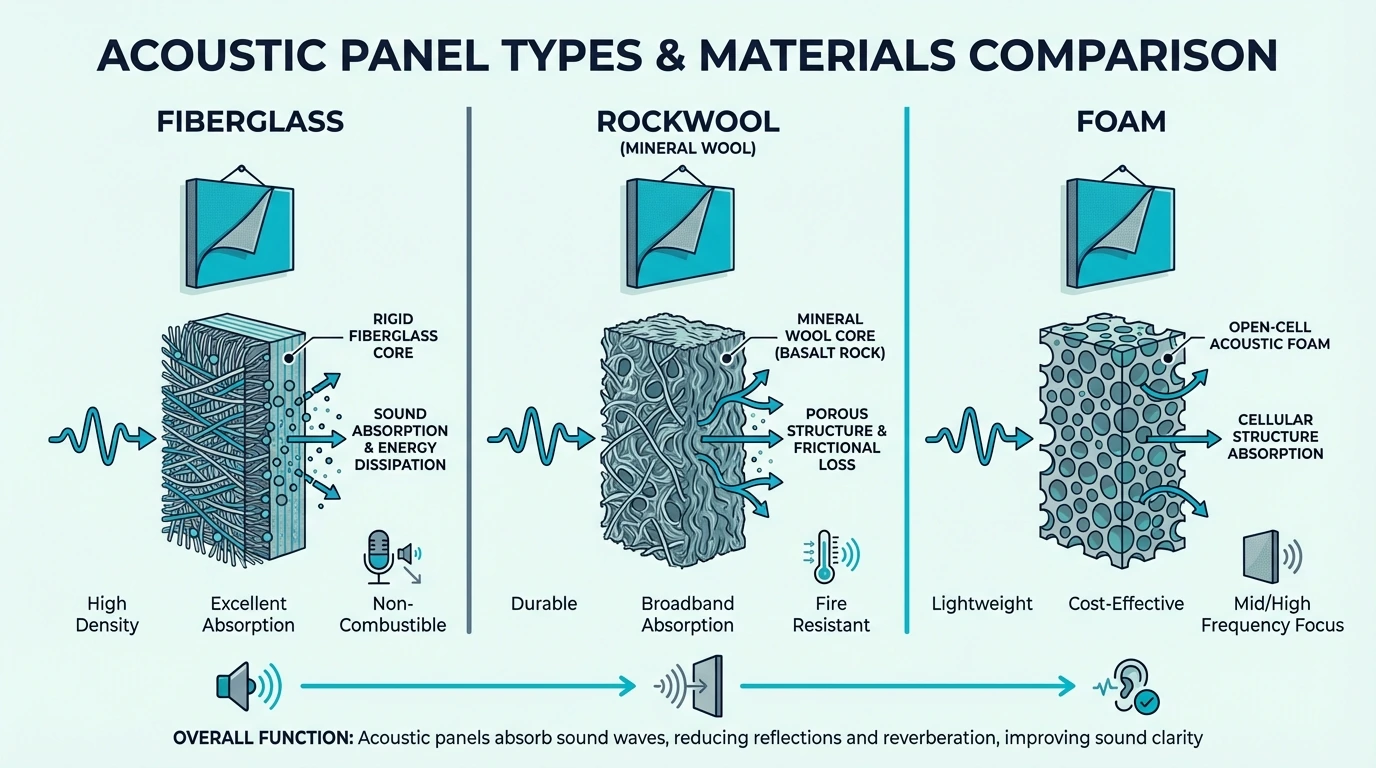
The UMIACOUSTICS Standard 4-Pack delivers the same fiberglass quality without the mounting brackets. If you already have Command strips or picture hangers, this saves money without sacrificing absorption.
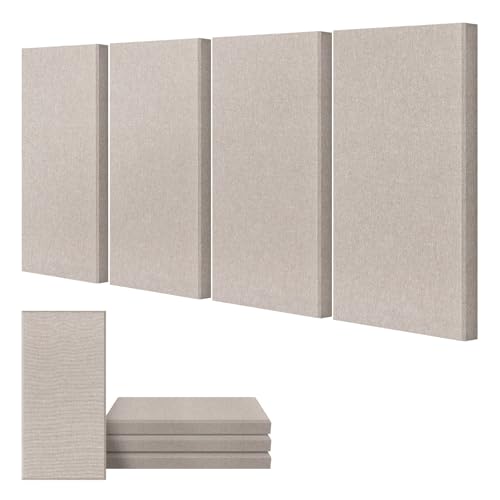
UMIACOUSTICS Standard 4-Pack
With 199 verified reviews, these panels have earned their reputation in home practice rooms. The 2-inch thickness handles vocal and guitar frequencies effectively.
Best Panels for Piano and Keyboard
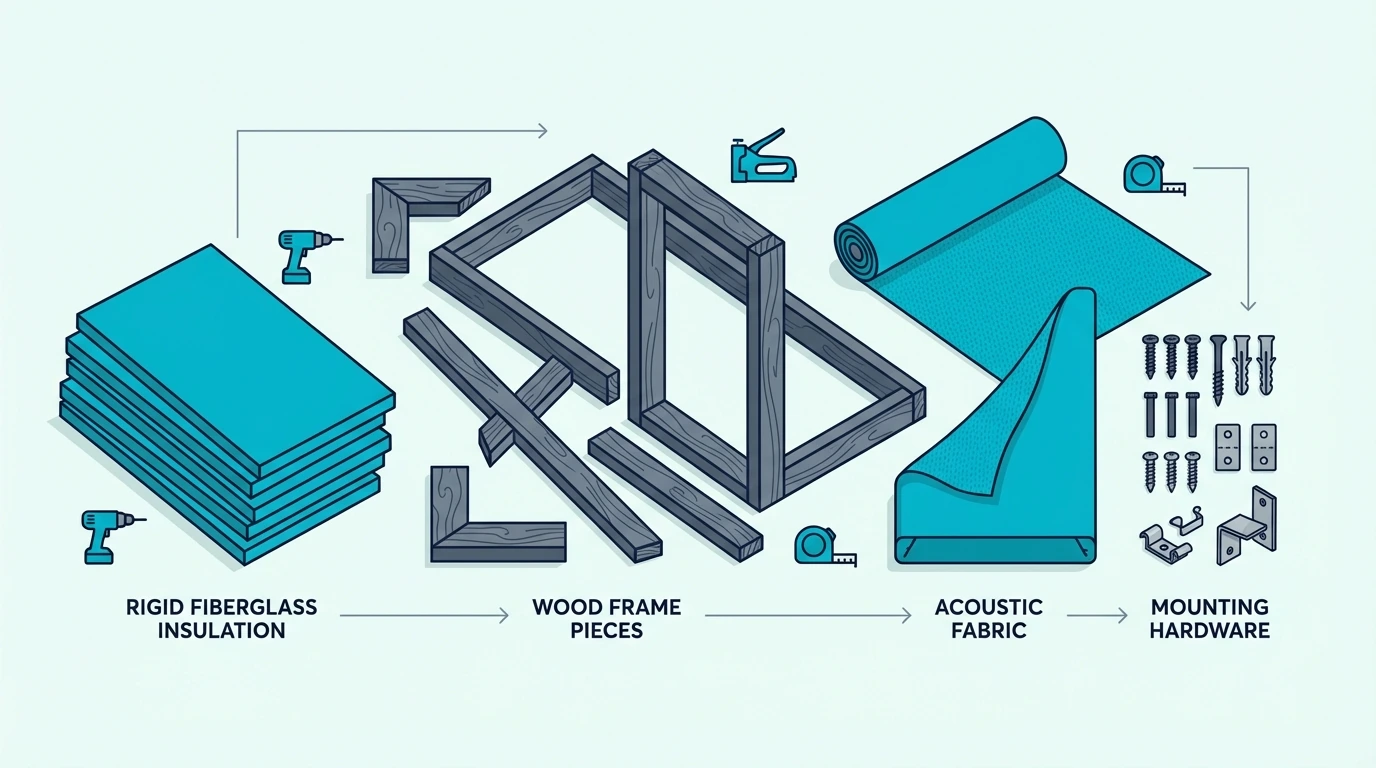
Piano produces a wider frequency range than most instruments, requiring slightly different treatment — thicker panels and broader coverage handle the full keyboard span from bass notes to high treble.
TONOR Dual-Layer Panels
The TONOR Dual-Layer Panels excel at handling the wide frequency range of piano. The dual-layer construction absorbs more effectively across the spectrum from bass notes to high treble.
Each panel spans nearly four feet, meaning fewer panels cover more wall area. For a dedicated piano room, four panels treat the wall behind the instrument effectively.
At 868 reviews, these panels have proven themselves with home musicians. The professional appearance suits practice rooms that also serve as living spaces.
Large Coverage Panels
The 2-Pack Fabric Acoustic Panels offer an entry point for pianists unsure about acoustic treatment. At the low price, you can experiment with placement before committing to larger orders.
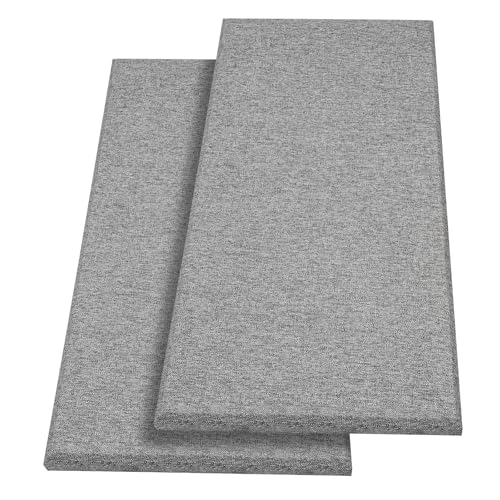
2-Pack Fabric Acoustic Panels
Start by placing these behind your piano, where direct reflections return to your ears. If you hear improvement, order more panels to expand coverage.
For custom sizing around piano alcoves, the panel cutting guide covers every material type safely.
Best Panels for Drums (Bass Traps Essential)
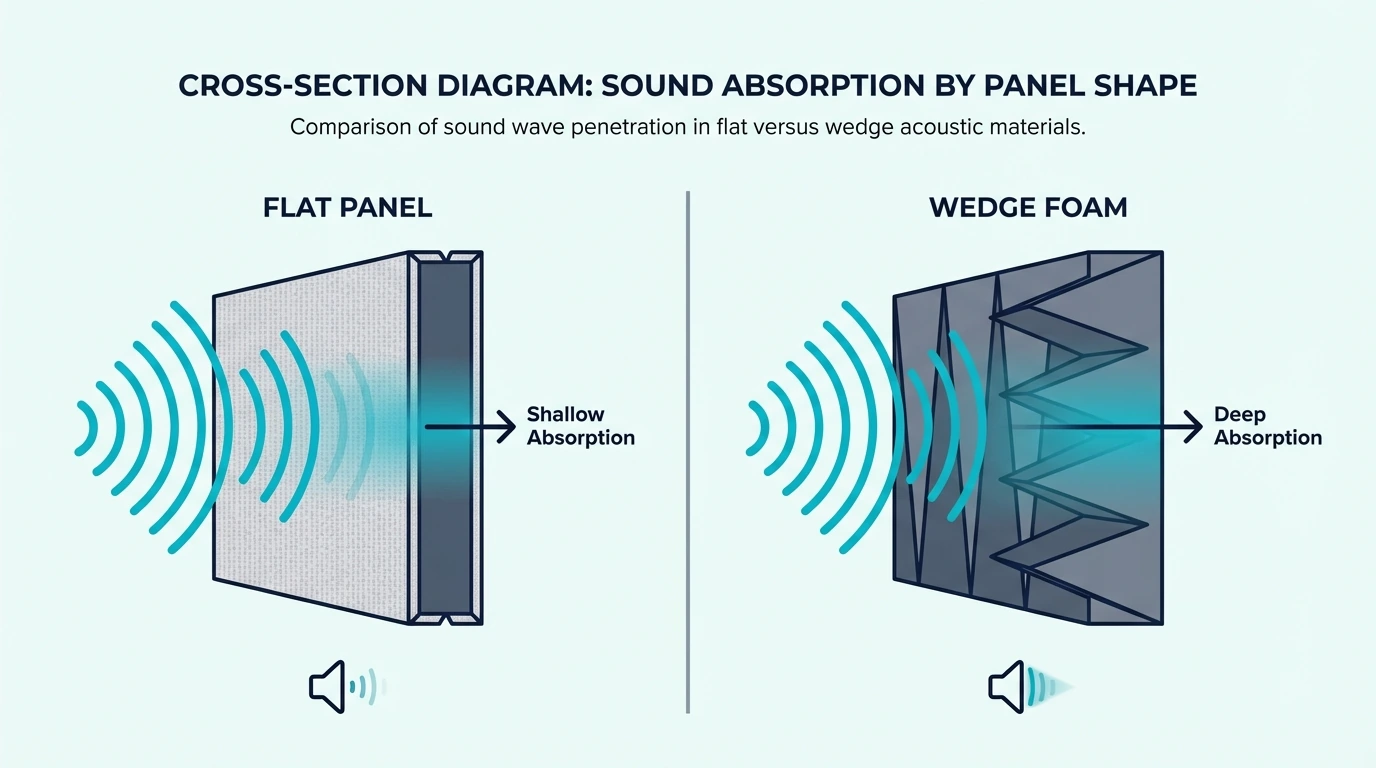
Drums require a fundamentally different approach than melodic instruments — standard acoustic panels barely touch the frequencies that kick drums and floor toms produce.
Why Drums Need Bass Traps
Kick drums and floor toms generate frequencies below 100Hz. Standard 2-inch acoustic panels absorb almost nothing at these frequencies — the wavelengths are simply too long.
Bass traps work differently. Their larger size and corner placement allow them to absorb low frequencies that panels can’t touch.
For drummers, bass traps are mandatory, not optional. Panels clean up cymbals and snare, bass traps clean up kick and toms — you need both for a complete drum treatment.
12 Pack Corner Bass Traps
The 12 Pack Bass Traps provide enough material to treat all four corners of your drum room. The triangular design fits snugly into corners where bass frequencies accumulate.
At the budget price, these are accessible for home drummers. They won’t match professional fiberglass bass traps, but they make a real difference in practice room clarity.
TroyStudio Bass Traps
The TroyStudio Bass Traps offer the most affordable entry into bass control. The smaller size works in tight practice spaces where larger traps won’t fit.
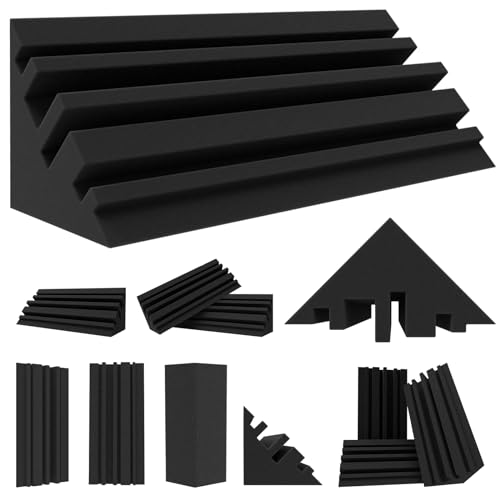
TroyStudio Bass Traps
Stack these floor to ceiling in your corners for maximum effect. At this price, buying multiple packs makes financial sense.
Delta Bass Traps
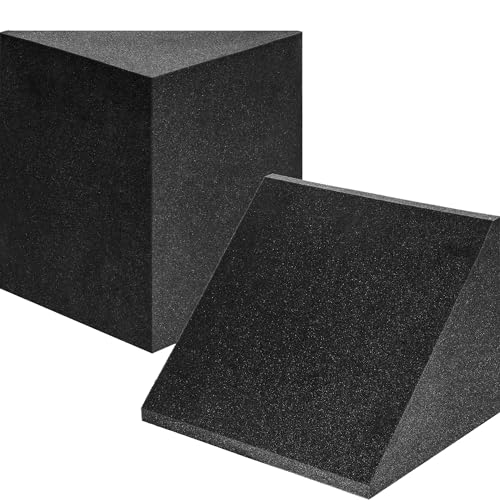
The Delta Bass Traps feature a larger triangular design that catches more bass energy. The professional appearance suits practice rooms that guests might see.
Delta Bass Traps
Place these in the corners behind your drum kit where kick drum reflections build up. Two packs covers all four corners at floor level.
Sonic Acoustics Corner Panels
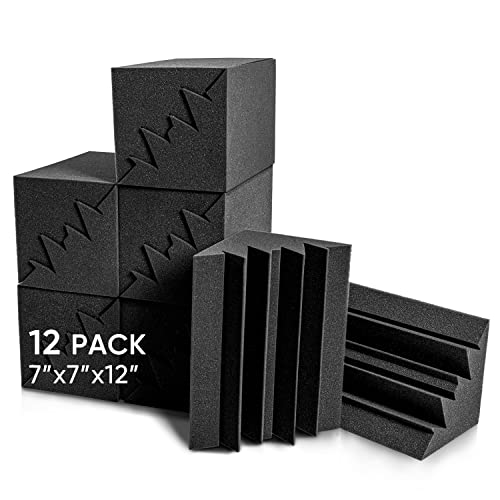
The Sonic Acoustics 12-Pack combine quantity and value effectively. With 1,540 verified reviews, these traps have proven themselves in countless home drum setups.
Sonic Acoustics 12-Pack
The 12-piece count means you can stack multiple traps per corner, increasing bass absorption. Budget drummers can treat their room thoroughly without major expense.
How Many Panels Do You Need?
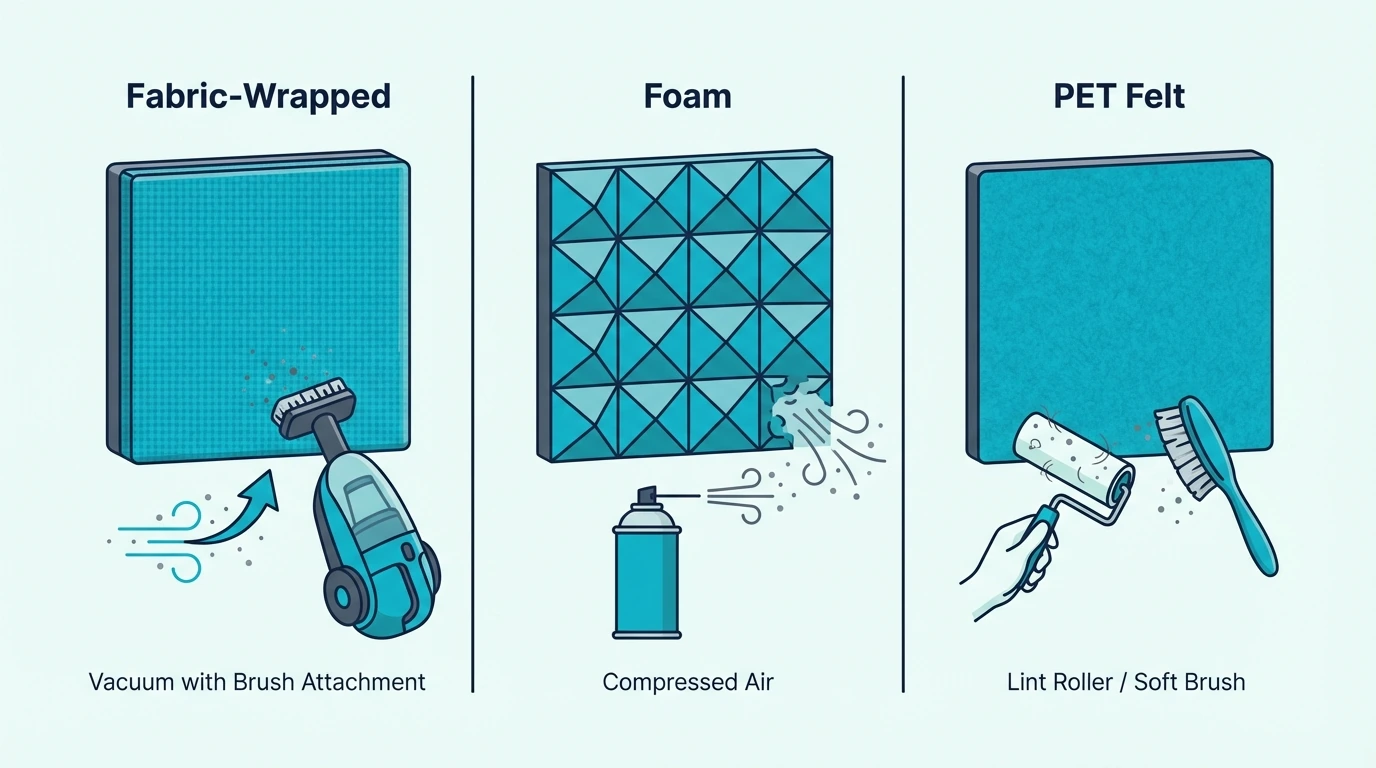
Coverage matters more than panel count, but rough guidelines help with planning and budgeting. The panel count calculator gives room-specific numbers based on your exact dimensions.
Vocal and Guitar Practice
For a small practice space focused on voice or acoustic guitar, 4-8 panels provides meaningful improvement. Concentrate them at your first reflection points — the walls directly beside and behind your playing position.
You don’t need floor-to-ceiling coverage. Strategic placement of limited panels outperforms random scattering of many panels.
Piano Room
Pianos project sound in multiple directions, requiring slightly more coverage. Plan for 8-12 panels covering the walls behind and beside the instrument.
The lid position matters too. With the lid open, more sound projects upward — ceiling treatment becomes more important.
With the lid closed, wall treatment dominates.
Drum Room
Drums need the most treatment due to their volume and frequency range. Plan for 12+ panels on walls plus bass traps in all four corners.
Prioritize the walls behind your kit first, then add side wall treatment. Ceiling treatment helps with cymbal wash if your budget allows.
Where to Place Acoustic Panels in a Music Room
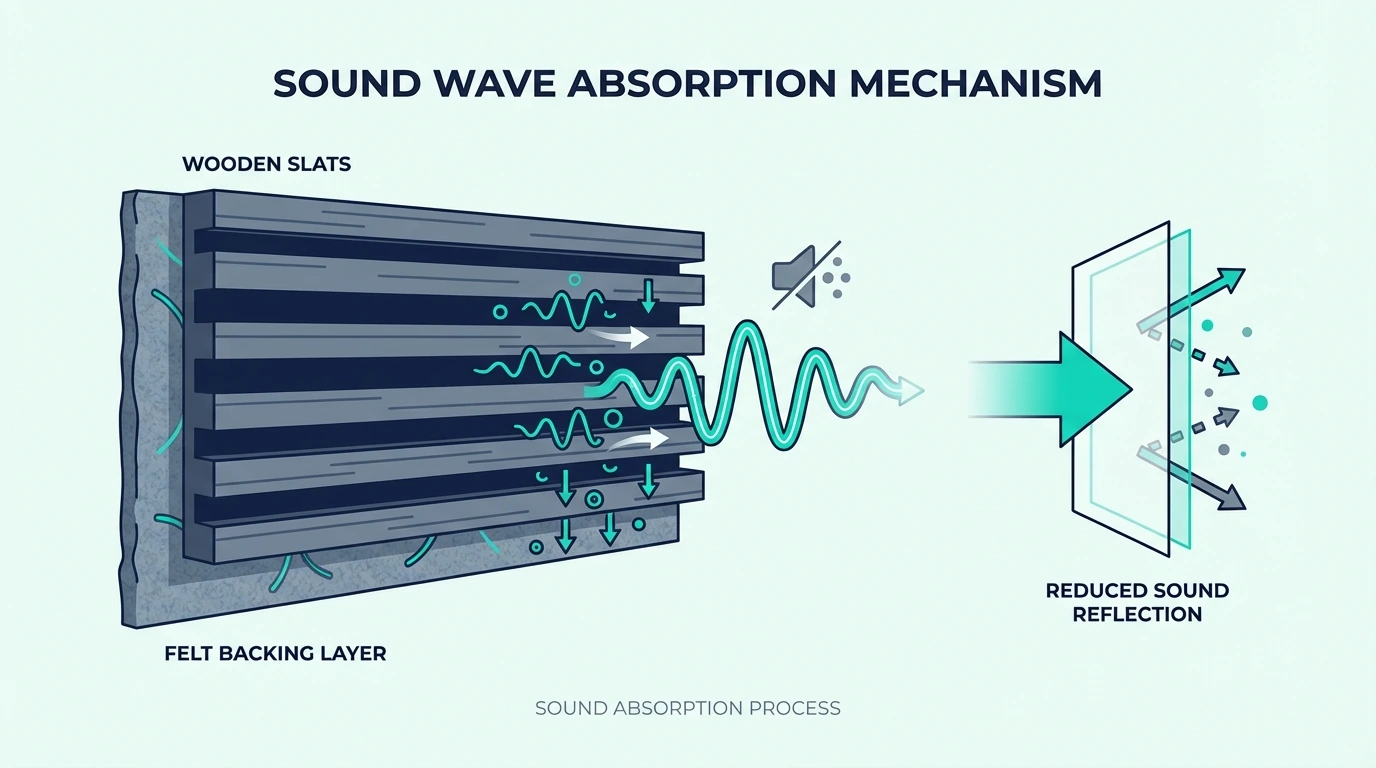
Position matters more than quantity — four panels at first reflection points outperform a dozen scattered randomly. The placement guide covers the mirror trick and other positioning methods in full detail.
First Reflection Points
The first reflection points are exactly those high-impact spots the bridge above describes. Sit or stand at your playing position and have someone slide a mirror along each wall.
Wherever you can see your instrument in the mirror marks a first reflection point — treat these spots first. These reflections arrive at your ears just milliseconds after the direct sound, creating comb filtering that colors your tone.
The Wall Behind You
The wall behind your playing position sends reflections back toward your instrument and ears. This creates coloration in the mid and high frequencies that affects how you perceive your tone.
For singers especially, this wall treatment matters most. Vocal nuances become much clearer when rear wall reflections stop competing with your direct voice.
Corners (For Bass)
Standard panels don’t absorb bass — you need corner bass traps for low frequencies. This applies especially to drums, bass guitar, and piano’s lower octaves.
Bass energy accumulates in corners due to room modes. Treating corners with bass traps reduces the boom and mud that obscures low-end clarity.
The panel density guide explains how core weight affects low-frequency absorption.
Budget Options for Musicians
Effective treatment doesn’t require premium prices — musicians on tight budgets can still get meaningful improvement with the right product choices.
18 Pack Black Panels
The 18 Pack Black Panels provide maximum coverage at minimum cost. Eighteen panels covers enough wall area to treat a small practice room’s critical spots.
The thinner profile means less bass absorption, but for voice and guitar practice, these work well. Focus them on your first reflection points for best results.
Painting panels to match your room is possible — the painting guide explains what that does to NRC and when it’s acceptable.
Secondary Olanglab Option
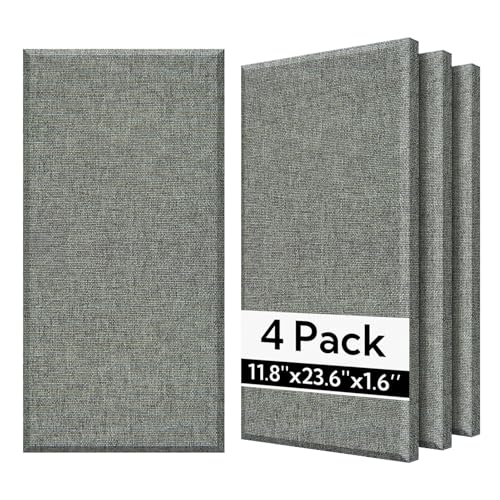
The Olanglab Fiberglass Panels offer a step up from budget options. The fiberglass core provides noticeably better absorption than polyester alternatives.
Olanglab Fiberglass Panels
For musicians planning to upgrade their practice room over time, starting with quality fiberglass panels makes sense. You won’t outgrow them as your ear develops.
If you’re renting or plan to redecorate later, the removal guide shows how to take panels down without wall damage.
Instrument-Specific Treatment Summary
Different instruments need different panel specs — this table gives a quick reference for each category.
| Instrument | Panel Thickness | Bass Traps? | Priority Placement |
|---|---|---|---|
| Vocals | 2” | Optional | Behind singer, first reflections |
| Guitar | 2” | Optional | Behind amp/player, first reflections |
| Piano | 2-4” | Recommended | Behind piano, sidewalls |
| Drums | 4” + bass traps | Essential | All corners, behind kit |
Vocalists and guitarists share similar needs — 2-inch panels at first reflection points handle both instruments well. Pianists benefit from thicker panels and broader wall coverage due to the instrument’s wider frequency output.
Drummers face the biggest challenge because standard panels absorb almost nothing below 200Hz. Corner bass traps are non-negotiable for any drum practice space.
Panel NRC ratings help compare absorption performance across different products.
Conclusion
Acoustic panels for music room depend on what you play and how seriously you practice. Vocalists and guitarists benefit from 2-inch panels at first reflection points.
Pianists need broader coverage for their wider frequency range. Drummers must add bass traps — there’s no way around it.
For most musicians, the UMIACOUSTICS 4-Pack with Brackets provides the best starting point. The 2-inch fiberglass handles voice and instrument frequencies effectively, and the included mounting hardware simplifies installation.
Start with first reflection points — the spots where sound bounces directly from your instrument to your ears. Four well-placed panels outperform a dozen scattered randomly.
Drummers should pair wall panels with corner bass traps for low-frequency control. Standard panels won’t touch kick drum frequencies — only corner treatment handles that range.
The complete acoustic panels guide covers additional options beyond what’s listed here.
Budget-conscious musicians can start with the 18 Pack Black Panels to experience the improvement before investing in premium treatment.
Frequently Asked Questions
Will acoustic panels soundproof a music room?
No. Panels improve how your room sounds inside — they don’t stop sound from reaching neighbors.
Soundproofing requires construction-level solutions like mass-loaded vinyl, double drywall, and decoupled framing.
The home theater panel guide discusses this limitation in detail for rooms where both sound quality and noise isolation matter.
Do drummers need bass traps for guitar practice?
Optional but beneficial. Acoustic guitar fundamentals reach down into bass territory, and bass traps help clean up muddy low end.
For electric guitar through an amp, bass traps become more important — especially for high-gain tones.
How thick should panels be for music rooms?
2-inch panels handle most instruments well. For drums or bass-heavy practice, 4-inch panels work better, though you’ll still need corner bass traps for true low-frequency control.
Can foam panels replace fiberglass?
Foam works for light absorption and high frequencies, while fiberglass provides broader, deeper absorption across the full spectrum.
For serious practice, fiberglass is worth the investment.
How many panels for a 10×12 room?
Start with 8-12 panels covering first reflection points and the wall behind your playing position. Add more based on results — you’ll hear when you’ve treated enough.
Should the ceiling be treated?
For drums and piano, ceiling treatment helps noticeably. For voice and guitar, wall treatment handles most problems.
Treat walls first, then add ceiling panels if budget and need align.