Do I Need Acoustic Panels? [2026]
Do I need acoustic panels? Maybe — but buying them before you test the room is how people spend money and still end up with harsh calls, muddy dialogue, or recordings that sound more like the room than the source.
The real issue is usually not “I need panels everywhere.” It is reflection trouble in specific spots: hard surfaces, parallel walls, long decay after a clap, or poor clarity at the desk, sofa, or mix position. In softer furnished rooms, those problems can be mild enough that rugs, curtains, and placement changes solve most of it.
The good news: you can figure this out quickly. A clap test, a room-purpose check, and an honest look at your surfaces will tell you whether you need real treatment, a few targeted panels, or no purchase at all.
Below, you’ll see how to assess the room, what acoustic panels actually solve, how many you may need, and which panel options make sense if treatment is worth it for your space.
You need acoustic panels if your room has obvious echo, poor speech clarity, or recording and listening problems caused by reflections. Start with the clap test and your actual use case: home office, studio, theater, or casual living space. If your room is already soft and furnished, you may need only minimal treatment—or none at all.
Do I Need Acoustic Panels?
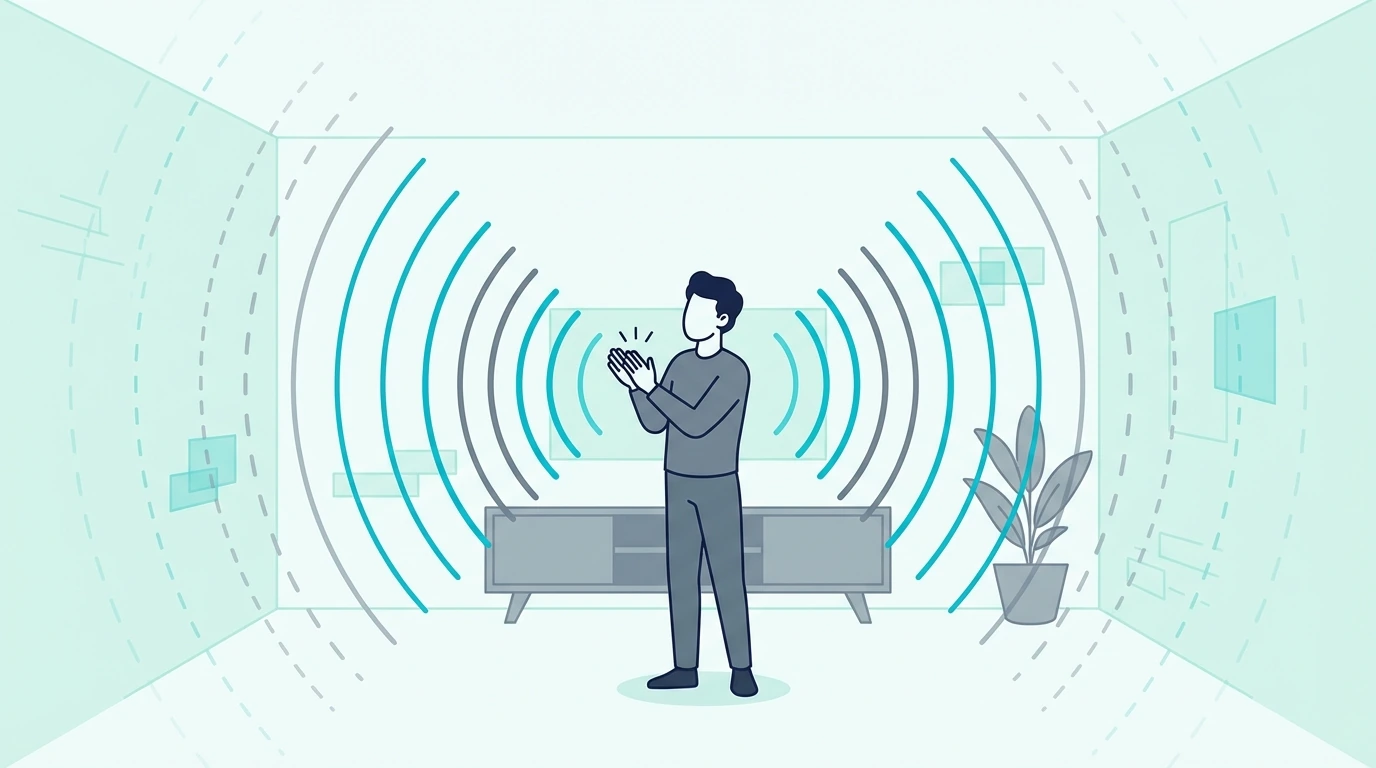
The short answer is: maybe. Acoustic panels solve specific problems that not every room has.
If your space has hard, parallel surfaces—bare walls, hardwood floors, large windows—sound bounces around uncontrollably. This creates echo, flutter, and poor audio clarity that panels are designed to fix.
The Clap Test: Your 3-Second Assessment
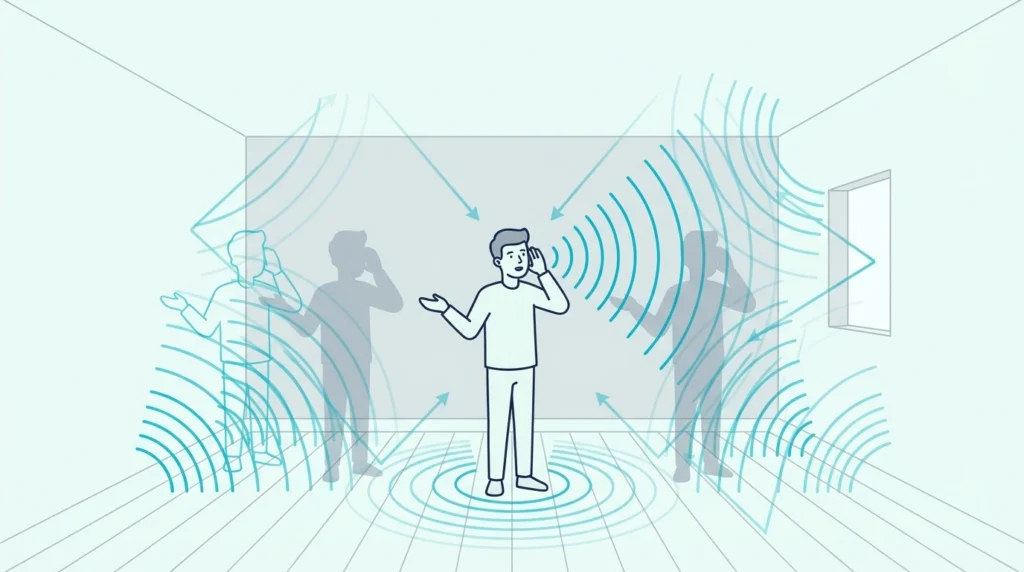
Here’s the fastest way to know if you need treatment. Stand in the center of your room and clap once, loudly.
Listen for what happens next. In a well-treated room, the sound dies quickly—within half a second. In a problematic room, you’ll hear ringing, flutter (rapid repeating echoes), or a long decay tail.
If you hear clear flutter echo or ringing that lasts more than a second, acoustic panels will make a noticeable difference. If the clap dies quickly and cleanly, your room may not need treatment.
Signs You Probably Need Panels
Several symptoms indicate your room would benefit from acoustic treatment. Echo on video calls is the most common complaint—colleagues or clients hear their own voice bouncing back with delay.
Home theater dialogue intelligibility issues are another telltale sign. If you constantly adjust the volume because dialogue sounds muddy but explosions are deafening, uncontrolled reflections are the culprit.
Recording quality problems show up differently. Vocals sound harsh or “roomy,” instruments lack definition, and mixing becomes guesswork because you can’t trust what you hear.
Signs You Probably Don’t Need Panels
Not every room requires acoustic treatment. If your space is already well-furnished with soft materials, you may have enough absorption naturally.
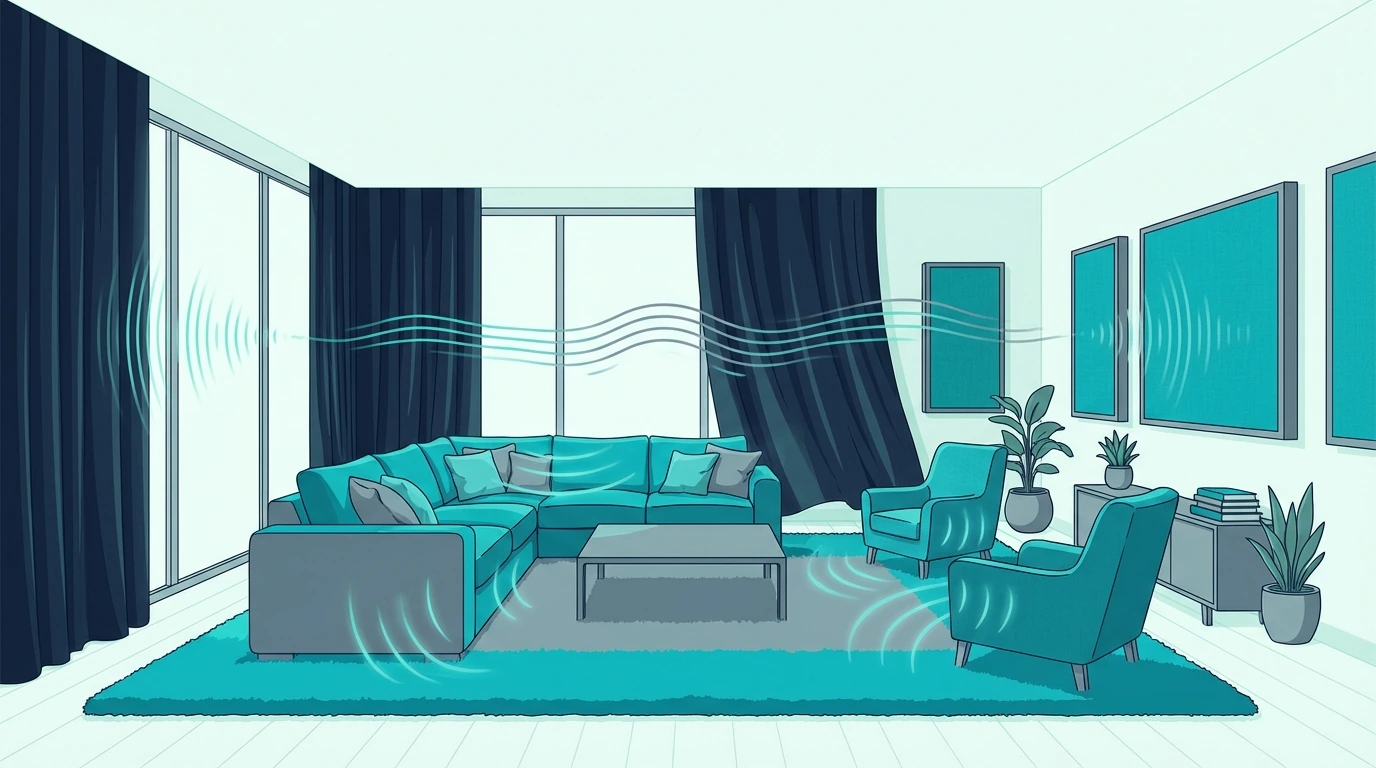
Carpet absorbs high frequencies. Heavy curtains on windows do the same. Bookshelves filled with books scatter sound (called diffusion). Upholstered couches, rugs, and soft furniture all contribute absorption.
If your room has these elements and the clap test sounds reasonably dead, additional panels might be overkill. Save your money for other upgrades.
What Problems Do Acoustic Panels Actually Solve?
Now that you understand the assessment process, let’s clarify exactly what panels do—and don’t do. This distinction prevents expensive mistakes.
Echo and Reverberation
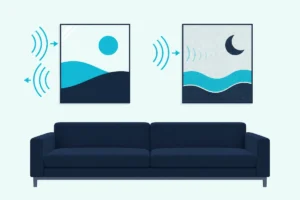
Acoustic panels absorb sound energy that would otherwise bounce between surfaces. Think of them like a sponge for sound—when audio hits the porous material, it gets absorbed and converted into tiny amounts of heat instead of bouncing back at you.
This reduces echo (distinct repeating reflections) and reverberation (the overall decay time of sound in a room). For more detail on this process, our guide on how acoustic panels work explains the physics.
Flutter Echo Between Parallel Walls
Flutter echo is that rapid “boing-boing-boing” sound you hear between two parallel surfaces. It’s particularly annoying in narrow hallways, between bare walls, or in rooms with high ceilings.
Even a few strategically placed panels break up flutter echo completely. This is often the most dramatic improvement you’ll notice—the room simply sounds “quieter” even at the same volume.
Recording and Listening Clarity
In studios and listening rooms, panels control early reflections that color what you hear. These reflections arrive within milliseconds of the direct sound and confuse your perception.
With proper treatment, you hear the source more accurately. Mixes translate better to other systems. Vocals sound cleaner without needing heavy processing. Learn more about where to place acoustic panels for optimal results.
What Panels Don’t Solve
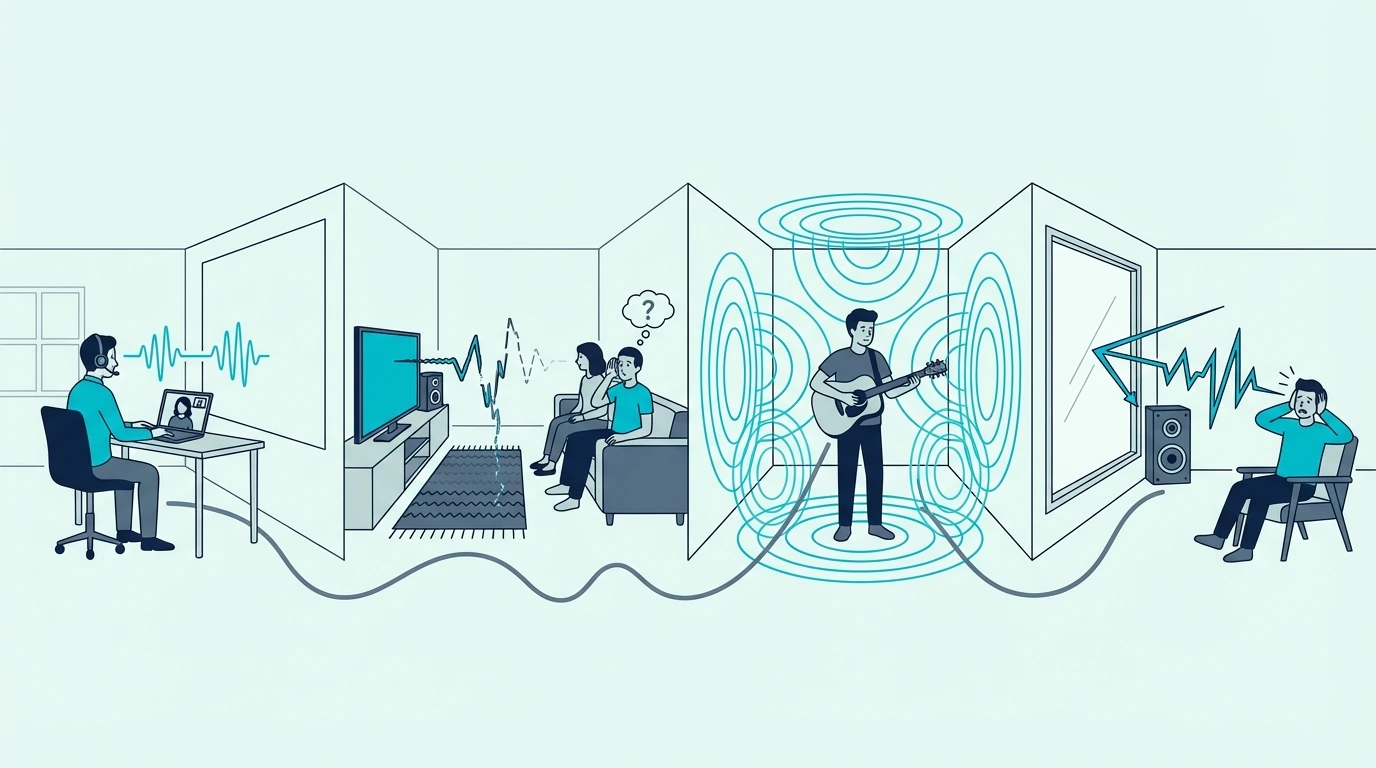
Here’s the critical distinction: acoustic panels don’t block sound between rooms. They only control sound within a room.
Think of it like window blinds versus brick walls. Panels are the blinds—they manage what happens inside, controlling light (or sound) that’s already there. But they won’t stop your neighbor’s music from coming through, just like blinds won’t block noise from outside.
If your problem is noise coming through walls from neighbors, traffic, or adjacent rooms, you need soundproofing—not acoustic panels. These are completely different solutions. Our comparison of acoustic panels vs soundproofing explains the difference in detail.
Panels also don’t fix bass problems effectively. Low frequencies require specialized bass traps, not standard panels. If you hear boomy bass or dead spots in your room, explore our guide on acoustic panels vs bass traps.
Get Studio Tips Weekly
Join 5,000+ creators getting acoustic treatment advice every week.
No spam. Unsubscribe anytime.Do Different Rooms Need Different Approaches?
Building on the problems panels solve, let’s examine specific room types. Your room’s purpose determines both whether you need panels and how many you’ll require.
Home Studios and Recording Spaces
Studios almost always need acoustic treatment. The goal is accurate monitoring—hearing your recordings without room coloration affecting your judgment.
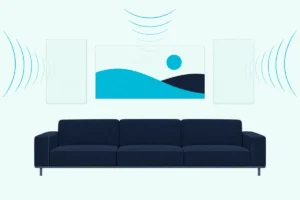
A typical bedroom studio needs coverage at the first reflection points: side walls at mixing position, the wall behind monitors, and the ceiling above. Our how many acoustic panels calculator helps determine exact quantities.
Start with 6-8 panels covering roughly 20-25% of wall surfaces. You can add more based on the clap test results after initial placement.
Home Theaters
Home theaters benefit significantly from panels, but the approach differs from studios. You want controlled reflections for immersive surround sound, not a completely dead room.
Focus on treating the front wall behind speakers and the first side-wall reflection points. Leave the back wall partially reflective for diffusion. This maintains the “cinema feel” while improving dialogue clarity.
Home Offices and Video Call Spaces
If echo on calls is your main complaint, you need less treatment than you might think. A few panels behind your desk and on the wall facing you often solve the problem completely.
If you want something that looks finished in a visible workspace, a decorative set like Acoustical Wall Panels, 6-Piece Art Acoustic Panels is easier to live with than purely utilitarian treatment.
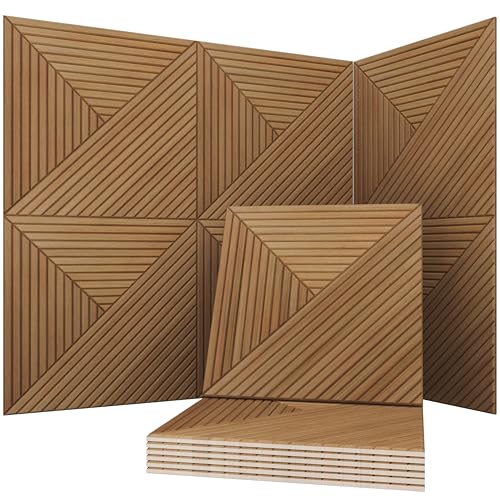
Acoustical Wall Panels, 6-Piece Art Acoustic Panels
The microphone only picks up what it “hears” in its pickup pattern. Treating the surfaces directly around your call position makes the biggest difference.
Bedrooms and Living Spaces
Most bedrooms and living rooms don’t need acoustic treatment unless you’re using them for specific audio purposes. The furniture, bedding, and soft materials already provide sufficient absorption.
If you do want panels for aesthetic reasons, choose decorative options that double as art. For help selecting panels, browse our acoustic panels resource hub.
How Do You Know How Many Panels You Need?
With the room-specific guidance above, let’s get practical about quantities. The formula is straightforward, but execution matters more than math.
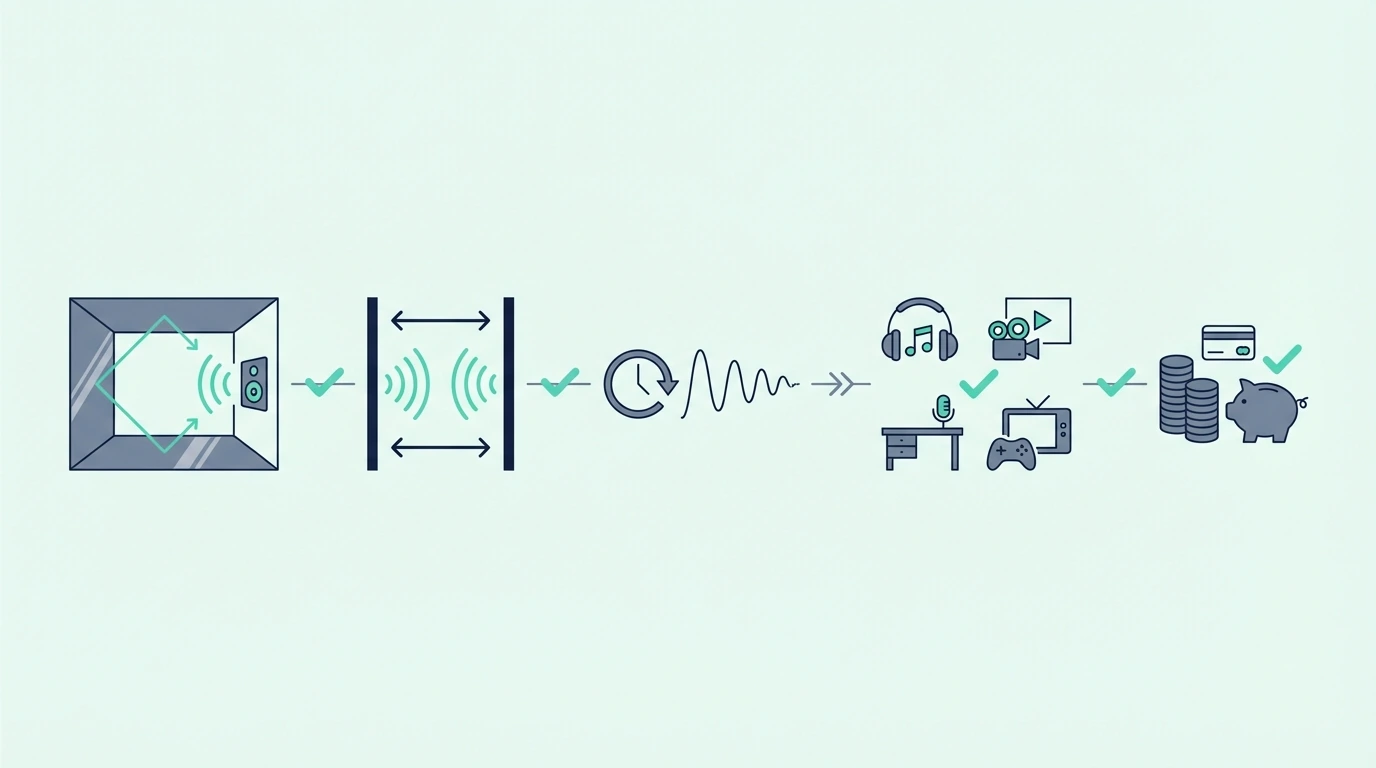
The Coverage Percentage Rule
Room acoustics professionals typically recommend 20-30% coverage for general acoustic improvement. That means panels covering 20-30% of your total wall surface area.
For a 10×10 room with 8-foot ceilings, you have roughly 320 square feet of wall space. At 25% coverage, you need about 80 square feet of panels—that’s ten 2×4-foot panels.
Quality Over Quantity
Here’s something most people get wrong: placement matters more than panel count. Six panels at first reflection points outperform twelve panels scattered randomly.
Our guide on how to install acoustic panels covers proper placement techniques. Focus on reflection points first, then add panels based on remaining acoustic issues.
Start Small and Add
You can always add more panels, but returning them is harder. Start with the minimum recommended for your room type, perform the clap test again, and decide if more is needed.
Many people find that 4-6 panels solve their primary complaints. The law of diminishing returns kicks in quickly—each additional panel makes less difference than the one before.
What Are Alternatives to Acoustic Panels?
Before committing to panels, consider whether simpler solutions might work for your situation. These alternatives cost less and require no installation.
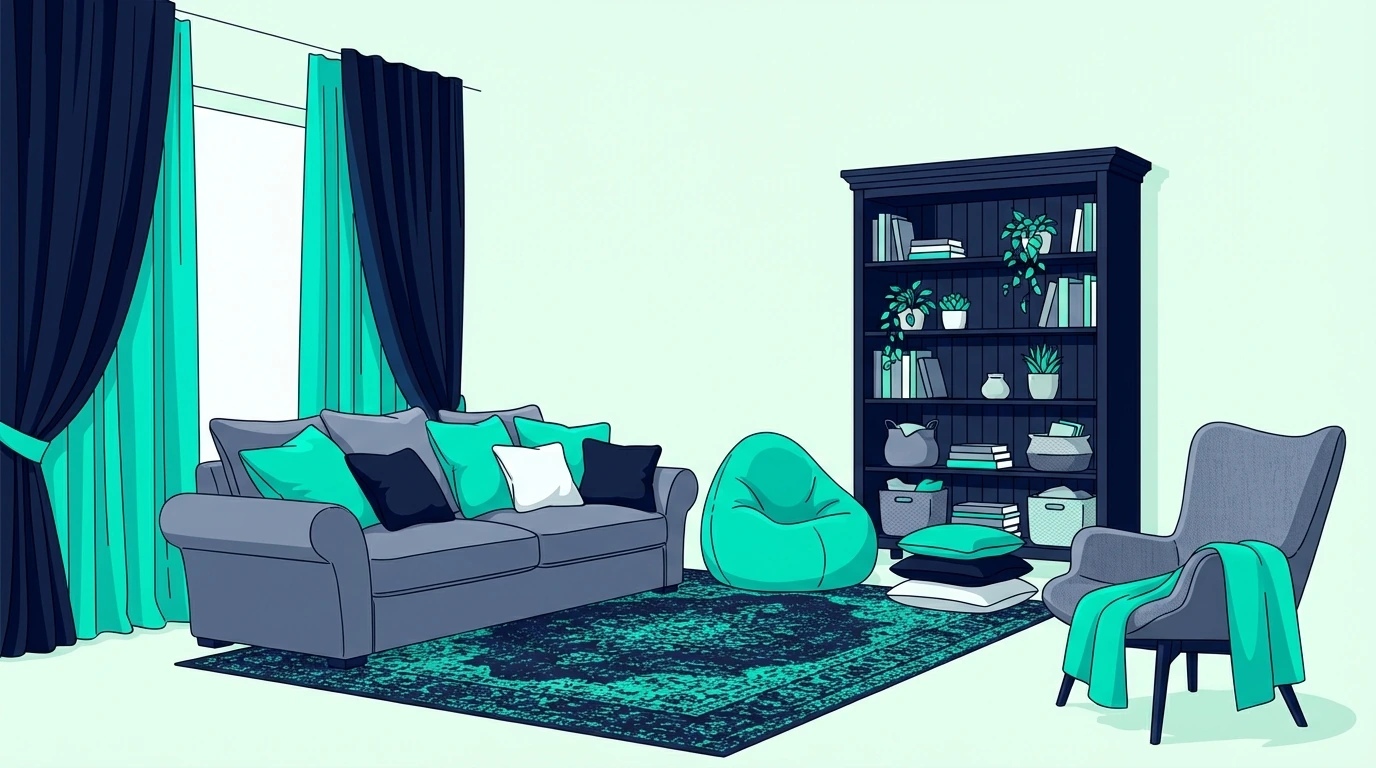
Soft Furnishings and Furniture
Adding a large area rug over hard floors immediately reduces flutter echo. Thick curtains over windows serve the same purpose as budget acoustic panels—plus they’re removable.
Upholstered furniture, bookcases, and cushions all absorb sound. Before buying panels, try rearranging what you already own to break up parallel surfaces.
Acoustic Curtains vs Panels
Acoustic curtains offer a middle ground—more absorption than standard curtains, easier to install than panels. They work well for windows and doorways.
For a detailed comparison, check our guide on acoustic curtains vs panels. Curtains excel when you need temporary or adjustable treatment.
When Panels Are the Better Choice
Soft furnishings only go so far. If you’ve maximized furniture arrangement and still have acoustic problems, panels are your next step.
Panels offer precise placement at reflection points where furniture can’t go—walls and ceilings. They also provide consistent, measurable absorption rather than “maybe” improvements from adding cushions.
Should You Get Acoustic Panels? The Decision Framework
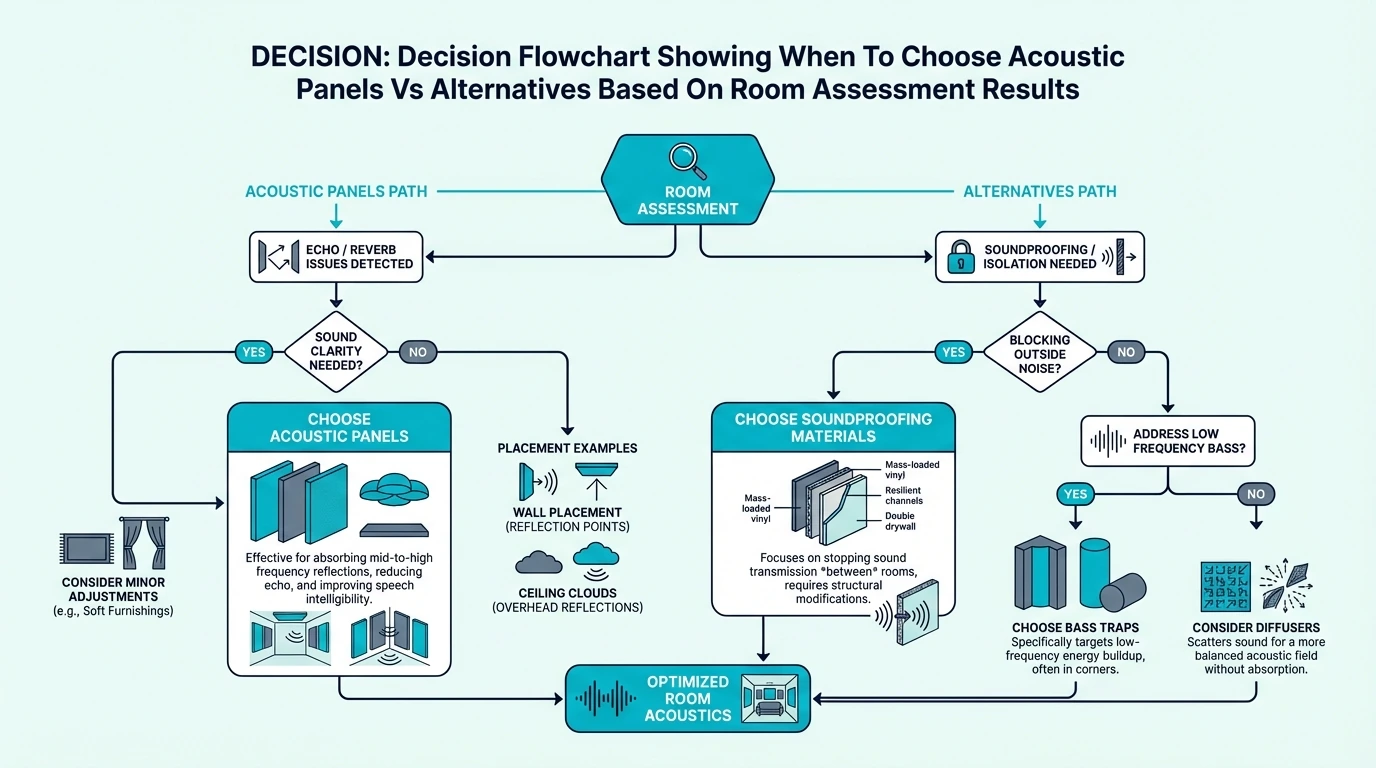
Let’s pull together everything we’ve covered into a simple decision process.
Yes, Get Panels If:
Your clap test reveals obvious flutter echo or long reverb tails. Echo disrupts your video calls or recordings. You need accurate monitoring for music production or mixing.
Your room has mostly hard surfaces that can’t be softened with furniture. You’ve already tried soft furnishings with limited improvement.
Maybe Wait If:
Your room is already well-furnished and the clap test sounds reasonable. You’re not doing critical audio work. Your primary issue is noise from outside or adjacent rooms (that’s a soundproofing problem).
Where to Start
If you’ve decided panels will help, start with quality over quantity. A low-cost test pack like 18 Pack Acoustic Panels 12 × 12 Sound Absorbing Wall Panels is a reasonable way to test whether a lightly treated room improves. For more options, check our guide to well-made acoustic panels.
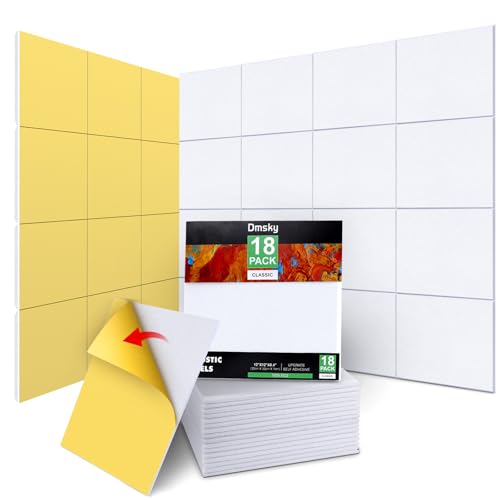
18 Pack Acoustic Panels 12 × 12 Sound Absorbing Wall Panels
Consider what material works best for your needs—fiberglass offers superior absorption, while polyester panels are safer for bedrooms and kids’ rooms.
Focus on reflection points first. Add bass traps in corners if low-frequency problems exist. Build your treatment over time rather than buying everything at once.
Frequently Asked Questions
How do I know if I need acoustic panels?
Perform the clap test: clap loudly in the center of your room and listen. If you hear ringing, flutter echo, or sound that takes more than a second to decay, acoustic panels will help. Also assess your actual use—if you record audio, take video calls, or want accurate sound reproduction, panels improve these activities measurably.
Can I fix room acoustics without panels?
Yes, to some extent. Heavy curtains, thick rugs, upholstered furniture, and bookcases all absorb or scatter sound. Rearranging furniture to break up parallel surfaces helps reduce flutter echo. However, these solutions have limits—for serious acoustic control, panels provide targeted treatment at specific locations.
Are acoustic panels worth the investment?
For anyone doing audio work—podcasting, music production, video calls, home theater—yes. The improvement in sound quality is immediately noticeable. For general living spaces without specific audio needs, panels are usually overkill. Match the investment to your actual requirements.
What’s the minimum treatment needed?
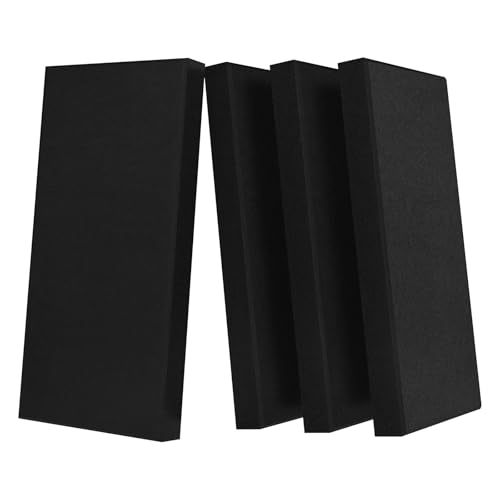
For video call improvement, 2-4 panels behind and facing your desk often suffice. For recording, 6-8 panels at first reflection points create a functional space—a thicker fiberglass option like UMIACOUSTICS 4 PCS Acoustic Panels with Hanging Bracket is a better baseline. For dedicated studios or home theaters, 15-25% wall coverage is the baseline. Start minimal and add based on your clap test results.