Cheap Acoustic Treatment That Actually Works (Not Foam)
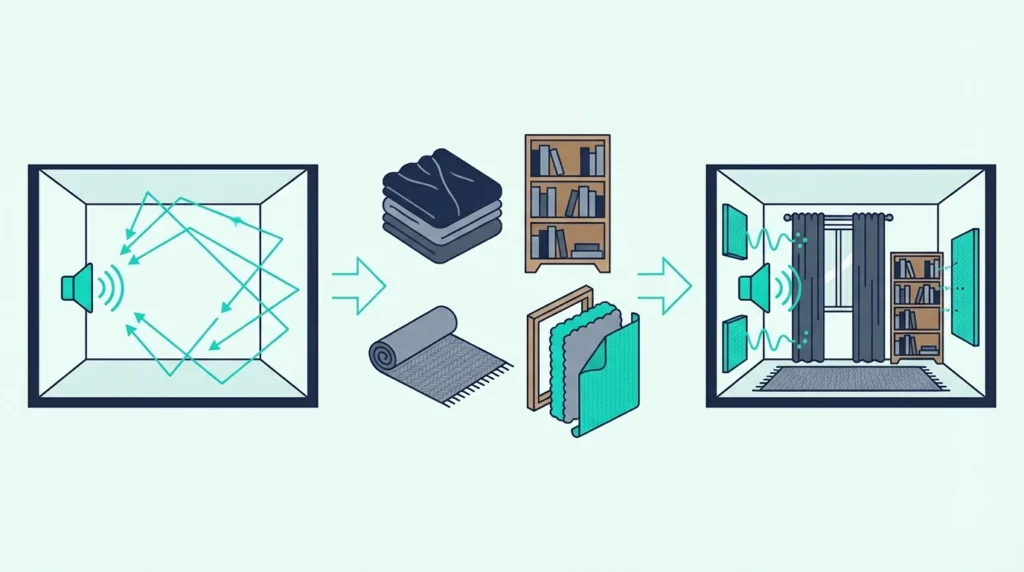
Cheap acoustic treatment that actually works starts with a DIY panel — a timber frame packed with mineral wool insulation and wrapped in fabric — at roughly a third the price of the commercial equivalent and considerably better than the foam most people buy first.
Foam is the default cheap option and it is where most budgets get wasted. It is inexpensive, it mounts easily, and it is everywhere on Amazon.
It also only absorbs high frequencies. Two inches of foam does almost nothing below about 500 Hz, so the room stops sounding bright and every real problem stays exactly where it was.
You end up with muddy low end, smeared stereo imaging, and recordings that still sound like the room — while looking at a wall covered in acoustic treatment you paid for.
Below is what cheap acoustic treatment can and cannot fix, what to build versus what to buy, the order to spend a small budget in, and roughly what a small room costs to treat properly.
The best budget acoustic treatment is usually DIY mineral wool or fiberglass before it is cheap foam. If you want the best value overall, start with rigid or semi-rigid insulation for DIY panels, then move to pre-made fiberglass panels if you need convenience. On a very tight budget, prioritize corners first, then side-wall reflection points, then the ceiling cloud above the listening position.
How we chose these
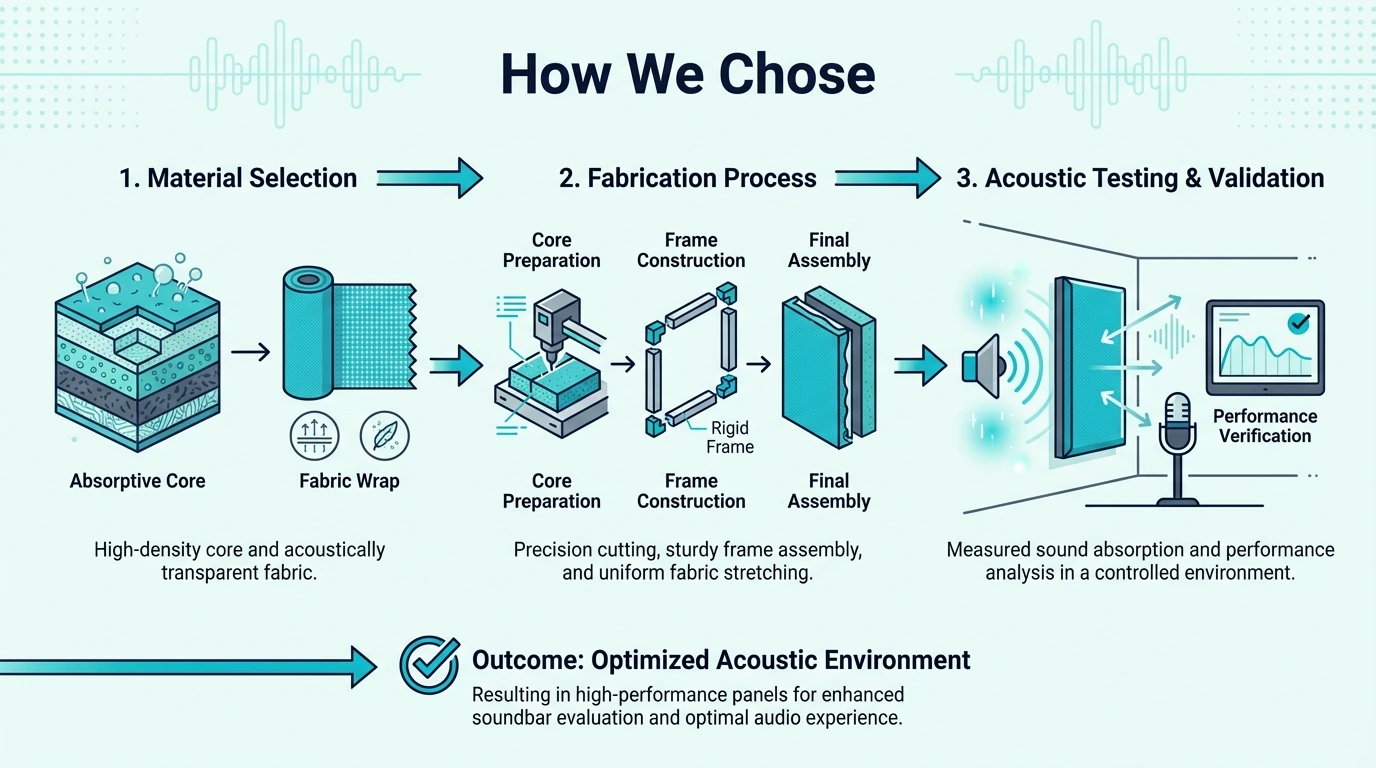
Budget treatment is not just about the lowest price tag. It is about how much useful absorption you get for the money, how much problem-solving a product can do in a real room, and how many corners the manufacturer cuts to hit the price.
That means I did not treat all cheap products as equal. Thin decorative foam, vague “soundproof” mats, and generic room décor do not deserve the same weight as mineral wool, fiberglass, or purpose-built bass traps that actually address the problems most rooms have.
I used four filters for this list. First, the product needed a believable use case for acoustic treatment rather than noise blocking or heat insulation alone.
Second, it needed to offer real performance per dollar. A DIY material can outrank a pre-made panel if it delivers much more absorber area for the same money.
Third, the product needed a realistic budget story. Some options here are true starter buys, while others are “budget stretch” upgrades that still make sense when you compare them to premium boutique treatment.
Fourth, I weighed convenience against value. A product that is cheaper but requires woodworking, fabric wrapping, and extra hardware is not the same kind of buy as a panel you can mount the same day.
That last point matters because budget does not just mean dollars. It also means time, tools, space, and how much friction you can tolerate before the project stalls.
If you need the wider foundation first, what acoustic treatment is explains the basic absorber-versus-problem logic behind every pick on this list.
I also discounted products that hide the only details that really matter, like material type, thickness, or actual intended acoustic use. If a listing leans on vague words like soundproof, studio, or noise cancelling without showing believable absorber material, it is usually a bad budget buy no matter how low the price looks.
| Product | Size | Link |
|---|---|---|
Best DIY Material 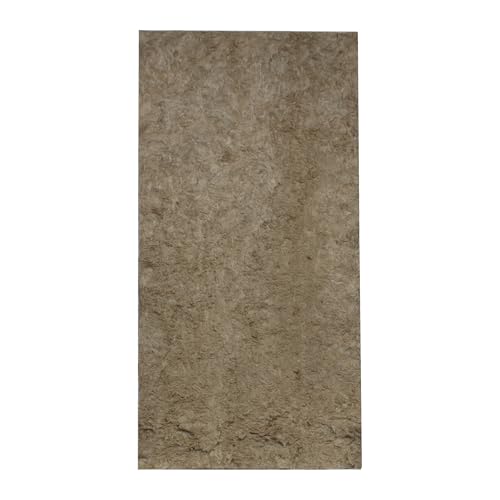 | — | See ratings |
Best Value Pre-Made Panels 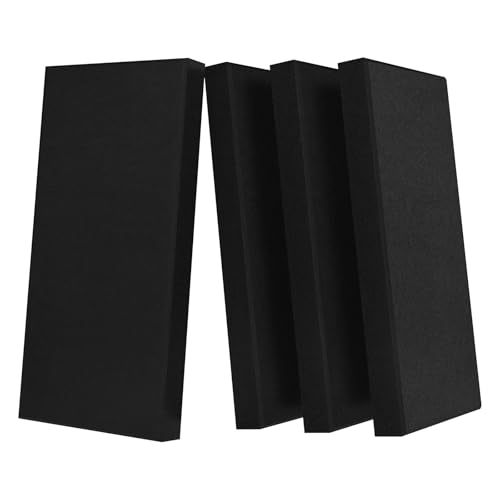 | 2 inch | See ratings |
Best Compact Panel Pack 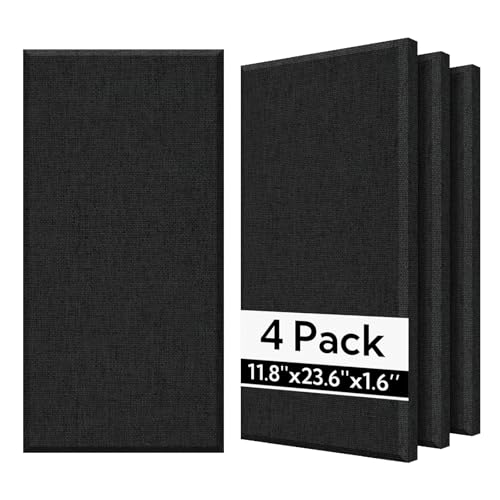 | 6 inch | See ratings |
Best Large-Coverage Upgrade 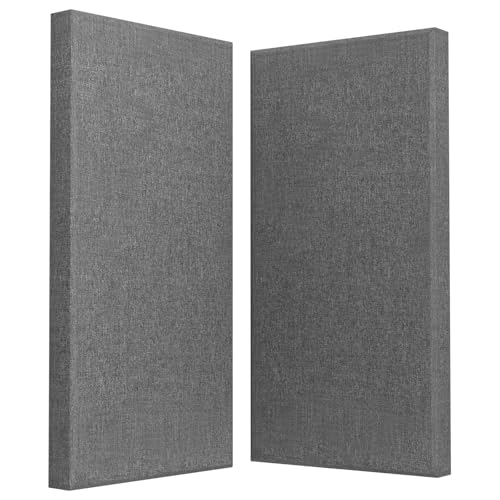 | 6 inch | See ratings |
Best Budget Bass Trap 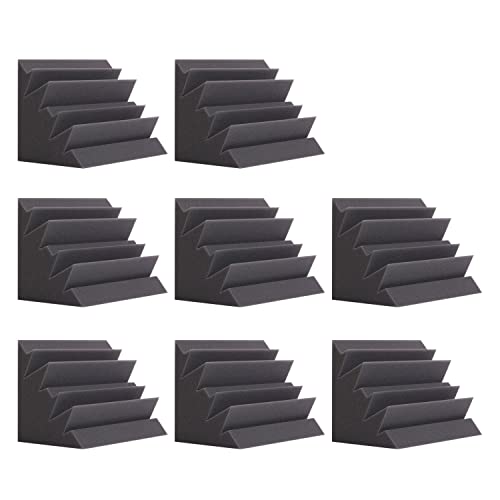 | — | See ratings |
Best Budget Stretch Upgrade 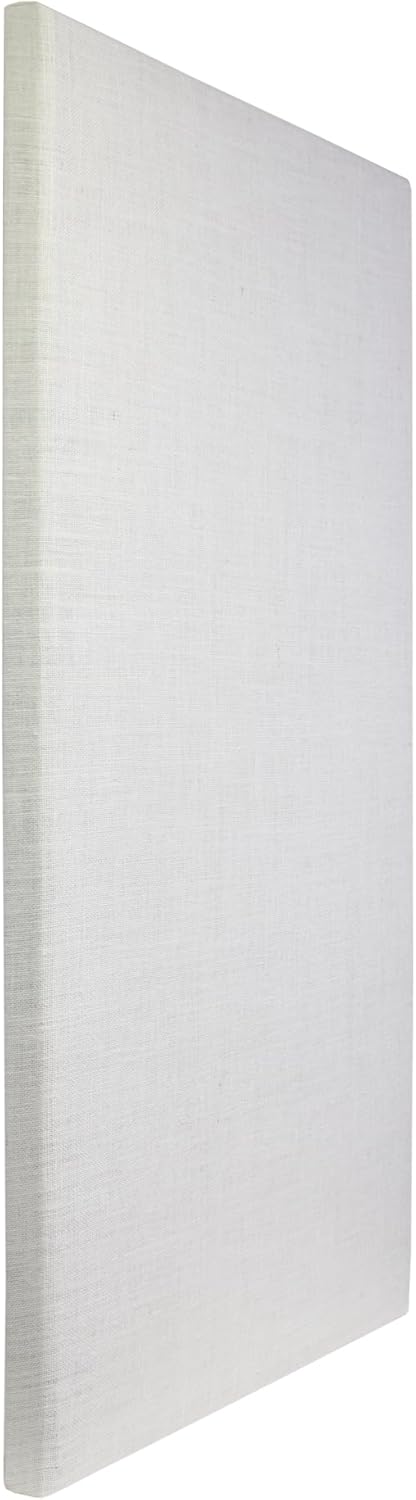 | — | See ratings |
What can cheap acoustic treatment actually fix?
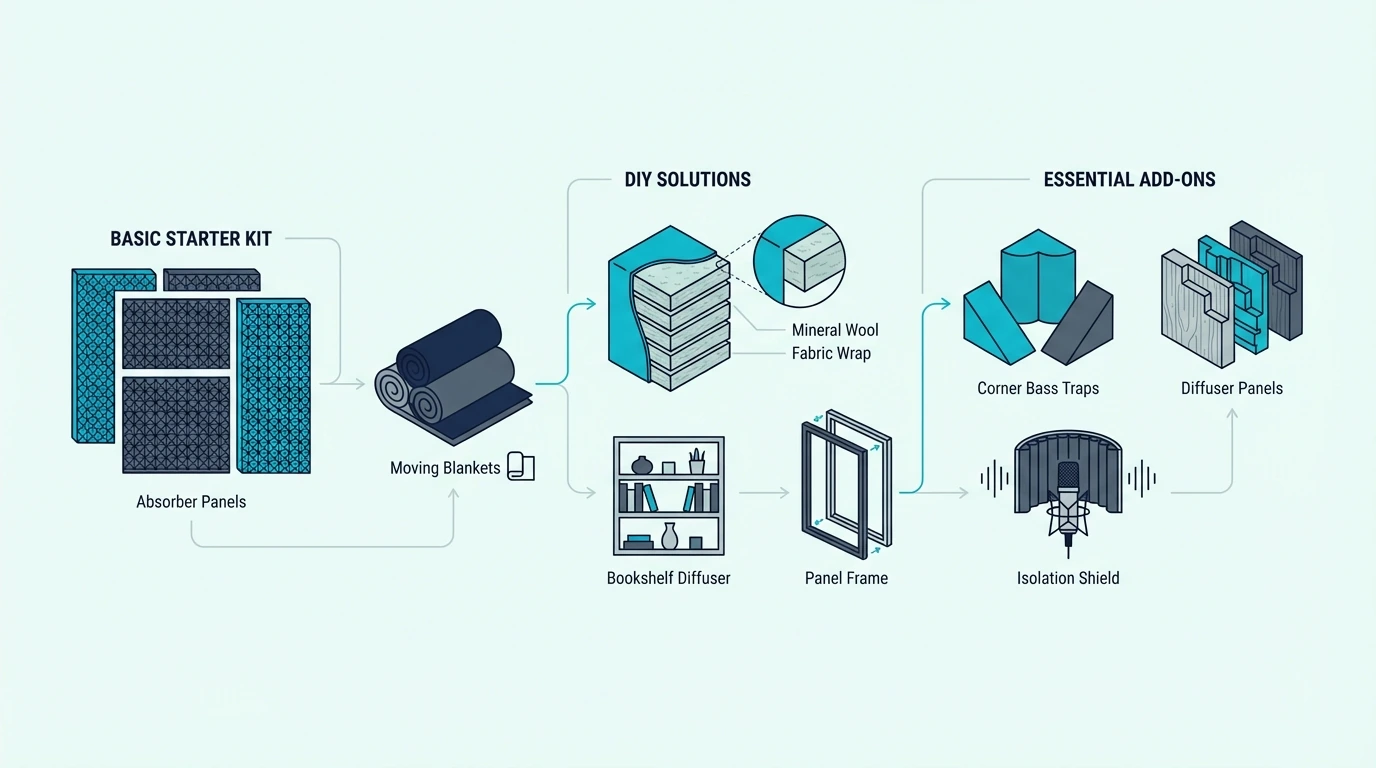
Budget acoustic treatment falls into two broad buckets. You can either build better-performing treatment yourself, or you can pay extra for the convenience of pre-made panels and traps.
DIY Panels — The Best Value
If your goal is maximum absorption per dollar, DIY panels usually win. A stack of mineral wool or fiberglass batts inside simple wood frames can outperform many cheap commercial products, especially when you build them thick enough and leave a small air gap behind them.
That is why the cheapest effective treatment often is not a finished panel at all. It is raw absorber material plus some labor.
The catch is that DIY is only a bargain if you are actually going to finish it. If the insulation sits in the garage for two months because you still need fabric, timber, and a free weekend, the “best value” argument gets weaker fast.
DIY also rewards better decisions. If you build 4-inch panels for first reflections or corners using the best acoustic treatment materials, you can solve real room problems for surprisingly little money compared with buying thin decorative products that do almost nothing below the midrange.
That is one reason fiberglass acoustic treatment keeps coming up in serious rooms even when the budget is tight.
Budget Commercial Options
Budget commercial treatment lives in a narrower lane. The good options usually cost more than first-time buyers hope, because real broadband absorption needs real material depth.
That means good budget pre-made panels are still often fiberglass or mineral-wool based. They just trade labor for convenience, cleaner finishing, and hardware that lets you get them on the wall quickly.
What you cannot realistically expect from the budget commercial tier is miracle performance from the cheapest foam pack on the page. Foam can help with flutter echo, but it is not the same thing as broadband panel treatment and it is definitely not the same thing as soundproofing.
So the budget question is not “what is cheapest?” It is “what gets me the most useful improvement for the least regrettable spend?”
That is why the budget commercial tier starts with credible fiberglass packs rather than novelty foam shapes. Once you frame the decision around cost per useful improvement instead of cost per listing, a lot of the cheapest options stop looking cheap at all.
For rooms where convenience matters as much as price, that same tradeoff shows up in a broader a home studio treatment plan too.
Get Studio Tips Weekly
Join 5,000+ creators getting acoustic treatment advice every week.
No spam. Unsubscribe anytime.What should you buy first on a tight budget?
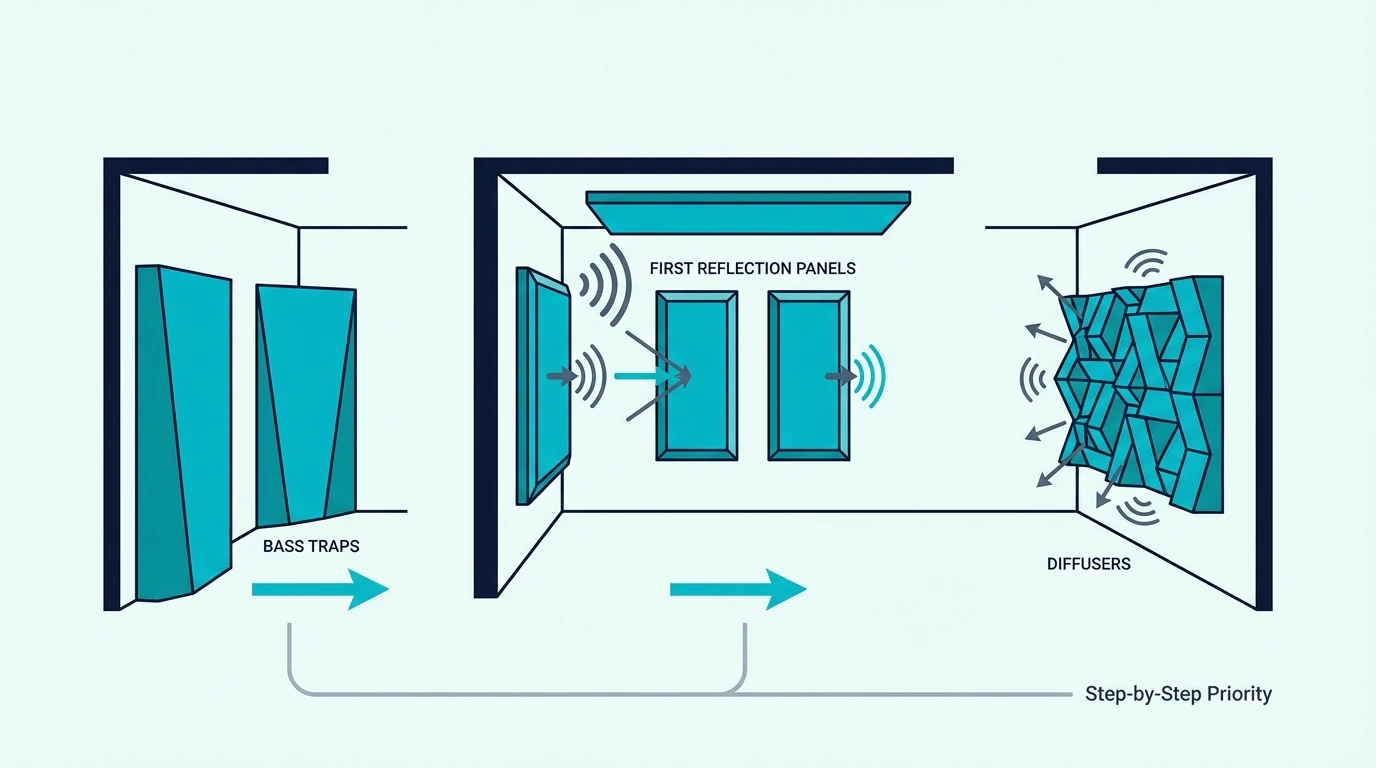
When money is tight, buying order matters more than brand. The best budget room is the room where you handled the biggest problem first instead of spreading a small budget thinly across six mediocre choices.
Start with corners if the room is for mixing, monitoring, or anything where low-end translation matters. Small rooms exaggerate bass buildup so badly that a little corner control often helps more than covering random wall patches with thin panels.
That is exactly why acoustic treatment for corners is such a common first upgrade.
After that, buy two panels for the first reflection points on the side walls. That gives you a more immediate improvement in clarity and stereo image than trying to decorate every open surface.
If your budget room is also compact, acoustic treatment for small rooms follows the same priority order for exactly this reason.
Then look at the ceiling cloud above the listening position. In rooms with normal residential ceiling height, that reflection comes back fast enough to matter, especially if you are mixing nearfield monitors in a small bedroom or office.
If low clearance is a special problem, ceiling acoustic treatment goes deeper on cloud placement and tradeoffs.
Diffusion, decorative slats, and “soundproof” accessories all come later. If the budget is under pressure, skip anything that does not directly help bass control, early reflections, or broadband absorption.
That is also why a budget plan should be honest about tradeoffs. Sometimes the smartest move is one DIY material purchase now, two side-wall panels next month, and a bass-trap upgrade after that instead of forcing a full-room buy in one order.
If you are trying to price that path honestly, acoustic treatment cost helps frame what a starter room versus a fuller setup usually adds up to.
If you are stuck choosing between more cheap foam and fewer real absorbers, buy fewer real absorbers. A smaller number of meaningful treatments usually does more for the room than a larger number of products that mostly change the look of the walls.
Our picks for cheap acoustic treatment
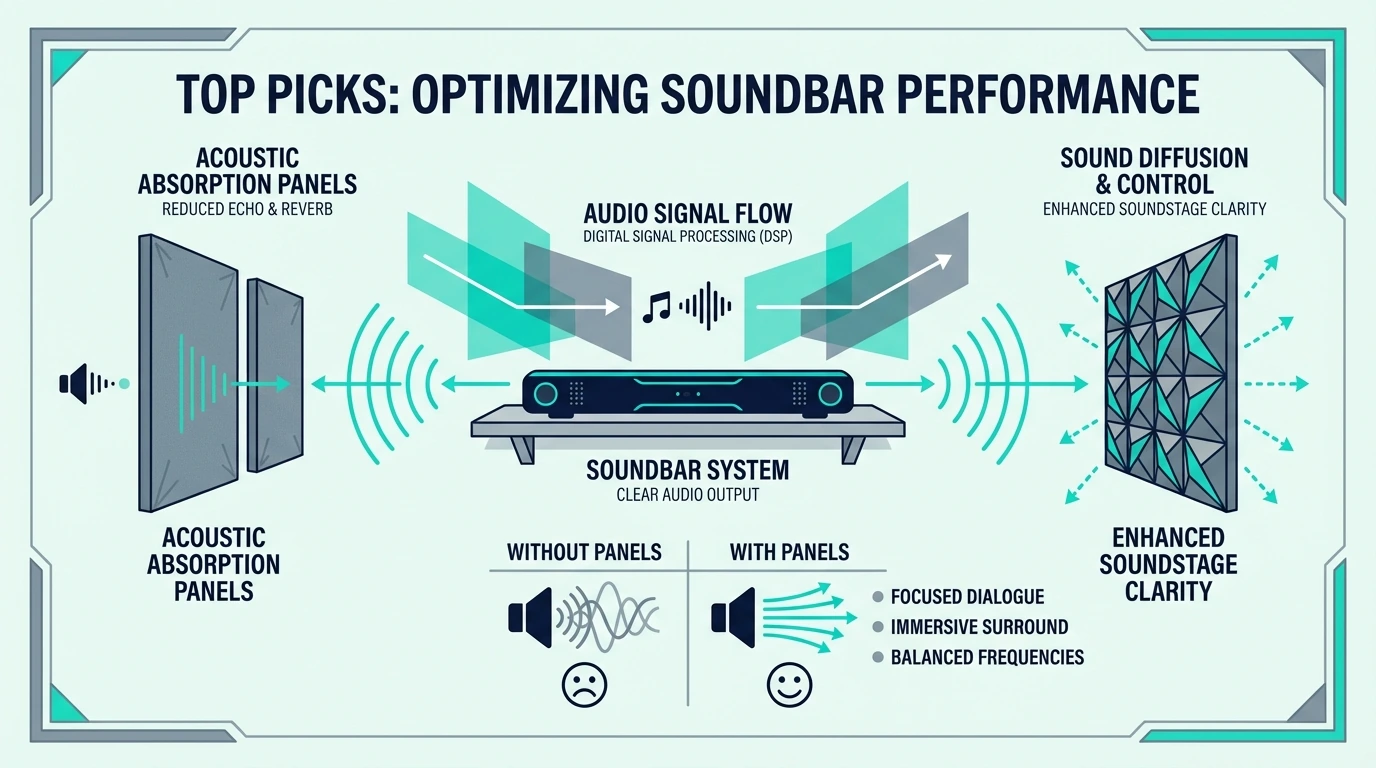
The products below are not all the same type of buy. Some are for DIY value, some are for convenience, and some are there because the best budget setup usually mixes materials rather than relying on one cheap fix.
If you want a more bundled route, best acoustic treatment kits is the closest adjacent comparison.
Best Budget DIY Material
If you are willing to build your own panels, AFB Acoustical Fire Batts Mineral Wool Insulation is the strongest value buy in this roundup.
AFB Acoustical Fire Batts Mineral Wool Insulation
It is not glamorous, but that is exactly the point. You are paying for absorber material instead of a finished frame, branded packaging, and retail markup.
That makes it the right answer for buyers who want the most panel area for the least money. If you can handle a basic frame build and fabric wrap, this type of mineral wool usually beats cheap pre-made alternatives on pure performance per dollar.
The tradeoff is time and friction. If you know you will never build the frames, then the theoretical value is irrelevant and a pre-made panel becomes the smarter budget choice.
Best Budget Pre-Made Panels
For buyers who want a finished panel without jumping straight to premium pricing, UMIACOUSTICS 4 PCS Acoustic Panels with Hanging Bracket is the cleanest value play here.
UMIACOUSTICS 4 PCS Acoustic Panels with Hanging Bracket
The pack size makes sense for real rooms. You can cover the left and right first reflection points, still have two panels left for the front wall or a rear-wall problem area, and avoid the usual disappointment of under-buying with a tiny starter set.
That kind of practical fit matters even more if the room is used for speech or singing, which is why acoustic treatment for vocals often starts with the same reflection-point logic.
If your room is cramped or broken up by doors, windows, or furniture, Olanglab Fiberglass Acoustic Wall Panels 4 Pack is the better fit.
Olanglab Fiberglass Acoustic Wall Panels 4 Pack
It gives you a more flexible footprint without sliding into novelty-sized décor. That matters when your “budget room” is also a bedroom, office, or shared space where oversized panels are harder to place.
If you want fewer, larger panels and you can stretch the budget without pretending it is the cheapest route, UMIACOUSTICS 2 PCS Large Fiberglass Acoustic Panels is the budget-stretch option that still earns its place.
UMIACOUSTICS 2 PCS Large Fiberglass Acoustic Panels
I would not call it the cheapest solution, but I would call it a sensible upgrade if you care more about fewer large absorbers than maximizing panel count. For some rooms, that is the better spend.
This is the recurring pattern in budget treatment: starter products help you get moving, but the best-value purchase is often the one that prevents you from buying the same category twice. Spending a little more once can be cheaper than buying the wrong cheap product first and replacing it later.
That is also part of why buyers eventually compare best acoustic treatment brands instead of looking at price alone.
Best Budget Bass Traps
Budget bass control is where buyers are most likely to make bad compromises. The cheapest corner products are often foam, which can still help a little, but they should be treated as starter tools rather than a complete low-end solution.
If you need the lowest entry price, 8 Pack Bass Traps Acoustic Foam Corner Set is the one that makes the most sense.
8 Pack Bass Traps Acoustic Foam Corner Set
It is affordable, it gives you enough pieces to start treating multiple corners, and it is honest about what a starter budget can buy. What it will not do is replace thicker rigid treatment when deeper bass control is the goal.
If you have a little more flexibility and want an option that behaves more like a real upgrade than a stopgap, an ATS Acoustics 2-inch panel straddled across a corner is the stronger buy.
ATS Acoustics 2-inch panel
It is not the first product I would recommend to someone with almost no budget. It is the product I would recommend to someone who tried the cheapest route, learned what the room actually needs, and wants the next purchase to matter more.
That is an important distinction for this whole category. Budget treatment should get you moving in the right direction, but it should also teach you which later upgrades are worth paying for and which ones are just marketing with a lower sticker price.
The Bottom Line
The best budget acoustic treatment is usually the product that solves the right problem first, not the one with the lowest sticker price. That is why DIY mineral wool stays the best pure-value answer, while pre-made fiberglass panels become the better call for buyers who need speed, finish quality, and less friction.
If your budget is tight, spend first on corners and first reflections. That gives you a room that becomes easier to trust before you worry about coverage everywhere else.
If you are buying for a media room rather than a desk setup, acoustic treatment for a home theater changes the placement priorities without changing the core budget logic.
If you can build, buy DIY material and put the savings into thickness. If you cannot build, buy the best-value pre-made fiberglass panel pack you can afford and avoid pretending foam alone will do the whole job.
Frequently Asked Questions
What is the cheapest effective acoustic treatment?
The cheapest effective acoustic treatment is usually DIY mineral wool or fiberglass inside simple absorber frames. That route takes more work, but it gives you much better performance per dollar than most ultra-cheap finished products.
Is acoustic foam worth buying on a budget?
Acoustic foam can be worth buying if you understand what it can and cannot do. It can help with flutter echo and some upper-bass issues, but it is not a substitute for thicker fiberglass or mineral wool when real broadband absorption is the goal.
How much does it cost to treat a small room?
A small room can often be treated in stages for a few hundred dollars if you start with corners and two side-wall reflection panels. DIY builds usually keep the budget lower, while pre-made panels and upgraded bass traps raise the cost faster but reduce the build time.