Do Soundproof Panels Work? What They Actually Do
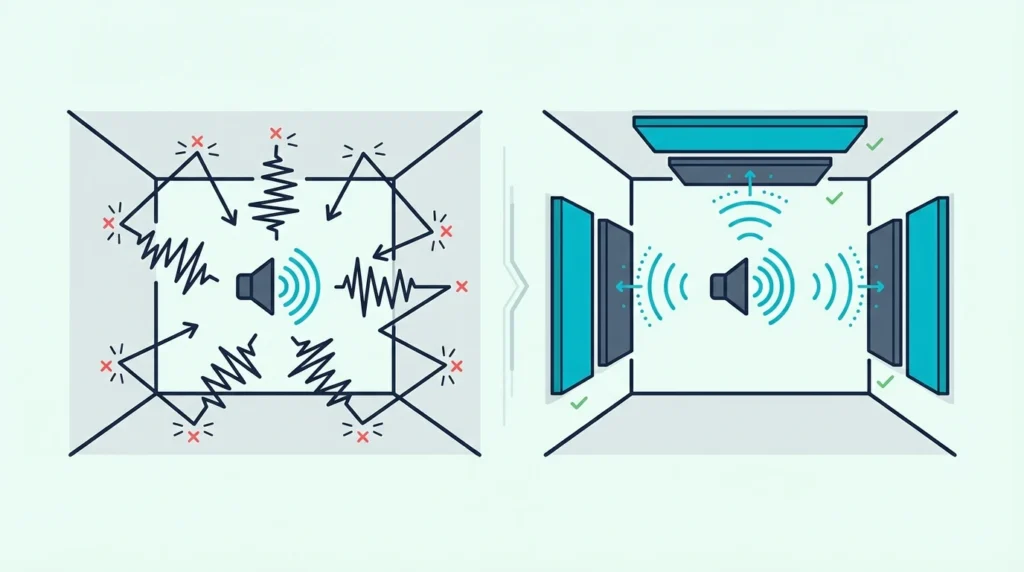
Do soundproof panels work? Yes, but not in the way most people expect.
A lot of products sold as soundproof panels make a room sound calmer by absorbing echo, yet they do very little to stop voices, TVs, traffic, or neighbor noise from coming through the wall.
That mismatch is why so many buyers feel disappointed after covering a room with foam and still hearing the same outside noise. The panel may be working exactly as designed, but it is solving reflection and harshness instead of real sound transmission.
The good news is that panels can absolutely be worth buying when the goal is better room sound, clearer speech, or a less harsh space. They also become much easier to judge once you separate absorption from real soundproofing.
Start by asking whether you want less echo inside the room or less noise getting through the structure. That first question usually tells you whether panels are the right tool or whether you need sealing, mass, insulation, or a stronger wall system instead.
Below, the answer is broken into simple use cases so you can tell when panels help, when they are a waste of money, and what to try instead if the real goal is true soundproofing.
Soundproof panels can work, but most of the time they work by absorbing reflections and improving the way a room sounds rather than blocking sound from passing through a wall, ceiling, door, or window. If your goal is better acoustics, less echo, or clearer speech, panels can be a smart buy. If your goal is stopping neighbor noise, traffic, or loud voices through the structure, you usually need sealing, mass, insulation, or a stronger soundproofing system instead.
Do Soundproof Panels Actually Work?
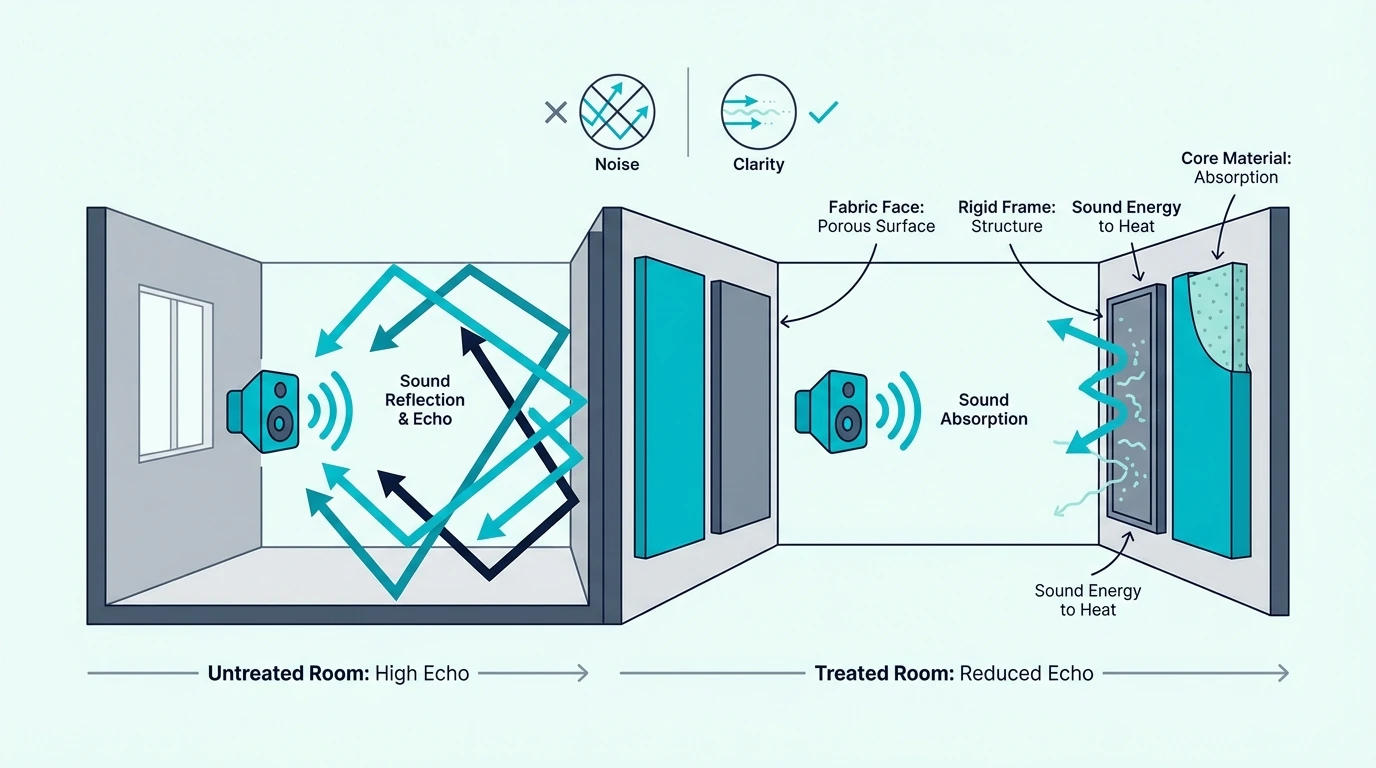
The honest answer is yes, but only after you define what “work” is supposed to mean. Most panels people buy for walls are better at improving room acoustics than they are at blocking noise from getting in or out.
What Do People Mean By “Soundproof Panels”?
People often lump foam, decorative acoustic panels, fabric-wrapped absorbers, and heavier specialty products into one category. That is part of the confusion, because those products do not all do the same job.
A fabric-wrapped mineral wool or fiberglass panel is a useful example because it shows what many buyers are really getting: an absorptive panel that can tame reflections without acting like a serious wall barrier.
Do Panels Block Sound Or Mostly Absorb It?
Most panels mostly absorb sound inside the room. That means they can reduce echo, ringing, and harsh reflections, but they usually do much less for sound that is traveling through drywall, studs, doors, windows, or ceilings.
That is why this article should connect directly with sound deadening vs soundproofing and how to soundproof a room. If the issue is transmission through the structure, the fix usually lives there rather than in another decorative wall panel.
When Do Panels Feel Like They Are Working Even If They Are Not Truly Soundproofing?
Panels can feel effective when the room becomes less harsh, less echoey, or easier to talk in. That improvement is real, but it is different from stopping sound from crossing a wall.
This is why people sometimes say panels “worked” even though the neighbors can still hear them. The room sounds better to the person inside it, but the transmission path is still mostly intact.
How Effective Are Soundproof Panels In Real Rooms?
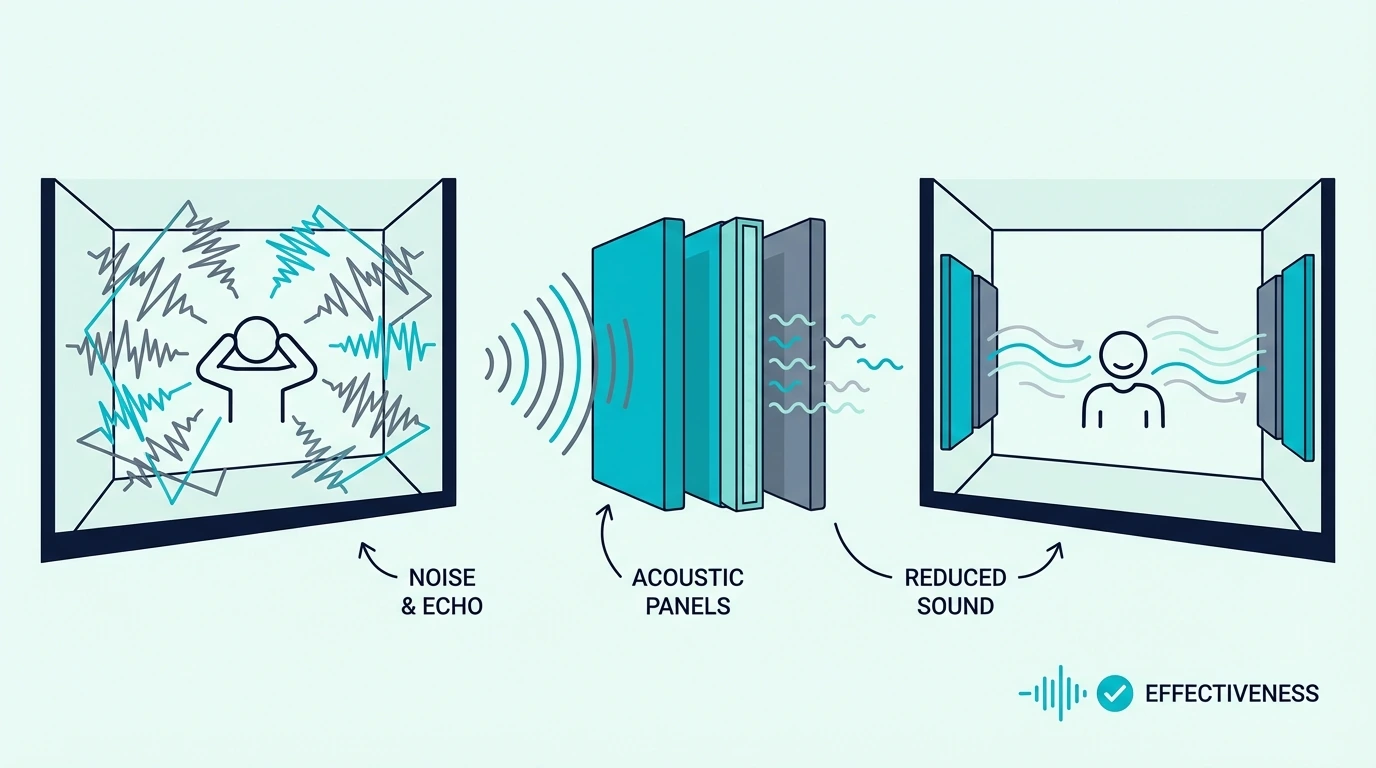
In real rooms, panel effectiveness depends almost entirely on the problem. Panels can be very useful for room sound quality, but they are rarely the whole answer for isolation.
Do Panels Work Better For Echo Than For Neighbor Noise?
Yes. Panels work much better for echo, flutter, harsh reflections, and speech clarity than they do for neighbor noise or traffic through a wall.
That is because echo happens inside the room, while neighbor noise is a structure problem. If you need help with shared-wall transfer, the better next pages are usually how to soundproof a wall and best soundproofing material.
When Are Panels Worth Buying?
Panels are worth buying when you want a room to sound calmer, more controlled, or easier to record or talk in. Home offices, podcast spaces, meeting rooms, and music rooms can all benefit when reflections are the real problem.
That is also where the article should stay honest. If the goal is better sound quality inside the room, panels can be a smart purchase rather than a gimmick.
When Are Panels A Waste Of Money?
Panels are usually a waste of money when the buyer expects them to stop strong outside noise, loud neighbors, or heavy wall transmission by themselves. In that situation, the problem is not a lack of absorption but a lack of mass, airtightness, or assembly strength.
A heavier temporary layer like US Cargo Control 96 x 80 in Extra Large Sound Dampening Blanket with Grommets can sometimes help more than foam, but even that should be treated as a stopgap rather than proof that panels can replace construction-led soundproofing.
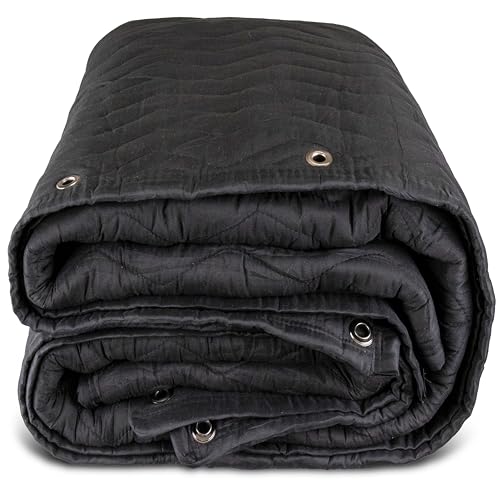
US Cargo Control 96 x 80 in Extra Large Sound Dampening Blanket with Grommets
Get Studio Tips Weekly
Join 5,000+ creators getting acoustic treatment advice every week.
No spam. Unsubscribe anytime.Do Soundproof Panels Work For Noisy Neighbors?
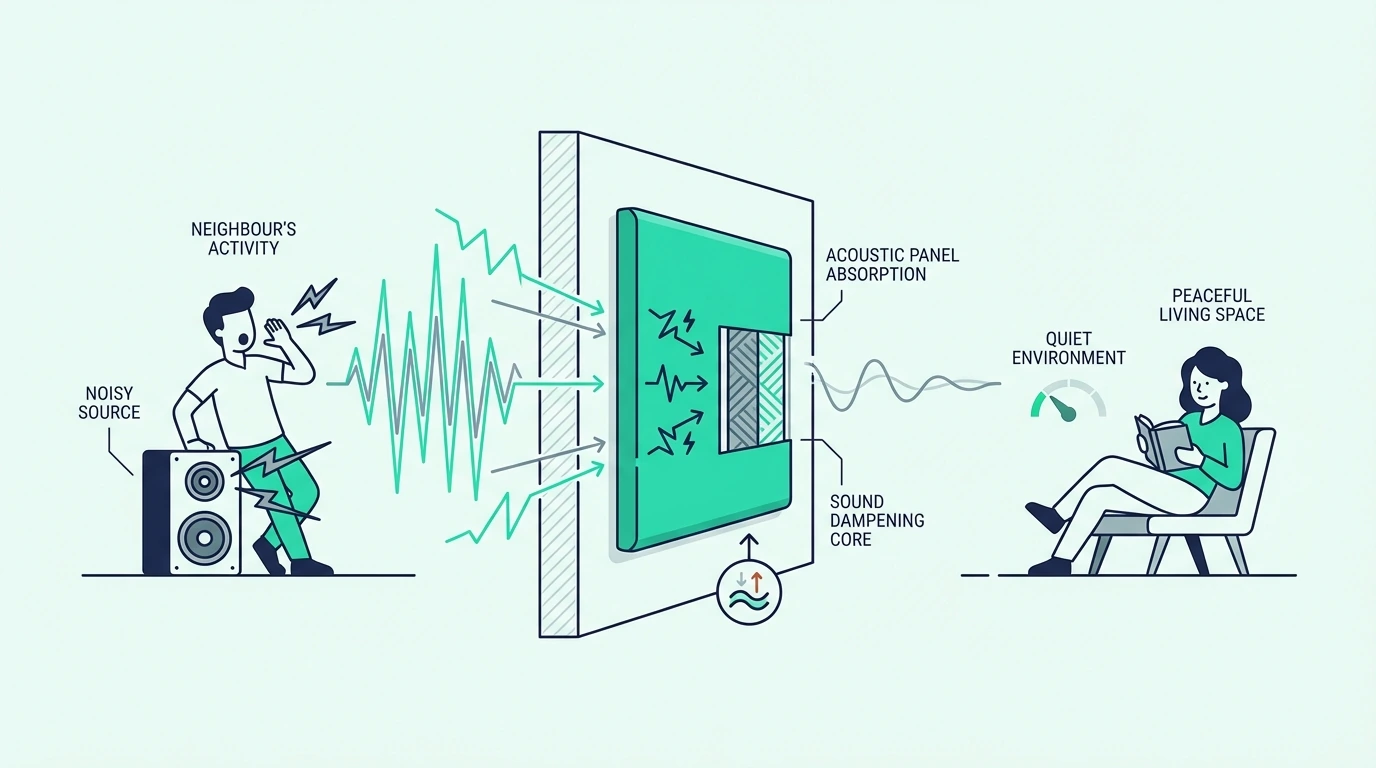
This is the use case people care about most, and it is where panels get oversold the fastest. If the problem is noisy neighbors, the answer is usually “not much” unless the product is part of a bigger soundproofing system.
Will Panels Help On A Shared Wall?
Panels may slightly change what the room feels like, but they usually do not solve a serious shared-wall problem on their own. A typical wall leak needs more mass, better sealing, and often a better assembly rather than another soft surface layer.
Are Panels Enough For Apartment Noise?
Usually not. Apartment noise often involves lightweight construction, flanking paths, doors, ceilings, floors, and other weak points that a simple wall panel does not fix.
That is why readers with rental or apartment noise should move from this page to how to soundproof an apartment, how to soundproof a ceiling, and how to soundproof a door instead of assuming wall panels are the whole plan.
What Works Better Than Panels For Neighbor Noise?
When neighbor noise is the real problem, materials chosen for mass and sealing are usually more relevant than absorptive panels. A product like Trademark Soundproofing Mass Loaded Vinyl 1lb MLV Soundproofing for Wall Sound is a much better example of true soundproofing logic because it is designed around blocking transmission rather than just absorbing reflections.
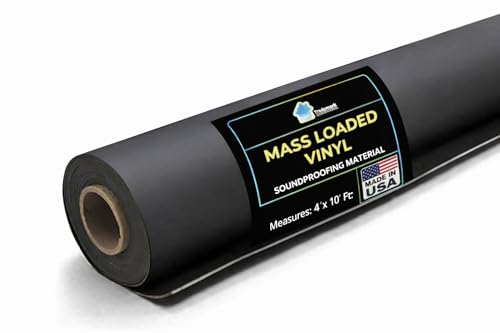
Trademark Soundproofing Mass Loaded Vinyl 1lb MLV Soundproofing for Wall Sound
Do Acoustic Panels Work In Apartments?
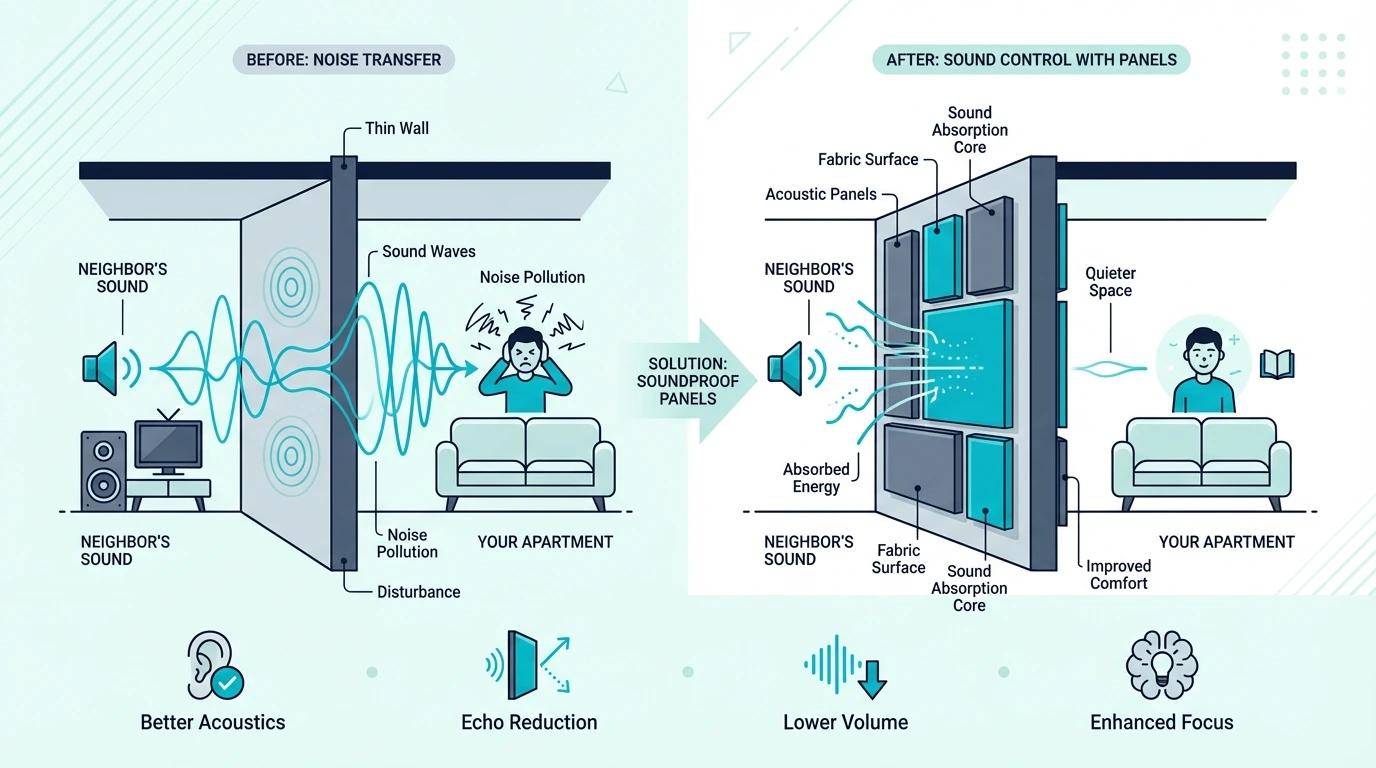
Acoustic panels can still have value in apartments, but mostly for comfort inside the unit. They can make calls clearer, reduce harshness, and help a room feel calmer even when they are not solving the building-level noise problem.
What Can Panels Help With In A Rental?
In a rental, panels can help reduce echo, make the room sound less bright, and improve speech clarity for meetings, gaming, or recording. That is a real benefit, especially in rooms with hard floors and bare walls.
What Apartment Problems Need Something More Than Panels?
If the issue is footsteps above, loud conversation through a shared wall, traffic through the window, or hallway leakage under the door, panels are usually not enough. Those problems point toward the broader soundproofing guides rather than another round of acoustic treatment.
What Should Renters Try If Panels Are Not Enough?
Renters should look at reversible upgrades that target actual leaks first. For example, 33 Ft Gray Self-Adhesive Soundproofing Weather Stripping for Doors and Windows is a better example of real soundproofing priorities than one more foam panel if the apartment is leaking through doors or windows.
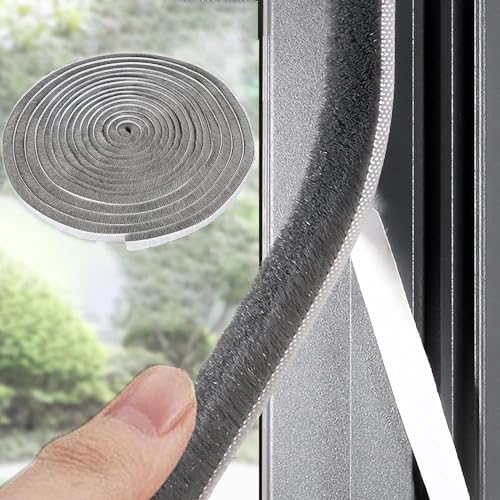
33 Ft Gray Self-Adhesive Soundproofing Weather Stripping for Doors and Windows
How Should You Decide Whether To Buy Panels?
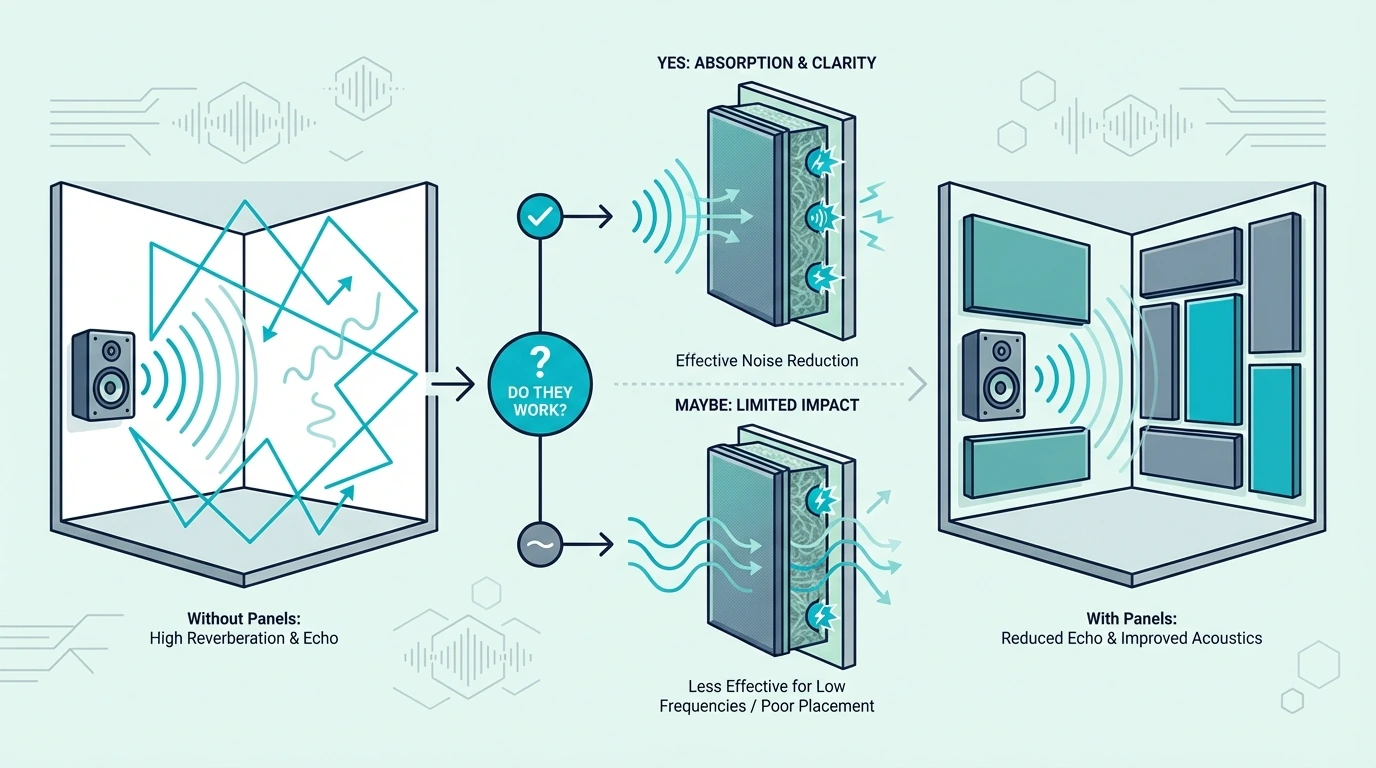
The simplest decision framework is to match the product to the job. Buy panels when the room itself sounds bad, and look elsewhere when the structure is leaking noise.
Which Panel Types Are Worth Considering?
Foam panels, fabric-wrapped acoustic panels, and better absorptive products can all be worth considering when the goal is echo control. The key is to judge them as acoustic treatment first, not as miracle sound blockers.
What Question Should You Ask Before Buying?
Ask one question before buying: do I want better acoustics inside the room, or do I want less sound getting through the wall, door, window, floor, or ceiling? That one filter prevents a lot of wasted money.
If you are shopping specifically for product options, it also helps to compare this article with best soundproofing panels and best insulation for soundproofing so the product category actually matches the goal.
What Should You Buy Instead If The Goal Is True Soundproofing?
If the goal is true soundproofing, the better path is usually sealing, added mass, insulation, and stronger wall or ceiling assemblies. In other words, move away from panel marketing and toward the same logic used in wall soundproofing and best soundproofing materials.
The Bottom Line
Do soundproof panels work is really a question about what you want them to do. They can work very well for echo control, room comfort, and speech clarity, but they are usually much weaker at stopping sound from traveling through a building assembly.
If your goal is a quieter-sounding room, panels may be worth it. If your goal is blocking neighbor noise, outside noise, or sound transfer through walls, doors, floors, or ceilings, you will usually get better results by following the broader soundproofing hub, wall guide, and apartment guide instead of relying on panels alone.
Frequently Asked Questions
How do I 100% soundproof my room?
In a normal home or apartment, 100% soundproofing is usually unrealistic without extreme construction. The practical goal is meaningful reduction, which usually comes from sealing, mass, insulation, and stronger assemblies rather than one panel product.
What is the cheapest way to reduce noise through walls?
The cheapest improvement is usually to start with the biggest leak and avoid treating the whole room blindly. If the wall is the real path, cheap fixes can help a little, but stronger results usually come from better sealing, more mass, and better wall construction.
Do Acoustic Panels Work Better Than Foam?
Often yes, but mostly because better acoustic panels can absorb sound more effectively and more evenly than cheap foam. Even then, the improvement is usually about room acoustics and clarity rather than true soundproofing.