Sound Diffuser Vs Acoustic Panel? (One Kills Sound — The Other Redirects It)
Sound diffuser vs acoustic panel is the first decision you face when treating a room, but most people get it backwards — they cover every wall with absorption panels and wonder why the space sounds lifeless and claustrophobic.
The confusion starts because “acoustic panel” has become a catch-all term that covers both absorbers and diffusers, even though they do opposite things to sound waves bouncing around your room.
Knowing which one your room actually needs means the difference between a space that sounds controlled and open versus one that sounds dead or still has harsh flutter echo.
You’ll start with what each type does to reflections, then match the right treatment to your specific room and use case.
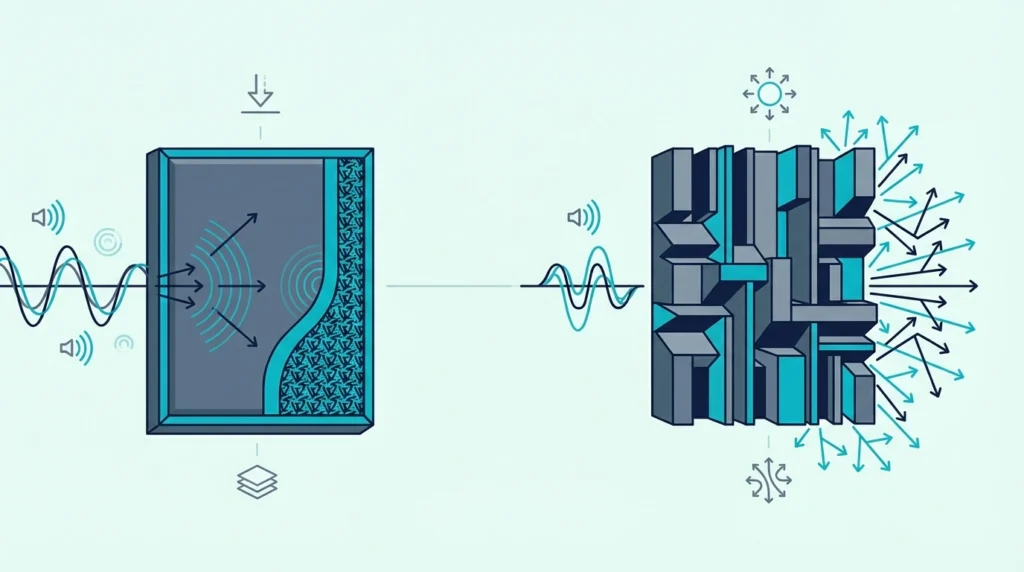
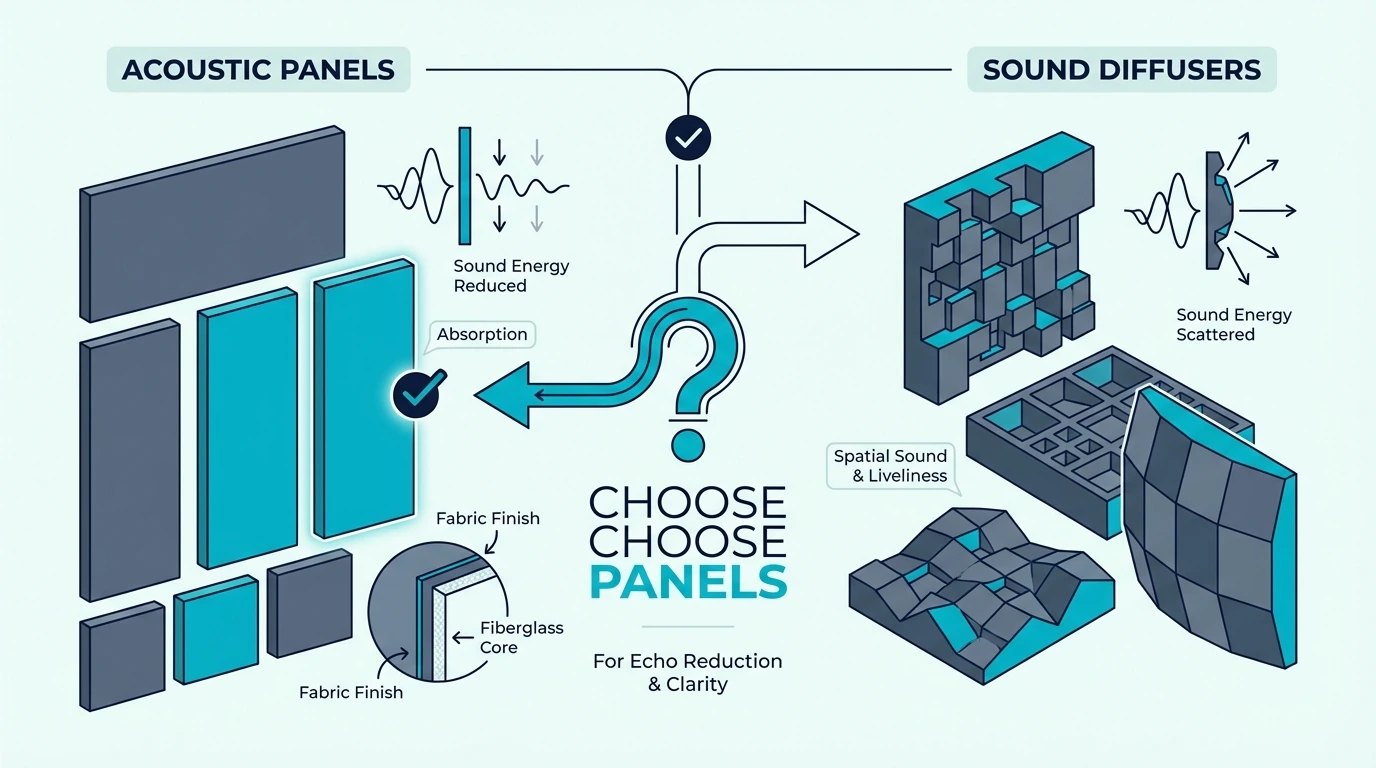
Acoustic panels absorb sound energy — they reduce reflections, lower reverb time, and make a room quieter. Sound diffusers scatter sound energy — they spread reflections evenly while keeping the room sounding alive. Most rooms need both: absorption at first reflection points and diffusion on the rear wall.
Sound Diffuser Vs Acoustic Panel — Which Do You Need?
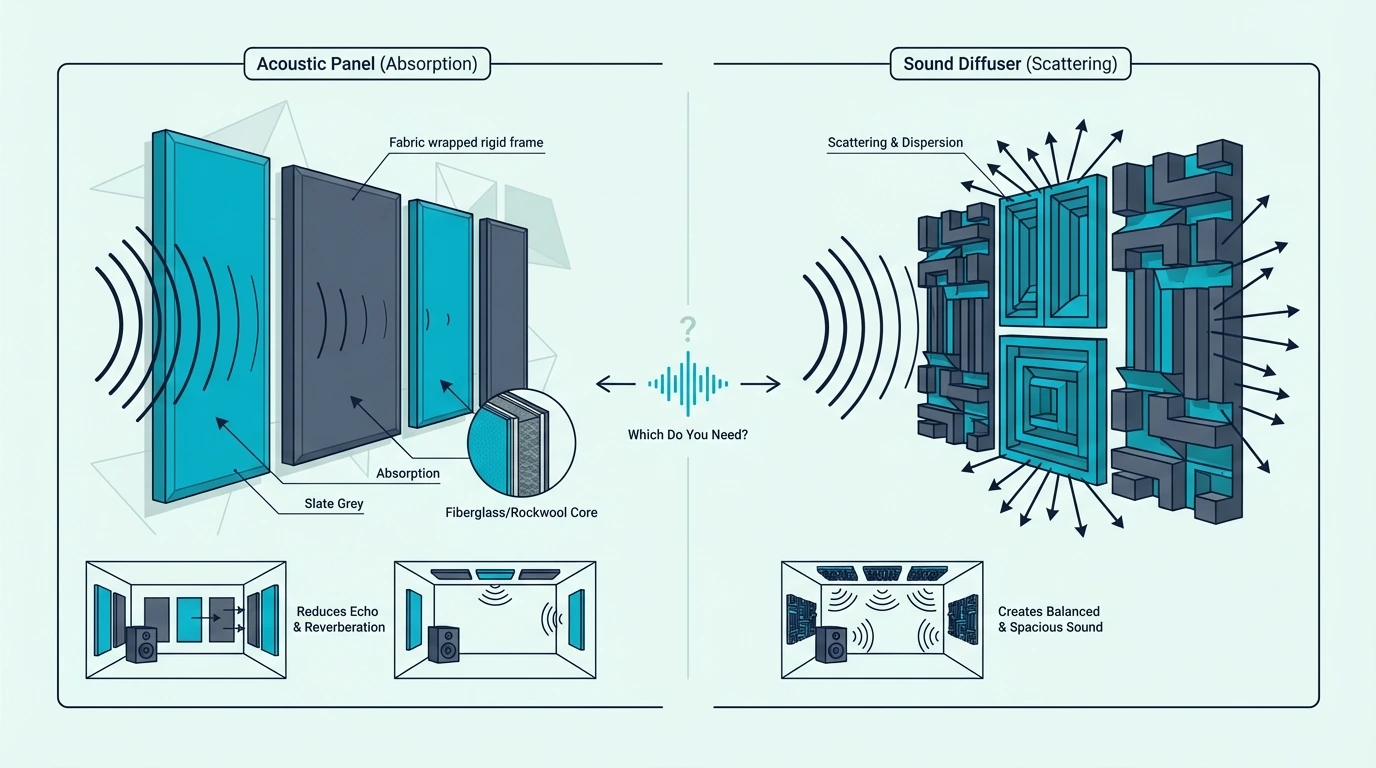
An acoustic panel and a sound diffuser sit on opposite ends of the treatment spectrum. One removes sound energy from the room, the other redistributes it.
Acoustic panels use porous materials — fiberglass, mineral wool, or open-cell foam — that convert sound energy into tiny amounts of heat. The reflection disappears.
The room gets quieter, tighter, and more controlled.
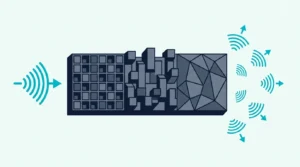
Sound diffusers use rigid surfaces with varying depths — wells, blocks, or slats — that scatter reflections across a wide arc instead of absorbing them. The energy stays in the room but arrives at your ears from many directions instead of one harsh bounce.
Neither blocks sound from passing through walls — that’s soundproofing, which is a completely different discipline. Both treat what happens to sound inside the room.
For a deeper look at how diffusers work at the physics level, that guide covers the scattering mechanics in detail.
What Does Each One Do To Your Room’s Sound?
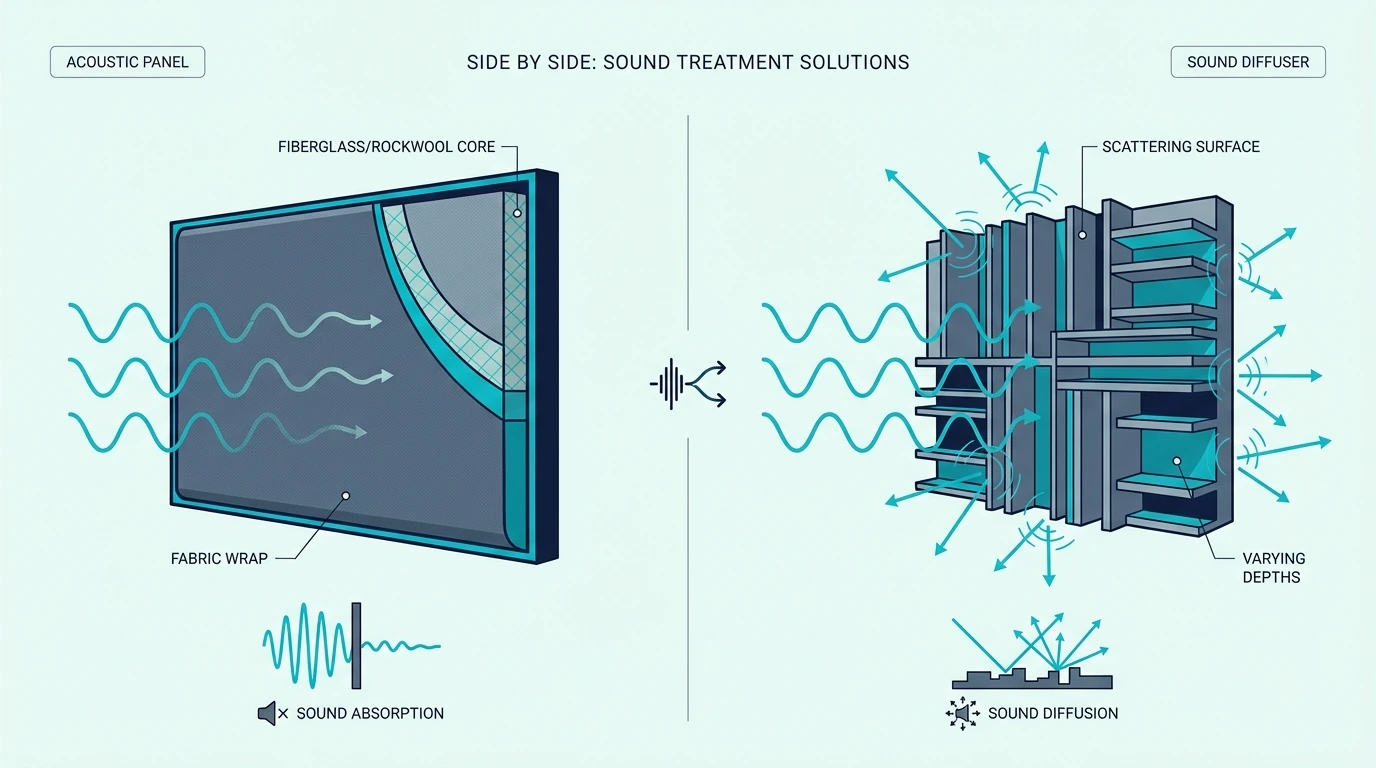
Acoustic Panels — Absorption
When sound waves hit a porous panel, they enter the material and lose energy to friction as they pass through the fiber structure. High frequencies absorb first — a 2-inch panel catches most energy above 500 Hz.
The result is a lower RT60 (reverberation time), reduced echo, and a tighter sound field. Recording studios and podcast rooms rely on this effect to create clean, dry audio with minimal room coloration.
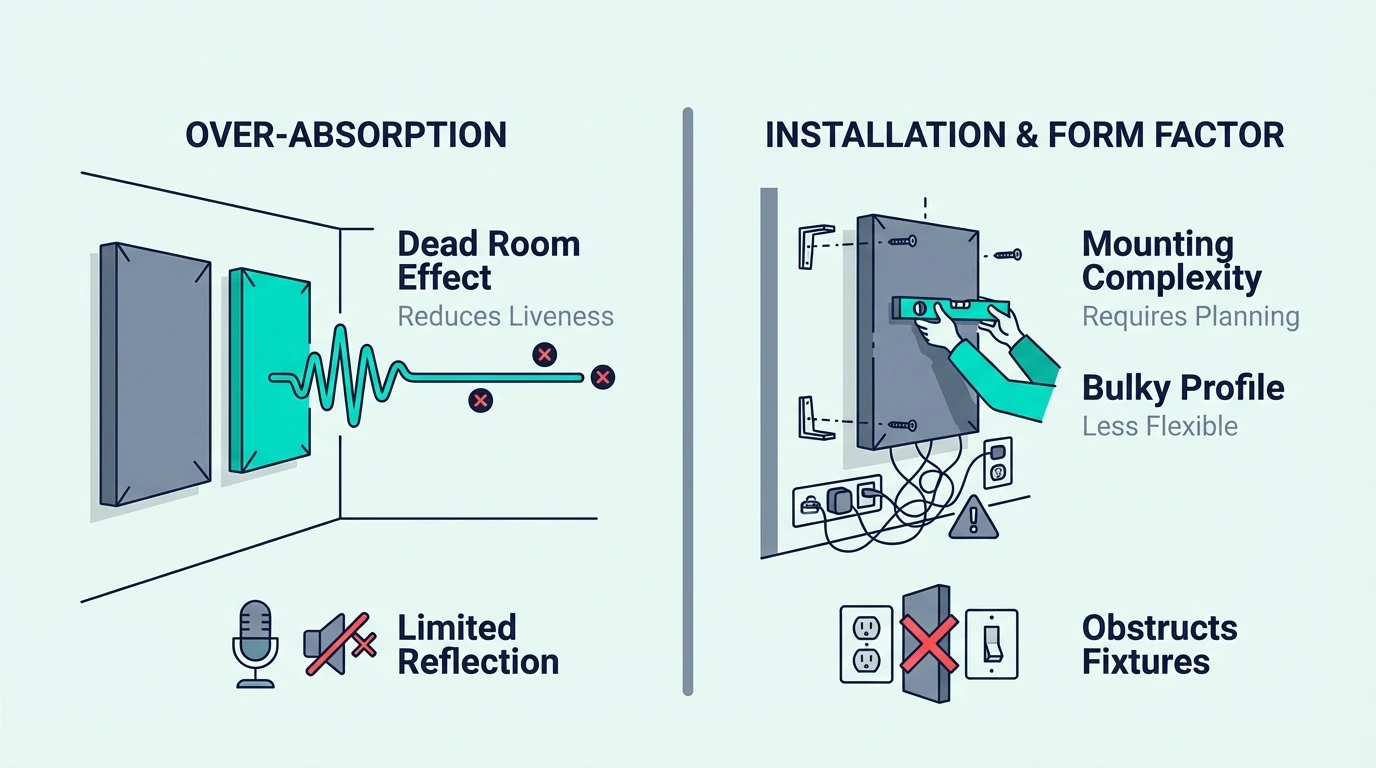
The tradeoff is that every reflection you absorb is energy the room loses permanently. Remove too many reflections and the room sounds unnaturally dead — a problem so common it has a name: over-absorption.
Thicker panels absorb lower frequencies. A 4-inch panel reaches down to roughly 250 Hz, while a 2-inch panel mostly catches energy above 500 Hz. The thickness you need depends on how much low-mid energy is causing problems in your space.
Sound Diffusers — Scattering
A diffuser’s rigid surface bounces sound waves back into the room, but the varying depths (wells in a QRD, blocks in a skyline) cause each reflected wave to arrive at slightly different times. This breaks up the coherent reflection into a wash of scattered energy.
The room stays lively and spacious without the harsh, focused reflections that cause flutter echo and comb filtering. Mixing and mastering engineers use rear-wall diffusers specifically because they preserve the sense of depth in a stereo image.
The key requirement is distance. A diffuser needs at least 2 meters between the panel and the listener for the scatter pattern to develop fully — closer than that and the reflections arrive too quickly to separate from the direct sound.
The BXI Wood Sound Diffuser (1D QRD) is a textbook example — calculated well depths in solid wood that scatter mid-frequency energy across a wide horizontal arc.
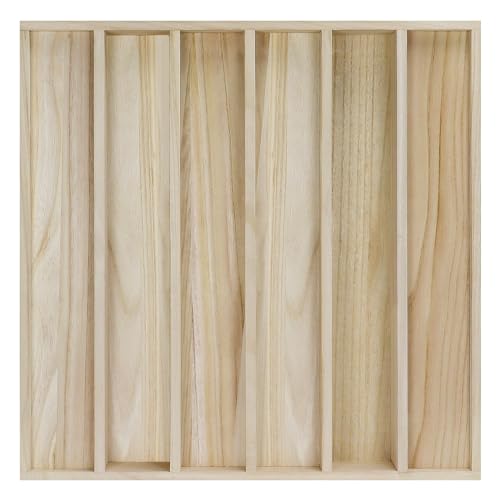
BXI Wood Sound Diffuser (1D QRD)
Get Studio Tips Weekly
Join 5,000+ creators getting acoustic treatment advice every week.
No spam. Unsubscribe anytime.When Should You Choose Diffusers Over Acoustic Panels?
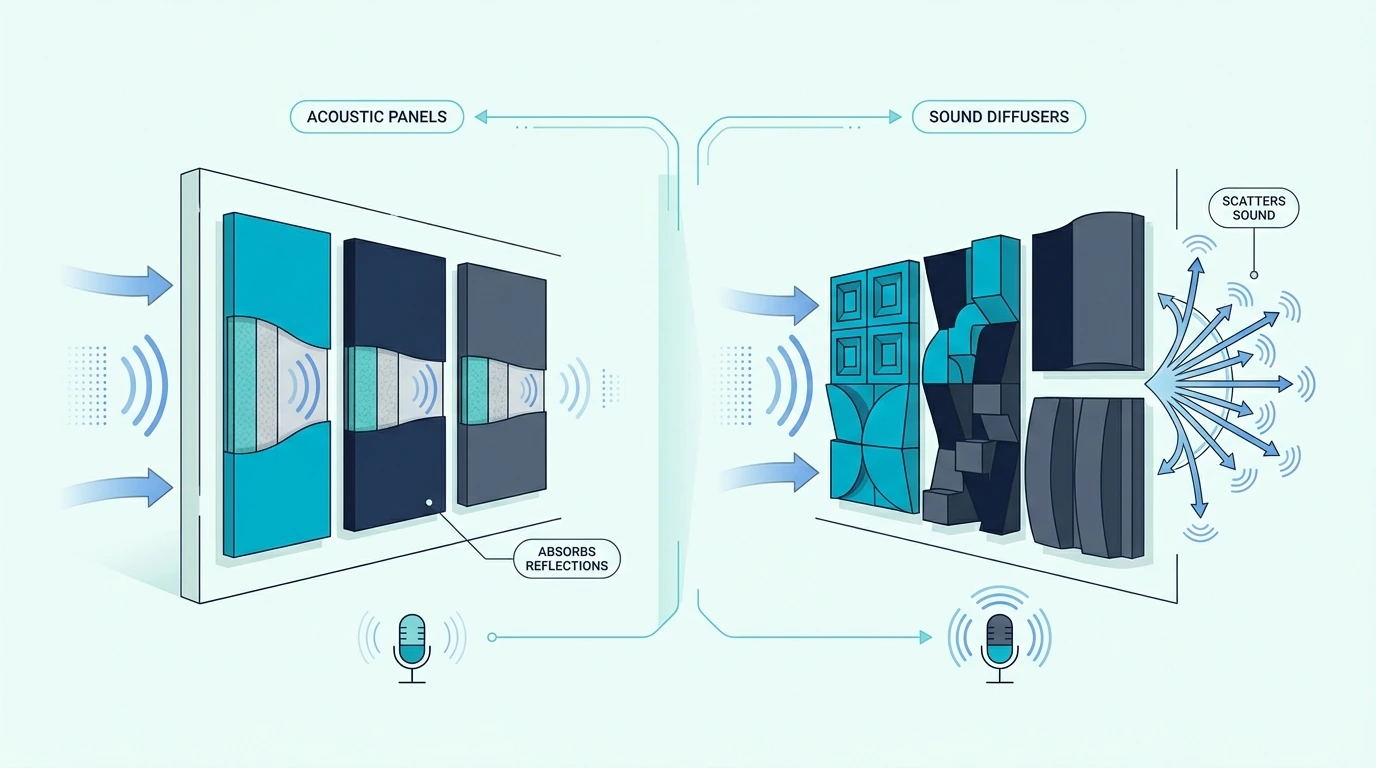
Mixing And Mastering Rooms
The rear wall behind your listening position is classic diffuser territory. Absorption there would remove the room’s depth cues — the subtle reflections that give your mix a sense of three-dimensional space.
Diffusers scatter those rear-wall reflections so they arrive at your ears as a diffuse wash instead of a focused bounce. You keep the spatial information without the comb filtering that a bare wall creates.
For exact placement guidance, that guide covers rear wall, ceiling, and first reflection point positioning.
Home Theaters And Living Rooms
A living room treated entirely with absorption panels feels like a recording booth — clinical, uncomfortable, and wrong for casual listening. Diffusers preserve the spacious, immersive quality that makes movie soundtracks and music sound engaging.
The Art3d Wood Slat Acoustic Panels are purpose-built for this scenario — wood slat aesthetics that scatter mid-high frequencies while looking like modern wall art instead of studio equipment.
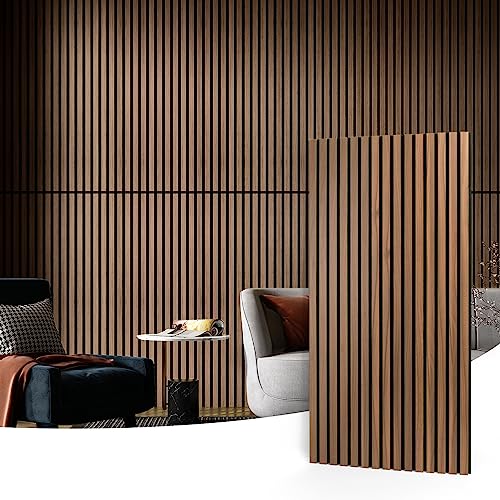
Art3d Wood Slat Acoustic Panels
When Should You Choose Acoustic Panels Over Diffusers?
Recording Booths And Podcast Rooms
Maximum reflection control is the goal here. You want the driest possible signal hitting the microphone — no room sound, no reflections, no coloration.
Absorption panels on all walls and the ceiling give you that. The goal is a signal-to-noise ratio where the direct voice dominates and room reflections are inaudible.
Diffusers would keep reflections alive in the room, which is exactly what you don’t want when recording vocals or dialogue. Panels are also cheaper per square foot and lighter — both advantages in a small booth.
A typical vocal booth uses 2-4 inch fiberglass or mineral wool panels on three walls and the ceiling, leaving only the floor and door untreated. This configuration drops the RT60 to under 0.3 seconds — dry enough for broadcast-quality voice recording.
Small Rooms With Severe Echo
Diffusers need a minimum distance of about 2 meters between the panel and the listener for the scatter pattern to develop properly. In rooms smaller than 100 square feet, that distance doesn’t exist.
Absorption panels work regardless of room size because they remove energy instead of redirecting it. For treating small rooms with diffusion, that guide explains the distance constraints and workarounds.
The exception is shallow diffusers that scatter only high frequencies — these work at closer distances because short wavelengths develop their scatter pattern faster. But for full-range treatment in a tight space, panels are the practical choice.
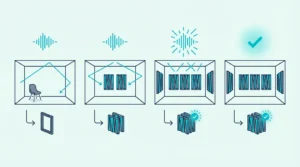
If your room is somewhere between — large enough for diffusion but still echo-prone — a combination of panels at first reflection points and a diffuser on the rear wall addresses both problems simultaneously.
What Are The Drawbacks Of Each?
Panel Core vs Diffuser Structure
Acoustic panels are lightweight, inexpensive, and simple to build or buy. A 2×4-foot fiberglass panel costs $30-50 and mounts with picture hooks.
Diffusers are heavier, more expensive, and harder to manufacture accurately. The materials that make effective diffusers — hardwood, plywood, rigid composites — cost more per square foot than fiberglass or mineral wool.
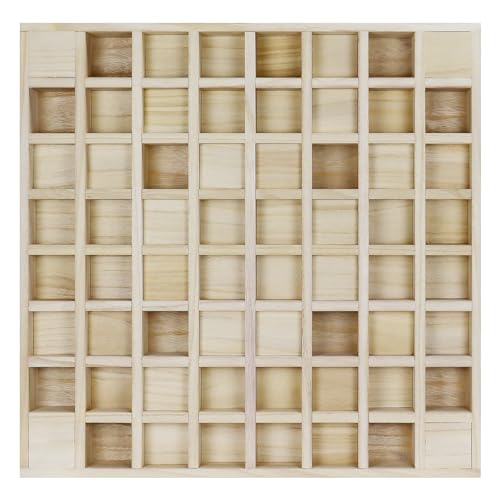
A single 24×24-inch wood diffuser like the BXI 2D Skyline weighs over 9 lbs and requires proper mounting hardware — a different installation challenge than hanging a fabric-wrapped panel.
BXI 2D Skyline
Consider Your Goal And Budget
Panels are the budget-friendly starting point — a full room of absorption treatment costs less than two or three wood diffusers. If your room has severe echo or you’re building a recording booth, panels solve the problem faster and cheaper.
Diffusers are the refinement step — they address what happens after you’ve tamed the worst reflections with absorption. Most well-treated rooms use both.
For a detailed comparison of absorption and diffusion, that guide covers how to balance both approaches in the same room. And if you’re considering building your own panels, our DIY wooden sound diffuser guide walks through both QRD and skyline builds.
The Bottom Line
Use acoustic panels where you need reflections removed — first reflection points, recording booths, and problem corners.
Use diffusers where you need reflections scattered — rear walls, ceilings above listening positions, and any space where over-absorption would kill the room’s character.
Most rooms need both — the standard professional approach treats first reflection points with absorption and the rear wall with diffusion. Our best sound diffusers roundup compares the top pre-built options if you’d rather buy than build.
Frequently Asked Questions
Are sound diffusers worth it?
Yes — for mixing rooms, home theaters, and any space where you want controlled reflections without the lifeless feel of over-absorption. For recording booths and podcast rooms, acoustic panels are the better investment.
When to use sound diffusers?
When your room sounds too dead after adding absorption, or when you want to treat the rear wall without losing the room’s natural ambience. Diffusers are the complement to absorption, not a replacement.
What are the disadvantages of acoustic panels?
Over-absorption is the biggest risk — a room with too many panels sounds claustrophobic and fatiguing after extended sessions. Panels also can’t create the controlled liveliness that diffusers provide — they only subtract energy.