How To Soundproof A Room From Outside Noise (Traffic, Neighbors, And Street Sound)

How to soundproof a room from outside noise is a question that sounds simple, but the answer depends entirely on where the noise is getting in. Most people blame their windows, and windows are often part of the problem — but outside noise exploits every weak point in the room’s shell, and fixing only one while ignoring the others wastes money.
The reason outside noise is harder to block than room-to-room noise is because it contains more low-frequency energy. Traffic rumble, aircraft drone, and bass from nearby music all sit in the frequency range that passes through lightweight building materials most easily.
Below, you’ll find how to diagnose where outside noise enters your room, which fixes to prioritize first, what actually works on a budget, and when the problem requires professional-level upgrades.
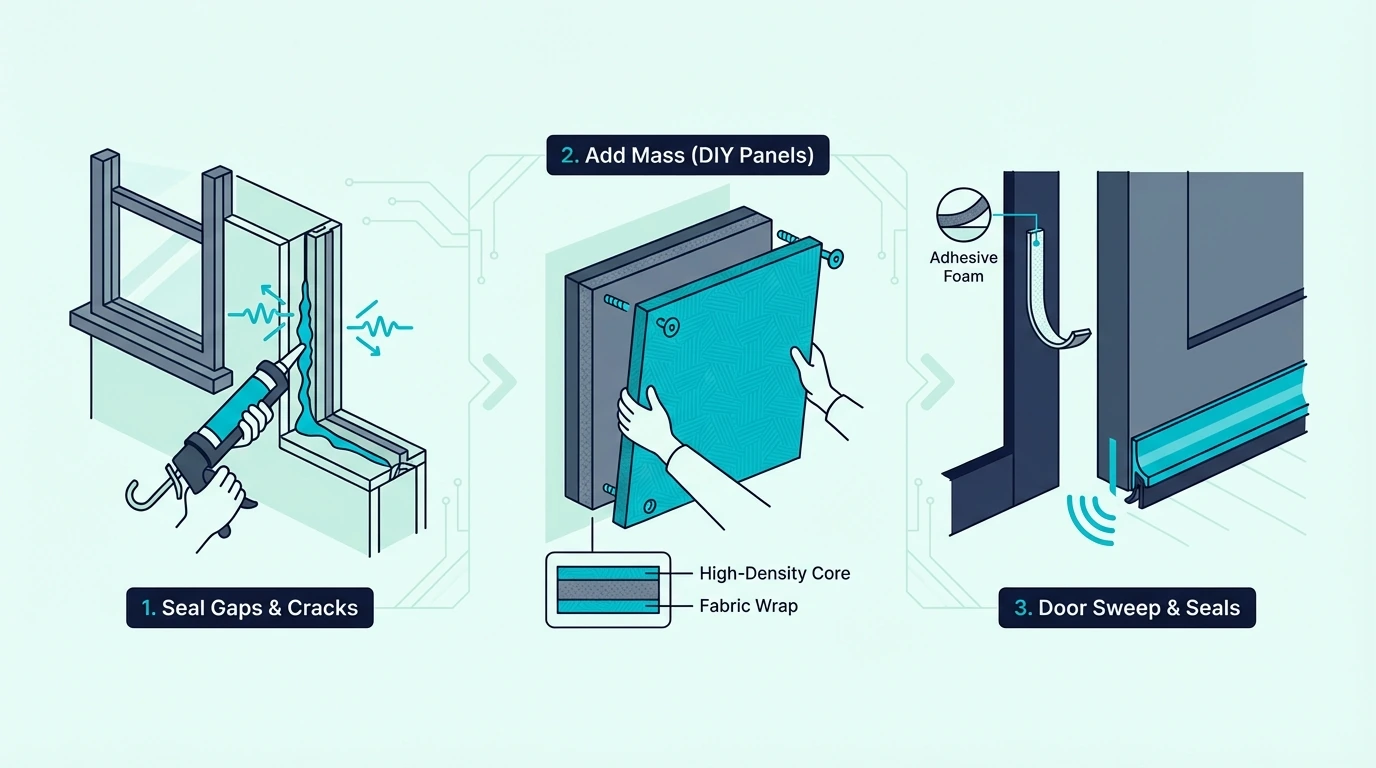
Start by sealing every air gap — around windows, doors, outlets, and vents. Air gaps are the cheapest fix and the biggest noise leak in most rooms. After sealing, add mass to the weakest surfaces: heavier curtains on windows, weatherstripping and sweeps on doors, and extra drywall on thin walls. A properly sealed room with targeted mass upgrades can reduce outside noise by 10–20 decibels.
Outside Noise Uses The Weakest Path Into The Room
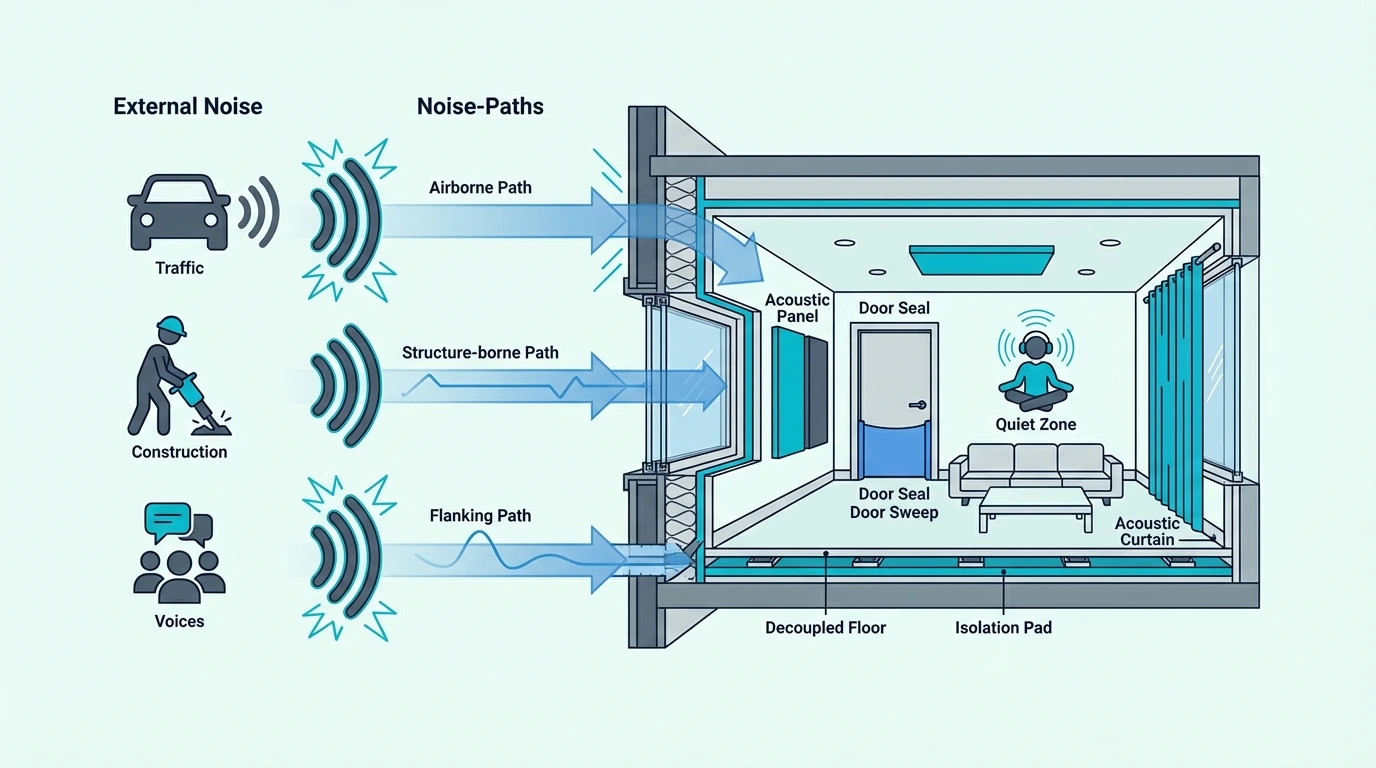
Before you buy anything, you need to know which part of the shell is actually losing.
Outside noise reaches the room through every surface and opening that faces the exterior, but it rarely enters each one equally.
The Loudest Leak Usually Tells You Where To Start
Walk through the room while outside noise is present. Press your ear close to the window glass, then the window frame edges, then the door, then the walls.
The noise will be loudest at the weakest point.
If the noise is loudest at the window edges rather than the glass center, air gaps around the frame are the primary leak. If it’s loudest at the door bottom, the gap under the door is the main path.
If it seems to come from everywhere equally, the walls themselves lack enough mass to block the sound — or structure-borne vibration is traveling through the building frame.
Windows Are Common Culprits, But Not Automatic Ones
Windows are often the biggest weak point because glass is thin and lightweight compared to walls, and window frames develop air gaps over time as seals dry out and frames shift. A single-pane window with worn weatherstripping can leak as much sound as an open hole.
A patio slider is the biggest pane in many rooms, and our page on stopping noise through a sliding glass door compares Marvin’s tested doors with older ones.
That said, a sealed double-pane window in good condition may not be the primary problem. If your door has a visible gap at the bottom or your walls are thin single-layer drywall, those surfaces might be leaking more noise than the window.
If the room is a home office, the speech privacy levels offices use show how far the walls, the door and the windows need to go.
Diagnosis before spending is the key principle — fixing windows only helps if windows are actually the main leak.
Doors, Vents, And Thin Walls Keep The Problem Going
Exterior doors are common weak points because they’re thinner than walls and often have gaps at the threshold, sides, and top. Interior doors facing hallways that connect to exterior spaces can also transmit outside noise indirectly.
HVAC vents, bathroom exhaust ducts, and any penetration through an exterior wall create direct air paths for sound. A vent connected to the outside is essentially a hole in the wall with a grate over it — sound travels through ductwork surprisingly well.
Thin walls — especially in apartments and older construction — may transmit noise through the wall structure itself even when fully sealed. Single-layer drywall on wood studs without insulation rates around STC 33, which means traffic noise and loud conversation pass through clearly.
The First Money Should Go To Sealing And The Weakest Opening
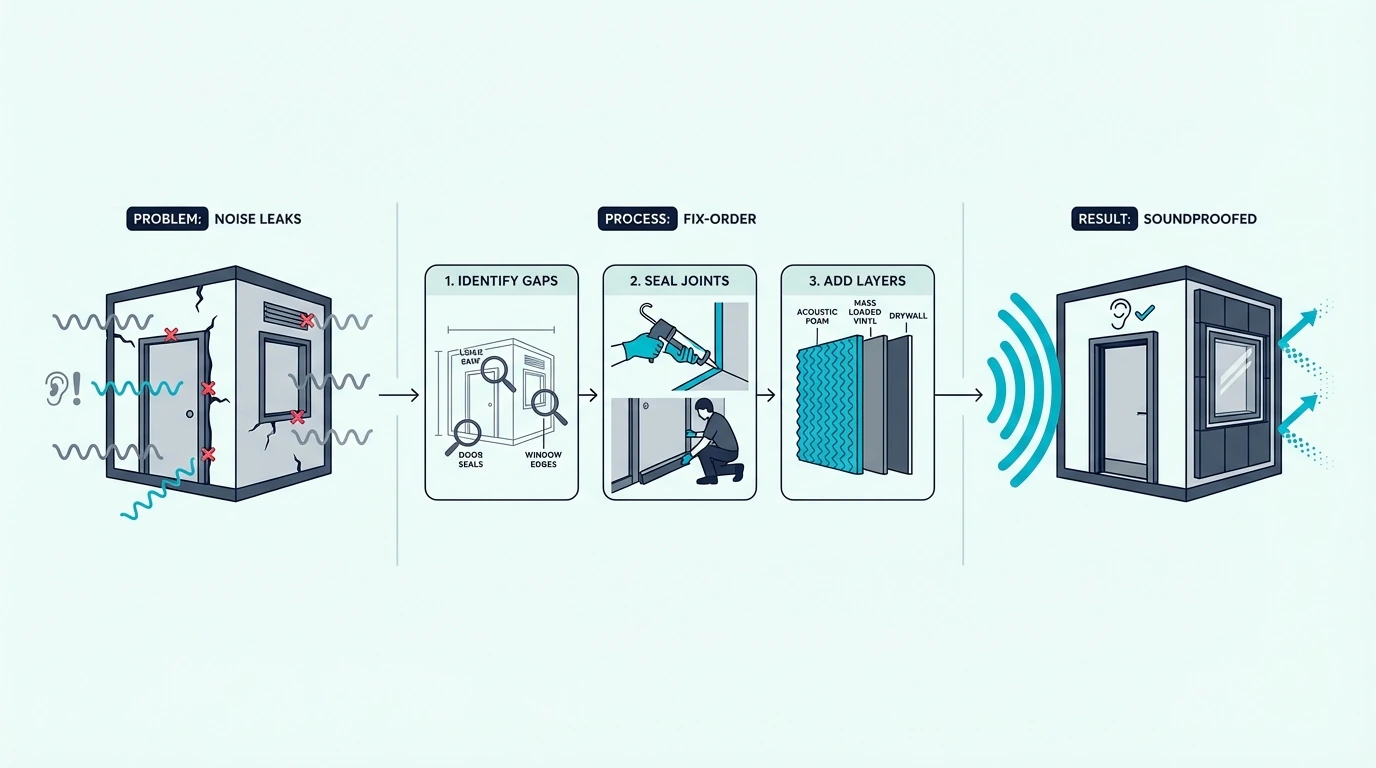
Once the path is clear, the upgrade order becomes much easier to trust.
The cheapest fixes often deliver the biggest improvement, which is why spending hundreds on window inserts while a gap under the door leaks noise freely is such a common mistake.
Air Leaks Beat Heavier Upgrades Every Time
Air gaps are the single biggest source of sound leakage in most rooms, and sealing them costs almost nothing. Acoustic caulk around window frames, door frames, and where walls meet floors and ceilings closes the air paths that sound exploits first.
Foam gaskets behind electrical outlet and light switch covers on exterior walls take five minutes per outlet and cost pennies. Weatherstripping around doors and windows — compression-style EPDM or silicone, not the cheap foam that compresses permanently — seals the operable gaps that open and close daily, and a product like self-adhesive soundproof weather stripping is a practical place to start.
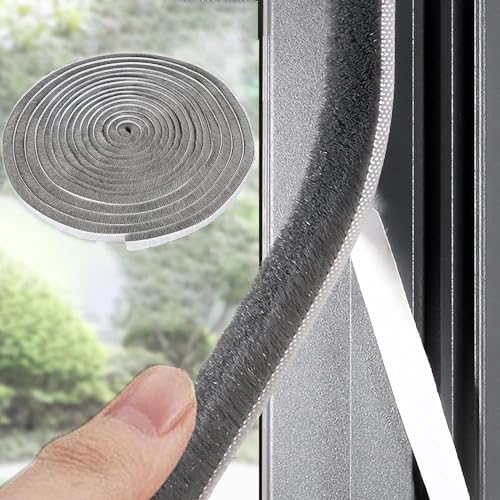
self-adhesive soundproof weather stripping
A door sweep or automatic door bottom like under-door draft stopper closes the gap at the threshold. This single fix can make a noticeable difference if the door currently has visible daylight at the bottom.
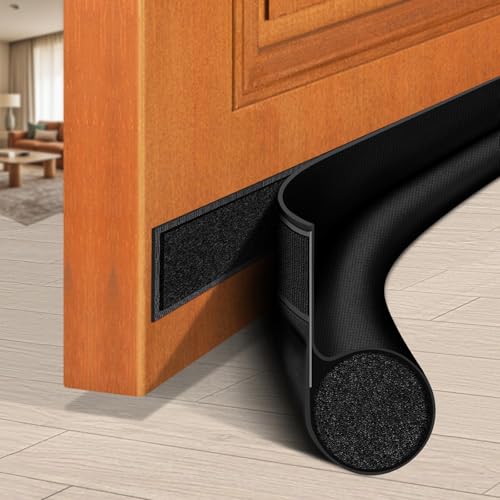
under-door draft stopper
Windows Need More Than Curtains When Glass Is The Real Bottleneck
Heavy curtains add a layer of mass and absorption between the window and the room. RYB HOME 3-Layer Soundproof Curtains use a felt core sandwiched between fabric layers, adding more mass than standard blackout curtains.
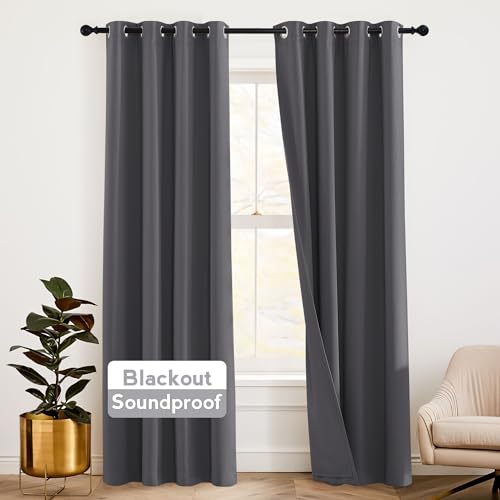
RYB HOME 3-Layer Soundproof Curtains
Mount the rod wide enough to overlap the wall on both sides of the window.
Curtains help with mid and high-frequency noise but don’t do much against low-frequency traffic rumble. When traffic noise is the primary problem and curtains aren’t enough, acoustic window inserts — clear acrylic panels that mount inside the window frame with a meaningful air gap — provide significantly better noise reduction.
The mass-law numbers behind that limit are worked through in how much sound curtains really block by frequency.
For more detail on window-specific fixes, see our window soundproofing guide.
Mass Upgrades Matter After The Leaks Are Controlled
If the walls are thin — single-layer drywall without insulation — adding a second layer of 5/8-inch drywall with damping compound between the layers adds mass that blocks more sound. This is the most effective wall retrofit for outside noise and typically adds 8 to 12 STC points.
When the wall cavity is open during a retrofit, filling it with a dense mineral wool product like AFB Mineral Wool Insulation before closing it back up with new drywall makes the entire assembly significantly more effective. The cavity fill absorbs sound energy that would otherwise bounce between the drywall layers and transmit through.
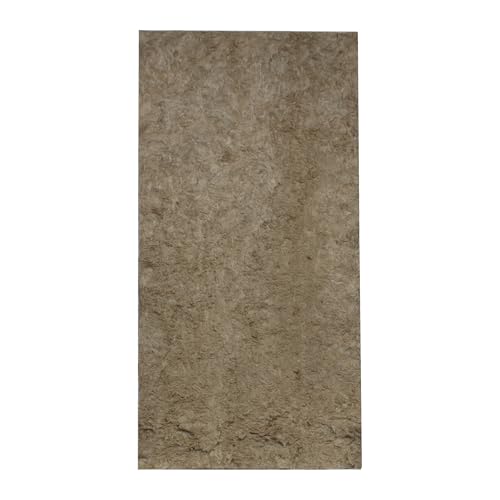
AFB Mineral Wool Insulation
For doors, replacing a hollow-core interior door with a solid-core door makes a meaningful difference. If the door is already solid, the gaps around the frame are usually the bigger problem — focus on weatherstripping and sweeps instead.
For walls that you can’t modify, hanging a heavy sound dampening blanket on the noisiest wall section adds temporary mass that helps with mid-frequency noise. It’s not a real soundproofing solution, but it’s removable and provides a few decibels of improvement.
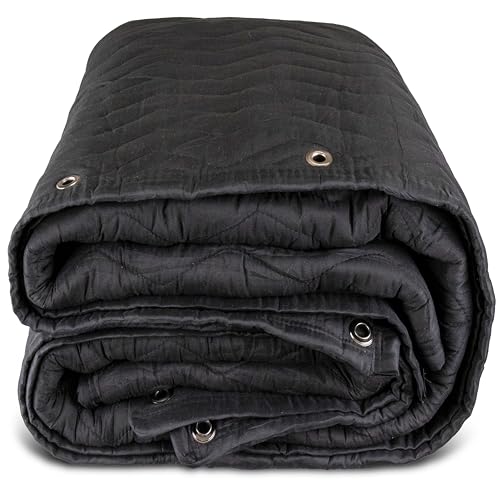
heavy sound dampening blanket
Get Studio Tips Weekly
Join 5,000+ creators getting acoustic treatment advice every week.
No spam. Unsubscribe anytime.Budget Fixes Help Most When The Room Is Simply Leaky
Budget limits do not stop you from improving the room.
They just force you to separate honest small wins from products that only sound convincing.
Cheap Wins Usually Come From Sealing And Simple Mass
Sealing gaps is the cheapest and most effective fix — acoustic caulk, weatherstripping, and door sweeps cost ten to thirty dollars total and take an afternoon.
After sealing, the next cheap step is usually a heavier window layer or better furniture placement at the noisiest surface. Those moves will not solve low-frequency traffic noise on their own, but they can make a room noticeably calmer while you figure out whether the real weak point is the window, the door, or the wall.
Rearranging furniture so that bookshelves full of books sit against the noisiest wall adds free mass. It’s not a real soundproofing fix, but dense furniture absorbs and blocks a small amount of mid-frequency sound.
Most Cheap Soundproofing Hype Solves The Wrong Problem
Egg cartons, thin tapestries, and acoustic foam panels on the wall do not block outside noise. They absorb a small amount of high-frequency echo inside the room, which is a completely different problem than stopping sound from passing through a wall or window.
For more on this distinction, see does soundproof foam work.
Window film marketed as “soundproof” adds almost no mass and provides negligible noise reduction. The film is too thin and light to affect sound transmission in any measurable way.
Rubber floor mats and carpet on the floor don’t reduce outside noise coming through walls and windows. They help with impact noise from footsteps inside the room, which is unrelated to exterior noise.
Renters Still Have Useful Reversible Moves
Renters can seal gaps with removable weatherstripping tape, hang heavy curtains, place dense furniture against the noisiest wall, and use a door draft stopper at the bottom of the door. A reversible heavy layer like the US Cargo Control sound dampening blanket can also be useful over one especially weak window or door when you need a temporary test before more permanent work.
None of these are permanent modifications.
For a more comprehensive approach to noise in rented spaces, see our rental room soundproofing guide. The principles are the same — seal, add mass, and treat the weakest surface — but the methods need to be reversible.
Outside Noise Gets Expensive Because Low Frequencies Punish Light Structures
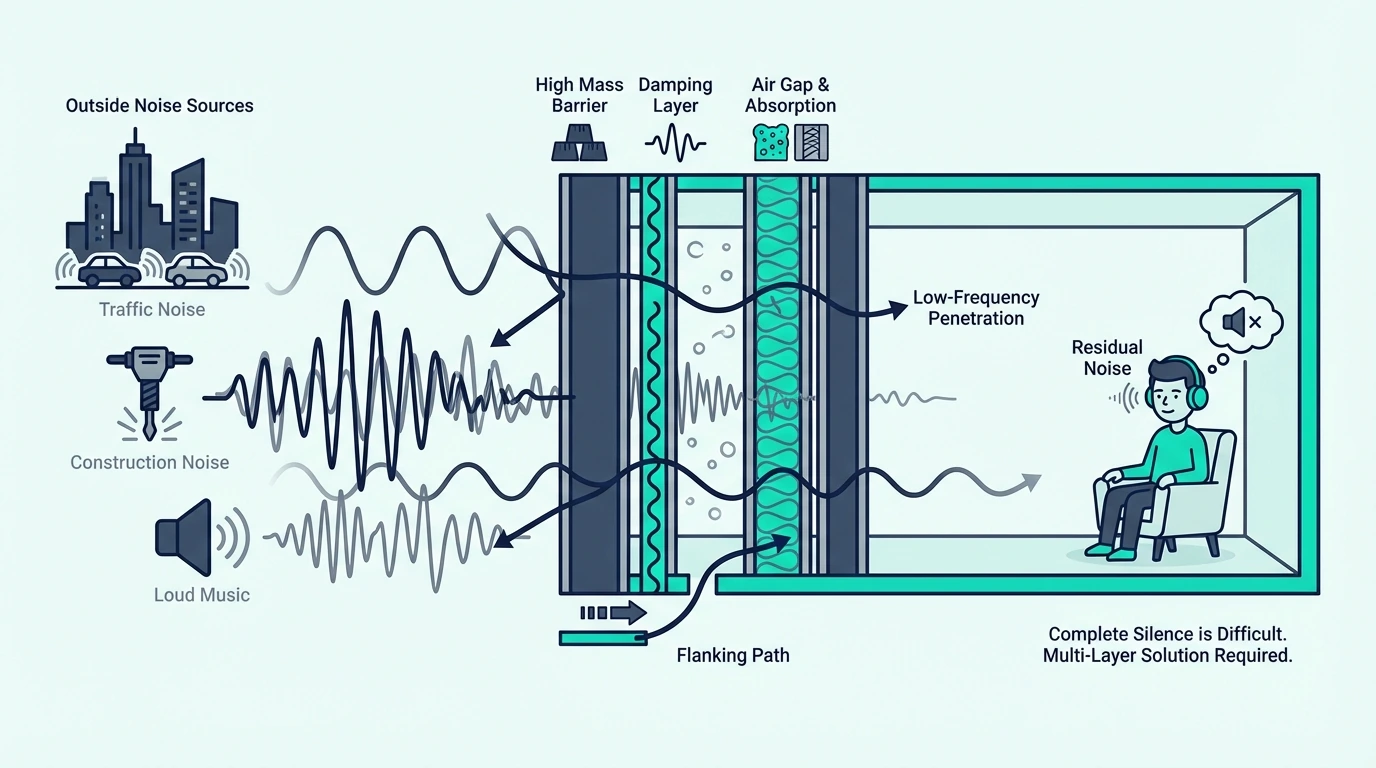
Even after the easy wins, some outside noise will still be audible.
That is where the problem stops feeling random and starts looking like a physics limit.
Traffic And Aircraft Noise Overwhelm Lightweight Assemblies
Low-frequency sound waves are long and carry more energy than high-frequency sounds. They pass through lightweight barriers like glass, drywall, and wood framing more easily because these materials vibrate at the frequencies traffic and aircraft produce.
Blocking low-frequency noise requires either substantial mass (multiple layers of heavy drywall and a product like 1 lb mass loaded vinyl) or decoupling (separating the room surfaces from the building structure so vibrations can’t transfer). Both approaches are expensive compared to sealing and adding curtains, which is why traffic noise near busy roads often requires professional-level solutions.
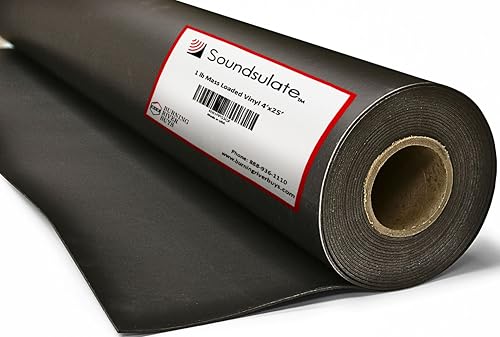
1 lb mass loaded vinyl
Complete Isolation Means Construction, Not Accessories
Complete sound isolation from outside noise is possible but requires construction-level work: fully decoupled walls, ceiling, and floor; multiple layers of mass on every surface; sealed and treated windows (usually secondary glazing or acoustic inserts); and no direct air connections to the outside.
Recording studios and broadcast rooms achieve this level of isolation, but the cost typically runs thousands to tens of thousands of dollars. For most residential situations, the goal is noise reduction — making outside noise quiet enough that it doesn’t disrupt sleep, work, or conversation — rather than complete elimination.
Noise Shifts Fast When Only One Weak Point Gets Fixed
Sound finds the weakest path. If you soundproof the wall but leave the window untreated, the noise shifts to the window.
If you treat the window but ignore the door, the door becomes the new weak point.
This is why a system approach — sealing everything first, then adding mass to the weakest remaining surface, then reassessing — works better than spending your entire budget on one surface. For the complete room-level approach, see our how to soundproof a room guide.
Cost Rises With Build Depth, Not With Frustration
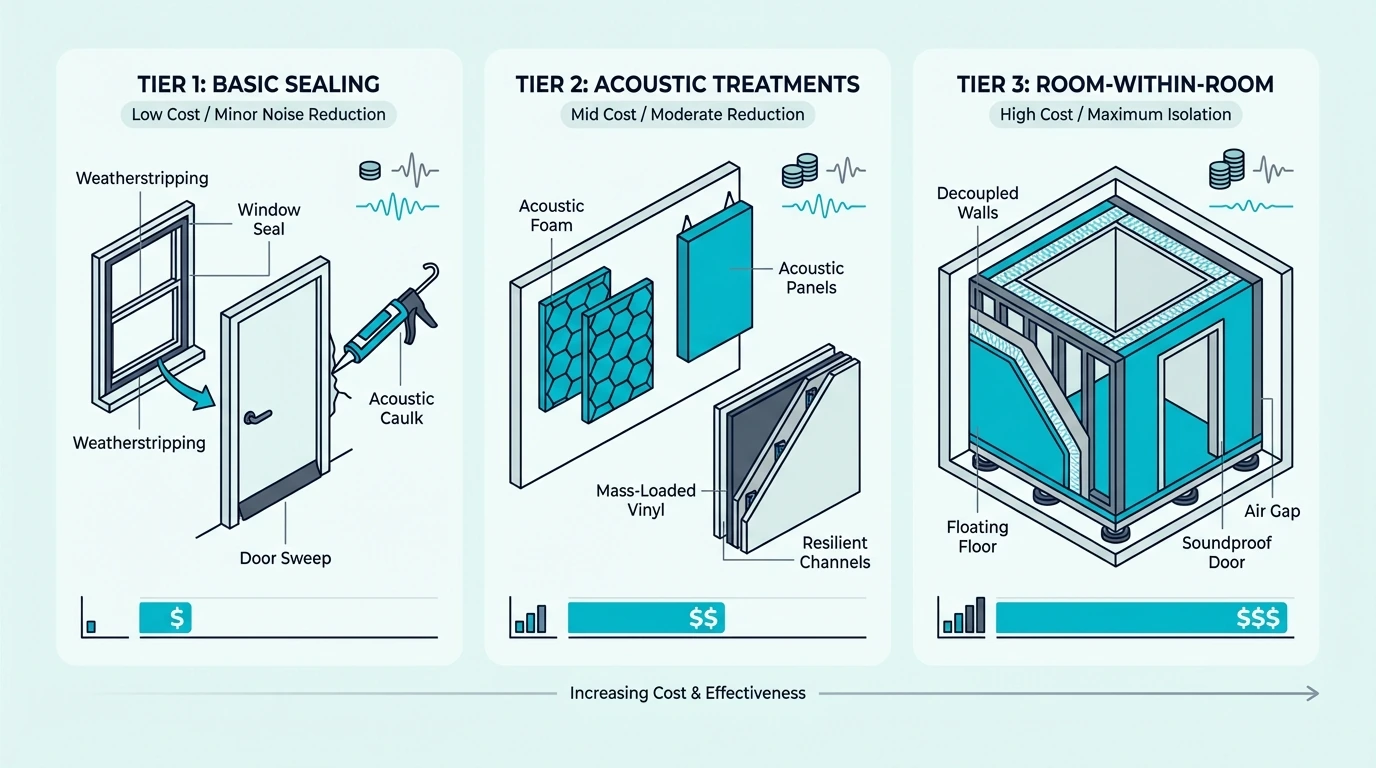
Once the problem reaches this stage, the pricing stops being mysterious.
Cost scales predictably from cheap sealing to serious construction, with each tier delivering a measurable step up in noise reduction.
The Entry Tier Is Mostly Sealing And Window Coverings
Acoustic caulk, weatherstripping, a door sweep, and outlet gaskets cost ten to fifty dollars total and take a weekend afternoon. This addresses air gaps and is the single highest-value investment for most rooms.
Adding heavy curtains or blackout curtains to windows adds thirty to one hundred dollars per window depending on quality and size.
Better Windows, Doors, And Walls Cost Real Money
Acoustic window inserts range from two hundred to five hundred dollars per window. Secondary glazing panels installed professionally run three hundred to eight hundred dollars per window including labor.
Both provide significantly better noise reduction than curtains alone, especially for traffic noise.
Replacing a hollow-core door with a solid-core door costs one hundred fifty to four hundred dollars including hardware. Professional wall insulation with added drywall and damping compound runs five to fifteen dollars per square foot installed.
A rigid fiberglass board like Owens Corning 703 Fiberglass Boards is commonly used in these assemblies when the installer wants a rigid panel that holds its shape inside the wall cavity.
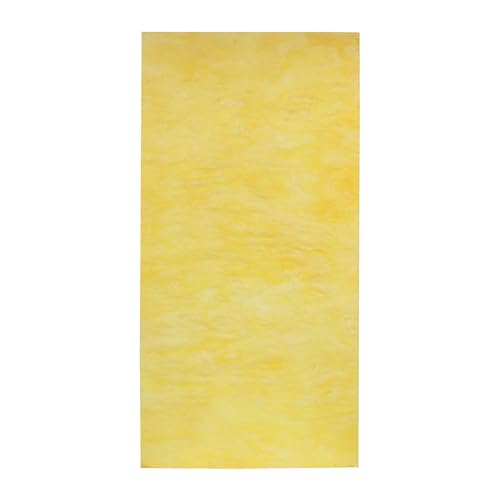
Owens Corning 703 Fiberglass Boards
Professional Help Pays Off When Low Frequencies Survive The Basics
If you’ve sealed gaps, added curtains, and the noise is still unacceptable — especially low-frequency traffic or aircraft noise — a soundproofing professional can diagnose specific weak points with acoustic testing equipment and recommend targeted solutions.
Professional consultation typically costs two hundred to five hundred dollars. The solutions they recommend (window replacement, wall rebuilds, HVAC duct treatment) can range from one thousand to ten thousand dollars depending on scope.
For rooms where noise impacts sleep quality, work productivity, or home office functionality, the investment often pays for itself in improved quality of life.
The Bottom Line
Seal every air gap first — it’s the cheapest fix and often the most effective. Then add mass to the weakest surface: curtains on windows, sweeps on doors, extra drywall on thin walls.
Treat multiple weak points rather than over-investing in one.
Outside noise is harder to block than interior noise because of its low-frequency content, but most rooms can be improved significantly with a combination of sealing and targeted mass additions. Complete isolation requires construction work and professional design, but meaningful noise reduction is achievable on any budget.
For room-specific guides, see our articles on walls, windows, doors, and ceilings.
Frequently Asked Questions
How Do I Make It So I Can’t Hear Anything Outside My Room?
Complete silence requires a fully decoupled room — walls, ceiling, and floor isolated from the building structure — with multiple layers of mass and no air connections to the outside. This is a construction project costing thousands of dollars.
For most people, sealing air gaps and adding mass to the weakest surfaces reduces noise enough to eliminate distraction.
Is There A Device That Cancels Outside Noise?
White noise machines and active noise-canceling headphones mask outside noise by adding a constant sound that makes intermittent noises less noticeable. They don’t physically block or cancel the sound waves entering the room — they make your brain less aware of them.
For actual noise reduction, you need physical barriers: sealing, mass, and insulation.
What Is The Best Noise For Blocking Outside Noise?
White noise and pink noise are the most commonly used masking sounds. Pink noise emphasizes lower frequencies and is generally more effective at masking traffic rumble than white noise, which sounds harsher.
Brown noise goes even deeper and works well for very low-frequency disturbances. These are masking tools, not soundproofing — they don’t reduce the actual noise entering the room.
How Do You Block External Sound In A Room?
Seal every air gap around windows, doors, outlets, and vents with acoustic caulk and weatherstripping. Add mass to the weakest surfaces — heavy curtains on windows, a solid-core door with proper seals, and extra drywall on thin walls.
Address the biggest leak first, then work down the list. For a complete approach, see our room soundproofing guide.