Does Soundproof Foam Work? (What Foam Actually Does)
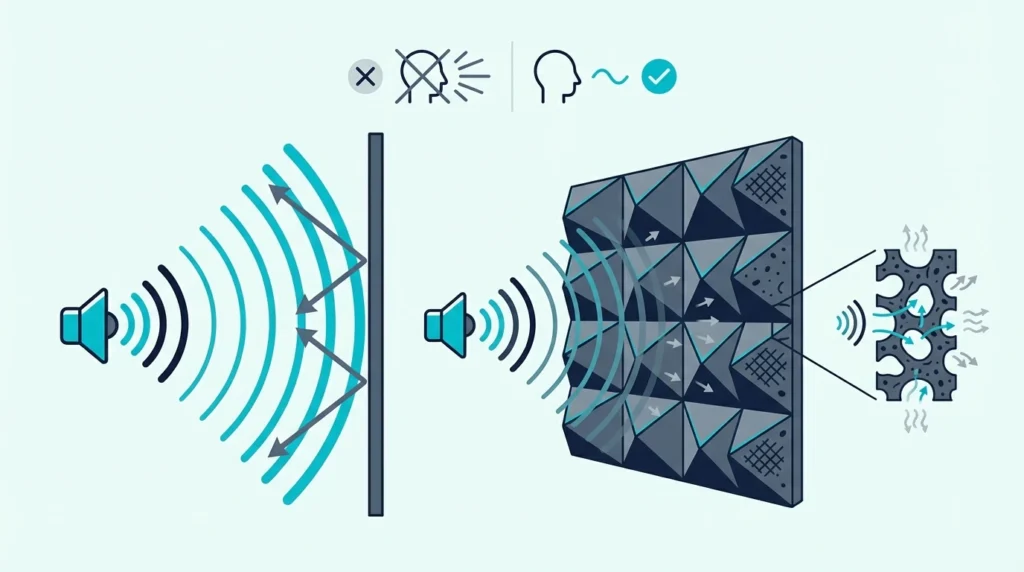
Does soundproof foam work sounds like a yes-or-no question, but most of the confusion starts with the name itself. What many people call soundproof foam is usually acoustic foam, and acoustic foam is much better at changing how a room sounds than stopping noise from getting through the structure.
That is why people cover a wall with foam and still hear neighbors, traffic, voices, or TV through it. The foam may be doing something real, but it is usually solving echo, reverb, and harsh reflections instead of actual sound transmission.
The good news is that foam still has a real job. Once you separate sound absorption from true soundproofing, it becomes much easier to tell when foam is worth buying, when it is being oversold, and what to use instead if the real goal is blocking noise.
Below, you’ll see what foam actually changes, where it helps, why it usually fails as a soundproofing fix, what works better than foam for blocking noise, and how to decide whether to buy it or skip it.
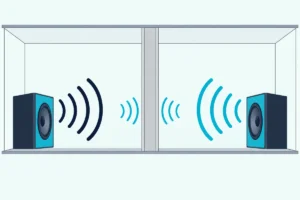
Soundproof foam usually does not truly soundproof a room. In most cases, it absorbs echo and improves room acoustics more than it blocks sound from getting in or out. If your goal is better recordings, clearer speech, or a less harsh room, foam can help. If your goal is stopping neighbor noise, outside noise, or sound transfer through walls, doors, ceilings, or windows, you usually need mass, sealing, insulation, damping, or a stronger assembly instead.
The Confusion Behind “Soundproof Foam”
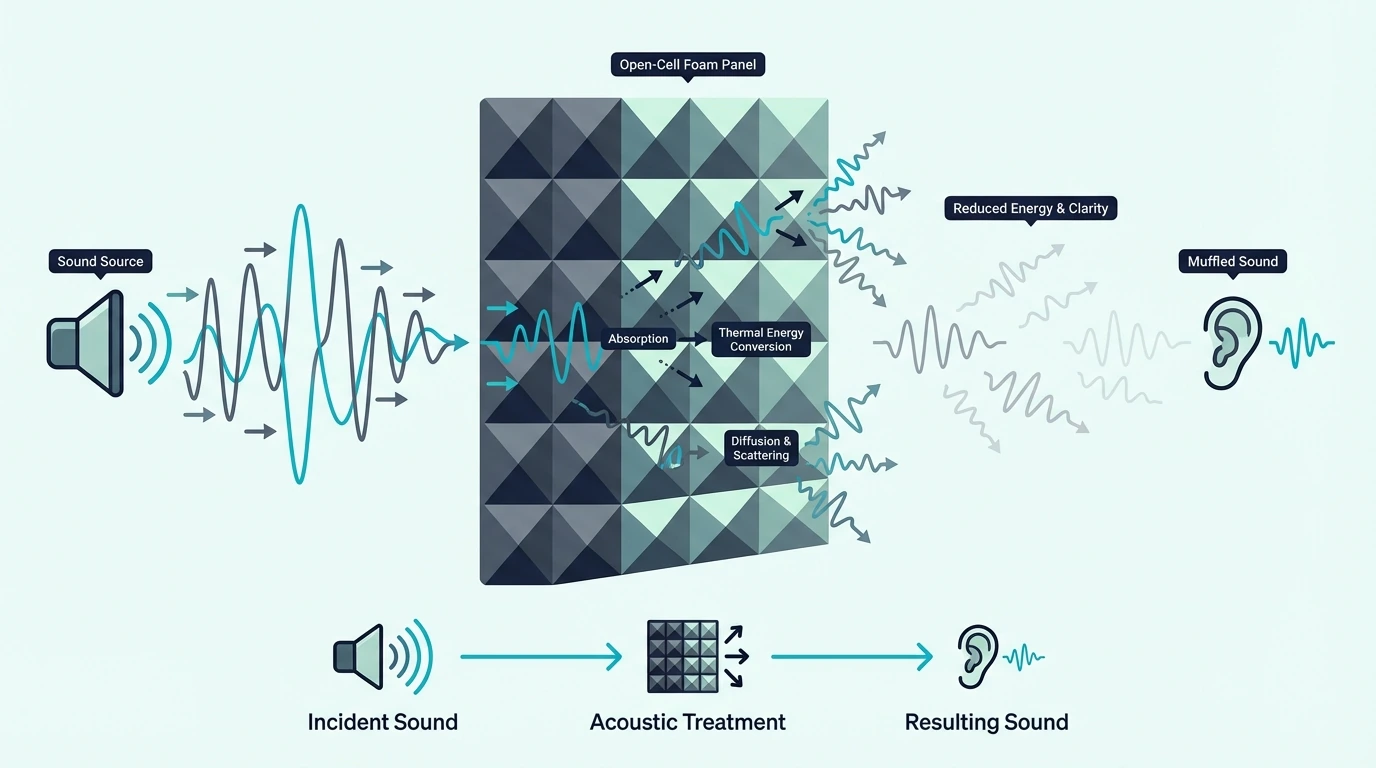
Now that the core confusion is on the table, the direct answer is simple: foam can work, but usually not for the job people hope it will do. Most foam products sold to everyday buyers are treatment products, not true soundproofing systems.
Why the myth persists
The confusion starts with visual cues. People think foam is soundproofing because photos of recording studios, podcast booths, and music rooms often show foam on the walls. That visual cue makes it easy to assume the foam is what keeps sound from getting in or out.
Marketing makes the confusion worse. Terms like soundproof foam, studio foam, soundproofing panels, and acoustic foam get mixed together even though they do not all describe the same job.
Acoustic foam itself is the clearest example: it looks like a soundproofing product to most buyers, yet it mainly behaves like an absorptive surface treatment.
What foam actually changes
Once you see past the marketing, foam’s real capability becomes clearer. Foam mainly changes what happens after sound is already inside the room. It helps reduce reflections, shortens echo, softens harshness, and can make speech or recordings easier to hear.
That is why foam belongs more naturally in conversations about room acoustics than in a full how to soundproof a room plan. If the room sounds hollow, bright, or splashy, foam may help. If sound is moving through the wall itself, the real problem is elsewhere.
Why foam fails at blocking noise
That absorption strength also reveals the core weakness. Foam usually does not stop much sound transmission because it lacks the mass needed to resist sound waves. It is soft, light, and porous, which is helpful for absorption but weak for blocking noise through a wall, ceiling, door, or window.
That is the same reason the difference between sound deadening vs soundproofing matters so much here. A product can reduce harshness inside the room and still do very little to stop sound crossing the structure.
Where Foam Actually Earns Its Keep
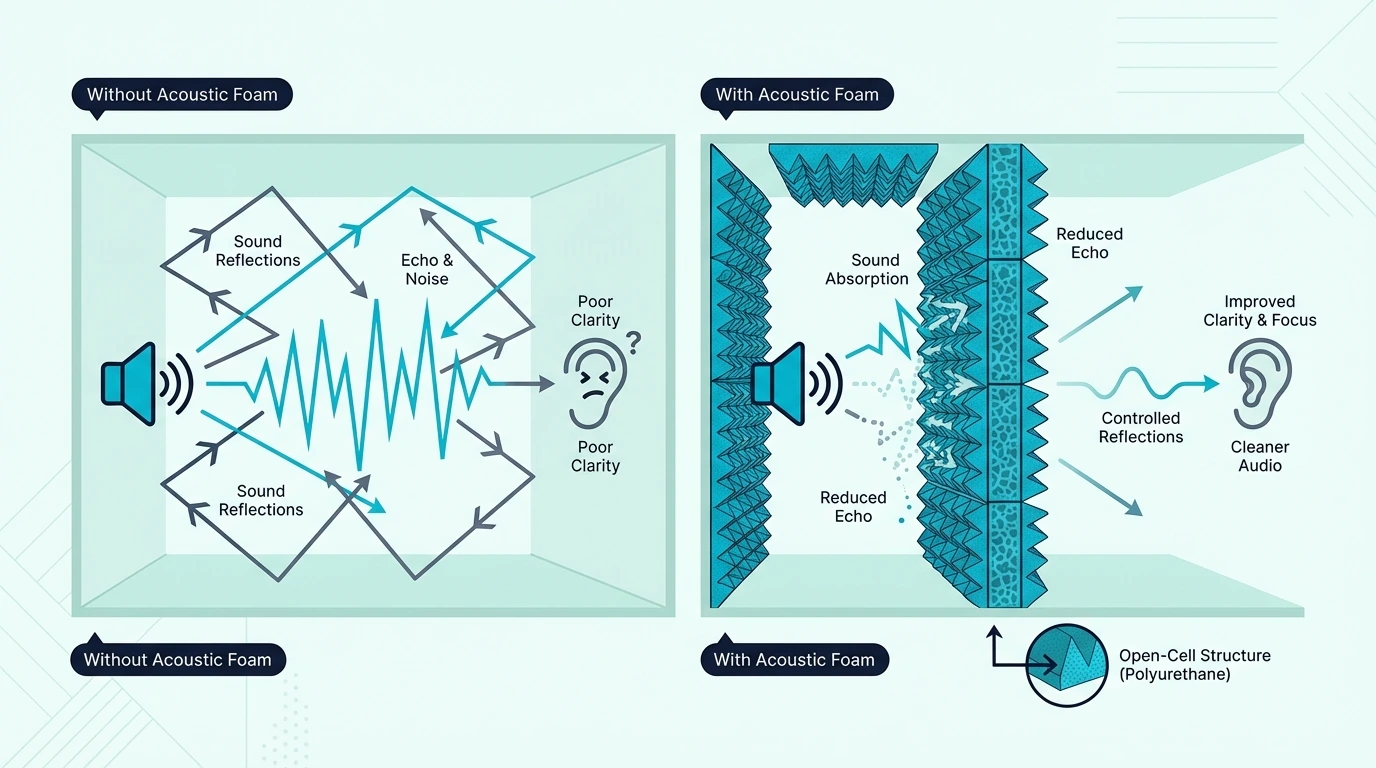
Once you stop asking foam to do the wrong job, its real strengths are easier to appreciate. Foam can be genuinely useful when the goal is controlling the sound inside the space rather than blocking transmission to another one.
Recording studios and content rooms
Foam’s real value shows up in spaces where reflections are the enemy. Foam is useful in recording studios, podcast rooms, voiceover booths, gaming rooms, and content spaces where reflections are the real problem. It can make a room sound less splashy, reduce flutter echo, and improve speech clarity for mics and monitors.
That is why studio owners often use foam after the shell is already acceptable for leakage, not as the whole soundproofing plan. This is also where pages like do soundproof panels work and best soundproofing panels help clarify what treatment products are actually for.
The perceived-quiet effect
That studio benefit extends to everyday rooms too. Yes, foam can make a room feel quieter to the person inside because there is less reflected energy bouncing back at them. That softer impression is real, but it is not the same thing as meaningfully reducing the amount of sound getting through a building assembly.
This is why people sometimes swear foam “worked” while their neighbor still hears them. The room feels calmer, but the transmission path remains mostly intact.
Best placement for foam you already own
That perceived improvement works best when the foam is in the right spot. If you already have foam, use it where reflection control matters most. That usually means the biggest hard surfaces around a desk, mic position, listening position, or other area where echo is obvious.
Foam also makes more sense in rooms where the real complaint is clarity or harshness instead of privacy. If the issue is outside noise, shared-wall noise, or leakage through weak openings, start shifting your attention toward how to soundproof a wall, how to soundproof a door, and how to soundproof windows instead.
Get Studio Tips Weekly
Join 5,000+ creators getting acoustic treatment advice every week.
No spam. Unsubscribe anytime.What Happens When Foam Meets Real Soundproofing Problems
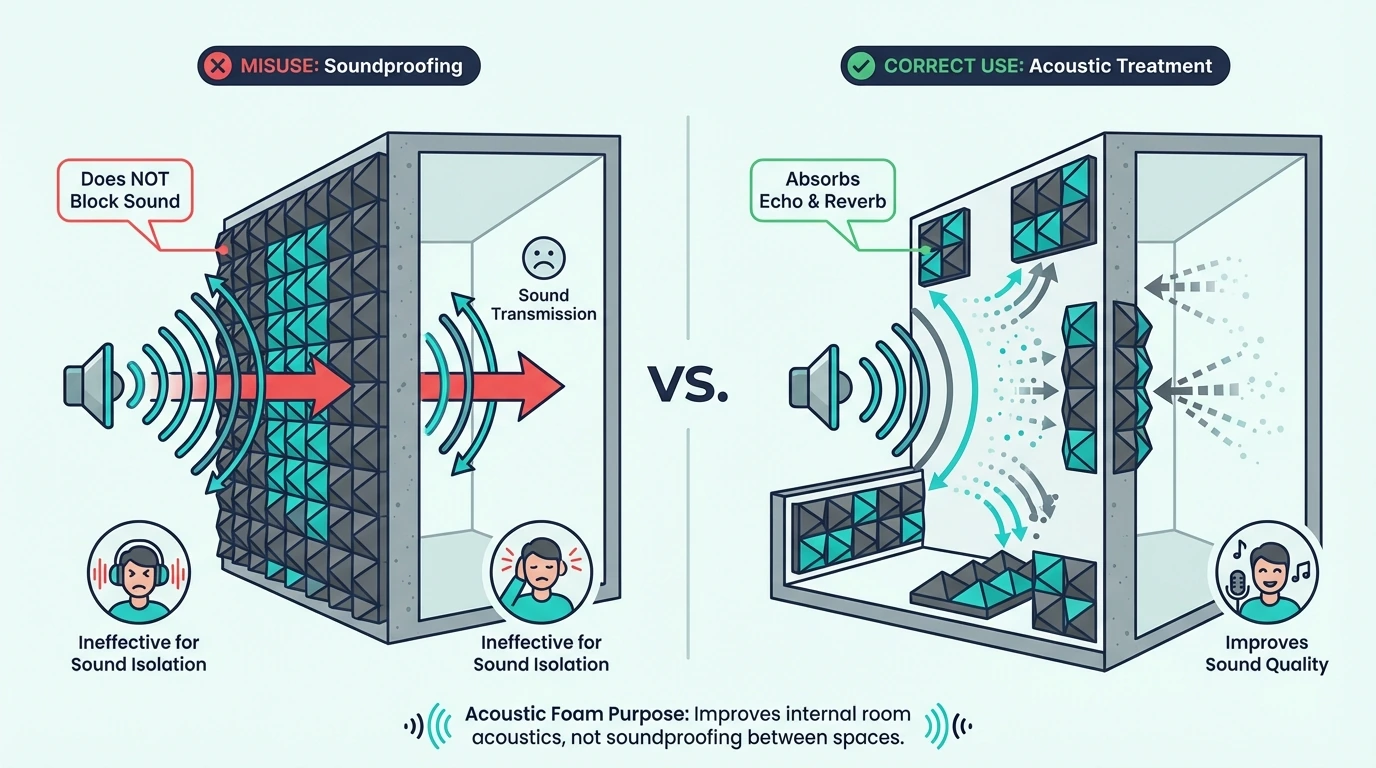
This is where foam disappoints people most. If you use it as a true soundproofing fix, the problem usually stays louder than expected because the main transmission path was never really addressed.
Noisy neighbors through walls
This is where the gap between absorption and blocking becomes most painful. Foam may slightly change how your side of the room feels, but it usually does not solve a serious neighbor-noise problem on its own. Shared-wall noise often needs more mass, better sealing, and sometimes a stronger wall system rather than another soft surface layer.
If you’re wondering whether a better wall would also keep your own noise in, Burton Acoustix’s guide to two-way soundproofing answers it.
That is why buyers who are dealing with neighbor noise should connect this topic to how to soundproof an apartment and how to soundproof a wall. Those pages align better with the real physics of blocking sound.
Ceilings and floors
The wall limitation applies even more strongly overhead and underfoot. Usually foam does not help very much when the main problem is transmission. Ceiling and floor complaints often involve impact noise, flanking paths, and structure-borne vibration, which foam is especially weak at solving.
If the issue is above or below you, the better next pages are usually how to soundproof a ceiling and how to soundproof a floor. Foam on the visible surface rarely competes with a better assembly.
The narrow slice foam can help with
Despite those failures, foam is not completely useless against noise. Foam can shave down some reflected harshness and may slightly soften how obvious certain high-frequency sounds feel inside the room. It can also help reduce the sense of “liveliness” that makes a space seem louder than it really is.
That is still different from true sound blocking. If you need a slightly heavier temporary layer than foam, something like US Cargo Control 96 x 80 in Extra Large Sound Dampening Blanket with Grommets is a better example of a stopgap than foam, even though it still does not replace real soundproofing.
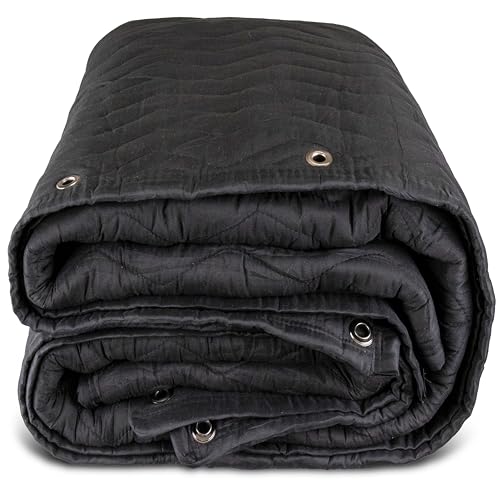
US Cargo Control 96 x 80 in Extra Large Sound Dampening Blanket with Grommets
What Actually Works When the Goal Is Blocking Noise
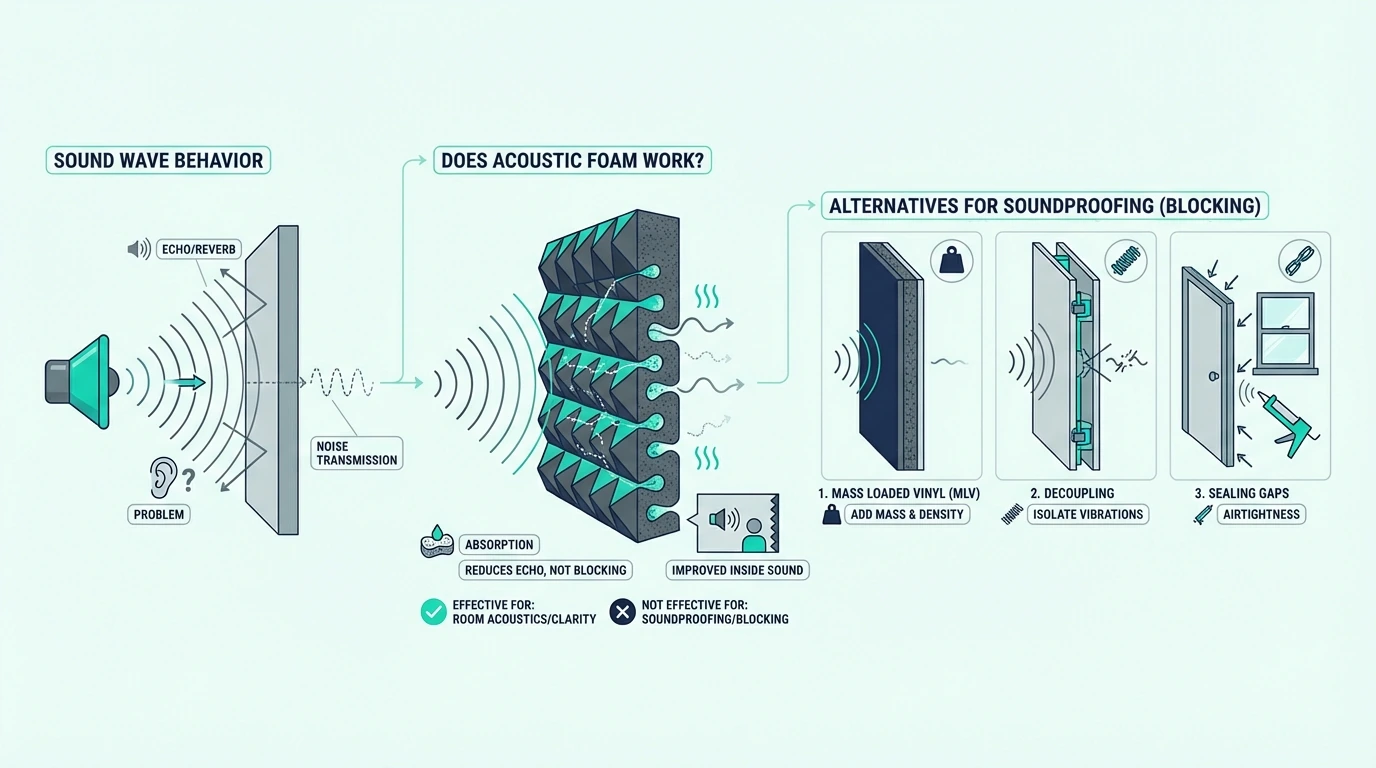
Now that the foam myth is clearer, the better question is what actually works when the goal is blocking noise. Real soundproofing usually comes from the same core ideas over and over again: mass, sealing, damping, insulation, and sometimes decoupling.
Materials that add real mass
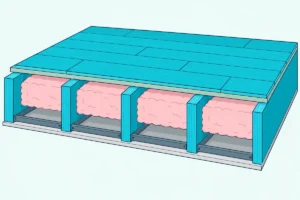
The missing ingredient in every foam failure is mass. Materials that add mass work better because they resist sound transmission more effectively than lightweight foam. That includes thicker drywall systems, mass loaded vinyl, solid-core doors, better window solutions, and other denser layers chosen for isolation rather than echo control.
A product like Trademark Soundproofing Mass Loaded Vinyl 1lb MLV Soundproofing for Wall Sound is a much better example of soundproofing logic because it is built around blocking transmission rather than just absorbing reflections.
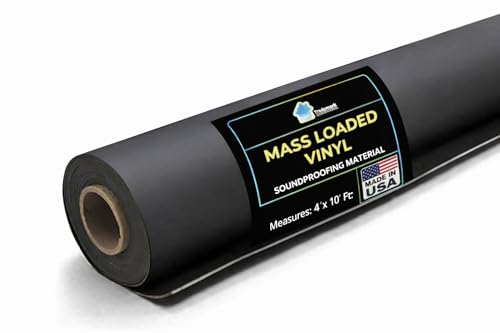
Trademark Soundproofing Mass Loaded Vinyl 1lb MLV Soundproofing for Wall Sound
Insulation and decoupling
Mass handles the face of the barrier, but the cavity and the structural path need attention too. Insulation and decoupling matter more when the problem is inside the wall, ceiling, or floor system itself. That is especially true for louder noise, lower frequencies, or any space where the existing assembly is too light and too directly connected.
That is also why best insulation for soundproofing and best soundproofing material are better guides for real isolation than foam marketing pages. They speak to the structure, not just the surface finish.
The cheapest real improvement
If mass and insulation feel like too much commitment right now, the cheapest real improvement is sealing. Start by fixing the biggest leak before buying a wall full of foam. A lot of rooms leak more around doors, window edges, thresholds, or visible gaps than through the broad wall surface people obsess over.
That is where a simple product like 33 Ft Gray Self-Adhesive Soundproofing Weather Stripping for Doors and Windows makes more sense than another foam panel if the room is obviously leaking through openings.
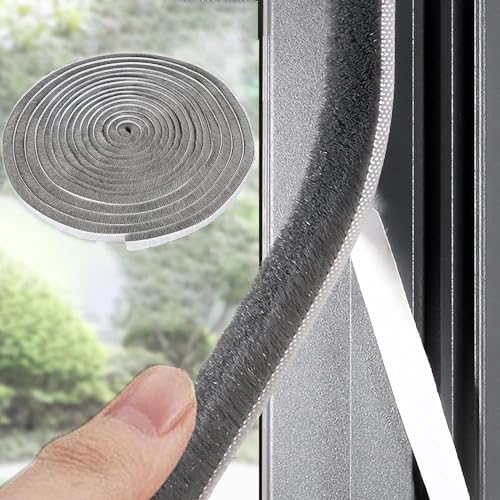
33 Ft Gray Self-Adhesive Soundproofing Weather Stripping for Doors and Windows
If You Still Want Foam: Which Type and When
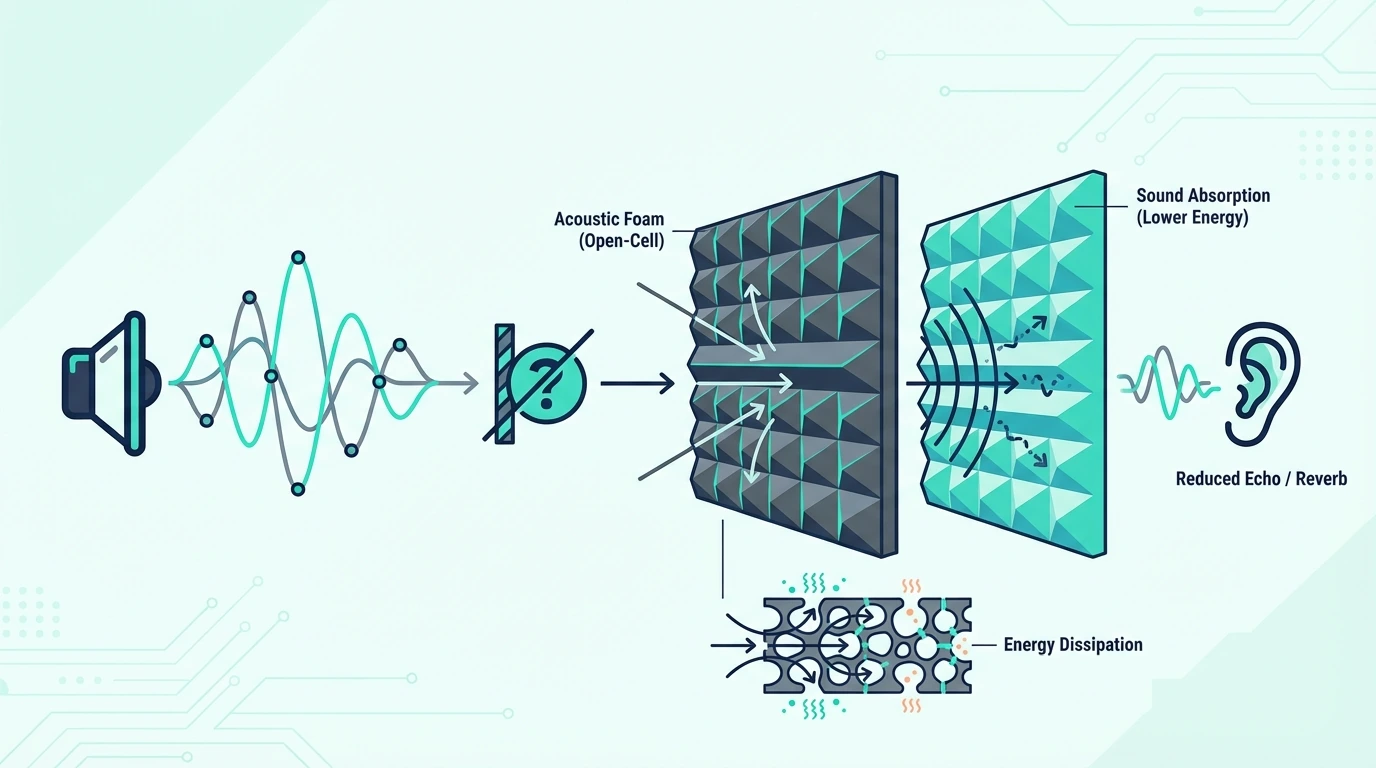
This is one of the most common search intents, and the honest answer is that the best foam for true soundproofing is usually no foam at all. Foam can still be useful, but mostly when you judge it as absorption treatment instead of a true sound blocker.
Thickness and absorption range
If you have confirmed the problem is room acoustics, thickness matters for absorption. Thicker foam is generally better at absorption, especially as you move down from very high frequencies into broader midrange control. That does not mean it suddenly becomes a strong barrier against wall transmission.
So yes, thickness can matter for room treatment, but it does not solve the core problem that foam still lacks the mass and assembly strength needed for serious isolation.
Real panels vs household foam
That thickness advantage only applies to purpose-made products. Purpose-made foam panels are more predictable and more useful than random household materials when your goal is absorption. They usually look cleaner and perform more consistently than improvised mattress toppers, packing foam, or egg crate bedding.
That still does not turn them into real soundproofing. If the comparison is between two absorption materials, better foam panels win. If the comparison is between foam and a real soundproofing strategy, the foam is still the wrong category.
Buy vs skip: the one-rule filter
With the right type and thickness in mind, the final question is simple. Buy foam when the room sounds bad and you are trying to improve echo, reverb, or recording clarity inside the space. Skip it when the real problem is sound getting through the wall, ceiling, floor, door, or window.
That one rule prevents most wasted money. If your priority is privacy or blocking noise, move toward the broader soundproofing hub, wall guide, and materials guide instead of relying on foam terminology.
The Bottom Line
Does soundproof foam work is really a question about what you want foam to do. Foam can work well for echo control, room comfort, and cleaner in-room acoustics, but it is usually far weaker at stopping sound from traveling through a building assembly.
If your goal is a calmer-sounding room, foam may be worth buying. If your goal is blocking neighbor noise, outside noise, or transmission through walls, floors, ceilings, doors, or windows, you will usually get better results by focusing on mass, sealing, insulation, and stronger assemblies instead.
Frequently Asked Questions
What is the cheapest way to reduce noise through walls?
The cheapest improvement is usually to identify the biggest leak first instead of covering the whole room blindly. If the wall is truly the path, cheap fixes can help a little, but stronger results usually come from better sealing, more mass, and a better wall system.
Does Foam Work Better For Echo Than Soundproofing?
Yes. Foam is usually much better at reducing echo, reverb, and harsh reflections inside a room than it is at blocking sound through a wall or ceiling.
What Should I Use Instead Of Foam To Block Noise?
Use materials and methods chosen for soundproofing rather than absorption. That usually means better sealing, more mass, stronger door or window treatment, insulation, damping, and sometimes a more isolated wall or ceiling assembly.