5.1 vs 3.1.2 Soundbar: What’s the Real Difference?
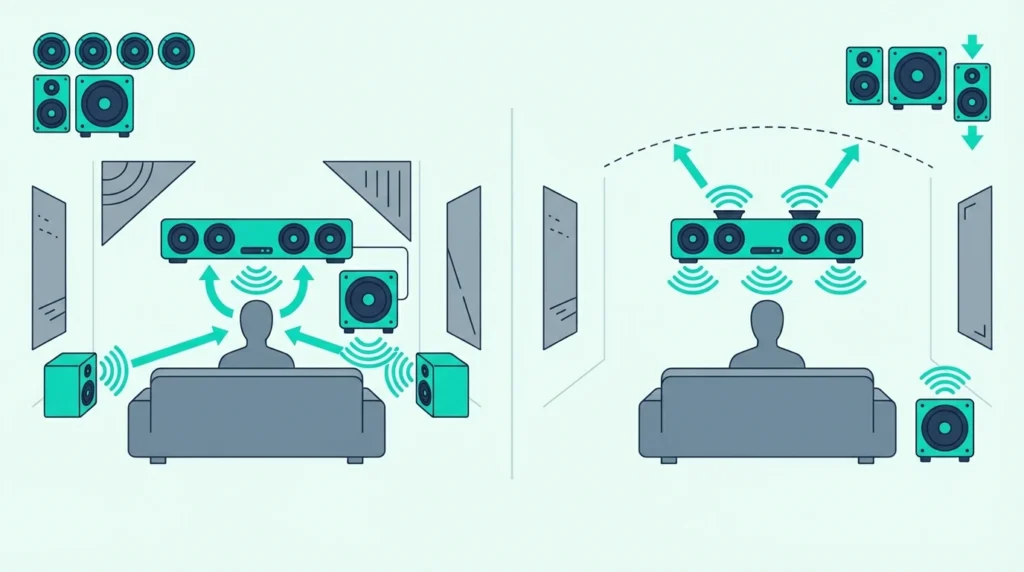
The difference between 5.1 and 3.1 2 soundbar systems isn’t just a bigger number on the box — it’s a completely different approach to surround sound.
Most buyers pick based on channel count alone and end up with a system that doesn’t match their room. A 5.1 setup with rear speakers crammed against a back wall sounds worse than a 3.1.2 bar with proper ceiling bounce, and a 3.1.2 under a vaulted ceiling loses its height effect entirely.
Once you understand what each layout actually does — surround width from behind versus overhead Atmos height — you can avoid the expensive mismatch and get a system that actually fits your space.
Below, we’ll decode the channel notation, compare how each sounds with real content, and show you which rooms favor which layout.
A 5.1 soundbar includes rear surround speakers for sound behind you, which makes it the stronger choice for movies and shows mixed in traditional surround. A 3.1.2 soundbar trades those rears for upfiring height channels that try to create overhead Atmos effects from the front of the room.
Neither layout is universally better. Your ceiling shape, room depth, and whether you watch more 5.1 material or Atmos content determine which one actually performs better in your space.
What Do 5.1 and 3.1.2 Mean on a Soundbar?
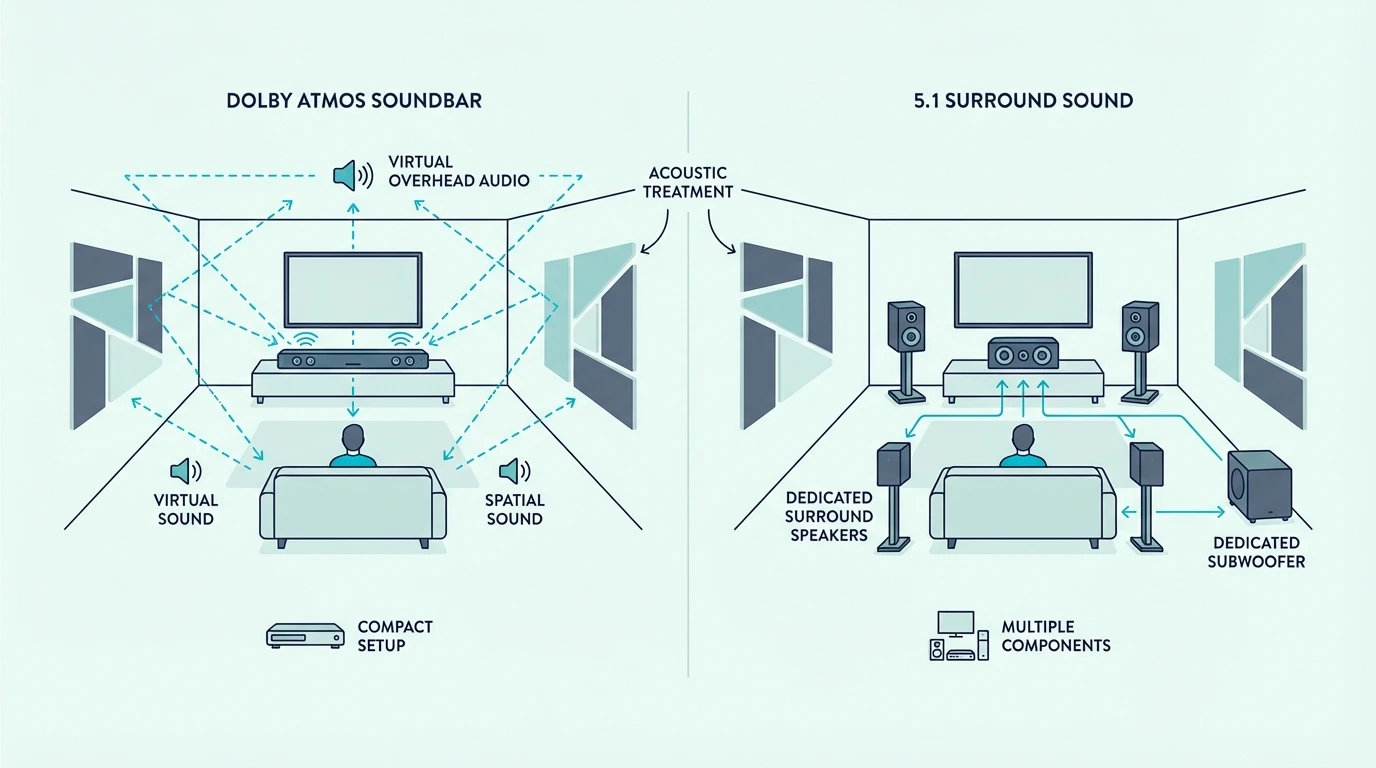
Those numbers on the box are not random. They describe the front channels first, the subwoofer second, and any height channels last.
How 5.1 Works
A 5.1 soundbar system uses five speaker channels plus one subwoofer. Three channels sit in the front — left, center, right — and two dedicated rear speakers sit behind you.
Those rear speakers are the defining feature. They create genuine surround sound by placing audio sources behind the listening position, not simulating them from the front of the room.
If you’ve ever sat in a cinema and heard a car pan from the screen to the back wall, that’s discrete surround — and it’s exactly what a 5.1 system recreates at home.
Most movies and TV shows have been mixed for 5.1 since the DVD era. The rear channels play audio that was specifically designed for speakers behind you — not an algorithm guessing where to put it.
The tradeoff is physical hardware. A true 5.1 system like the Sony BRAVIA Theater System 6 ships with separate wireless rear speakers that need shelf space or wall mounts behind your couch.
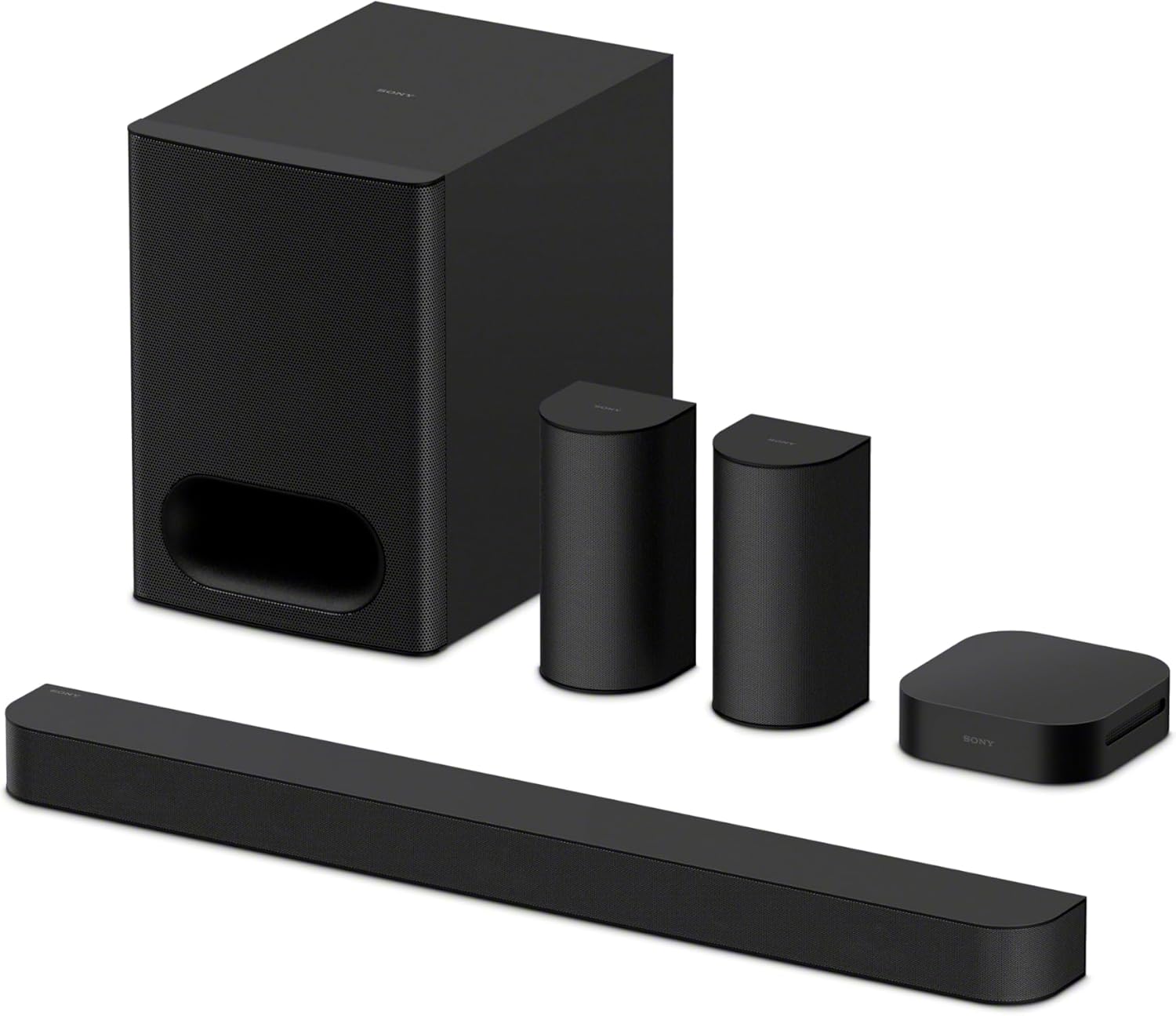
Sony BRAVIA Theater System 6
How 3.1.2 Works
A 3.1.2 system uses three front channels, one subwoofer, and two upfiring height channels. No rear speakers at all.
Those height channels are physical drivers built into the top of the soundbar. They fire sound upward toward your ceiling, and the reflected audio reaches your ears from above — creating a sense of vertical space.
This is the foundation of Dolby Atmos in a soundbar format. Instead of surround width from behind, you get height — rain falling above you, helicopters overhead, ambient atmosphere that extends the soundstage upward.
A system like the Polk Audio Signa S4 fits this layout — a single bar with upfiring drivers plus a wireless subwoofer, no rear hardware needed.
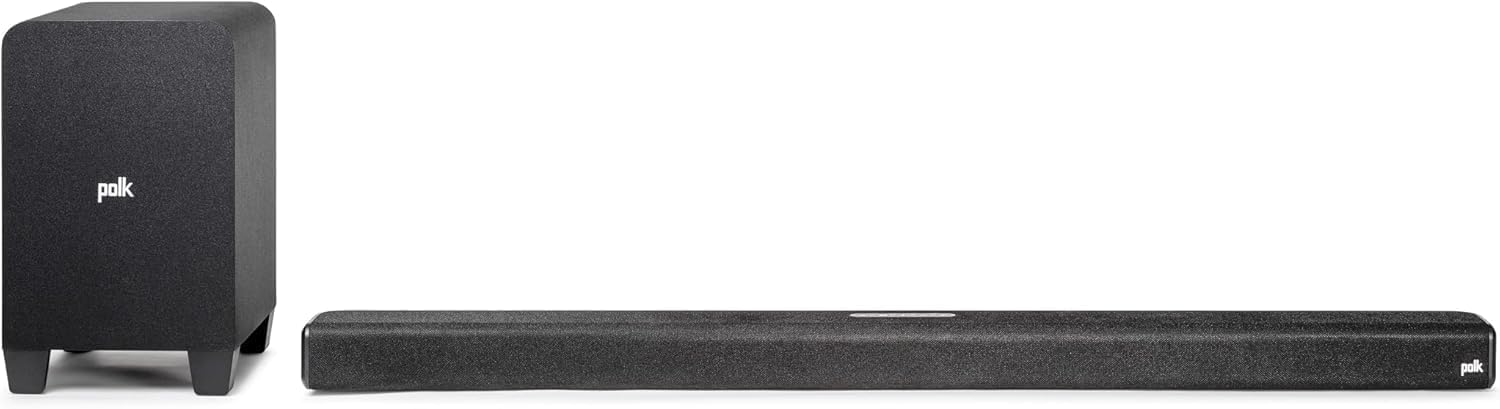
Polk Audio Signa S4
Why the “.2” Changes Everything
The “.2” suffix specifically means two height channels. Without it, a 3.1 soundbar is just three front channels and a subwoofer — no vertical dimension at all.
That distinction matters more than most people realize. A plain 3.1 bar and a 3.1.2 Atmos model can look nearly identical on the shelf, but the .2 model has extra drivers on top that the base model does not.
If height effects are the reason you are leaning away from 5.1, compare current options in the best Dolby Atmos soundbar guide. Height channels only activate with Atmos-encoded content.
Play a standard stereo TV show through a 3.1.2 system and those upfiring speakers sit idle — you are effectively running a 3.1 setup until you switch to Atmos material.
Should You Buy a 5.1 or 3.1.2 Soundbar?
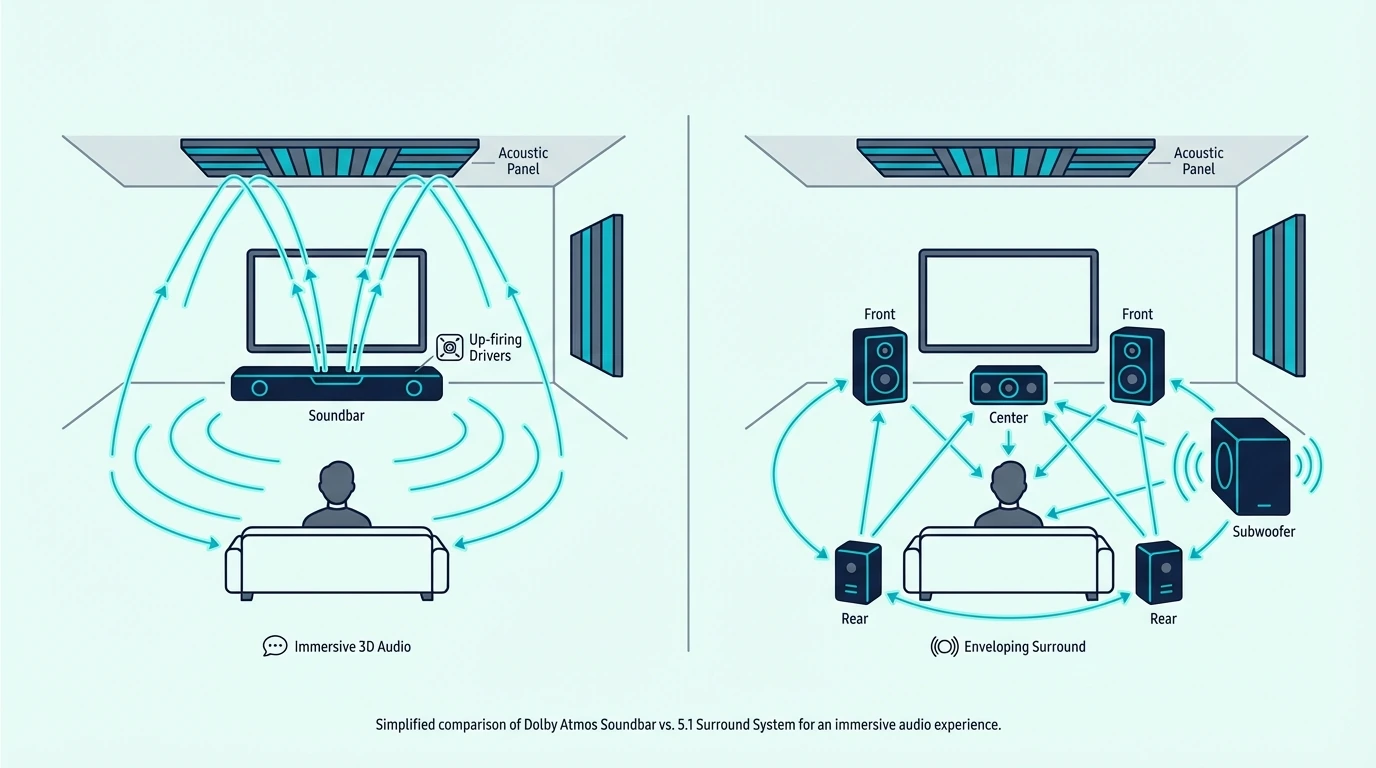
The channel notation we just decoded? Here’s where it actually matters — in your room, with your content, and within your budget.
Movies and TV Shows vs Atmos Content
Most streaming content — Netflix, Hulu, regular cable — is mixed in stereo or 5.1. For that library, a 5.1 system delivers exactly what the audio engineers intended.
The rear channels play discrete audio designed for behind-the-listener placement, not an algorithm guessing. A 3.1.2 system playing the same 5.1 content has to upmix or skip the rear data entirely.
The flip side: Atmos content is growing fast. Apple TV+, Disney+, and Netflix all offer Atmos tracks on select titles, and modern games increasingly support it too.
The real-world catch is streaming Atmos quality. Blu-ray Atmos is lossless and sounds dramatically different from standard surround, but streaming Atmos is compressed and the height effect is subtler than marketing suggests.
That is why 3.1.2 is not an automatic upgrade just because it has Atmos on the box. If your library leans more heavily on ordinary streaming TV and older 5.1 mixes, rear speakers usually do more audible work than height channels.
If your Atmos source is primarily streaming apps rather than physical discs, the audible gap between a 3.1.2 and a good 5.1 system narrows considerably.
Room Size and Speaker Placement
Your room determines which layout actually works — not just which one sounds better in a showroom.
A 3.1.2 system needs a flat, reflective ceiling between 8 and 10 feet high for the upfiring speakers to work properly. Vaulted ceilings, cathedral ceilings, or anything covered in acoustic treatment will scatter the reflected sound before it reaches your ears.
Ceiling material matters too. Popcorn or textured finishes absorb more high-frequency energy than smooth drywall, which dulls the height effect even in rooms with the right dimensions.
A 5.1 system needs physical space for rear speakers at ear level, roughly 2-3 feet behind and slightly above the primary listening position. If your couch sits against the back wall, there’s nowhere useful to put them.
Ceiling shape can rule out 3.1.2 just as quickly as furniture placement can rule out 5.1. A room with a flat ceiling but no useful rear-speaker space may still favor height, while a room with proper seating distance but a vaulted ceiling usually favors 5.1.
Small apartments and open-plan rooms generally favor 3.1.2. No speaker cables to route, no separate power outlets needed, and the single-bar form factor keeps things clean — if you’re in a space where a soundbar for a small room is the priority, fewer physical pieces usually wins.
Dedicated media rooms with proper seating distance — 8 feet or more from the screen — give 5.1 systems room to breathe. The rear channels get enough separation from the front to create genuine directional cues that no front-only bar can replicate.
When 5.1.2 Skips the Tradeoff Entirely
If your budget allows it, a 5.1.2 system gives you both rear surround and upfiring Atmos height. You don’t have to choose between behind-you and above-you.
Systems like the JBL Bar 700MK2 bundle a soundbar with upfiring drivers, a subwoofer, and detachable wireless rear speakers. You get the behind-you surround from 5.1 and the overhead Atmos from the .2 height channels.
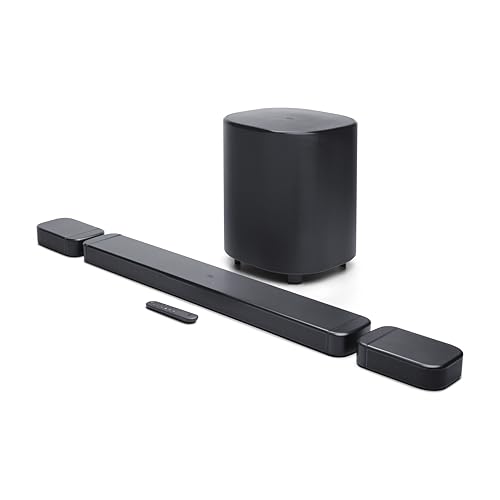
JBL Bar 700MK2
The cost premium is real, and you are still placing rear speakers. But if you watch a mix of legacy 5.1 content and newer Atmos material, this layout handles both without compromise.
One practical note regardless of which layout you choose: both 5.1 and 3.1.2 setups benefit from a proper HDMI eARC connection to your TV so the signal is not downmixed to stereo before it reaches the bar. If you are shopping specifically for Atmos-capable bars that can make use of that connection, the best Dolby Atmos soundbar guide is the better next stop than another setup explainer.
Get Studio Tips Weekly
Join 5,000+ creators getting acoustic treatment advice every week.
No spam. Unsubscribe anytime.The Bottom Line
The difference between a 5.1 and 3.1.2 soundbar is a tradeoff between surround width and overhead height. A 5.1 system places real speakers behind you for true directional surround, while a 3.1.2 system bounces sound off your ceiling for Atmos height effects without any rear hardware.
Pick 5.1 if most of your content is movies and TV mixed in traditional surround, and your room has space for rear speakers with proper distance from the listening position. Pick 3.1.2 if your room has a flat ceiling under 10 feet, you watch plenty of Atmos-encoded content, and you prefer a cleaner single-bar setup.
If budget and room allow, a 5.1.2 system sidesteps the tradeoff entirely. For more context on what a soundbar actually does, start with the fundamentals before committing.
If Atmos is the feature pulling you toward 3.1.2 in the first place, compare current options in the best Dolby Atmos soundbar guide before you commit.
Frequently Asked Questions
Which is better, a 3.1 or 5.1 soundbar?
A 5.1 soundbar with dedicated rear speakers delivers better surround separation for movies and TV shows mixed in 5.1. A 3.1 soundbar keeps everything in front, which limits the surround effect but works better in rooms where rear speaker placement is not practical.
That is often why buyers end up looking for a soundbar for a small room instead of forcing a 5.1 layout into a space that cannot support it.
Is a 3.1 sound system worth it?
A 3.1 system is worth it if your main goal is clearer dialogue. The dedicated center channel handles speech separately from music and effects, which is the single biggest upgrade over a 2.0 or 2.1 bar.
You won’t get surround or Atmos height effects, but for everyday TV watching, that center channel clarity is the feature most people actually notice. If you primarily want better bass alongside clearer dialogue, a 3.1 with a wireless sub covers both.
Is it worth getting a 5.1 soundbar?
A 5.1 soundbar system is worth it if you have room for rear speakers and watch surround-mixed content regularly. The behind-you audio creates directional cues that no front-firing bar can replicate.
If your couch sits against a wall or you mostly stream music, a 3.1.2 with Atmos height channels or even a strong 3.1 bar may deliver more usable value for your specific room layout. If that is the direction you are leaning, the best Dolby Atmos soundbar guide is the more useful next comparison.
Is Netflix 5.1 or normal audio?
Netflix offers 5.1 surround on most original content and many licensed titles. Select titles also include Dolby Atmos tracks, though those require a compatible plan and a Dolby Atmos soundbar or receiver.
Standard-definition streams typically default to stereo. Check the audio icon on the title detail page — if it shows “5.1” or “Atmos,” your soundbar will receive the expanded audio track automatically.