Is a Soundbar Worth It? Here’s When It Pays Off (and When It Doesn’t)

Is a soundbar worth it when your TV already plays audio? For basic news and casual YouTube, probably not.
But if you’ve noticed that movie dialogue sounds muddy, music feels flat, or explosions drown out everything else, those are symptoms of a physical limitation that no TV setting can fix. A soundbar solves all three in one device.
Smart TVs ship with speakers that are 8-20 watts total, housed in a chassis barely 10mm thick — the drivers are small, often rear-firing, and physically incapable of producing bass below 150 Hz or projecting a wide stereo soundstage. A soundbar adds dedicated drivers in a wider enclosure with more power, plus a wireless subwoofer that handles the low frequencies your TV speakers cannot produce.
The real question is not whether soundbars work — they do, and the difference is obvious from the first scene. The real question is whether your listening habits justify the extra spend, or whether your built-in speakers are adequate for how you actually use your TV, which is what the rest of this breakdown will sort out.
A soundbar is worth it for anyone who watches movies, sports, or music content on their TV regularly. The improvement over built-in TV speakers is immediate — better dialogue clarity, real bass from a wireless subwoofer, and a wider soundstage.
A good budget bar with a subwoofer delivers most of the value. A soundbar is not worth it if you already have a quality speaker system, if you only watch at very low volumes in a bedroom, or if you expect it to match a dedicated home theater setup.
What Does a Soundbar Actually Do?

A soundbar is a single enclosure that houses multiple speaker drivers — tweeters for highs, full-range drivers for mids, and sometimes a dedicated center channel for dialogue. It sits below or in front of your TV and connects with one cable (HDMI ARC or optical).
The core upgrade over TV speakers is physical: a soundbar’s enclosure is wider and deeper, giving drivers more room to move air. That translates to louder output without distortion, wider stereo separation because the drivers are spaced further apart, and better frequency response because larger drivers reproduce lower frequencies that thin TV chassis speakers cannot reach.
Most soundbars above the cheapest bar-only tier include a wireless subwoofer — a separate box that handles bass frequencies below 100-150 Hz. This is the single biggest upgrade because TV speakers produce almost zero bass.
The subwoofer adds the low-end weight that makes movie explosions, music basslines, and sports crowd noise feel present rather than thin. Even a bar-only model like the Amazon Fire TV Soundbar improves dialogue and stereo width without taking up much space, though adding a subwoofer is what makes the upgrade feel transformative.
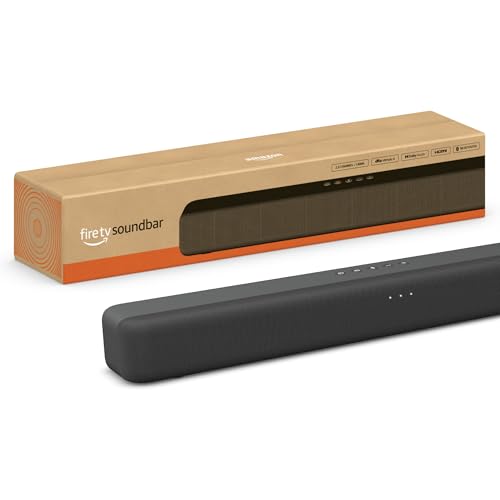
Amazon Fire TV Soundbar
For a deeper look at how the technology works, our what is a soundbar guide covers the fundamentals. It helps if you want the bigger picture before comparing models.
Channel Configurations
The numbers on a soundbar (2.0, 2.1, 3.1, 5.1.2) describe its driver layout. The first number is how many main channels, the second is subwoofer count, and the third (if present) is upward-firing Atmos height channels.
A 2.1 gives you stereo plus bass, a 3.1 adds a dedicated center channel for dialogue, and a 5.1 or higher adds virtual or physical surround channels. Our soundbar buying guide explains what each configuration delivers in practice.
How Much Should You Spend on a Soundbar?

Soundbar pricing falls into three tiers, and the returns diminish as you move up. Understanding where the value plateaus prevents overspending.
Budget Tier: The Sweet Spot for Most People
A 2.1 soundbar with a wireless subwoofer in this range delivers the biggest jump from TV speakers — real bass, wider stereo, and clear dialogue improvement. This tier covers 80% of what most households need.
The main limitation is no dedicated center channel — dialogue shares the stereo mix with effects and music. For casual TV, streaming, and sports, that tradeoff is invisible to most listeners.
Mid-Range Tier: Dialogue and Atmos
This tier adds a dedicated center channel (3.1 configuration) that isolates dialogue from the rest of the audio mix. If someone in the household struggles to hear conversation at comfortable volumes, this is the tier that solves it.
Some bars in this range include Dolby Atmos upward-firing drivers for height effects. The Atmos improvement is real but subtle — noticeable on well-mixed content, invisible on regular TV.
Premium Tier: Diminishing Returns
Premium soundbars add more channels, better room calibration, and higher build quality, though the audio improvement over the mid-range tier is marginal for most content. This tier makes sense if you watch a lot of Atmos movies, if your room is large enough to benefit from the extra power, or if you want features like WiFi streaming and multi-room audio.
Most living rooms should rule out simpler value-focused options in the best overall soundbar guide first. That keeps you from paying for premium features your room may never use.
Get Studio Tips Weekly
Join 5,000+ creators getting acoustic treatment advice every week.
No spam. Unsubscribe anytime.What Features Actually Matter?
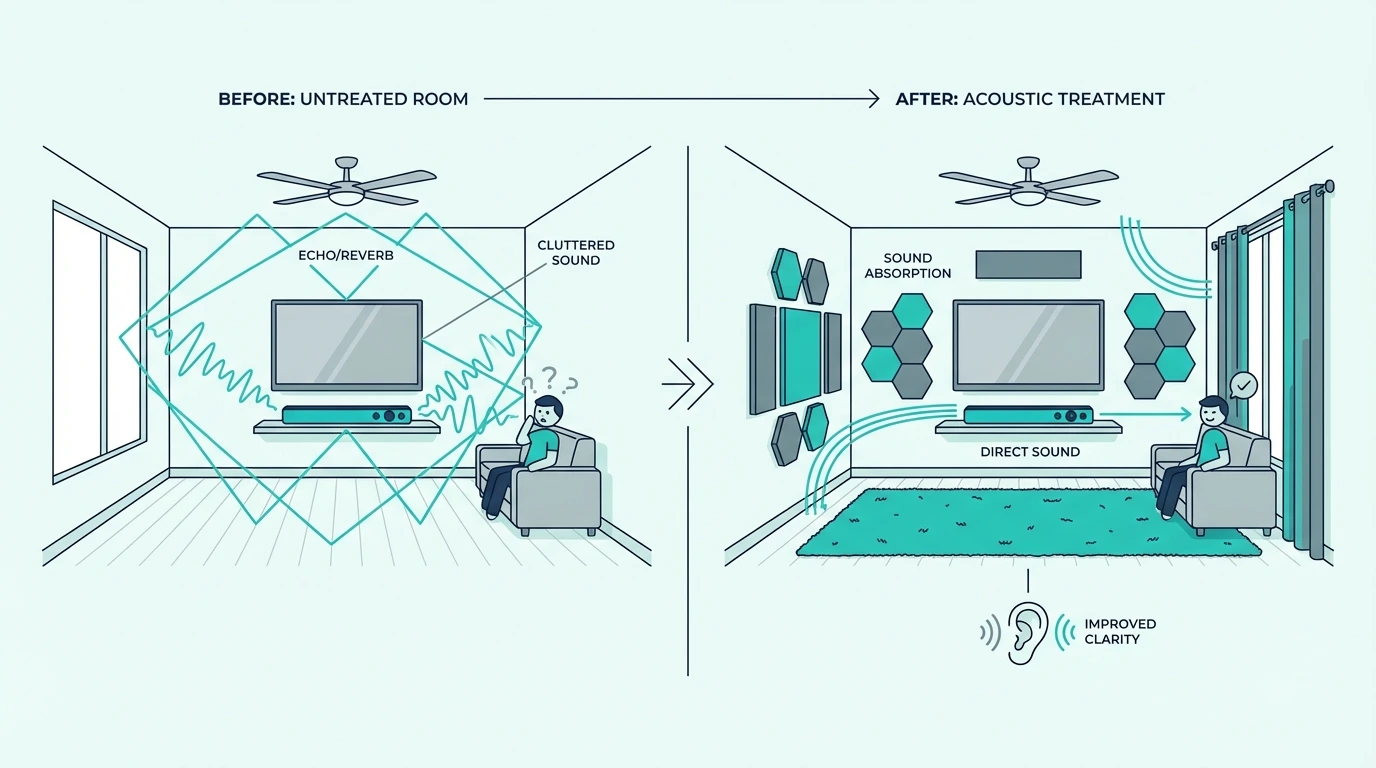
Soundbar marketing pushes dozens of features, but only a handful affect everyday listening. Here is what to prioritize and what to skip.
Wireless Subwoofer — Non-Negotiable
A subwoofer is the single feature that separates a real upgrade from a marginal one — without it, a soundbar improves dialogue and stereo width but misses the bass that makes movies and music feel fundamentally different. Every buying decision should start here: does it include a wireless subwoofer?
HDMI ARC or eARC — Required
HDMI ARC lets your TV send audio to the soundbar and respond to your TV remote for volume control. eARC on newer TVs adds support for lossless formats like Dolby TrueHD and DTS-HD, while optical still works if you can live with compressed audio and follow the cable advice in our TV-to-soundbar guide.
Center Channel — Worth It for Dialogue
A dedicated center channel driver isolates voice frequencies from the rest of the audio. This matters most for households where dialogue clarity is the primary complaint, for older viewers, or for anyone who watches content with heavy background music or effects.
The Bose TV Speaker is a compact example — its dialogue mode keeps voices clear without requiring a separate subwoofer, though bass-heavy content benefits from pairing it with one. It makes more sense for clarity-first viewers than for anyone chasing big bass.
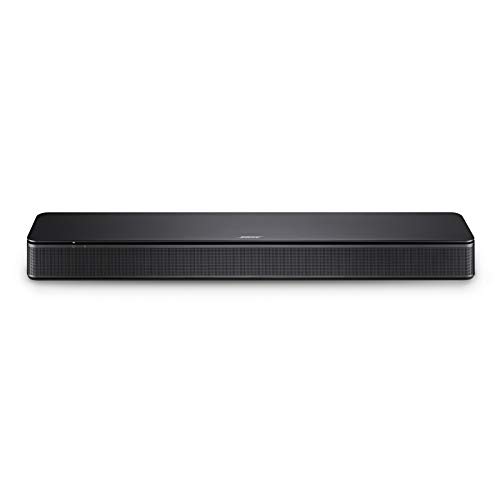
Bose TV Speaker
Dolby Atmos — Nice, Not Essential
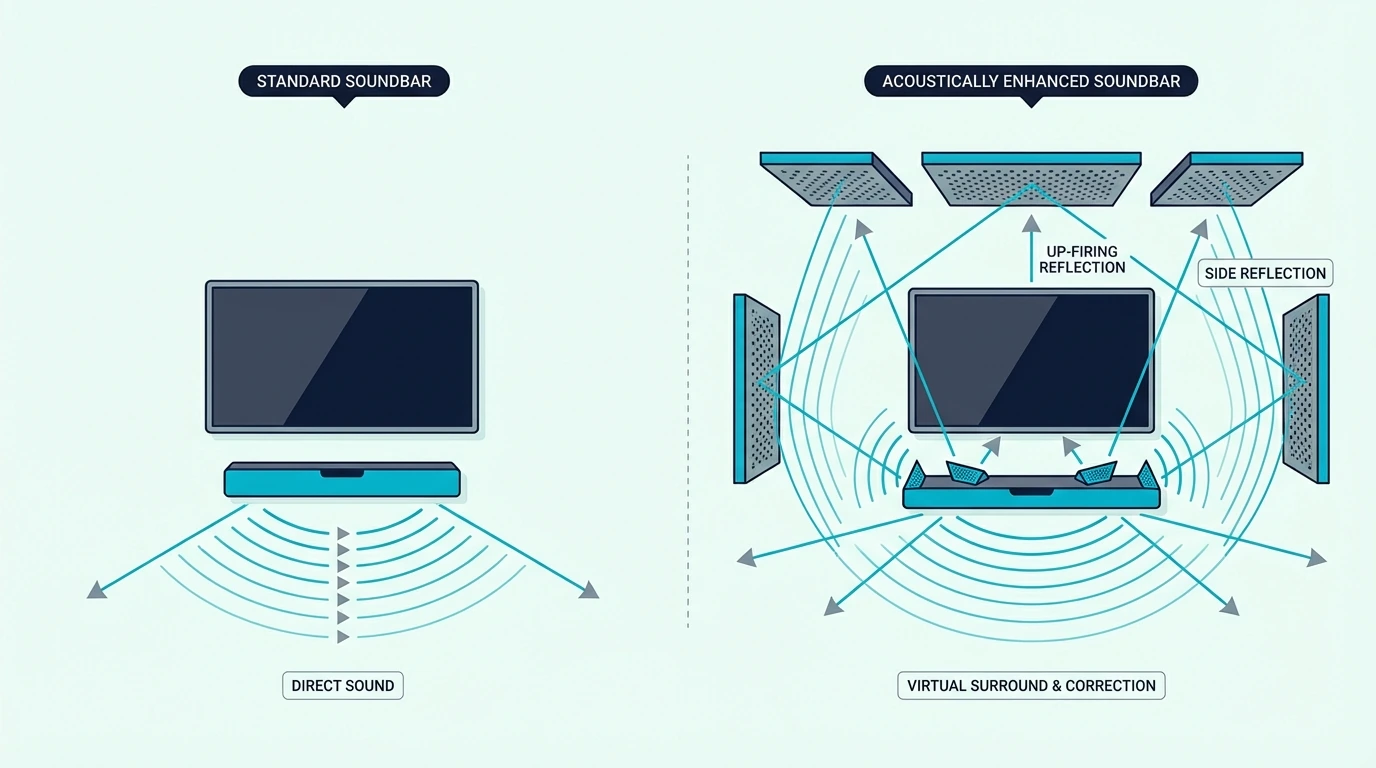
Atmos adds height effects through upward-firing drivers that bounce sound off the ceiling. The effect depends on room geometry — flat, hard ceilings between 8-10 feet work best, while vaulted or textured ceilings scatter the reflections and weaken the effect.
Worth the upgrade if your room supports it and you stream Atmos content regularly. If the room is wrong for reflected height effects, the jump gets much smaller.
Bluetooth — Convenience Feature
Bluetooth lets you stream music from your phone without the TV on, which is handy for casual listening. It is useful but not a deciding factor, because almost every decent budget soundbar includes it.
When Is a Soundbar Worth Every Dollar?
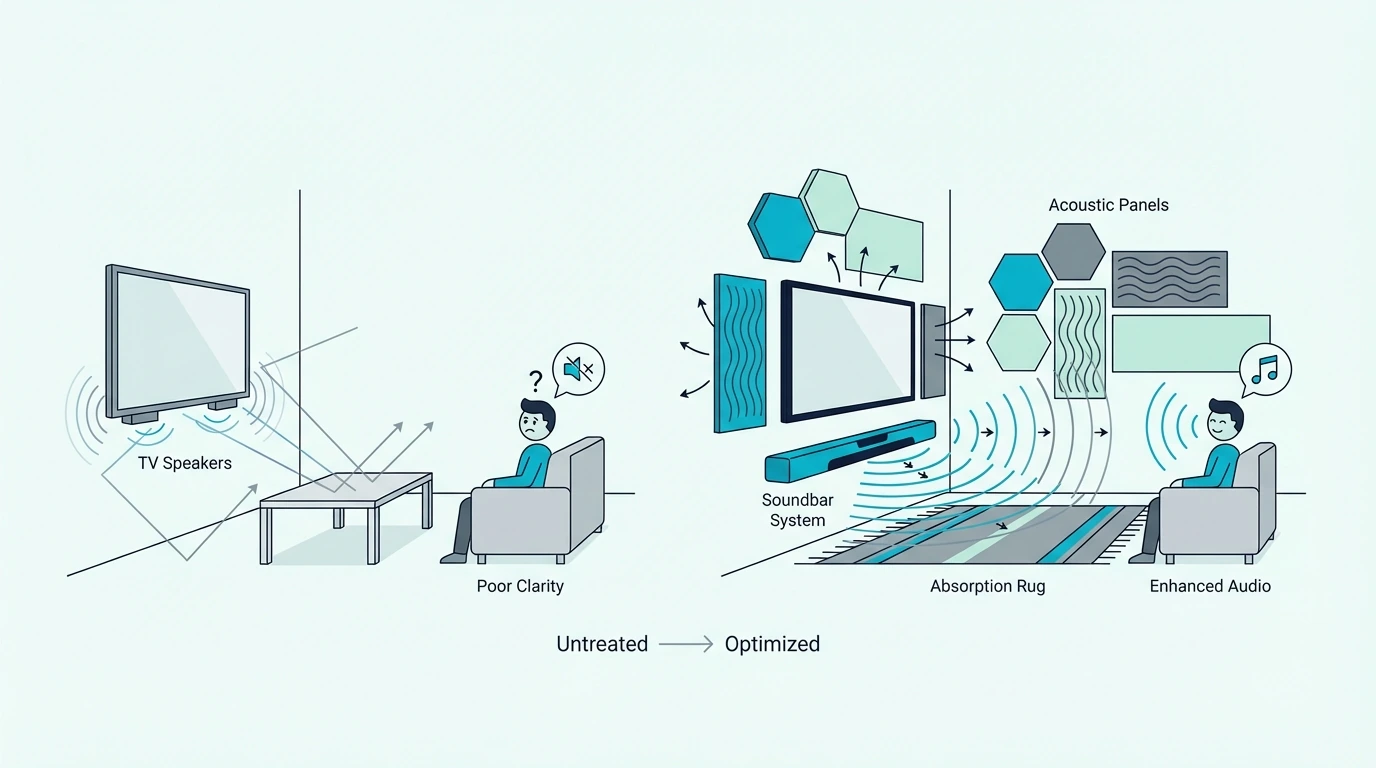
The value of a soundbar depends entirely on what you watch, where you watch it, and what you are comparing it to. Here are the scenarios where a soundbar delivers clear, measurable improvement.
Movie and Streaming Content
Movie audio is mixed for speaker systems with separate channels for dialogue, effects, music, and bass. TV speakers collapse all of that into two small drivers, which is why dialogue gets buried under effects and bass is nonexistent.
A soundbar restores that channel separation. Even a mid-range 2.1 system like the Samsung HW-C450 separates bass into a wireless subwoofer so the bar’s drivers can focus on mids and highs, which is why action scenes hit harder and dialogue stays clearer.
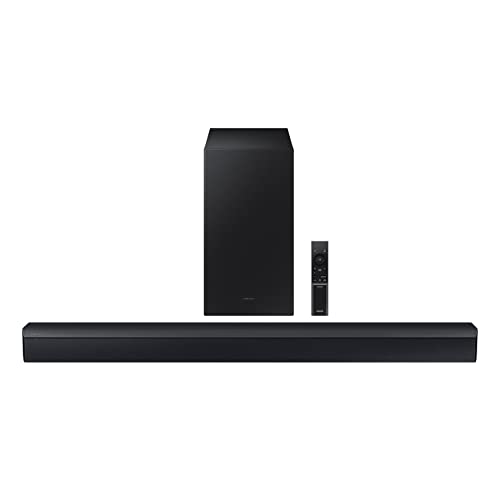
Samsung HW-C450
Streaming services like Netflix, Disney+, and Amazon Prime deliver content in Dolby Digital and Dolby Digital Plus — formats that a soundbar decodes and reproduces properly while TV speakers often downmix to basic stereo. That is why even modest soundbars tend to sound more deliberate on everyday streaming apps.
Dialogue Clarity for Aging Ears
The single most valuable feature of a soundbar is dialogue clarity. If you or someone in your household turns up the volume to hear conversation but then gets blasted by music and effects, that is the problem a soundbar with a center channel fixes.
A 3.1 or higher soundbar dedicates specific drivers to voice frequencies. The Polk Audio Signa S4 uses a dedicated center channel to isolate dialogue from the rest of the audio mix, keeping voices clear at comfortable volumes.
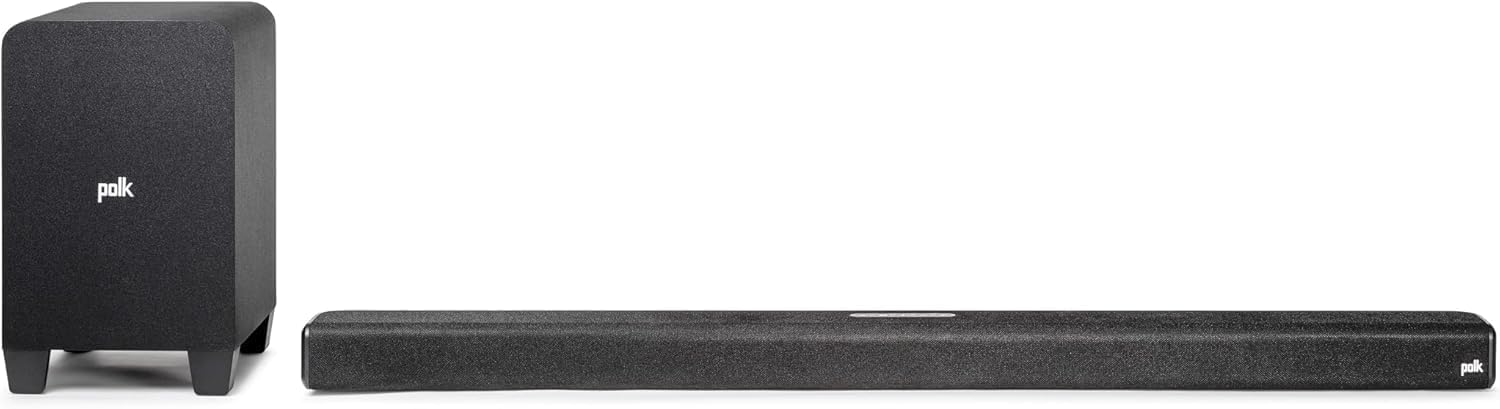
Polk Audio Signa S4
This is especially valuable for older viewers or anyone with mild hearing loss. Our dialogue-focused roundup explains what to prioritize when clarity matters most.
Sports and Live Events
Sports audio benefits from a soundbar because crowd noise, commentary, and on-field sounds occupy different frequency ranges that TV speakers muddle together. A soundbar with a subwoofer gives crowd roar its own frequency space while keeping commentary crisp and forward.
Live concerts and music streaming also improve substantially because a wider soundbar delivers the stereo separation that recordings are mixed for. Our best overall soundbar guide covers the types of bars that still make sense when music is part of the mix.
Gaming
Gaming soundbars add directional audio cues that competitive and immersive games rely on — footsteps behind you, gunfire from the left, environmental sounds that indicate where to look. A soundbar with virtual surround or Dolby Atmos processing places those cues in wider positions than TV speakers can achieve.
Low-latency game modes on mid-range bars reduce audio delay, keeping sound effects synchronized with on-screen action. For buyers who care most about gaming, our best gaming soundbar guide covers the tradeoffs that matter.
When Is a Soundbar Not Worth It?
There are legitimate scenarios where a soundbar does not deliver enough value to justify even a budget purchase. Knowing when to skip saves money and avoids regret.
You Already Have a Speaker System
If your TV is connected to an AV receiver with bookshelf speakers or a 5.1 surround system, a soundbar is a downgrade in audio quality. Discrete speakers with a receiver will outperform any soundbar at the same price point because they have larger drivers, separate amplification, and physical speaker placement that creates true surround sound.
A soundbar only makes sense as a replacement for an existing speaker system if you are prioritizing simplicity over audio fidelity — fewer components, one remote, no receiver menus. Our best overall soundbar guide helps you judge when that convenience tradeoff is actually worth making.
Bedroom TV at Low Volume
A bedroom TV watched at low volume from a short distance gets minimal benefit from a soundbar. The reduced volume eliminates the dialogue-vs-effects imbalance that plagues living room setups, and the shorter listening distance means TV speakers cover a larger portion of your hearing angle.
The exception is if you watch movies in bed regularly — then a compact soundbar still adds meaningful dialogue clarity and bass. For compact options, our small room guide covers bars designed for tight spaces.
Expecting Home Theater Performance
A soundbar is not a substitute for a properly configured 5.1 or 7.1 surround system in a dedicated room. If you want true directional surround with physically separated speakers and a calibrated receiver, a soundbar will disappoint regardless of price.
Soundbars approximate surround through virtual processing and room reflections, and the result is impressive for a single-bar solution — but it is not the same as speakers physically positioned behind you. Our best Dolby Atmos soundbar guide shows the most realistic single-bar upgrade path if you still want immersion without a full speaker system.
Ultra-Cheap Budgets
Ultra-cheap soundbars typically lack a wireless subwoofer, which eliminates the bass improvement that drives most of the value proposition. A bar-only system without a subwoofer improves dialogue clarity and soundstage width but misses the bass impact that makes movies and music feel substantially different from TV speakers.
If your budget is ultra-tight, consider saving until you can afford a 2.1 system with a wireless subwoofer — the subwoofer is what makes the upgrade feel transformative rather than incremental. A bar like the Sony S100F is a solid save-up target if you want to stay bar-only, though stepping up to a 2.1 system with a subwoofer delivers a noticeably bigger improvement.

Sony S100F
The Bottom Line
A soundbar is worth it for anyone watching movies, sports, or music in a living room on TV speakers. The improvement is not subtle — it is a fundamental change in how audio sounds, especially dialogue clarity and bass impact.
Start with a value-focused 2.1 bar if you want immediate improvement without overspending. Move to a 3.1 or higher system with Dolby Atmos if dialogue clarity is your primary concern or if you watch a lot of Atmos content on streaming services.
Skip the soundbar if you already have quality speakers, if your TV is a bedroom set at low volume, or if your budget does not cover a bar with a wireless subwoofer. To understand the next buying step, our how to choose a soundbar guide walks through the decision process, and our subwoofer pairing guide covers compatibility if you already own a separate subwoofer.
Frequently Asked Questions
Does a soundbar really make a difference?
Yes — the difference between TV speakers and even a budget soundbar with a wireless subwoofer is immediately noticeable. Dialogue becomes clearer, bass becomes present (not just suggested), and the soundstage widens from a narrow point source to a room-filling experience.
What are the disadvantages of a soundbar?
A soundbar cannot match the spatial accuracy of discrete surround speakers placed around the room — virtual surround processing approximates the effect but doesn’t replicate speakers physically behind you. Soundbars also take up space below or in front of the TV, and budget models without subwoofers deliver limited bass improvement.
Is a cheap soundbar worth it?
An entry-level soundbar with a wireless subwoofer is absolutely worth it — the subwoofer alone transforms bass performance. A cheap bar-only system without a subwoofer delivers modest improvement in dialogue and soundstage but misses the bass upgrade that makes the biggest perceived difference.
Is a Dolby Atmos soundbar worth the extra cost?
Dolby Atmos adds height channels that create overhead audio effects — rain falling above you, helicopters passing overhead, ambient atmosphere that fills the vertical space. If you watch a lot of movies and streaming content mixed in Atmos, the extra spend for an Atmos bar delivers a noticeable improvement in immersion.