Acoustic Foam vs Blankets: Which Actually Works Better for Sound?
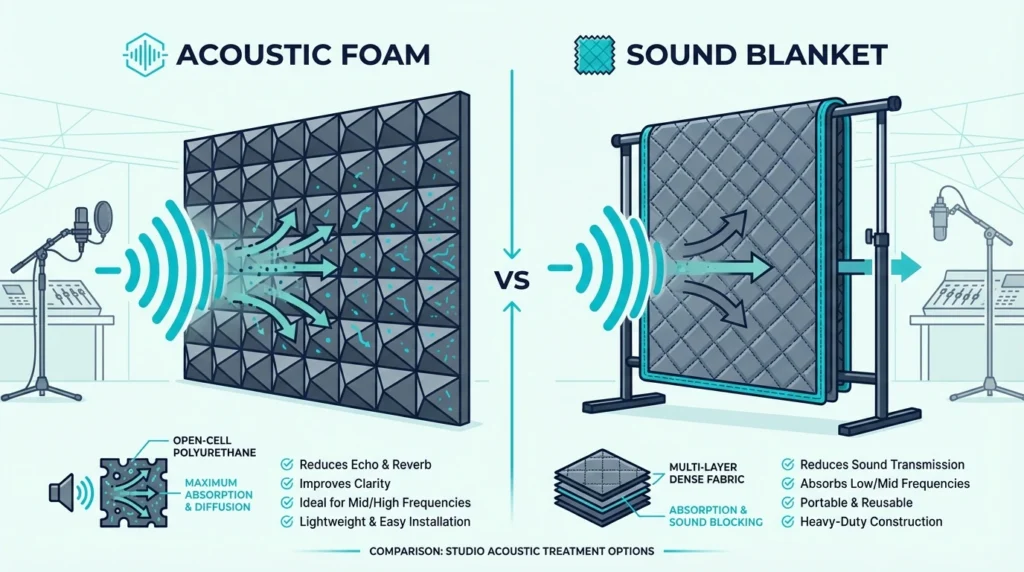
Acoustic foam vs blankets: which actually works better for reducing echo and reverb in a room? Blankets can feel like the obvious choice—until you’re chasing consistent recordings and the room keeps showing up.
Blankets absolutely have a place, particularly for temporary or portable setups. But foam is easier to place precisely, stays put once installed, and usually looks more professional on camera.
This guide breaks down exactly when each option makes sense. Start with the quick takeaway, then we’ll compare performance, practicality, and what to prioritize in a real room.
One thing upfront: neither foam nor blankets will soundproof your room. They reduce reflections inside the space (echo and reverb), but they won’t block noise through walls.
Our guide on how acoustic foam works explains this science in detail. It’s also the easiest way to separate echo control from true soundproofing.
Acoustic foam usually gives you more consistent absorption and a cleaner, permanent-looking setup. Blankets can work surprisingly well for temporary treatment, portable vocal booths, or “try it before you buy it” experiments.
Choose foam if the room is a permanent studio and appearance matters. Choose blankets if you need portability, a wall-friendly setup, or maximum coverage on a tight budget.
What’s the Difference Between Acoustic Foam and Blankets?
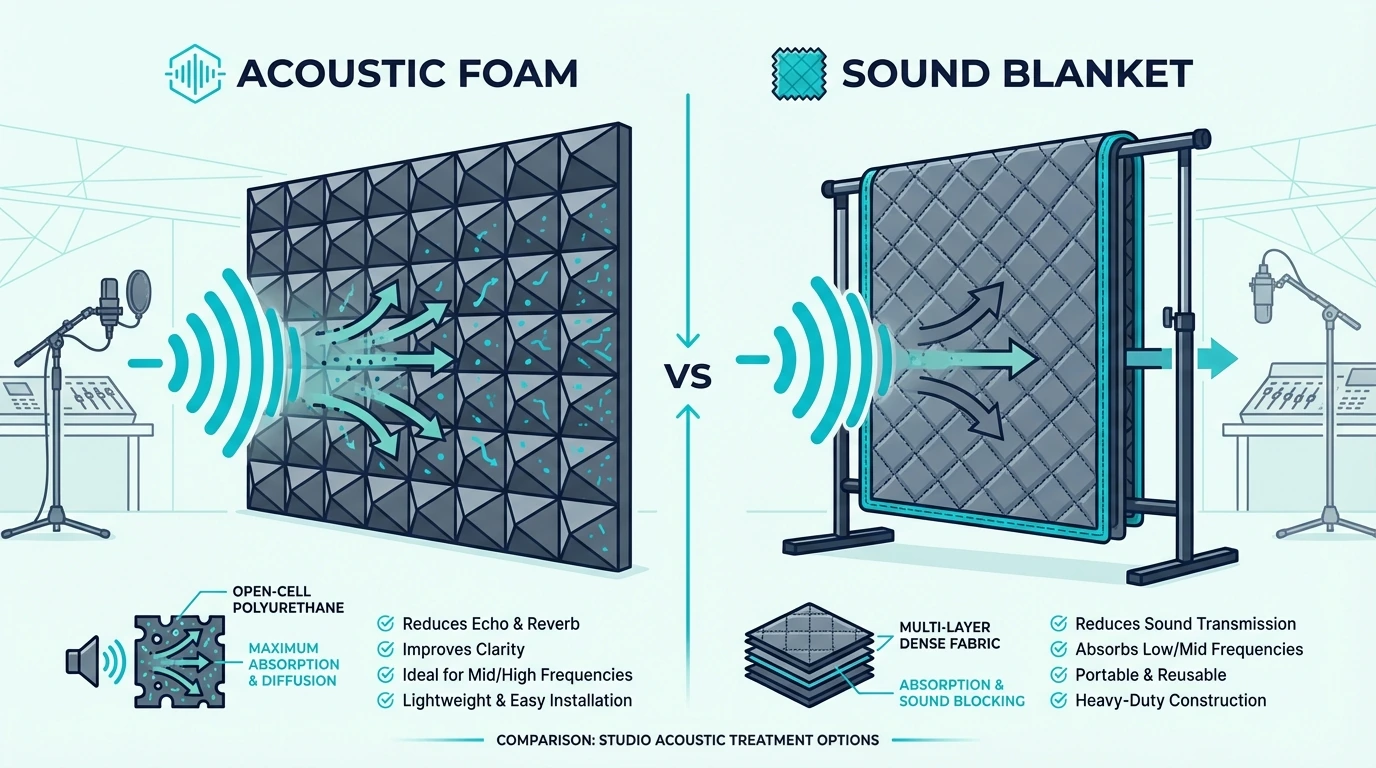
These two options aren’t competing on the same playing field. Foam is built for absorption, while blankets are a flexible workaround that trades precision for convenience.
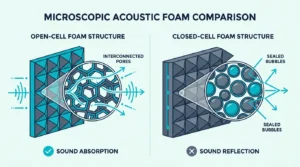
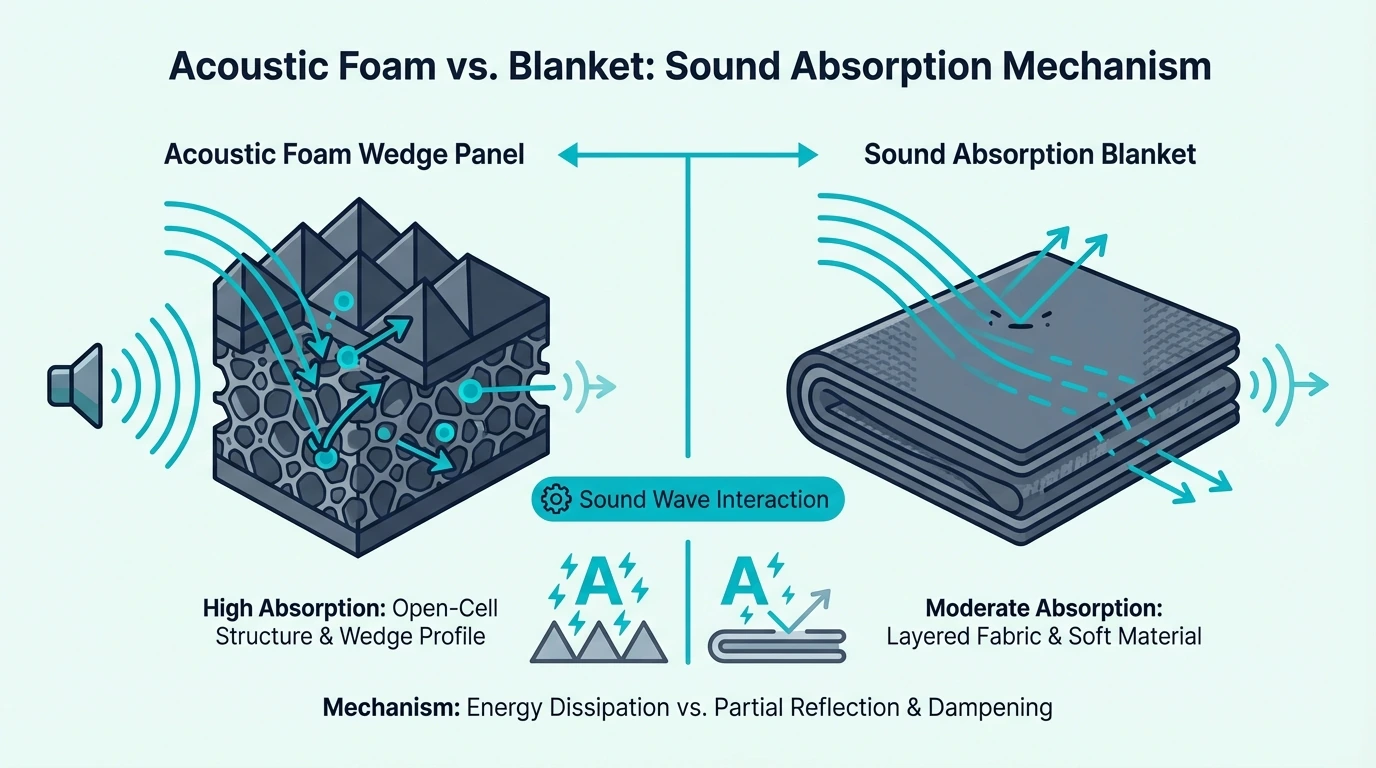
Acoustic foam is open-cell polyurethane shaped into wedges, pyramids, or egg crate patterns. Its porous structure traps sound waves and converts some acoustic energy to heat through friction.
If you’re choosing foam shapes, our pyramid vs wedge foam comparison covers what to expect. The shape matters less than overall coverage, but it can change how reflections scatter.
Blankets come in two varieties: moving blankets (dense cotton/polyester padding for furniture protection) and acoustic blankets (thicker, grommeted versions marketed for sound). The density provides some absorption, but the flat surface reflects more sound than foam’s textured profile.
The Short Answer: Foam for Performance, Blankets for Budget
Foam performs better in measurable ways, absorbing more sound across a wider frequency range. It also maintains more consistent performance over time.
That doesn’t make blankets useless. For temporary setups, extreme budgets, or portable applications, blankets deliver acceptable results at lower cost.
The real question is whether your situation justifies foam’s premium or whether blankets meet your actual needs. Check our best acoustic foam panels guide for our top picks.
Quick Comparison Table
| Feature | Acoustic Foam | Moving/Acoustic Blankets |
|---|---|---|
| NRC Rating | 0.3-0.5 | 0.2-0.4 |
| Best Frequencies | Mid-high (500Hz+) | Mid-high (variable) |
| Cost | Higher per sq ft | Lower per sq ft |
| Appearance | Professional | DIY/industrial |
| Mounting | Adhesive/permanent | Hanging/temporary |
| Lifespan | 3-5 years | 5-10 years |
| Portability | Low | High |
What Are Moving Blankets and Acoustic Blankets?
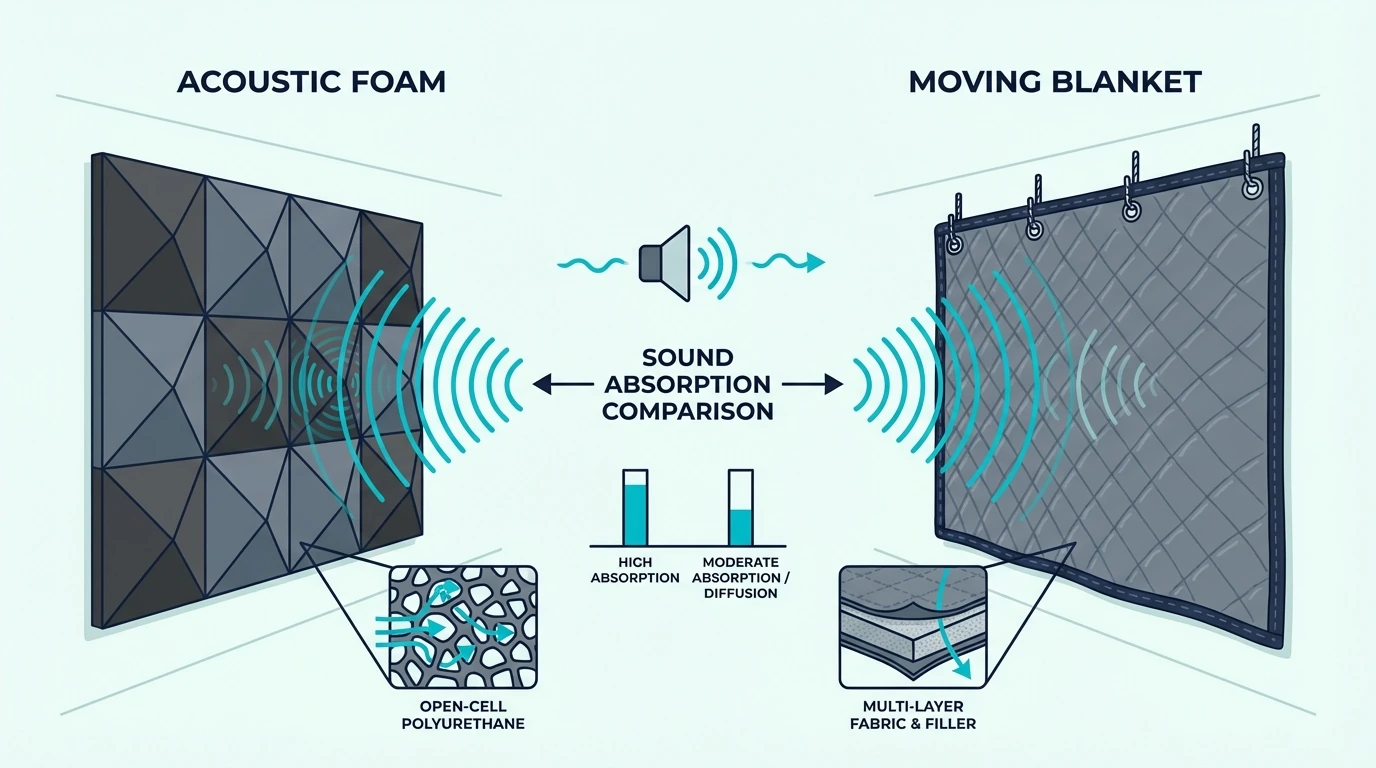
Here’s where terminology gets confusing. “Moving blankets” and “acoustic blankets” get used interchangeably online, but they’re built differently and they don’t perform the same.
Moving blankets are padded covers designed to protect furniture during transport. They’re dense and heavy, which is why they can help with reflections when you hang them on a wall.
The quilted construction provides some sound absorption as a side benefit. But because they weren’t designed for acoustics, performance varies a lot by thickness and fit.
Acoustic blankets are purpose-built for sound work. They’re heavier, usually include grommets for hanging, and use denser fill materials.
They cost more than generic moving blankets, but performance is more consistent. If you record often, that consistency can be worth it.
Moving Blankets vs Acoustic Blankets — What’s the Difference?
The main differences are density, weight, and construction quality. Acoustic blankets absorb more sound because they have more mass per square foot.
Moving blankets use lighter fill to keep shipping costs down. Acoustic blankets prioritize absorption over portability.
For budget setups, moving blankets work. For serious recording, acoustic blankets justify the price difference.
Do Moving Blankets Actually Work for Sound?
Yes, but with realistic expectations. Moving blankets reduce flutter echo and high-frequency harshness in untreated rooms.
Try this: hang a moving blanket behind your microphone and record a short voice sample. Then record the same line in the untreated room.
You’ll usually hear less room reverb with the blanket, especially in the high end. The change won’t be magic, but it’s a real difference.
The limitation is frequency range. Moving blankets mainly tame high-frequency harshness and flutter echo.
Lower-mid frequencies (roughly 200–500 Hz) pass through with much less reduction, so the room can still sound boxy. If that’s the problem you’re chasing, blankets alone won’t fully solve it.
Keeping sound in or out is a separate question, and Burton Acoustix’s guide to moving blankets and soundproofing explains why a pad that tames echo still lets a neighbor’s noise through.
How Does Acoustic Foam Compare to Blankets?
Now let’s get into the numbers. Performance data tells the real story better than marketing claims.
Sound Absorption: Which Works Better?
Acoustic foam wins on measurable absorption. Quality foam panels achieve NRC ratings of 0.4-0.5, meaning they absorb 40-50% of incident sound energy.
Moving blankets typically rate 0.2-0.3 NRC. Acoustic blankets reach 0.3-0.4 with dense construction.
Those NRC numbers from the table translate to real-world differences. In a typical 10×12 room, foam treatment produces noticeably less reverb than equivalent blanket coverage.
The frequency response also differs. Foam’s textured surface scatters and absorbs mid-to-high frequencies more effectively than a flat blanket.
Wedges and pyramids help break up reflections that a smooth fabric surface can let bounce back. It’s not just the material—it’s also the shape.
Price Comparison: Cost Per Square Foot
Blankets cost less upfront. If you need a lot of coverage quickly, fabric treatment usually stretches a budget further than foam.
Foam typically costs more per square foot, but you’re paying for more consistent absorption and a cleaner install. The tradeoff is performance and permanence versus coverage and flexibility.
The calculation changes over time. Foam can degrade or crumble after years of use, especially in humid or sunlit rooms.
Quality blankets tend to last longer structurally, but they can sag, collect dust, and look worn with heavy handling. In a permanent room, those aesthetic downsides add up.
For temporary setups, blankets’ lower upfront cost makes sense. For permanent installations, foam’s better performance per dollar spent wins long-term.
Aesthetics: Which Looks Better?
Foam looks professional. The geometric patterns and uniform appearance signal “studio” to clients, collaborators, and viewers.
Blankets look DIY. Hanging fabric on walls reads as temporary, budget, or unfinished — regardless of how well it performs.
If your space appears on camera or hosts clients, aesthetics matter for perception. A podcasting room with foam panels conveys professionalism that blanket-covered walls don’t match.
When Should You Use Acoustic Foam?
With those performance differences established, let’s get specific about when foam is clearly the better choice. If this is a space you’ll use every week, repeatability and clean placement start to matter a lot.
Permanent Home Studio Setup
Home studios justify foam because you’ll use the space regularly and placement stays consistent. Budget-friendly options like JBER 12-pack wedge panels make it easy to start without overthinking it.
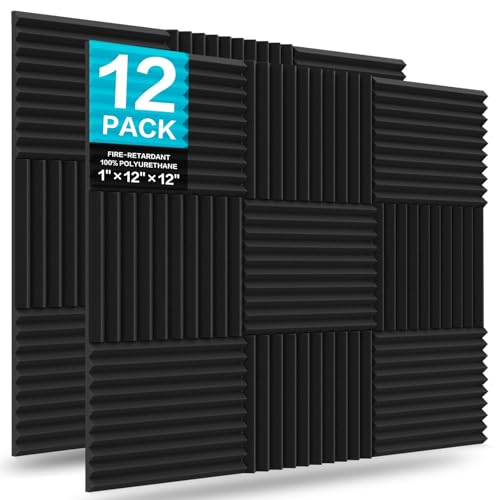
JBER 12-pack wedge panels
Foam also looks like a studio on camera, which matters if you stream or record video. And once it’s up, you don’t have to constantly re-hang anything.
Foam’s adhesive mounting creates a clean, permanent installation. A can of 3M Super 77 spray adhesive bonds panels securely without visible hardware.
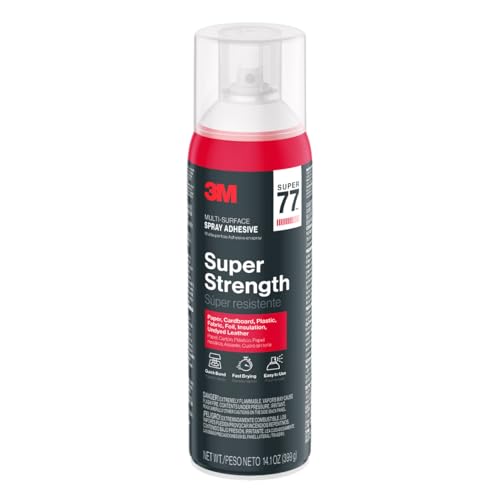
3M Super 77 spray adhesive
Once it’s installed, there are no dangling blankets, grommets, or shifting layers to babysit. See our guide on how to put acoustic foam on walls for mounting methods.
The improvement compounds over time: better absorption means cleaner recordings and less post-production work. If you record weekly, those small savings add up fast.
Professional Appearance Needed
Any space that appears on video needs to look professional. Streaming setups, YouTube studios, and podcast rooms all benefit from foam’s visual polish.
Clients and audiences notice production quality. Foam panels signal investment and expertise that blanket-covered walls can’t communicate.
The perception difference is real even if the acoustic performance is similar. Appearance affects how viewers perceive your content quality.
Maximum Absorption Required
When acoustic performance is the priority, foam gives you more absorption per square foot. For larger coverage, a 52-pack foam bundle can be an efficient way to treat key reflection areas.
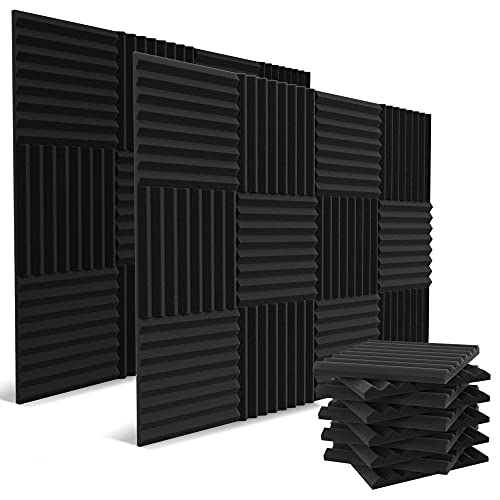
52 Pack Acoustic Foam Panels
Music production and critical listening benefit from foam’s more consistent midrange control. The goal isn’t perfection—it’s removing enough room sound that your mic and monitors can do their job.
The frequency response advantage matters for music. Foam’s textured surface handles the mid-range frequencies where most music lives.
If you’re doing serious audio work, foam is the baseline professional choice. Blankets are a compromise that costs you performance.
When Should You Use Blankets Instead?
Now let’s cover when blankets make more sense than foam. The goal here isn’t perfection—it’s getting a cleaner recording without committing to permanent installs.
Temporary or Portable Setup
Blankets excel for temporary installations. Rental spaces, touring setups, and multi-use rooms benefit from blankets’ easy removal.
Hanging blankets takes minutes, which is why they’re great for rentals and multi-use rooms. Removing adhesive-mounted foam takes much longer and can damage paint or drywall.
If you can’t commit to permanent treatment, blankets are the practical choice. You can treat the room when you need it, then pack everything away.
Portable vocal booths also pair well with blankets because you can build a simple frame, hang the fabric, and break it down for storage. If you’re weighing that route, see our comparison of acoustic foam vs vocal booths.
If your blankets don’t have grommets, a grommet kit lets you add hanging points to any heavy blanket. It’s a small upgrade that makes setup much faster.
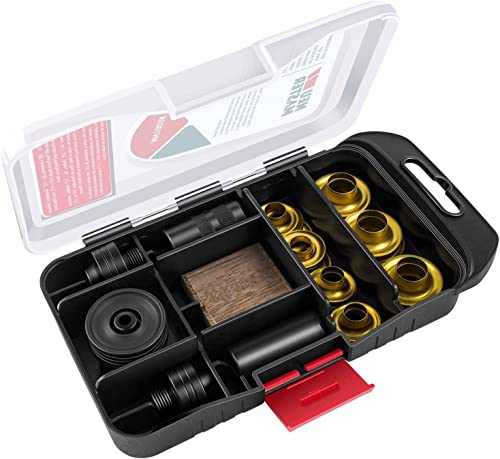
grommet kit
Extreme Budget Constraints
When money is tight, blankets stretch further because you can cover more surface area for the same spend. Products like VEVOR sound dampening blankets are purpose-built for sound and include grommets for easy hanging.
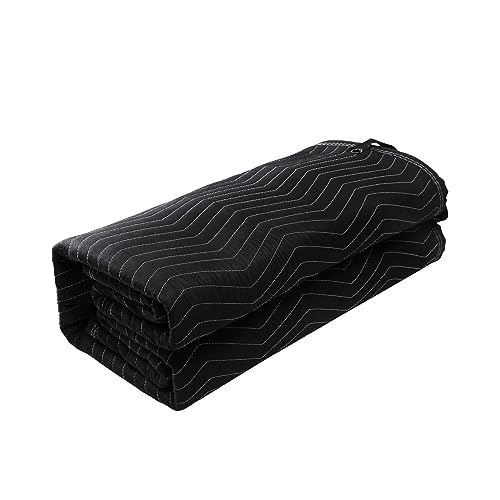
VEVOR sound dampening blankets
More coverage often beats “perfect” material if you’re starting from bare walls. That’s the main reason blankets can outperform small amounts of foam in real rooms.
Coverage matters more than material perfection. A room with 60% blanket coverage often sounds better than one with 30% foam coverage.
I see this a lot: someone buys premium foam, but can’t afford enough panels to make a real dent. In that situation, more blanket coverage would have delivered better results for the same budget.
Vocal Booth DIY Build
DIY vocal booths favor blankets for practical reasons. The soft material drapes around frames, fills corners, and creates enclosed spaces without cutting or gluing.
Blankets work well in small enclosed spaces. The proximity to walls means even modest absorption reduces reflections significantly.
The budget savings let you build a larger booth or invest in better microphones. Sometimes the acoustic compromise makes strategic sense.
The Bottom Line: Foam or Blankets?
Here’s the honest assessment: foam performs better and looks better in a permanent room, while blankets cost less and shine in temporary, portable, or rental-friendly setups. If you’re building a permanent space where appearance matters, choose foam.
Choose blankets if you’re renting, building temporary treatment, working on an extreme budget, or creating a portable setup. The performance gap is real, but it may not matter if you prioritize coverage and flexibility.
What actually matters most is adequate coverage for your room size and proper placement at reflection points. If you get those right, either option can make a normal bedroom sound dramatically less “roomy” on mic.
Our foam placement guide shows exactly where to position your treatment. The right adhesive for acoustic foam ensures your installation lasts.
Frequently Asked Questions
Are moving blankets good for soundproofing?
No. Moving blankets reduce reflections inside a room (echo and reverb), but they don’t block sound through walls.
If your goal is stopping neighbors from hearing you, you need isolation work—sealing air gaps and adding mass—not more fabric on the wall. For a quick explainer, see does acoustic foam soundproof.
Can blankets replace acoustic foam?
For budget setups, sometimes. Blankets can get you most of the way toward “less echo” if you hang enough coverage in the right places.
The tradeoff is a less professional look and less consistent midrange control. Foam wins when you want repeatable results and clean installs.
Which is cheaper: foam or blankets?
Blankets are usually cheaper per square foot, especially if you buy moving blankets in bulk. Foam typically costs more for the same surface area.
But foam also tends to be more consistent and easier to mount cleanly. Decide based on whether your priority is coverage, appearance, or permanence.
Can you use both together?
Yes. A common approach is foam on visible walls and blankets on hidden surfaces (behind curtains, in closets, or around a portable booth).
That mix maximizes coverage while keeping the room looking intentional. Just avoid leaving big reflective gaps near your mic or monitors.