Best Wood For Sound Diffuser? (Material Matters More Than You Think)

Best wood for a sound diffuser depends on one property most people overlook — density determines how cleanly the surface reflects sound, and that’s what separates a diffuser that actually scatters from one that absorbs half the energy before it gets the chance.
You’ve picked a QRD or skyline design, calculated the well depths, but the wood you build it from quietly decides whether those calculations translate to real diffusion or muffled reflections.
Choosing the right wood means your diffuser scatters mid and high frequencies with the precision the math intended — crisp, even dispersion across the listening position instead of a dull, partially absorbed return.
You’ll start with the properties that matter most, then match specific hardwoods, softwoods, and plywood options to your budget and build skill.
Hard maple and white oak are the best woods for sound diffusers — dense, rigid, and dimensionally stable. For DIY builds on a budget, Baltic birch plywood outperforms solid softwoods at a fraction of the cost. Seal any wood surface with polyurethane or lacquer to maximize reflectivity and prevent moisture warping that ruins well-depth accuracy.
What Makes A Good Wood For Sound Diffusers?
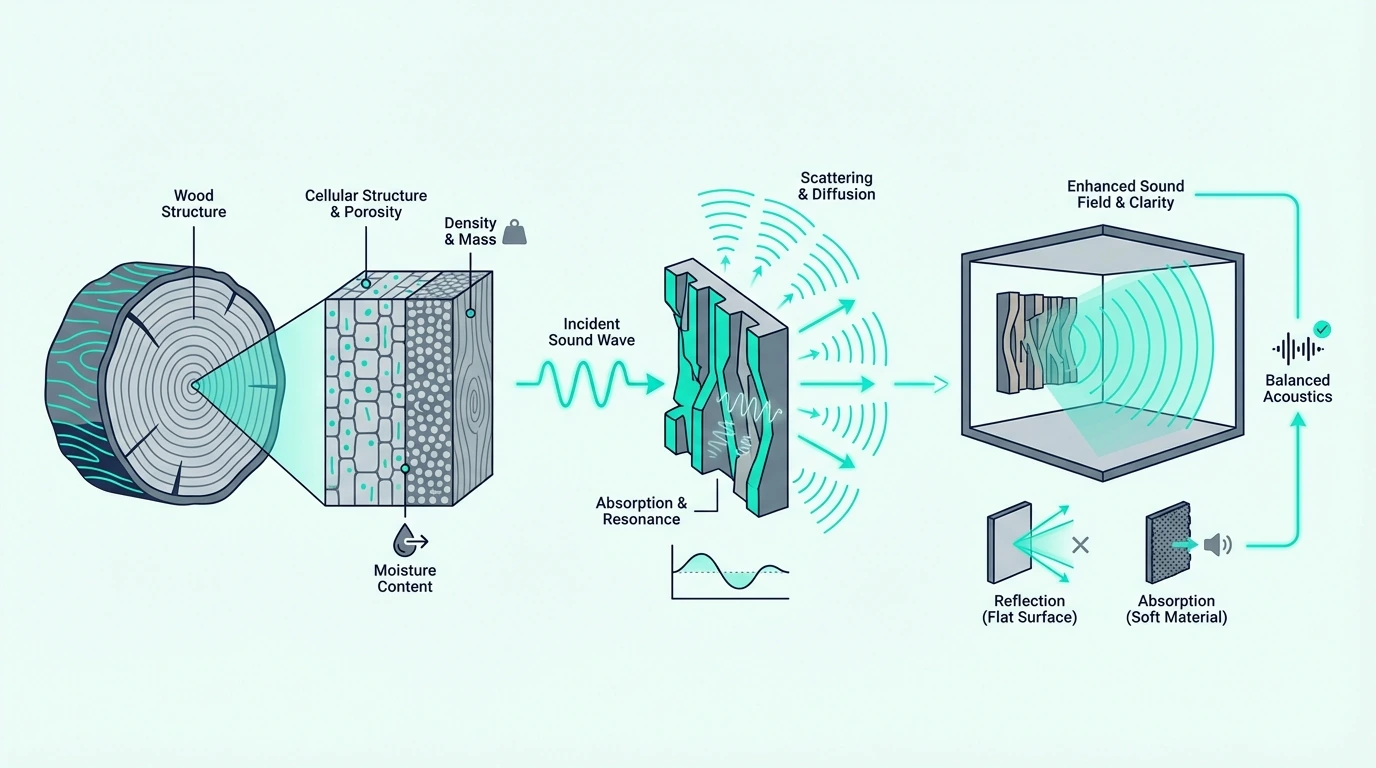
A diffuser’s job is to reflect sound waves off surfaces at different depths — scattering them across the room instead of bouncing them back in a focused beam. The wood has to be rigid enough to reflect cleanly without flexing or absorbing energy.
Density And Hardness
Dense wood reflects more sound energy and absorbs less. That’s the fundamental tradeoff — a soft, porous material like balsa or untreated pine absorbs a portion of every sound wave that hits it, which defeats the purpose of a diffuser.
The Janka hardness scale gives you a quick comparison. Hard maple scores 1,450 lbf, white oak hits 1,360 lbf, and walnut comes in at 1,010 lbf — all excellent for diffusion.
Compare that to pine at 380-690 lbf. The gap isn’t subtle — maple reflects roughly 95% of the sound energy that pine lets partially absorb.
For a real-world example of what dense wood sounds like in a finished diffuser, the BXI Wood Sound Diffuser (1D QRD) uses solid wood construction that delivers the clean reflection quality you’re aiming for in a DIY build.
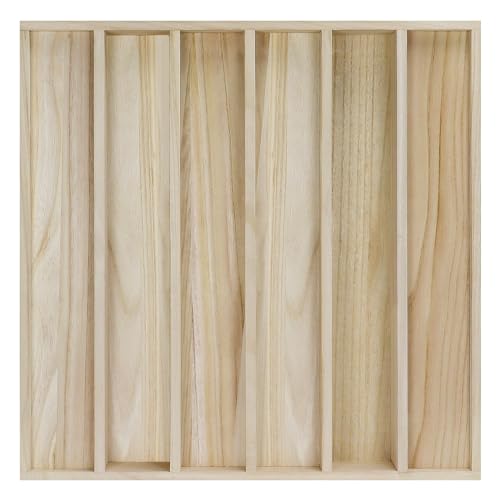
BXI Wood Sound Diffuser (1D QRD)
Dimensional Stability And Moisture Resistance
A QRD diffuser’s scattering pattern depends on precise well depths — sometimes calculated to fractions of a millimeter. If the wood warps, swells, or shrinks with humidity changes, those depths shift and the diffusion pattern degrades.
Oak and maple are dimensionally stable — they resist warping even in rooms with fluctuating humidity like basements or garages. Walnut performs similarly but costs significantly more per board foot.
Pine and cedar move considerably with moisture changes. If you build a QRD from untreated pine in a humid climate, the wells can shift enough within months to alter the scattering frequency range.
Which Hardwoods Work Best For Sound Diffusers?
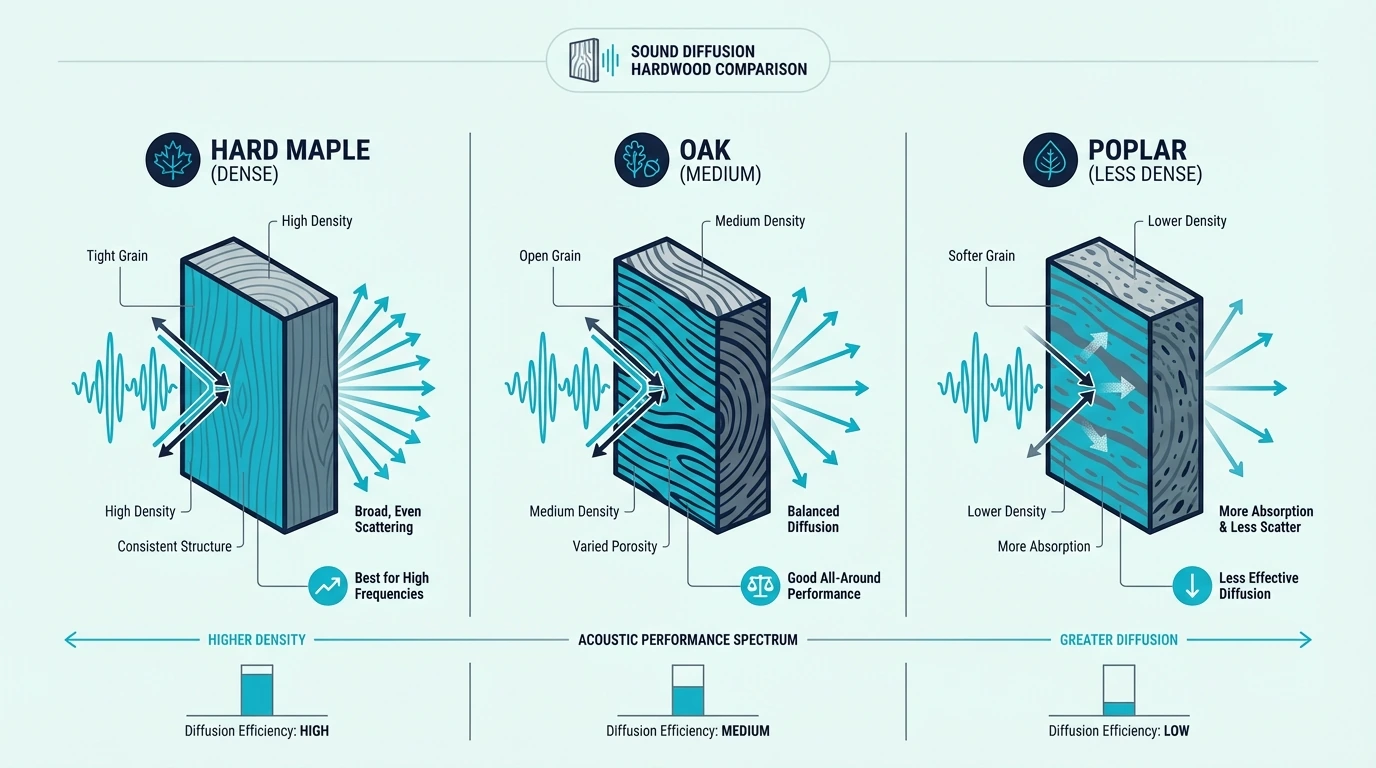
Professional diffuser manufacturers overwhelmingly use hardwoods — and for good reason. The density, stability, and tonal quality of hardwoods make them the standard for critical listening environments.
Oak And Maple
White oak and hard maple are the workhorses of commercial diffuser production. Both score above 1,300 on the Janka scale, resist moisture warping, and machine cleanly for precise well cuts.
Oak has a slightly more open grain that some builders prefer for aesthetics — the grain pattern shows through clear finishes and adds visual character to what’s otherwise a functional panel. Maple is denser and harder, with a tighter grain that creates a slightly smoother reflecting surface.
Cost is comparable for both species at most lumber yards. For a standard 24×24-inch QRD panel, expect roughly two to three times the cost of a softwood equivalent — competitive with buying a pre-built diffuser when you factor in the quality.
Walnut And Mahogany
Walnut brings a rich dark tone that makes diffusers look like premium furniture. At 1,010 lbf Janka, it’s softer than oak or maple but still firmly in the “excellent for diffusion” range — the density loss compared to maple is acoustically negligible.
Mahogany sits at roughly 800-900 lbf depending on species. The tonal quality competitors reference as “warm” comes from the wood’s resonant properties — mahogany vibrates slightly more than maple, which can add a subtle coloration to the scattered sound.
The tradeoff is cost. Walnut runs $8-15 per board foot and mahogany can hit $12-20, making a single 24×24 panel $60-100+ in lumber alone.
For most home studios, oak or maple delivers 95% of the acoustic performance at half the price. If you want to see what a finished commercial wood diffuser looks like, the BXI Wood Sound Diffuser (2D Skyline) shows the quality level achievable with dense wood construction.
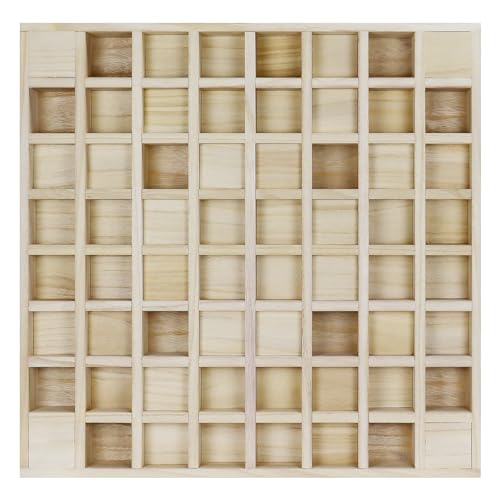
BXI Wood Sound Diffuser (2D Skyline)
Get Studio Tips Weekly
Join 5,000+ creators getting acoustic treatment advice every week.
No spam. Unsubscribe anytime.Which Softwoods And Plywood Work For Budget Diffusers?
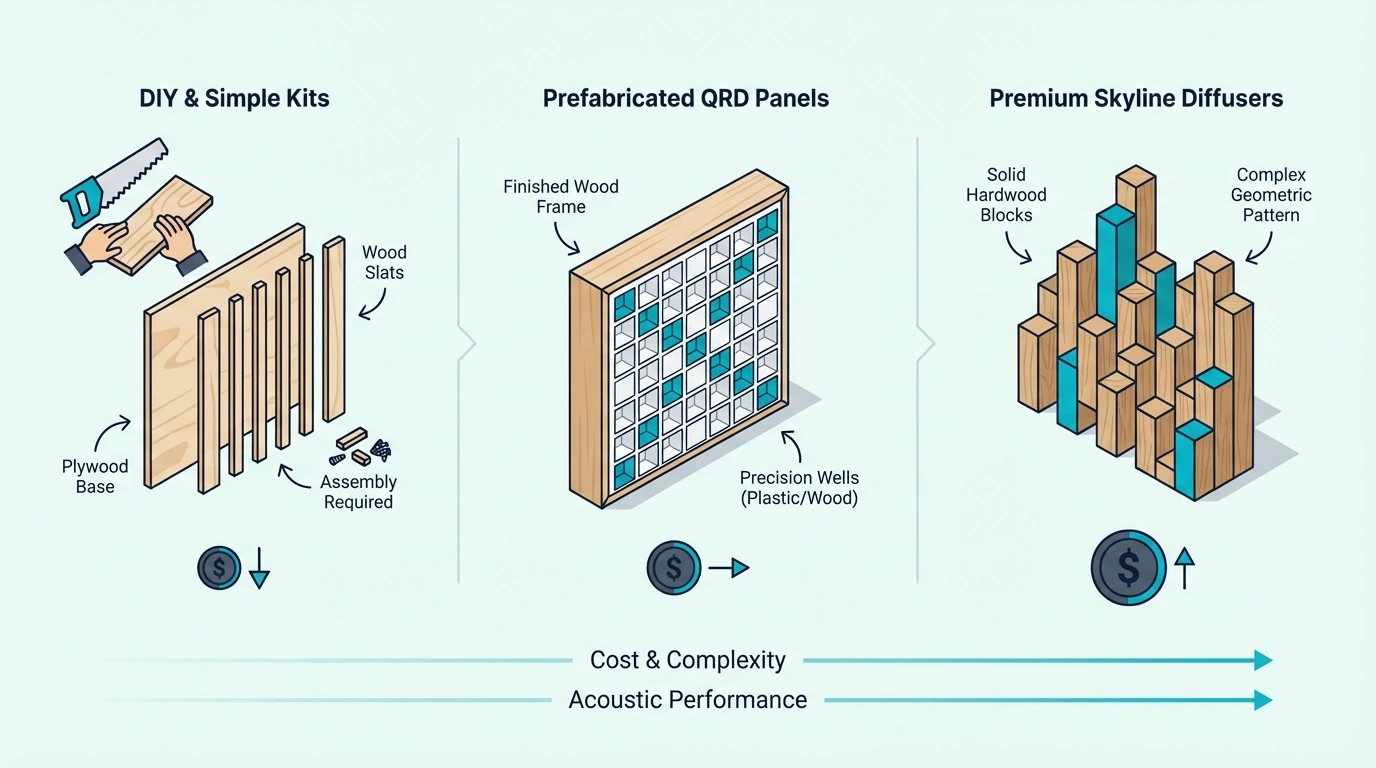
Not everyone needs premium hardwood. If you’re building your first diffuser or treating a home studio on a budget, several cheaper materials perform surprisingly well — especially with the right finish.
Baltic Birch Plywood
Baltic birch is the most popular DIY diffuser material for a reason. The cross-laminated layers create a panel that’s denser and more dimensionally stable than solid softwood, at roughly $3-5 per square foot.
The void-free construction means you can cut precise wells without hitting internal gaps — a problem with standard construction plywood that ruins well-depth accuracy. Baltic birch machines cleanly, holds screws well, and takes finish beautifully.
For most DIY builds, 3/4-inch Baltic birch is the sweet spot. It’s rigid enough to reflect cleanly, stable enough to hold its shape for years.
If you’d rather skip the build entirely, the Art3d Wood Slat Acoustic Panels use a wood slat design that delivers solid mid-high frequency scatter without any woodworking. Our DIY wooden diffuser guide covers the full build process using Baltic birch.
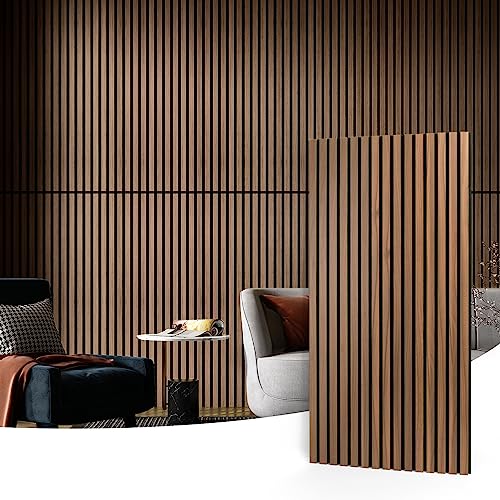
Art3d Wood Slat Acoustic Panels
MDF And Pine
MDF (Medium Density Fiberboard) machines better than any natural wood — router bits cut through it like butter, creating perfectly clean well walls. The uniform density means consistent reflection quality across the entire panel surface.
The downsides are weight and moisture sensitivity. A 24×24 MDF panel weighs 30-40% more than the same panel in Baltic birch, making ceiling mounting difficult.
One exposure to significant moisture can cause permanent swelling that destroys the well geometry.
Pine works for practice builds and non-critical spaces. The softness means some high-frequency absorption, but for a garage practice room or home theater where absolute precision isn’t required, sealed pine gets the job done at the lowest lumber cost available.
Does Wood Thickness And Finish Affect Diffusion?
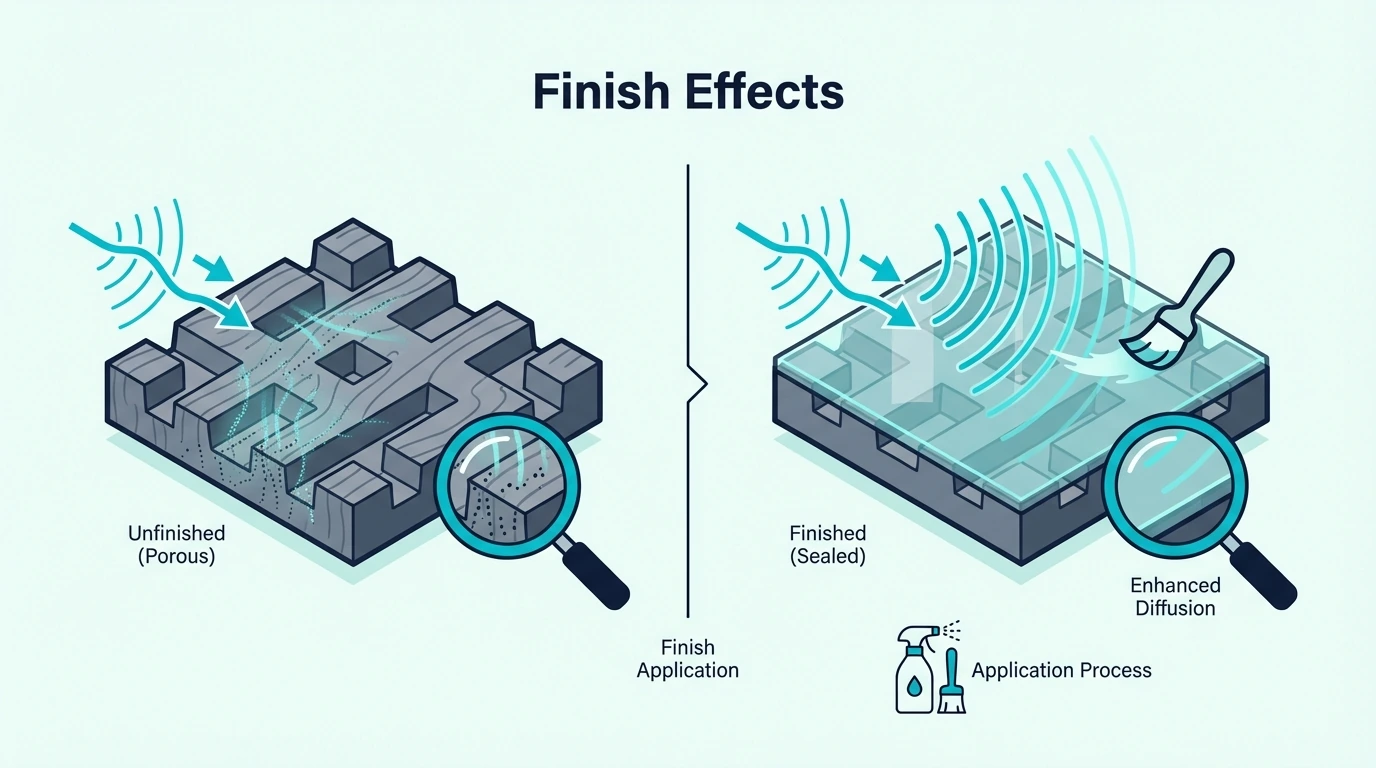
The wood species gets the most attention, but thickness and surface treatment have a measurable impact on how the finished diffuser performs. Getting these right can compensate for a budget wood choice — and getting them wrong can undermine even the best hardwood.
The Impact Of Material Density On Sound Diffusion
Thicker panels resonate less. A 3/4-inch hardwood panel stays rigid when hit by a bass wave that would make a 1/4-inch panel flex and absorb energy.
For QRD diffusers, the dividers between wells need to be thick enough to stay rigid at the lowest frequency the diffuser is designed to scatter. Thin dividers vibrate sympathetically and blur the time differences between wells — degrading the precision of the scatter pattern.
The minimum practical thickness is 1/2 inch for hardwoods and 3/4 inch for softwoods and plywood. Going thicker adds weight without meaningful acoustic improvement — diminishing returns kick in fast above these thresholds.
For specifics on which materials diffuse sound, that guide compares wood against plastic and composite alternatives.
Sealed Vs Raw Wood Surfaces
A polyurethane or lacquer finish transforms the reflective properties of any wood. Sealed surfaces are harder, smoother, and reflect sound more consistently than raw wood — which has microscopic pores that absorb a small percentage of high-frequency energy.
The difference is most audible above 4 kHz. Raw softwood absorbs enough high-frequency energy to noticeably dull the scattered sound compared to the same wood with two coats of polyurethane.
Two to three coats of satin or gloss polyurethane is the standard finish for DIY diffusers. Avoid thick paint — it fills well edges and changes the effective well depth, which shifts the diffuser’s design frequency.
Understanding how diffusers work at the physics level makes it clear why these small details matter. And for a full room diffusion walkthrough, that guide shows how your finished panel fits into the bigger treatment picture.
The Bottom Line
Hard maple or white oak for maximum performance. Baltic birch plywood for budget DIY builds.
Seal whatever you choose with polyurethane to maximize reflectivity.
Skip pine and MDF unless you’re building a practice piece or treating a non-critical space. The density difference between hardwood and softwood is acoustically significant — not a marketing distinction.
For where to place your finished diffuser, that guide covers rear wall, ceiling, and first reflection point positioning. And if you’d rather buy than build, our best sound diffusers roundup compares the top pre-built options.
Frequently Asked Questions
What is the best wood for acoustic diffusers?
Hard maple and white oak deliver the best combination of density, dimensional stability, and cost. Both score above 1,300 on the Janka hardness scale, which means they reflect sound cleanly without absorbing high-frequency energy.
What wood absorbs the most sound?
Softwoods like balsa, cedar, and untreated pine absorb the most because their lower density and open grain structure let sound energy penetrate instead of reflecting. That’s why they’re poor choices for diffusers but acceptable for certain absorption applications.
What is the best wood for sound resonance?
Mahogany and spruce resonate the most — which is why they’re used for guitar bodies and violin tops. For diffusers, resonance is undesirable because you want clean reflection, not vibration — so harder, denser woods like maple outperform resonant species.
Do wood sound diffusers work?
Yes — wood is the industry standard material for professional diffusers. The rigid surface reflects sound cleanly while the varying well depths or block heights scatter it across the room. For a deeper look at the physics, our do wood diffusers work guide covers the research.