How To Soundproof A Floor For Footsteps And Noise Transfer
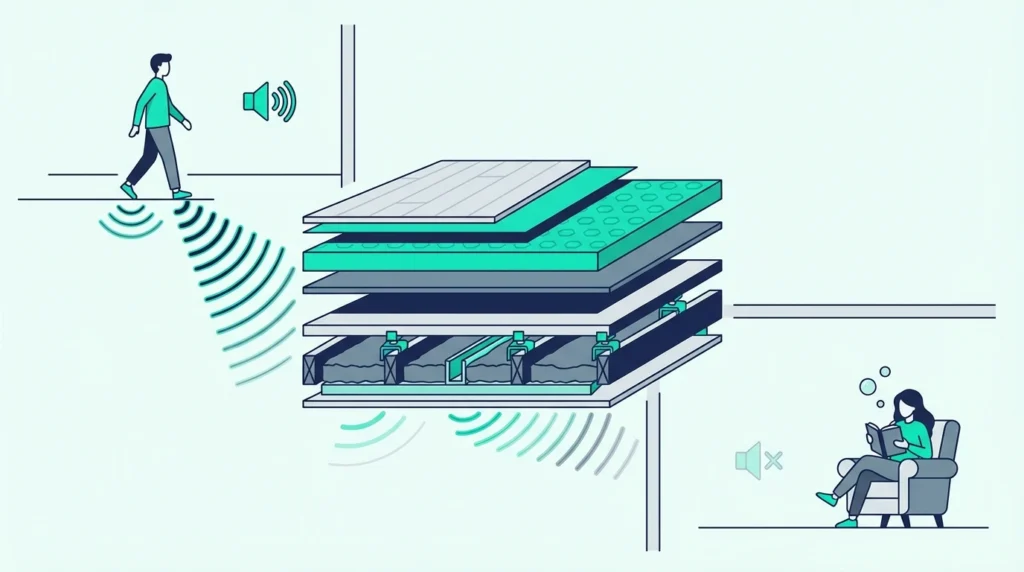
How to soundproof a floor can absolutely reduce footsteps and room-to-room noise, but only if you diagnose three things first: the noise type, the floor assembly, and which side of the structure you can actually work on.
Floor soundproofing frustrates so many people because they add one soft layer on top, expect silence below, and then discover the vibration is still traveling through the finish floor, subfloor, joists, and ceiling underneath.
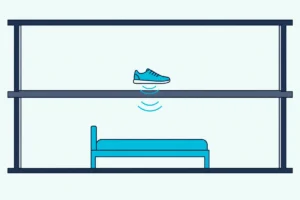
Floors are harder than many wall projects because they often carry two problems at once. Footsteps, dropped objects, chair movement, pets, and workouts create impact noise, while voices, TV, and music create airborne transfer through the same assembly.
The good news is that floor soundproofing does work when the fix matches the path. In many homes and apartments, the best results come from treating the upstairs floor first, upgrading the floor build during flooring work, and only leaning on the ceiling below when the source side is out of reach.
Start with the noise type, the floor assembly, and your access to the source side.
Then move through the floor-side upgrades that work, the limits of existing-floor retrofits, the cheap fixes that are actually worth trying, and the point where the whole floor-ceiling assembly needs a broader plan.
The best way to soundproof a floor is to treat the source side first and match the fix to both the noise and the assembly. For impact noise like footsteps, dense top layers, underlayment, floating-floor strategies, and better isolation matter most.
For airborne noise, floor-side mass and any accessible cavity treatment can help, but once the complaint becomes a full between-floor problem, the right next move is usually a broader assembly strategy. Cheap surface fixes can help a little, but stronger floor-side results usually come from proper underlayment, added mass, and better build details.
Floor Noise Starts With The Right Diagnosis
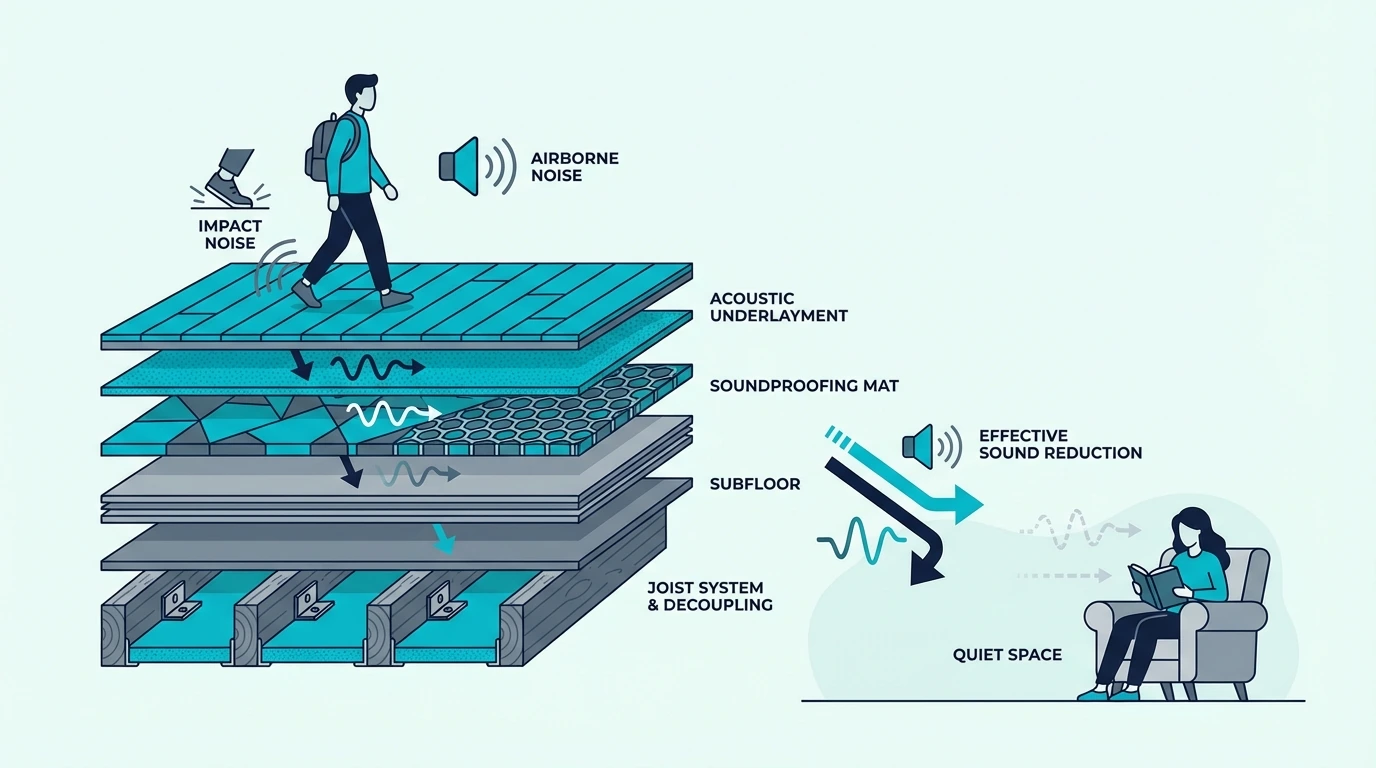
Floor noise is hard to stop because the floor is both the surface people use and part of the building structure. Once vibration gets into the floor system, it can spread beyond the exact room where it started.
Impact Noise And Airborne Noise Need Different Fixes
Impact noise comes from footsteps, dropped items, chair legs, pets, exercise equipment, and anything else that physically strikes the floor. Airborne noise comes from voices, music, TV, and bass that pass through the floor-ceiling assembly instead.
That distinction matters because the right fix changes with it. If the main complaint is footsteps, think top-side softness, underlayment, and separation.
For the lab numbers behind those choices, our look at what carpet, underlayment and the ceiling below really add compares the makers’ ratings with the carpet industry’s.
If the main complaint is voices or TV transfer, think more about mass, cavity insulation, and the broader assembly in how to soundproof a room and best insulation for soundproofing.
Most wood-frame floors leak both. Concrete floors are heavier and usually better for airborne noise, but they can still feel hard and loud under footfall when the finish layer is unforgiving.
Light Floor Assemblies Spread Vibration Fast
Every step energizes the floor directly. On hard flooring, that energy moves into the finish floor, subfloor, joists, fasteners, and ceiling below almost immediately, which is why footsteps can feel more intrusive than normal conversation.
Wood joist floors are usually worse for this than slab floors because they are lighter and springier. Hardwood, laminate, and tile also tend to reveal impact noise faster than carpeted floors because there is less softness at the source.
Source-Side Access Usually Beats Downstairs Guesswork
If you control the upstairs floor, that is usually the best place to start because stopping vibration at the source works better than catching it after it spreads. If you only control the room below, the ceiling may become the more realistic treatment side.
This is the first big decision in any between-floor complaint. A person with upstairs access can often get more from better floor coverage and underlayment than a downstairs-only owner can get from guesswork on the ceiling.
But if the upstairs floor cannot be touched, the ceiling below may be the only side where real structural improvement is possible. That is usually the point to move from a floor-specific plan into how to soundproof between floors or how to soundproof a ceiling.
The Best Floor Fix Starts At The Source Side
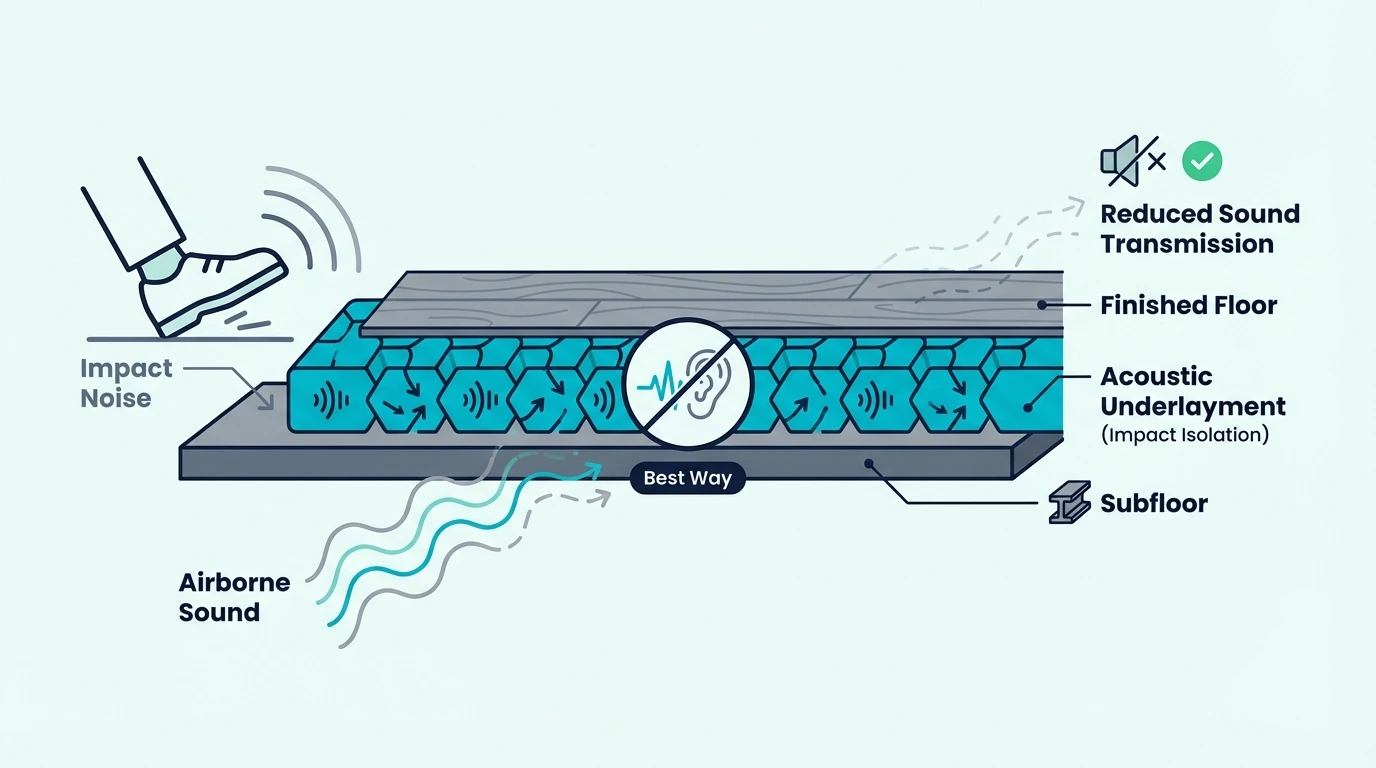
Once you know the noise type and which side you control, the treatment order gets easier to prioritize.
In a finished room without renovation, you are mostly managing symptoms at the source. In a flooring project or open assembly, you can actually change performance.
Underlayments Matter Most During Flooring Work
Underlayments help most when you are already installing or replacing flooring, especially laminate, engineered wood, or another floating finish. That is when you can add a continuous impact-control layer between the finished floor and the subfloor with a real product like FloorMuffler Ultra Seal Underlayment 300SF.

FloorMuffler Ultra Seal Underlayment 300SF
Timing matters so much here. If a renovation is already happening, spending more on the right full-coverage layer is usually smarter than trying to retrofit weak surface fixes later.
Floating Floors Build In More Separation
A floating floor makes sense when the project is large enough that you can build in more separation across the whole surface instead of just adding one thin layer. The goal is not simply softness but reducing how much vibration couples into the structure in the first place.
That makes it a better fit for full-room renovations, hard-surface replacements, and upstairs condos or apartments where impact noise is an ongoing complaint rather than a minor annoyance.
Serious Isolation Requires A Bigger Floor Rebuild
Serious floor-side isolation still starts with the floor build, not the ceiling finish. If the flooring or subfloor is open, cavity fill like AFB Acoustical Fire Batts, Mineral Wool Insulation becomes relevant because it can help a stronger floor-side rebuild absorb energy inside the joist space.
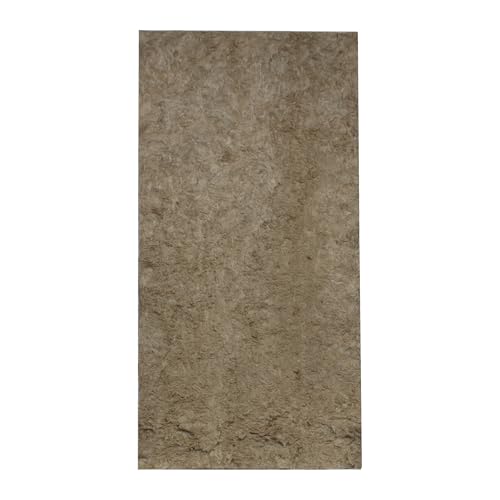
AFB Acoustical Fire Batts, Mineral Wool Insulation
For added mass inside a larger floor retrofit, Trademark Soundproofing Mass Loaded Vinyl 1lb – MLV Soundproofing for Wall Sound belongs here only when the floor assembly is already open and the project is moving beyond simple underlayment.
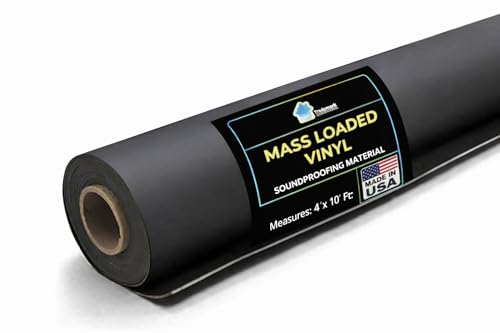
Trademark Soundproofing Mass Loaded Vinyl 1lb - MLV Soundproofing for Wall Sound
The key on this page is that serious floor soundproofing should stay focused on what changes when the floor itself is being rebuilt: full-coverage underlayment, better edge details, denser layered build-ups, and cavity treatment if the floor is already accessible.
If the complaint has reached the point where you are planning ceiling damping, decoupling, or a full rebuild from below, that is no longer just a floor project. That is where how to soundproof between floors takes over.
Get Studio Tips Weekly
Join 5,000+ creators getting acoustic treatment advice every week.
No spam. Unsubscribe anytime.Existing Floors Improve Most At The Source Side
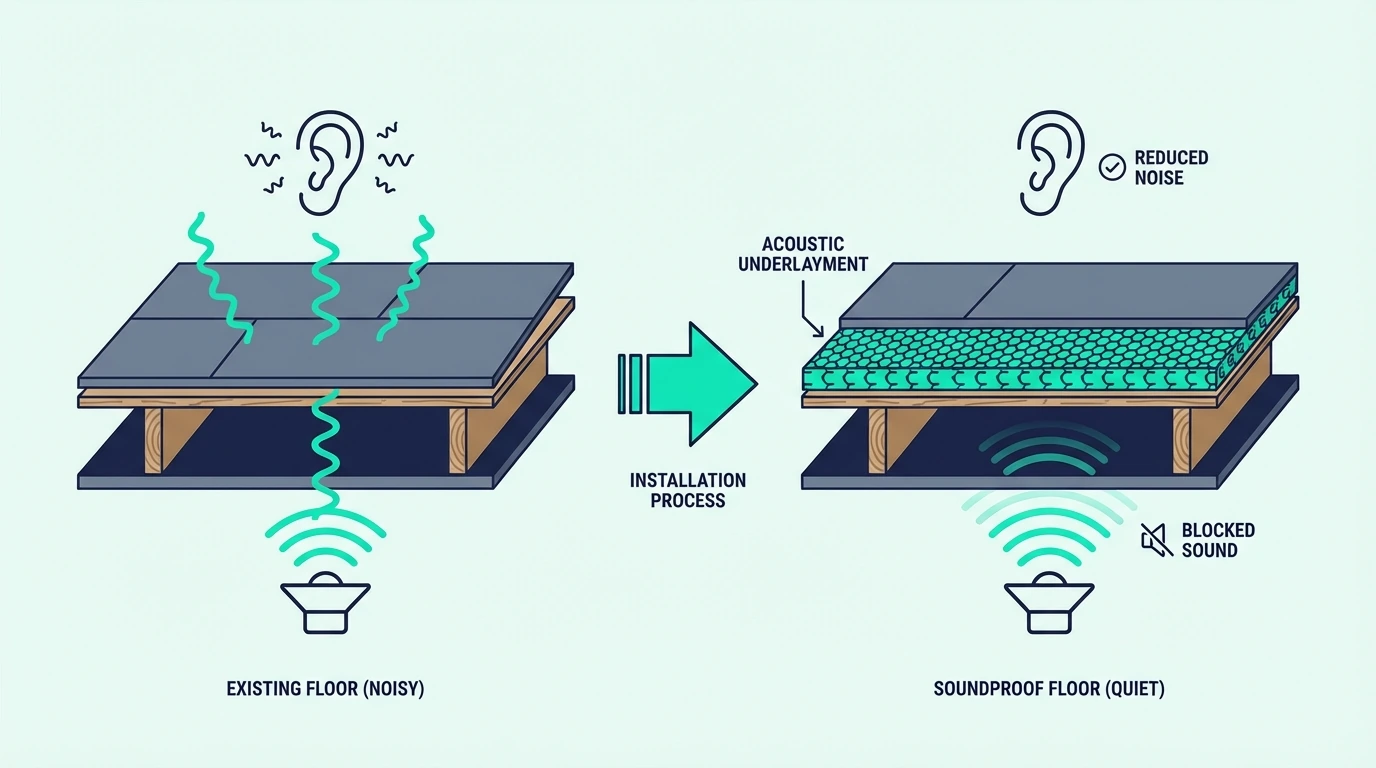
Yes, but the result depends on how much of the floor system you can actually access. Existing-floor retrofits are usually about improvement, not perfection.
Top-Side Layers Help When The Finish Floor Stays Put
Without pulling up the whole floor, you are mostly limited to top-side improvements and impact management. Large rugs, dense pads, interlocking mats, furniture feet, and better coverage in active zones can all reduce impact at the source, especially in apartments or finished rooms.
Interlocking top-side products like TroyStudio Thick Sound Absorbing Interlocking Floor Mats, 16 Pcs 11 x 11 x 0.4 in fit this category because they are actual test layers you can use in a real finished room before committing to bigger work.
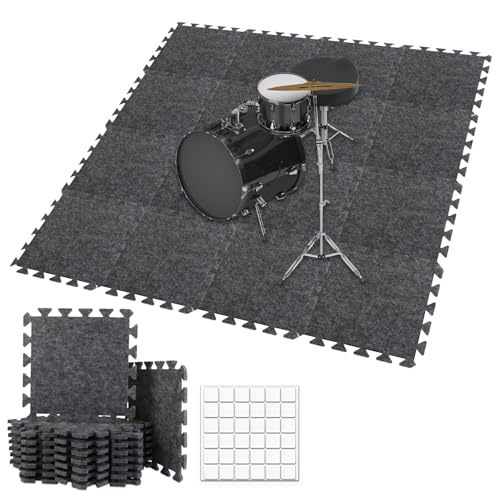
TroyStudio Thick Sound Absorbing Interlocking Floor Mats, 16 Pcs 11 x 11 x 0.4 in
These changes are most helpful when the complaint is foot traffic, chair scraping, or pet movement. They are much less powerful when the complaint is voices or TV transfer between floors.
Pulling Up Flooring Changes The Ceiling On Results
Pulling up the flooring is worth it when impact noise is severe, the floor is being renovated anyway, or old hard flooring is going back down without any meaningful isolation layer. That is the point where real underlayment, better edge details, and full-coverage layers can make a permanent difference rather than a temporary one.
This is also where whole-room materials outperform targeted patches. If you are already at the subfloor, a proper underlayment or full mass layer does more than a small test strip because floor noise simply flanks around weak coverage.
No Subfloor Access Means Expectations Stay Lower
If you have no access to the subfloor, be realistic about what the floor alone can do. That usually means using source-side top layers now and then deciding whether the better long-term move is to open the ceiling below or wait for a larger flooring project.
For renters and finished apartments, this is often the real limit. You can make the room less sharp under foot, but you may not fundamentally change the assembly without access from one side or the other.
Cheap Floor Fixes Only Work When They Reduce Impact At The Source
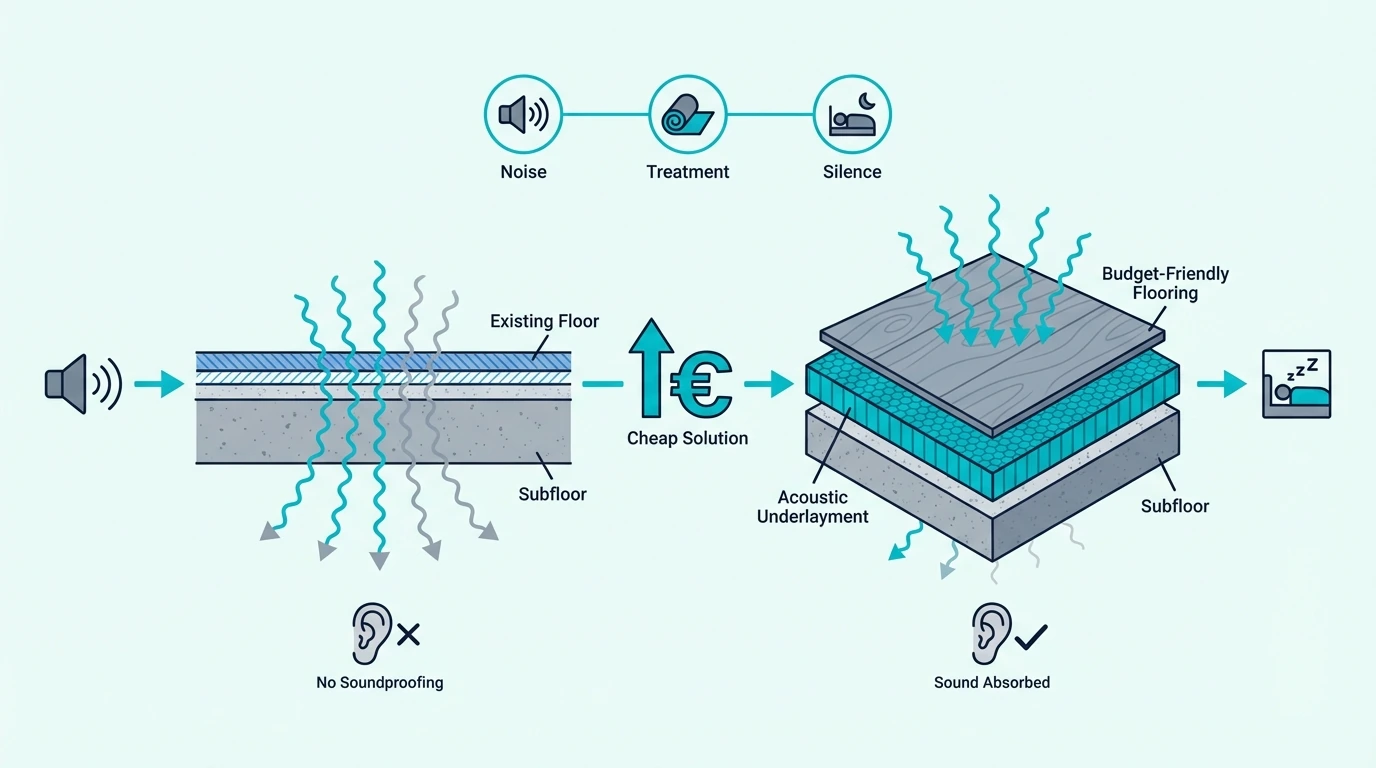
Cheap floor soundproofing works best when it reduces the sharpness of impact at the source. It works much worse when it tries to imitate a rebuilt assembly with lightweight materials.
Budget Wins Come From Coverage In Active Zones
The best budget fixes are usually thick rugs, dense rug pads, interlocking mats in high-traffic zones, furniture foot pads, and fuller coverage over hard flooring. Those fixes will not equal a floating floor, but they can reduce annoyance in everyday spaces.
This is also why budget floor advice has to stay specific. A rug in the walking path, a pad under chairs, or a removable mat in a workout zone can help more than spreading thin foam randomly across a room.
Thin Gimmicks Barely Change Real Floor Noise
Thin foam, partial coverage, random peel-and-stick “soundproof” sheets, and any fix that ignores where people actually step usually barely work for real floor noise. The biggest reason is simple: impact noise flanks around weak coverage and keeps traveling through the structure.
Floor articles need to be stricter than wall articles about gimmicks. A floor is a physical load surface, so decorative acoustic logic usually fails even faster here.
Renters Need Removable Source-Side Control
Renters and upstairs neighbors should focus on removable source-side control first. That usually means rugs with dense pads, interlocking mats where activity is concentrated, furniture feet, and better coverage over hard flooring.
If the complaint is really voices, TV, or bass rather than footsteps, be honest about the limit. Floor-only renter fixes may underperform because the assembly problem is bigger than the finish surface, which is why how to soundproof an apartment and how much it costs to soundproof a room become the better next pages.
Cost Rises Fast Once The Assembly Changes
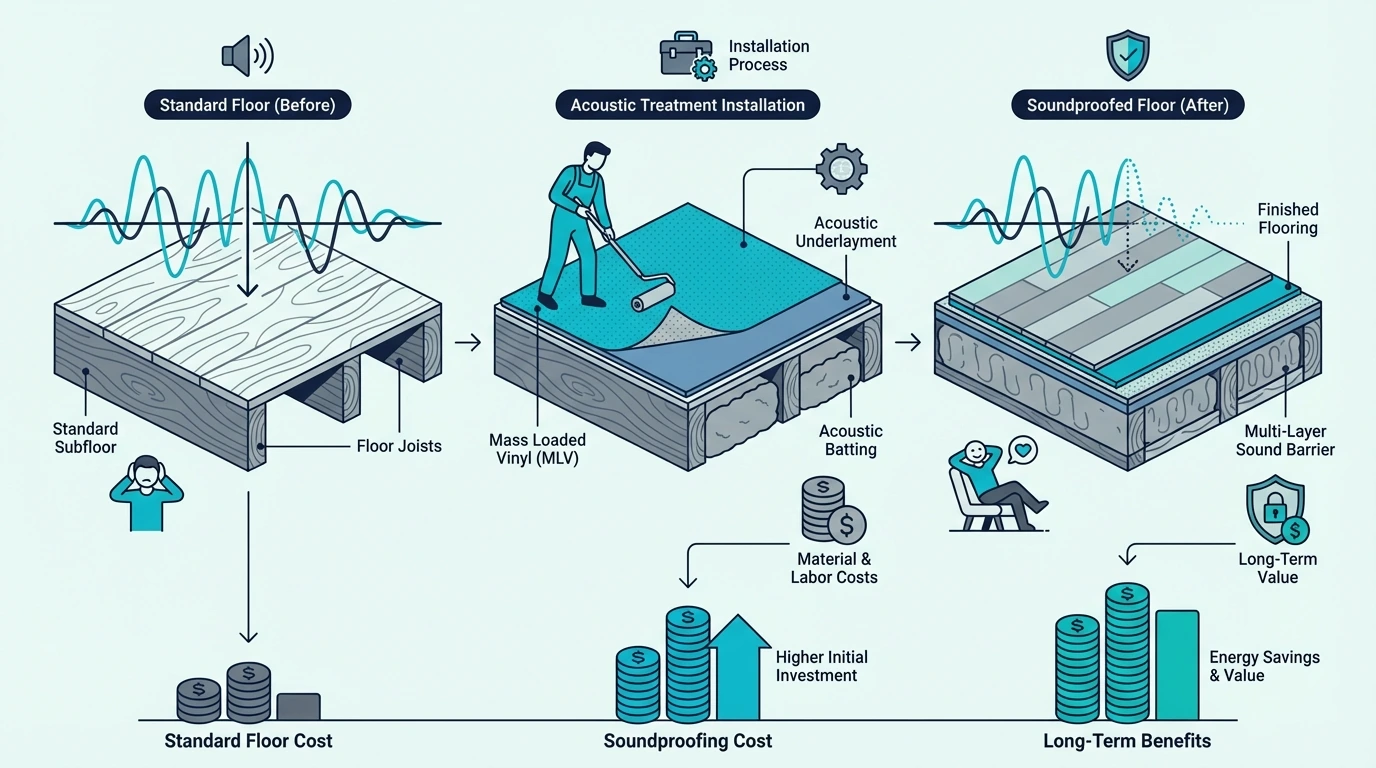
Floor soundproofing costs rise quickly as you move from soft top layers into real assembly work. The price jump makes sense because the stronger fixes usually involve labor, access, and rebuilding rather than one easy add-on.
Basic Retrofits Stay In The Soft-Layer Budget Tier
A basic retrofit usually means rugs, dense pads, interlocking mats, localized removable layers, and small comfort upgrades. In practice, this is the lower-cost tier because you are reducing impact at the source rather than rebuilding the assembly.
Full Build-Ups And Floating Floors Cost More For Real Reasons
A proper build-up or floating floor costs much more because the flooring often has to come up and new layers have to be installed continuously across the room. That is where material choice, coverage, labor, trim adjustments, and edge details all start to matter at once.
Professional Help Pays Off When The Whole Assembly Is In Play
Professional help is worth paying for when impact noise is severe, when the floor and ceiling are part of the same complaint, when you are in a condo or apartment where assemblies matter, or when a renovation is already planned. That is usually the point where a contractor or acoustic specialist can stop you from spending money on partial fixes twice.
That is especially true once multiple rooms, flooring removal, open cavities, or a larger floating-floor build are on the table. If the fix is expanding into the whole floor-ceiling assembly, move into the between-floor path rather than treating it like a simple flooring upgrade.
The Bottom Line
How to soundproof a floor gets much easier once you match the fix to the noise type, the floor assembly, and the side of the structure you can actually control.
If the complaint is mostly footsteps and you control the upstairs surface, start with source-side coverage and underlayment decisions first.
If the floor is being rebuilt, use that access to add better separation, more mass, and cavity treatment where it belongs.
If the source side is out of reach or the complaint has become a full floor-ceiling problem, stop treating it like a floor-only project and move into the broader assembly pages: how to soundproof between floors, how to soundproof a ceiling, best insulation for soundproofing, and best soundproofing material.
Frequently Asked Questions
How to block out 100% of noise?
Blocking 100% of noise in a normal home is usually unrealistic without extreme construction. The practical goal is meaningful reduction, which usually means matching the fix to the path instead of expecting one surface layer to solve everything.
What is the cheapest way to soundproof between floors?
From the floor side, the cheapest move is usually to reduce impact at the source with rugs, dense pads, interlocking mats, and better floor coverage. If you are solving the whole floor-ceiling assembly rather than just the floor, use how to soundproof between floors for the broader path.
Is It Better To Treat The Floor Or The Ceiling Below?
If you control the upstairs floor, treating the floor is usually better because it stops vibration earlier. If you only control the room below, then the ceiling may be the more realistic side to improve.