How To Make Your Backyard Soundproof (What Actually Works Outdoors)
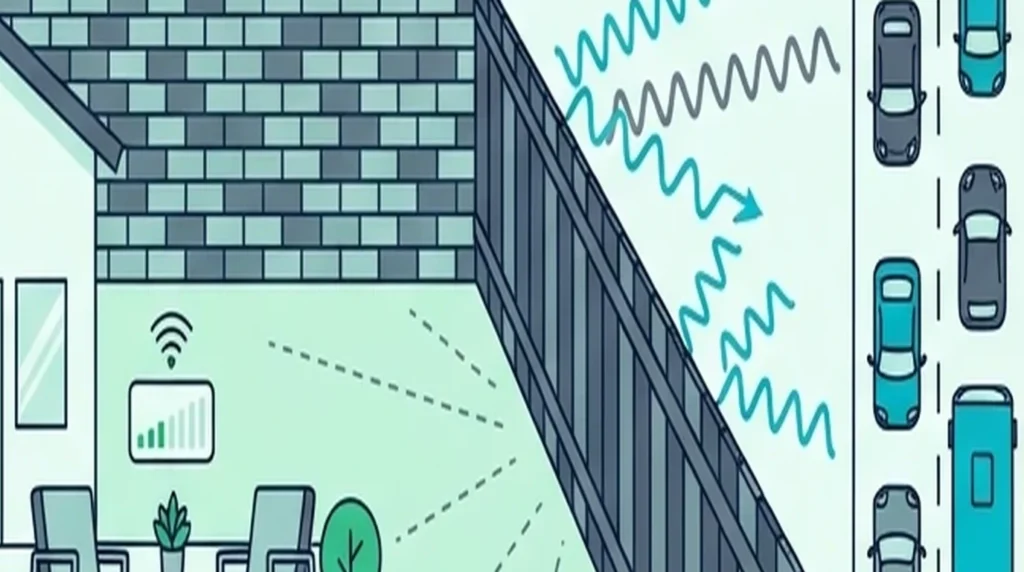
How to make your backyard soundproof sounds like an outdoor version of room soundproofing, but that is exactly where most bad advice starts.
A yard has open sides, open sky, and far more flanking paths than a sealed room, so the usual indoor fixes fall apart fast. Foam panels, studio blankets, decorative screens, and most sheet-based indoor materials do not survive weather well and do not solve the core outdoor path anyway.
The real outdoor strategy is narrower and more structural. If you want the yard itself to feel quieter, the main answer is a solid, weatherproof barrier wall or fence with no gaps, enough height, and the right placement between you and the noise source.
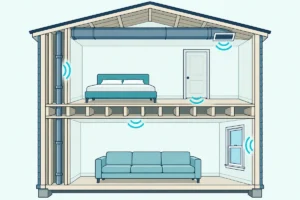
If the same noise is also getting into the house, the next layer is improving the building envelope with better windows, heavier doors, tighter seals, and in some cases wall or floor work. Those are house-side follow-up fixes, not exposed backyard treatments.
If the noise comes from a shed at the bottom of the yard instead, the fix starts at the shed’s own walls, door and window, as soundproofing the shed itself describes.
The sections below walk through what actually works outdoors, when a barrier wall is the right move, when the house itself needs treatment, why complete backyard silence is unrealistic, and which outdoor noise ideas are mostly hype.
How to soundproof a backyard really means reducing outdoor noise with a solid barrier wall or fence, then fixing the house-side weak points if noise still gets indoors. Weatherproof mass and continuity are what matter outside, which is why masonry, concrete, dense timber, and composite barriers belong in this conversation while foam, fabric panels, blankets, and exposed MLV do not. Product-style recommendations only become relevant once the noise path reaches the house envelope at the windows, doors, or interior wall build.
How To Make Your Backyard Soundproof
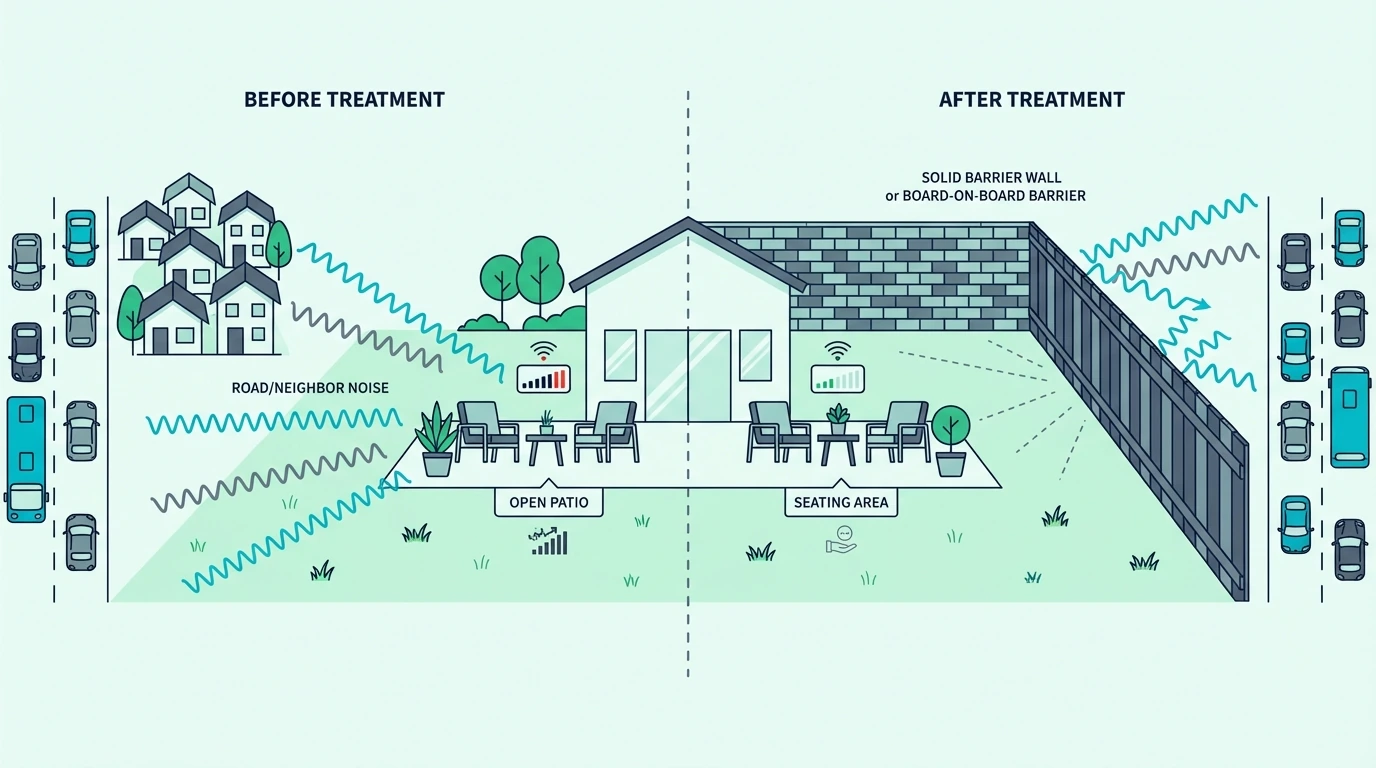
Now that the outdoor-versus-indoor split is clear, the first step is deciding whether you are trying to quiet the yard itself, the house beside it, or both.
| If your main goal is… | Start here | What usually comes next |
|---|---|---|
| A quieter patio, deck, or seating zone | Solid barrier wall, fence, or return screen in the loudest direction | Tighten gaps at gates, fence edges, and bottom lines |
| Less outdoor noise getting into the house | Barrier where it best interrupts the path | Windows, doors, and wall upgrades on the house side |
| Both a calmer yard and calmer nearby rooms | Outdoor barrier first, then diagnose the building envelope | Sealing, glazing, heavier doors, or wall/floor follow-up |
Identifying The Noise Type
The noise path changes the fix. Airborne traffic, neighbor conversations, music, and yard equipment are barrier problems, while structure-borne rumble that makes the house floor or walls vibrate is a different class of issue that usually needs floor isolation or broader outside-noise room treatment.
Generators are the yard equipment that comes with a safety rule, because a screen beside one has to leave its exhaust in open air, and the safe ways to quiet a running generator start with distance and a quieter model.
Pool equipment is the other yard machine with its own rules, because its makers want air around the motor, so quieting the pool equipment pad starts with the pump’s speed and mounting before any fence.
A hot tub hides its pump inside the spa’s cabinet instead, and these hot tub motor fixes start with its mounting and filter schedule, then a solid wall that leaves the vents clear.
A crowing rooster comes with a welfare rule instead, since a coop built to hold in the noise still needs constant fresh air, as this rooster coop guide explains.
Why Outdoor Sound Travels So Easily
Once you know the noise type, the next question is why it reaches you so easily—sound travels in open air with almost nothing to stop it, which is why outdoor projects depend so heavily on line-of-sight blocking. Indoors, you can seal a room and build mass into every surface, but a backyard has open sides, open sky, and far more flanking paths.
Hard surfaces like concrete patios, masonry walls, and siding also reflect sound back into the listening area. That is why a patio can feel louder than the source alone would suggest even when the yard looks partially enclosed.
Realistic Improvement Levels
That easy outdoor travel sets the ceiling for how much any barrier can help—a solid, continuous wall or gap-free fence can often reduce perceived noise by roughly 5–10 dB when the source is at or near barrier height. That is enough to make speech less intelligible and everyday traffic less dominant at a patio or seating area.
Total silence is not achievable outdoors because sound diffracts over and around barriers and reflects off nearby hard surfaces. The goal is always reduction, not elimination, and the best projects accept that from the start.
The Most Effective Outdoor Noise Fixes
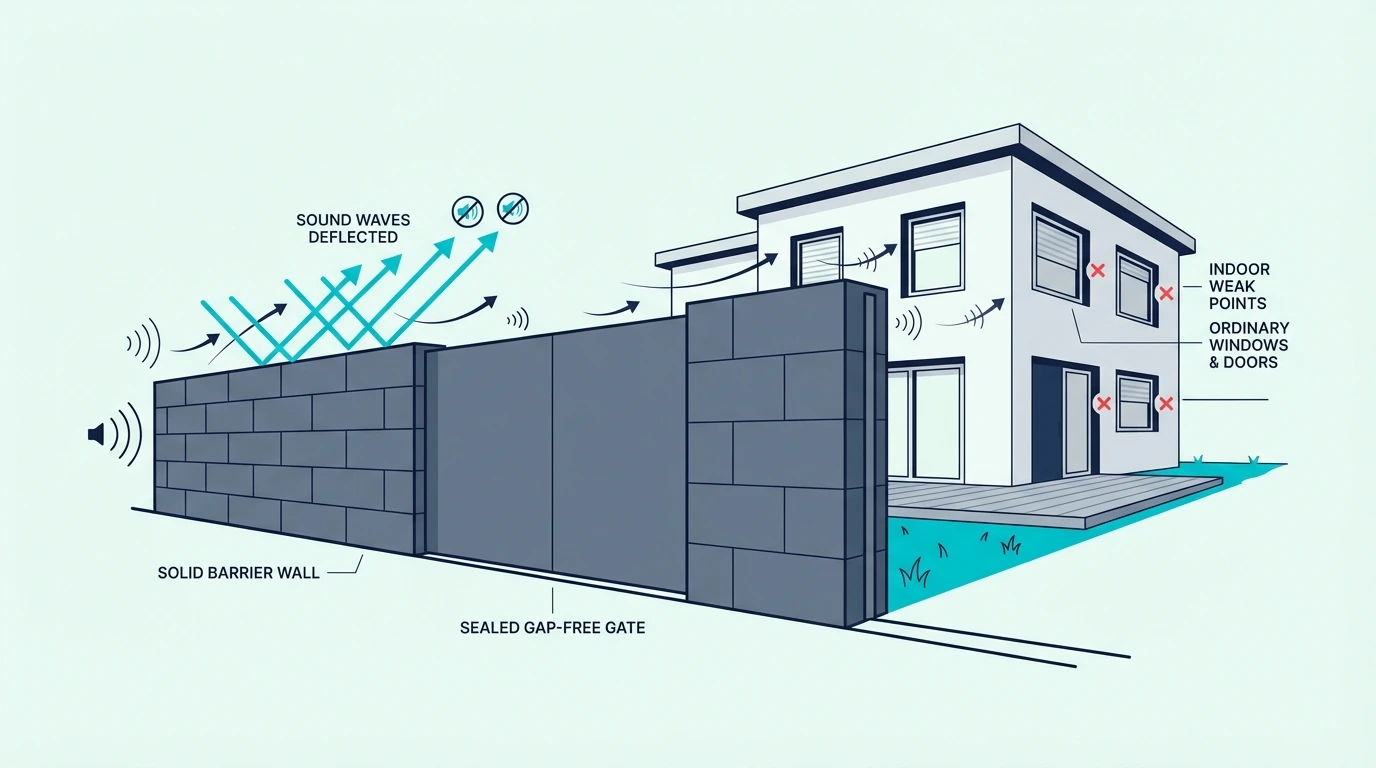
Once the goal is clear, the most effective outdoor noise reduction still comes down to one idea: heavy, continuous barriers placed between you and the noise source.
Fences And Barriers
Fences help most when they are solid, tall, continuous, and positioned close to either the noise source or the listening area. Masonry, concrete block, rendered brick, dense timber board-on-board, and well-built composite fences fit this job far better than chain-link, lattice, slatted screens, or fabric windscreens.
Height still matters because the barrier only works on the sound path it actually intercepts. A 6-foot barrier can help with ground-level traffic and neighbor activity, but taller and denser assemblies perform better when local code and site conditions allow.
The key idea is continuity, not a specialty sheet product. If you can see daylight through the fence or around the gate, sound will use that opening.
Landscaping As A Companion Layer
A solid fence handles the heavy blocking, but landscaping can only soften noise slightly—the effect is modest unless the planting depth is extremely large. A single row of hedges or trees adds privacy and visual screening, yet it does not replace the mass of a true barrier wall.
Landscaping works best as a companion to the real barrier rather than the barrier itself. Use it to support privacy, reduce harsh reflections, and improve how the space feels, but rely on solid construction for the actual noise reduction.
Source Direction And Barrier Placement
Landscaping helps the feel, but where the barrier sits matters more than most people expect. A wall close to the source or close to the seating area intercepts a bigger portion of the sound path than a barrier stranded in the middle of the yard.
That is why a small return wall or privacy screen around the patio can outperform a weak perimeter fence in the spot that matters most. If the house is still the main receiver, move next to window upgrades, door sealing and heavier slabs, or wall upgrades rather than adding random outdoor treatments.
If the door or window frame still has obvious leakage, 33 Ft Self-Adhesive Soundproofing Weather Stripping is the kind of low-cost house-side test that helps confirm whether leakage is still the bottleneck before you spend on heavier glazing or a new door. It belongs on the protected building envelope, not on the outdoor barrier itself.
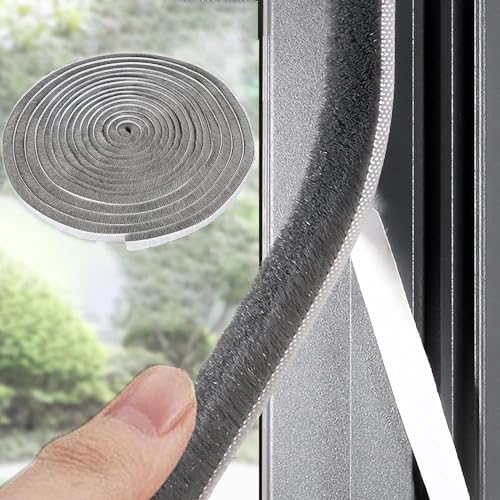
33 Ft Self-Adhesive Soundproofing Weather Stripping
Get Studio Tips Weekly
Join 5,000+ creators getting acoustic treatment advice every week.
No spam. Unsubscribe anytime.Why Complete Outdoor Silence Is Unrealistic
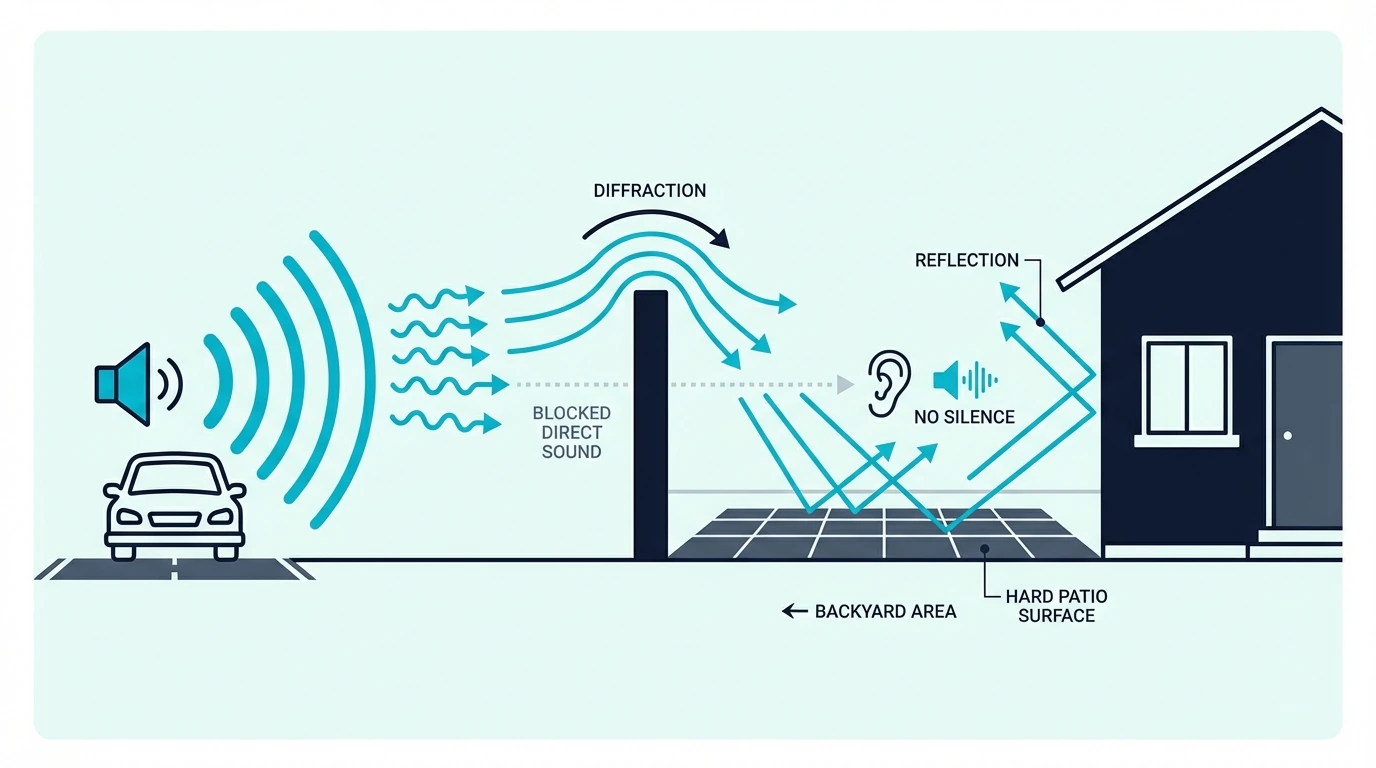
That barrier logic helps, but it also has a ceiling. Understanding that limit keeps expectations realistic and saves money on outdoor fixes that overpromise.
Low Frequencies And Distant Roads
Low-frequency sound waves are long, carry more energy, and diffract more easily around and over barriers. A fence that helps with speech or general neighbor activity may barely touch the low rumble of heavy traffic because the bass energy keeps bending past the obstacle.
Distant roads are also hard to stop because the sound arrives from a wide angle instead of one tidy point source. A barrier can block the direct line, but reflections and over-the-top travel still reach the yard.
Gaps In The Fence
Low frequencies bend over barriers, but gaps let everything through at full strength—they defeat the heavy section beside them just like gaps around a door or window. The same weak-link principle shows up in soundproofing a door and soundproofing windows, where sealing often changes performance more than a thicker surface alone.
That is why bottom gaps, loose gates, and misaligned boards deserve attention before exotic materials. Board-on-board, tongue-and-groove, and well-sealed gate edges work because they remove the easy path.
When Good Enough Is Good Enough
Sealing gaps and managing low frequencies covers the outdoor side, so a backyard solution is good enough when the yard becomes usable and the house interior is no longer taking the same noise hit. If outdoor comfort improves but indoor noise still dominates, the bottleneck has moved to the house.
That is the point where a protected interior insert build with Trademark Soundproofing Mass Loaded Vinyl, better glazing, heavier doors, or upgraded existing walls becomes more relevant than any extra layer you could hang outside. This is an indoor follow-up step after the yard barrier has already done what it can.
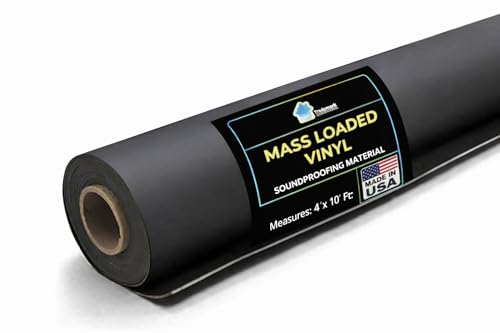
Trademark Soundproofing Mass Loaded Vinyl
If heavy trucks, rail, or nearby mechanical systems are creating actual vibration underfoot, a fence will not solve it because the problem is structure-borne. That is when floor treatment or specialist decoupling advice becomes more relevant than anything you can hang outdoors.
Reducing Backyard Noise On A Budget
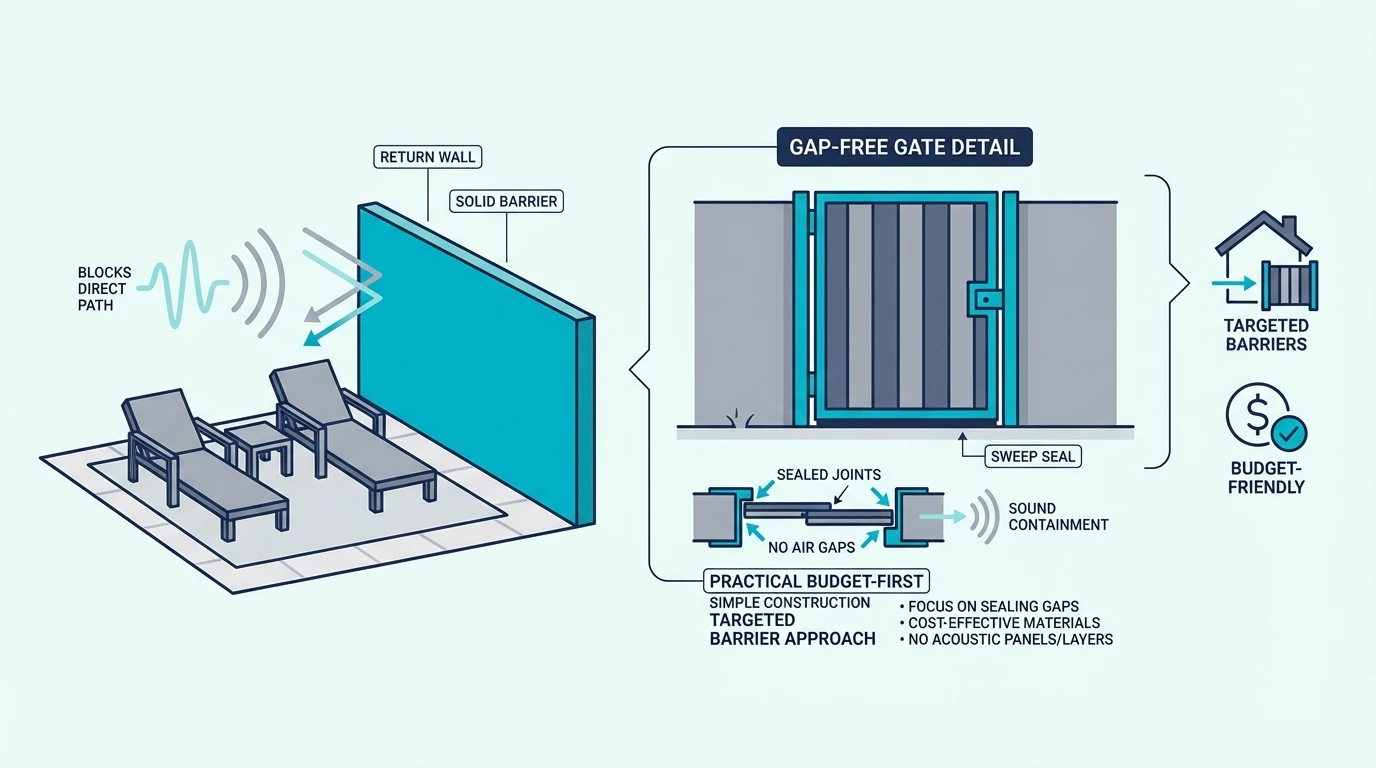
Once the limits are clear, the budget version gets easier to prioritize. Budget outdoor fixes work best when focused on solid construction and the exact area where you actually sit.
Budget Fixes That Actually Help
Closing gaps in an existing fence is still the cheapest effective move. Adding overlapping boards, sealing the bottom gap, stiffening loose sections, and making sure the gate closes tightly can turn a weak boundary into a meaningfully better barrier.
If a full perimeter rebuild is out of budget, build one solid patio-side screen or short return wall in the noisiest direction. That often creates a noticeably calmer seating zone for less money than trying to treat the whole yard at once.
Outdoor Noise Ideas That Are Mostly Hype
Those budget fixes work because they add real mass or seal real gaps—which is why water features, bamboo screens, lattice, and thin fabric windscreens fall short, since they mainly change what you see or focus on. They may improve comfort or provide masking, but they do not deliver real outdoor sound blocking because they lack mass and continuity.
Outdoor rugs, cushions, and soft furnishings can reduce a bit of harsh reflection around the patio, which makes the space feel less sharp. They do not block incoming traffic or neighbor noise, so they should be treated as comfort upgrades rather than soundproofing.
Focusing On One Seating Zone
With the hype cleared out, the budget question becomes where to concentrate—one zone is almost always the most cost-effective approach. Building a small privacy wall, pergola-side screen, or dense return barrier around the patio costs far less than rebuilding the entire property line and usually delivers a bigger improvement where you actually spend time.
If the house interior is still the bigger complaint, spend the next dollar on window inserts, better glazing, tighter doors, or broader outside-noise treatment instead of temporary outdoor add-ons.
Fixing The House Instead Of The Yard
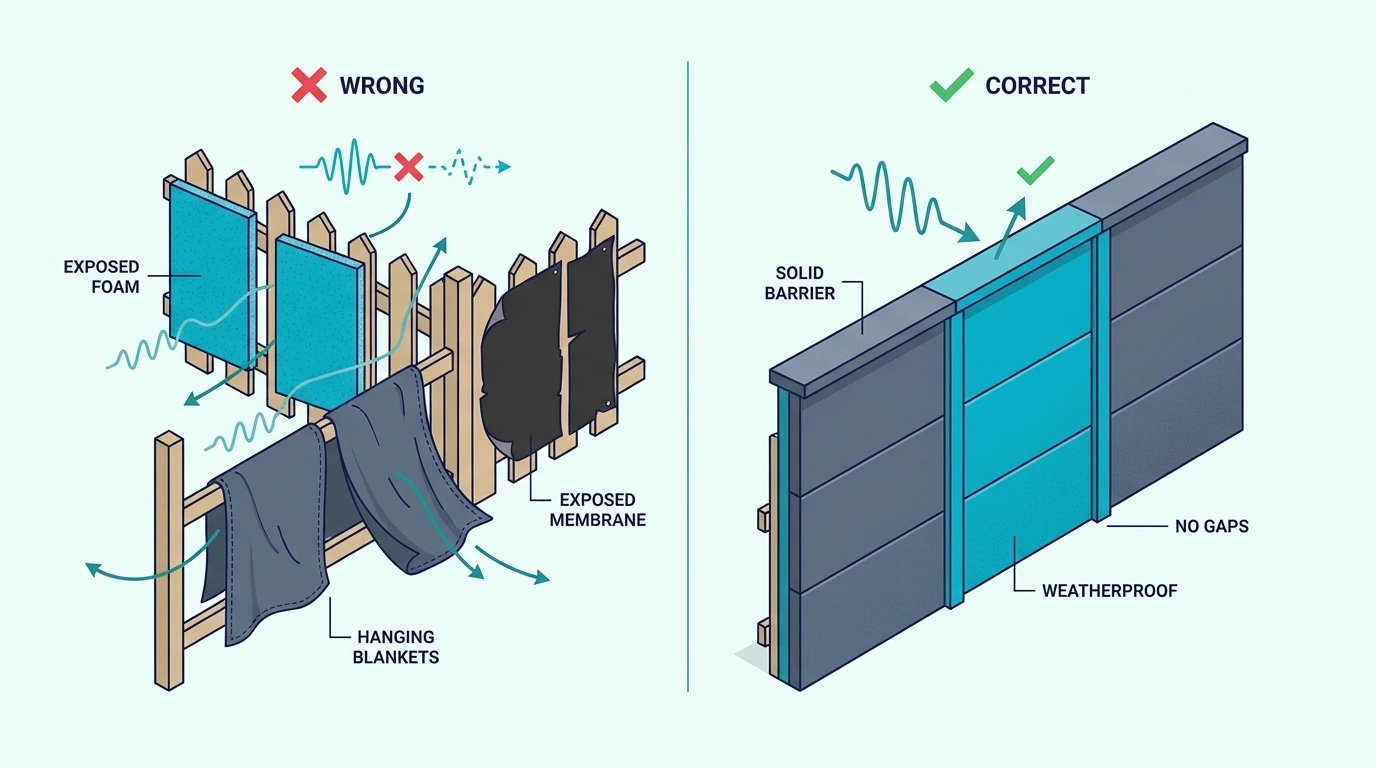
Most outdoor noise-reduction failures come from applying indoor logic outside or from spending more on the yard after the real bottleneck has already moved to the house.
Indoor Materials On An Exposed Fence
Acoustic foam, fabric panels, studio blankets, and exposed MLV are not designed for rain, UV, humidity, dirt, and temperature swings. Even before weather damages them, they still do not behave like a durable outdoor barrier because they are too light, too exposed, or too maintenance-heavy.
That is why an exposed backyard should be framed around solid construction, not soft add-ons. If a material cannot live outside full time, it should not be the center of an outdoor recommendation.
Windows, Doors, And Walls As The Next Step
Those indoor materials fail outside, but they perform where the house envelope actually needs them—and once the yard barrier is doing what it can, the house envelope is often the next bottleneck. If the patio feels better but the same traffic or neighbor noise still gets indoors, the next dollar usually belongs on windows, doors, trim joints, or the wall assembly rather than on more exposed outdoor add-ons.
If the handoff is still at the sealing stage, a bead of Acoustical Caulk (29 oz) around trim joints and frame cracks is a more honest first move than trying to hang more material outside. If the next step is a protected interior build, Trademark Soundproofing Mass Loaded Vinyl belongs inside a protected wall or insert build, not hanging in the weather.
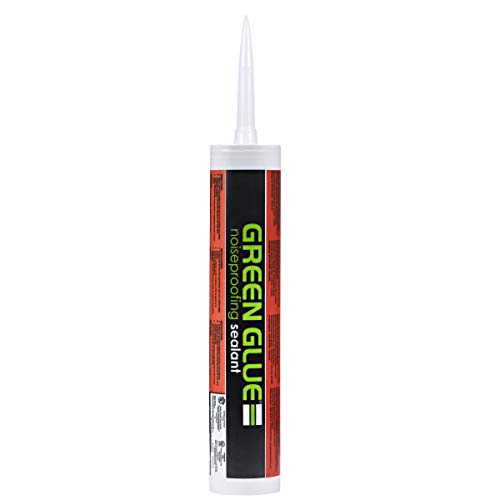
Acoustical Caulk (29 oz)
Calling A Contractor Or Acoustic Consultant
When the project crosses from sealing and patching into structural construction, professional help becomes the safer path. That means a permanent masonry wall, a taller boundary upgrade, a custom gate detail, or a build that has to satisfy local setback and height rules. The same applies when the real next step is acoustic glazing, heavier door assemblies, wall upgrades, or decoupling inside the house.
For broader context on the house-side fixes that often follow a backyard barrier project, compare this page with soundproofing a room from outside noise, soundproofing windows, soundproofing a wall, soundproofing a floor, and the broader soundproofing hub.
The Bottom Line
How to make your backyard soundproof in the real world means building a solid, weatherproof, gap-free barrier where it actually intercepts the sound path. The outdoor answer is not foam, blankets, or exposed MLV but dense construction that can survive weather and keep its performance over time.
If the same noise is also entering the house, move quickly to the house-side weak points with better glazing, heavier doors, wall upgrades, and vibration control where needed. A quieter patio is realistic, but complete outdoor silence is not.
Frequently Asked Questions
How do I soundproof my backyard?
Soundproof your backyard by building or upgrading to a solid, continuous, gap-free barrier wall or fence and placing it where it best interrupts the sound path. If the noise still gets into the house, treat the windows, doors, or walls next.
How to block out 100% of noise?
Blocking 100% of outdoor noise is not possible because sound travels over, around, and through barriers in open air. The realistic goal is making the yard and nearby rooms meaningfully quieter, which is achievable with the right barrier and building-side follow-up.
How to block sound from neighbor’s yard?
Block sound from a neighbor’s yard by upgrading the shared boundary to a solid, tall, gap-free fence or wall and tightening every weak point around the gate and bottom edge. A smaller screen around the patio can also help if the seating zone is the main priority.
What should I not use outdoors for backyard soundproofing?
Do not treat acoustic foam, studio blankets, fabric panels, or exposed MLV as permanent exposed-yard solutions. They either fail in weather, lack enough mass, or create a maintenance-heavy setup that is weaker than a proper outdoor barrier build.