How To Soundproof A Home Theatre Room (What Works And What To Skip)
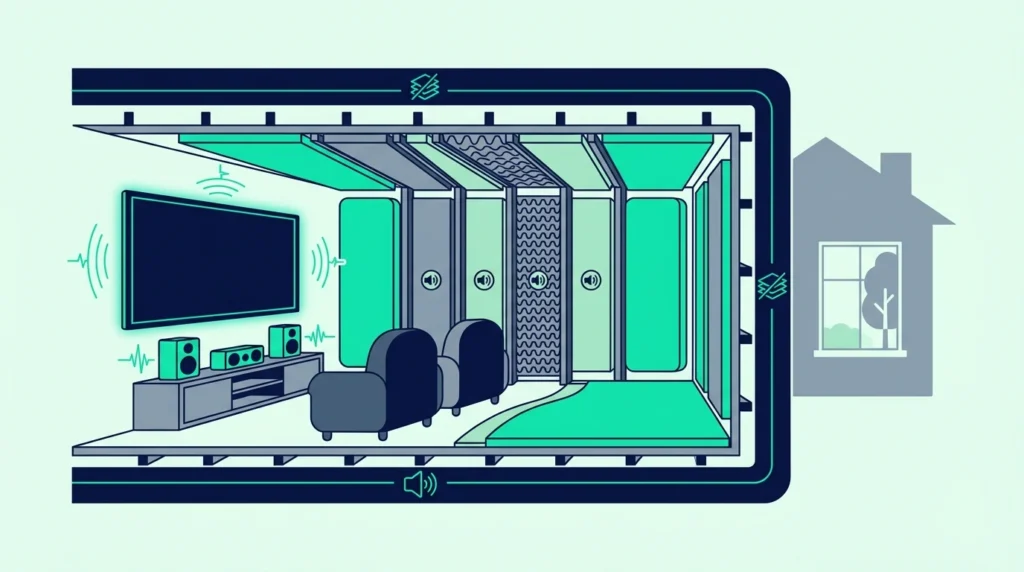
How to soundproof a home theatre room can work, but only if you decide whether the real problem is dialogue leaking through a weak door, bass shaking the structure, or a room that sounds muddy inside while still disturbing the rest of the house.
Home theatre projects disappoint when those problems get mixed together. Acoustic panels help the room sound cleaner, but they do almost nothing for the low-frequency thump that reaches a bedroom above or the movie dialogue slipping through a hollow-core door.
Get the diagnosis right and the plan becomes simpler: fix the biggest leak first, contain bass with real mass and decoupling where needed, then add treatment so the system sounds better inside the room instead of just louder.
Start with which home-theatre path is failing first, then move through what doors, walls, ceilings, floors, and subwoofers actually need, and when a finished-room fix is enough versus when the room needs a stronger build.
The best way to soundproof a home theatre room is to identify which path is really failing first. If movie dialogue and general soundtrack loudness are escaping, start with the door and obvious leakage; if the complaint is bass thump or vibration, assume the floor, ceiling, or shared wall path needs heavier mass and decoupling; and if the room only sounds messy inside, that is acoustic treatment rather than real soundproofing.
Home-Theatre Soundproofing Starts With The Failing Path
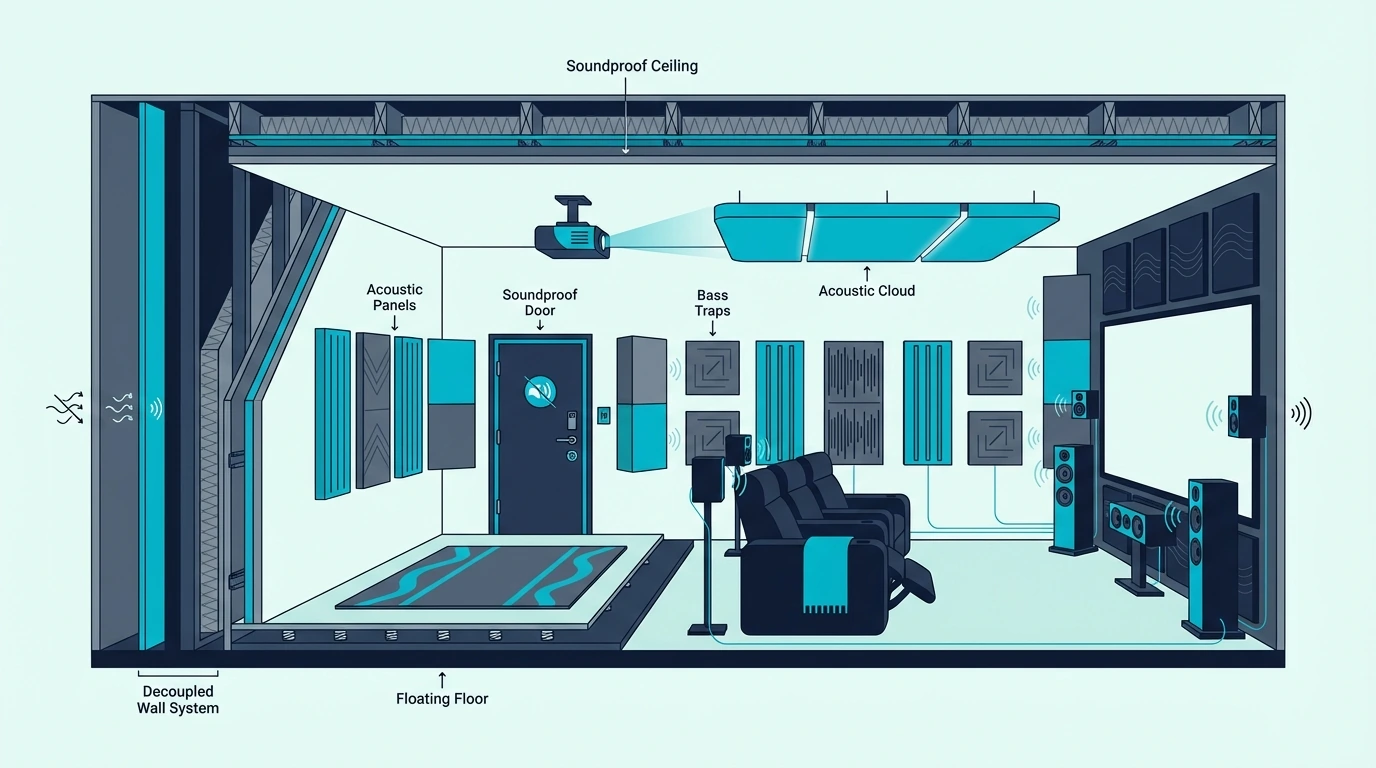
The first shift is diagnostic. You are not trying to make every surface in the room equally important.
You are trying to identify which part of the theatre is leaking the most movie sound into the rest of the house. That makes the complaint more useful than the product list.
Dialogue Leakage, Bass Transfer, And Muddy Sound Are Different Problems
If people outside the room mainly hear dialogue, effects, or general soundtrack loudness, the weak point is usually a door, shared wall, vent, or a thin ceiling assembly.
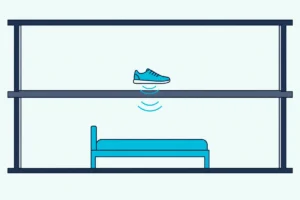
If the complaint is thump, rumble, or vibration that seems to travel everywhere, the subwoofer and structure path are the real problem.
Internal echo is a different category again. If the room sounds harsh or muddy inside but the rest of the house is not especially bothered, you are solving acoustic treatment first, not real containment.
Doors, Shared Boundaries, And Floors Usually Leak First
The door is often first because many theatre rooms still use a hollow-core interior door with visible side and bottom gaps.
After that, the shared wall or ceiling usually takes over, especially when the theatre borders a bedroom, hallway, office, or living space.
The floor matters most when the subwoofer sits directly on a rigid surface and the complaint is felt as much as heard.
Vents, recessed lights, and other penetrations also deserve attention because home theatre sound can flank around the surfaces you already upgraded.
Finished Rooms Improve More Easily Than They Fully Isolate
A finished theatre can usually be improved enough for normal movie nights by tightening leaks, upgrading the door, adding a stronger wall or ceiling strategy, and getting bass under better control.
What it usually cannot do without real construction is contain reference-level subwoofer playback so completely that the rest of the house hears almost nothing.
Expectations matter early. If the goal is “less annoying and more private,” a finished-room plan can go far.
If the goal is “cinema bass at midnight with bedrooms next door,” the room is asking for heavier work from the start.
Highest-Impact Upgrades Depend On The Loudest Leak
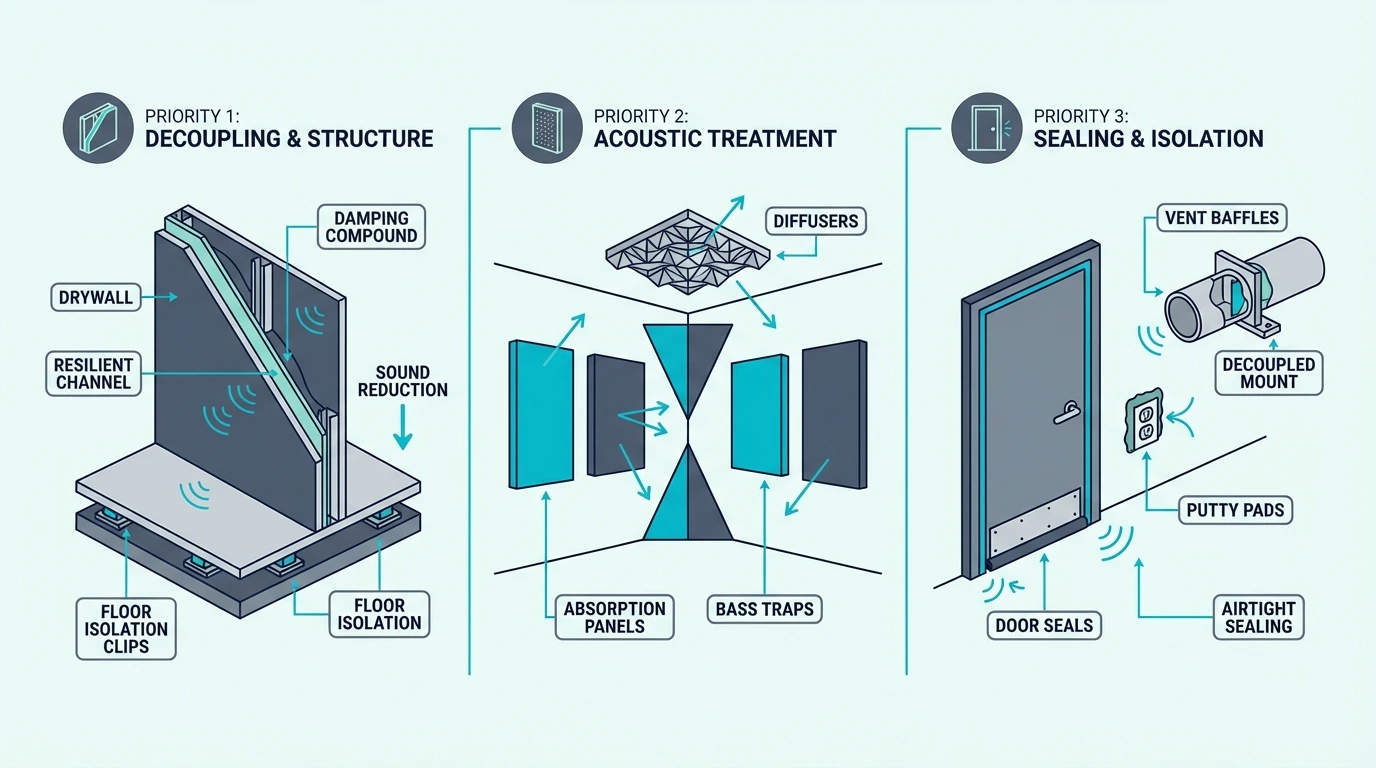
Once the path is clear, the theatre gets easier to rank. The best upgrade is usually the one that fixes the loudest leak first, not the most interesting product.
That usually means the door first for dialogue leakage, then the wall or ceiling beside the most affected room, and then the floor or subwoofer path when bass is the main complaint.
Doors Are Usually The First High-ROI Upgrade
The door is the highest-value first fix when people outside the room can hear dialogue, effects, or general movie loudness even at moderate volume.
A hollow-core slab with a bottom gap can leak more sound than many buyers expect, which is why theatre owners often over-treat walls while the door remains the real weak point.
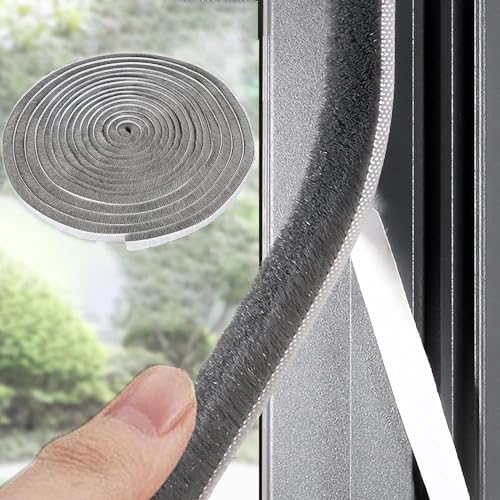
Start with perimeter sealing and the bottom gap. A product like HomeProtect Door Draft Stopper 36 Inch Under Door Draft Blocker Door Sweep makes sense when the obvious failure is under the slab, and 33 Ft Gray Self-Adhesive Soundproofing Weather Stripping makes sense when the perimeter still leaks at the jamb.
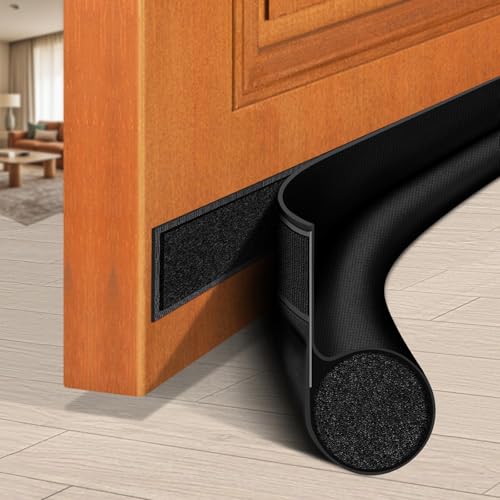
HomeProtect Door Draft Stopper 36 Inch Under Door Draft Blocker Door Sweep
If the door is still too light after sealing, that is when a solid-core replacement becomes more important than adding another decorative layer inside the room.
Pair this step with soundproofing a door and best door sweep for soundproofing so the first upgrade stays specific instead of generic.
Shared Walls And Ceilings Need Real Assembly Work Once The Door Is Fixed
Shared walls and ceilings become the main job when the door has already been tightened and the noise is still strongest in the room next door, the room above, or the hallway outside.
This is most common in attached homes, apartments, bonus rooms over garages, and basements under bedrooms.
If the assembly is still closed, the realistic finished-room path is usually more mass plus damping rather than random surface accessories.
That is where Green Glue Noiseproofing Compound between drywall layers starts to make sense, especially when movie playback still leaks after the door and gaps are already under control.
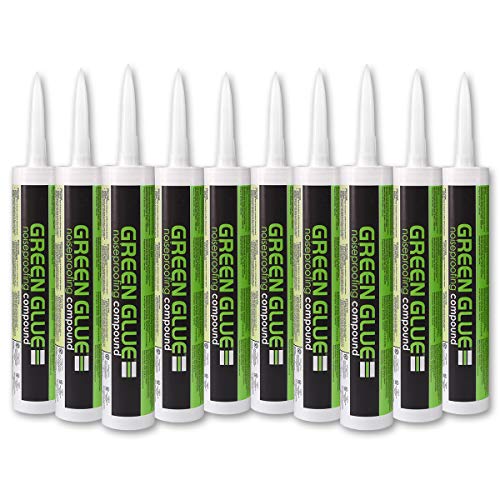
Green Glue Noiseproofing Compound
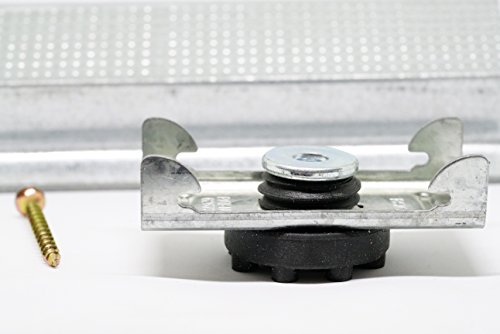
If the wall or ceiling is open, cavity support and decoupling matter more. Mineral wool like AFB Mineral Wool Insulation belongs inside the cavity, while RSIC-1 Resilient Sound Isolation Clips (10 Pack) make sense when you need to break the direct vibration path in a stronger wall or ceiling rebuild.

AFB Mineral Wool Insulation
That is the same assembly logic behind soundproofing a wall, soundproofing a ceiling, and soundproofing between floors.
Subwoofers Turn The Project Into A Structure Problem
A subwoofer changes the project because bass does not respect the same shortcuts that sometimes help with mid-range movie sound.
If the complaint is thump through the floor, rumble in a bedroom above, or vibration in the next room even when dialogue is not especially loud, the structure path is the real problem.
That usually means source control matters more than people expect. Subwoofer placement, slightly lower late-night levels, avoiding the boomiest corner placement, and separating the cabinet from the floor can all help before you tear into the room.
If the bass still dominates after those changes, the room usually needs heavier mass, decoupling, or both rather than more treatment panels.
For the heavier bass path, compare this section with soundproofing a basement and soundproofing an apartment when the theatre shares structure with bedrooms or neighbors.
Get Studio Tips Weekly
Join 5,000+ creators getting acoustic treatment advice every week.
No spam. Unsubscribe anytime.Acoustic Treatment And Soundproofing Solve Different Jobs
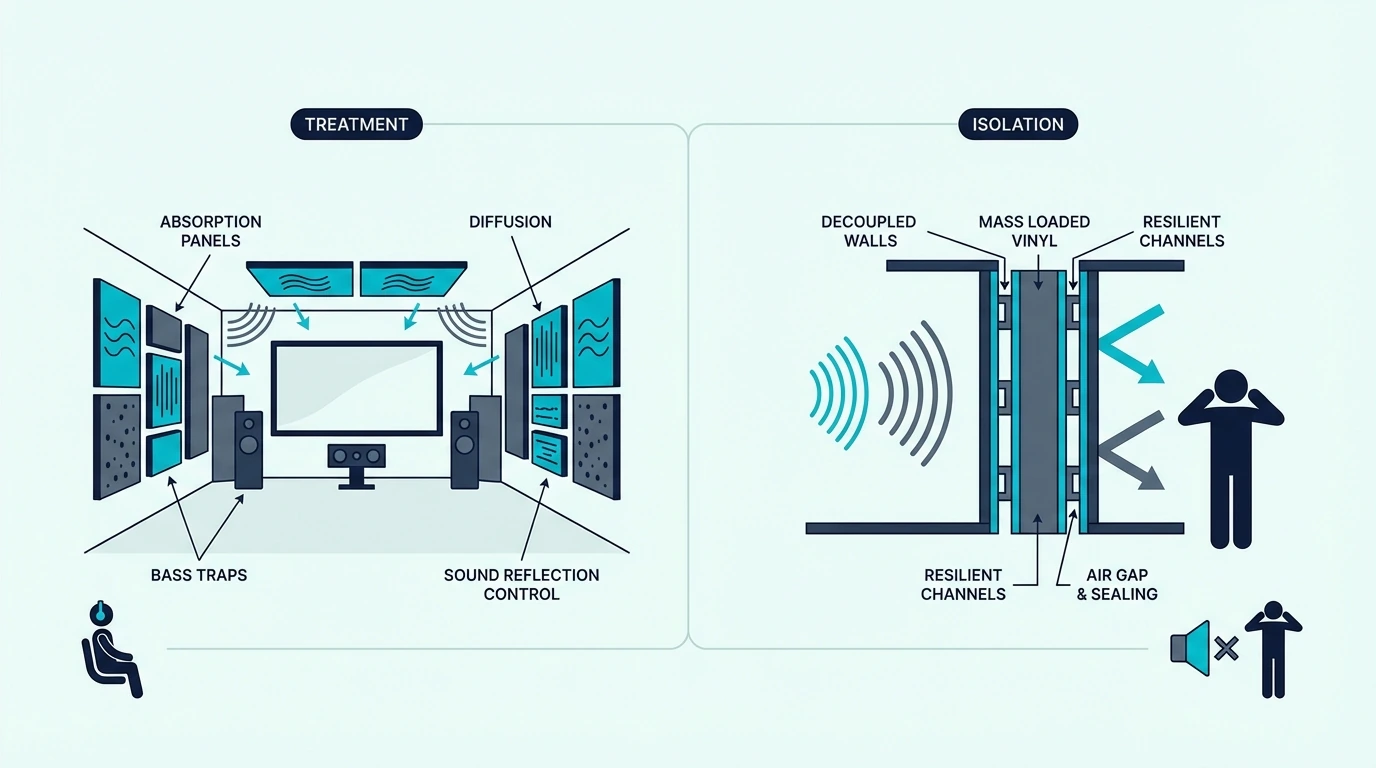
This distinction matters more in a theatre than almost any other room because buyers legitimately need both.
The mistake is doing them in the wrong order and then blaming the wrong product category.
Acoustic Treatment Cleans Up The Room Inside
Acoustic treatment improves the movie experience inside the room by reducing slap echo, tightening imaging, and making dialogue easier to understand.
Panels like UMIACOUSTICS Acoustic Panels help at first-reflection points, on the rear wall, or anywhere the room is making the system sound splashy and confused.
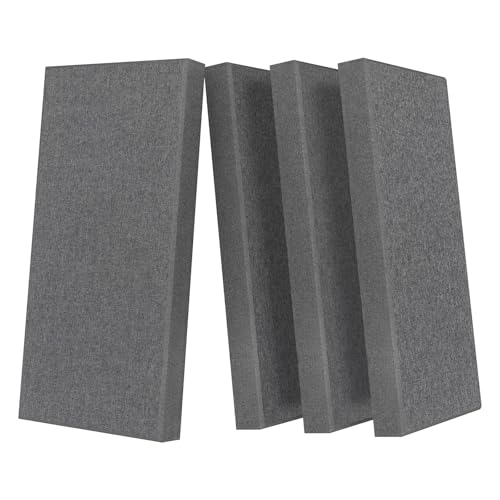
UMIACOUSTICS Acoustic Panels
Treatment is about clarity and control, not containment. It can make the soundtrack sound dramatically better inside the room while doing almost nothing for the person trying to sleep down the hall.
Soundproofing Controls What Leaves The Room
Soundproofing improves what leaves the room and what enters it. It relies on sealing, mass, damping, decoupling, and better assemblies on the door, wall, ceiling, floor, and vent paths.
A damping layer like Green Glue belongs in that structure-first category because it helps wall and ceiling layers shed vibration instead of passing more of it into the rest of the house.
Treatment and soundproofing should not compete for the same first dollar. If the theatre is still leaking badly, more panels inside the room are solving the wrong problem first.
Dedicated Theatres Need Containment Before Treatment
Most dedicated theatres need both because a room that is well-contained but untreated can still sound disappointing, and a room that is beautifully treated but leaky can still create family conflict.
The order should usually be containment first, then treatment once the room shell is doing its job.
That is especially true when the theatre shares walls with bedrooms, offices, or a living area. Keep acoustic treatment vs soundproofing and how to soundproof a room close to this section so the categories stay separate.
Budget Theatre Plans Need Triage, Not Shopping Sprees
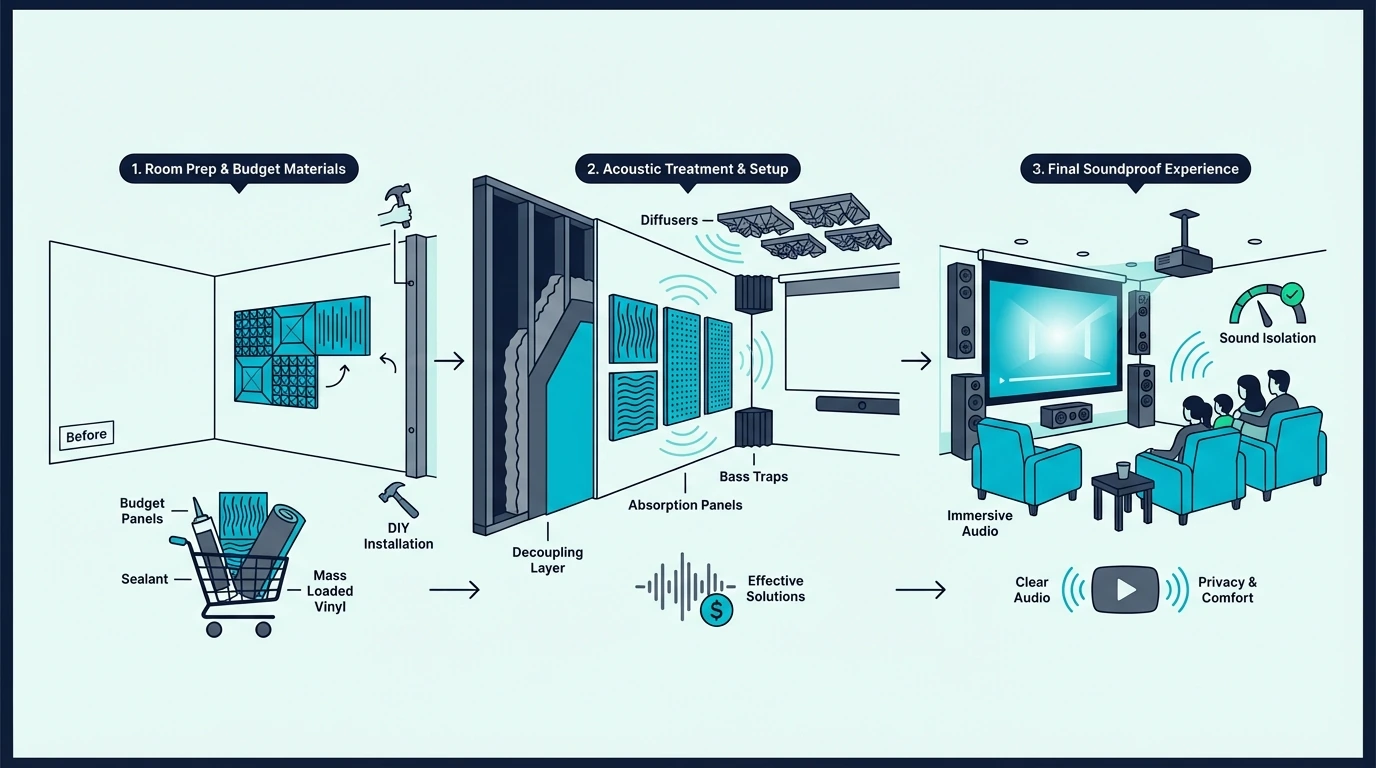
Budget home theatre soundproofing works best when it behaves like triage. The goal is not a fake room-within-a-room on a tiny budget.
The goal is to spend the first money where it produces the biggest drop in disturbance.
Lower-Cost Fixes Help Most When The Room Is Already Finished
The best lower-cost fixes are door-bottom control, perimeter weatherstripping, vent and trim sealing, dense furniture on the noisiest wall, and smarter subwoofer use at night.
A bottom seal like HomeProtect and perimeter sealing like 33 Ft Gray Self-Adhesive Soundproofing Weather Stripping are boring upgrades, but they often outperform more glamorous purchases because they attack real air leaks.
If the theatre is finished and you want one serious next step, plan around the weakest assembly instead of buying a little of everything.
That may mean saving for a better door, one stronger wall build, or a ceiling upgrade above the seats instead of filling the room with products that never touch the actual leak path.
Most Home-Theatre Soundproofing Hype Is Just Lightweight Treatment
Acoustic foam, thin decorative tiles, miracle paint, and generic “soundproof panels” are the most overpromised home-theatre fixes because they sound technical while adding almost no mass.
They may change the feel of the room, but they do not solve bass leakage or a light wall, ceiling, or door.
The same warning applies to thin curtains and lightweight fabric panels sold as full theatre soundproofing.
If the product does not seal a leak, add meaningful mass, or belong inside a real assembly, it is probably not the right first buy.
Bigger Construction Is Worth It Once The Room Proves The Need
A bigger build becomes worth it when the theatre is used often, the subwoofer is staying, bedrooms or neighbors are actually affected, and the obvious finished-room fixes have already been tried.
That is the point where Green Glue, mineral wool, stronger door work, and decoupled wall or ceiling assemblies start to make financial sense because repeated small purchases are no longer the cheaper path.
If the room is in an attached home, over or under a bedroom, or in a basement with a hard ceiling and aggressive bass, step up sooner.
Use soundproof room cost, best soundproofing material, best insulation for soundproofing, and soundproofing a basement to judge whether the next move should be one bigger build instead of another round of minor fixes.
The Bottom Line
How to soundproof a home theatre room gets easier once you decide which path is actually failing first.
If dialogue and general soundtrack loudness are leaking, start with the door and obvious air leaks.
If the problem stays strongest in the next room or the room above, move to the shared wall or ceiling assembly next.
If bass is the complaint, stop treating it like a simple panel problem and move toward source control, heavier mass, and decoupling.
If the room only sounds messy inside, treat the acoustics after the shell is under control.
Use this as the theatre-first decision guide, then move to the matching surface guides: soundproofing a door, soundproofing a wall, soundproofing a ceiling, and how to soundproof a room.
Frequently Asked Questions
How to soundproof a room for home theater?
Soundproof a home theater room by treating the door and obvious leaks first, then strengthening the wall, ceiling, or floor path that is actually letting the soundtrack escape. If bass is the main complaint, expect a heavier build than you would need for normal TV or voice noise.
How to reduce noise in home theater?
Reduce noise in a home theater by sealing the door, controlling the subwoofer path, and adding real mass, damping, or decoupling where the room is leaking most. Acoustic treatment can improve the sound inside the room, but it will not do much for the people outside it.
What absorbs the most sound?
Inside a theatre room, dense mineral wool and fiberglass-based treatment absorb the most reflected sound energy. For blocking sound from leaving the room, though, the stronger tools are mass, damping, decoupling, and sealed assemblies rather than absorbers alone.
How do I block noise on a shared wall?
Block noise on a shared wall by sealing perimeter gaps first, then moving to more mass and a stronger wall build if the wall is still the main path. In a serious theatre retrofit, that usually means another drywall layer, damping, cavity support, and sometimes decoupling rather than a light decorative panel.