What Does A Sound Diffuser Do? (And Why Most People Get It Wrong)

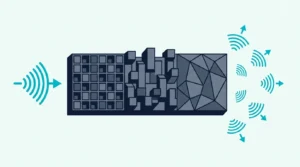
A sound diffuser scatters reflected sound waves across a room instead of letting them bounce straight back at you — but only if the panel’s geometry and placement are right.
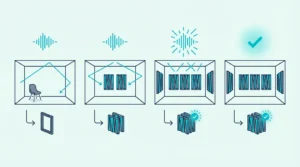
If you’ve ever clapped in an empty room and heard that sharp, ringing slap echo, you’ve heard what happens when sound hits a flat wall and reflects back in a focused beam.
Diffusers break up those reflections into dozens of smaller, softer ones that spread evenly, so the room still feels open and alive but without the harshness.
The trick is knowing which type of diffuser matches your room, where to put it, and why some panels that look like diffusers don’t actually scatter sound at all.
Below, you’ll see exactly how diffusers work at a physics level, the three main types you’ll encounter, and where they belong in a studio, home theater, or living room.
To get real value from a sound diffuser, place it on the rear wall or ceiling of your room (at least 2-3 meters from your listening position), choose a panel with mathematically calculated well depths — QRD or skyline design — and pair it with absorption on the front wall. Diffusers scatter sound to keep a room lively; they don’t absorb or block it.
What Does A Sound Diffuser Do — And Why Does It Matter?
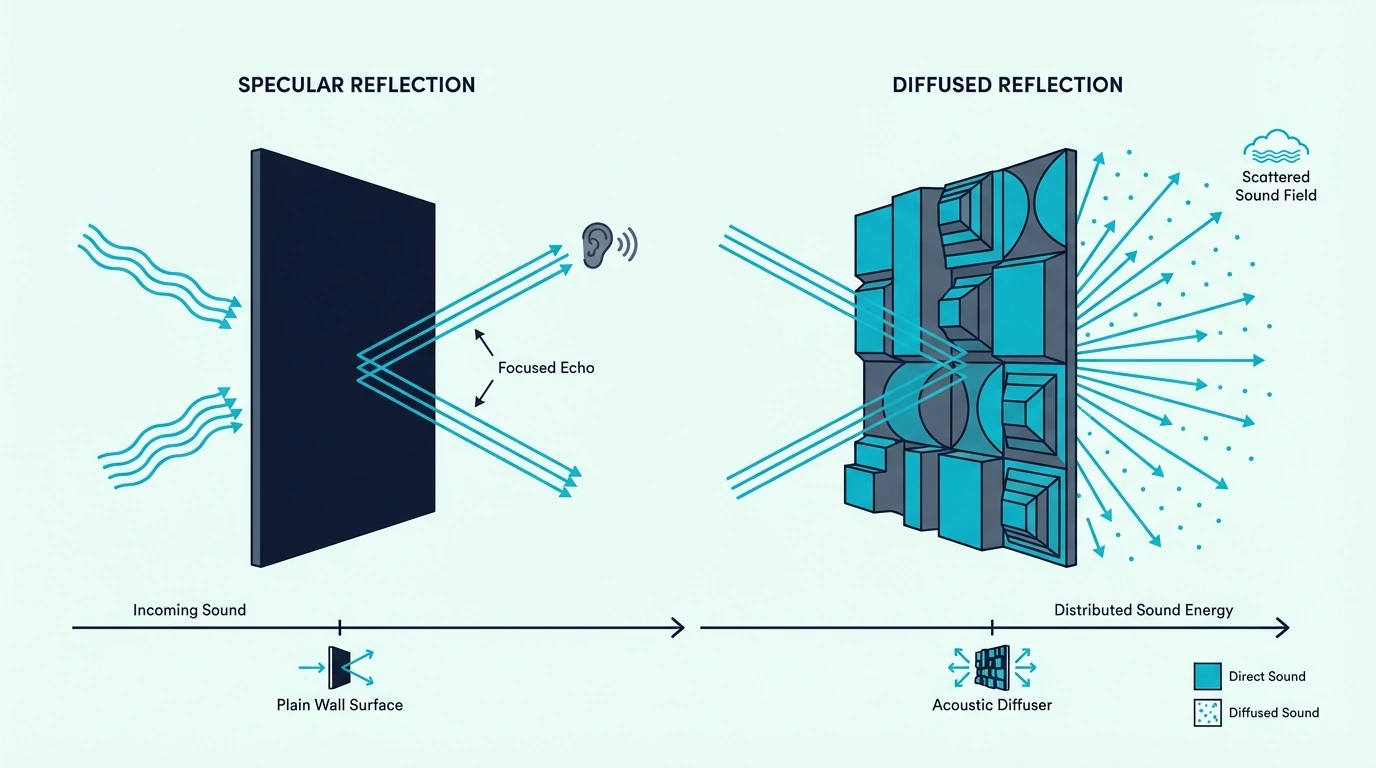
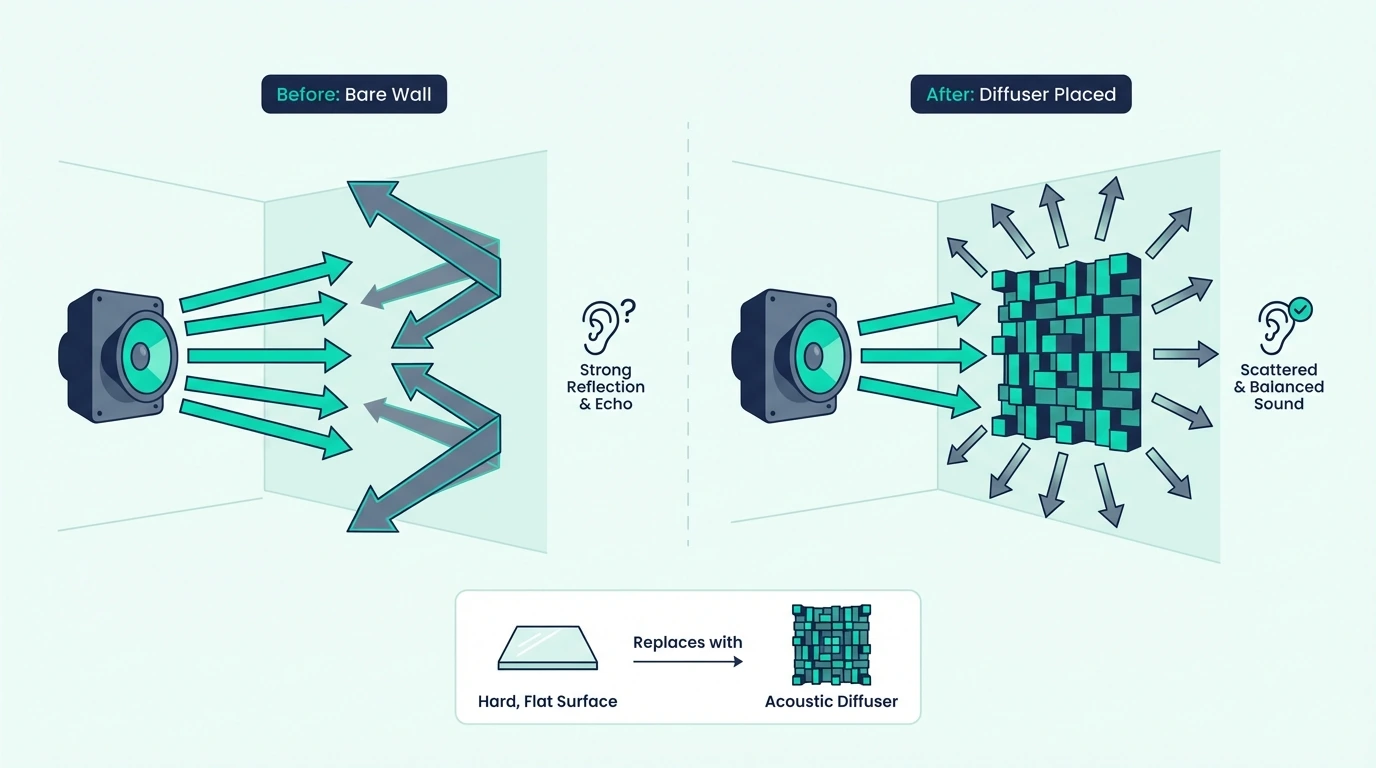
That slap echo from the intro isn’t just annoying — it’s a symptom of a room where sound energy concentrates instead of spreading out. A sound diffuser panel fixes this by redirecting reflections across a wide arc so no single spot in the room gets hammered with a focused bounce.
Think of it like light hitting a disco ball versus a flat mirror. The mirror sends one blinding beam back at you, while the disco ball scatters light in every direction.
Sound diffusers work the same way — they take a strong, focused reflection and break it into many smaller, weaker ones that your ears perceive as natural ambience.
This matters because the alternative — absorbing all reflections — kills the room’s energy. Recording studios and concert halls figured this out decades ago: you need some reflected sound to make a space feel alive, you just need it spread evenly.
Good diffusion makes a room sound open and spacious. Too much absorption makes it tight and dead — like singing in a closet.
No treatment at all? That’s the tile bathroom effect, all flutter echoes and ringing.
Diffusers sit in the sweet spot between those extremes. They don’t remove sound energy — they redistribute it so every seat, every mic position, and every listening angle gets a balanced mix of direct and reflected sound.
How Does A Sound Diffuser Work?
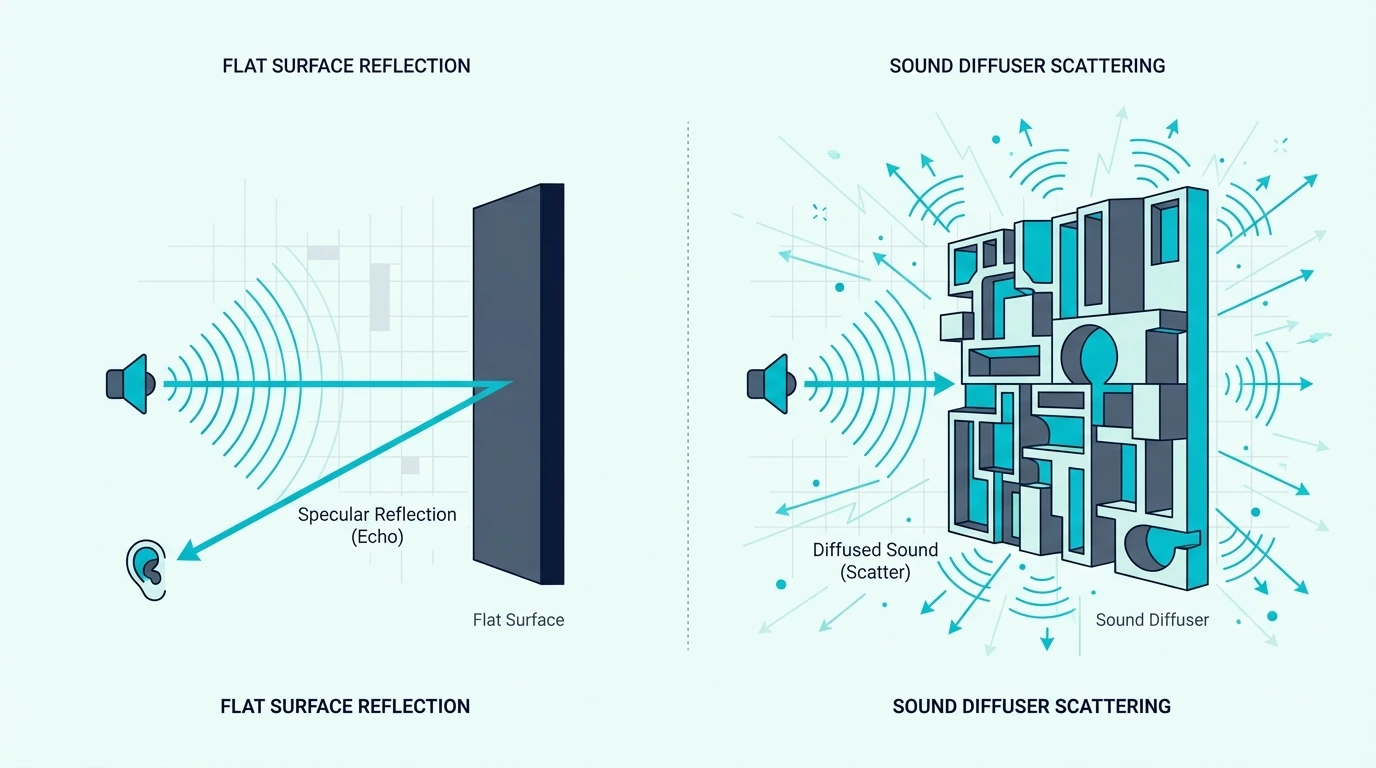
That disco ball analogy covers the concept, but the physics behind it explains why some diffusers work brilliantly and others are just decoration.
How Sound Waves Interact With Flat Vs Uneven Surfaces
When a sound wave hits a flat wall, it reflects at the same angle it arrived — just like a billiard ball bouncing off a rail. The entire wave stays together as one coherent reflection, which is why you hear a distinct echo.
An uneven surface forces different parts of that same wave to reflect at different angles. Some energy bounces left, some right, some up, some down — all arriving at your ears at slightly different times.
Instead of one sharp echo, you hear a smooth, diffuse wash of sound.
The key word is “uneven” — not “rough.” A textured wall with tiny bumps barely affects sound waves because the bumps are far smaller than the wavelengths involved.
At 1 kHz, a sound wave is about 13.5 inches long. To scatter that wave, the surface variations need to be on a similar scale — inches, not millimeters.
That’s why effective diffusers have deep wells or tall blocks, not just a bumpy texture. The variations need to be large enough relative to the wavelengths you’re targeting.
How Well Depth Determines Which Frequencies Get Scattered
Surface shape is one half of the equation — well depth is the other. Every diffuser has a frequency range it works within, and deeper wells scatter lower frequencies.
A diffuser with wells about 4 inches deep scatters frequencies down to roughly 1 kHz. Double the depth to 8 inches, and you push the effective range down to around 500 Hz.
The Art3d Wood Slat Acoustic Panels use this principle — the varying slat depths put the scatter sweet spot in the 1–4 kHz range where speech clarity and musical detail live.
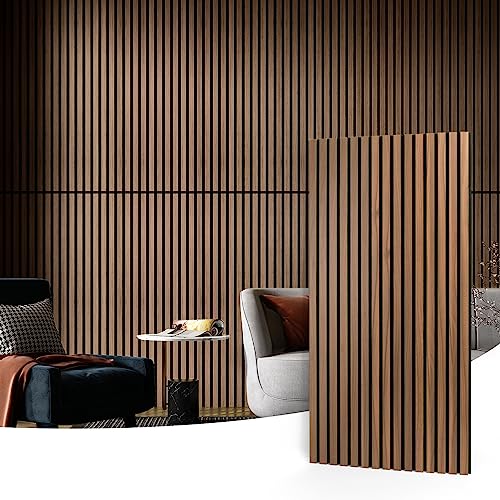
Art3d Wood Slat Acoustic Panels
The math behind this comes from Manfred Schroeder’s work in the 1970s. He developed sequences — quadratic residue sequences — that determine the exact depth of each well so the scattered energy spreads as evenly as possible across all angles.
It’s not random; every well depth is calculated.
This is why purely decorative “diffuser” panels with shallow, uniform grooves don’t actually diffuse. If the wells are all the same depth, or too shallow to interact with audible wavelengths, the panel is just a wall with a pattern on it.
Get Studio Tips Weekly
Join 5,000+ creators getting acoustic treatment advice every week.
No spam. Unsubscribe anytime.Which Types Of Sound Diffusion Panels Are There?
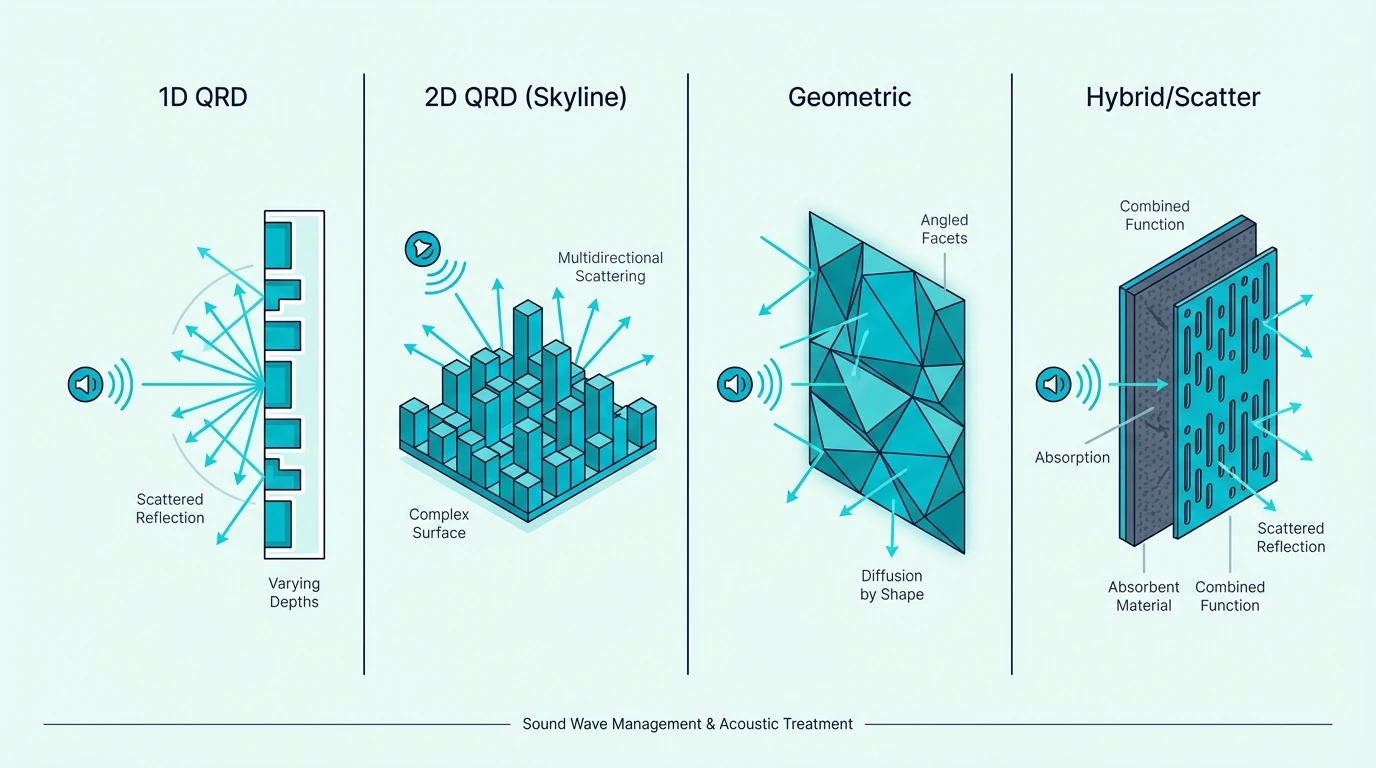
Those physics principles — surface geometry and well depth — show up differently depending on the diffuser design. Three main types dominate the market, and each one scatters sound in its own way.
1D Diffusers (QRD)
Picture a row of vertical slots at different depths, like a pipe organ viewed from the side. That’s a 1D (one-dimensional) diffuser — sound hitting the front spreads left and right, but not up and down.
The most common design is the QRD (Quadratic Residue Diffuser), where the depth of each slot follows a mathematical sequence. That sequence ensures the scattered energy distributes evenly instead of clumping at certain angles.
QRD panels are the studio standard for rear walls. They’re the reason control rooms sound open behind the mix position without producing distracting reflections.
If your room is long and narrow — like most home studios — a 1D QRD on the back wall handles the worst reflection path.
The tradeoff: because they only scatter in one plane, a single QRD panel leaves vertical reflections untouched. Studios sometimes mount a second panel rotated 90 degrees to cover both directions.
2D Diffusers (Skyline)
Where a QRD scatters in one direction, a 2D diffuser spreads sound in both the horizontal and vertical planes at the same time. Instead of slots, it uses blocks of varying heights arranged in a grid — which is why they’re often called skyline diffusers.
The BXI Wood Sound Diffuser (2D Skyline) is a typical example — solid wood blocks at calculated heights on a 24×24-inch panel. Each block height follows the same kind of mathematical sequence as a QRD, but applied in two dimensions.
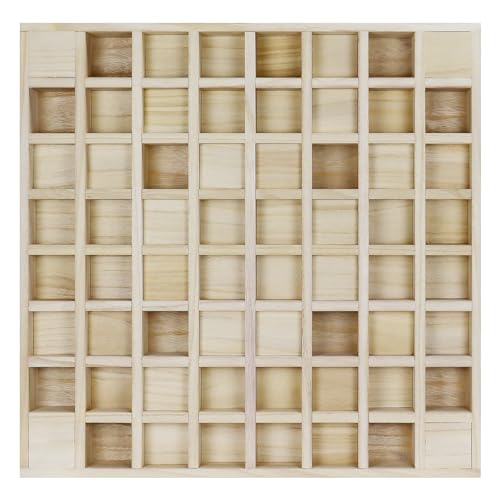
BXI Wood Sound Diffuser (2D Skyline)
This makes 2D diffusers ideal for ceilings and rooms where reflections come from multiple directions. A ceiling-mounted skyline diffuser scatters sound from the overhead bounce — one of the strongest reflection paths in any room — across the full listening area.
The downside is size. Effective 2D diffusion needs deep block variations, which means the panel sticks out from the wall or ceiling by 2-3 inches at minimum.
In tight rooms, that depth eats into your usable space.
Hybrid Diffusers
Some rooms don’t have the wall space for separate diffusers and absorbers. That’s where hybrid panels come in — they combine diffusion and absorption in a single unit, scattering mid-to-high frequencies off the front face while an absorptive core soaks up low-end energy.
Instead of dedicating one wall to diffusers and another to absorbers, a hybrid panel does both jobs in one footprint. The EVA Acoustic Diffusers (4-Pack) take this approach with a lightweight EVA waffle design that’s easy to mount on ceilings or walls.
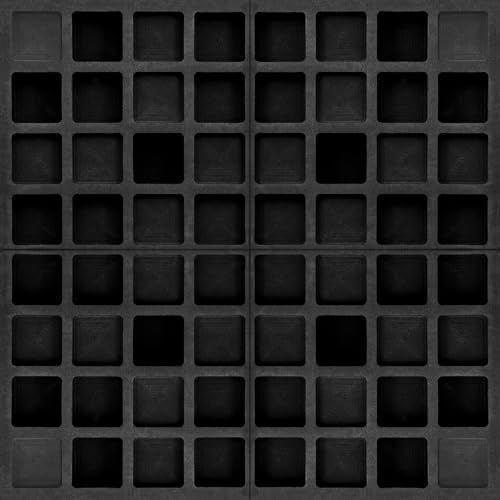
EVA Acoustic Diffusers (4-Pack)
The compromise is depth. Because the panel splits its thickness between diffusion and absorption, neither function performs as well as a dedicated panel of the same size.
For most home theaters and living rooms, that tradeoff is worth it. For critical listening rooms, dedicated panels still win.
Where Should Sound Diffusers Be Positioned?
A perfectly designed diffuser in the wrong spot barely does anything. Where you mount it determines whether scattered reflections actually reach your ears at the right time and level.
Primary Reflection Points
Primary reflection points are the spots on your walls and ceiling where sound bounces once between the speakers and your ears. In most rooms, these fall on the side walls about halfway between the speakers and the listening position.
Here’s a quick way to find them: sit in your listening position and have someone slide a mirror along the side wall. The point where you can see the speaker cone in the mirror is your first reflection point.
The debate is whether to absorb or diffuse at these spots. Absorption kills the reflection entirely — clean, but it can make the stereo image feel narrow.
Diffusion scatters it instead, preserving the room’s sense of width while reducing the comb-filtering that colors your sound. Our guide to diffuser placement breaks down when each approach wins.
For most home studios, absorption on the side walls and diffusion on the rear wall gives the best balance. But in larger rooms — especially home theaters — diffusing the side wall reflections keeps the surround sound field alive.
Rear Wall Treatment
The rear wall is the single most common spot for diffusers, and for good reason. Sound travels from your speakers to the back wall and bounces straight back, creating a strong delayed reflection that muddies everything from vocals to kick drums.
This is the core of the live-end/dead-end (LEDE) philosophy that professional studios have used since the 1980s. Heavy absorption on the front wall (the “dead end”), diffusion on the rear wall (the “live end”).
The result is tight, controlled sound at the mix position with a natural sense of space behind you.
For diffusion to work properly on the rear wall, you need distance. The scattered reflections need room to spread before reaching your ears.
If you’re sitting 2 meters from the back wall, a diffuser works well. Sit 1 meter away, and the scattered sound arrives too fast and too strong — small rooms need a different approach.
A good rule of thumb: if the distance from your listening position to the rear wall is less than 3 times the diffuser’s lowest effective wavelength, absorption will serve you better than diffusion at that spot.
When Should Sound Diffusion Panels Be Used?
Placement tells you where — but does your specific room even need diffusion in the first place? That depends entirely on what you’re doing in the space and how it’s built.
Recording Studios And Control Rooms
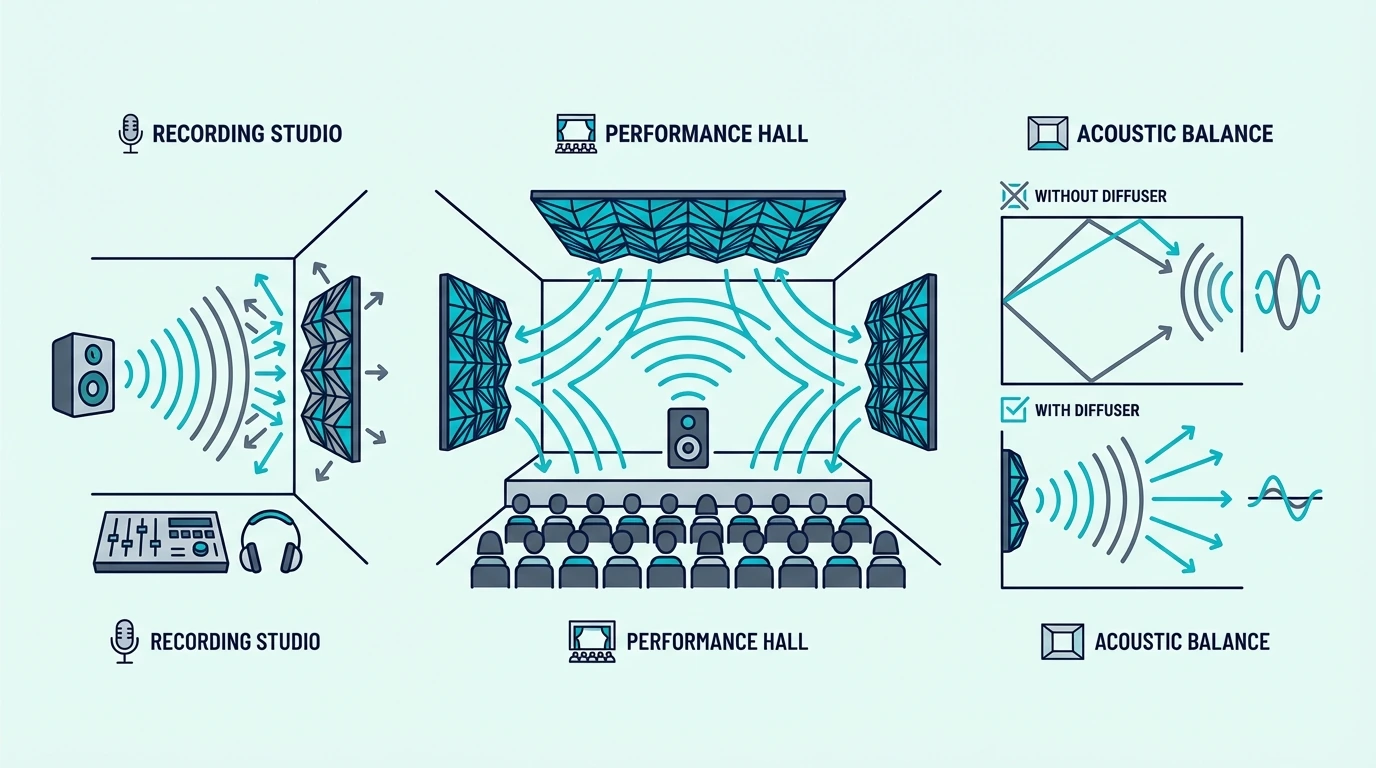
Diffusion is non-negotiable in professional recording and mixing environments. Control rooms need a balanced acoustic field so the engineer hears what’s actually in the recording — not what the room is adding.
The standard approach is absorption at the front wall and first reflection points, with QRD or skyline diffusers covering the rear wall and sometimes the ceiling above the mix position. This creates a consistent listening environment where panning decisions, reverb tails, and EQ moves translate accurately to other playback systems.
Studios also use diffusion in live recording rooms — the spaces where instruments are actually played. A room with too much absorption sounds flat and lifeless on recordings.
Diffusers keep the room’s natural reverb character intact while taming the harsh comb-filtering that parallel walls create. If you’re building your own diffuser for a home studio, this is the most impactful spot to start.
The scale matters here. A small bedroom studio with 8-foot ceilings benefits more from absorption than diffusion, because there isn’t enough distance for scattered sound to develop properly.
Once a room exceeds roughly 12×12 feet, diffusion starts earning its place.
Home Theaters And Living Rooms
Home theaters are where diffusion shines for non-professional use. Surround sound systems rely on reflections to create an immersive field, and absorbing everything turns a 7.1 system into an expensive pair of headphones.
The rear wall and side walls of a home theater benefit most from diffusion. The front channels need clean, direct sound — so absorption stays up front.
But the surround channels are designed to create a wide, enveloping field, and diffusers help that scattered sound feel natural rather than pinpoint-localized.
Living rooms are a different story. Most people want the space to sound pleasant for conversation and music, not to mix a record in it.
Diffusers on a wall behind the main seating area reduce flutter echo between parallel walls without making the room feel dead. If you’re curious about which materials work best for living-space aesthetics, wood and fabric-wrapped options blend in more naturally than raw studio panels.
The one place diffusion rarely helps is a room with low ceilings and lots of soft furnishings. Couches, carpet, and curtains already absorb a significant amount of sound — adding diffusion on top of that can make the room sound unfocused rather than improved.
The Bottom Line
A sound diffuser scatters reflections so your room sounds open and natural — not echoey, not dead. The physics is straightforward: uneven surfaces with mathematically calculated depths break focused reflections into an even spread of energy.
For most rooms, a QRD or skyline diffuser on the rear wall paired with absorption on the front wall delivers the biggest improvement. If your room is 12×12 feet or larger, diffusion works — if it’s smaller, prioritize absorption first.
The type of diffuser matters less than getting the placement and distance right. A well-placed budget panel outperforms an expensive one in the wrong spot every time.
Start with our diffuser placement guide if you’re ready to treat your room, or check out the best sound diffusers if you already know where yours is going.
Frequently Asked Questions
What is the purpose of a sound diffuser?
A sound diffuser scatters reflected sound waves so they spread evenly across a room instead of bouncing back as a focused echo. Unlike absorption (which removes sound energy), diffusion keeps a space sounding open and lively — which is why studios, home theaters, and listening rooms rely on them.
Are sound diffusers worth it?
Yes — if your room is large enough and you place them correctly. In rooms 12×12 feet or bigger, a rear-wall diffuser noticeably improves clarity and spatial perception.
In smaller rooms, absorption panels are usually a better investment because scattered sound doesn’t have enough distance to develop properly. Read our guide on whether wood diffusers work for a deeper breakdown.
Where to place sound diffusers in a room?
The rear wall is the most effective position for most setups — it catches the strongest delayed reflection and scatters it before it reaches your ears. Ceilings above the listening position and side walls at reflection points are secondary options.
Avoid placing diffusers on the front wall (behind your speakers), where absorption gives better results.