How To Soundproof A Room Cheaply (What Actually Helps On A Budget)

How to soundproof a room cheaply can work, but only if you stop trying to cheaply “fully soundproof” the whole room and fix the weakest leak first.
Most budget attempts fail because the money goes to foam tiles, gimmicky panels, or random blankets when the real problem is usually a door gap, a loose window, a perimeter crack, or a light shared surface.
If you use cheap fixes where they actually help, you can reduce speech bleed, soften outside noise, and make a finished room feel calmer without wasting money on fake shortcuts.
Start with leakage, then improve the weakest opening, then decide whether the room still needs a stronger build.
This guide walks through the cheap fixes worth trying first, the ones that are usually a waste, and the point where saving for real construction becomes the smarter move.
The cheapest useful soundproofing plan usually starts with the obvious leaks: door bottoms, door frames, window gaps, and trim cracks. After that, rugs, heavier curtains, dense furniture, and a better room layout can help a finished room feel quieter, but cheap fixes stop working fast when the real problem is bass, footsteps, severe traffic noise, or heavy transfer through a shared wall or ceiling.
Cheap Soundproofing Works Best As Triage, Not As A Full Rebuild
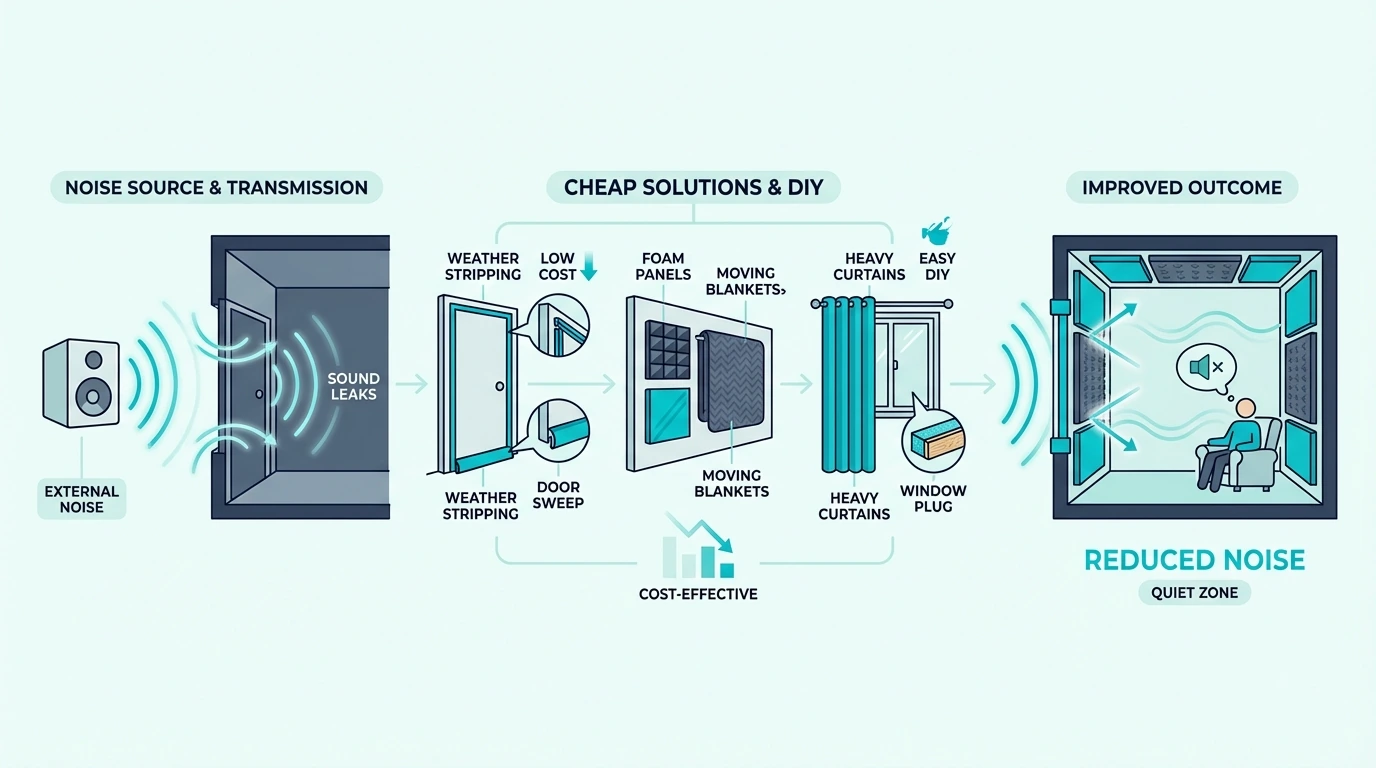
Cheap soundproofing works when you treat it like triage. You are not building a studio shell on a tiny budget.
You are looking for the cheapest move that fixes the loudest leak first. That usually means the door, window, or room perimeter before it means the wall itself.
Cheap Fixes Make A Difference When They Target Real Leakage
The best cheap fixes are usually boring. Door seals, frame seals, cracked trim joints, rugs on hard floors, and heavy furniture against the weakest surface routinely outperform “soundproofing” products that look more impressive in photos.
A basic product like HomeProtect Door Draft Stopper 36 Inch Under Door Draft Blocker Door Sweep can be a smarter first purchase than a decorative wall product. If the biggest leak is under the door, fixing that one path can change the room more than covering part of a wall with something light.
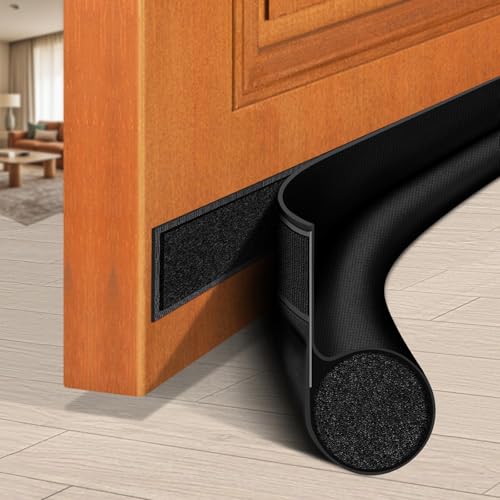
HomeProtect Door Draft Stopper 36 Inch Under Door Draft Blocker Door Sweep
The same logic applies to layout. A thick rug, a loaded bookshelf, and a bed or dresser moved off the weak wall can all help in small but real ways when they support the main fix instead of replacing it.
Sealing Gaps Comes Before Any Heavier Cheap Upgrade
Sound loves air gaps. If light is visible under the door or the window trim feels drafty, that leak can undercut every other cheap improvement in the room.
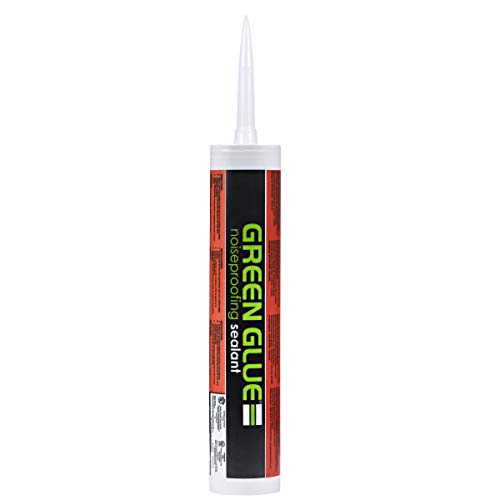
Frame compression from 33 Ft Gray Self-Adhesive Soundproofing Weather Stripping for Doors and Windows and flexible sealant like Acoustical Caulk (29 oz) 1 Tube with clean up wipe usually belong near the top of any cheap plan because they target the easiest paths first.
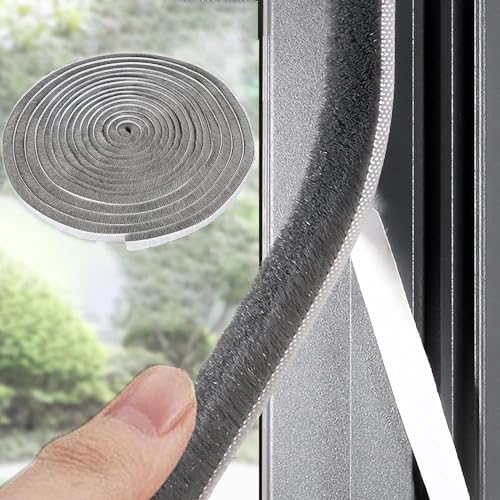
33 Ft Gray Self-Adhesive Soundproofing Weather Stripping for Doors and Windows
Before you buy anything heavier, check the room the same way you would check a cooler with the lid cracked open. If the opening is still there, the room is leaking before the wall build even gets a chance to matter.
If your main leak is already obvious, use how to soundproof a door and how to soundproof windows next instead of spreading weak fixes across the whole room.
Cheap Gimmicks Fail When They Add No Mass And Fix No Leak
Thin foam squares, miracle paint, egg cartons, and adhesive “soundproof” tiles all fail the same test. They do not add meaningful mass, they do not create a real seal, and they do not decouple anything.
That does not mean every cheap product is bad. It means cheap products only help when they are solving the right cheap problem.
If the problem is air leakage, cheap sealing products can help a lot. If the problem is bass through a shared wall, the cheap answer is usually not another accessory.
Built Rooms Force Cheap Fixes To Stay Outside The Shell
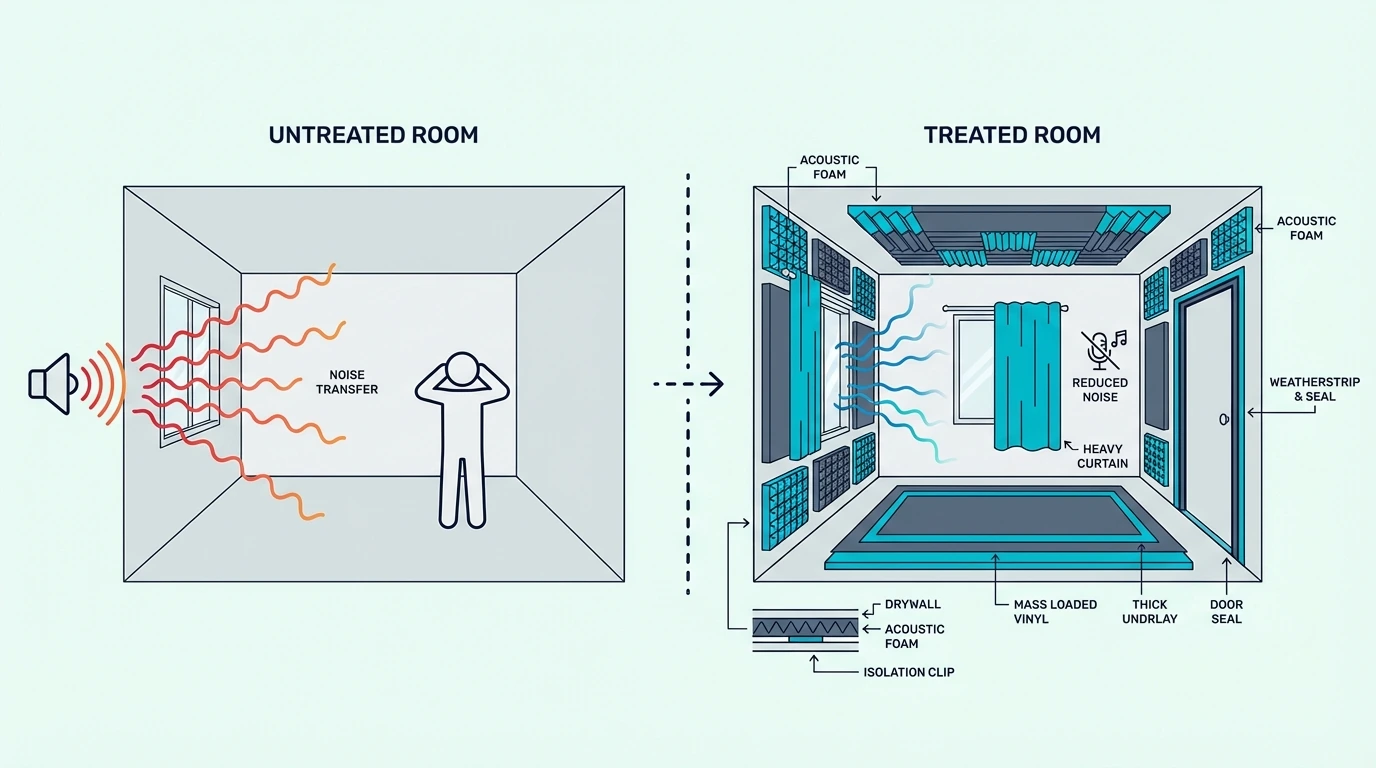
An already-built room changes the rules because you are working from the outside of the shell. That pushes you toward removable fixes, sealing, layout changes, and small upgrades that do not involve opening framing.
Finished Rooms Improve Through Small Exterior Gains
You can improve the door, tighten the window, seal trim joints, add rugs and pads to hard floors, move dense furniture onto the weakest wall, and soften the room side of a noisy opening. These are all real finished-room moves because they work with the space you already have.
That is also why finished-room soundproofing is usually about stacking small gains. You are not rebuilding the assembly, so the goal is to reduce the most obvious failure points and make the room livable enough for sleep, work, or day-to-day comfort.
If you need the full shell logic, use this page together with how to soundproof a room. This article is the cheap-first screen, not the whole construction playbook.
Renters Need Cheap Fixes That Stay Reversible
Renters should focus on reversible fixes: door sweeps, weatherstripping, caulk only where allowed, rugs, heavier curtains, furniture placement, and soft source-side changes. That is the zone where you can make a room quieter without turning the lease into a problem.
A curtain like RYB HOME Soundproof Divider Curtain belongs in that support category. It can help a window wall feel calmer, but it should sit behind the real priorities of sealing and leak control.
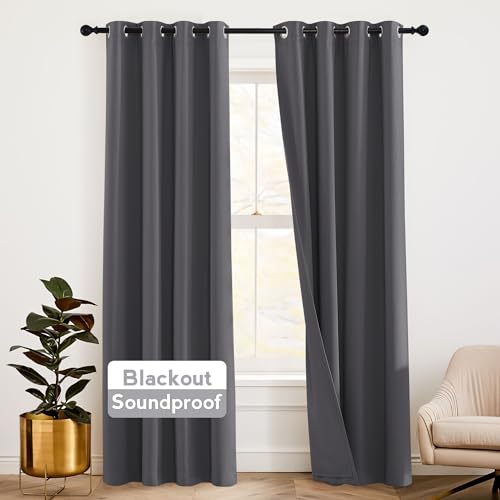
RYB HOME Soundproof Divider Curtain
This is also where “free” fixes matter. If you can move the bed off the weak wall, push a loaded shelf onto the noisy side, or add a thick rug you already own, do that before buying decorative products that solve the wrong problem.
Some Built Rooms Still Need More Than Cheap Surface Fixes
A bigger upgrade is the only real answer when the room is losing to low frequency, repeated impact, or a very light shared assembly. Bass-heavy music, strong traffic, upstairs footsteps, and severe neighbor transfer often blow past what cheap surface fixes can do.
Budget readers need a stop point. Cheap retrofits are worth trying first, but they should not trap you in endless small spending when the room is clearly asking for mass, decoupling, or a better door or window.
Get Studio Tips Weekly
Join 5,000+ creators getting acoustic treatment advice every week.
No spam. Unsubscribe anytime.Noisy-Neighbor Problems Reward Honest Cheap Triage

Noisy-neighbor problems are where cheap fixes need the most honesty. Sometimes the room just needs better sealing, but sometimes the wall is too light and the cheap answer only gets you a small improvement.
Shared Walls Improve Cheaply Through Dense Support First
The best cheap shared-wall fixes are usually furniture placement, dense shelving, and perimeter sealing around the wall before buying specialty materials. A filled bookcase or wardrobe can sometimes help more than a cheap thin panel because it adds actual depth and weight where the wall is weakest.
That does not turn the wall into a high-performance assembly. It simply means you are getting the most honest low-cost gain first.
If the neighbor noise still points clearly to one party wall after you tighten the room, go straight to how to soundproof a wall or how to soundproof an apartment instead of guessing with more accessories.
Flanking Paths Often Beat The Wall In Finished Rooms
Many people assume the wall is the problem when the real weakness is the door, the window, or the perimeter where the surfaces meet. Cheap shared-wall fixes often disappoint because they treat the wrong surface with perfect confidence.
If the noise gets sharper near the glass or the door edge, the money will usually go farther there first. Cheap soundproofing works best when you diagnose the loudest path instead of treating every nearby surface equally.
That is especially true for outside noise. If the room is dealing with traffic or street sound, use how to block outside noise and how to soundproof windows before assuming a shared wall is the whole problem.
Cheap Plans Fail Fast When They Solve The Wrong Surface Beautifully
Skip any product whose whole pitch is that it sticks to the wall and magically “soundproofs” the room. Also skip treating one surface heavily before you confirm that it is actually the dominant path.
Cheap soundproofing needs discipline more than shopping. The lowest-cost plan still fails if you solve the wrong problem beautifully.
Cheap Materials Only Matter When They Match The Weak Point

The best cheap materials are the ones that solve common weak points without pretending to be a complete rebuild. They are modest, targeted, and usually tied to leakage, reflection, or one weak opening.
Rugs, Curtains, And Weatherstripping Are Worth It In The Right Jobs
Yes, when they are solving the right problem. Rugs and dense pads help hard floors feel less sharp, curtains can soften a reflective window side, and weatherstripping helps reduce air leakage at doors and windows.
None of them are magical by themselves. Together, though, they often form the best low-cost stack available in a finished room because they improve several weak points at once.
Budget soundproofing usually looks modest instead of dramatic. It is often a bundle of small useful moves that add up better than one flashy purchase.
Mass Loaded Vinyl Only Makes Sense Once Simpler Cheap Fixes Are Done
Sometimes, but only when it is replacing several weaker purchases. MLV is not usually the first cheap material to buy because simple sealing and opening fixes are almost always better first-dollar moves.
It becomes more sensible when the room clearly needs one focused mass layer, one removable plug, or one smarter upgrade instead of several low-cost accessories that never solve the core issue.
Value matters more than sticker price. If the room clearly needs more mass, repeating cheaper mistakes is not actually the budget option.
Acoustic Foam Usually Solves Echo, Not Isolation
Acoustic foam is usually not the answer because people buy it expecting sound isolation, while foam mostly helps with echo and internal reflections. It can help a room sound less harsh without doing much to stop sound crossing the shell.
Foam is often the wrong first budget purchase for people trying to block outside noise, reduce neighbor transfer, or make a bedroom quieter. If you want the material side explained in more detail, compare this article with best soundproofing material and best insulation for soundproofing.
Cheap Soundproofing Stops Helping Once The Room Needs Structure
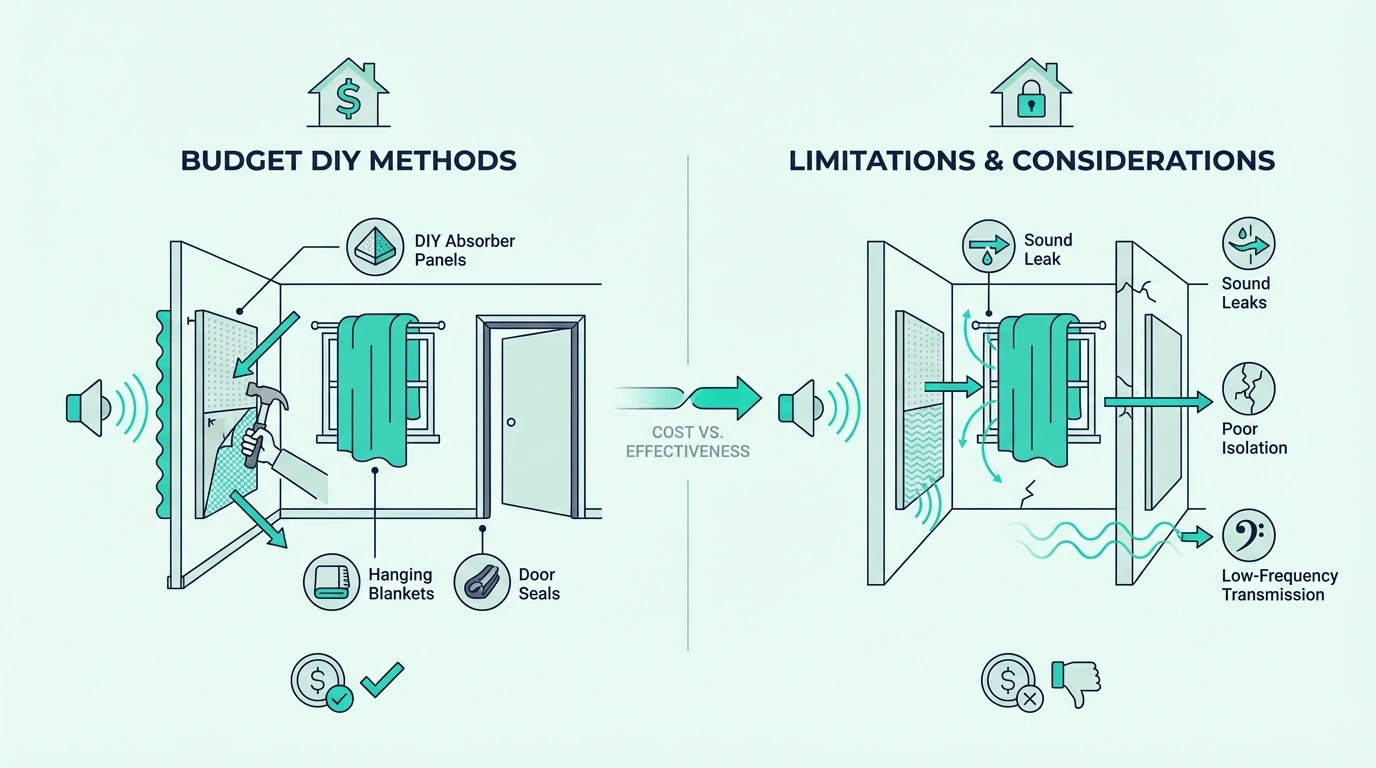
Cheap soundproofing stops being enough when the problem demands more mass, more separation, or a structural change that low-cost add-ons cannot deliver.
That does not mean the cheap fixes were pointless. It means they were the screening step, not the full solution.
Some Noise Problems Exceed The Budget-Fix Ceiling Early
Bass-heavy music, strong traffic noise, upstairs footsteps, and severe shared-wall transfer often need stronger assemblies than a budget retrofit can provide. The same is true when the room has several weak surfaces leaking at once instead of one clear weak point.
Readers need a clean off-ramp. If the cheap fixes only make a tiny difference, the lesson is not that soundproofing never works.
The lesson is that the room needs a stronger path than accessories can provide.
Saving Makes More Sense Once Cheap Gains Flatten Out
It is better to save when the room has an important job like sleep, remote work, privacy, or repeated neighbor conflict and the cheap fixes are clearly not getting close. In that case, repeated small spending can become more expensive than planning one stronger fix well.
If the room is already telling you that the window, door, ceiling, or one shared surface is the real problem, use this page as the cheap-first test and then move to how much it costs to soundproof a room, how to soundproof a ceiling, or how to soundproof a floor depending on the dominant path.
One Weekend Is Enough To Fix The Cheapest High-ROI Problems
If you only have one weekend, use this order: fix the visible door gap, seal the frame and trim, tighten the noisiest window, add a rug or pad if the floor is hard, and move the heaviest furniture to the weakest surface. That sequence usually gives the most useful cheap improvement in a finished room.
It is not glamorous, but it is realistic. Cheap soundproofing works best when you remove the obvious failures first and only then decide whether the room deserves stronger materials.
The Bottom Line
How to soundproof a room cheaply is really a question of priority, not miracle products.
If the room leaks at the door, window, or trim, start there before you touch the wall.
If the room still fails after those cheap fixes, put the next money into the single dominant path instead of spreading it across accessories.
If the problem is bass, footsteps, or a very light shared assembly, treat this page as the budget screen and then move to the more focused pages that match the real weak point in your room: the how to soundproof a room hub, how to soundproof a wall, how to soundproof a door, and how to soundproof windows.
Frequently Asked Questions
How do you block noise from a shared wall?
Start with the cheapest realistic steps first: move dense furniture to the wall, seal nearby gaps, and confirm that the door or window is not the real weak point. If the wall is still obviously losing after that, you probably need a stronger wall-specific upgrade.
How to block sound between rooms?
Blocking sound between rooms usually starts with the door, frame, and other openings because those are common weak points. If sealing and simple support layers do not help enough, the shared wall or ceiling path may need a more serious fix.
What Is The Cheapest Way To Reduce Outside Noise In A Room?
The cheapest way is usually to improve the window and door area first with sealing, tighter compression, curtains as a support layer, and better room layout. Outside noise often feels like a wall problem when the real leak is the window or frame gap.