How To Soundproof A Garage Without Wasting Money

How to soundproof a garage can absolutely cut noise, but only if you treat the garage like a weak shell instead of a normal room.
Most wasted garage budgets come from hanging soft products on the walls while the roll-up door, service door, shared wall, and ceiling path keep leaking the same sound.
A garage gets quieter when you match the fix to the use case, the loudest path, and the level of isolation you actually need.
Start by deciding whether the garage is for drums, tools, a home gym, or general noise control, because that changes the whole order of work.
This guide shows which garage paths matter first, how honest to be about the roll-up door, what budget fixes are worth trying, and when the project needs a real rebuild.
To soundproof a garage, treat the roll-up door, service door, shared wall, and ceiling as one linked system instead of one surface. Seal the obvious leaks first, be realistic about how much a roll-up door can ever block, and decide early whether you only need moderate noise reduction or a real high-performance build. Lighter garages can improve with targeted DIY work, but loud music, heavy tools, home gyms, and attached garages near living space usually need stronger wall and ceiling assemblies and a much more serious plan for the door.
Garage Soundproofing Starts With The Real Weak Path

Before you buy anything, decide what kind of garage problem you actually have. Garages punish generic soundproofing advice because one huge weak door and one house-side connection can overpower everything else.
The Use Case Sets The Isolation Target
A garage for drums or band practice needs much more isolation than a garage office or a moderate workshop. Loud music pushes the project toward serious wall, ceiling, and door work much faster than people expect.
A woodworking or tool garage is different because the noise is usually bursty rather than constant. That often makes leak control and targeted house-side protection more useful than pretending the whole shell needs studio-level construction.
A home gym shifts part of the problem to impact and vibration. Floor mats, equipment placement, and keeping heavy drops away from shared walls can matter as much as airborne sound control.
An office, hobby room, or lighter garage conversion often needs moderate reduction rather than extreme isolation. In those cases, better sealing and smarter path control can make a meaningful difference without a full rebuild.
Roll-Up Doors And Shared Paths Usually Leak First
The worst leak is usually the roll-up garage door because it is large, segmented, and rarely as heavy or airtight as the surrounding wall. After that, the side entry door, trim gaps, windows, penetrations, shared walls, and ceiling path become the next problem points.
That order matters because the garage changes normal room logic. On paper, a wall upgrade sounds important, but in practice the huge metal door or the leaky service door can cap the whole result first.
If the garage is attached, the ceiling and house-side wall deserve even more attention. If the garage is detached, the project often shifts toward outdoor spill and neighbor-facing leakage instead.
The broader logic from how to soundproof a room still matters, but the garage changes the priority order in a very specific way.
Attached Garages Raise The Stakes Fast
Attached garages are harder because the goal is not just bothering neighbors less. The real job is often protecting bedrooms, living areas, or a room above the garage from a noisy shell that is directly tied into the house.
That means the garage ceiling, shared wall, and service door often matter more than people think. If the garage sits under a bedroom or beside a family room, noise can move through framing and flanking paths long before the outside wall is the main issue.
Detached garages are simpler because the stakes are usually different. You still care about leakage and neighbors, but you are not also trying to keep the house calm on the other side of a shared structure.
Complete Isolation Is Not The Default Garage Outcome
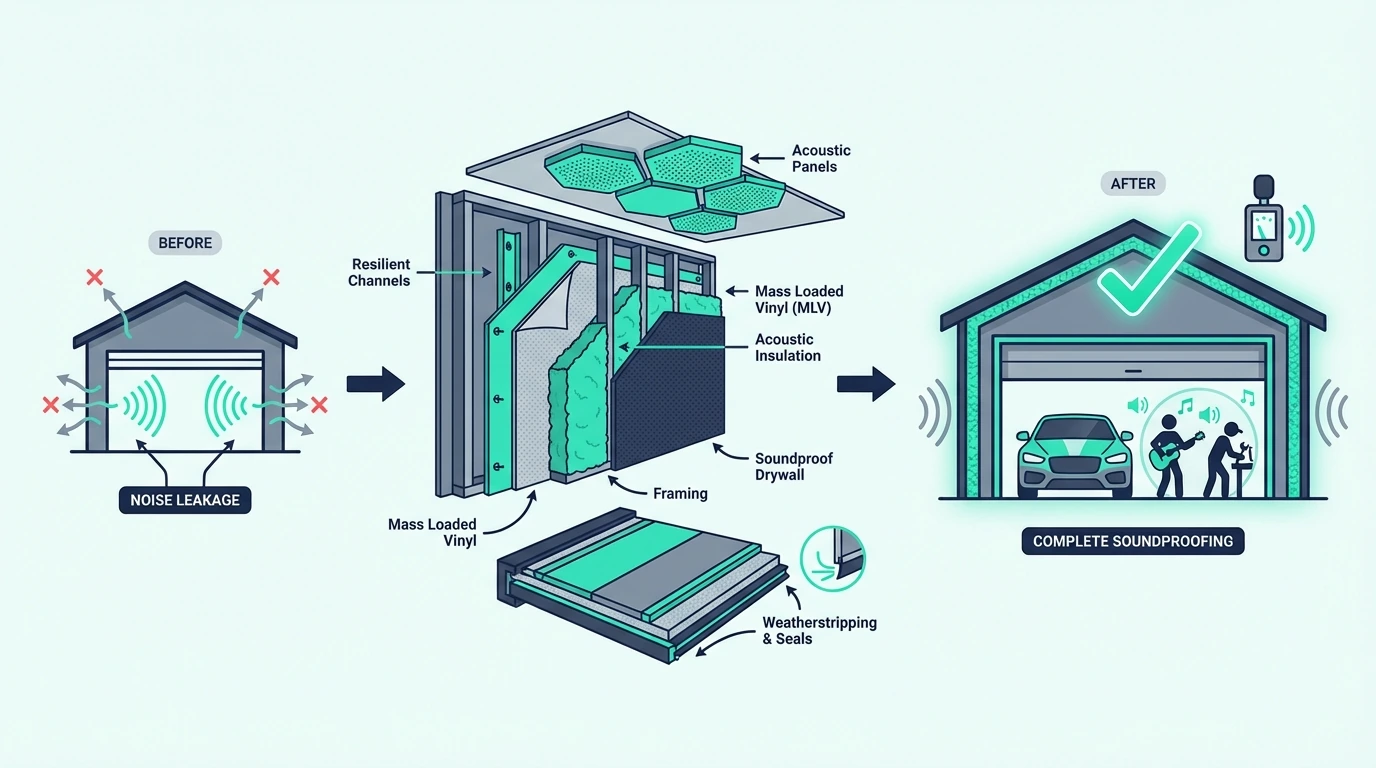
Once the weak paths are clear, the next question is how far you can realistically push the result. Garage projects go wrong when people expect silence from a structure that still has a giant segmented door and multiple flanking paths.
Meaningful Reduction Is More Realistic Than Silence
Realistic garage soundproofing usually means meaningful reduction, not silence. If you seal the easy leaks, improve the weak door areas, and strengthen the surrounding assemblies, the garage can become much less annoying to the house and to outside listeners.
A lighter-use garage can feel dramatically better with modest upgrades. A drum room in an attached garage under a bedroom is a different class of project entirely.
The right expectation is not total isolation by default. The better target is to decide whether you need a less harsh garage, a tolerable workshop, or a true house-protection build.
The Roll-Up Door Usually Sets The Hard Limit
A roll-up garage door is usually the biggest challenge because the entire project can be limited by that one assembly. Even if you improve the walls, ceiling, and service door, the large segmented door can still leak enough sound to keep the result disappointing.
The problem is not just the size. It is the combination of moving sections, perimeter seams, low mass, and the fact that the door still has to operate like a door instead of a wall.
Garage-door expectations need to be more honest than advice for ordinary doors. You can reduce leakage and add some help around the zone, but a roll-up door often stays the structural bottleneck.
If the rest of the garage improves while the result still feels underwhelming, the project is often telling you the door has become the hard limit.
Loud Use Cases Need A Stronger Shell
A garage needs a more serious rebuild when the use case is loud enough that sealing alone will never be enough. Drums, amplified band practice, heavy tools, or protecting a bedroom over an attached garage can all push the project toward a real wall and ceiling build.
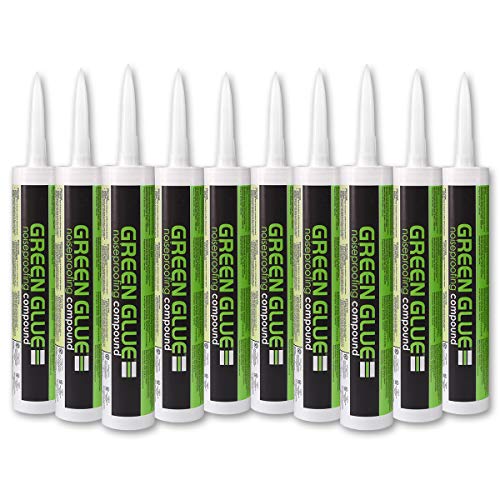
That is where open-cavity materials like AFB Acoustical Fire Batts, Mineral Wool Insulation start making sense. If the assembly is getting another drywall layer, Green Glue Noiseproofing Compound is the kind of product that actually belongs in the discussion.

AFB Acoustical Fire Batts, Mineral Wool Insulation
A heavier barrier layer like Trademark Soundproofing Mass Loaded Vinyl 1lb – MLV Soundproofing for Wall Sound fits that stage too because it belongs in a real layered assembly, not in a cosmetic garage makeover.
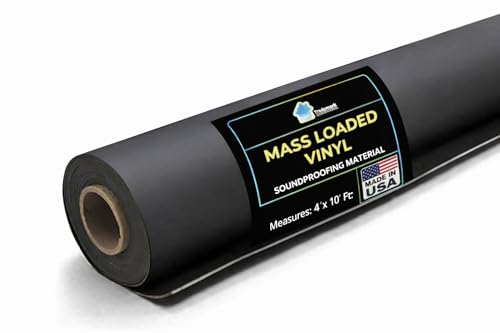
Trademark Soundproofing Mass Loaded Vinyl 1lb - MLV Soundproofing for Wall Sound
That is when pages like how to soundproof a ceiling and how to soundproof a wall become the right next step instead of one more light add-on.
Get Studio Tips Weekly
Join 5,000+ creators getting acoustic treatment advice every week.
No spam. Unsubscribe anytime.Roll-Up Doors Improve Less Than Most People Hope
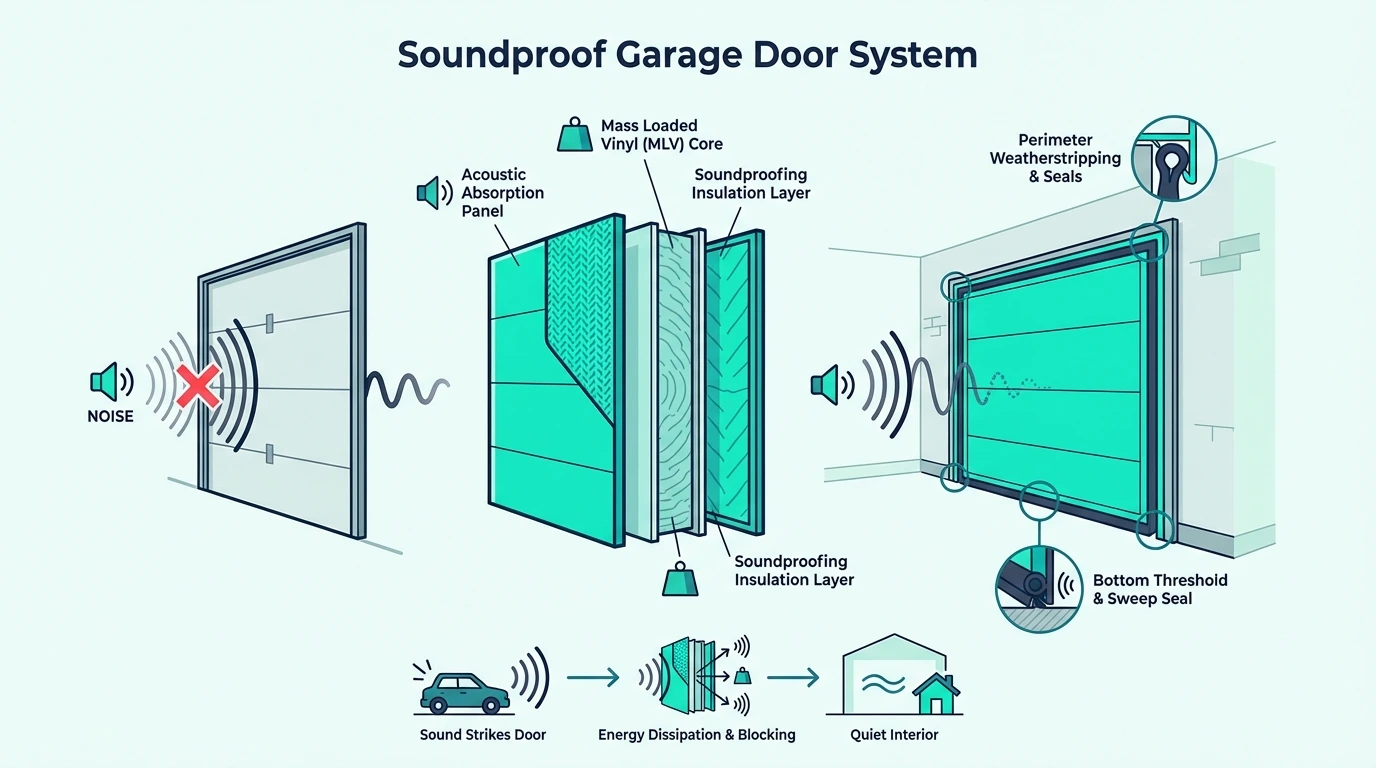
This is the section that decides whether your expectations stay realistic. Most garage-door upgrades help a little, but very few change the fact that the door is still the weakest assembly in the garage.
Perimeter Sealing And Temporary Coverage Help First
Seals, perimeter leak reduction, and temporary coverage can all help a little. The first garage-door lesson is that nearby leaks often deserve attention before you start layering things onto the door itself.
A product like 33 Ft Gray Self-Adhesive Soundproofing Weather Stripping for Doors and Windows is useful for the service door and other obvious gaps because airtightness often improves results more than another lightweight panel.
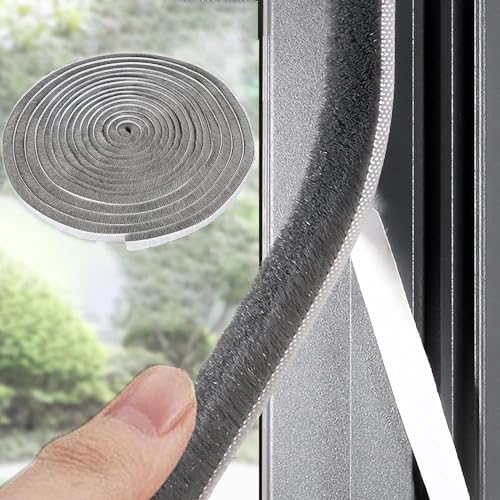
33 Ft Gray Self-Adhesive Soundproofing Weather Stripping for Doors and Windows
Fixed trim joints and penetrations deserve the same logic. A product like Acoustical Caulk (29 oz) 1 Tube with clean up wipe makes more sense around fixed edges than any material that depends on the roll-up seams behaving like a stationary wall.
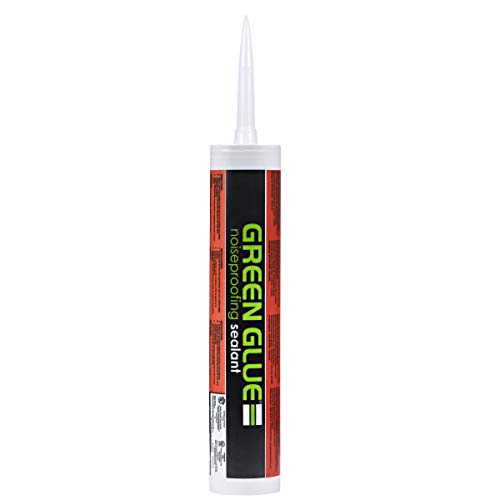
Acoustical Caulk (29 oz) 1 Tube with clean up wipe
For temporary door coverage, a heavier removable layer like US Cargo Control 96 x 80 in Extra Large Sound Dampening Blanket with Grommets can help as a stopgap or a test, especially when you need something removable in front of the door.

US Cargo Control 96 x 80 in Extra Large Sound Dampening Blanket with Grommets
The Door Becomes The Bottleneck Fast
The door is the main limiting factor when you keep improving the rest of the garage and the overall result barely changes. At that point, the project is telling you that the door assembly is still too weak for the goal.
This is especially common in music garages and attached garages. The wall and ceiling can improve while the door still leaks enough to keep the total reduction underwhelming.
A garage-door section has to stay brutally honest. Some upgrades make the area better, but many use cases still hit a hard ceiling because a roll-up door is not a studio wall.
House-Side Paths Can Outrank The Big Door
Focus elsewhere first when the garage has obvious service-door gaps, shared-house wall issues, or an under-treated ceiling path. Sometimes the roll-up door looks like the problem, but the more direct path is actually the side door or the rooms above the garage.
In attached garages, the ceiling and house-side wall often deserve the first real money. In lighter detached garages, the biggest return may still be leak sealing and source control before heavier door experiments.
Garage prioritization matters so much. The visible door is often the weak point, but it is not always the first weak point you should spend on.
Budget Garage Fixes Only Work When Ranked By Weak Path
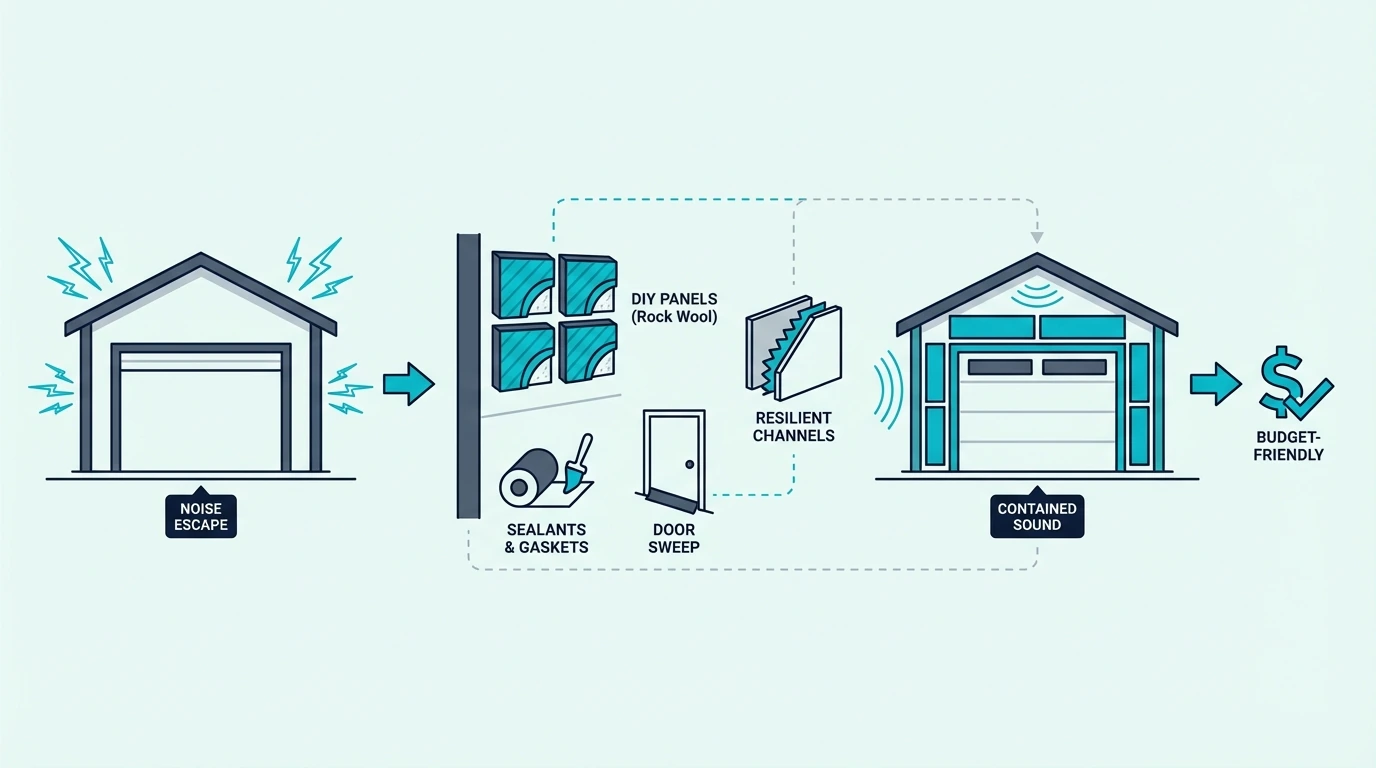
Once the door reality is clear, the budget conversation gets simpler. Cheap garage work helps most when it is ranked by leak severity and use-case intensity instead of spread across random products.
Cheap Wins Start With The Service Door And Source Control
The best cheap fixes usually start with the service door and obvious perimeter leakage. A tighter service door often matters more than people expect because that smaller opening can leak sound constantly while the big garage door gets all the visual attention.
That is where a stable bottom seal like Door Sweep Brush Silicone Seal Strip earns its place before more decorative ideas do.
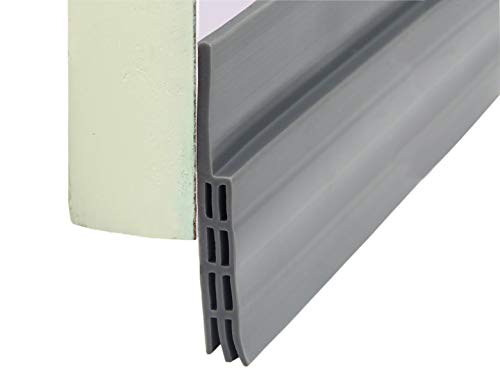
Door Sweep Brush Silicone Seal Strip
After that, source-side control usually beats random surface treatment. In home gyms and workshops, better equipment placement, floor protection, and moving the loudest activity away from the shared wall often help more than sticking soft material around the room.
Budget readers should also compare this with how to soundproof a floor and how much it costs to soundproof a room so a modest garage improvement does not get mistaken for a full isolation build.
Lightweight Garage Gimmicks Stay Lightweight
Thin foam, decorative panels, and small patches of soft material are mostly hype when the real issue is leakage or weak structure. They may make the garage sound a little less harsh inside, but they will not block much sound through a roll-up door, a shared wall, or a lightly built ceiling.
The same applies to magical garage-door promises that ignore the assembly. If the product does not change leakage, mass, damping, or the source path in a meaningful way, it usually does not deserve to be the first buy.
That is where garage soundproofing goes wrong most often. The budget disappears into lightweight fixes while the biggest weak path stays almost untouched.
Budget Fixes Are For Moderate Goals, Not Studio Isolation
A budget fix is good enough when the goal is moderate noise reduction for lighter use. If you just want the workshop to sound less harsh, the gym to bother the house less, or the side door to leak less noise, those fixes can be worthwhile.
They are much less likely to be enough when the garage is attached to living space and the source is loud. A bedroom over a drum garage is almost never a cheap-fix problem.
So budget garage work is not fake. It just works best when the expectation is modest improvement, not total isolation.
Cost Rises Once The Garage Becomes A Real Shell Upgrade
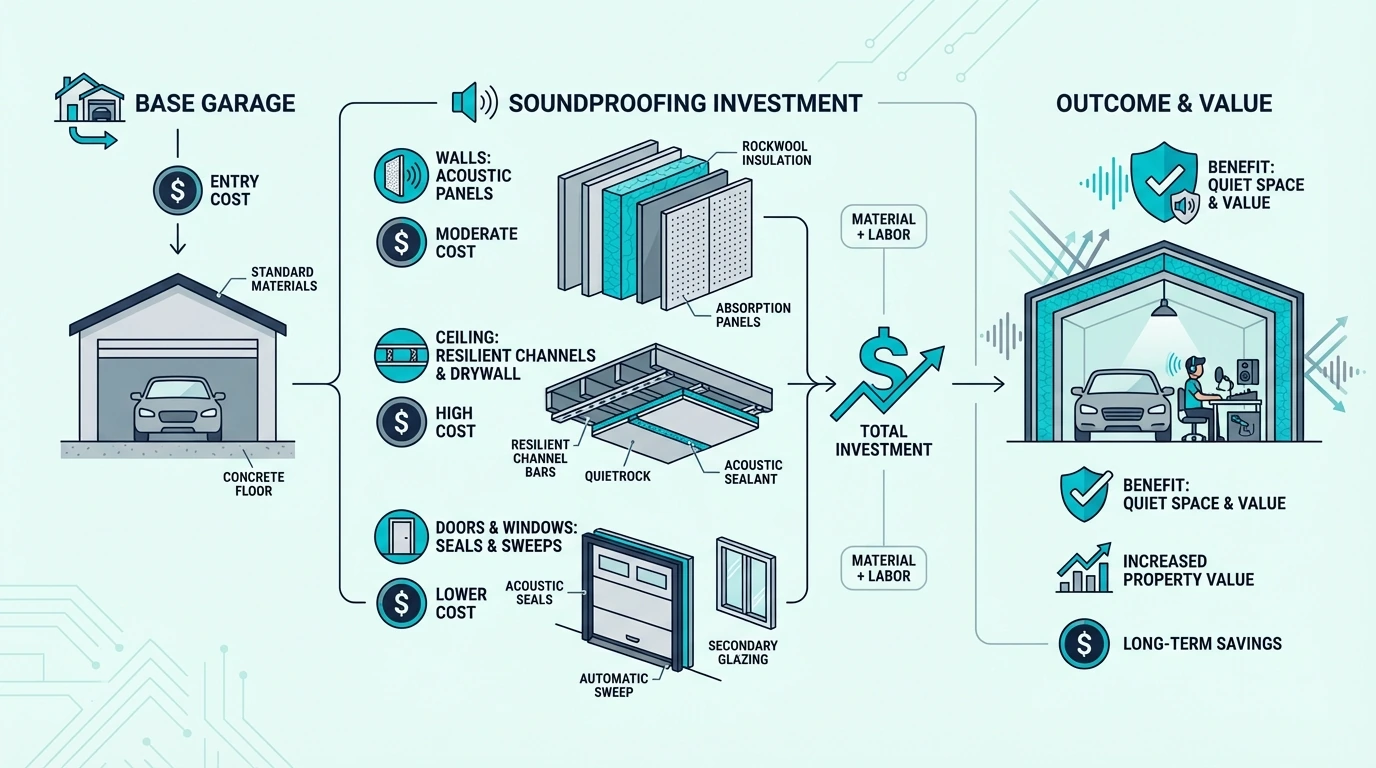
After you know which tier you need, the cost side becomes much easier to read. Garage budgets stay manageable for leak control and light testing, but they rise quickly once the job becomes a real wall and ceiling build.
Basic Upgrades Stay In The Diagnosis-And-Leak-Control Tier
A basic upgrade is usually a low-three-figure kind of project rather than a full construction budget. That tier means service-door sealing, perimeter caulk, selective garage-door testing, and some source-side control.
It is also the smartest starting point for readers who have not yet proved the real weak spots. A modest garage budget goes further when it is used to diagnose the shell instead of pretending to finish it in one pass.
For many detached garages and lighter-use shops, this tier may be enough. For attached garages and louder use cases, it is often only the first layer of the project.
Higher-Performance Builds Spend On Shell Strength
A higher-performance build reaches the point where labor, coverage, and assembly detail matter as much as the shopping list. This is the tier where walls, ceilings, insulation, extra drywall, damping, and real mass layers start turning the garage into a stronger shell.
Attached garages with bedrooms above them usually hit this tier faster than detached garages do. The ceiling path and house-side assemblies can force a deeper build even when the garage itself seems simple.
This is also where the roll-up door becomes the most frustrating budget multiplier. You can spend serious money on the rest of the shell and still be limited by the door if the use case is loud enough.
Professional Help Pays Off When The Garage Touches Living Space
Call a professional when the garage is attached to occupied rooms, when drums or heavy tools are involved, or when you are about to spend serious money on wall and ceiling work without knowing the real limiting path.
That is especially true when there is a room above the garage or a direct shared wall to living space. At that point, getting the path wrong becomes more expensive than paying for better diagnosis.
It is also where pages like best insulation for soundproofing, how to soundproof a room from outside noise, and best soundproofing material become more useful than one more cheap add-on.
The Bottom Line
How to soundproof a garage is mostly a prioritization problem, not a product hunt.
If the goal is moderate reduction in a detached or lighter-use garage, start with leak sealing, source control, and the service-door and perimeter weak points first.
If the garage is attached to the house or used for drums, heavy tools, or serious gym noise, move much faster toward stronger wall and ceiling assemblies and be brutally honest about how much the roll-up door will still limit the result.
Keep the next steps matched to the real path: how to soundproof a room, how to soundproof a door, how to soundproof a wall, how to soundproof a ceiling, and how to soundproof a floor. The best garage plan starts by admitting which part of the garage is really acting like the weak room.
Frequently Asked Questions
What blocks out the most noise?
Mass, airtightness, and decoupling block the most noise when they are built into the assembly correctly. Lightweight soft materials can help a little in some cases, but they are not substitutes for heavier wall, ceiling, or door upgrades.
Can you soundproof a garage door cheaply?
You can improve a garage door cheaply, but the gains are usually modest. Seals, adjacent leak control, and temporary heavier coverage can help, but a roll-up door usually stays the limiting assembly if the use case is loud.
Is it better to soundproof an attached garage from the house side?
Sometimes yes, especially when the main priority is protecting a room above or beside the garage. If the house-side wall or ceiling is the path carrying the most sound, that side can deserve the first serious money instead of the garage-door side.