Soundbar vs Receiver: Which One Do You Actually Need?

The soundbar vs receiver decision sounds like a straight sound-quality contest, but most people buy the wrong one when they ignore what their room and daily routine actually need.
The problem is that a receiver can become an expensive mistake when your real goal is only to fix weak TV audio in a living room that does not support proper speaker placement.
A soundbar can also be the wrong move when you already own speakers, care deeply about music imaging, or want to build a system piece by piece so you can avoid replacing everything later.
Below, you will see what each option actually includes, what the same budget really buys, and where modern premium soundbars now blur the old line between simple and serious.
Start by separating “I need better TV sound” from “I want to build a system,” because that one distinction decides most of this guide.
To choose between a soundbar and a receiver, start with the problem you are solving. A soundbar is usually the smarter buy when you want a clean one-cable TV upgrade, your room fights speaker placement, or you care more about ease than tweakability. A receiver is worth it when you already own speakers, plan to build a system over time, or want true surround and music performance badly enough to live with the extra boxes, wire, and calibration.
What Does a Soundbar Replace, and What Does a Receiver Still Need?
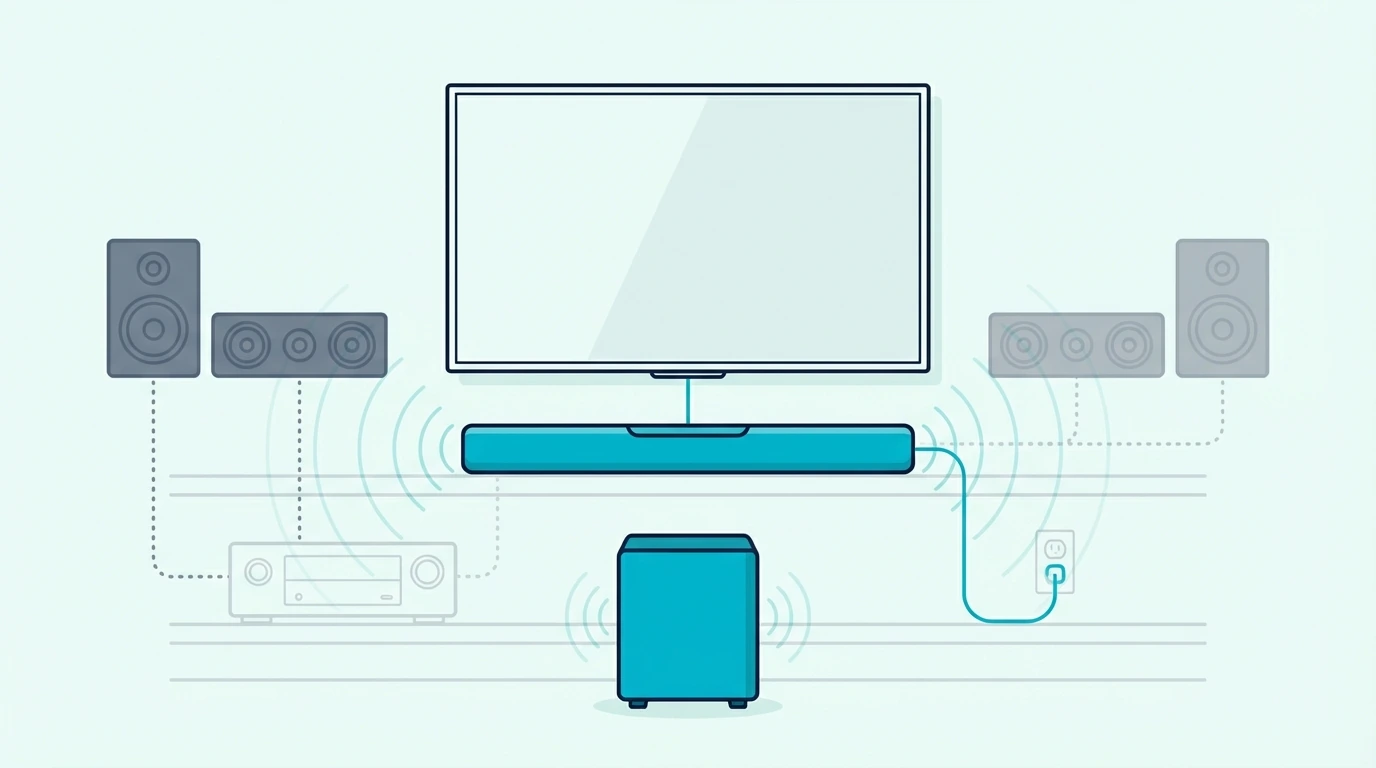
That split between “fix TV audio” and “build a system” only makes sense once you know what each box actually does.
The differences start with the fundamentals: what a soundbar already includes, what a receiver does not, and what you still have to add before anything sounds good.
A Soundbar Is Already the Whole Playback Chain
A soundbar already contains audio processing, amplification, and speaker drivers in one chassis.
When you connect it to your TV, you are buying the brain and the voice at the same time.
That is why a model like the Polk Audio Signa S4 feels so direct in practice.
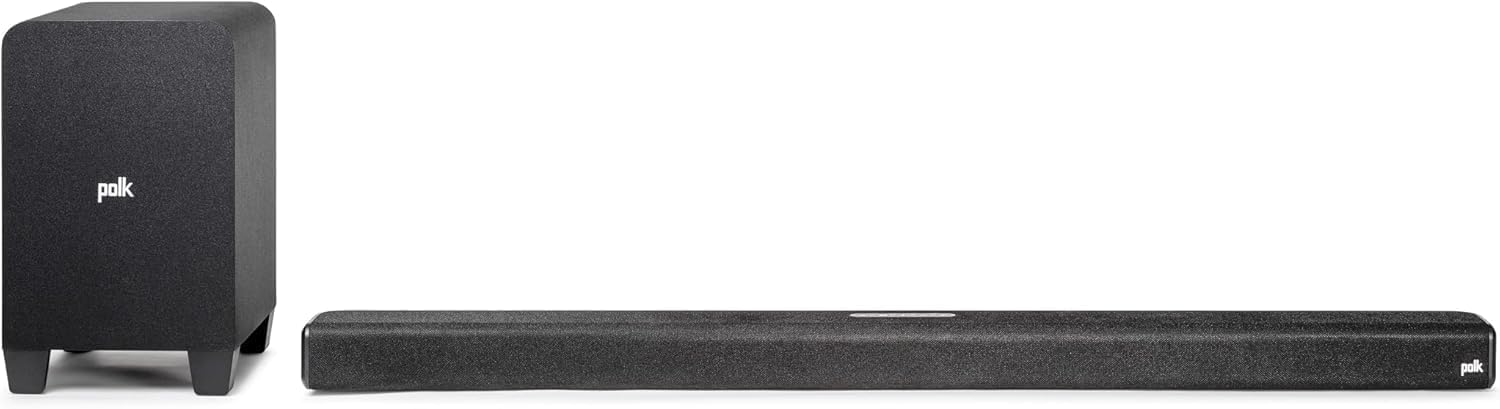
Polk Audio Signa S4
One bar, one wireless subwoofer, and one HDMI cable get you from weak TV speakers to a finished setup without a rack full of hardware.
Even when a bar adds Atmos, room correction, or wireless rears, those are still features inside a finished product.
You are choosing a complete solution, not a list of parts that need each other before the system makes sense.
If you want the deeper foundation first, our what is a soundbar guide breaks down how that all-in-one design works. That same design is the reason soundbars keep winning with normal TV buyers.
A Receiver Is Only the Control and Power Hub
An AV receiver, usually shortened to AVR, is the command center for a speaker system.
It decodes formats, switches inputs, powers passive speakers, and handles calibration, but it does not replace the speakers themselves.
So a receiver purchase is never the whole story. You still need at minimum a pair of speakers, and most people also need a center channel or subwoofer before the upgrade feels complete.
That is why the receiver sticker price is so misleading.
A budget receiver might cost a few hundred dollars, but a complete 5.1 setup also needs separate speakers, a powered subwoofer, speaker wire, and sometimes stands or wall mounts before the room starts behaving like the theater system you imagined.
That is where new buyers get tripped up. The receiver price tag looks like the start of the answer, but it is really the first line item in a longer build.
The math changes if you already own good passive speakers. If you own nothing, the receiver path starts as a project rather than an instant fix.
The Real Choice Is One Product or a Chain of Products
Once you see that difference, the soundbar vs receiver question stops feeling abstract. You are choosing between a finished appliance and a chain of components that only shine when the whole chain comes together well.
That same ceiling-versus-friction tradeoff shows up in our soundbar vs home theater comparison.
Receiver systems can go further, but they also give you more ways to waste space, money, and patience before you ever hear that higher ceiling.
If your goal is simply to replace muddy TV audio, a soundbar already solves the full problem. If your goal is to build around speakers you plan to keep for years, the receiver starts making more sense.
What Does the Same Budget Actually Buy?

Now that the product difference is clear, the next mistake is comparing a finished soundbar package to the price of a receiver alone.
Budget is where most lazy advice falls apart, so compare what the same spend actually buys on both sides.
| Budget tier | Soundbar path | Receiver path |
|---|---|---|
| Entry tier | Finished 2.0, 2.1, or dialogue-first upgrade | Receiver only, or a very compromised stereo start |
| Mid tier | Complete 3.1 or Atmos-ready package with subwoofer | Better foundation, but money is still split across more pieces |
| Premium tier | High-end bar or wireless surround package | Receiver build finally starts using its higher ceiling |
Entry-Level Money Usually Favors Completeness
At the lower end, soundbars usually win because they solve the whole problem in one purchase. A compact Bose TV Speaker makes sense when the real pain point is dialogue clarity and daily ease, not building a hobby system.
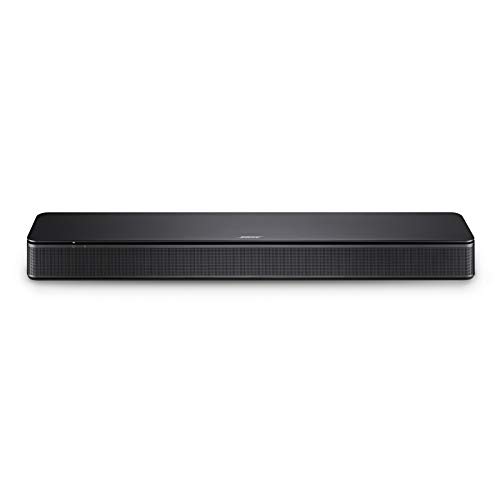
Bose TV Speaker
If you already know you want more bass from the start, a Samsung HW-C450 is the kind of complete package that makes more sense than receiver-first shopping in the same bracket.
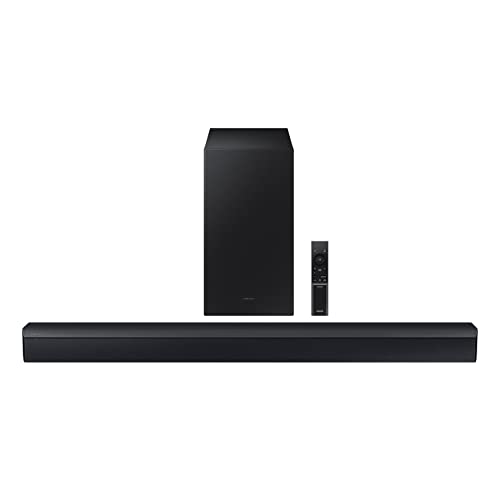
Samsung HW-C450
The receiver side at the same spend usually means compromise from day one. You are either buying the box first and delaying the speaker side, or buying a mismatched starter setup that still needs work before it feels satisfying.
That is the first place people overbuy. They chase the serious-looking option, then live for months with a half-finished system that still does not solve the original TV problem very well.
If that is your budget lane, our best budget soundbar guide is a better next stop than forcing an unfinished receiver build. Completeness matters more than theoretical upside when the budget is tight.
Mid-Range Money Is Where Soundbars Look Strongest
The middle tier is where soundbars feel especially honest. The complete packages get meaningfully better, while the receiver path is still dividing money across too many needs at once.
That is why the Polk Signa S4 works as such a useful example.
You get a center channel, a subwoofer, Atmos processing, and a setup most households can finish in one sitting.
A receiver system at the same spend can still turn into something better later, but often not better today.
You may still be living in bare-bones stereo or a thin starter package while the soundbar buyer is already enjoying a finished TV upgrade.
Our Atmos soundbar vs 5.1 comparison helps clarify that exact fork.
The key question is not which format sounds cooler on paper, but whether you are buying a complete experience now or a platform you plan to grow later.
Premium Money Creates a Real Fork in the Road
Premium spending is where the answer stops being automatic.
Now you can either build a receiver-based system that finally uses its higher ceiling, or buy a premium soundbar package that removes most of the wire-and-rack pain without staying basic.
That is where old advice starts to age badly. A premium soundbar is no longer just a prettier budget compromise.
The useful question here is whether you want your money to buy modularity or convenience.
If you want modularity, the receiver path has the stronger long-term case, but if you want convenience, the new generation of premium bars is harder to dismiss than it used to be.
Get Studio Tips Weekly
Join 5,000+ creators getting acoustic treatment advice every week.
No spam. Unsubscribe anytime.When Is a Soundbar the Smarter Choice?

Budget explains a lot, but it does not explain the daily friction. Context changes everything, and the people happiest with soundbars usually buy them for lifestyle reasons as much as audio reasons.
You Want To Fix TV Audio, Not Build a Hobby
If your pain point is simple, a soundbar is usually the direct answer.
Muddy dialogue, flat movie sound, and weak bass are TV problems first, not system-design problems.
That is why soundbars keep winning with families, apartment dwellers, and anyone who wants the improvement fast.
Most households want an appliance, not a weekend project with setup menus and speaker wire.
If you are still deciding whether any external audio is worth adding, our soundbar vs no soundbar guide is the cleaner first checkpoint.
Once you already know TV speakers are not enough, the receiver question becomes a second-step choice.
Your Room or Household Fights Proper Speaker Placement
Receiver systems ask more from the room.
You need usable places for left and right speakers, room for a center channel, paths for wire, and enough separation that the speakers can actually do what you bought them to do.
Apartments, shared living rooms, open floor plans, and media consoles with limited shelf space all push toward a soundbar because they fight the receiver format at the root.
A bar does not beat physics, but it asks far less from the room.
That same room-reality logic shows up in our 2.1 vs 5.1 soundbar guide and soundbar vs 2.1 comparison. Simpler systems usually win when space, placement, and daily use are the real constraints.
You Care More About Daily Ease Than Tweakability
A soundbar wins the first month and the twelfth month the same way.
One remote path, one connection standard, fewer failure points, and almost no pressure to recalibrate because somebody moved a chair.
That convenience is not a small bonus. It is part of the product’s value, especially in homes where more than one person uses the TV and nobody wants to troubleshoot the wrong input chain.
If that sounds more like your house than a dedicated theater room, go straight to our best soundbar guide. Most people who are honest about how they use the room land on the soundbar side of this decision.
When Is a Receiver Actually Worth It?

That convenience case is strong, but it does not erase the receiver’s real advantages.
A receiver starts to justify itself when your room, your habits, and your expectations line up with what separate speakers do better.
You Already Own Speakers or Plan To Build in Stages
If you already have passive bookshelf speakers, tower speakers, or a subwoofer you trust, the receiver path becomes much more logical.
You are no longer starting from zero, which changes the value equation immediately.
The same thing is true if you know you want to build slowly. A receiver lets you start with stereo, add a center channel later, then add surrounds when your space or budget catches up.
Soundbars rarely give you that kind of openness. Once you outgrow the bar, you usually replace the bar.
Music Imaging and Stereo Separation Matter to You
For music-first listening, a receiver with properly spaced speakers still holds an advantage that soundbars do not fully close.
The stereo image opens wider, instruments separate more naturally, and the sound is not forced to originate from one cabinet under the TV.
That gap matters most when you actually sit down to listen. For background music or casual streaming, a soundbar can still be perfectly enjoyable.
If music quality is central to the decision, our soundbar vs bookshelf speakers guide is the sharper comparison to read next. That is the version of the question many receiver buyers are really asking.
Your Room Can Actually Use Real Surround
A receiver system earns its complexity when you can place speakers where they belong.
Rear channels behind the seating area, real separation across the front stage, and enough room for each speaker to breathe let the format show why enthusiasts still defend it.
That caveat matters because the opposite is also true. A badly placed, half-finished, or poorly calibrated receiver system can sound less satisfying in daily use than a well-designed soundbar that fits the room honestly.
That is why dedicated movie rooms and serious gaming rooms still lean receiver. When the room supports real surround, the performance jump is not subtle.
If you want to see how far soundbars can go before that line gets crossed, our 3.1 vs 5.1 soundbar guide and soundbar vs speakers comparison fill in that middle territory.
Receiver systems win here because the room lets them do it honestly.
Is There a Middle Ground Between a Soundbar and a Receiver?

Those receiver advantages are real, but the old either-or framing is weaker than it used to be. Premium soundbars now solve problems that used to push almost every serious buyer toward an AVR.
Premium Bars Cover More Than Basic Bars Ever Did
A decade ago, choosing a soundbar meant accepting a clear ceiling.
That ceiling is still real, but it is much higher now because premium bars can combine a convincing center channel, strong bass, height effects, and room tuning in one package.
Systems like the Samsung HW-Q990D go further by shipping with wireless rear speakers and a wireless subwoofer in the same box. That gives you real speakers behind the couch without turning the room into a wiring project.
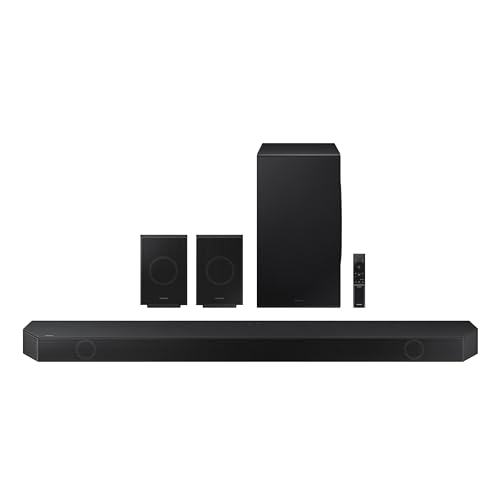
Samsung HW-Q990D
If your priority is movies in a shared living room, that middle ground is often the smarter splurge than a receiver plus compromised speakers. You are paying to remove friction without staying entry-level.
Expandable Ecosystems Reduce the Need for an AVR
Modular soundbar ecosystems matter here too. A premium bar can start under the TV today, then add a subwoofer or wireless surrounds later without forcing you to rebuild from scratch.
That does not make the platform as open as a receiver. It does make the decision less binary for buyers who want a cleaner room now and some upgrade path later.
If that route sounds closer to what you want, our Sonos vs Bose comparison shows how major wireless soundbar ecosystems think about expansion. Our best soundbar roundup helps once you know you are staying on the soundbar side.
The Line Still Shows Up in Long-Term Flexibility
The receiver still wins if you want to pick any speaker brand, upgrade one piece at a time, or reuse components across rooms over several years.
Soundbar expansion always stays inside the ecosystem of the brand that sold you the bar.
That tradeoff is why some buyers should stop at the middle ground, while others should jump straight past it. Convenience and openness still pull in different directions, and neither one is fake.
What Do People Regret After Buying the Wrong One?

That middle ground helps, but wrong expectations still create buyer’s remorse on both sides. The fastest way to choose well is to understand what people usually regret after the unboxing excitement wears off.
Receiver Regret Starts When the Room Never Lets It Shine
Receiver regret usually starts with good intentions.
You picture a future theater, then spend months living with a bulky box, temporary speaker placement, and wires nobody in the house likes.
When the couch is against the back wall, the room opens on one side, or the TV area doubles as everyday family space, the receiver’s theoretical upside stays theoretical.
You paid for flexibility, but daily life never gave you the conditions to use it properly.
That regret gets worse when the system stays half-finished. A receiver without the right speakers around it rarely delivers the payoff people imagine when they buy the box first.
Soundbar Regret Starts When Expectations Outrun the Format
Soundbar regret is the mirror image.
The buyer wanted theater-level separation, pin-point rear effects, or music-first stereo imaging, then expected a single cabinet under the TV to behave like widely spaced speakers.
Good bars can sound big, clear, and surprisingly immersive. They still cannot change the fact that most of the sound begins from the front wall.
That is why a soundbar can feel incredible as a TV upgrade and still disappoint the person who really wanted a speaker system.
The mistake is not buying the bar, but asking it to solve a different problem than the one it was built for.
The One Question That Prevents Both Mistakes
Ask one blunt question before you buy: am I solving bad TV audio, or am I starting a home audio system. If the honest answer is TV audio, a soundbar is usually the smarter purchase.
If the honest answer is system-building, music focus, or real surround in a room that can support it, skip the halfway logic and plan the receiver path properly.
That one question keeps this whole decision cleaner than any spec sheet ever will.
The Bottom Line
Soundbar vs receiver comes down to whether you want a finished upgrade or a platform.
A soundbar is usually the right answer for normal living rooms, mixed households, and buyers who want better TV sound without turning the room into a project.
A receiver is worth the trouble when you already have speakers, know you want to build slowly, or care enough about music and real surround to accept the extra boxes, wire, and calibration.
If you are still mostly shopping on the soundbar side, our best soundbar guide and soundbar vs home theater guide are the best next reads.
Frequently Asked Questions
Do I Need a Receiver if I Already Have a Soundbar?
No. A soundbar already contains the amplification and audio processing a receiver would normally handle for a TV setup.
Adding a receiver to that chain usually adds confusion instead of value. Use one path or the other.
What Is an AVR in Home Audio?
AVR stands for audio-video receiver.
It is the control center that switches inputs, decodes surround formats, powers passive speakers, and handles calibration for a separate-speaker system.
Is a Receiver Always Better Than a Soundbar for Music?
Not always for casual listening, but usually yes when music is the priority and the speakers are placed correctly.
A receiver with properly spaced left and right speakers creates a wider, more natural stereo image than a bar under the TV.
That gap matters most when you actually sit and listen.
If music is just background while you cook, clean, or stream playlists casually, a soundbar can still be enough.
Can an Expensive Soundbar Replace a Receiver?
For many movie and TV rooms, yes.
Premium soundbars can deliver strong dialogue, deep bass, height effects, and even wireless rear speakers without forcing you into a full receiver build.
They still do not replace the receiver’s openness.
If you want total freedom to mix speakers, amps, and upgrades over time, the receiver keeps that edge.
Should I Buy a Receiver if I Mostly Watch TV and Streaming Apps?
Usually no.
If your habits center on TV shows, movies, and everyday streaming in a normal living room, a soundbar is usually the cleaner match.
The receiver starts making more sense when you already own speakers, have a room that supports real surround, or know you want the hobby as much as the result.