Best Budget Acoustic Foam: Top Cheap Panels That Actually Work
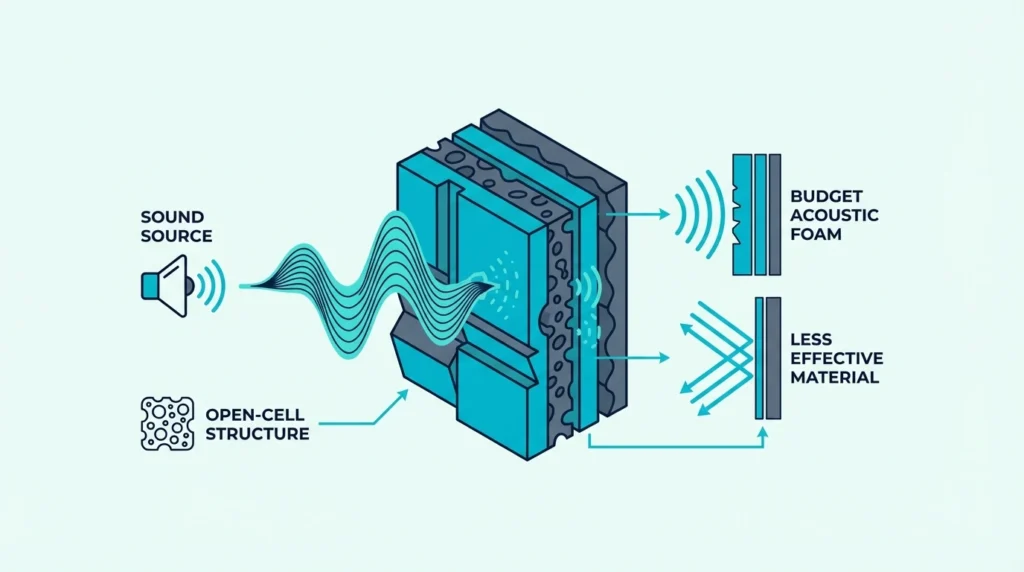
Best budget acoustic foam doesn’t mean settling for garbage — but most cheap packs cut corners on density, which is the one spec that determines whether foam actually absorbs sound or just decorates walls.
The performance gap between a $15 budget pack and a $50 premium pack is smaller than manufacturers want you to believe. The difference that matters is foam density, not price tag or brand.
Below are eight budget picks ranked by value per panel, a buying guide to spot low-density junk, and coverage calculations so you order the right amount the first time.
For a broader look at foam types and placement, start with the acoustic foam hub.
Look for high-density foam at under $1 per panel — that’s the sweet spot where you get real absorption without premium pricing. Skip anything under $0.50 per panel (the density is usually too low to work). Stick with 1-inch minimum thickness and prioritize dense material over brand names. A 48-52 pack in the $30-40 range covers most bedroom studios.
| Product | Size | Pack | Shape | Link |
|---|---|---|---|---|
Best Overall Value 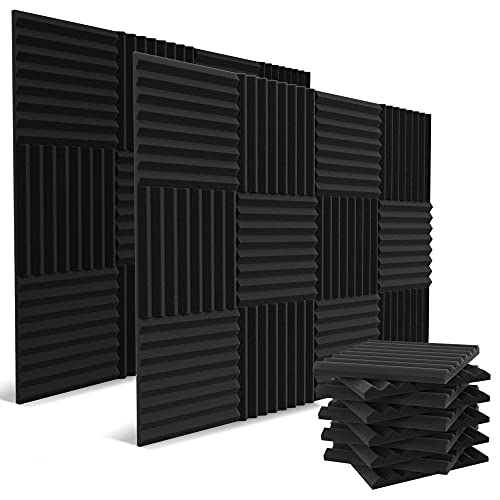 | 1 inch | 52 pack | Wedge | See ratings |
Best Under $15 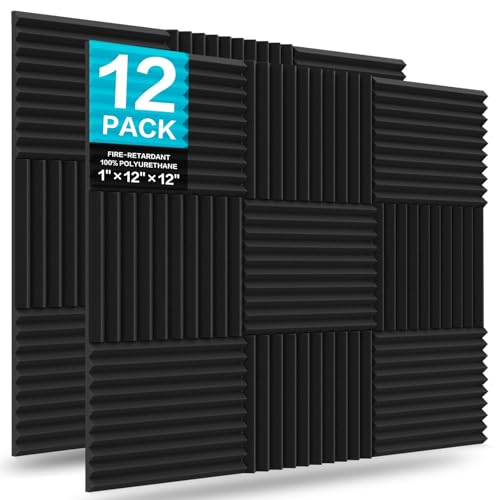 | 1 inch | 12 pack | Wedge | See ratings |
Best Coverage 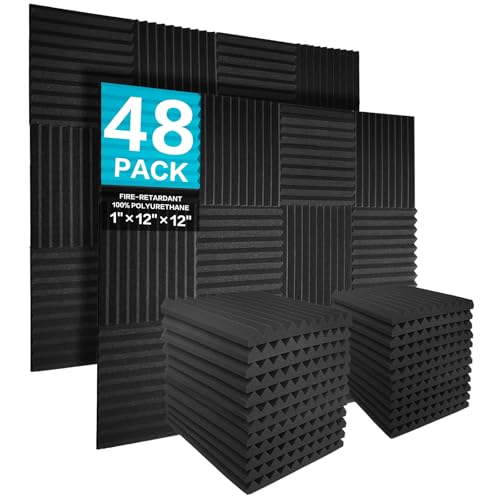 | 1 inch | 48 pack | Wedge | See ratings |
Best 2-Inch Budget 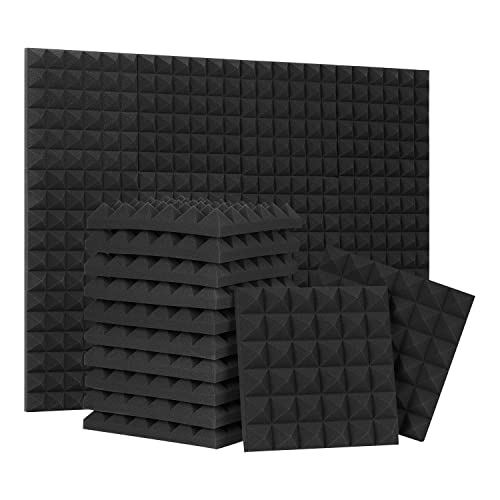 | 2 inch | 24 pack | Pyramid | See ratings |
Best Corner Treatment 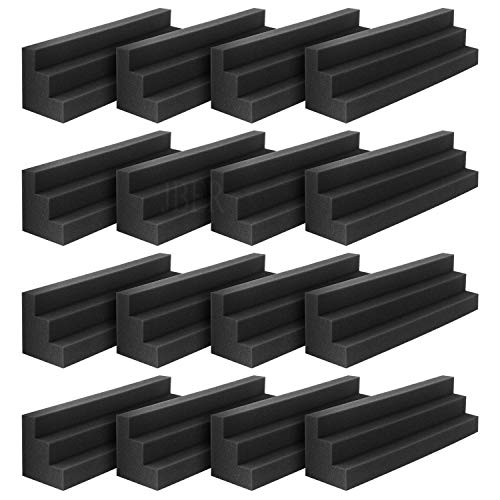 | — | — | Corner | See ratings |
Best Premium Budget 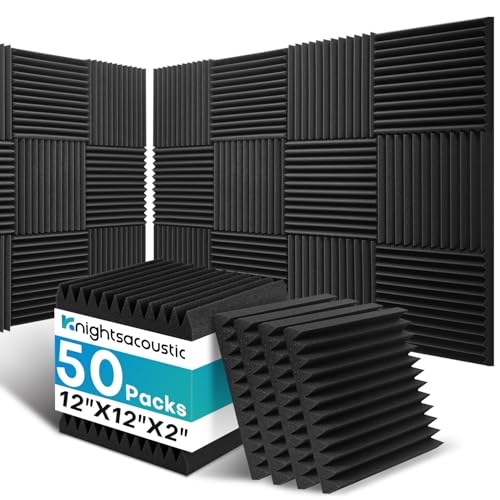 | 2 inch | 50 pack | Wedge | See ratings |
Best High Density 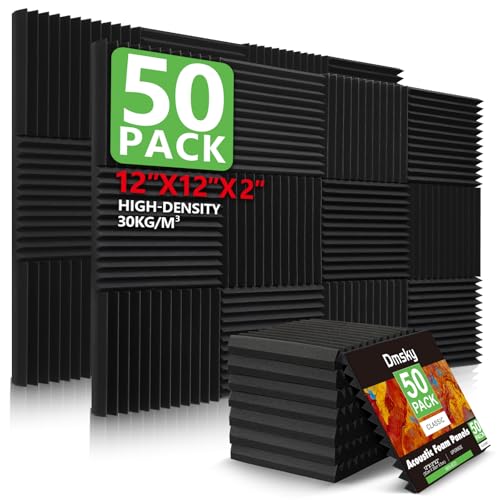 | 2 inch | 50 pack | — | See ratings |
Best Bulk Pack 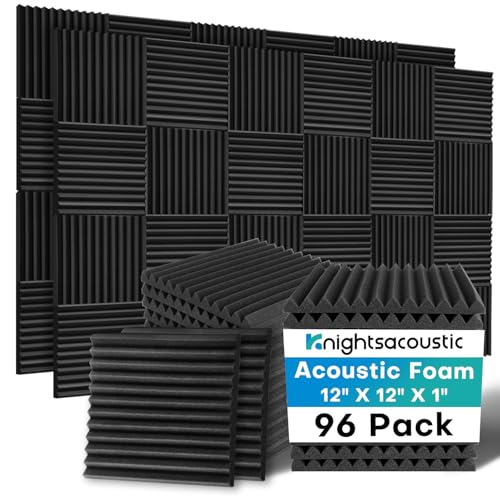 | 1 inch | 96 pack | Wedge | See ratings |
What’s the Best Budget Acoustic Foam?
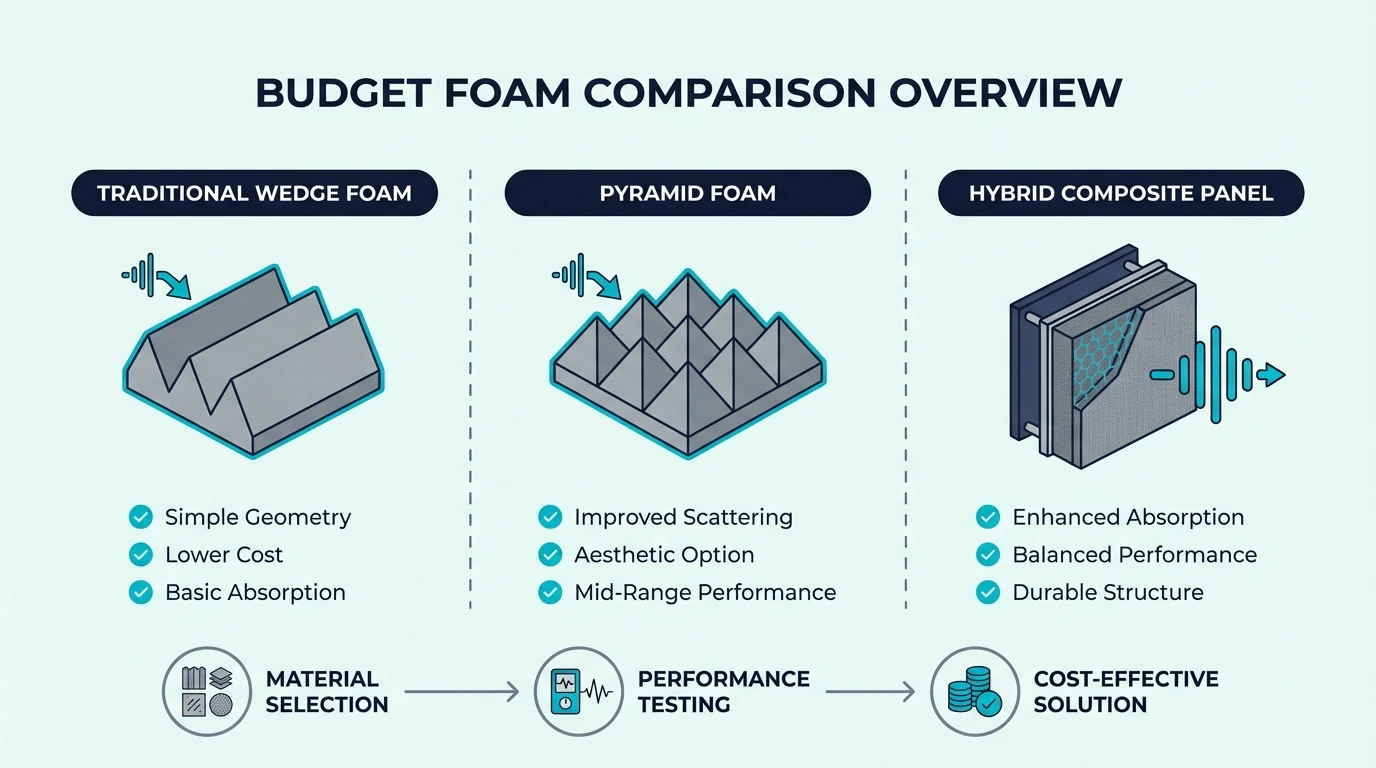
Here’s the uncomfortable truth about cheap acoustic foam: most of it works fine. The performance gap between a $15 budget pack and a $50 “premium” pack is smaller than manufacturers want you to believe.
That said, some budget foam genuinely outperforms others. The difference comes down to foam density, not price.
Top Pick: 52 Pack High Density Panels
The 52 Pack Acoustic Panels delivers the best value in budget foam. At under $35 for 52 panels, you’re paying roughly $0.67 per panel — less than a coffee.
52 Pack Acoustic Panels
The high-density construction actually matters here. Cheap low-density foam compresses easily and loses absorption capacity within months.
This pack maintains its structure because the foam is denser than typical budget options.
Coverage-wise, 52 panels means 52 square feet of treatment — enough for a small home studio or podcast corner. You’ll cover more wall space for less money than any premium alternative.
Best for Tight Budgets: JBER 12 Pack
If you’re testing the waters or treating a small space, the JBER 12 Pack is the lowest-risk entry point. Under $15 gets you 12 panels — enough to treat the wall behind your microphone and hear immediate improvement.
JBER 12 Pack
The quality matches JBER’s larger packs, so panels you buy now integrate seamlessly when you expand later. This is the smart starting point for anyone unsure how much foam they actually need.
Top 8 Budget Acoustic Foam Panels
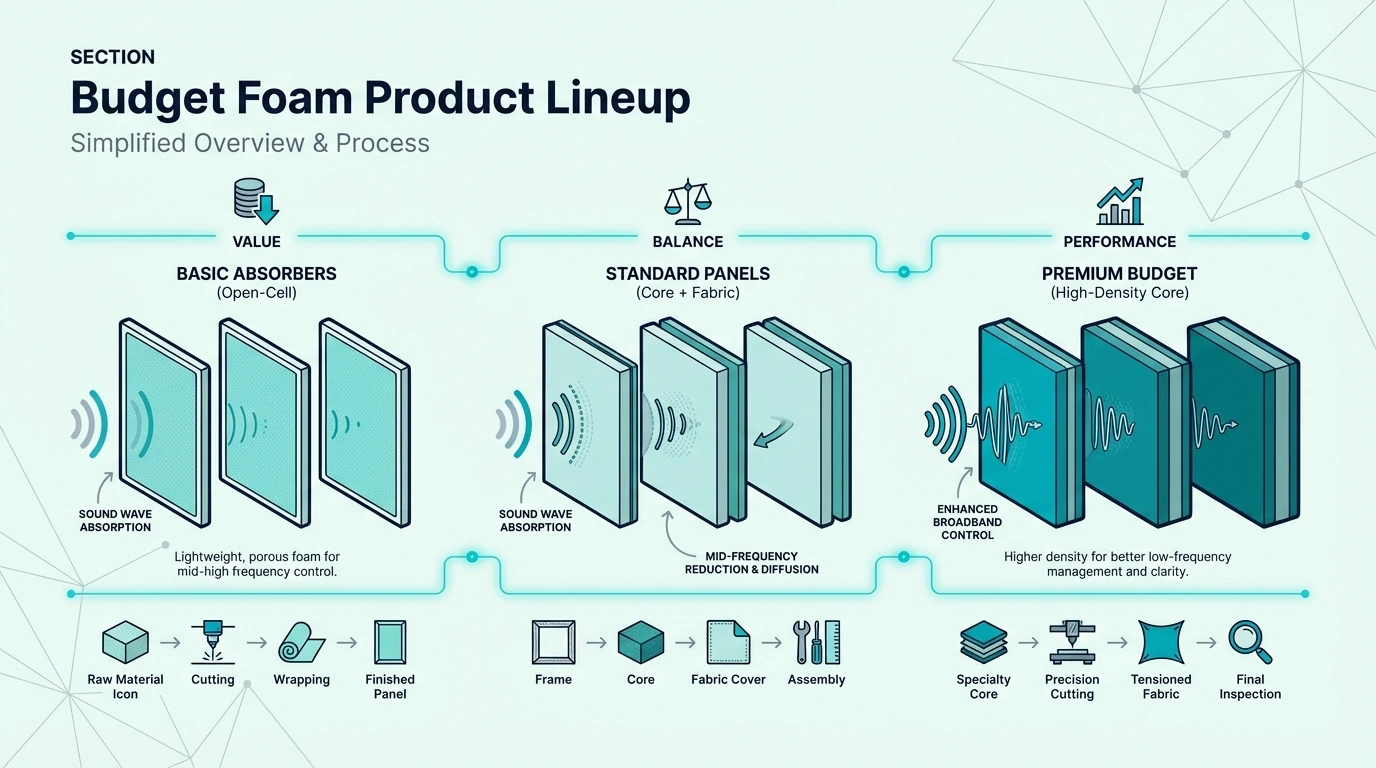
These picks balance price, quality, and coverage. Every option here delivers real echo reduction without the premium price tag.
1. 52 Pack High Density Panels — Best Overall Value
The 52 Pack Acoustic Panels wins on pure economics. The math is simple: 52 panels for under $35 means more coverage per dollar than anything else on this list.
High-density foam in a budget pack is rare. Most cheap options cut costs by using lighter, airier foam that doesn’t absorb as effectively — this pack doesn’t make that compromise.
The 1-inch thickness handles high frequencies well, which is where most voice and music recording issues live. For echo reduction in small to medium rooms, this is the pack to beat.
If you’re setting up a recording space, the best acoustic foam for recording guide covers studio-specific picks.
One limitation: 1-inch foam won’t control bass frequencies. Add bass trap corner treatment separately if low-end rumble is a problem in your space.
2. JBER 12 Pack — Best Under $15
The JBER 12 Pack is where budget-conscious buyers should start. Under $15 for 12 panels means you can test placement and hear results before committing to larger purchases.
JBER maintains quality consistency across their product line. These 12 panels perform identically to their 24 and 48 packs — you’re just buying fewer of them.
The 12-pack covers approximately 12 square feet. That’s enough for the wall directly behind your microphone — the single most important treatment spot in any recording setup.
Start here, record some test audio, then expand based on what you hear. Most people find this approach saves money compared to guessing how much coverage they need.
If you’re new to foam entirely, the best beginner acoustic foam guide walks through first-timer decisions.
3. JBER 48 Pack — Best Coverage
When you need serious wall coverage without premium pricing, the JBER 48 Pack delivers. Forty-eight tiles cover a lot of wall for the money.
JBER 48 Pack
The 48-pack provides enough coverage for two full walls in a small room, or full first-reflection treatment in a larger space. At under $37, that’s still less than $0.80 per panel.
Consistency matters when you’re buying in bulk. JBER’s quality control means all 48 panels arrive the same size, density, and color — no sorting through rejects.
The wedge design creates visual interest while increasing surface area for absorption. These won’t win design awards, but they look more professional than flat foam sheets.
4. 24 Pack Pyramid Panels — Best 2-Inch Budget
If you want thicker foam without premium pricing, the 24 Pack Pyramid Panels hits the sweet spot. The full 2-inch thickness extends absorption into lower frequencies that 1-inch foam can’t touch.
24 Pack Pyramid Panels
Pyramid foam scatters sound slightly differently than wedge patterns. Some voice artists prefer this for a more natural room tone in recordings.
For more on how shape affects absorption, see the best acoustic foam shape guide.
At 24 panels, you’re getting less coverage than the 48 and 52 packs above. But the 2-inch thickness provides better absorption per panel — so you might need fewer panels overall.
The tradeoff is clear: better performance per panel, but higher cost per square foot of coverage. For critical listening positions behind your monitors, the extra thickness is worth it.
5. JBER Corner Blocks — Best Corner Treatment
Corners accumulate bass energy that flat panels can’t address. The JBER Corner Blocks solve this specific problem without the cost of professional bass traps.
JBER Corner Blocks
These aren’t replacements for wall panels — they’re supplements. Install them in upper corners where bass energy concentrates, and you’ll notice tighter low-end in your recordings.
The triangular design fits snugly into 90-degree corners with minimal installation fuss. The professional studio look is a bonus.
At under $29, this is the most affordable way to address low-frequency issues that budget flat panels miss entirely.
6. 50 Pack 2-Inch Panels — Best Premium Budget
The 50 Pack 2-Inch Panels bridges the gap between budget and premium. You get the thicker 2-inch profile across all 50 panels — no mixing thin and thick foam.
50 Pack 2-Inch Panels
This is the pack for anyone who wants to treat a room properly the first time. The 2-inch thickness provides consistent absorption across mid and high frequencies, with better low-mid control than 1-inch alternatives.
At $54.99, it’s no longer “cheap” — but 50 panels of 2-inch foam at just over $1 per panel is still exceptional value compared to premium brands charging $3-5 per panel.
For dedicated home studios where audio quality matters, the extra investment eliminates the need to upgrade later.
7. 50 Pack High Density Premium — Best for Daily Use
The 50 Pack High Density Premium prioritizes foam density over everything else. Higher density means longer lifespan and more consistent absorption over years of use.
50 Pack High Density Premium
Voice artists who record daily should consider this pack. Budget foam degrades faster under constant use — the premium density here maintains performance where cheaper options would compress.
The 2-inch thickness combined with high-density construction means better absorption at all frequency ranges. This is as close to professional panel performance as foam gets.
At $58.99, you’re paying more than true “budget” options. But the per-panel cost still undercuts premium brands by a wide margin.
8. 96 Pack Bulk Panels — Best Large Space Value
For walk-in closet conversions or larger home studios, the 96 Pack Bulk Panels provides unmatched coverage value. Nearly 100 panels means you can treat multiple walls completely.
96 Pack Bulk Panels
At under $65 for 96 panels, you’re paying approximately $0.68 per panel — the absolute lowest per-panel cost on this list. For large spaces, the bulk discount is substantial.
The 1-inch thickness works well for side walls and ceiling, where thinner foam actually performs better than over-treating with thick panels. Use the bulk pack for general coverage, then add thicker panels behind your listening position.
Buying in bulk like this eliminates worrying about whether you have enough panels mid-project.
Get Studio Tips Weekly
Join 5,000+ creators getting acoustic treatment advice every week.
No spam. Unsubscribe anytime.How to Find Good Cheap Acoustic Foam
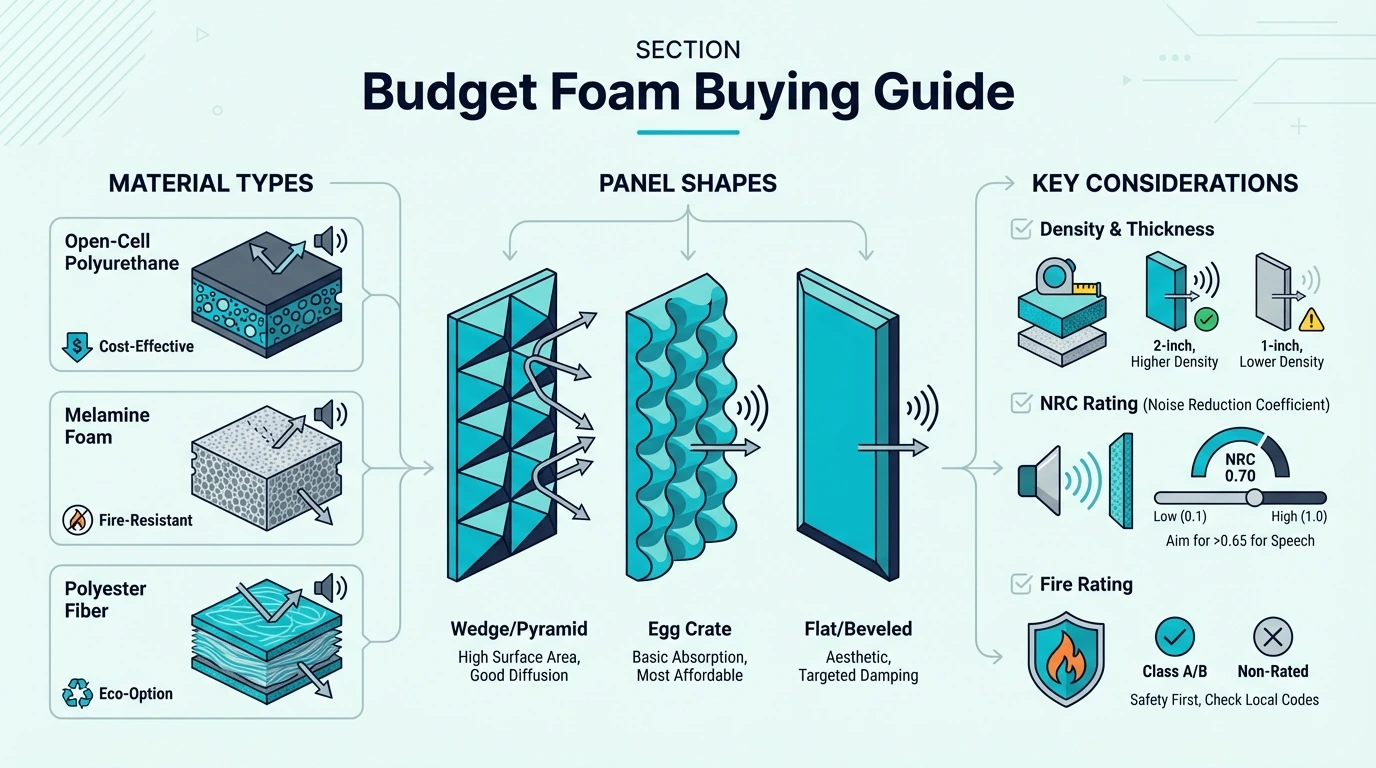
Not all budget foam works. Here’s how to separate the good cheap options from the garbage.
What to Look for in Budget Foam
Foam density matters more than brand. Pick up cheap foam and squeeze it — if it compresses easily with light pressure, it won’t absorb sound effectively.
High-density budget foam exists. The 52 Pack High Density Panels proves you don’t have to pay premium prices for quality foam construction.
Thickness determines frequency range. 1-inch foam handles frequencies above roughly 1000Hz — fine for voice recording and high-frequency echo.
2-inch foam extends down to around 500Hz, catching more of the mid-range where vocals live.
What NRC Rating Is Acceptable?
NRC (Noise Reduction Coefficient) measures absorption effectiveness from 0 to 1.0. Budget foam typically rates 0.3-0.5 NRC, while professional panels hit 0.85-1.0.
Here’s the catch: most budget foam sellers don’t publish NRC ratings. They’d rather you didn’t compare.
Without official ratings, trust reviews and foam density as proxies. If thousands of buyers report noticeable echo reduction, the foam works regardless of what an NRC test would show.
Red Flags: When Cheap Is TOO Cheap
Avoid anything priced under $1 per panel. At that price point, manufacturers cut corners on foam density — you’re buying air pockets, not acoustic treatment.
Suspiciously light packaging indicates low-density foam. Quality budget foam still has weight to it.
No reviews or brand-new listings with suspiciously perfect ratings suggest products to skip. Stick with established options like the JBER packs that have thousands of verified purchases.
Is Cheap Acoustic Foam Worth It?
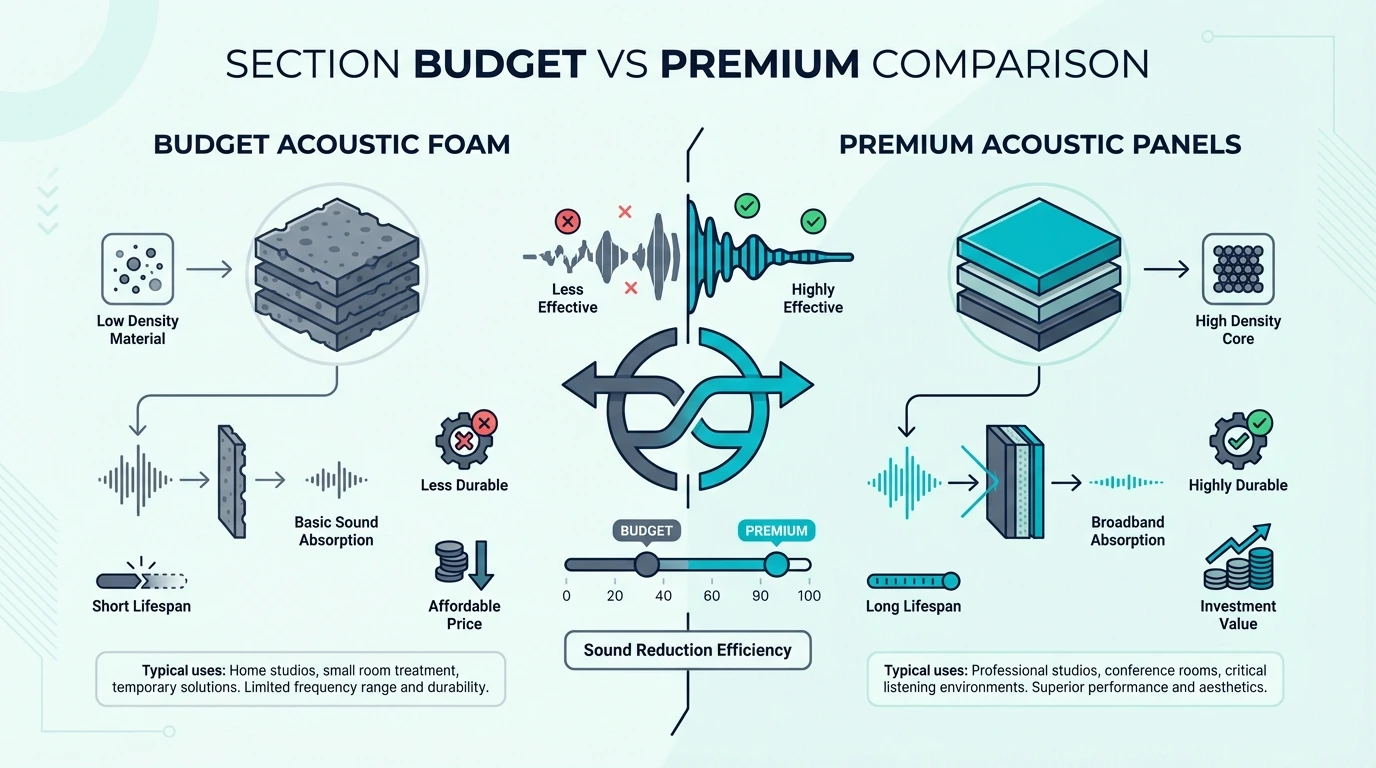
Here’s the honest take: cheap foam has real limitations. But for many use cases, those limitations don’t matter.
Budget vs Premium: Real Differences
Premium acoustic panels use fiberglass or rockwool cores wrapped in fabric. They achieve NRC ratings of 0.85-1.0 and absorb sound across a wider frequency range than foam.
Budget foam uses polyurethane. The NRC rating tops out around 0.5, and effective absorption is limited to mid-high frequencies.
The gap is real — but so is the price difference. Premium panels run $5-15 per square foot; budget foam runs $0.50-1.50 per square foot.
When Cheap Foam Works Fine
Echo reduction in home studios, podcast corners, and streaming setups. For these use cases, eliminating the obvious reverb is the goal — and budget foam accomplishes that.
The best acoustic foam for podcasts guide has voice-specific picks if that’s your main use case.
Temporary setups where permanence isn’t needed. Foam installs with command strips or tape and removes cleanly.
Professional panels require more commitment.
Budget constraints where something is better than nothing. Treating a room with cheap foam beats leaving walls bare.
When You Need to Spend More
Critical listening environments where accurate sound reproduction matters. Mixing and mastering engineers need the wider frequency absorption that only professional acoustic panels provide.
Bass-heavy genres where low-frequency control matters. Foam doesn’t absorb bass effectively — you need corner acoustic foam or thick panels.
Permanent installations where longevity matters. Foam degrades over 3-5 years; quality panels last 10-20 years.
The acoustic treatment hub covers the full range of long-term solutions.
How Much Budget Foam Do You Need?
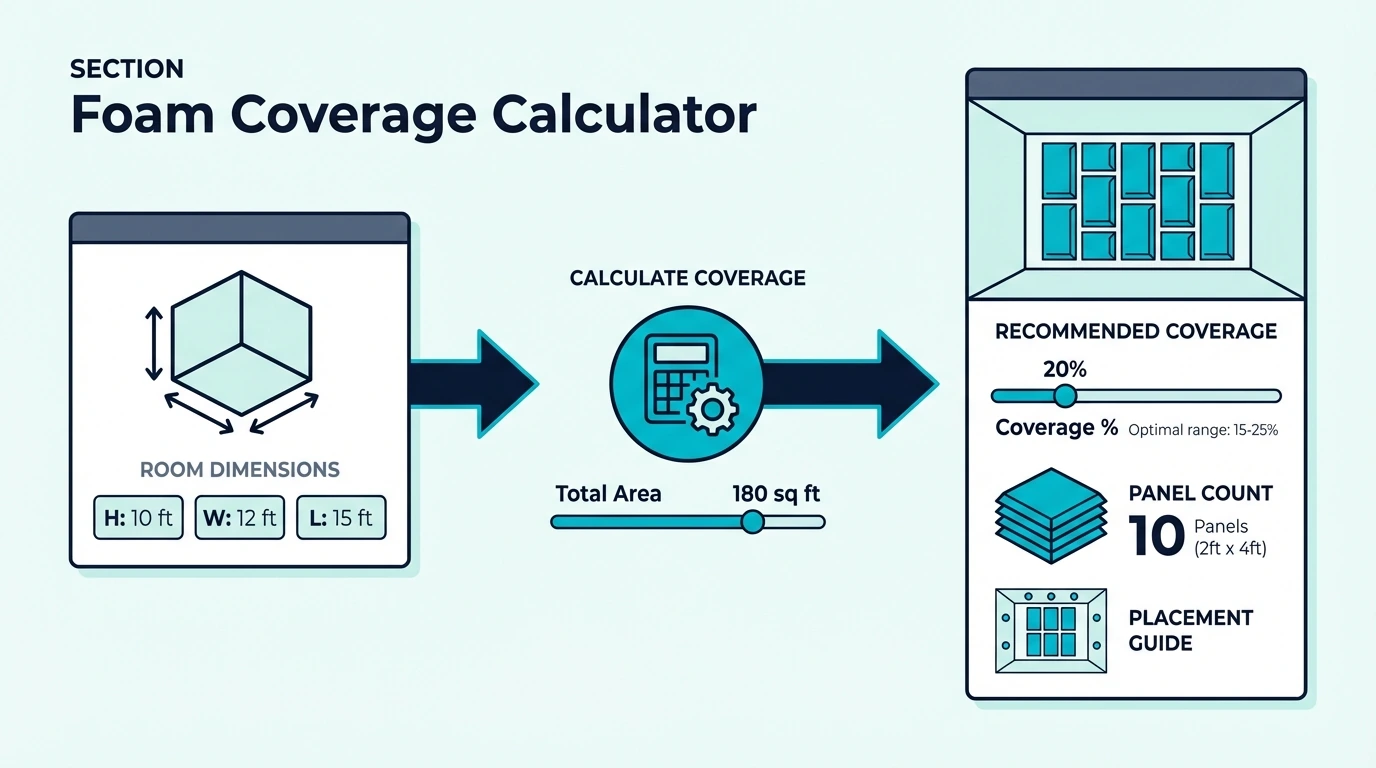
More foam isn’t always better. Over-treating creates a dead, unnatural sound.
Here’s how to calculate the right amount.
Small Room: Coverage Guide
For rooms under 100 square feet (think small bedrooms or closet studios), treat 40-60% of wall surface. That typically means 20-30 panels for a basic treatment.
Start with the wall behind your microphone or listening position — this is the highest-impact treatment zone. The JBER 12 Pack covers this zone completely.
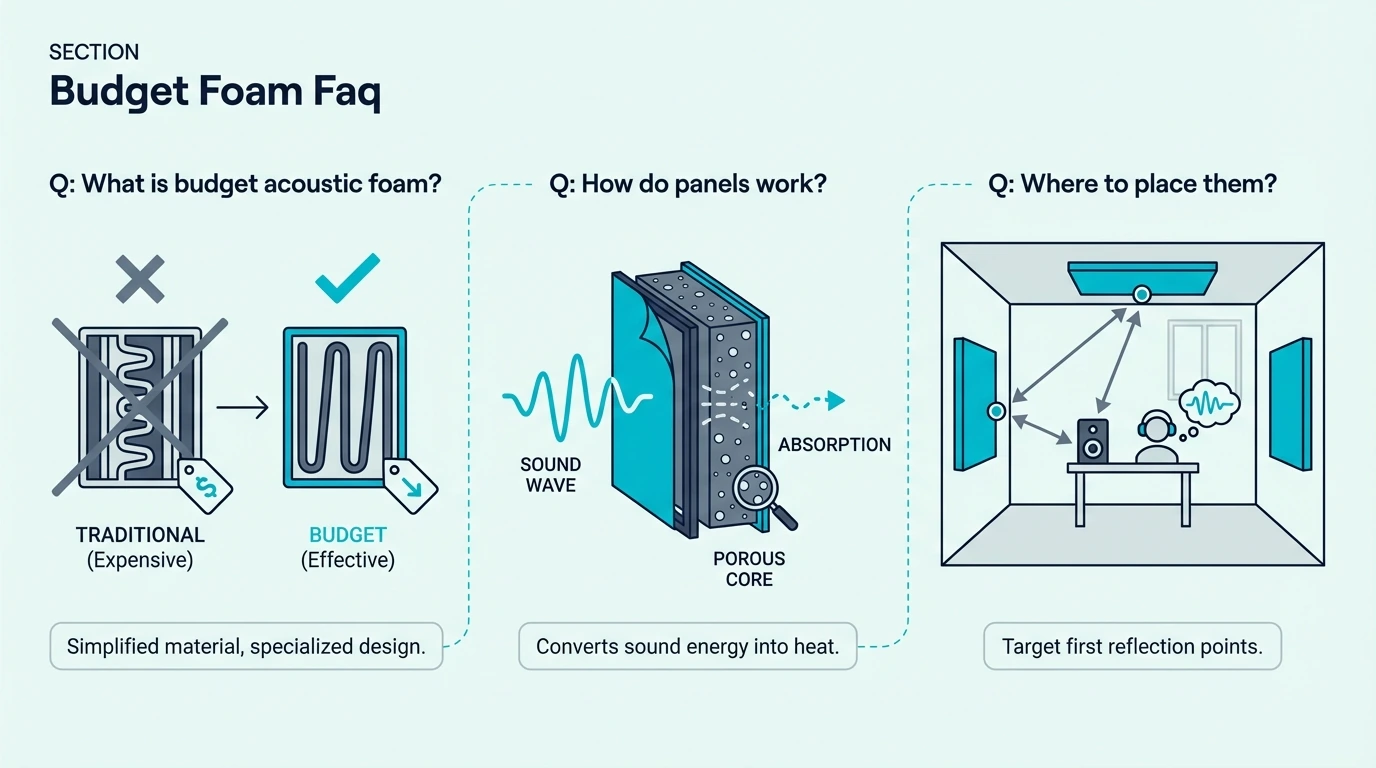
Add side wall treatment at first reflection points if echo persists. Use the mirror trick: sit in your position, have someone slide a mirror along the wall — wherever you see your speakers in the reflection, place foam.
Medium Room: Coverage Guide
Rooms from 100-200 square feet need 40-60 panels for proper treatment. The JBER 48 Pack or 52 Pack Panels handles this in one order.
Distribute treatment across multiple walls rather than concentrating on one. The goal is balanced absorption — covering 100% of one wall while leaving three bare creates uneven acoustics.
Corner treatment becomes more important in larger spaces. Add JBER Corner Blocks to address the bass buildup that flat panels miss.
Cost Calculator by Room Size
Here’s what budget treatment actually costs:
Small room (20-30 panels): $25-40 using the JBER 12 Pack or small orders.
Medium room (40-60 panels): $35-55 using the 52 Pack Panels.
Large room (80+ panels): $65-100 using the 96 Pack Bulk Panels.
For exact panel counts, the best acoustic foam shape guide includes sizing tips by room type.
The Bottom Line: Best Budget Pick
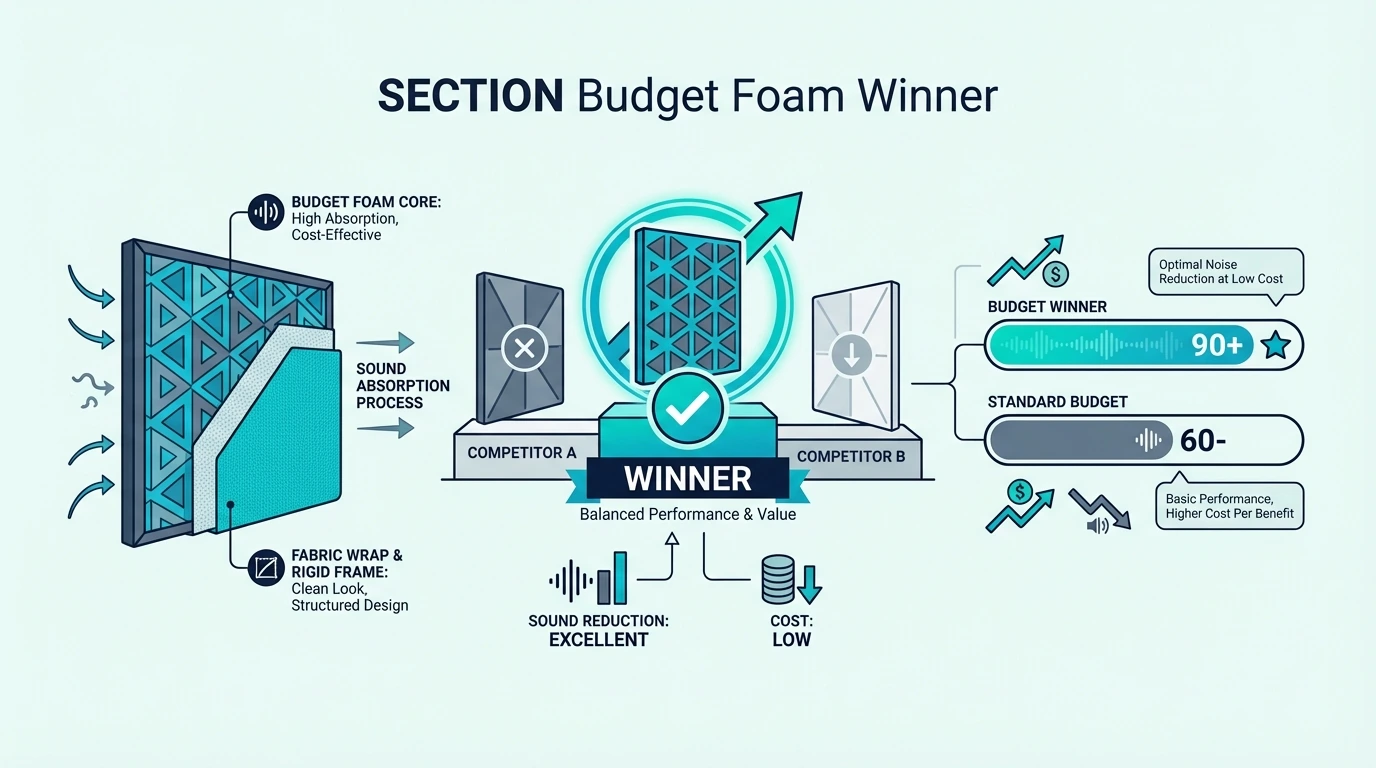
For most home studios and podcast setups, the 52 Pack High Density Panels delivers the best overall value — more coverage per dollar than anything else, with foam quality that actually works.
For tighter budgets, start with the JBER 12 Pack. Under $15 gets you enough panels to hear immediate improvement — then expand based on what your ears tell you.
If 2-inch thickness matters for your recordings, the 24 Pack Pyramid Panels hits the sweet spot between performance and price.
For complete room treatment, the acoustic foam hub covers placement tips and installation methods. The best acoustic foam panels guide ranks options across all price tiers.
Frequently Asked Questions
Is Cheap Acoustic Foam Safe?
Quality budget foam from established Amazon sellers is safe for indoor use. The polyurethane material is the same used in furniture and mattress foam.
Look for foam labeled as fire-retardant for added peace of mind. Most reputable budget options include this treatment as standard.
Avoid suspiciously cheap foam from unknown sellers — poor manufacturing can include harmful chemicals or inadequate fire retardant.
Does Budget Foam Actually Work?
Yes, for echo reduction and voice recording improvement. Budget foam won’t match professional panel performance, but it noticeably improves room acoustics compared to bare walls.
The thousands of positive reviews on products like the JBER 48 Pack aren’t lying — people hear real differences in their recordings.
What budget foam won’t do: soundproof a room (nothing will), absorb bass frequencies effectively, or match the precision of professional studio treatment.
How Long Does Cheap Foam Last?
Expect 3-5 years of useful life from budget foam before visible degradation. The foam won’t suddenly stop working, but it will compress and lose absorption capacity gradually.
High-density foam like the 50 Pack High Density lasts longer because the denser material resists compression better.
UV exposure accelerates degradation. Keep foam out of direct sunlight to maximize lifespan.
What’s the Best Place to Buy Budget Foam?
Amazon dominates budget acoustic foam for good reason: competitive pricing, easy returns, and verified reviews from thousands of buyers.
The products on this list are all Amazon-available with Prime shipping. Returns are easy if foam arrives damaged or doesn’t meet expectations.
Avoid boutique audio retailers for budget foam — they typically markup the same products available on Amazon for less.