How To Use Fiberglass Insulation As Acoustic Treatment (The Complete DIY Guide)
How to use fiberglass insulation as acoustic treatment is one of the most practical questions in home studio building, but most builders grab the wrong product — the fluffy pink batts from the hardware store — and end up with panels that barely touch the low-mid frequencies where room problems actually live.
Those room problems are reflections bouncing off untreated walls and arriving at your microphone milliseconds after the direct sound. The result is muddy, boxy recordings that no amount of EQ can fully fix.
Rigid fiberglass boards like Owens Corning 703 absorb effectively from 250 Hz through the entire audible range, turning a reflective room into a clean recording and mixing environment at a fraction of what pre-built panels cost.
Below you will find which fiberglass products work, how to build panels step by step, and how fiberglass compares to Rockwool and foam. Start with 2-inch rigid boards at 3 lb per cubic foot density — that single specification gets you broadband absorption across the full vocal and instrument range.
Rigid fiberglass boards (OC 703 at 3 lb per cubic foot) are the most effective and cost-efficient material for DIY acoustic panels. Build 1×4 lumber frames, cut the fiberglass to fit, wrap in acoustically transparent fabric, and mount with a 2-4 in air gap. A full room treatment using DIY fiberglass panels costs 300-600 dollars compared to 1,000-2,000 dollars for equivalent pre-built panels.
Which Fiberglass Products Work For Acoustic Treatment?
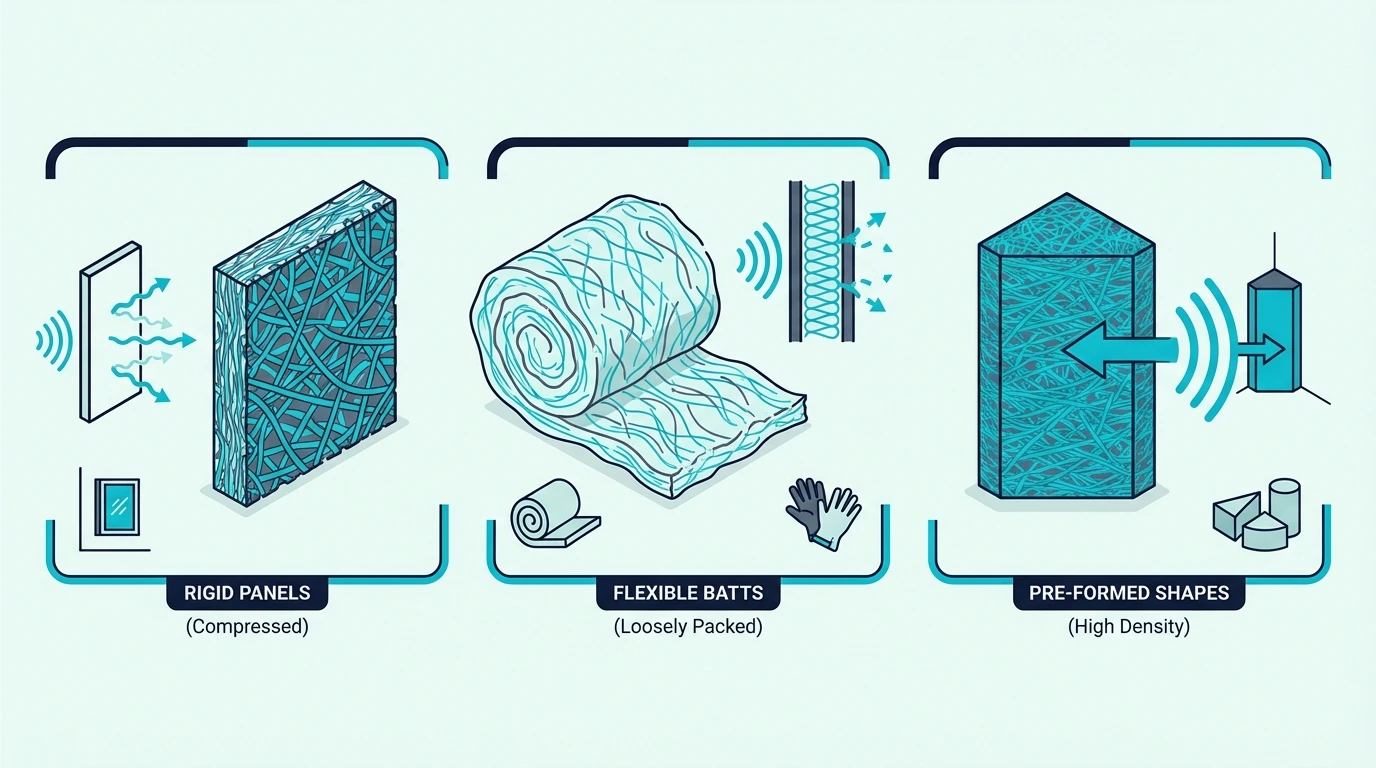
Not all fiberglass insulation performs the same acoustically. The two main categories — rigid boards and batt insulation — differ in density, handling, and absorption performance.
Rigid Fiberglass Boards (OC 703 And 705)
Owens Corning 703 is the benchmark product for DIY acoustic panels. It has a density of 3 lb per cubic foot, which provides an NRC (Noise Reduction Coefficient) of 1.0 at 2 inches thick — meaning it absorbs virtually all sound energy that hits it across the mid and high frequency range.
OC 705 is the denser variant at 6 lb per cubic foot. It absorbs lower frequencies more effectively per inch of thickness, making it the better choice for bass traps where you need maximum low-frequency absorption in a compact form factor.
The Owens Corning 703 6-pack provides enough material for six standard 2 x 4 foot panels. The semi-rigid boards hold their shape without a frame, though framing them produces a cleaner finished product.
Fiberglass Batt Insulation
Standard R-13 or R-19 fiberglass batts from hardware stores (the fluffy pink rolls) also absorb sound. They are far cheaper than rigid boards — typically 0.50-1.00 dollars per square foot versus 2-3 dollars for rigid boards.
The tradeoff is density. Batt insulation runs roughly 0.5-1.0 lb per cubic foot, which means it absorbs less effectively in the low-mid range (200-500 Hz) where room problems are most severe.
Batts also require a frame to hold their shape. Without rigid structure, they sag and compress over time, reducing their effective thickness and absorption performance.
For builders on a tight budget, R-19 batts in a 2×4 frame produce panels that outperform any foam product on the market. They are not as effective as OC 703 panels of the same thickness, but they cost much less.
The cost comparison guide breaks down the full price-per-panel math for both options.
How To Build Fiberglass Acoustic Panels
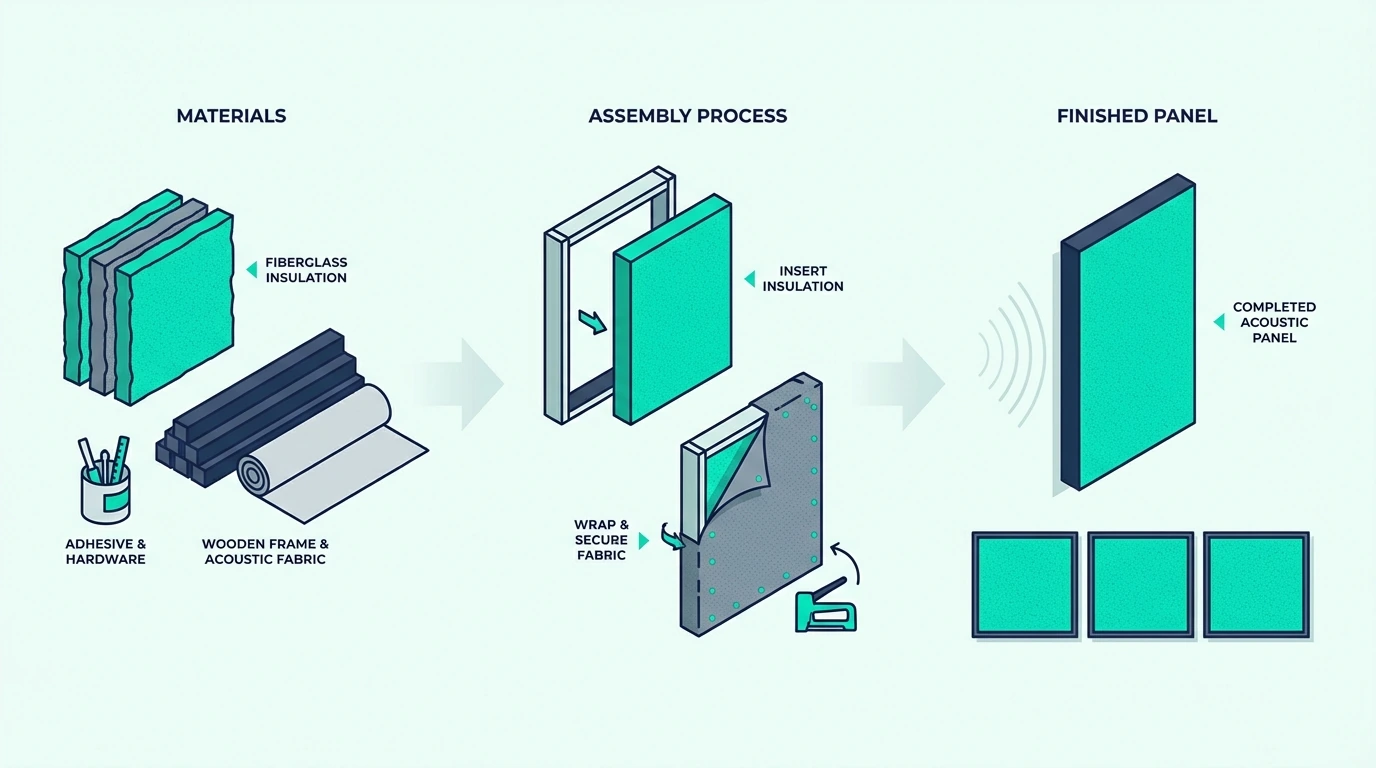
Building your own fiberglass acoustic panels is straightforward if you have basic tools and follow a consistent process. Each panel takes 30-45 minutes once you have a system.
Building The Frame
For 2-inch panels, use 1×4 lumber (which is actually 0.75 x 3.5 inches). For thicker panels or bass traps, use 2×4 lumber.
Cut four pieces to create a rectangular frame. Standard panel sizes are 24 x 48 inches or 24 x 24 inches.
Screw or staple the corners together — the frame does not need to be furniture-grade, just square and rigid.
If you are using rigid fiberglass boards, the frame is optional. The boards hold their shape on their own and can be wrapped without a frame.
Framed panels look more professional and are easier to mount.
Cutting And Fitting The Fiberglass
Score rigid fiberglass boards with a utility knife and snap them along the score line. For batt insulation, use a long serrated knife (a bread knife works) and cut slightly oversize so the batt fits snugly in the frame.
The fiberglass should fill the frame completely without gaps at the edges. Gaps allow sound to pass through untreated, creating an acoustic leak that reduces the panel’s effectiveness.
Wrapping In Fabric
Wrap the panel in acoustically transparent fabric — any fabric you can breathe through easily works. Burlap, muslin, and purpose-made speaker cloth are common choices.
Lay the fabric face-down, place the panel on top, pull the fabric taut over the back, and staple it to the frame. Work from the center of each side outward, alternating sides to keep the tension even.
The fabric serves two purposes: it contains the fiberglass fibers (important for health and air quality) and it gives the panel a finished appearance. Never leave fiberglass exposed — the loose fibers irritate skin, eyes, and lungs.
Handling Fiberglass Safely
Fiberglass releases tiny glass fibers when cut or handled. These fibers cause skin irritation on contact and can irritate the lungs if inhaled.
Wear long sleeves, gloves, safety glasses, and a dust mask (N95 or better) whenever you cut or handle fiberglass. Work in a well-ventilated area or outdoors if possible.
After handling, wash your clothes separately and shower immediately. The irritation is temporary and stops once the fibers are removed from skin contact.
Once the fiberglass is wrapped in fabric and sealed, the fibers cannot escape. Finished panels are completely safe to hang in any room, including bedrooms and home studios where you spend extended time. SoundAssured acoustical fabric is a budget-friendly wrapping option that lets sound pass through to the fiberglass core while keeping fibers fully sealed.
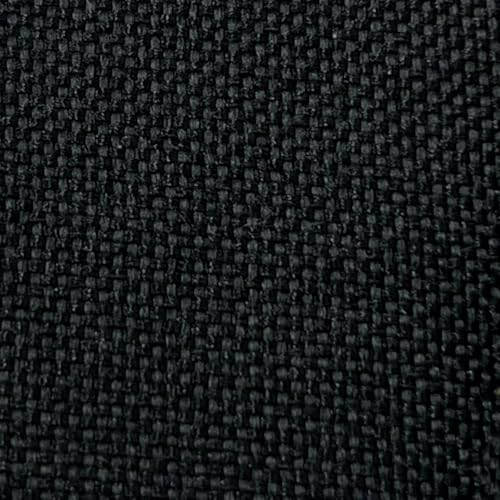
SoundAssured acoustical fabric
Mounting With An Air Gap
Mount panels with a 2-4 inch air gap between the panel and the wall. The air gap dramatically extends the panel’s low-frequency absorption — a 2-inch panel with a 2-inch air gap absorbs as effectively at low frequencies as a 4-inch panel mounted flat.
Use French cleats, Z-clips, or simple L-brackets with standoff spacers to create the gap. For concrete or brick walls, use masonry anchors with standoff brackets.
The air gap is the single most important mounting detail. Panels mounted flat against the wall waste a significant portion of their absorption potential in the frequency range where most rooms need the most help.
Get Studio Tips Weekly
Join 5,000+ creators getting acoustic treatment advice every week.
No spam. Unsubscribe anytime.Fiberglass vs Rockwool vs Foam
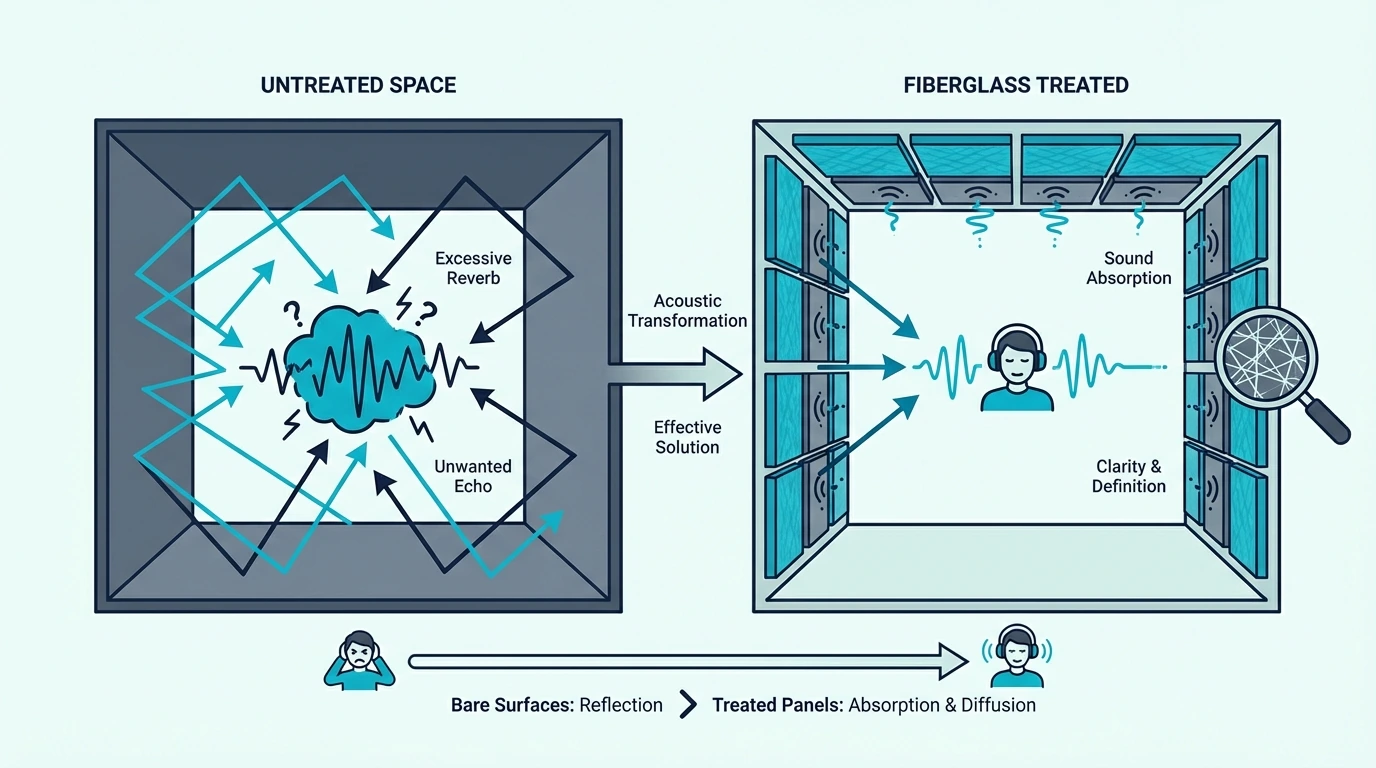
Three materials dominate the DIY acoustic treatment market. Each has strengths, and the right choice depends on your budget, priorities, and willingness to build.
Fiberglass (OC 703, Batts)
Fiberglass offers the highest absorption per inch of any common treatment material. A 2-inch panel of OC 703 achieves NRC 1.0 — effectively perfect broadband absorption.
The downsides are handling difficulty (requires protective gear) and cost for rigid boards. Fiberglass is the professional’s choice when acoustic performance is the top priority.
Rockwool (Safe’n’Sound, ComfortBoard)
Rockwool is a mineral wool product that performs nearly as well as fiberglass. Rockwool Safe’n’Sound is widely available at hardware stores and costs less per square foot than OC 703.
Rockwool is denser than fiberglass batts (though less dense than OC 703 rigid boards), easier to cut cleanly, and less irritating to handle. For most home studio builders, Rockwool is the practical choice that delivers 90-95% of the performance at a lower cost.
Acoustic Foam
Foam panels are the easiest to install — peel-and-stick adhesive, no frame, no wrapping. But they are the least effective material by a wide margin.
Standard 2-inch foam absorbs primarily above 1,000 Hz. It does almost nothing in the 200-500 Hz range where most room problems live.
Foam is adequate for taming high-frequency flutter echoes but cannot replace fiberglass or Rockwool for serious acoustic treatment.
The common myths about cheap materials explains why low-density materials consistently underperform in real-world acoustic measurement.
Which Should You Choose?
For the best acoustic performance: fiberglass rigid boards (OC 703 for panels, OC 705 for bass traps). For the best value: Rockwool Safe’n’Sound in a 2×4 frame.
For the easiest install with limited effectiveness: foam.
If you want fiberglass performance without the DIY build process, pre-built fiberglass panels like the UMIACOUSTICS fiberglass panels arrive ready to hang with included mounting brackets. They use the same fiberglass core as DIY panels and skip the construction step entirely.
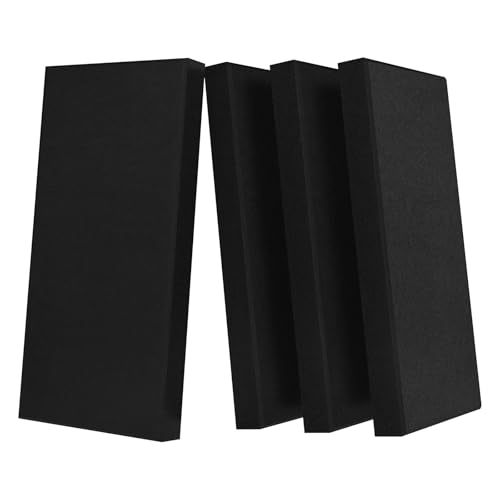
UMIACOUSTICS fiberglass panels
For builders on a tighter budget who still want fiberglass absorption, the Olanglab 1-inch fiberglass panels offer a lower entry price. The 1-inch thickness absorbs effectively above 500 Hz but is less useful for low-mid control — mount them with a 2-3 inch air gap to extend their effective range downward.
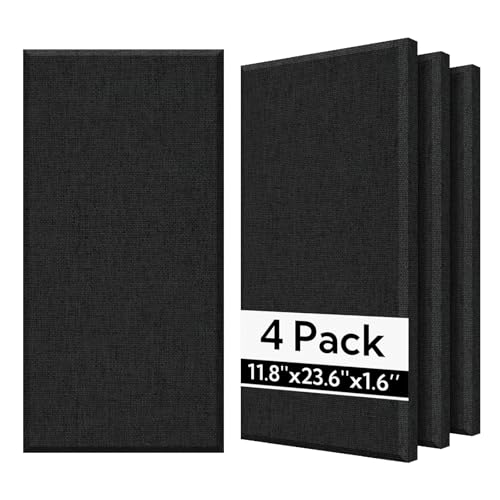
Olanglab 1-inch fiberglass panels
The Bottom Line
Fiberglass insulation — especially rigid boards like OC 703 — is the most effective material available for DIY acoustic treatment. It absorbs more sound per inch than any alternative, and building your own panels from raw fiberglass boards costs 60-70% less than buying equivalent pre-built panels.
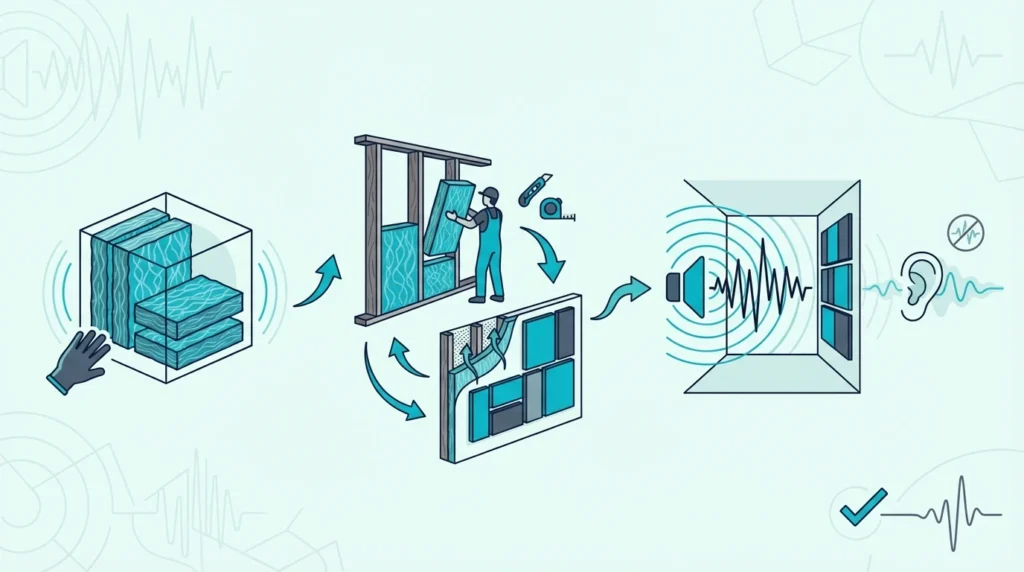
The build process is simple: frame, fiberglass, fabric wrap, mount with an air gap. Handle the raw fiberglass with protective gear, wrap it completely in fabric, and the finished panels are safe for any room.
The full guide to acoustic treatment covers where to place your panels for maximum impact. The DIY treatment guide walks through panel placement priorities.
For complete room treatment kits that include panels and bass traps, the kit comparison covers pre-built options at every budget.
Frequently Asked Questions
Is fiberglass insulation good for acoustic treatment?
Yes — rigid fiberglass (OC 703 at 3 lb per cubic foot) is one of the best acoustic treatment materials available. A 2-inch panel achieves NRC 1.0, meaning it absorbs virtually all sound energy across the mid and high frequency range.
Standard fiberglass batt insulation from hardware stores also works but is less dense and less effective per inch. Both types significantly outperform acoustic foam for small room treatment.
Is fiberglass better than rockwool for acoustics?
Fiberglass rigid boards (OC 703) have a slight edge in absorption per inch over equivalent Rockwool products. The difference is small — roughly 5-10% in most frequency ranges.
Rockwool is cheaper, more widely available at hardware stores, and easier to handle. For most home studio builders, either material produces excellent results.
Is fiberglass safe for acoustic panels?
Yes — once the fiberglass is wrapped in fabric, the glass fibers cannot escape. Finished panels are completely safe for any room including bedrooms and studios.
During construction, wear gloves, long sleeves, eye protection, and a dust mask. The raw fibers irritate skin and lungs on contact.
Once wrapped and sealed, the panels pose no health risk.
Can I use regular insulation for soundproofing?
Fiberglass insulation is acoustic treatment, not soundproofing. Treatment absorbs sound energy inside the room (reducing reflections, echo, and reverb).
Soundproofing prevents sound from passing through walls and ceilings.
Fiberglass panels on your walls will make your recordings and mixes sound dramatically better. They will not meaningfully reduce how much sound your neighbors hear. The home theater treatment guide explains the distinction in a practical context.