Do Record Players Need Speakers? Built-In vs External Options
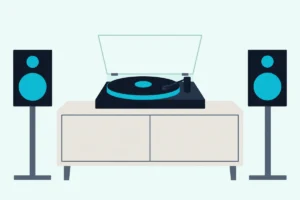
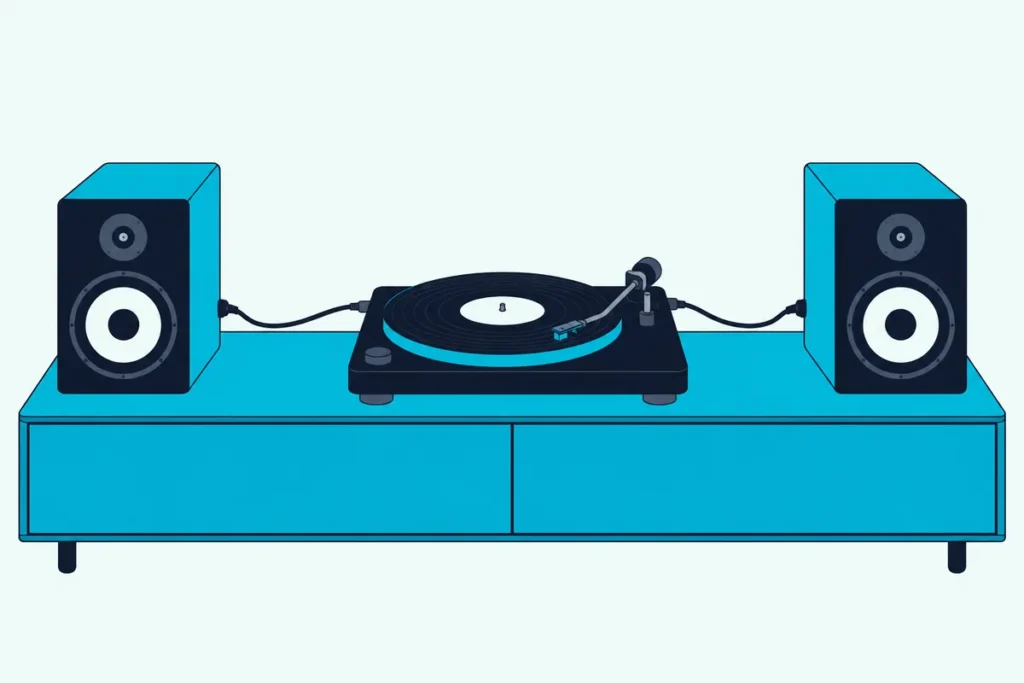
Most record players need external speakers or an audio system, because they don’t have speakers built in.
Vinyl’s making a comeback, baby, and with it comes a classic beginner question: do record players need speakers? But diving into the world of record players can be as confusing as trying to untangle a pair of earbuds that’s been in your pocket all day.
One question that keeps popping up, especially for newbies, is whether record players need speakers. It’s a fair question – how are you supposed to hear those sweet, sweet tunes if there’s no sound coming out, right?
Do Record Players Need Speakers? What to Know
Most record players don’t have built-in speakers and require external speakers or an audio system to produce sound.
However, some all-in-one turntables come with integrated speakers. The quality and volume of built-in speakers are usually limited, so many vinyl enthusiasts prefer separate speakers for better sound quality.
Types of Record Players and Their Speaker Setups
First up, we’ve got all-in-one record players with built-in speakers. These babies are like the Swiss Army knives of the vinyl world.
They’re super convenient, especially if you’re just starting out or don’t have much space.
But here’s the thing – while they’re great for beginners, the sound quality can be a bit… meh. It’s like listening to your favorite song through a tin can sometimes.
Next, we’ve got traditional turntables without built-in speakers. These are the ones you’ll see in those fancy hi-fi setups that make you drool.
They don’t have speakers, but man, the sound quality can be out of this world! Of course, that means you’ll need to connect them to external speakers or an audio system.
Lastly, we’ve got USB turntables. These are pretty cool because they let you convert your vinyl to digital files. It’s like a time machine for your music!
So there you have it – the three main types of record players. Each has its pros and cons.
But that’s half the fun of getting into vinyl, right? The journey of figuring out what works best for you!
Components Needed for a Complete Turntable System
Okay, folks, let’s talk about the components you need for a kickass turntable system.
First up, obviously, you need a turntable. That’s the thing that actually spins your records. Seems simple enough, right?
If you buy secondhand, make sure your turntable is complete!
Next, you’re gonna need a phono preamp. This little gadget is super important because it boosts the signal from your turntable to a level that your amplifier can work with.
Some turntables have these built-in, but if yours doesn’t, you’ll need a separate one.
Then there’s the amplifier or receiver. This bad boy takes the signal from your phono preamp and makes it powerful enough to drive your speakers.
Of course, you can’t forget the speakers. These are what actually produce the sound you hear. You’ve got a ton of options here, from small bookshelf speakers to massive floor-standers.
You’ll also need cables and connections to hook everything together.
So there you have it – the basic components of a turntable system.
Pros and Cons of Built-in Speakers vs. External Speakers
Alright, let’s get into the nitty-gritty of built-in speakers versus external speakers. This is a debate that’s been raging in the vinyl community for years.
Let’s start with the all-in-one systems that have built-in speakers. The big advantage here is convenience. Everything’s in one package – you just plug it in and you’re ready to rock.
These systems also take up less space. If you’re living in a shoebox apartment, this can be a real lifesaver. Plus, they’re super portable.
But here’s the rub – the sound quality on these built-in speakers often leaves a lot to be desired. It’s like trying to get a gourmet meal from a vending machine. Sure, it’ll do in a pinch, but it’s not gonna blow your mind.
Now, let’s talk about separate speakers. The biggest advantage here is sound quality.
External speakers also give you way more flexibility. You can upgrade your speakers without changing your whole system, experiment with different placements, and really customize your sound. It’s like being the conductor of your own orchestra!
But of course, there are downsides. Separate speakers take up more space, and setting everything up can be a bit of a hassle.
And let’s not forget about all the extra cables. If you’re not careful, your listening area can start to look like a spaghetti factory exploded in there.
In terms of sound quality comparisons, it’s usually no contest. External speakers almost always sound better. But that doesn’t mean built-in speakers don’t have their place. It all depends on your needs and your space.
Whether you’re rocking built-in speakers or a fancy external setup, the most important thing is that you’re enjoying your music. That’s what it’s all about, right?
How to Choose the Right Speakers for Your Record Player
Alright, folks, let’s talk about choosing speakers for your record player. This can be a real head-scratcher.
First up, you’ve gotta decide between active and passive speakers. Active speakers have built-in amplifiers, while passive speakers need a separate amp. Active speakers mean no fiddling with a separate amp.
Next, you need to think about size and power. It’s tempting to go for the biggest, baddest speakers you can find. But bigger isn’t always better.
You need to consider the size of your space and how loud you actually need your music to be. For most people, a good pair of bookshelf speakers will do the trick. They’re compact, they sound great, and they won’t get you evicted from your apartment.
Compatibility is another big factor. Make sure your speakers will play nice with your turntable and other components.
But here’s the thing – what sounds good to one person might not sound good to you. Everyone’s ears are different. So if you can, try to listen to speakers before you buy them. Most hi-fi shops will let you demo speakers, and some online retailers have good return policies.
Experiment, too: half the fun of this hobby is trying different setups and seeing what works best for you.
Remember, the best speakers are the ones that make your records sound good to you, whether that’s a pair of vintage bookshelf speakers or the latest high-tech active monitors.
Setting Up Your Record Player with External Speakers
Okay, folks, let’s roll up our sleeves and talk about setting up your record player with external speakers.
Step 1: Position your turntable. Find a stable, level surface away from any sources of vibration.
Step 2: Connect your turntable to the phono preamp. If your turntable doesn’t have a built-in preamp, you’ll need to connect it to an external one. Just use a pair of RCA cables – red to red, white to white.
Step 3: Connect the phono preamp to your amplifier. Again, use RCA cables. Connect the output of the preamp to an input on your amp – usually labeled ‘AUX’ or ‘LINE’.
Step 4: Connect your amplifier to your speakers. Use speaker wire for this. Make sure you connect the positive terminal (usually red) to positive, and negative (usually black) to negative.
Step 5: Plug everything in and power it up. Double-check all your connections before you flip the switch!
Now, let’s talk troubleshooting. If you’re not getting any sound, check your connections and make sure everything’s powered on. If you hear a hum, your turntable might need to be grounded. There’s usually a little screw on the back for this.
If your sound is distorted, check your tracking force and anti-skate settings. And if one channel is quieter than the other, you might have a loose connection somewhere.
As for tips for optimal sound quality – experiment with speaker placement! Moving them a few inches at a time can help you find the sweet spot.
Also, make sure your turntable is properly leveled. A small bubble level can be a vinyl lover’s best friend. And don’t forget to keep your records and stylus clean – dust is the enemy of good sound!
Remember, setting up a system is as much an art as it is a science. Experiment and trust your ears. After all, you’re the one who’s going to be listening to it!
Alternatives to Traditional Speakers for Record Players
Alright, vinyl enthusiasts, let’s shake things up a bit and talk about some alternatives to traditional speakers for your record player. Because sometimes, you gotta think outside the box!
First up, let’s chat about headphones. They might seem an odd match for vinyl, but a good pair of cans can be a whole new way of experiencing your records.
Plus, headphones are great for those late-night listening sessions when you don’t want to wake up your roommates or neighbors.
Next up: Bluetooth adapters for wireless audio. Isn’t the whole point of vinyl to get away from digital tech? Maybe, but the convenience is hard to argue with when you can stream your turntable to wireless speakers all over the house.
Just keep in mind that you might lose a tiny bit of audio quality with Bluetooth. But for casual listening or background music while you’re doing chores, it’s hard to beat.
Finally, let’s talk about soundbars and home theater systems. Now, this might sound a bit sacrilegious to the vinyl purists out there, but a soundbar or home theater system can play your records once the signal reaches line level.
If your speakers are a soundbar under the TV, the guide on how to connect a turntable to a soundbar shows which bars take a record player through AUX, optical or Bluetooth, model by model.
It’s not for everyone, and it might not give you that pin-point stereo imaging that hardcore audiophiles crave. But if you want to feel like you’re at a concert every time you drop the needle, it’s worth a shot!
One word of caution though – make sure your home theater system has an analog input.
The beauty of all these alternatives is that they let you enjoy your vinyl in different ways and different contexts. Maybe you use traditional speakers for your serious listening sessions, headphones for late-night spins, and Bluetooth for when you’re puttering around the house.
Remember, there’s no one “right” way to listen to your records. It’s all about what works for you and your lifestyle. So experiment! Who knows? You might just discover a whole new way to fall in love with your vinyl collection all over again.
Conclusion
Choosing the right speaker setup for your record player is a personal journey. What works for one person might not work for you. The most important thing is that you’re enjoying your music.
Experimentation is key. Try different setups, different speakers, even different rooms in your house. Each change can bring out new aspects of your favorite records.
Remember to consider things like your living space and your listening habits when choosing your setup. And always, always trust your ears: if it sounds good to you, that’s what matters most.
Oh, and don’t forget about safety and ethical considerations. Always follow manufacturer instructions when setting up your equipment, and be mindful of your neighbors when cranking up the volume!
Remember, every record collection tells a story, and every listening setup is part of that story. So go forth, spin those records, and create your own audio adventure. Happy listening, vinyl lovers!