How To Make A Soundproof Booth (DIY Booths, Privacy Pods, And When To Buy Instead)
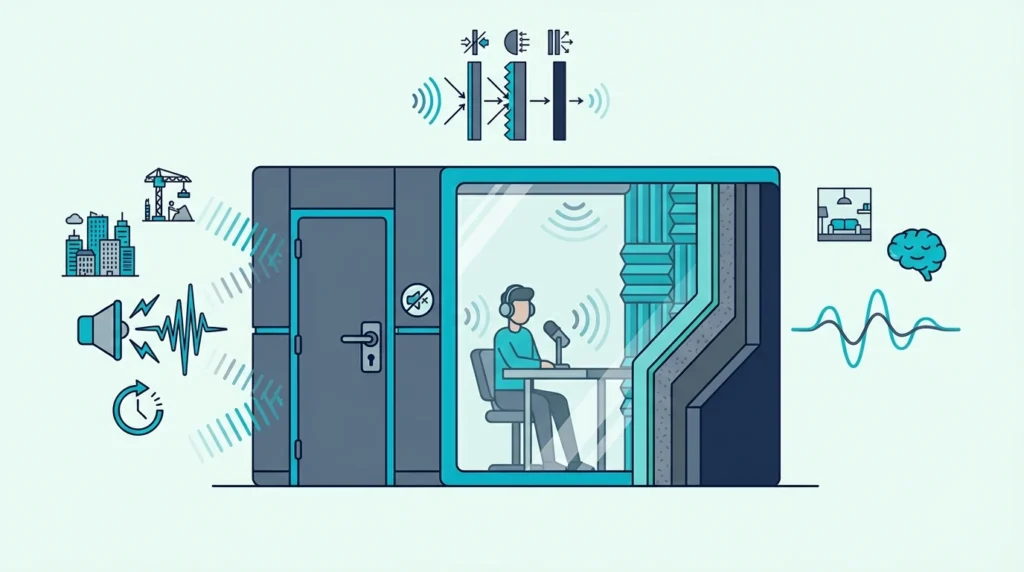
How to make a soundproof booth can work, but only if you first separate three very different ideas. Below, you’ll see how a DIY recording booth, a heavier isolation booth, and a modern office phone booth or privacy pod solve very different problems.
That confusion is why people build a cramped blanket box when they really need private calls, or buy a sleek booth expecting it to stop bass, traffic, or a noisy room outside.
The good news is that you can get a much better result when you match the booth to the job. A privacy pod can reduce distractions and speech spill for calls, a blanket or closet booth can improve vocals, and a framed booth can reduce more leakage when it is built like a real shell.
Below, you’ll see which booth type fits which problem, when buying a phone booth is smarter than building, which materials actually matter, and when you should soundproof the room instead.
The best soundproof booth choice depends on whether you are trying to protect calls, improve recordings, or contain louder sound. If you mainly need a private place for calls or meetings, a modern office booth or privacy pod is often smarter than a DIY build; if you mainly need better mic sound, a blanket or closet booth may be enough; if you need real isolation in or out of the booth, you need mass, sealing, a better door, and planned ventilation.
| If your booth situation is… | Best first move | Usually enough when… | Escalate when… |
|---|---|---|---|
| Open office calls, Zooms, or private conversations | Buy a privacy pod or office phone booth | You need calmer speech privacy and focus, not full studio isolation | Hallway noise, structure noise, or confidentiality demands are still too high |
| Home office with no spare room for calls | Compare a small privacy booth against fixing the room first | The main problem is moderate distractions and speech privacy | Street noise, kids, or a weak window and door are still dominating |
| Voiceover, podcasting, or streaming in a fairly quiet room | Start with a light booth or room treatment | Reflections are the main problem | Outside noise or sound leakage matter more than tone |
| Closet booth for singing or content creation | Upgrade the closet only if the door and gaps can be controlled | You need a better vocal environment more than deep isolation | The booth is still leaking badly or sounding boxy and hot |
| Loud practice, amps, or serious sound containment | Skip the tiny booth mindset and think shell first | Rarely enough with light materials | You actually need room-level soundproofing or a room-within-a-room |
| Renter-safe portable setup | Use a blanket booth only for lighter-duty recording | Portability and low cost matter most | You expect it to stop major sound transfer |
Choose The Booth Type Before You Buy Anything
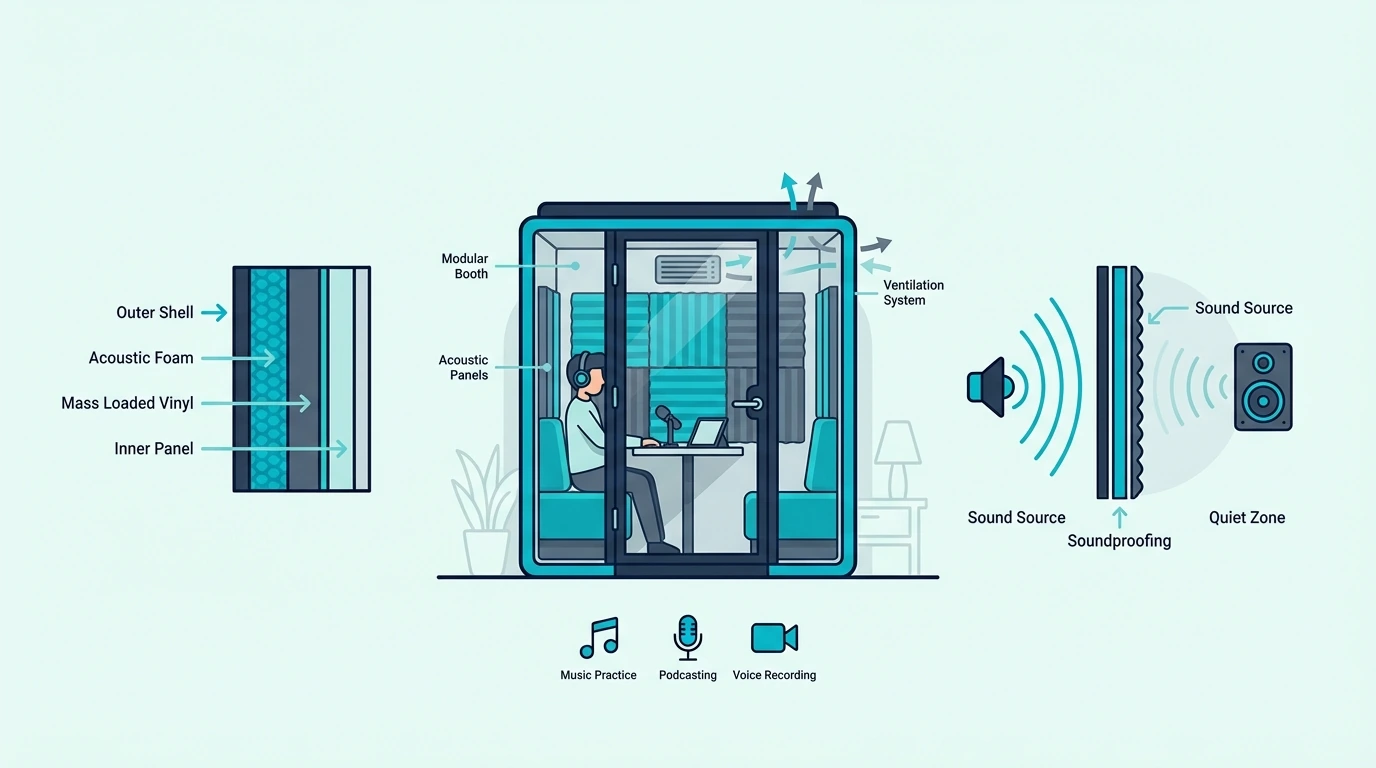
The first decision is not what material to buy.
It is whether you need a booth for speech privacy, recording quality, or actual isolation.
Privacy Pods Fit Calls Better Than DIY Builds
If the job is private calls, video meetings, telehealth sessions, focused work, or short one-person conversations, a prefabricated phone booth or privacy pod is often the cleaner answer. That is especially true in open offices, coworking spaces, and home offices where you need a room-like pocket without remodeling the whole space.
This is the part older booth articles often miss. Modern soundproof booths now include sleek office pods and meeting booths that are designed more for speech privacy and usability than for full music-studio isolation.
Recording Booths Solve A Different Problem
If you are recording vocals, podcasting, streaming, or doing voiceover, the main problem may be reflections around the mic rather than major sound transfer through the building. In that case, a booth can help even if it behaves more like controlled acoustic treatment than a true isolated room.
This topic overlaps with how to soundproof a room and how to soundproof a room for music. Sometimes the better move is improving the room around the mic instead of squeezing yourself into a tiny box.
Some Noise Problems Are Bigger Than Any Booth
A booth is the wrong project when the real problem is a noisy house, a weak window, loud neighbors, bass transfer, or a whole room that leaks badly. A small enclosure will not reliably beat a bad shell outside it.
If that sounds like your problem, start with the room path first using soundproofing an apartment or soundproofing a wall before you assume a booth will rescue everything.
Office Booths Are Privacy Tools, Not Magic Shells
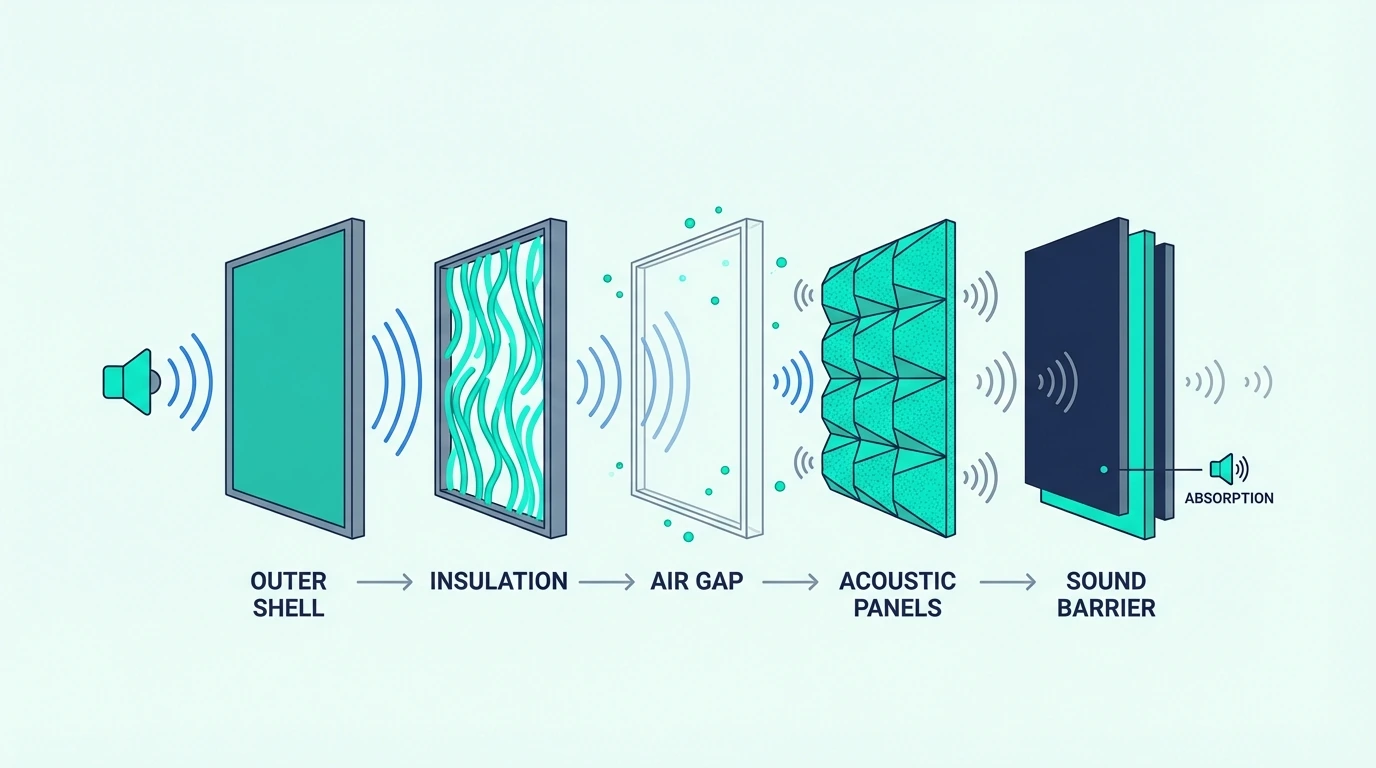
Office phone booths are real products now, but “soundproof” still needs translation. Most are better understood as privacy booths or acoustic pods, not magic isolation chambers.
Modern Pods Handle The Practical Problems Well
They create a more controlled speech environment for calls, one-person work, and short meetings. They also solve practical problems that DIY booths often miss, like ventilation, lighting, power, and a predictable door seal.
That makes them a strong fit when you want a person-focused enclosure more than a construction project. For calls and focused work, that can be a smarter solution than trying to retrofit a closet or build a hot little cube in the corner.
Their Limits Show Up When You Expect Full Isolation
Most privacy pods do not behave like a room-within-a-room build with heavy walls and extreme low-frequency control. They can reduce speech spill and distractions, but they are not the same thing as a studio shell designed to stop bass, structure-borne vibration, or a very noisy room outside.
Expectation-setting matters most here. A phone booth can be excellent for privacy and concentration while still falling short if you expect it to defeat traffic rumble, loud HVAC, or a badly leaking office around it.
Buying Wins When Usability Matters More Than Raw Shell Performance
Buy instead of build when speed, finish quality, portability, and predictable use matter more than custom shell performance. That usually means offices, leased spaces, home offices, and teams that need a booth for calls or meetings rather than loud music.
If that is your situation, compare the booth decision against how to soundproof an office. The right answer may be a privacy pod, a better room layout, or a few room-level upgrades instead of a DIY booth build.
Get Studio Tips Weekly
Join 5,000+ creators getting acoustic treatment advice every week.
No spam. Unsubscribe anytime.Light DIY Booths Only Work For Honest Goals
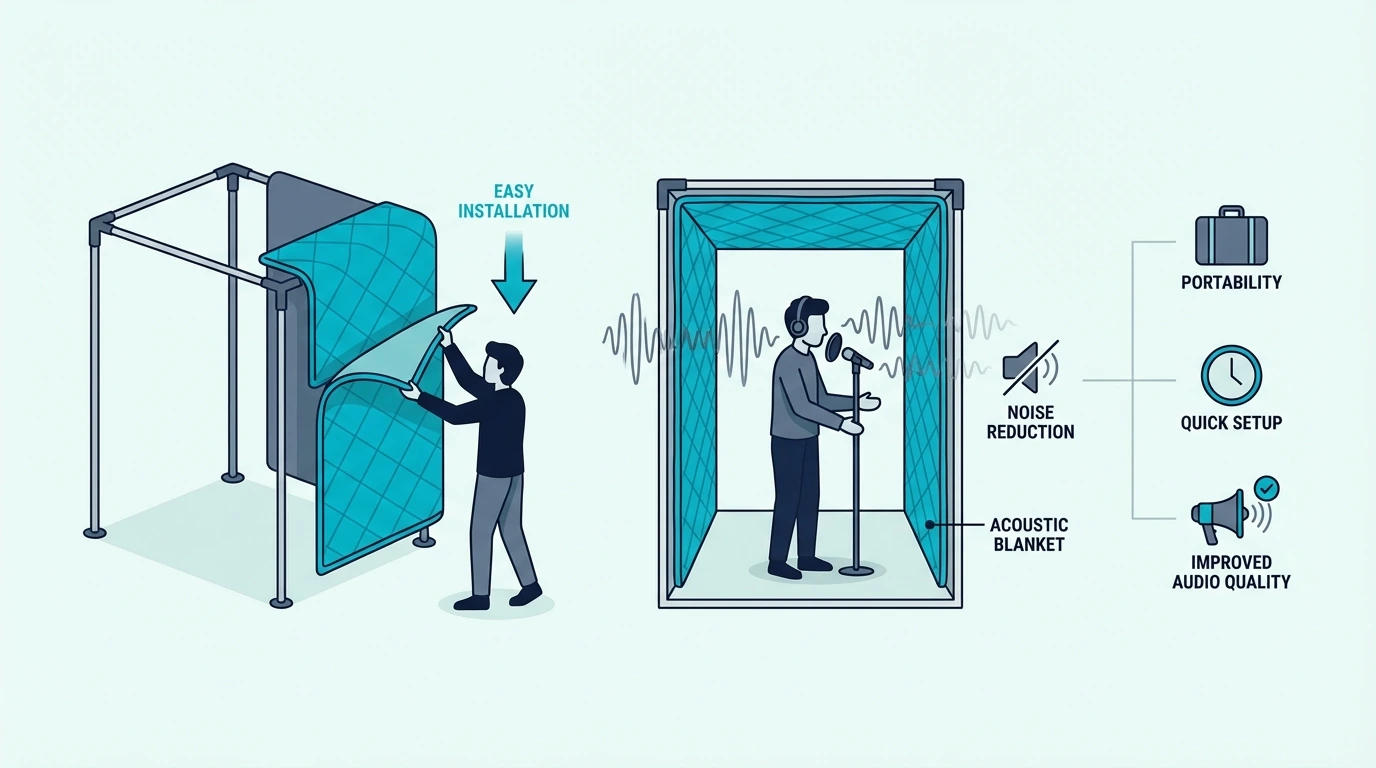
DIY booths still make sense, but only when the goal is honest. The lighter the build, the more it helps acoustics and convenience rather than true isolation.
Blanket Booths Help Reflection More Than Isolation
A blanket booth helps when you need a portable, low-cost enclosure that reduces reflections around a voice, narration mic, or light recording setup. It is useful when you want a drier sound and a little spill control without full construction.
A product like US Cargo Control Sound Dampening Blanket fits that use case well because it shows where a simple blanket enclosure earns its keep.
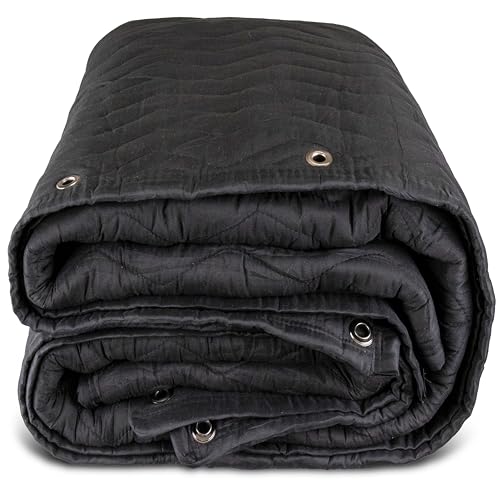
US Cargo Control Sound Dampening Blanket
Closet Booths Succeed On Weak-Link Control
A closet booth is worth upgrading when you already have a usable space and the weak points are manageable. The door, perimeter gaps, reflections, and ventilation usually matter more than hanging random foam everywhere.
Closet projects succeed or fail on the boring details. If the closet has a hollow door or obvious leakage, the booth will still disappoint until you fix those weak links.
Framed Booths Start Acting Like Tiny Rooms
Build a framed booth when you need more than treatment and portability. If sound escaping the booth or entering the booth actually matters, the project has to behave more like a real enclosure with mass, damping, seals, and airflow.
That is the point where lightweight blanket logic stops being enough. If you need stronger isolation than a closet or blanket booth can deliver, the build gets closer to a tiny room project than a cheap hack.
Real Booth Builds Depend On Shell Physics
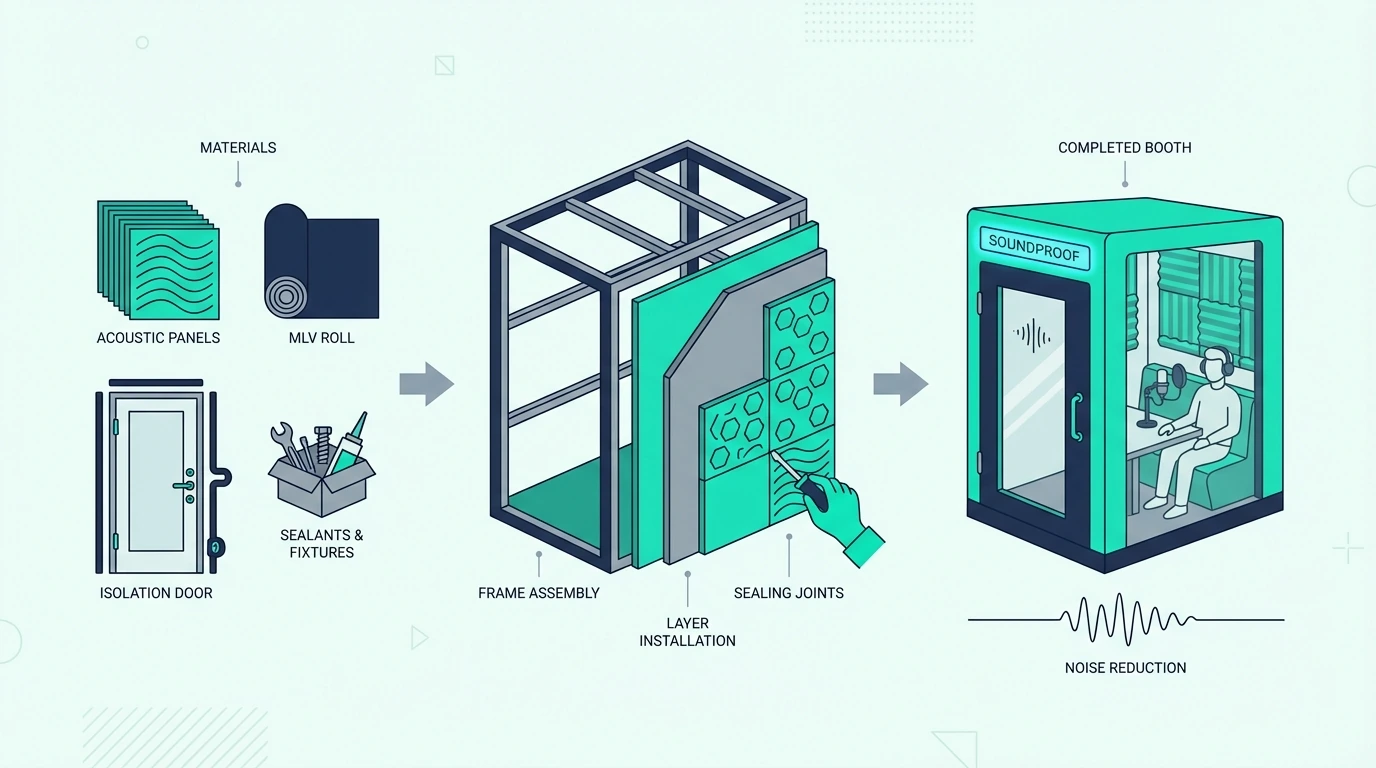
Once you commit to a real build, the priority order gets simpler. The shell, the door, the seals, and the airflow matter more than decorative treatment.
Mass, Damping, And Airtightness Do The Work
Mass, damping, and airtightness do the heavy lifting. A product like Soundsulate Next Generation 1 lb Mass Loaded Vinyl shows what a real mass layer looks like when the shell itself needs more weight.
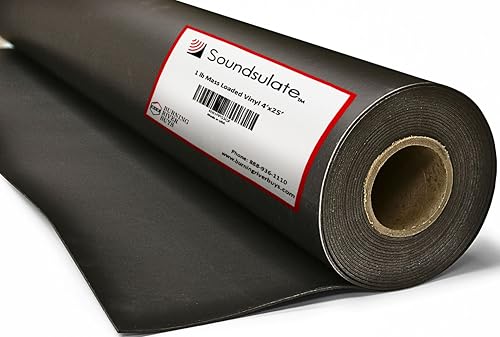
Soundsulate Next Generation 1 lb Mass Loaded Vinyl
If you are building double-layer walls, Green Glue Noiseproofing Compound makes sense because damping starts to matter once the booth acts like a layered wall assembly.
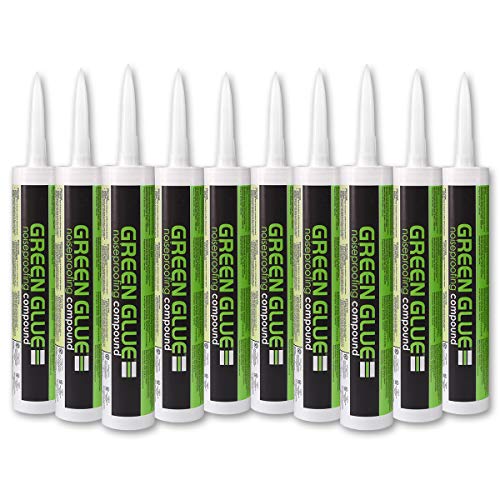
Green Glue Noiseproofing Compound
Interior Treatment Shapes Tone More Than Leakage
Interior absorption improves the sound inside the booth by reducing reflections, flutter, and harshness. It does not replace shell performance when the real problem is sound getting in or out.
Internal treatment should be treated separately from true soundproofing. Use guides like best soundproofing panels and best insulation for soundproofing with that distinction in mind.
Doors, Seals, And Airflow Decide Whether The Booth Works
The door usually decides whether a booth feels serious or flimsy. A weak door, sloppy overlap, or unplanned vent opening can erase much of the benefit of the heavier shell around it.
A product like 33 Ft Self-Adhesive Soundproofing Weather Stripping matters because isolation often fails at the seams before it fails at the wall panel.
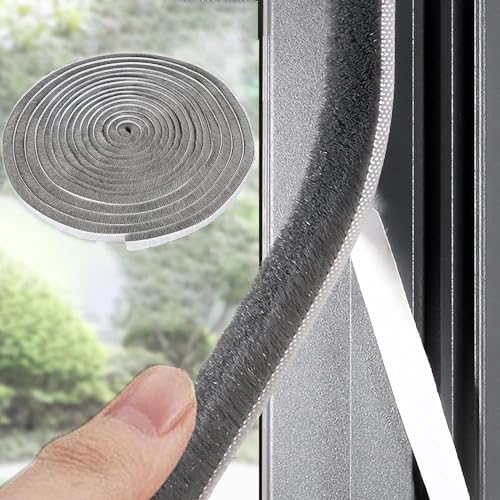
33 Ft Self-Adhesive Soundproofing Weather Stripping
That same weak-link logic is why soundproofing the door, soundproofing windows, and choosing the right soundproofing material stay relevant even in a booth project.
Build The Booth In Weak-Link Order
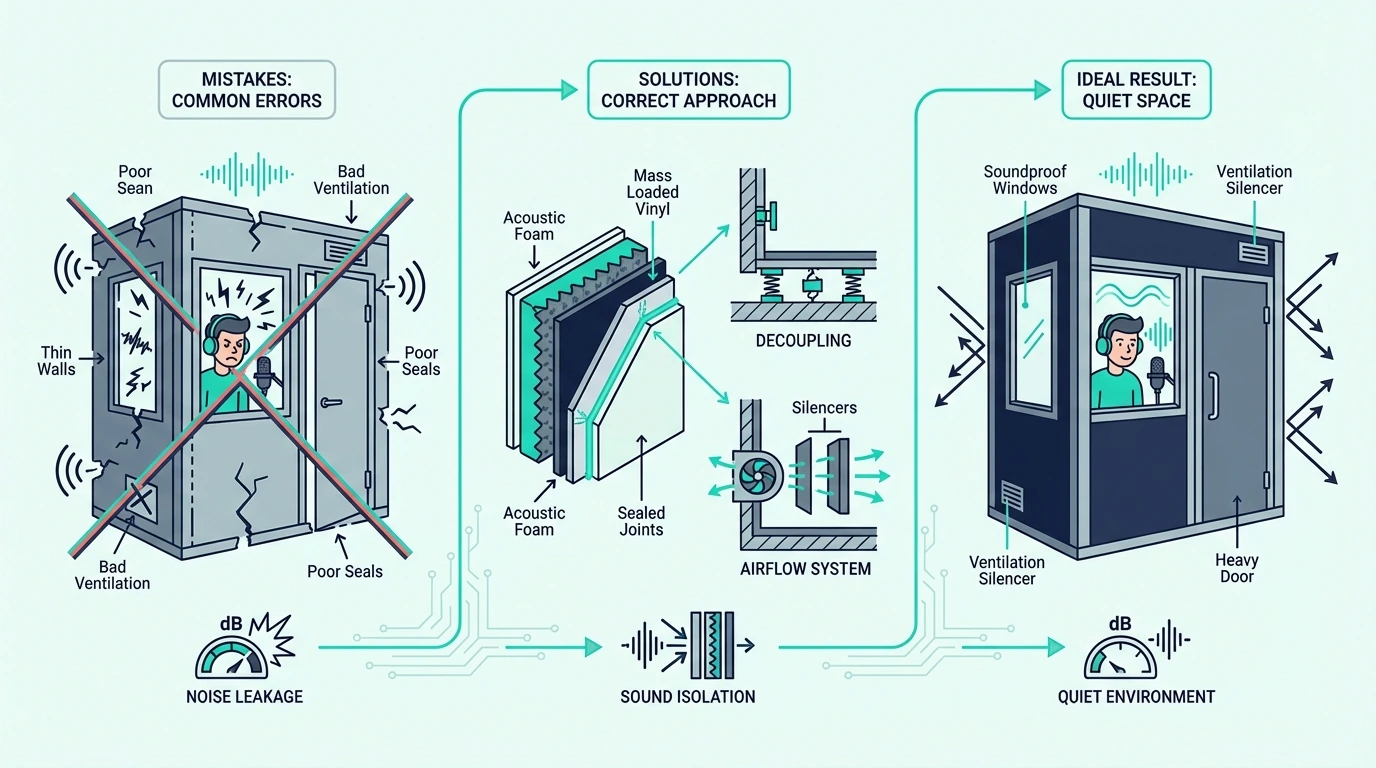
Once you know a DIY booth is the right path, build in weak-link order instead of buying random layers. That is the difference between a booth that is usable and one that becomes an abandoned hot box.
Step 1: Choose The Goal, Size, And Location First
Decide whether the booth is for speech privacy, recording tone, or real leakage reduction before you build anything. Then choose a size that lets you breathe, place the mic properly, and avoid making the inside unnaturally cramped.
Step 2: Build The Shell Around The Real Failure Points
Start with the frame, shell mass, door quality, and perimeter sealing before you worry about the interior finish. If the room around the booth is already weak, compare the plan against soundproofing a ceiling and soundproofing a floor so you do not ignore the bigger leak path.
Step 3: Test Airflow And Leaks Before You Finish The Inside
Ventilation is not optional, because a booth that is too hot, stuffy, or awkward will not get used. Test the door, seams, vent path, and outside-room leakage before you spend more on the final interior treatment.
What Booth Mistakes Ruin Results Fastest?
The biggest mistakes are expecting a light booth to deliver full isolation, building the booth too small, and using foam as a substitute for mass and sealing. Another common mistake is choosing a booth when the real fix should have happened in the room first.
If the room is already quiet and the problem is mostly reflections, treat the room instead of building a booth. If the room is noisy and leaky, fix the shell first instead of hiding inside a tiny enclosure.
The Bottom Line
How to make a soundproof booth gets much simpler once you answer one question first: is the booth for calls, for recording tone, or for real isolation?
If it is for calls and focused work, buying a privacy pod is often smarter than building.
If it is for vocals, podcasting, or voiceover, a light booth can be enough when the real target is reflections around the mic.
If you need real containment in or out of the booth, stop thinking blanket-first and start thinking shell-first.
That means mass, damping, sealing, a better door, and ventilation.
Use that decision rule before you spend on materials, because the wrong booth category wastes more money than the wrong blanket or wall layer ever will.
Frequently Asked Questions
How to make a soundproof booth at home?
Start by deciding whether you need a simple recording booth, a privacy booth for calls, or a heavier isolation booth. Then choose the smallest solution that fits the job, because many home setups need room fixes or a privacy pod more than a full DIY shell.
Are office phone booths really soundproof?
Most office phone booths are better described as privacy booths than absolute soundproof rooms. They can reduce speech spill and distractions well, but they do not usually replace a heavy studio-style isolated shell.
Is a blanket booth good enough?
A blanket booth is good enough when your main goal is reducing reflections and getting a cleaner voice recording in a quiet or moderately noisy room. It is usually not good enough when the goal is stopping major outside noise or keeping loud sound from escaping.
Is it cheaper to buy a privacy booth or build one?
DIY is usually cheaper on raw materials, but buying can be cheaper in time, finish quality, ventilation, portability, and predictability. If the booth is mainly for calls, meetings, or office privacy, a prefab booth often makes more sense than building from scratch.