Sound Bar vs Home Cinema: Which Setup Fits Your Living Room?

The sound bar vs home cinema question sounds like a quality comparison, but the wrong pick costs you a weekend or a missing surround field.
You’ll either waste a weekend installing speakers you didn’t need. Or you’ll spend $300 on a soundbar that leaves you wondering where the surround sound went during every movie night.
The real issue is that most people underestimate how different these two categories are. A soundbar is one device, one HDMI cable, five minutes to set up.
A home cinema is 5 to 7 speakers plus an AV receiver and subwoofer.
It is a weekend installation project costing 3 to 5x more.
The gap in effort and commitment is enormous.
Once you understand what each setup delivers and what it demands from your room and budget, the right choice becomes clear.
Below, we compare sound quality, setup reality, and total cost so you can pick the approach that fits your living room.
A soundbar is the right choice for most living rooms — it delivers clear dialogue, simulated surround sound, and Dolby Atmos support in a single unit with zero speaker wire and 5-minute setup. A home cinema system (5.1 or 7.1 channel) produces genuinely immersive surround sound with discrete speakers placed around the room.
It costs 3-5x more and requires an AV receiver, speaker wire runs, and a room layout that accommodates speaker placement.
Choose a soundbar for shared living spaces, apartments, and casual TV watching.
Choose a home cinema system only if you have a dedicated media room, a $1,000+ budget, and the willingness to run speaker wire to multiple positions.
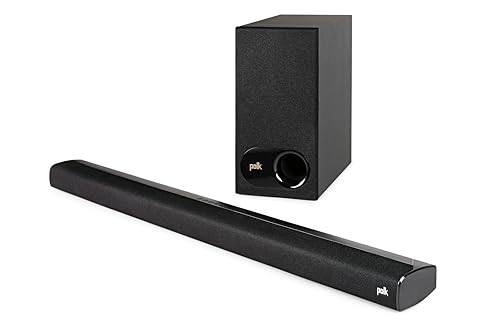
For large-room movie use, a current example is Polk Audio Signa S2 Sound Bar for Smart TV with Subwoofer, which is a strong fit for TV and movies when you want fuller bass.
How Sound Quality Compares in Your Living Room
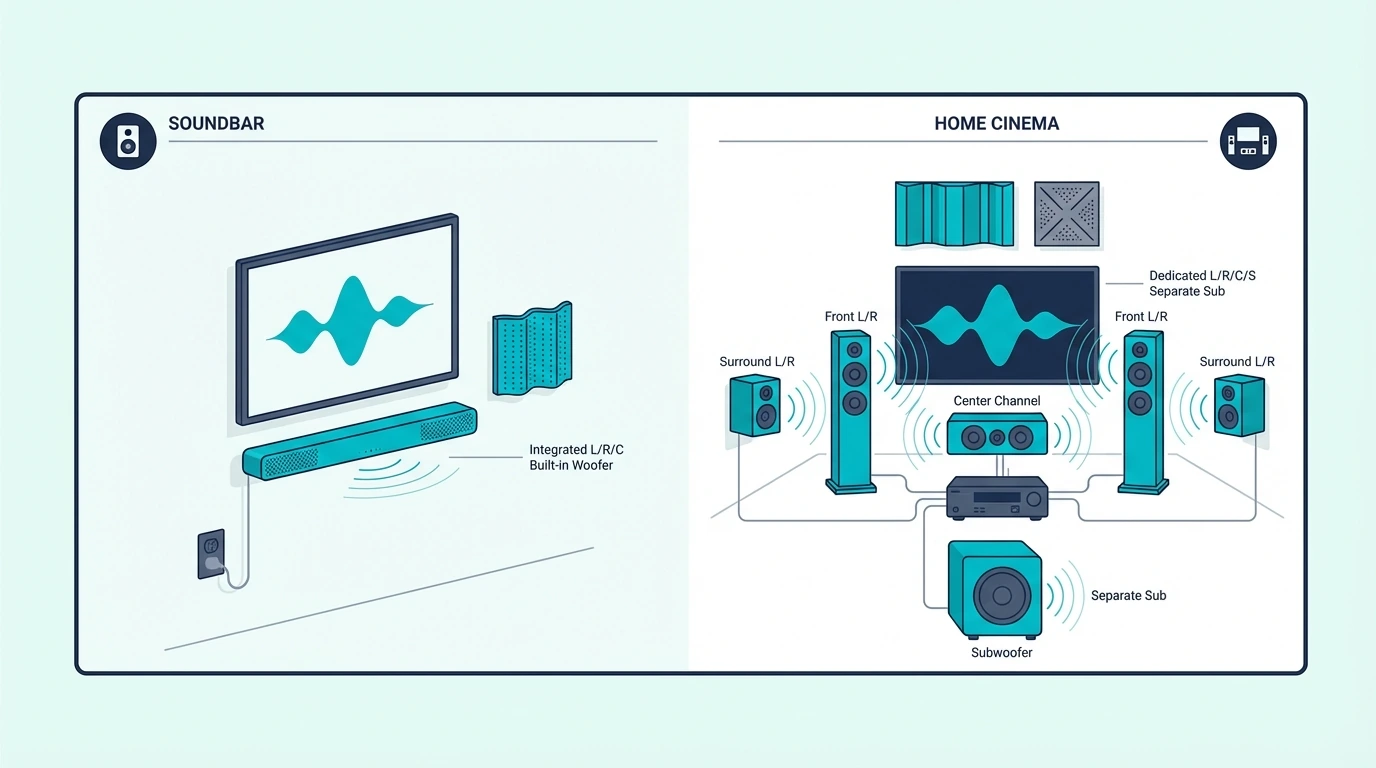
The sound quality gap is real but narrower than it used to be. Modern Atmos soundbars deliver convincing surround simulation for TV shows and casual movies.
The question is whether you need sound physically coming from behind you — or whether a well-executed illusion of surround is good enough for how you actually watch TV most nights.
Home Cinema: True Discrete Surround Sound
A home cinema system places individual speakers at specific positions around your listening area.
A standard 5.1 layout uses five positional speakers plus a subwoofer.
Each speaker handles its own dedicated channel.
Sound effects physically come from different directions rather than being simulated from a single point. This discrete separation is what creates genuine immersion.
No soundbar, regardless of price or processing power, can fully replicate this experience.
Watch a battle scene in a war movie and gunfire physically moves from front speakers through surrounds behind you.
Rain on a rooftop comes from above. Crowd noise in a stadium scene surrounds you because actual speakers exist in those positions.
Adding Atmos height channels with ceiling-mounted or dedicated upward-firing speakers gives you a new vertical dimension.
Overhead effects like thunder, aircraft, and rain feel like they originate from above.
Our soundbar vs surround sound comparison explains the technical differences between simulated and discrete surround.
Soundbar: Simulated Surround from One Unit
A soundbar uses DSP to simulate surround from a single enclosure in front of you.
Higher-end models angle drivers sideways and upward to bounce sound off your room’s walls and ceiling.
Models with Dolby Atmos add height simulation via upward-firing drivers that reflect off the ceiling, creating the perception of overhead audio from a device sitting on your TV stand.
A soundbar like the Polk Audio Signa S4 delivers 3.1.2-channel Dolby Atmos with a wireless subwoofer for $299.
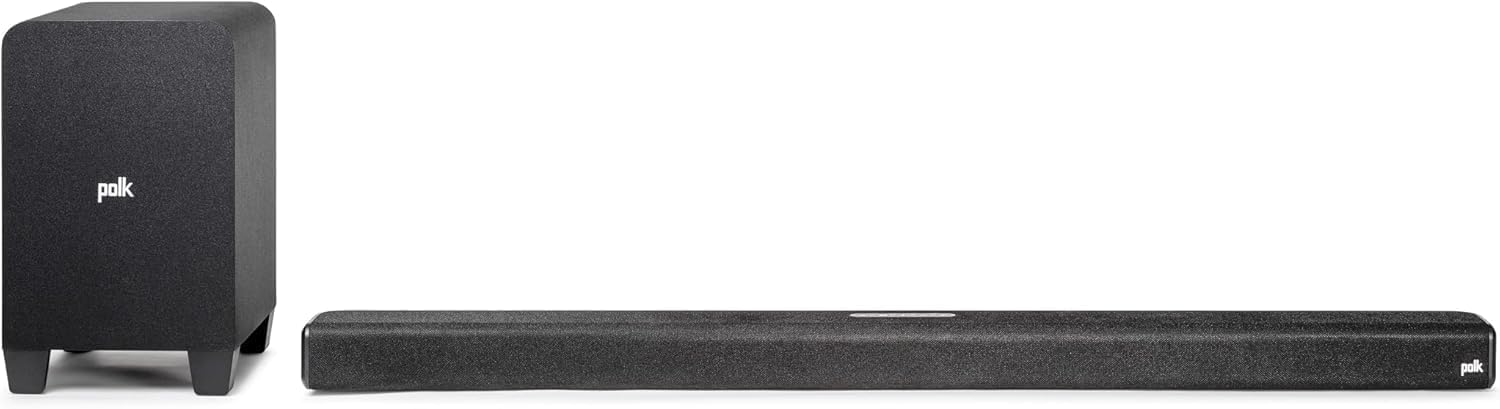
Polk Audio Signa S4
A comparable 3.1.2-channel home cinema setup costs $800 to $1,200.
It also demands extensive wiring and calibration.
The simulated surround works well for TV shows, casual movies, and gaming. Most people watching Netflix on a Tuesday night won’t miss discrete rear channels.
But for dedicated movie nights with Atmos content, a home cinema puts sound where a soundbar can only suggest it.
For understanding how soundbars work and what different channel configurations deliver, start with our fundamentals guide.
Setup, Cost, and Living Room Impact
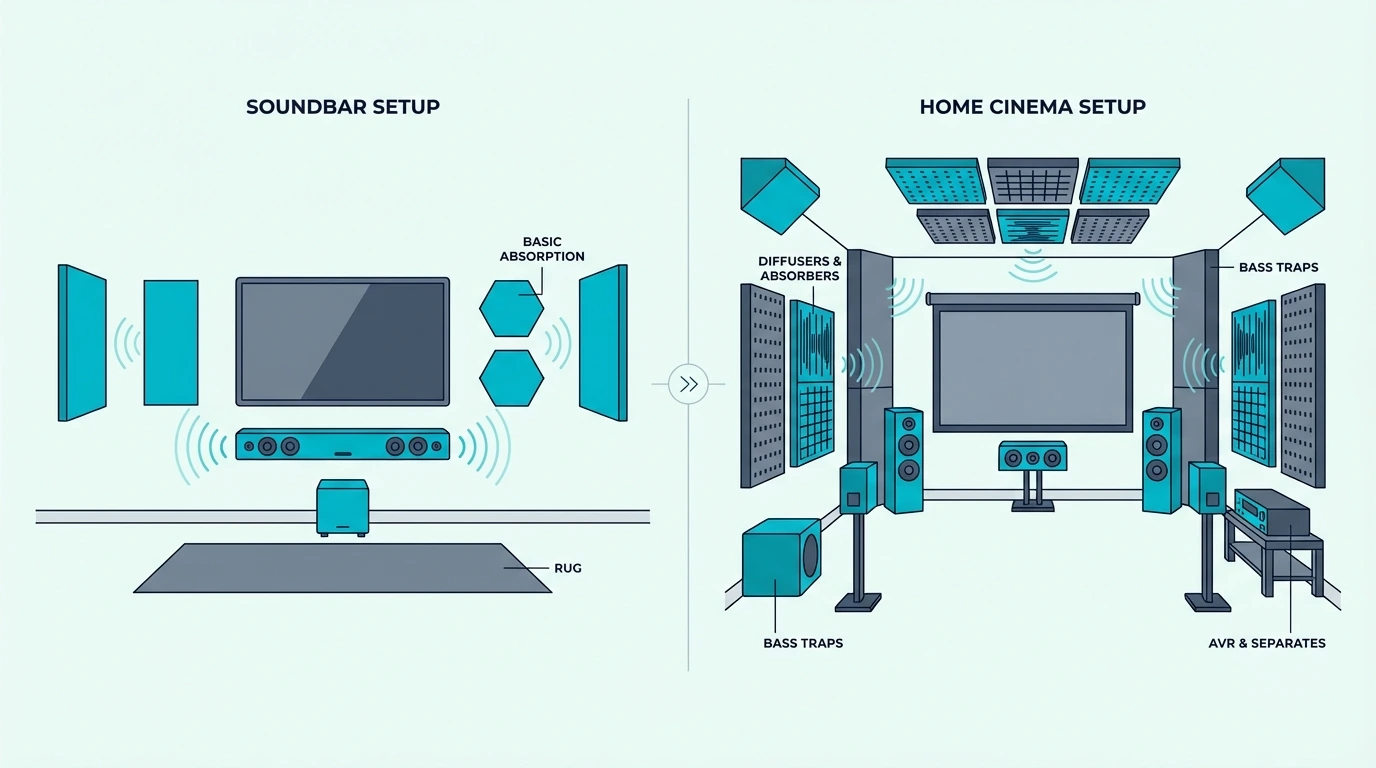
The practical differences extend far beyond sound quality.
Setup time and total cost diverge most dramatically.
That is where most people make their final decision.
Soundbar: 5-Minute Setup, Zero Wire Runs
One HDMI ARC cable, CEC for TV remote volume control, and audio plays immediately.
Five minutes, no tools, no furniture rearrangement, no visible wires running across your floor.
This simplicity is the single biggest reason soundbars outsell home cinema systems by a wide margin.
A current value example is Polk Audio Signa S4 3.1.2ch Soundbar with Wireless Subwoofer and Dolb…, which is a stronger fit for more immersive movie playback.
Our soundbar setup guide covers the complete process, and our soundbar to TV connection guide explains all available connection methods including HDMI ARC, optical, and Bluetooth.
Home Cinema: Multi-Hour Installation Project
A home cinema requires multiple components.
You need an AV receiver at $200 to $500 and front speakers at $200 to $600.
You also need surround speakers at $100 to $300, a subwoofer at $150 to $400, and speaker wire.
Even an entry-level receiver like the Denon AVR-S570BT costs $449 before you buy a single speaker.
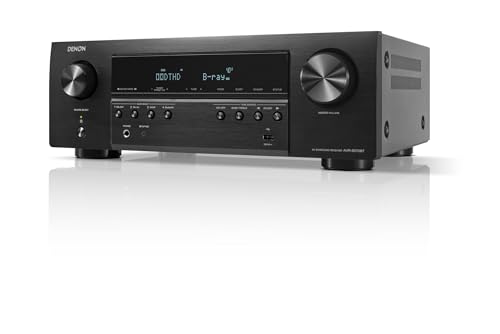
Denon AVR-S570BT
A quality 5.1 system runs $700 to $1,800 before installation.
Installation means running wire from receiver to each speaker, often 15 to 50 feet per surround run.
You also mount surrounds at ear height on walls or stands, position the sub for optimal bass response, and calibrate the receiver’s auto-EQ with a measurement mic.
Budget 2 to 4 hours for physical installation and another hour for calibration.
If you’re hiding wire inside walls, add a full day and potentially an electrician.
Ongoing management is higher too.
An AV receiver adds its own remote, its own menus, and its own firmware updates.
Speaker wire shows whenever furniture moves. Troubleshooting involves checking five different speakers, the receiver, and the subwoofer instead of one device.
Our soundbar vs receiver guide explains when the receiver-based approach makes sense despite the added complexity.
Which Living Room Layout Works for Each?
Home cinema needs a room where surround speakers can go behind or beside the listening position. Those speakers must sit at ear height and at least 2 feet behind the couch.
That rules out open-plan rooms with the couch against a kitchen island, rooms with floor-to-ceiling windows behind seating, and apartments that don’t allow wall mounting.
A soundbar works in any room because all audio comes from in front of you.
No rear speaker placement requirements. No symmetry constraints.
That flexibility is why soundbars also work well in apartments and rentals where wall drilling is off limits.
For evaluating whether your specific room and budget justify a soundbar, our is a soundbar worth it guide covers the value proposition across different price points, and our HDMI vs optical guide explains the connection types your TV supports.
Get Studio Tips Weekly
Join 5,000+ creators getting acoustic treatment advice every week.
No spam. Unsubscribe anytime.The Bottom Line
A soundbar is right for most living rooms. You get dramatically better audio than TV speakers with a 5-minute setup and zero room modification.
Our best soundbar guide ranks the top picks at every budget.
A home cinema system is right only if you have a dedicated media room, $700 or more for components, and the willingness to run speaker wire and manage multiple devices.
If you care most about movies specifically, our best soundbar for movies guide covers bars that still deliver cinema-grade Atmos in a single unit.
If your room has the couch against a wall with no space for rear speakers, the decision is already made.
A soundbar is your best option regardless of budget.
Our 2.1 vs 5.1 soundbar guide covers the channel options within the soundbar category, and our Bluetooth vs optical guide explains the connection alternatives for different room setups.
Frequently Asked Questions
Should I buy a soundbar or home theater system?
For most people, a soundbar is the better choice.
A $200 to $400 model delivers clear dialogue and real bass. Setup still takes five minutes.
A home theater system only makes sense with a dedicated room, $700 or more for components, and the willingness to run speaker wire and manage an AV receiver.
Can a soundbar replace a home cinema system?
For 90% of everyday TV watching, yes.
That covers shows, sports, and casual streaming.
A good Atmos soundbar at normal living-room volumes is close enough that most listeners can’t distinguish it from a mid-range 5.1 system.
It falls short during dedicated movie nights where discrete rear channels create genuinely immersive surround that a single bar cannot replicate.
Is a home cinema system worth the extra cost?
Only if you watch movies as a primary hobby, have a room that supports proper speaker placement, and are comfortable managing multiple components long-term.
The extra $500 to $1,500 over a soundbar buys genuinely immersive surround. That only pays off if speakers can actually go behind and beside your seating position.