Samsung vs LG Soundbar: Which Brand Matches Your TV and Listening Style? [2026]

Samsung vs LG soundbar sounds like a normal brand showdown, but the real decision usually starts with the TV already sitting under your screen.
The problem is that both brands lock some of their most useful daily features to matching TVs.
That means buyers who shop by spec sheet alone can pay for ecosystem perks they will never actually use.
Understanding that helps you avoid the wrong ecosystem and spend on the bar that will feel better in your real room.
Below, we’ll compare where TV matching matters, where sound style and value matter more, and when cross-brand buying still makes sense.
Then we’ll narrow it down by budget, room size, and the kind of listening experience each brand usually fits best.
Choose Samsung if you already own a Samsung TV and want the broadest lineup plus a punchier movie-first presentation.
Choose LG if you already own an LG TV and want a simpler native fit with a slightly smoother sound on many models.
If you own neither TV brand, compare the exact bar and price in front of you because both brands still work well over HDMI ARC or eARC.
Which TV Brand Makes the Biggest Difference?
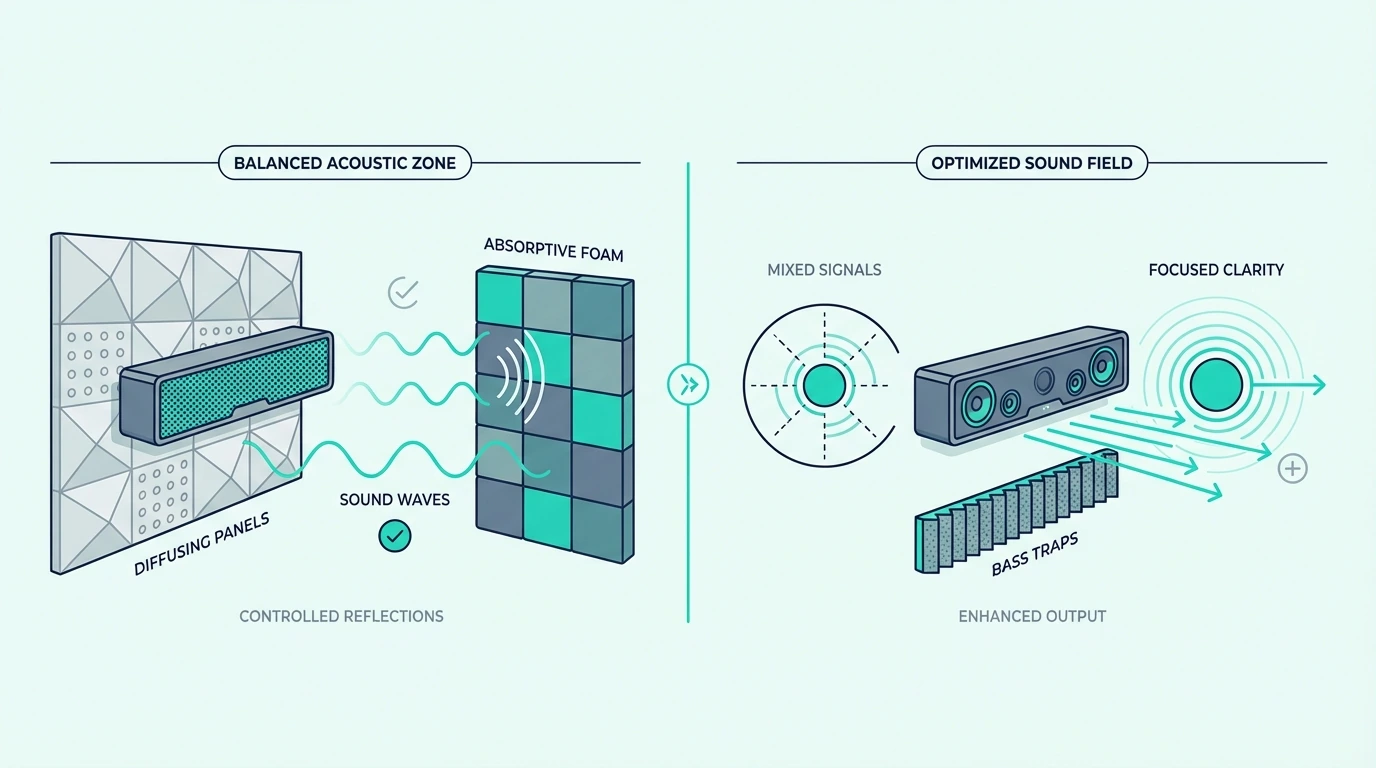
TV matching matters here because both brands hide their most convenient features behind same-brand televisions.
When that feature match matters in your room, it can outweigh a small gap in raw sound quality.
Samsung TV Owners: Samsung Usually Makes the Cleaner Case
Samsung’s strongest argument is not that every Samsung bar beats every LG bar.
It is that Samsung gives Samsung TV owners the clearest reason to stay inside one ecosystem.
Q-Symphony keeps the TV speakers working with the soundbar instead of handing off everything to the bar alone.
In real rooms, that can make voices feel more connected to the screen.
Samsung also gives buyers more stops between basic bars and serious surround packages.
That makes it easier to stay with the brand as your budget changes.
If you want a mainstream example, the Samsung HW-B750D 5.1ch soundbar is a strong middle-ground pick for buyers who want a fuller package without premium pricing.
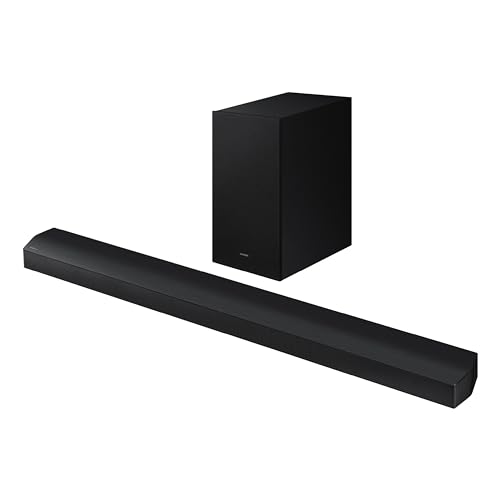
Samsung HW-B750D 5.1ch soundbar
It makes more sense in medium rooms than a very basic bar-only model.
If you are still sorting out hookup priorities, our guide to connecting a soundbar to a TV and our HDMI vs HDMI ARC explainer show where Samsung’s ecosystem extras sit on top of the core connection.
LG TV Owners: LG Makes the Most Sense When You Want a Native Fit
LG’s pitch is similar even if the marketing language is different.
WOW Orchestra matters because it makes the LG TV and LG bar feel like one coordinated system.
That does not automatically make every LG bar better than every Samsung bar.
It does make the matching LG bar easier to justify when convenience is a big part of the purchase.
LG bars also tend to feel a little less aggressive in everyday TV use.
For buyers who want a calmer sound, that can be the better fit.
At the simpler end of the lineup, the LG S20A 2.0 ch. soundbar shows the low-friction side of LG’s appeal.
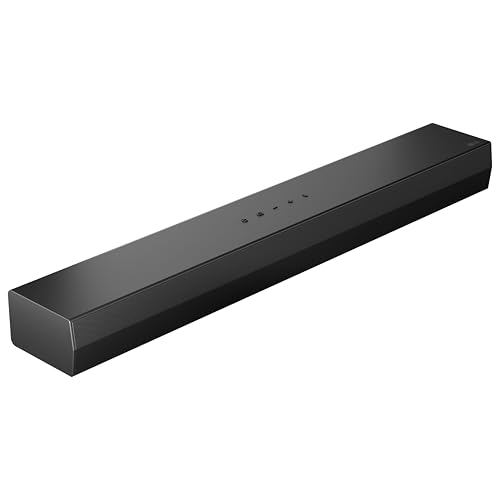
LG S20A 2.0 ch. soundbar
It is the kind of bar that makes sense in bedrooms, apartments, and dialogue-first living rooms.
If you are weighing wireless convenience against wired reliability, our TV-to-soundbar Bluetooth guide and our HDMI vs optical guide help before the logo starts to dominate the decision.
Daily Use Friction Matters More Than Most Buyers Expect
Most people do not spend every night testing Atmos demos.
They spend every night changing volume and trying to get sound from the TV with no drama.
That is where matching brands often feels better than it looks on a spec sheet.
Power behavior, menu integration, and remote control handoff tend to feel cleaner.
That advantage is boring, but boring is valuable in a family room.
It matters less in enthusiast setups where you already expect to tweak settings.
What Buyers Usually Regret In This Comparison
Most regret in this matchup comes from buying around the badge instead of the setup.
It rarely comes from a tiny objective quality gap.
Samsung TV owners usually regret losing Samsung-only integration when they jump to LG for a deal that was only slightly better.
LG TV owners usually regret the same thing in reverse.
That regret is strongest in everyday TV households where convenience matters every night.
It is much weaker in mixed-brand rooms where the bar is being judged like a normal speaker upgrade.
If You Own Neither Brand, the Logo Matters Less
A Samsung bar will still work with an LG, Sony, TCL, Roku, or Hisense TV.
An LG bar will still work with those TVs too.
What disappears is the ecosystem advantage that made the brand premium feel worthwhile.
Once that is gone, setup, room size, and speaker package matter more than the name on the front.
In that situation, placement usually matters more than another hour of spec-sheet comparison.
Our soundbar setup guide and our soundbar mounting guide usually improve daily results more than brand-switching does.
How Do Samsung and LG Compare on Sound, Value, and Room Fit?
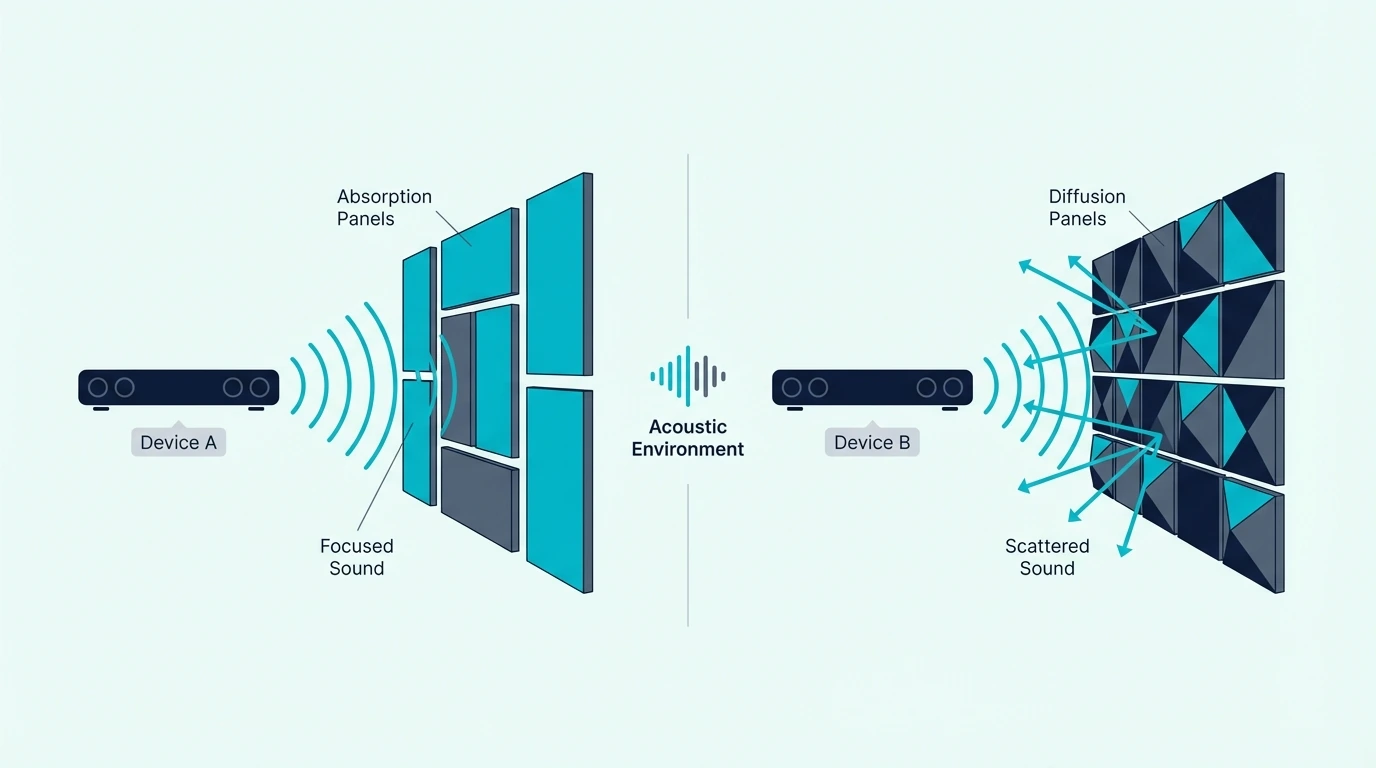
Once you strip away TV matching, Samsung and LG separate themselves more by tuning style and lineup strategy than by raw competence.
Both brands can sound good, but they do not push buyers in exactly the same direction.
Samsung Usually Wins on Range, Punch, and Easier Deal Shopping
Samsung is often the easier brand to shop when you want lots of options at every price step.
You can usually find a Samsung bar that maps cleanly to a budget, a room, and a feature level.
That matters because most people are not choosing between two perfect flagships.
They are choosing between whatever is discounted and easy to set up this week.
Samsung also tends to make a stronger first impression in store demos.
Its bars usually lean into impact, bass presence, and a bigger-feeling front stage.
At the top end, the Samsung HW-Q990D shows the brand at its most convincing.
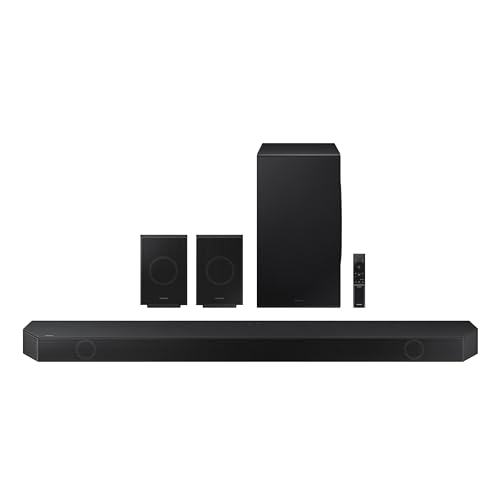
Samsung HW-Q990D
It is built for buyers who want a big cinematic package without moving into a receiver-based system.
If you are unsure whether you need more hardware or just better setup discipline, our guide to choosing a soundbar and our guide to pairing a soundbar with a subwoofer make that decision clearer.
LG Usually Wins on Restraint, Cohesion, and OLED-Friendly Fit
LG is often strongest when the goal is not maximum shock value.
It is strongest when the goal is a clean movie-first system that does not feel overbuilt for the room.
That can make LG easier to live with for buyers who dislike exaggerated bass or overly sharp tuning.
It can also make LG feel like the better brand for people who want the soundbar to disappear into daily use.
At the premium end, the LG S80TR 5.1.3 ch. soundbar is a good example of that approach.
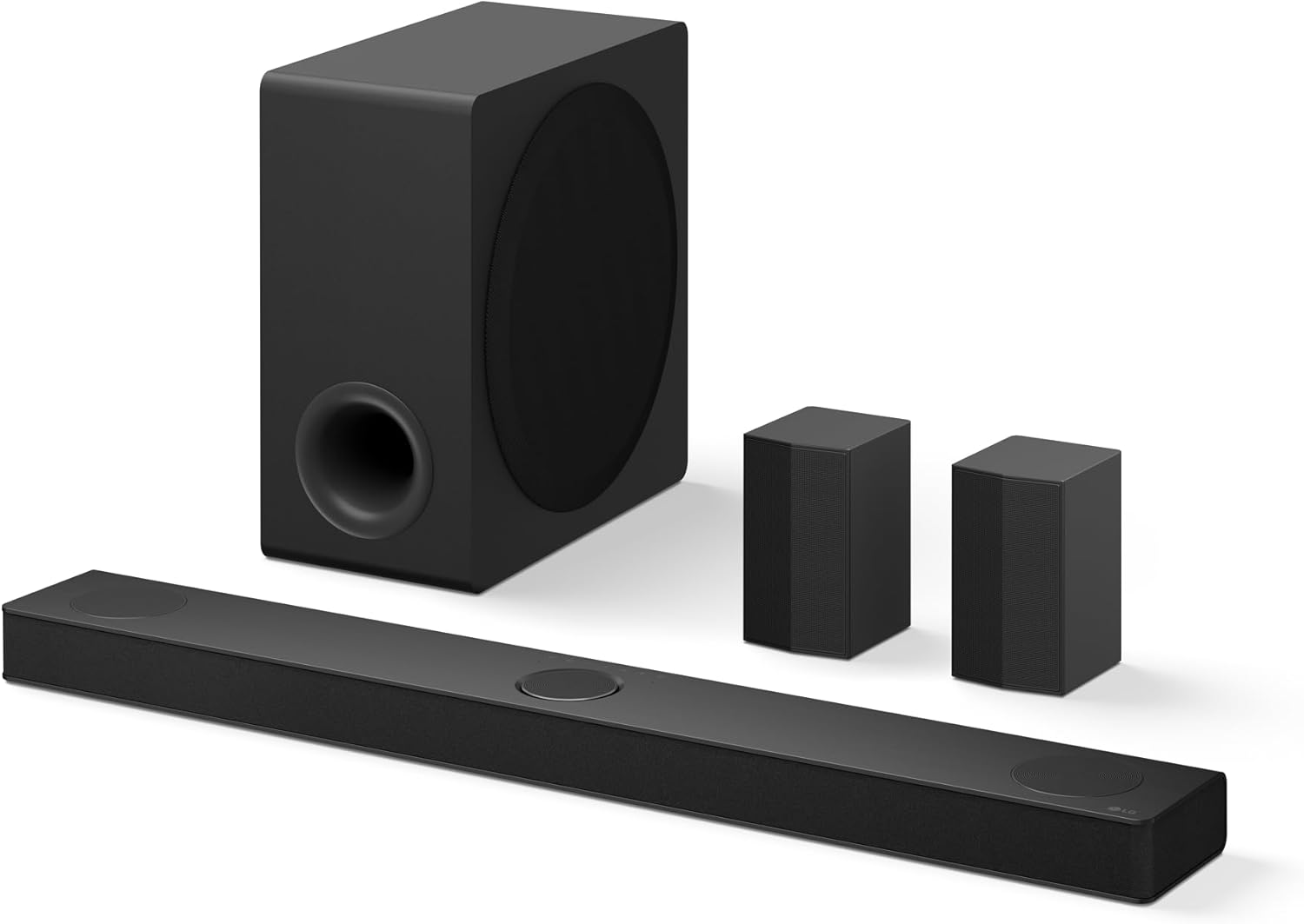
LG S80TR 5.1.3 ch. soundbar
It makes the most sense when you actually have the room and TV to benefit from the fuller package.
LG is not always the best blind value across all brands.
It is often the best fit when the room, TV, and listening habits already align with LG’s design choices.
Which Brand Fits Small Rooms and Big Rooms Better?
In small rooms, the better brand is usually the one that solves your problem without overbuying.
That can make a simple LG bar attractive for calmer TV listening and apartment-friendly use.
Samsung still has good small-room options, but the brand often shines more clearly once you move into fuller packages.
That is where the broader lineup starts to matter.
In bigger rooms, both brands improve once you add a subwoofer or rear speakers.
That is why channel layout matters more as distance from the screen grows.
Our 2.1 vs 5.1 soundbar guide helps you decide when extra speakers are actually worth paying for.
Room size changes the answer faster than most review scores do.
Price Tiers Matter More Than Marketing Claims
Under about $200, Samsung usually gives buyers more options and more frequent discounts.
LG still has worthwhile simple bars, but the range is narrower.
Between roughly $250 and $500, the comparison gets more interesting because both brands start offering fuller packages.
That is the range where included hardware matters more than a slogan on the box.
At premium prices, buyers are paying for added speakers, more drivers, and a bigger sense of scale.
That is also where matching the TV brand starts to matter more again.
If the price gap is small, buying the brand that matches the TV is usually the safer call.
If the discount gap is huge, the better overall package can outweigh the ecosystem edge.
When Cross-Brand Buying Still Makes Sense
Cross-brand buying is reasonable when the ecosystem extras are irrelevant from the start.
That happens with guest rooms, secondary TVs, and basic TV-audio upgrades where convenience is simple either way.
In those rooms, treat each bar like a normal product rather than a platform decision.
That is where included speakers, connection options, and price matter most.
If you are deciding whether to keep things simple or move into a bigger audio path, our soundbar vs receiver guide and our soundbar basics guide help frame the tradeoff.
Get Studio Tips Weekly
Join 5,000+ creators getting acoustic treatment advice every week.
No spam. Unsubscribe anytime.The Bottom Line
Buy Samsung first when you already own a Samsung TV and want more lineup depth, stronger perceived impact, and the clearest Q-Symphony case.
Our best Samsung soundbar guide covers the current top Samsung picks by room size.
Buy LG first when you already own an LG TV and want the cleaner WOW Orchestra fit with a slightly calmer tuning style.
Our best LG soundbar guide ranks the LG lineup by use case.
If you own neither TV brand, buy the better package at the better price.
At that point, room size, included speakers, and setup needs matter more than the logo.
Frequently Asked Questions
Is Samsung or LG better for movies?
Samsung often feels more forceful with bass and surround impact.
LG often feels smoother and more relaxed, so the better movie brand depends on whether you want punch or balance.
Should I match my soundbar brand to my TV?
Usually yes when the price and feature level are close.
That is the easiest way to keep the ecosystem features and avoid paying for tools you cannot use.
Are LG soundbars more balanced than Samsung?
Many buyers describe LG that way, especially in long TV sessions.
Samsung often sounds more energetic, which can be great for action content but less subtle in smaller rooms.
Can I use a Samsung soundbar with an LG TV or an LG soundbar with a Samsung TV?
Yes.
You will still get normal ARC or eARC audio, but you lose the brand-specific ecosystem extras that make matching setups attractive.