Do You Need a Subwoofer With a Soundbar? It Depends [2026]

Do you need a subwoofer with a soundbar seems like a simple yes-or-no question, but the answer actually depends on a tradeoff most buyers don’t consider.
Yes, a subwoofer transforms movie explosions, music bass lines, and gaming rumble from thin audio into deep, room-filling impact you physically feel.
It’s genuinely unnecessary for dialogue-focused content like news, talk shows, and casual TV where midrange clarity matters more than low-frequency depth.
Most soundbar marketing pushes subwoofers as essential accessories.
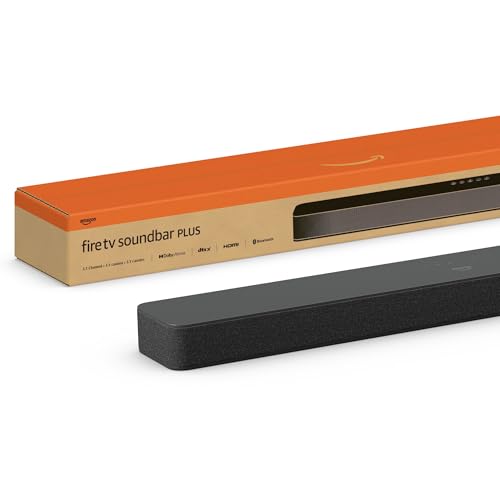
The reality is that many viewers get excellent audio from a bar-only system because their content simply doesn’t demand the deep 20-80Hz bass that only a dedicated subwoofer can reproduce.For large-room movie use, a current example is Amazon Fire TV Soundbar Plus (newest model) with built-in subwoofer, which is a strong fit for Atmos movies and TV with stronger bass.
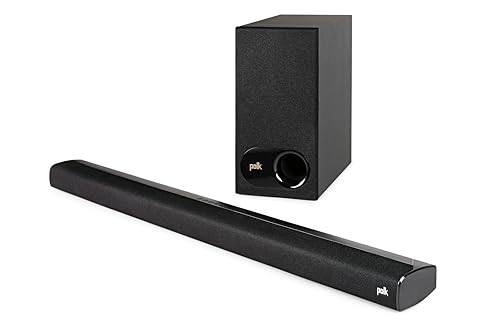
For large-room movie use, a current example is Polk Audio Signa S2 Sound Bar for Smart TV with Subwoofer, which is a strong fit for TV and movies when you want fuller bass.
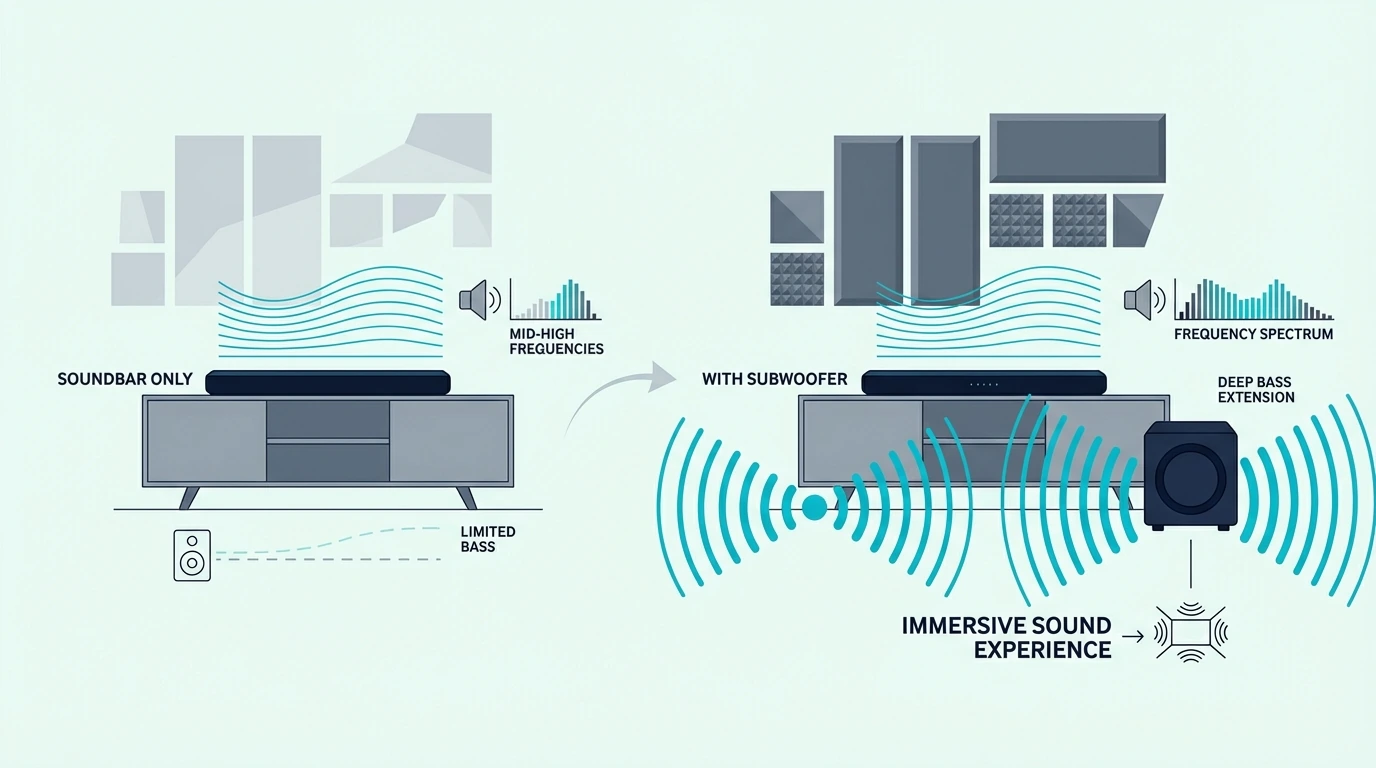
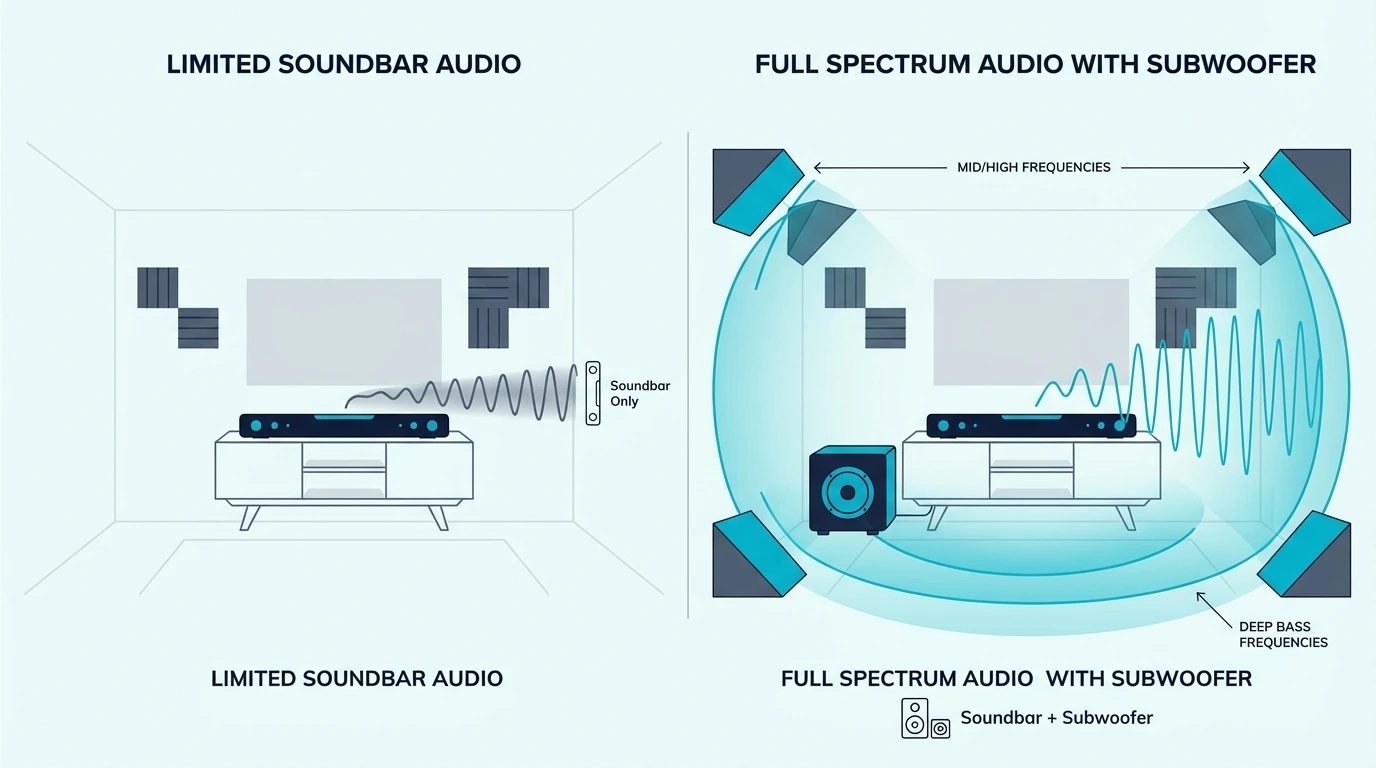
The problem is that soundbar speakers are physically too small to produce deep bass effectively. The small drivers inside a soundbar enclosure can reproduce midrange frequencies and treble with impressive clarity.
Bass frequencies below approximately 80Hz require larger drivers and bigger enclosures that move enough air to create the chest-thumping low-end impact that makes movies and music feel immersive.
Soundbars without subwoofers compensate by boosting upper bass frequencies between 80 and 200Hz to create the impression of deeper bass.
The result sounds fuller than TV speakers but still lacks the genuine deep bass foundation that a dedicated subwoofer delivers for bass-heavy content.
Understanding when a subwoofer genuinely improves your audio experience versus when it adds unnecessary cost and room clutter helps you make a confident purchase decision.
You can avoid spending on a subwoofer you don’t need or missing the bass that would transform your movie nights.
Below, we’ll explain exactly when you need a subwoofer with your soundbar, when a bar-only system is the better choice, and how to decide based on your content, room, and living situation.
You need a subwoofer if movies, bass-heavy music, or immersive gaming are central to how you use your TV audio.
You probably do not need one if your listening is mostly dialogue-first content, apartment-friendly viewing, or simple everyday TV.
The right answer depends more on your habits and room than on marketing checklists.When You Need a Subwoofer With Your Soundbar
A subwoofer isn’t a luxury add-on for every soundbar buyer — for certain content types and listening priorities, it’s the single component that transforms your soundbar from a TV speaker upgrade into a genuine home audio system.
Movies and Action Content
Movies are the strongest case for adding a subwoofer to your soundbar.
Film soundtracks are mixed with deep bass effects for explosions, impacts, rumble, and atmospheric tension that exist in the 20-80Hz range where soundbar speakers simply cannot reach.
Without a subwoofer, your soundbar reproduces dialogue, music, and higher-frequency effects clearly but misses the entire low-frequency foundation that filmmakers designed to create physical impact and immersion during action sequences.
The difference is dramatic during scenes like spaceship launches, thunder, car chases, and battle sequences.
With a subwoofer, you physically feel the bass in your chest and furniture; without one, those same scenes sound clear but fundamentally incomplete because the deepest frequencies are missing entirely.
Our what does a subwoofer do for a soundbar guide explains the specific frequencies a subwoofer handles, and our soundbar vs home theater comparison covers when full systems outperform soundbar configurations.
Music With Bass
Music genres with prominent bass lines — hip-hop, EDM, R&B, pop, rock, jazz with upright bass.
Benefit significantly from a subwoofer because the fundamental frequencies of bass instruments and kick drums sit in the range that soundbar speakers cannot reproduce with authority.
A soundbar without a subwoofer makes these genres sound clear in the midrange and treble but thin and lacking in the low end where the rhythmic foundation of bass-heavy music lives.
For large-room movie use, a current example is Amazon Fire TV Soundbar, which is a strong fit for Balanced TV and movie upgrade.
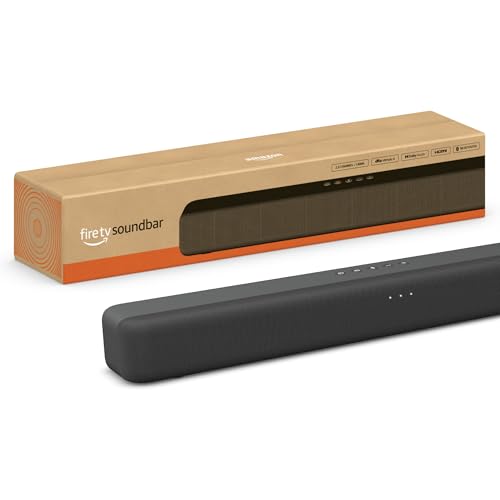
Amazon Fire TV Soundbar
Our soundbar vs speakers comparison covers when dedicated speakers outperform soundbar systems for music, and our is a soundbar worth it guide evaluates the overall soundbar investment.
Gaming
Gaming benefits from a subwoofer for the same reasons as movies — game audio designers mix deep bass for explosions, vehicle rumble, environmental atmosphere, and haptic audio cues that create immersive gameplay experiences.
Open-world games, racing titles, and first-person shooters all use low-frequency rumble to create a sense of physical presence that soundbar speakers alone cannot reproduce.
Competitive gamers may actually prefer a bar-only setup for its tighter, faster audio response without the slight lag that some wireless subwoofers introduce.
Casual and immersive gamers who play story-driven or action titles get significantly more atmospheric immersion from subwoofer bass.
That tradeoff is real.
Room size matters too. So does placement.
Always. Really.
Our 2.1 vs 5.1 soundbar guide explains channel configurations including the 2.1 bar-plus-sub setup, and our soundbar vs surround sound guide covers broader surround options for gaming.
When You Don’t Need a Subwoofer
Not every soundbar buyer benefits from a subwoofer — several common scenarios make a bar-only system the smarter, more practical choice that delivers everything you actually need without unnecessary cost or room clutter.
Dialogue-Focused Content
If you primarily watch news, talk shows, sitcoms, dramas, and documentary content where clear dialogue is the priority, a subwoofer adds very little value to your listening experience.
These content types have minimal deep bass in their audio mix, and a quality bar-only system delivers the midrange dialogue clarity and virtual surround that makes this content sound excellent.
For large-room movie use, a current example is Amazon Fire TV Soundbar, which is a strong fit for Balanced TV and movie upgrade.
Our soundbar fundamentals guide covers how all soundbar types work, and our do you need a soundbar for smart TV guide helps evaluate whether your TV needs audio improvement at all.
Apartment Living and Shared Walls
Bass frequencies travel through walls, floors, and ceilings far more effectively than midrange and treble.
A subwoofer in an apartment building can disturb neighbors in adjacent units even at moderate volume levels because low-frequency sound waves pass through building materials with minimal attenuation.
If you live in an apartment, condo, or any shared-wall living situation, a bar-only system delivers excellent audio improvement without the neighbor-disturbing bass that subwoofers inevitably produce.
Our soundbar vs receiver comparison covers the broader home audio upgrade path, and our HDMI vs optical guide explains connection options.
Space Constraints and Simplicity
A subwoofer requires floor space (typically a cube 8-14 inches on each side), a power outlet, and either a wireless connection or audio cable to the soundbar.
Considerations that matter in smaller rooms, minimalist setups, and entertainment centers where every component needs to fit a specific space.
Bar-only systems eliminate the subwoofer footprint entirely while still delivering dramatically better audio than built-in TV speakers.
For many buyers, that cleaner setup and easier placement are worth more than the last layer of low-end impact.
Our soundbar to TV connection guide covers setup for both bar-only and bar-plus-sub systems, and our soundbar setup guide covers optimal placement.
Get Studio Tips Weekly
Join 5,000+ creators getting acoustic treatment advice every week.
No spam. Unsubscribe anytime.The Bottom Line
You need a subwoofer if movies, bass-heavy music, or immersive gaming are your primary content.
The deep bass a subwoofer delivers transforms these experiences from clear-but-thin audio into physically immersive, full-range sound that soundbar speakers alone cannot produce.
You don’t need a subwoofer if dialogue-focused content dominates your viewing, you live in a shared-wall apartment where bass disturbs neighbors, or you prefer the simplicity and compact footprint of a bar-only system.
Our what soundbar channels mean guide explains 2.0, 2.1, 5.1, and other configurations, and our soundbar vs home theater comparison covers when full systems outperform soundbar setups.
Frequently Asked Questions
Is it okay to use a soundbar without a subwoofer?
Absolutely — a quality bar-only soundbar delivers excellent dialogue clarity, virtual surround, and dramatically better audio than built-in TV speakers without requiring a subwoofer.
You’ll miss deep bass below 80Hz, but for dialogue-focused content, news, TV shows, and casual viewing, a bar-only system provides everything most viewers need.
For large-room movie use, a current example is Amazon Fire TV Soundbar, which is a strong fit for Balanced TV and movie upgrade.
Do I really need a subwoofer?
You need a subwoofer if you watch movies, listen to bass-heavy music, or play immersive games and want to feel the deep bass impact that filmmakers and musicians designed into their content.
You don’t need one if you primarily watch dialogue-focused content, live in an apartment where bass disturbs neighbors, or prefer a simpler, more compact setup.
How does a subwoofer connect to a soundbar?
Most modern soundbar subwoofers connect wirelessly via proprietary protocols — the sub pairs automatically with the soundbar when both are powered on, requiring only a power outlet for the subwoofer with no audio cables between the two devices.
Some budget systems use a wired connection via RCA or 3.5mm cable from the soundbar to the subwoofer.