Bass Trap Material — Which Insulation And Fabric Actually Works For Low Frequencies
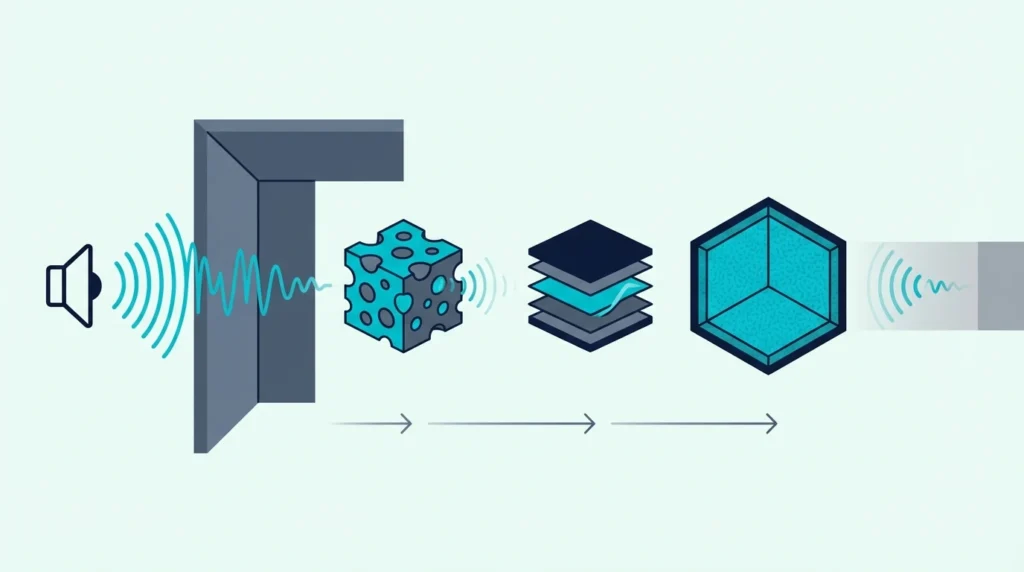
Bass trap material determines how effectively your traps absorb low frequencies, but most people choose based on brand name or price without understanding that the material’s density, porosity, and thickness interact to set the absorption floor — and some popular materials barely touch bass frequencies at all.
The core absorber material matters most — rigid fiberglass and mineral wool are the two proven performers for bass trapping because their fiber structure and density allow sound energy to convert to heat as it passes through. Open-cell foam works for mid and high frequencies but struggles below 200 Hz at standard thicknesses.
The wrapping fabric matters too — use the wrong material and you’ll reflect sound before it reaches the absorber. Acoustically transparent fabrics like muslin and Guilford of Maine let sound pass through freely, while dense fabrics like silk and canvas act as partial reflectors.
Below, you’ll find a head-to-head comparison of fiberglass vs mineral wool, why foam falls short for bass, which wrapping fabrics work, and whether alternative materials like ductboard and kraft-faced insulation belong in your bass traps.
Rigid fiberglass (Owens Corning 703) and mineral wool (Rockwool Safe’n’Sound or ComfortBoard 80) are the best bass trap materials — both absorb effectively at 4-6 inch thickness when corner-mounted. Mineral wool is cheaper and easier to handle. Foam traps are convenient but limited below 200 Hz. Wrap traps in acoustically transparent fabric like muslin or Guilford of Maine, never in silk, vinyl, or plastic sheeting.
What Materials Are Bass Traps Made Of?
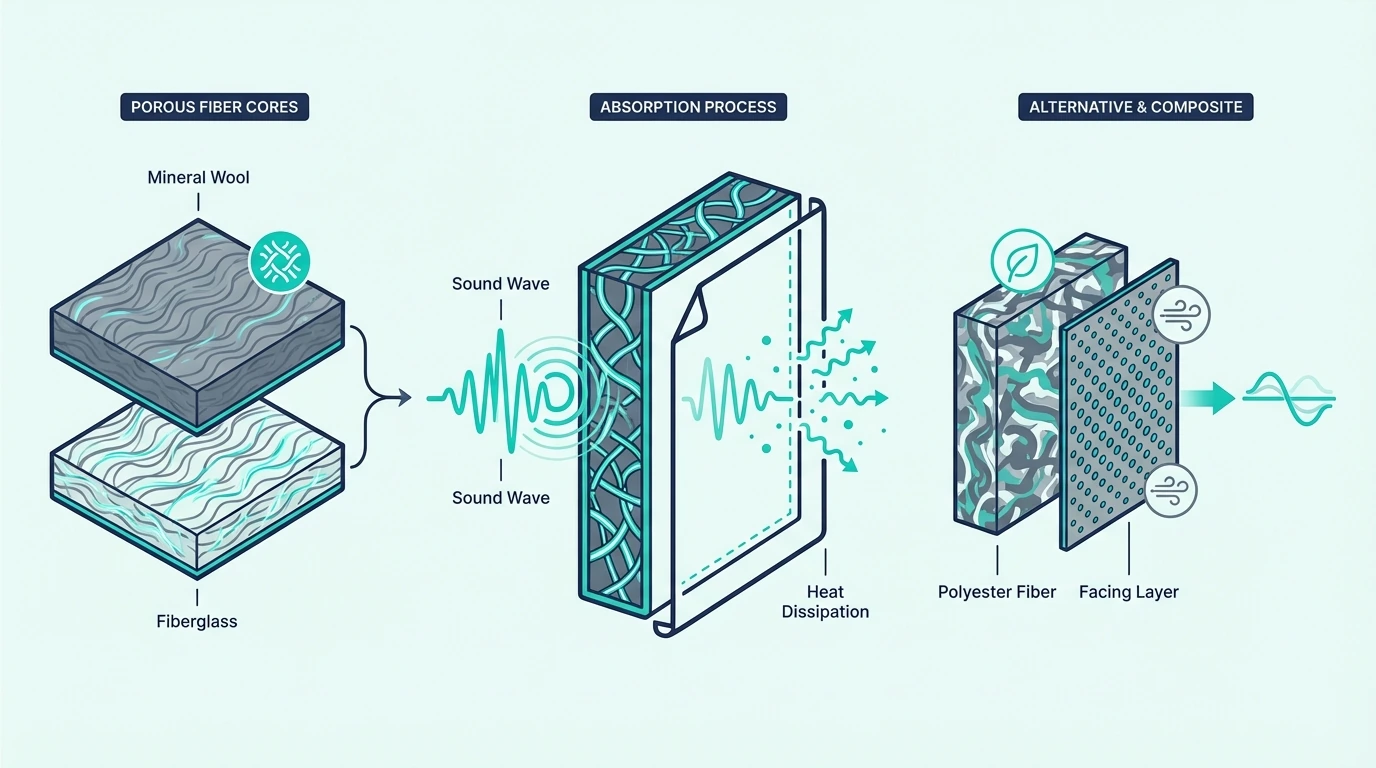
Bass traps use porous absorptive materials that convert sound energy into heat through friction as air molecules move through the material’s fiber structure. The three main categories are rigid fiberglass, mineral wool, and open-cell acoustic foam.
Rigid fiberglass (Owens Corning 703, 705) is the industry standard for professional acoustic panels and bass traps. Its glass fiber matrix creates a dense, porous structure that absorbs broadly across the frequency spectrum when thick enough.
Mineral wool (Rockwool Safe’n’Sound, ComfortBoard 80) performs similarly to fiberglass at comparable densities. It’s made from spun volcanic rock fibers and is often cheaper and more widely available at hardware stores.
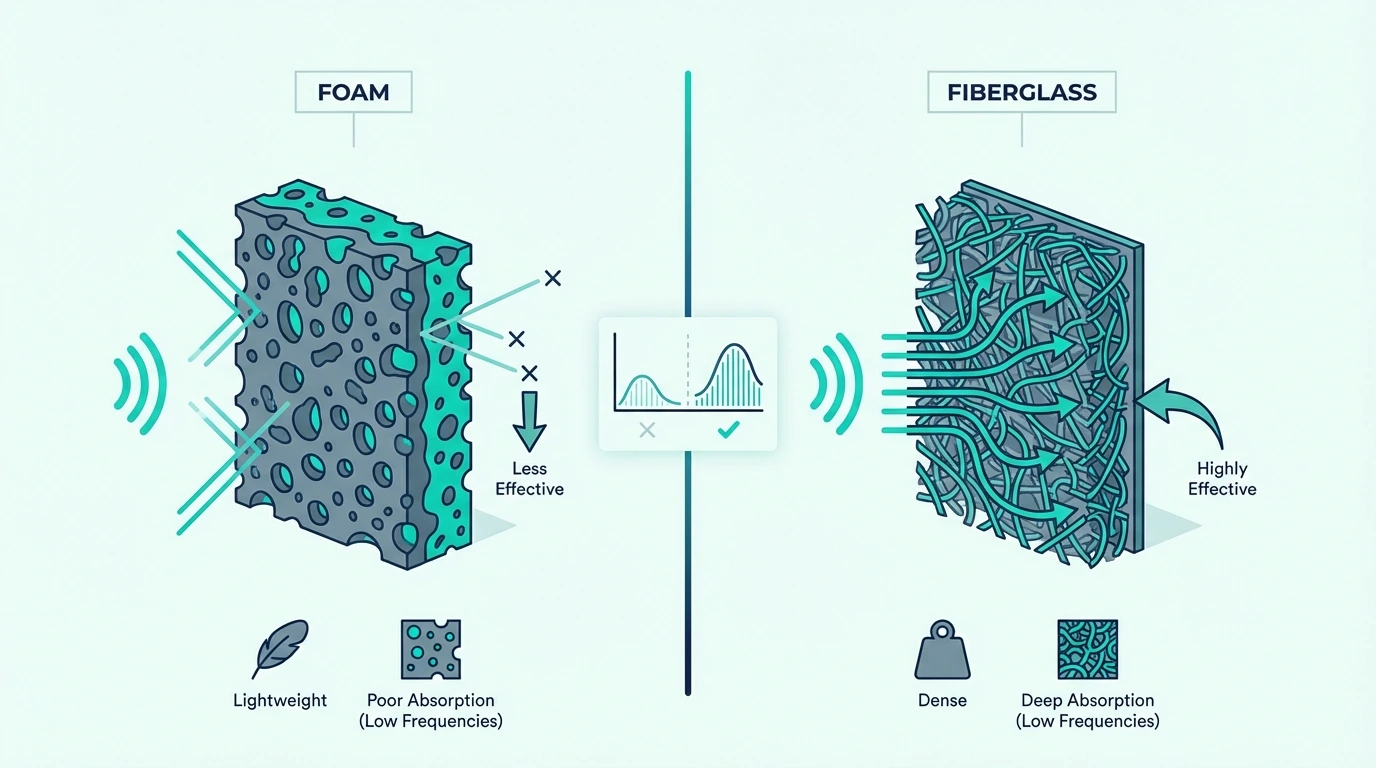
Open-cell acoustic foam is the most convenient option — it comes pre-shaped in corner wedge profiles and requires no framing or wrapping. The tradeoff is reduced low-frequency performance compared to fiberglass and mineral wool at the same thickness.
The key properties that determine a material’s bass absorption performance are density (measured in PCF — pounds per cubic foot), porosity (how easily air flows through it), and thickness. For bass trapping, you need at least 3-6 PCF density and 4+ inches of thickness to absorb meaningfully below 250 Hz.
Which Is Better for Bass Traps: Rigid Fiberglass or Mineral Wool?
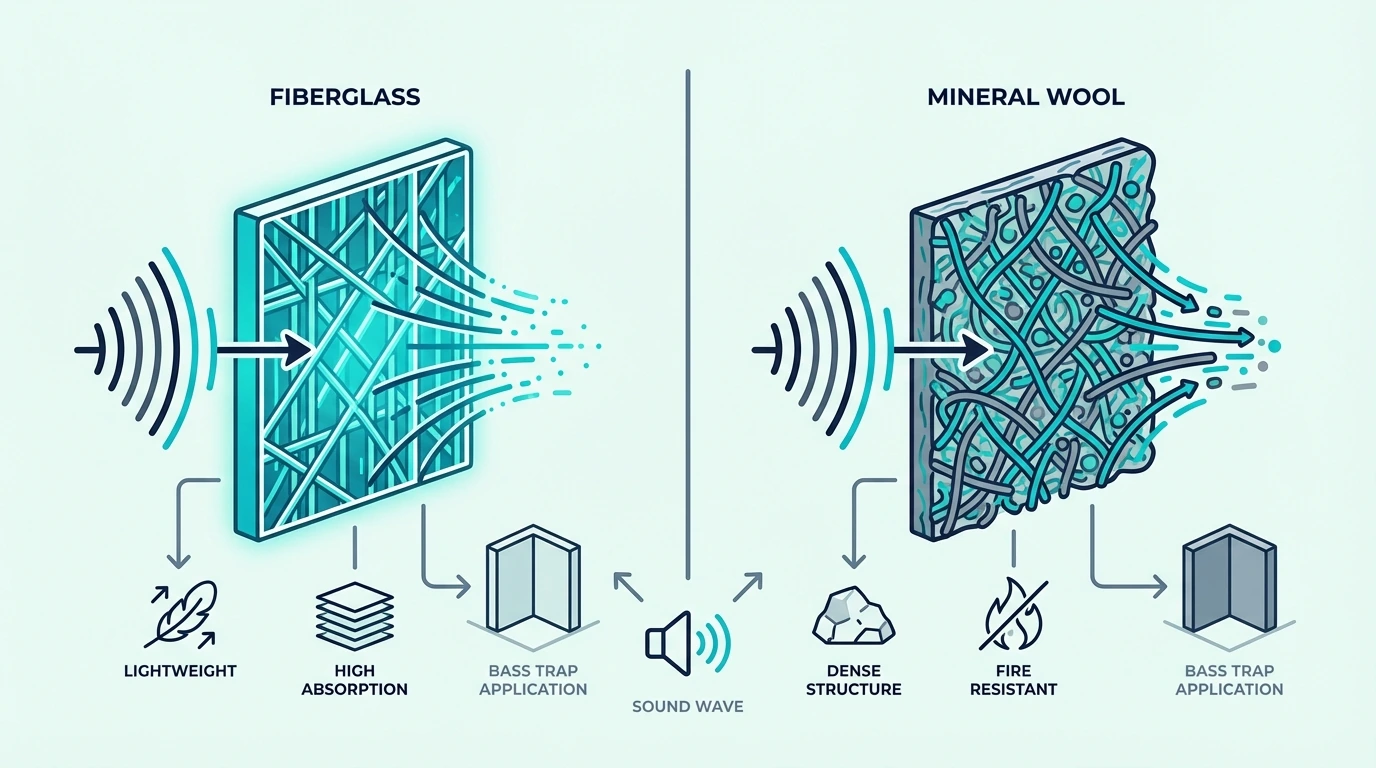
Rigid fiberglass and mineral wool are the two dominant materials for DIY bass trap builds, and they perform similarly enough that your choice often comes down to price and availability rather than acoustic performance.
Both materials absorb sound through the same mechanism — air forced through tightly packed fibers creates friction that converts acoustic energy to heat. At matched densities, their absorption coefficients are within 5-10% of each other across the entire frequency range.
Owens Corning 703 vs Rockwool ComfortBoard
Owens Corning 703 is the most commonly referenced bass trap material in studio building guides — it has a density of 3 PCF, comes in standard 2×4 foot panels at 2 or 4 inch thickness, and has well-documented absorption data. A 4-inch 703 panel has an NRC of approximately 1.0, meaning it absorbs virtually all sound at mid and high frequencies.
Rockwool ComfortBoard 80 has a density of 8 PCF — more than double the density of 703. This higher density gives it slightly better absorption per inch at bass frequencies (below 250 Hz), but the difference narrows significantly when both materials are mounted in corners with air gaps.
Rockwool Safe’n’Sound is the budget option at roughly 2.5-3 PCF density — it costs significantly less than either 703 or ComfortBoard and is stocked at most Home Depot and Lowe’s locations. For budget builds, Safe’n’Sound delivers 80-90% of the performance of premium materials at a fraction of the cost.
Which Is Safer To Handle?
Fiberglass produces fine glass fibers that irritate skin, eyes, and lungs during cutting and installation. You need gloves, long sleeves, safety glasses, and an N95 respirator when working with OC 703.
Mineral wool is easier to handle — it produces fewer airborne fibers during cutting and causes less skin irritation. You should still wear an N95 mask when cutting it, but the overall handling experience is more forgiving than fiberglass.
Both materials are safe once installed and wrapped in fabric. The fiber exposure risk is limited to the building phase, and proper PPE eliminates the health concern.
Get Studio Tips Weekly
Join 5,000+ creators getting acoustic treatment advice every week.
No spam. Unsubscribe anytime.Can Foam Bass Traps Match Fiberglass Performance?
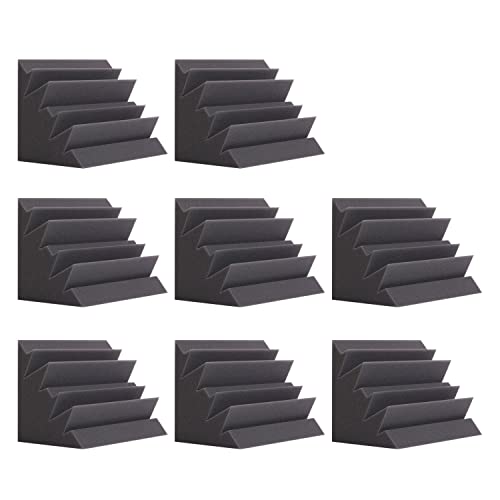
Acoustic foam is the most popular bass trap material by sales volume because it’s sold as ready-to-install corner pieces that require no construction. The 4 Pack Bass Traps for Ceiling Corner is a typical example — triangular foam wedges designed for corner mounting.
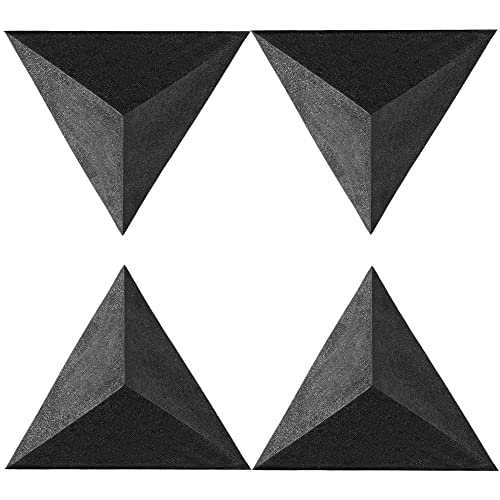
4 Pack Bass Traps for Ceiling Corner
Foam’s limitation for bass trapping is its lower density compared to fiberglass and mineral wool — most acoustic foams are 1-2 PCF, which means they need to be significantly thicker to achieve the same bass absorption. A 4-inch foam trap absorbs roughly as much bass as a 2-inch rigid fiberglass panel.
The advantage of foam is convenience — no frame building, no fabric wrapping, no PPE during installation. For rooms where moderate bass improvement is acceptable and ease of installation is the priority, foam bass traps work as a practical starting point.
For serious bass control — studio mixing rooms, mastering suites, home theaters with dedicated subwoofers — fiberglass or mineral wool at 4-6 inch thickness is the clear choice. The construction effort pays off in dramatically better low-frequency absorption.
What Fabric Should You Wrap Bass Traps In?
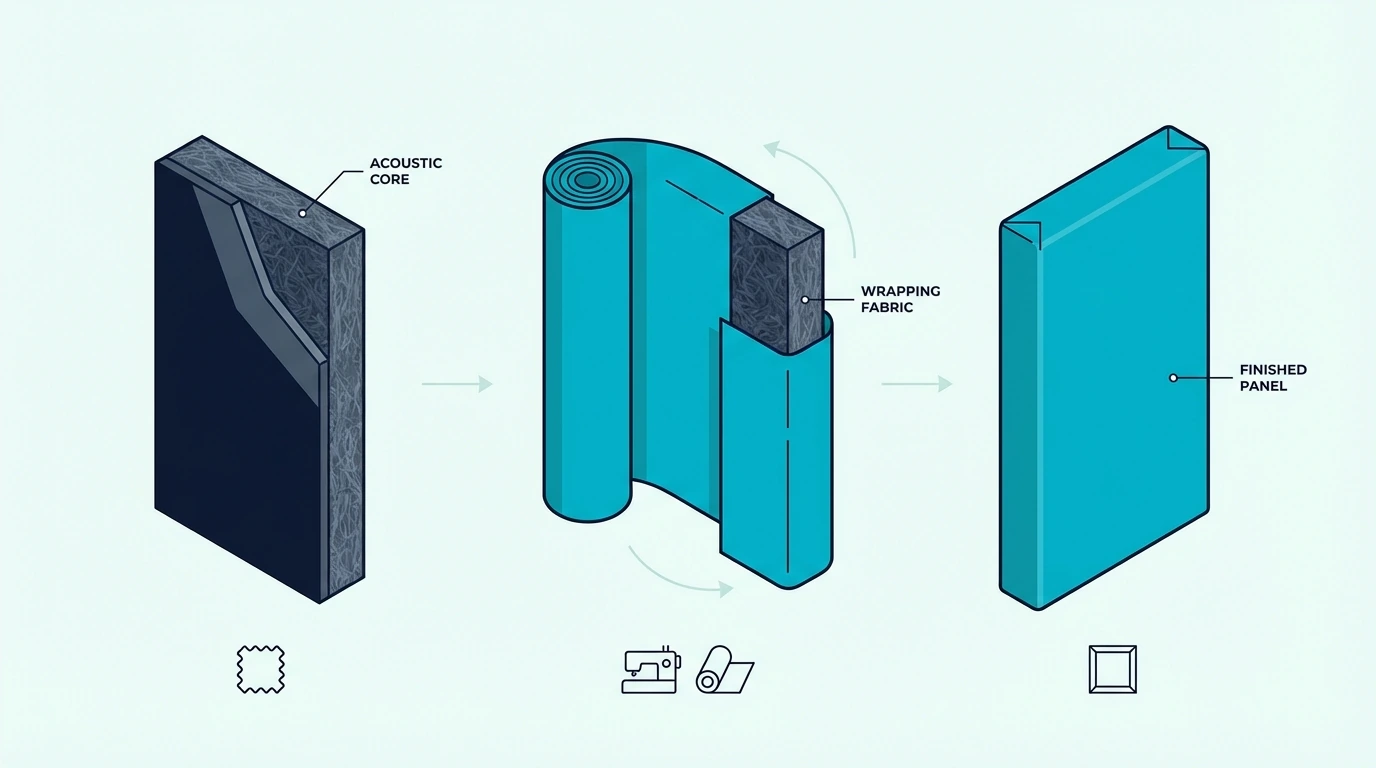
The fabric wrapping on a bass trap must be acoustically transparent — meaning it lets sound pass through freely without reflecting or filtering frequencies before they reach the absorber material. A reflective or dense fabric turns your bass trap into a partial mirror.
Muslin is the most common DIY wrapping fabric — it’s cheap (under $5 per yard), widely available at fabric stores, and acoustically transparent. Hold unbleached muslin up to your mouth and blow through it to confirm air passes freely.
Guilford of Maine (GoM) fabrics are the professional standard — specifically engineered for acoustic transparency and available in dozens of colors and textures. GoM fabric costs more ($15-30 per yard) but gives a polished, professional appearance.
Burlap works acoustically but has a rough texture and a distinct visual style. It’s acoustically transparent and cheap, making it popular for rustic or industrial-styled studios.
Speaker grill cloth is another proven option — it’s designed to let sound through and comes in black, which matches most studio aesthetics.
Avoid any fabric you can’t easily blow air through. If it feels thick, stiff, or tightly woven against your lips, it will reflect mid and high frequencies before they reach the absorber.
What Alternative Materials Work for Bass Traps?
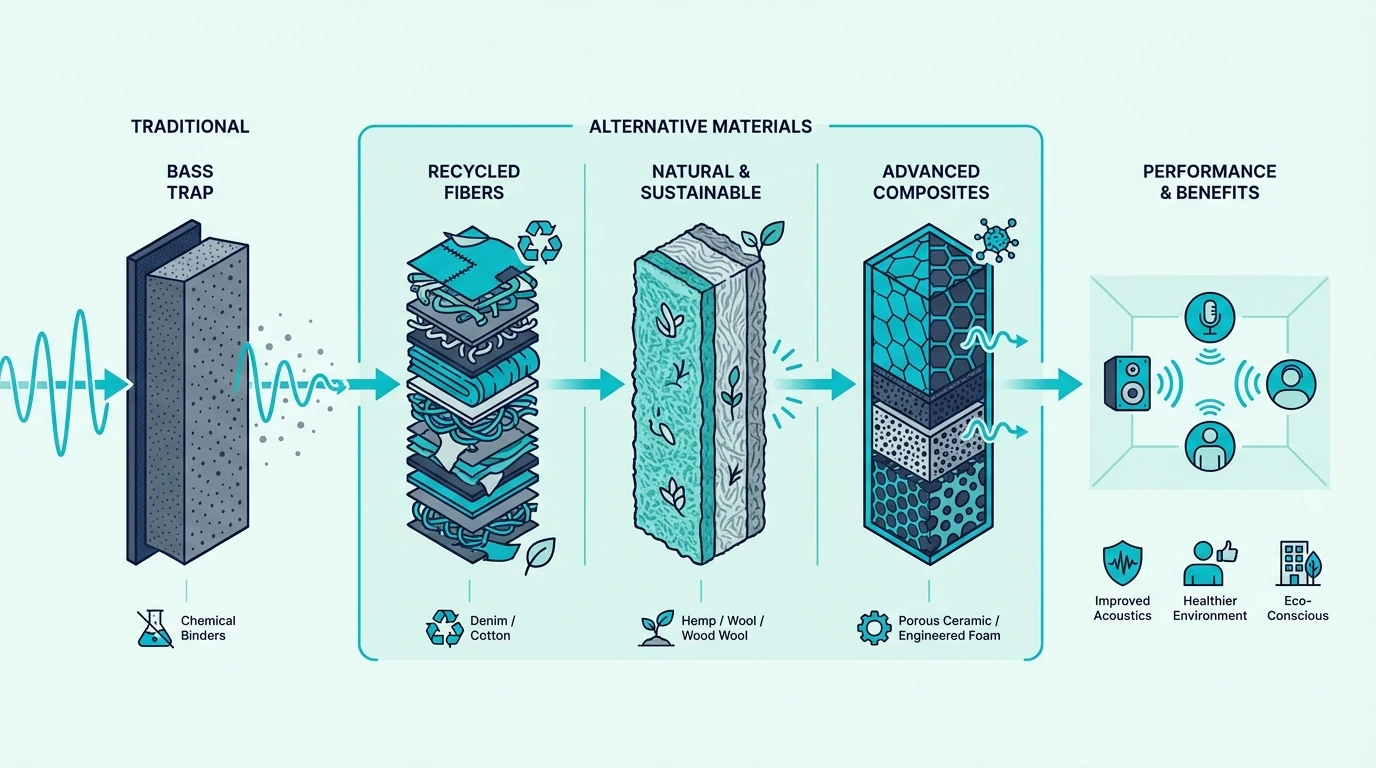
People frequently ask about unconventional materials for bass traps, usually because they’re cheaper or more accessible than standard rigid fiberglass and mineral wool. Some work, some don’t.
Can You Use Ductboard For Bass Traps?
Ductboard is rigid fiberglass with a foil vapor barrier on one side — it’s the same glass fiber material as OC 703, just with a reflective face. Remove the foil facing and the underlying fiberglass works well for bass traps.
The foil face must come off because it reflects sound instead of letting it pass into the fiberglass — peel or scrape it away, then treat the board like standard rigid fiberglass. Ductboard is often available at HVAC supply stores at lower prices than dedicated acoustic boards.
Kraft Paper vs Plastic Vapor Barrier
Kraft-faced insulation (the brown paper backing on common fiberglass batts) partially reflects sound at mid and high frequencies. For bass trapping, this reflection isn’t necessarily a problem — bass wavelengths are long enough to pass through kraft paper with minimal reflection.
Plastic vapor barriers (poly sheeting) reflect more sound than kraft paper and should be removed. If your insulation batts come with a plastic face, peel it off before using the material in bass traps.
For DIY installations, unfaced insulation batts are the simplest option — no peeling, no waste, and you know the sound reaches the absorber without any barrier.
The Bottom Line
Rigid fiberglass and mineral wool are the proven performers for bass trap builds — choose based on price and availability rather than acoustic differences, since both absorb comparably at matched densities. Rockwool Safe’n’Sound offers the best value for budget-conscious builders.
Foam traps like the 8 Pack Bass Traps Acoustic Foam Corner work for moderate bass improvement with zero construction effort. Wrap DIY traps in muslin or Guilford of Maine fabric, and avoid dense or reflective wrappings.
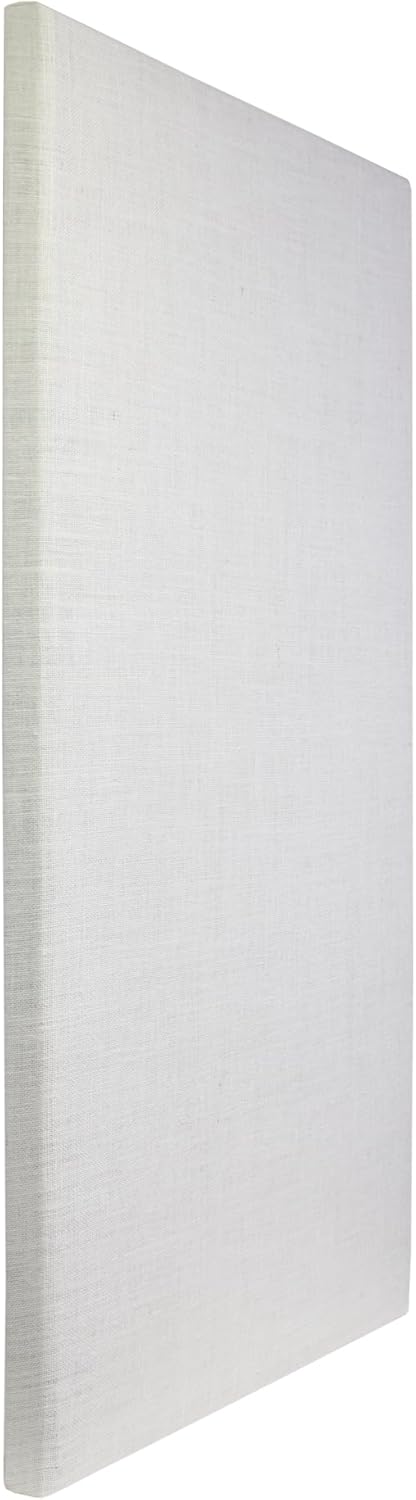
For a premium material alternative, the ATS Acoustics 2-inch panel combines a mineral wool core, a solid wood internal frame and jute burlap facing for a polished look.
Frequently Asked Questions
Can muslin be used for bass traps?
Muslin is one of the best wrapping fabrics for bass traps — it’s acoustically transparent, inexpensive, and available at any fabric store. Use medium-weight unbleached muslin and staple or glue it to the back of your trap frame for a clean finish.
Can you use silk for bass trap wrapping?
Silk is not ideal for bass trap wrapping because its tight weave reflects mid and high frequencies before they reach the absorber material. The bass frequencies will still pass through (their wavelengths are too long to be affected by the fabric), but you’ll lose absorption above 1 kHz where the silk acts as a partial reflector.
Are bass traps necessary for voice over?
Bass traps are necessary for voice over booths because small enclosed spaces accumulate bass energy rapidly — the smaller the booth, the worse the bass buildup. A voice booth without bass traps produces a boxy, boomy sound on recordings that’s difficult to fix with EQ in post-production.