Bose vs Samsung Soundbar: Which Brand Matches Your TV and Budget? [2026]

The Bose vs Samsung soundbar comparison looks straightforward, but the two brands are solving different problems and that is where buyers get tripped up. Bose sells a tighter, more premium lineup built around dialogue clarity and simple ownership, while Samsung covers far more price tiers, more room sizes, and more surround-heavy setups — especially if you already own a Samsung TV.
That difference matters more than spec-sheet bragging rights. Choose Bose when what you really wanted was maximum immersion per dollar, and the lineup can feel expensive and narrow; choose Samsung when what you really wanted was easy dialogue improvement and TV-agnostic simplicity, and the extra feature density can feel less valuable than it looked on paper.
The better comparison is not “which brand is best?” but “which brand matches your TV, room, and listening habits?” Once you frame it that way, Bose and Samsung stop competing as generic premium brands and start looking like two different answers to two different problems.
Start with the most useful question: do you want clearer speech and a more predictable premium experience no matter what TV you own, or do you want more range, more channels, and better ecosystem advantages if you are already inside Samsung’s world? That is the decision that actually shapes satisfaction after the first week of ownership.
Choose Bose if dialogue clarity, cleaner everyday usability, and TV-brand flexibility matter most. Bose is easier to shop if you want a premium bar that works the same way across Samsung, Sony, LG, TCL, or Hisense TVs and you do not want to decode a huge lineup.
Choose Samsung if you own a compatible Samsung TV, want more channel-count options, or care about getting more immersion and bass per dollar. Samsung is also the stronger fit when you want a brand that stretches from budget bars to flagship surround-heavy packages instead of only a few premium choices.
How Do Bose and Samsung Soundbars Differ in Sound Quality?

The biggest difference between Bose and Samsung is tuning philosophy. Bose tends to sound more controlled, speech-focused, and deliberately polished, while Samsung tends to push harder on scale, bass, and cinematic impact — especially once you move above the entry tier.
Bose: Better for Dialogue-First Listening
Bose soundbars are usually easier to appreciate in everyday TV use because the brand prioritizes intelligibility. Voices stay more forward in the mix, low-volume listening stays easier to follow, and the overall presentation feels designed around the question most people actually ask after buying a TV: “Can I hear what people are saying now?”
That is why Bose often works especially well in apartments, bedrooms, and shared living rooms where dialogue clarity matters more than maximum theater effects. A current flagship example is the Bose Smart Ultra Soundbar, which shows how far Bose pushes a single-bar, voice-first approach before adding more speakers around the room. Our Sonos vs Bose soundbar comparison shows how that same speech-focused tuning stacks up against another premium ecosystem brand.
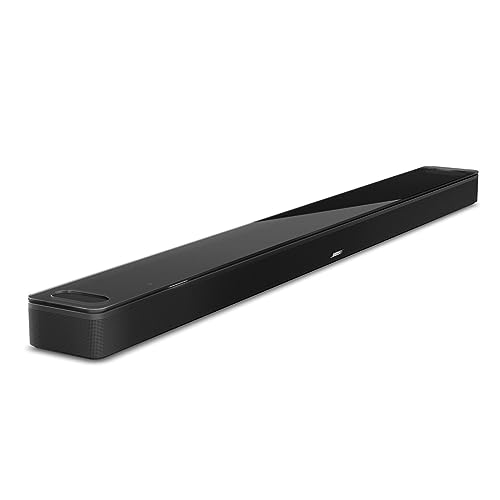
Bose Smart Ultra Soundbar
Bose also tends to feel more predictable from model to model. The bars differ in immersion, app depth, and expandability, but the brand character is usually obvious: cleaner speech, more controlled sound, and fewer surprises if your main use case is still TV, streaming, and everyday movie watching rather than demo-scene home theater.
That consistency matters in real rooms. If several people use the TV, if you often watch at modest volume at night, or if you are tired of constantly rewinding dialogue, Bose’s sound signature often solves the daily annoyance faster than a more feature-heavy alternative.
Samsung: Better for Scale, Bass, and Channel Value
Samsung approaches the category from the opposite direction. Instead of centering the entire lineup on dialogue refinement, Samsung tends to give buyers more hardware, more channel count, and more cinematic weight at each tier, which makes the brand easier to justify when you want the soundbar to feel bigger than the TV speakers from day one.
That is easy to see in mid-range packages like the Samsung Q-Series Soundbar, which is the kind of product Samsung uses to win the “more home theater feel for the money” argument. Step up to bars like the HW-Q990D and Samsung moves even further toward full-surround immersion with discrete rear speakers and more obvious Atmos hardware than Bose offers in its cleaner single-bar path.
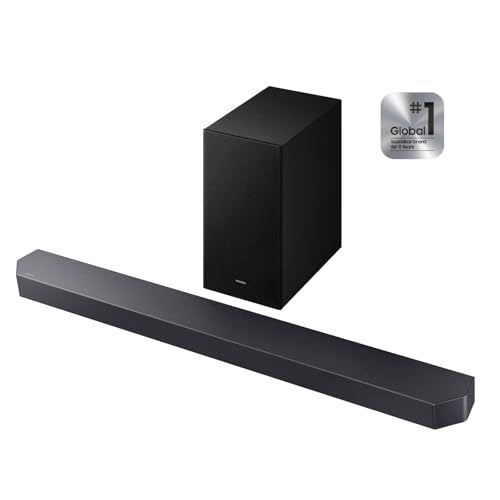
Samsung Q-Series Soundbar
That does not automatically make Samsung “better sounding.” It makes Samsung easier to recommend when your priorities are action movies, fuller bass, and a bigger sense of space instead of the cleanest speech-first tuning. Our soundbar vs surround sound guide explains when more channels actually translate into a better room experience, and our what soundbar channels mean guide breaks down why Samsung’s lineup can look so much more aggressive on paper.
In short, Bose usually wins the “I want clearer dialogue and less friction” case, while Samsung usually wins the “I want bigger, bassier, more cinematic results for the money” case.
How Do Bose and Samsung Compare on Features, Pricing, and TV Fit?
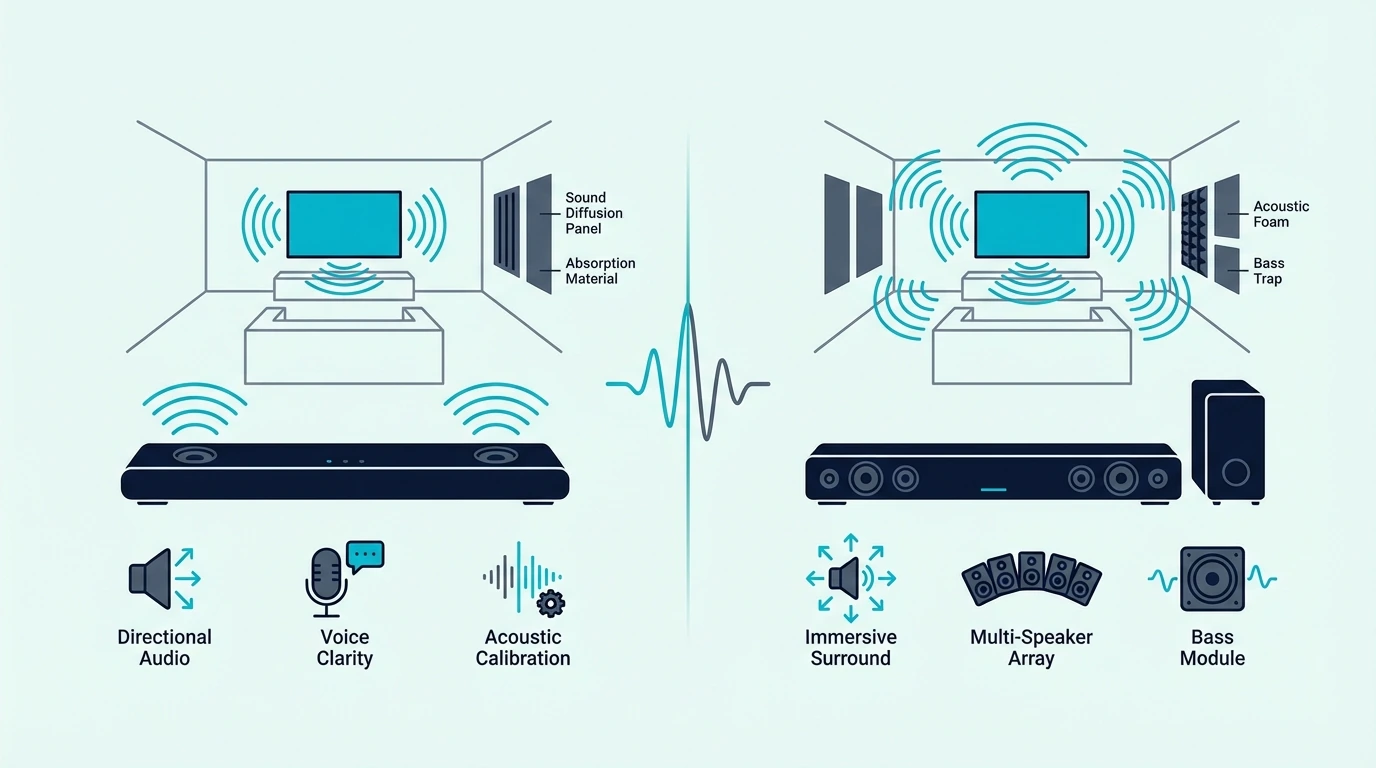
Once you get past raw sound character, the Bose-versus-Samsung decision becomes much more practical. TV brand, ecosystem fit, lineup clarity, and price range matter just as much as sound quality because those are the things you keep living with after the novelty wears off.
Samsung Has the Better Native Fit for Samsung TVs
If you already own a compatible Samsung TV, Samsung soundbars start with an advantage Bose cannot duplicate. Features like Q-Symphony let the TV speakers and soundbar work together instead of forcing the TV speakers to shut off, which can create a wider and taller presentation than the soundbar alone.
That kind of native integration matters because it is not just a marketing extra. It changes the ownership experience. Samsung also folds the soundbar more cleanly into SmartThings and the broader Samsung ecosystem, which makes the bar feel like part of the TV platform rather than just an external box connected over HDMI. Our soundbar to TV connection guide is useful here because the Samsung advantage shows up most clearly when you already want tighter TV-side integration instead of simple universal compatibility.
Samsung also wins on range. The brand covers budget bars, mid-range subwoofer packages, and flagship surround-heavy systems in a way Bose simply does not. That means Samsung gives buyers more ways to scale up or down without leaving the brand, and it makes Samsung easier to fit to strict budgets, larger rooms, and buyers who want rear speakers sooner rather than later.
Bose Is Easier to Buy If You Want TV-Agnostic Simplicity
Bose wins a different kind of feature argument: less ecosystem dependence. Bose bars connect over standard HDMI ARC or eARC, work cleanly with almost any mainstream TV brand, and do not require you to care about whether your display and soundbar come from the same manufacturer to get the best day-to-day experience.
That makes Bose easier to recommend for buyers who change TVs more often than speakers, who own non-Samsung displays, or who simply do not want their soundbar choice tied to one TV ecosystem. A good mid-line example is the Bose Smart Soundbar 600, which captures the Bose appeal well: cleaner model positioning, solid everyday usability, and less ecosystem homework before you buy. Our HDMI vs optical guide and does a soundbar work with any TV guide both support the Bose side of the argument because the brand’s simplicity matters most when compatibility confidence is part of the buying decision.
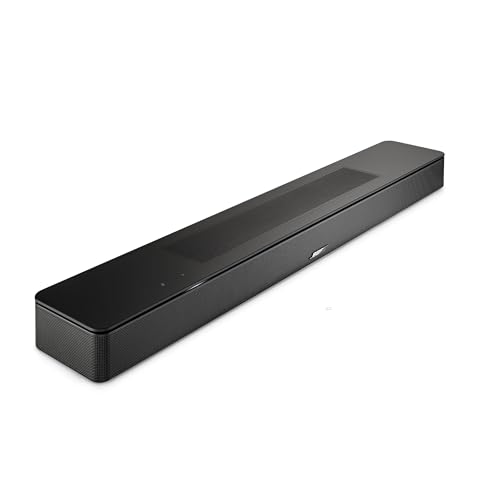
Bose Smart Soundbar 600
Bose also benefits from being easier to shop. Instead of sorting through a huge ladder of models, you are usually deciding between “basic dialogue upgrade,” “better smart mid-tier bar,” and “best single-bar Bose option.” That reduces buying error, which is genuinely valuable if you are choosing for family members or for a room where simplicity matters more than squeezing every last feature out of the budget.
Which Brand Is the Better Value?
This is where the comparison usually flips depending on what you mean by value. If value means more hardware, more channels, and more feature density at the same spend, Samsung usually wins. Samsung is the easier brand to recommend when you want a subwoofer sooner, care about surround impact, or need a viable option below Bose’s starting tier.
If value means cleaner dialogue, easier daily use, and less risk of buying the wrong model, Bose can still be the better deal even when it costs more. A product that solves the exact problem you have is often more valuable than a product with more features you barely use. Our is a soundbar worth it guide frames that tradeoff well, and our 2.1 vs 5.1 soundbar comparison helps explain why Samsung’s extra hardware matters more for some rooms than others.
The most practical rule is simple: choose Samsung when room scale, immersion, or Samsung-TV integration drive the purchase; choose Bose when speech clarity, simplicity, and brand-agnostic ownership matter more than maximum channel count.
Get Studio Tips Weekly
Join 5,000+ creators getting acoustic treatment advice every week.
No spam. Unsubscribe anytime.The Bottom Line
Bose is the better fit if you want clearer dialogue, easier model selection, and a premium soundbar that works predictably with whatever TV you own now or later. It is the safer answer for buyers who want the soundbar to solve everyday TV frustration without turning the decision into a mini home-theater project.
Samsung is the better fit if you own a Samsung TV, want more range from budget to flagship, or care more about immersion, bass, and hardware value per dollar than Bose-style simplicity. It is the stronger answer when you want the soundbar to feel like a bigger entertainment upgrade rather than just a cleaner one.
Our do you need a soundbar for smart TV guide helps you decide whether either brand is worth the step up at all, and our soundbar setup guide covers what to do once you choose a direction.
Frequently Asked Questions
Are Bose soundbars better than Samsung?
Bose is usually better for dialogue clarity, simpler shopping, and TV-agnostic ownership, while Samsung is usually better for immersion, bass, and getting more channels and features for the same money.
Is Samsung better than Bose for Samsung TVs?
Usually, yes, if you care about native ecosystem advantages. Compatible Samsung soundbars can tap features like Q-Symphony and tighter SmartThings integration in ways Bose cannot match, which gives Samsung a real practical edge for Samsung-TV owners.
Which brand has the best soundbars overall?
There is no single best soundbar brand for everyone. Bose is one of the safest picks for speech-first premium use, while Samsung is one of the strongest picks for lineup breadth, Samsung-TV synergy, and surround-heavy value. Your TV brand, room size, and listening priorities matter more than the badge alone.

