What Are Some Cons About Acoustic Foam? Honest Disadvantages Explained
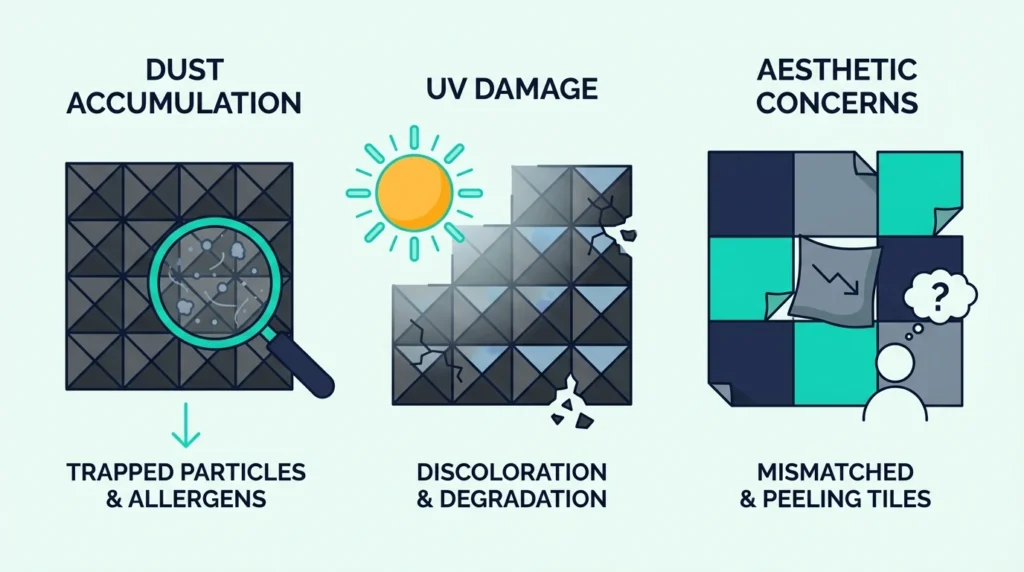
What are some cons about acoustic foam? It tames reflections in a room, but it won’t absorb bass, it won’t soundproof anything, and it degrades faster than most people expect. Those are the big three, but there are six more that catch buyers off guard.
The frustration usually hits after installation: you’ve covered half a wall, the echo is better, but the boomy low end bouncing off walls and ceiling is untouched and your neighbor’s music still bleeds through.
Know the limitations upfront and you can use foam where it actually helps while avoiding the problems that waste money.
This guide walks through all nine cons. Start with the biggest performance gap — bass absorption — then work through the practical concerns that affect every foam install.
Main disadvantages of acoustic foam: – Limited frequency range – Doesn’t absorb bass effectively – No soundproofing – Won’t block noise transmission – Durability issues – Degrades over time, especially with UV exposure – Aesthetic limitations – Distinctive “studio” look may not suit all spaces – Fire concerns – Requires proper fire rating – Dust collection – Textured surfaces trap dust – Potential off-gassing – Some foams emit VOCs initially
Bottom line: Foam is a good solution for many situations, but understanding its limitations prevents disappointment.
Con #1: Limited Frequency Absorption
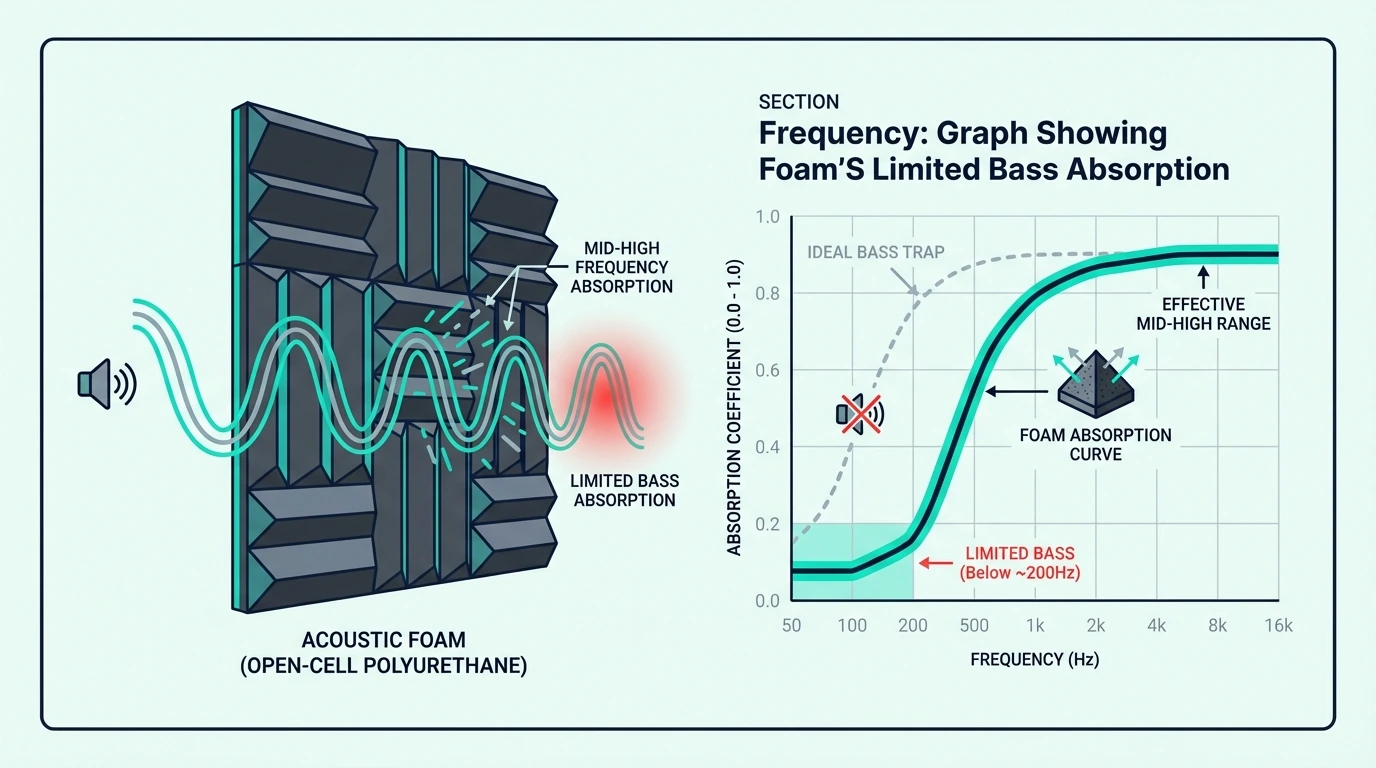
The biggest performance limitation of acoustic foam.
The Problem
Standard acoustic foam (2-4 inches) primarily absorbs mid and high frequencies. Low frequencies pass through largely unaffected:
| Frequency | 2” Foam Absorption |
|---|---|
| 125 Hz | ~10% |
| 250 Hz | ~25% |
| 500 Hz | ~55% |
| 1000 Hz | ~80% |
Bass frequencies (below 250 Hz) require much thicker, denser materials to absorb effectively.
Why It Matters
If your room has bass problems—boomy sound, standing waves, muddy low end—foam panels won’t solve them. You’ll treat the highs and mids while bass issues persist.
The Solution
For bass control, you need dedicated bass traps made from thick fiberglass or rockwool, placed in corners where low frequencies build up. Standard foam thickness won’t cut it.
See our guide on bass traps vs acoustic foam for low-frequency solutions.
Con #2: No Soundproofing Capability
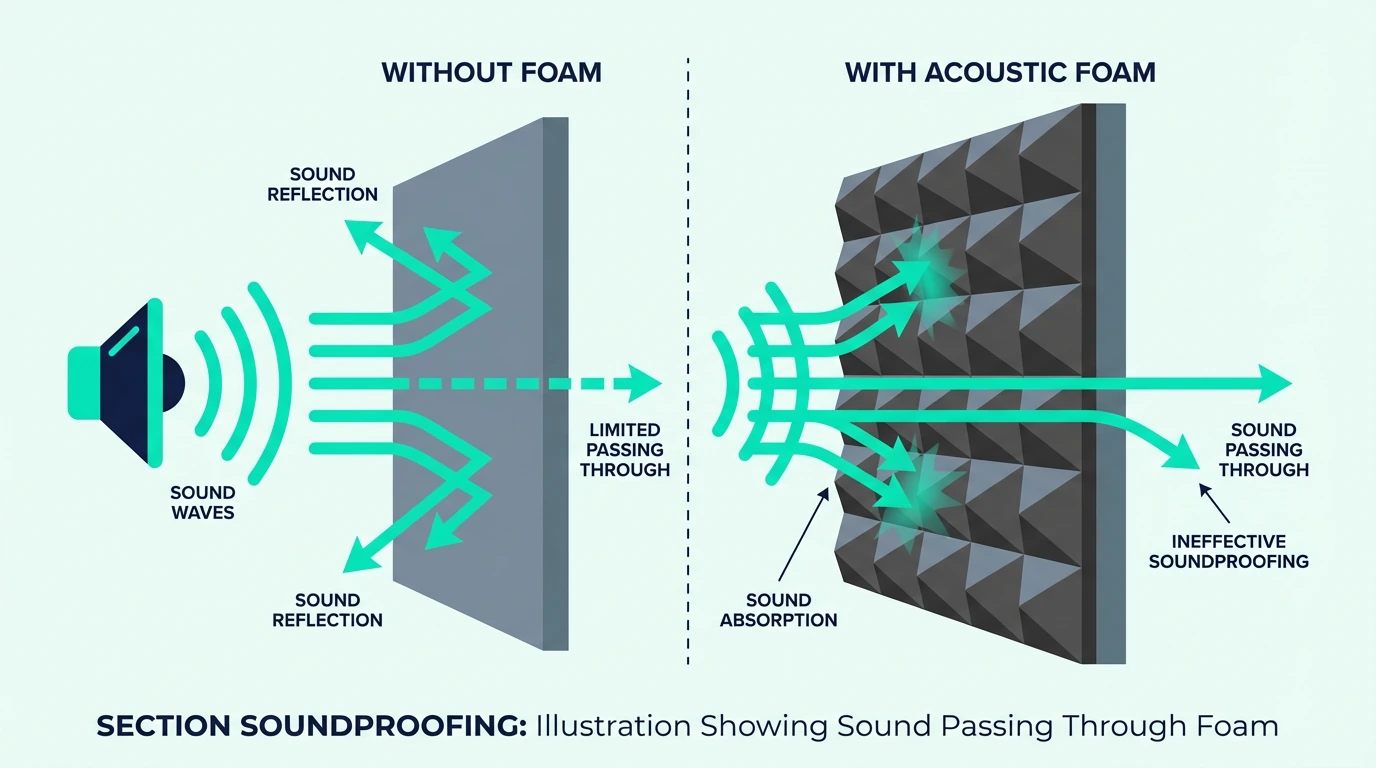
The most common misconception leads to the biggest disappointment.
The Problem
Acoustic foam does NOT block sound transmission. It won’t: – Stop noise from neighbors – Prevent your sound from disturbing others – Block traffic or outside noise – Reduce sound between rooms
Foam is lightweight and porous—the opposite of what blocks sound.
Why People Get Confused
Marketing sometimes implies foam provides “sound reduction” without clarifying the difference between absorption (reducing reflections) and blocking (stopping transmission).
The Solution
Soundproofing requires: – Mass (heavy materials like drywall) – Decoupling (isolated wall structures) – Sealing (no air gaps)
These are construction projects, not surface treatments.
For more information, see our guide on does acoustic foam work.
Get Studio Tips Weekly
Join 5,000+ creators getting acoustic treatment advice every week.
No spam. Unsubscribe anytime.Con #3: Durability and Degradation
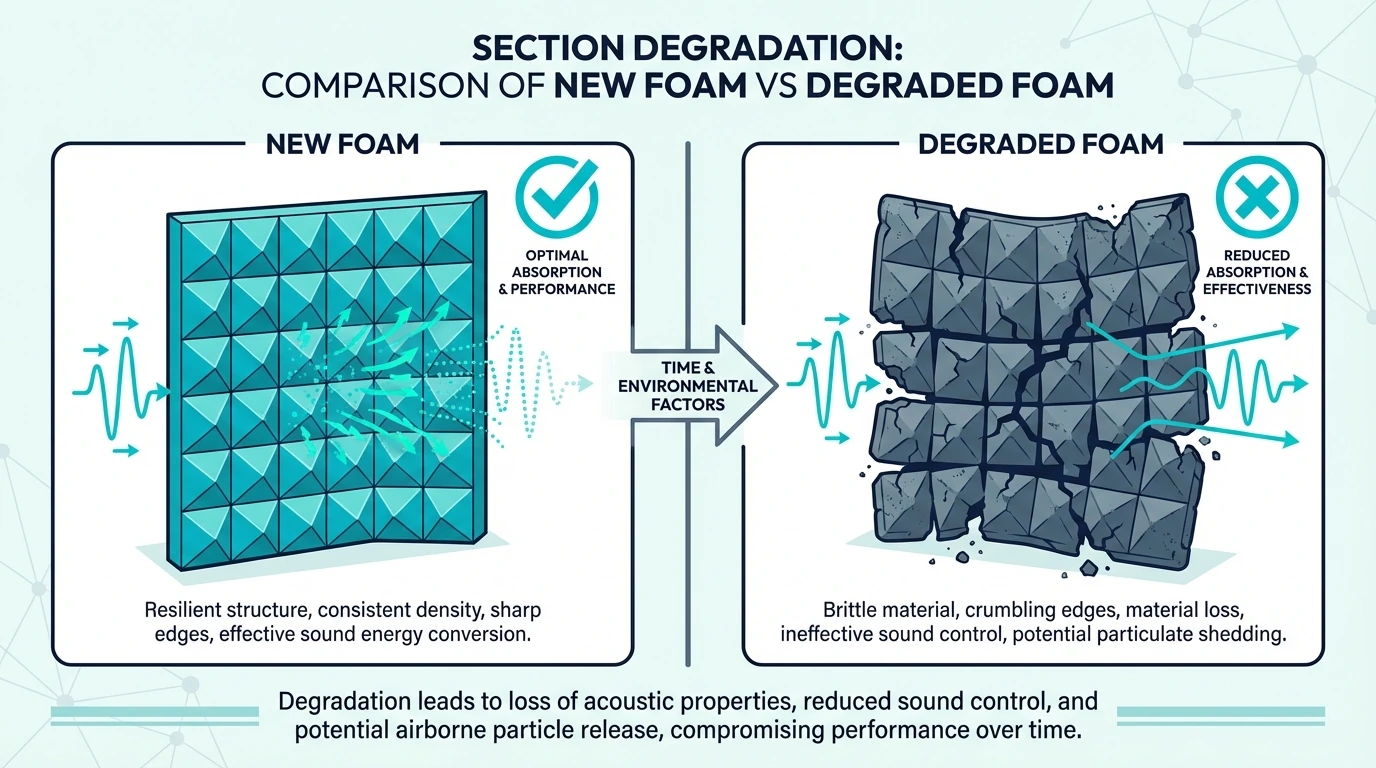
Foam doesn’t last forever.
UV Damage
Sunlight degrades polyurethane foam: – Yellowing and discoloration – Brittleness and crumbling – Reduced acoustic performance – Shortened lifespan
Foam near windows or in sunny rooms degrades faster.
Physical Wear
Foam is delicate: – Easily torn or damaged – Compresses with pressure – Doesn’t recover from crushing – Shows wear from touching
Typical Lifespan
- Budget foam: 2-5 years
- Quality foam: 5-10 years
- Premium foam (melamine): 10-15 years
Compare this to fabric-wrapped fiberglass panels that last 20+ years. If you opt for foam anyway, a denser panel like these 2-inch pyramid foam panels holds up longer than thinner budget tiles.
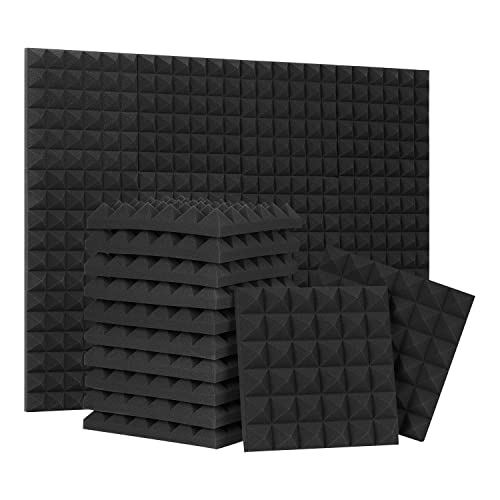
these 2-inch pyramid foam panels
For more on foam longevity, see our guide on whether acoustic foam gets old.
Con #4: Aesthetic Limitations
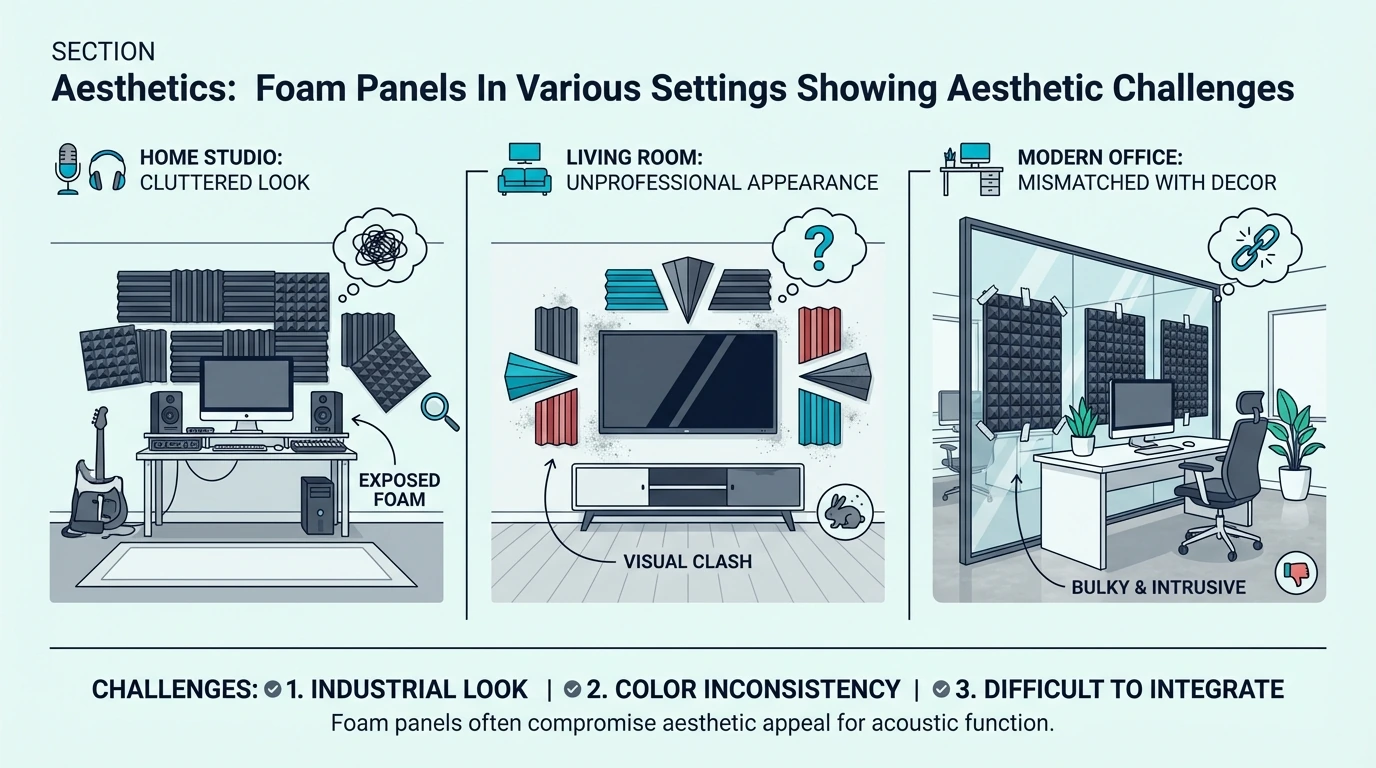
Foam has a distinctive look that doesn’t suit every space.
The “Studio Look”
Wedge and pyramid patterns immediately signal “recording studio.” This may be: – Inappropriate for living spaces – Unprofessional for client-facing rooms – Dated or amateur-looking in some contexts – Visually overwhelming with extensive coverage
Limited Options
Compared to fabric panels: – Fewer color choices – No custom prints or patterns – Can’t match specific décor – Difficult to make look elegant
Alternatives for Better Aesthetics
- Fabric-wrapped panels (fiberglass/rockwool core)
- Flat foam panels (less distinctive)
- Fabric-covered foam
- Decorative acoustic panels
For improving foam appearance, see our guide on how to cover acoustic foam with fabric.
Con #5: Fire Safety Concerns
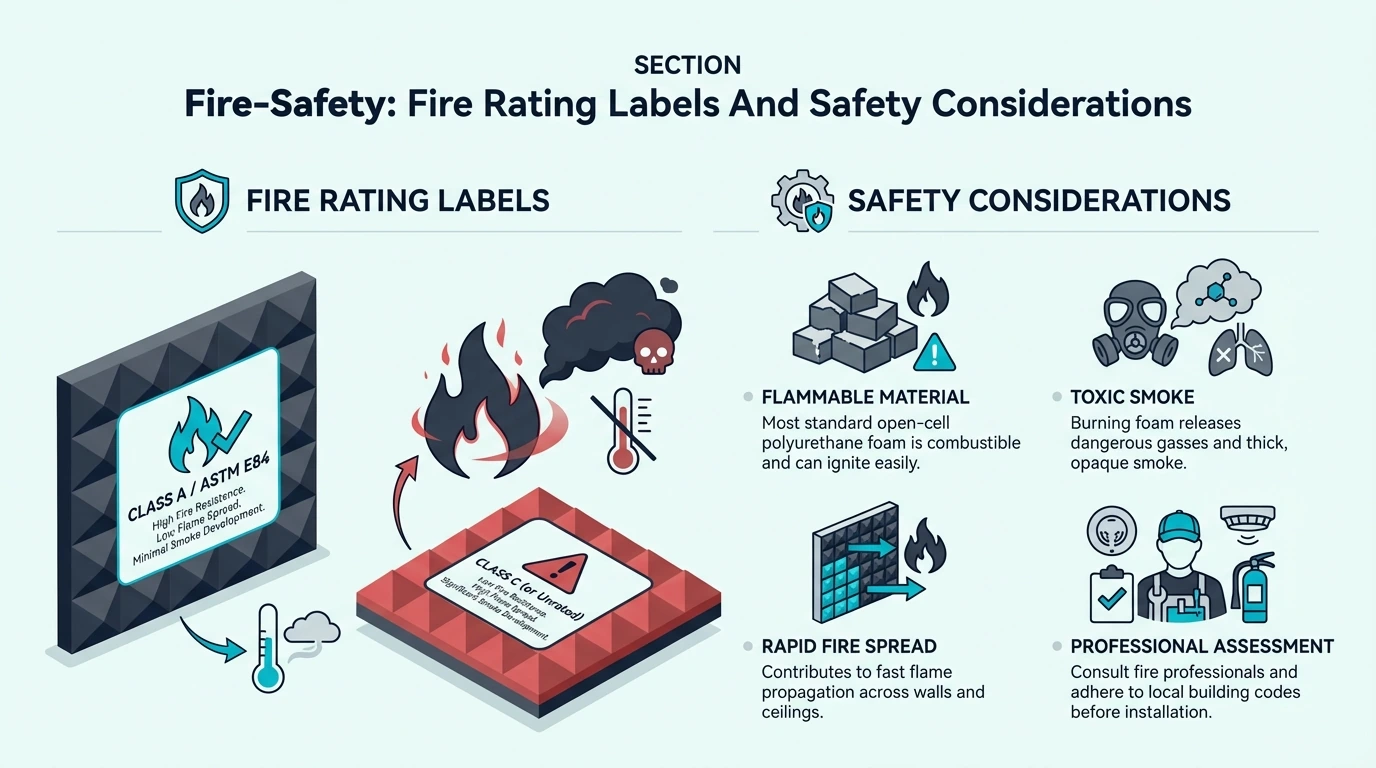
Foam and fire require careful consideration.
The Risk
Polyurethane foam is inherently flammable. Without proper fire retardant treatment, foam can: – Ignite easily – Burn rapidly – Produce toxic smoke – Spread fire quickly
Fire Ratings
Quality acoustic foam carries fire ratings: – Class A: Most fire-resistant – Class B: Good fire resistance – Unrated: Unknown/potentially hazardous
The Problem
Budget foam may: – Lack proper fire rating – Have inadequate treatment – Not meet building codes – Create liability issues
The Solution
Always buy foam with a Class A or B rating and avoid unrated products. Check local fire codes for commercial spaces and keep foam away from heat sources.
For safety information, see our guide on whether acoustic foam is dangerous. Products from established brands like JBER 48-pack studio foam carry proper fire certifications.
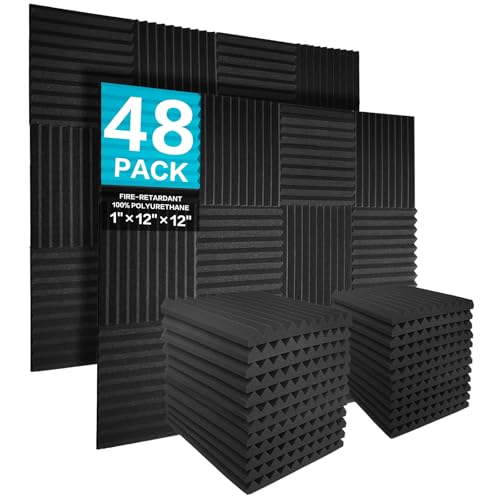
JBER 48-pack studio foam
Con #6: Dust and Cleaning Challenges
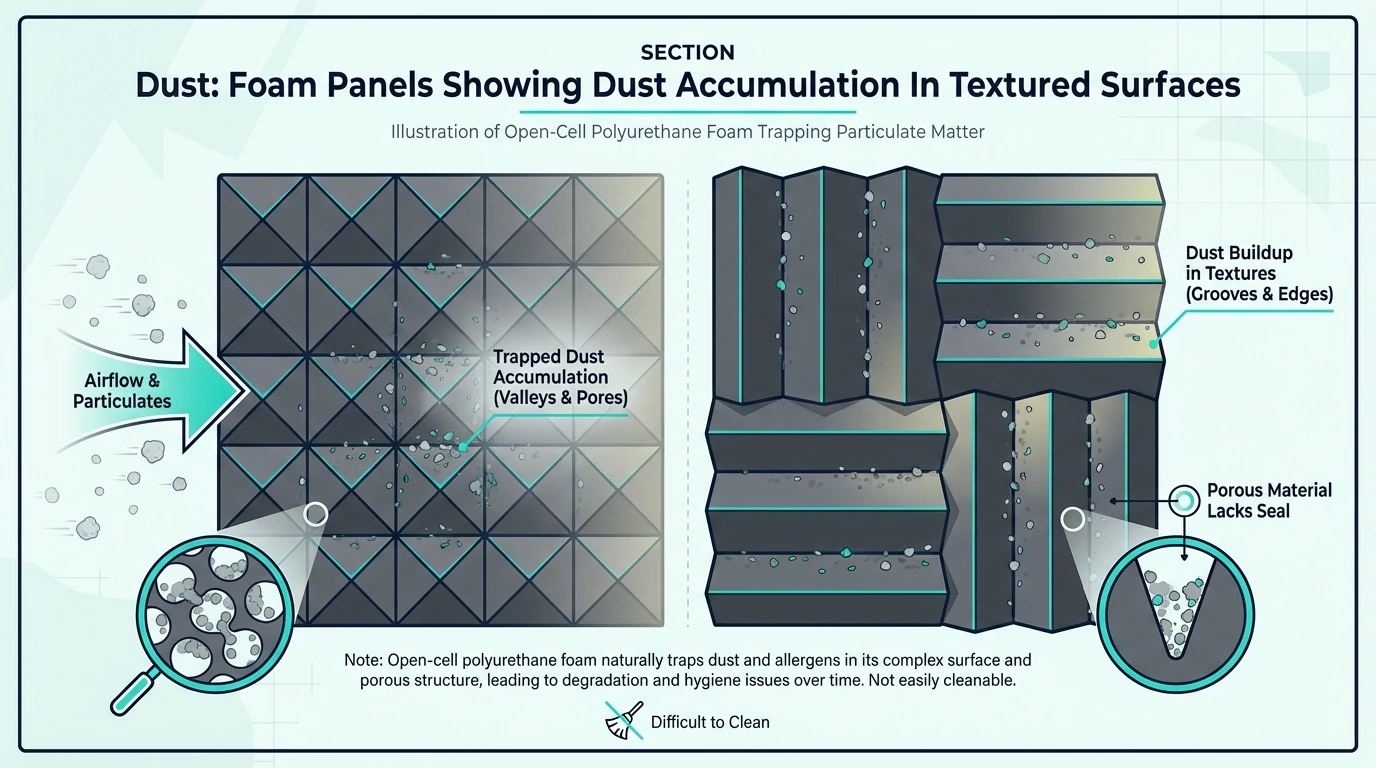
Textured foam surfaces trap dust.
The Problem
Wedge and pyramid patterns create surfaces that: – Collect dust in grooves – Are difficult to clean thoroughly – May trigger allergies – Look dirty over time
Cleaning Limitations
You can’t wash foam like fabric: – Water damages foam – Aggressive cleaning tears material – Dust embeds in cell structure – Vacuuming helps but doesn’t fully clean
The Solution
Vacuum regularly with a brush attachment and use flat panels in dusty environments. If cleaning matters, a small pack like JBER 12-pack foam tiles is cheap enough to swap out every few years rather than deep-cleaning.
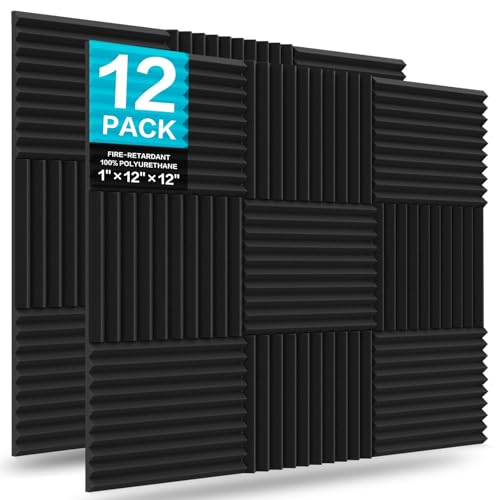
JBER 12-pack foam tiles
Con #7: Off-Gassing and VOCs
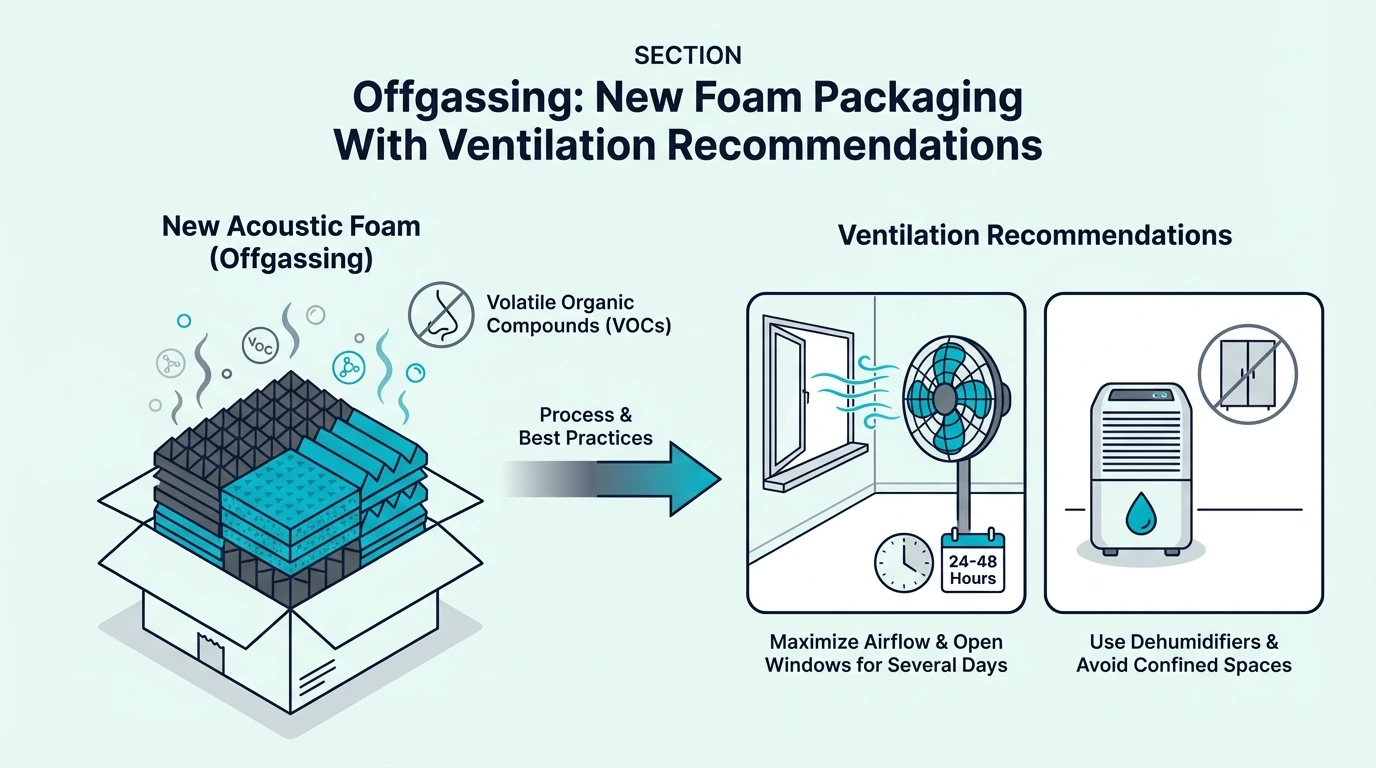
New foam may emit chemicals.
The Problem
Polyurethane foam can off-gas volatile organic compounds (VOCs): – Chemical smell when new – Potential respiratory irritation – Concerns for sensitive individuals – May take weeks to fully dissipate
Factors Affecting Off-Gassing
- Foam quality (cheaper = more off-gassing typically)
- Fire retardant chemicals used
- Room ventilation
- Temperature and humidity
The Solution
- Buy from reputable manufacturers
- Unpack and air out foam before installation
- Ensure good ventilation during initial period
- Consider melamine or polyester alternatives for sensitive situations
Con #8: Installation and Removal Issues
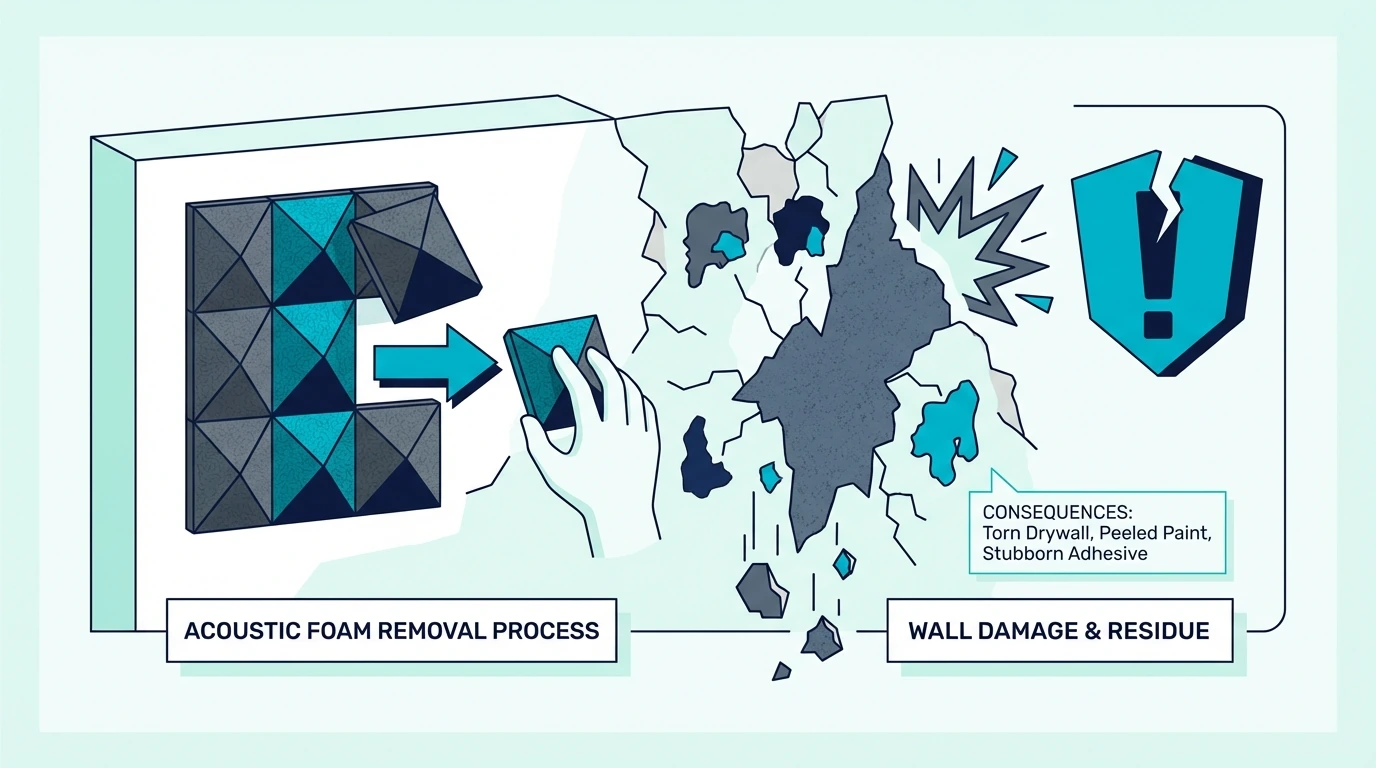
Getting foam up—and down—has challenges.
Adhesive Problems
Permanent adhesives: – Damage walls on removal – May fail over time – Can’t be repositioned – Leave residue
Removal Damage
When removing foam: – Foam often tears – Wall paint/surface damaged – Adhesive residue remains – Panels rarely reusable after removal
Renter Concerns
For renters: – Permanent mounting risks deposit – Removable options less secure – May need landlord permission – Damage liability
For mounting options, see our guide on how to put acoustic foam on walls.
Con #9: Over-Treatment Risk
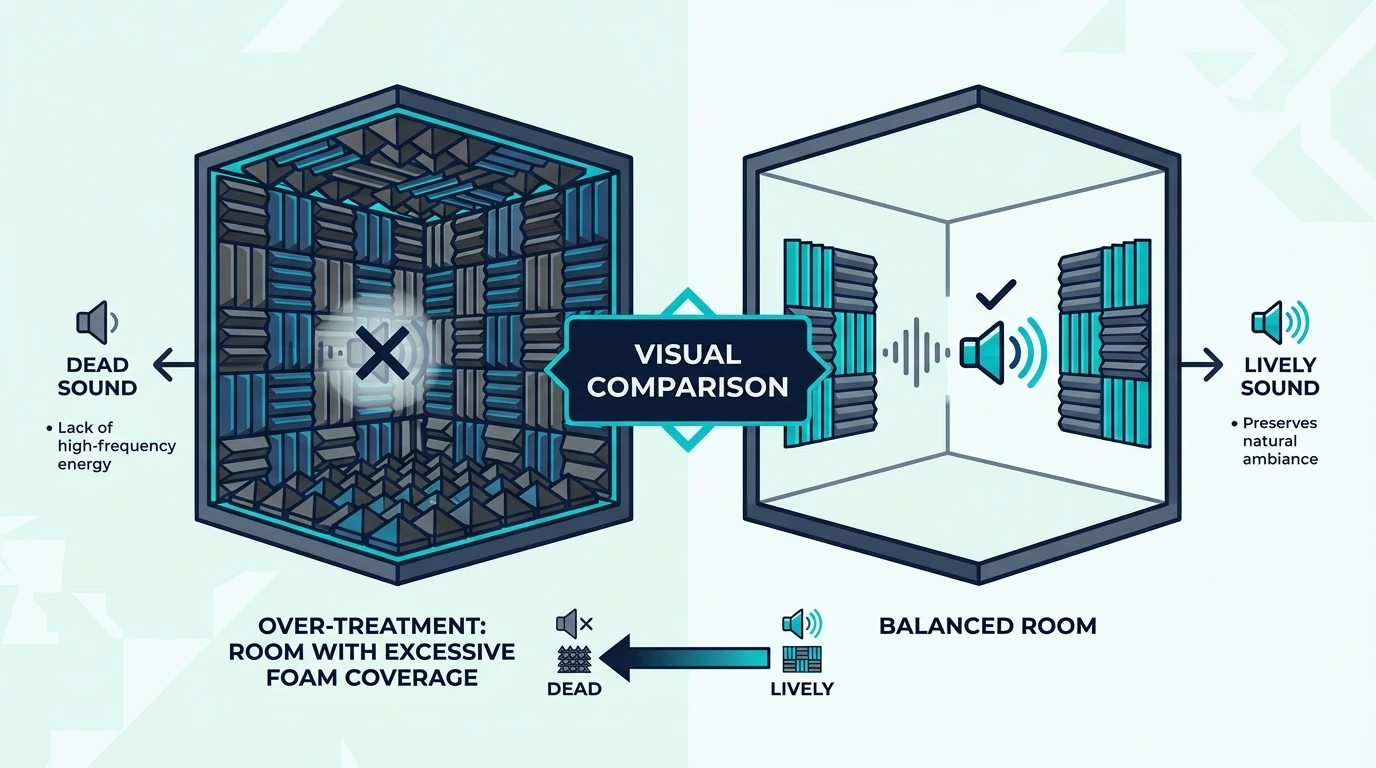
Too much foam creates problems.
The Problem
Excessive foam coverage makes rooms: – Sound unnaturally dead – Feel uncomfortable – Lack natural ambience – Fatiguing for extended periods
Why It Happens
People assume more is better and cover every surface. But rooms need some reflection to sound natural.
The Solution
- Aim for 30-50% coverage maximum
- Treat strategically, not comprehensively
- Leave some reflective surfaces
- Test and adjust rather than over-treating
For coverage guidance, see our guide on how to arrange acoustic foam.
If you’re weighing whether foam is worth the investment despite these cons, our is acoustic foam worth it guide gives the full picture.
Conclusion
Acoustic foam has real limitations: it doesn’t absorb bass, doesn’t soundproof, degrades over time, has aesthetic constraints, requires fire safety attention, collects dust, may off-gas, creates installation challenges, and can over-treat rooms if overused.
None of these cons make foam a bad product—they make it a product with specific strengths and weaknesses. It’s not the solution for bass control, soundproofing, or high-end aesthetics.
Foam excels at affordable, easy-to-install treatment for mid and high frequency reflections.
Understanding these limitations helps you use foam appropriately: for what it does well, in situations where its drawbacks don’t matter. For applications where foam’s cons are deal-breakers, alternatives like fabric-wrapped panels, DIY rockwool panels, or professional acoustic treatment may be better choices.
Frequently Asked Questions
Is acoustic foam worth it despite the cons?
For many applications, yes. Foam provides meaningful improvement in echo and reverb at affordable prices with easy installation.
The cons matter most when you need bass control, soundproofing, or premium aesthetics — foam can’t deliver any of those. For basic room treatment, foam’s benefits often outweigh its limitations.
What’s better than acoustic foam?
Fabric-wrapped panels with fiberglass or rockwool cores outperform foam acoustically (especially for bass), last longer, and look more professional. They cost more and require more installation effort.
DIY panels using rockwool provide similar benefits at lower cost if you’re willing to build them.
How do I avoid the cons of acoustic foam?
Buy quality foam with proper fire rating and install away from sunlight. Use appropriate coverage (not too much) and accept aesthetic limitations or cover with fabric.
Combine with bass traps for low-frequency control and use removable mounting if you might need to remove it later.
Does expensive foam have fewer cons?
Premium foam (melamine, high-density polyurethane) addresses some cons: better durability, less off-gassing, better fire resistance, and longer lifespan.
It doesn’t address fundamental limitations: still no bass absorption, still no soundproofing, still the same aesthetic.
Should I use something else instead of foam?
Depends on your priorities. For bass control, use bass traps. For soundproofing, use mass and construction. For aesthetics, consider fabric panels.
For budget treatment of mid/high frequencies, foam is often the practical choice. Match the solution to your specific needs and constraints.