JBL vs Samsung Soundbar: Which Makes More Sense for Your Setup? [2026]

The JBL vs Samsung soundbar comparison seems like a straightforward brand-vs-brand decision but it has a twist most buyers miss. JBL is actually owned by Samsung Electronics through their 2017 Harman International acquisition.
That means you are technically comparing two brands under the same corporate umbrella. They still operate with completely separate engineering teams and different sound philosophies.
JBL engineers soundbars around bass impact and detachable surround speakers plus concert-quality audio heritage. Samsung engineers soundbars around TV ecosystem integration and one of the widest model ranges in the industry.
Features like Q-Symphony sit squarely on the Samsung side of that split.
The Harman buyout did not merge the JBL engineering team into Samsung’s. JBL still designs and tunes bars out of Northridge California with its own priorities.
The problem is Samsung TV owners who buy a JBL soundbar miss out on Q-Symphony. They also lose seamless SmartThings integration that Samsung soundbars unlock.
Non-Samsung TV owners who buy a Samsung soundbar pay for ecosystem features they can never use.
Each brand’s biggest advantages depend on your specific TV brand because ecosystem features are exclusive by design. Choosing without understanding these differences leaves significant value on the table.
Understanding where each brand genuinely outperforms the other based on your TV brand, audio preferences, and budget helps you make a confident decision, so you can stop comparing spec sheets and focus on the features that will actually improve your daily listening experience at home.
Below, we’ll compare JBL and Samsung soundbars across sound quality, ecosystem features, price range, and TV compatibility so you can pick the brand that delivers the most real-world value for your specific setup and viewing habits.
Choose Samsung if you own a Samsung TV — Q-Symphony and SmartThings integration are exclusive advantages that JBL cannot match, and Samsung offers one of the broadest soundbar ranges in the industry. Choose JBL if you want deeper bass impact, more brand-agnostic value, detachable wireless surround options on premium models, and a soundbar that does not depend on Samsung-TV-only features to feel worthwhile.
Sound Quality: Bass Impact vs Ecosystem Audio
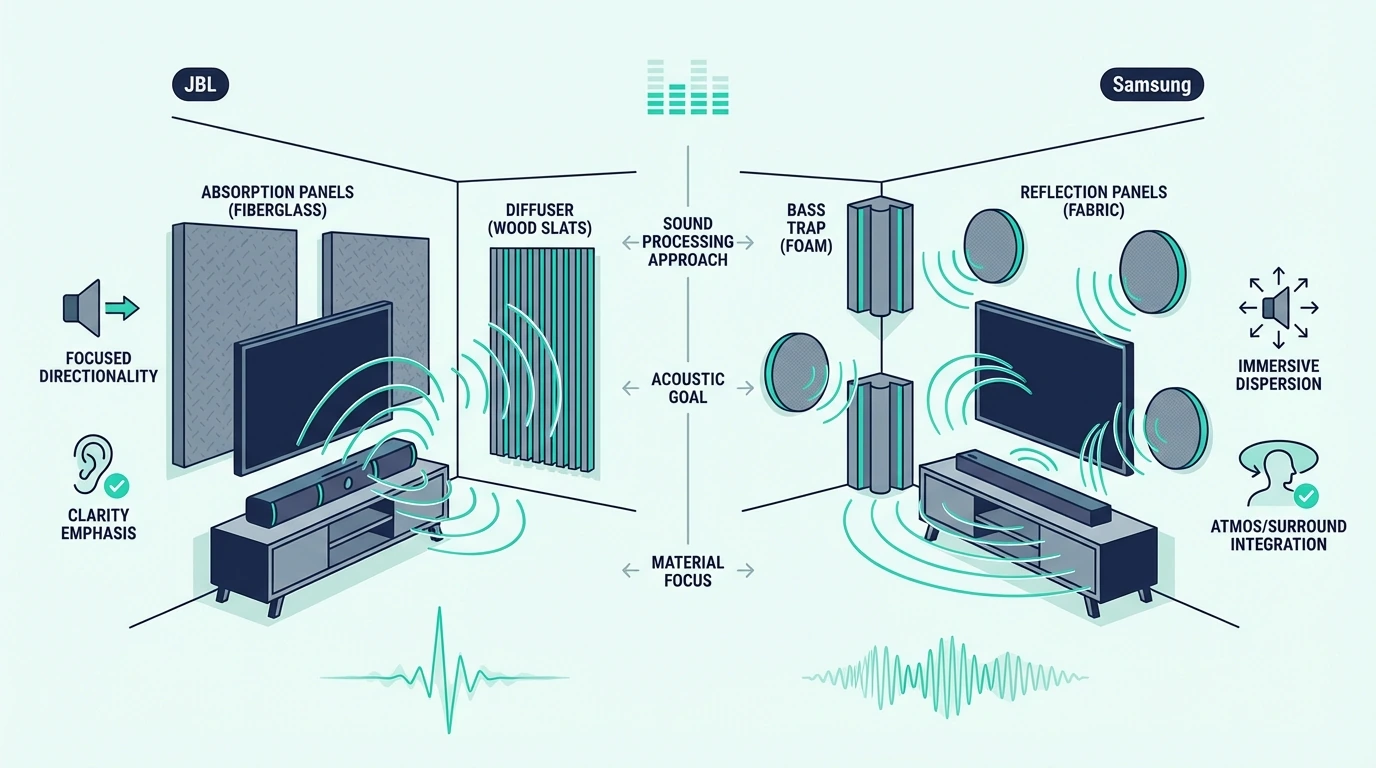
Despite sharing a parent company, JBL and Samsung soundbars sound noticeably different because each brand’s engineering team optimizes for completely different audio priorities and use cases — and understanding this difference is the key to choosing correctly between them.
JBL: Concert-Grade Bass and Physical Surround
JBL’s decades of experience building professional concert speakers, studio monitors, and portable Bluetooth speakers gives their soundbars a distinctly bass-forward, energetic sound signature that makes action movies, gaming, and music feel more physically impactful than Samsung’s comparable models.
For large-room movie use, a current example is JBL Bar 5.0, which is a strong fit for Atmos streaming and immersive TV audio.
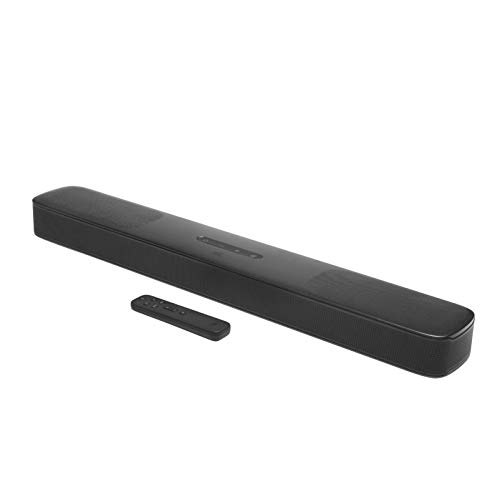
JBL Bar 5.0
JBL’s flagship Bar 1000 includes detachable battery-powered rear speakers that physically separate from the main soundbar. You get true wireless 7.1.4-channel surround when the rears are detached.
The design lets you use the bar as a single unit for casual viewing and detach the rears for immersive movie nights. No Samsung soundbar currently offers this kind of flexibility.
JBL also supports both Dolby Atmos and DTS:X surround formats across its entire lineup. Samsung’s entry-level and mid-range models often support only Dolby Atmos without DTS:X decoding.
Our JBL vs Bose soundbar comparison covers how JBL’s bass-forward approach compares to Bose’s dialogue-first tuning, and our soundbar vs surround sound guide explains when physical rear speakers genuinely improve your listening experience versus virtual surround processing.
Samsung: Ecosystem Integration and Model Range
Samsung approaches soundbar design from an ecosystem perspective — their soundbars are engineered to work best when paired with Samsung TVs, unlocking exclusive features that create a more integrated and seamless audio-visual experience than any standalone soundbar brand.
A current value example is Samsung Q-Symphony 5.1 Soundbar, which is a strong fit for Atmos movies and TV with stronger bass.
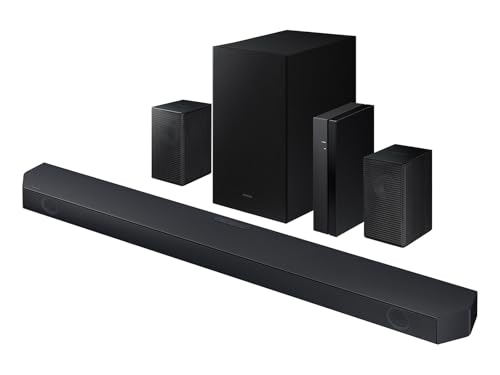
Samsung Q-Symphony 5.1 Soundbar
Samsung’s flagship HW-Q990D pushes surround immersion to true 11.1.4-channel Dolby Atmos. It ships with discrete rear speakers plus a wireless subwoofer and dedicated upfiring drivers for overhead height effects.
That gives it more physical channels than JBL’s 7.1.4 Bar 1000. The Q990D sits in a different budget category entirely at its price point.
Our Bose vs Samsung guide covers Samsung’s strengths against another major competitor. Our soundbar fundamentals guide explains the numbering system behind these configurations.
Features, Price Range, and TV Compatibility
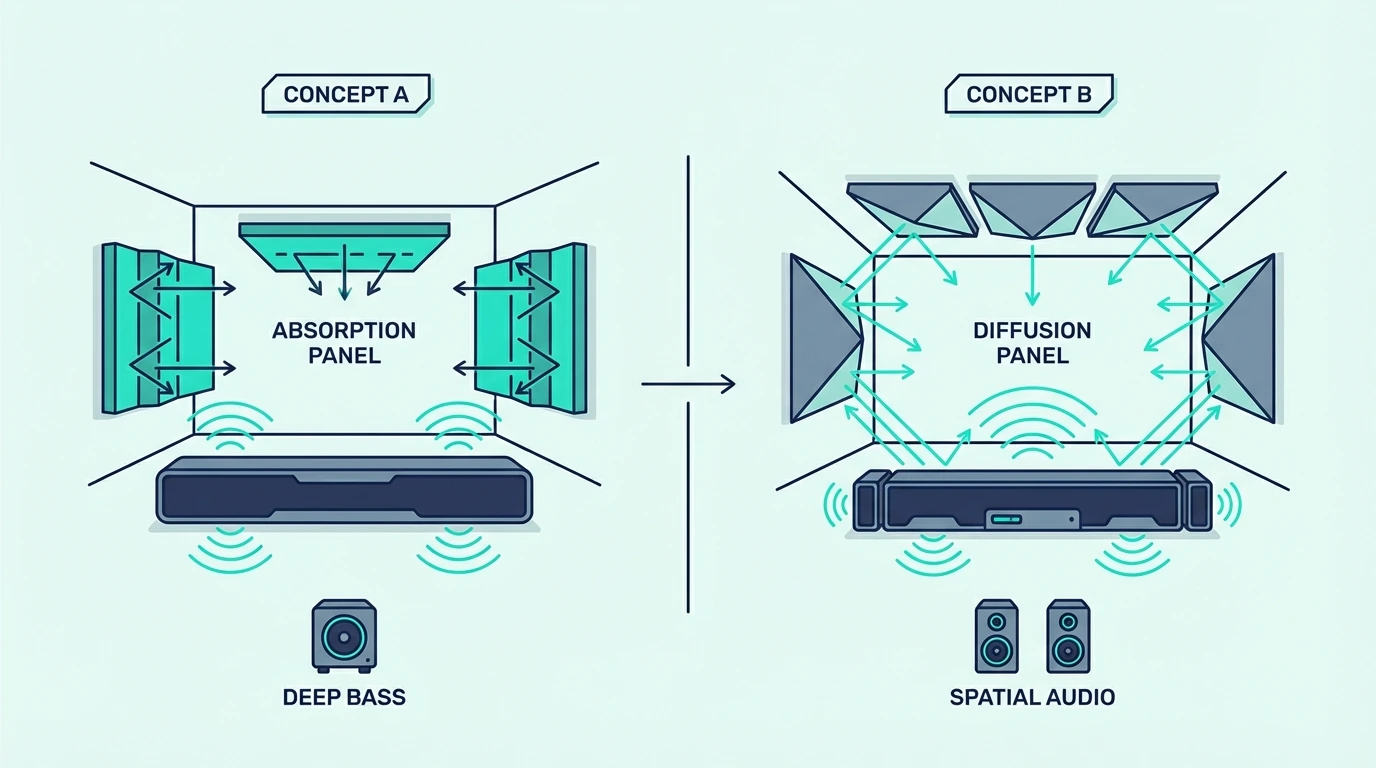
Beyond sound quality, JBL and Samsung differ significantly in pricing breadth, ecosystem features, and how much value you extract based on which TV brand you own — and this practical consideration often matters more than raw audio differences for everyday listening.
Samsung TV Owners Should Choose Samsung
If you own a Samsung TV, the decision is straightforward. Samsung soundbars unlock Q-Symphony where TV speakers and the soundbar play simultaneously for a wider soundstage.
SpaceFit Sound adds automatic room calibration through your Samsung TV. SmartThings integration puts soundbar controls in the same app managing your entire Samsung smart home ecosystem.
These features represent genuine and measurable audio and usability improvements. JBL and every other third-party soundbar brand physically cannot replicate them.
Our soundbar to TV connection guide covers how Samsung’s ecosystem integration works compared to standard HDMI ARC connections, and our guide to choosing a soundbar explains the overall audio upgrade experience.
Non-Samsung TV Owners Should Consider JBL
If you own a non-Samsung brand like LG or Sony or Vizio or TCL or Hisense, Samsung’s ecosystem advantages disappear entirely. You are paying for features you cannot access.
JBL’s brand-agnostic approach delivers better value in that scenario. You get deeper bass tuning plus detachable rear speakers and DTS:X support on top.
JBL soundbars connect via standard HDMI ARC/eARC and Bluetooth with zero brand-specific dependencies. You get the full feature set regardless of your TV manufacturer.
Our HDMI vs optical guide explains connection options for both brands, and our soundbar setup guide covers universal compatibility across all major TV manufacturers.
Pricing and Model Range
Samsung offers the widest soundbar lineup in the industry. Options run from basic 2.0 bars at $100 up to the flagship 11.1.4-channel HW-Q990D at $1800.
There are Samsung models at virtually every $50 price increment in between. JBL’s range spans $130 to $900 with fewer models but more focused feature differentiation at each tier.
The detachable rear speaker design on premium JBL models is unique to that brand. Samsung only offers separate rear speakers as part of its top-end Q-Series bundle and never as a detachable option.
For budget buyers under $200, Samsung has more options since JBL’s lineup starts higher. There are fewer sub-$200 JBL models available.
A current Samsung example for large-room movie use is the Samsung S60D. It is a strong fit for Atmos streaming and immersive TV audio.

Samsung S60D
For mid-range buyers ($300-500), both brands compete aggressively. JBL typically includes better bass hardware while Samsung includes better ecosystem integration.
That matters especially if you plan to keep the soundbar through future TV upgrades.
Our guide to choosing a soundbar helps evaluate value at every price tier. Our 2.1 vs 5.1 soundbar comparison covers when additional channels justify the investment.
Get Studio Tips Weekly
Join 5,000+ creators getting acoustic treatment advice every week.
No spam. Unsubscribe anytime.The Bottom Line
Choose Samsung if you own a Samsung TV. Q-Symphony and SpaceFit Sound and SmartThings integration genuinely improve your audio experience in ways no other brand can match.
Samsung also covers the widest model range with price points from $100 to $1800.
Choose JBL if you want deeper bass impact from their concert audio heritage. Innovative detachable wireless rear speakers sit on the premium models.
DTS:X support runs alongside Dolby Atmos. The JBL feature set works with any TV brand without ecosystem lock-in.
JBL also tends to hold price better on Amazon since Samsung often runs deeper discounts on older inventory. Keep an eye on seasonal promos for either brand.
Our guide to choosing a soundbar covers whether your TV genuinely benefits from either brand’s audio upgrade, and our soundbar setup guide walks through optimal placement and configuration for both JBL and Samsung soundbar models.
Frequently Asked Questions
Is JBL now owned by Samsung?
Yes. Samsung Electronics acquired Harman International (JBL’s parent company) in 2017 for $8 billion, making JBL technically a Samsung subsidiary.
JBL and Samsung still operate as completely separate audio brands with independent engineering teams. Their sound tuning philosophies and product lineups compete directly against each other in the soundbar market.
Is Samsung Q990D better than JBL Bar 1000?
The Samsung HW-Q990D ($1800) offers more surround channels (11.1.4 vs 7.1.4) plus Samsung TV ecosystem integration.
The JBL Bar 1000 ($900) costs half as much and includes innovative detachable battery-powered rear speakers that no Samsung model offers.
The Q990D is technically superior for surround channel count. The JBL Bar 1000 still delivers exceptional surround immersion at a dramatically lower price point with more versatile physical design.
What brand is best for soundbars?
No single brand is universally best for every buyer. Samsung excels at TV ecosystem integration and broad model variety.
JBL excels at bass impact and innovative hardware design. Bose leads in dialogue clarity while Sony dominates cinematic Dolby Atmos immersion.
Sonos wins at multi-room streaming.
The right brand for your setup depends on matching your TV manufacturer plus primary listening content and room size to each brand’s core engineering strengths.