Klipsch vs Samsung Soundbar: Audio Character or TV Integration? [2026]
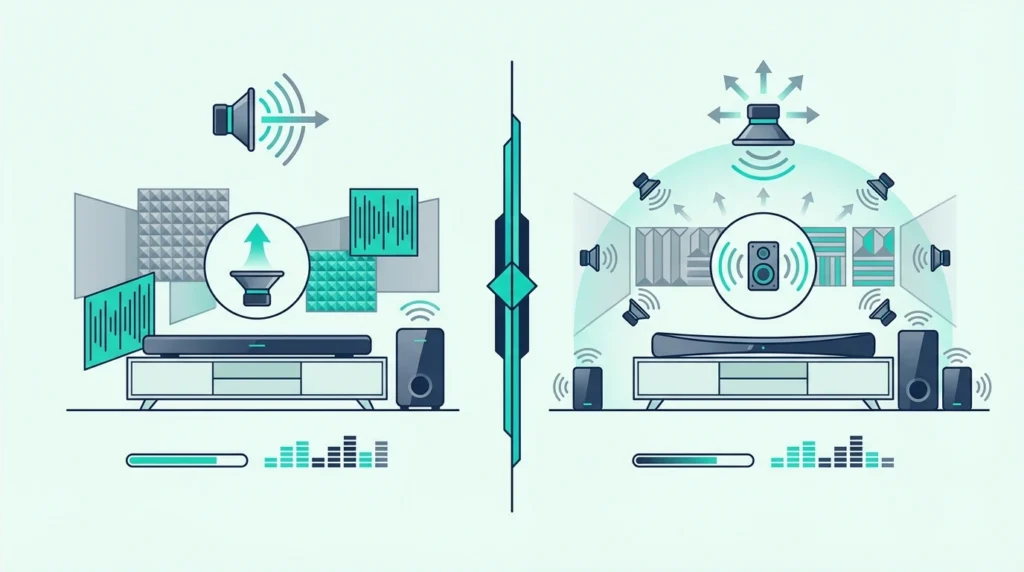
The klipsch vs samsung soundbar comparison looks like niche audio heritage versus a mainstream electronics giant, but the real choice is between two very different design priorities.
Klipsch builds soundbars around horn-loaded drivers and lively, speaker-like dynamics.
Samsung builds soundbars around seamless TV integration with features like Q-Symphony and SpaceFit Sound.
Most buyers assume Samsung’s mass-market positioning means weaker audio, but its flagship models compete with premium brands while adding TV-specific features Klipsch cannot match.
The problem is that Klipsch soundbars deliver the dynamic, forward sound that many buyers love. Punchy dialogue and crisp highs make movies feel exciting.
But they lack the smart TV integration features Samsung provides because Klipsch focuses on audio engineering rather than TV ecosystem connectivity.
Samsung TV owners get a more unified system because Q-Symphony uses the TV speakers alongside the bar, while SpaceFit Sound tunes playback to the room.
That difference matters most when you split your time between focused movie nights, background TV, and casual music listening.
Understanding whether your priority is Klipsch’s dynamic audio character and speaker-grade sound quality or Samsung’s TV integration and feature-rich ecosystem helps you make a confident purchase, so you can avoid paying a premium for Klipsch’s audiophile engineering when Samsung’s integration features deliver better daily convenience, or missing Klipsch’s superior dynamics by defaulting to Samsung based on brand familiarity alone.
Below, we’ll compare Klipsch and Samsung soundbars across sound quality, TV integration, feature sets, and value so you can pick the brand that matches your actual audio priorities and TV setup.
Choose Klipsch if you prioritize dynamic, lively sound with horn-loaded clarity and do not need Samsung-specific TV integration features. Choose Samsung if you own a Samsung TV and want Q-Symphony, SpaceFit Sound, and a broader feature set that makes the soundbar and TV behave like one unified system.
Sound Quality and Audio Character
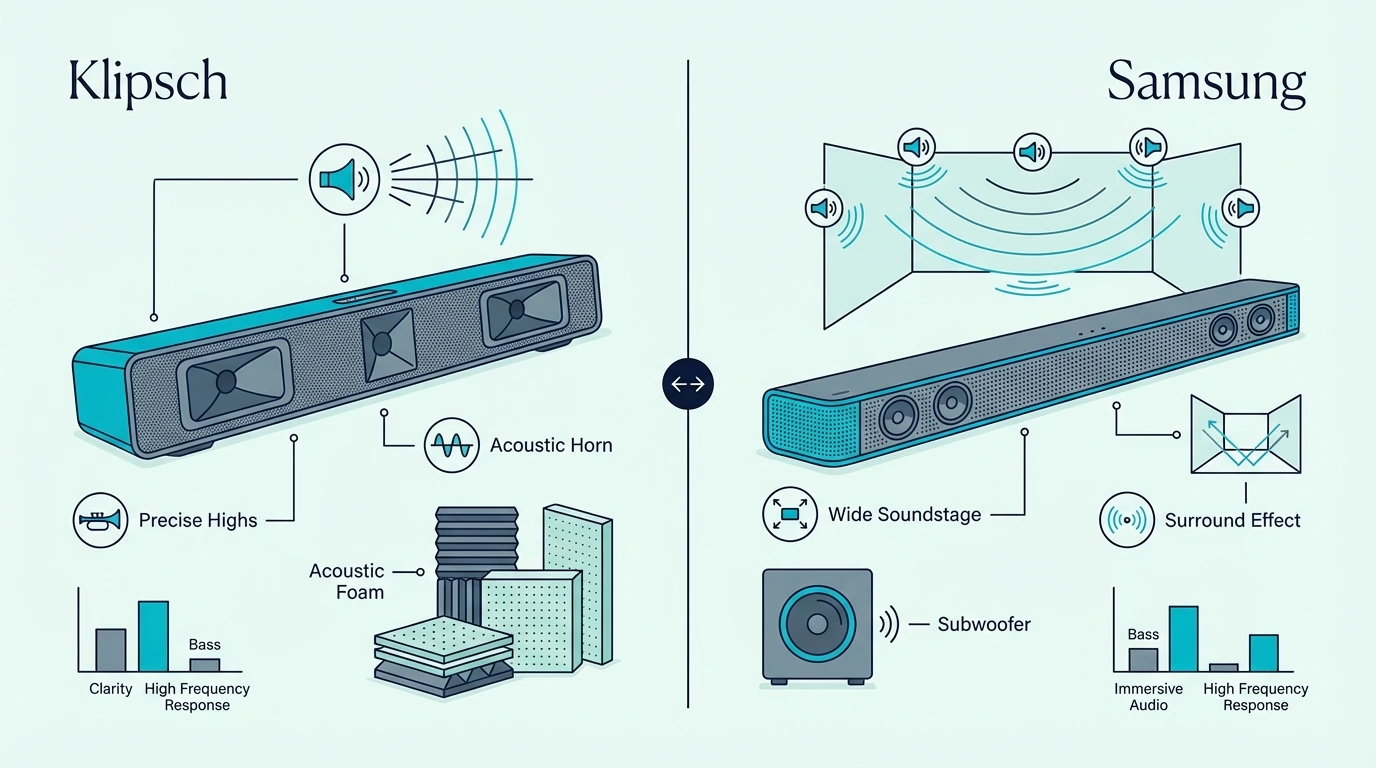
The most significant difference between Klipsch and Samsung soundbars is their sound character — each brand has a distinct audio personality that appeals to different listener preferences, and choosing the wrong one means daily dissatisfaction with how your entertainment sounds.
Klipsch: Horn-Loaded Dynamics
Klipsch’s signature sound comes from their horn-loaded tweeter technology — a design borrowed from their legendary floor-standing speakers that uses a horn-shaped waveguide to direct high-frequency audio with exceptional efficiency and precision.
The result is a bright, forward sound character where dialogue cuts through with razor-sharp clarity, high-frequency details sparkle, and dynamic swings between quiet dialogue and loud explosions feel genuinely impactful.
For large-room movie use, a current example is Klipsch Flexus CORE 210 Dolby Atmos 44″ SoundBar + 10″ Subwoofer, which is a strong fit for Atmos movies and TV with stronger bass.
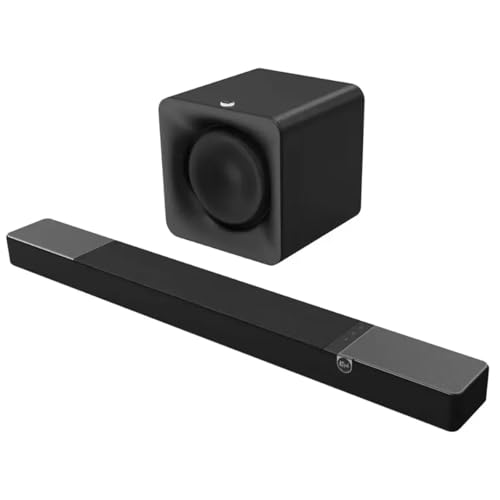
Klipsch Flexus CORE 210 Dolby Atmos 44″ SoundBar + 10″ Subwoofer
For action movies, live concerts, and music genres that benefit from forward presentation, Klipsch’s sound character makes content feel more exciting and alive.
Music-first buyers often prefer that immediacy, while mixed-use households sometimes find it more demanding over long everyday sessions.
Our soundbar vs speakers comparison covers when dedicated speakers outperform soundbar configurations, and our soundbar fundamentals guide explains how all soundbar types work.
Samsung: Refined Processing and Wide Soundstage
Samsung soundbars deliver a more balanced, processed sound signature that prioritizes wide soundstage, smooth frequency response, and consistent performance across all content types rather than the forward dynamics that Klipsch emphasizes.
For this kind of small-room, dialogue-first setup, a current example is Samsung Q800F 5.1.2ch Q Series Soundbar + Subwoofer, which is a strong fit for Atmos movies and TV with stronger bass.
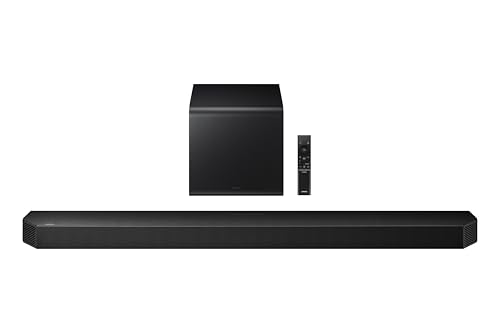
Samsung Q800F 5.1.2ch Q Series Soundbar + Subwoofer
Samsung’s refined audio processing emphasizes intelligibility and listening comfort for extended viewing sessions — dialogue stays clear without sounding aggressive, bass stays present without overwhelming, and the overall tonal balance is designed to sound good with everything.
For casual viewers who watch a mix of TV shows, movies, news, and music, Samsung’s balanced approach provides consistently satisfying audio.
Samsung’s calmer presentation is usually easier to live with when different people in the house watch very different kinds of content.
It is also usually the safer choice in brighter, more reflective family rooms where Klipsch’s more forward treble can feel exciting with movies but occasionally too assertive for background viewing.
Our Bose vs Samsung soundbar comparison covers how Samsung competes with another mainstream premium brand, and our Samsung vs LG soundbar guide explains Samsung’s competitive position among TV manufacturers.
TV Integration and Feature Value
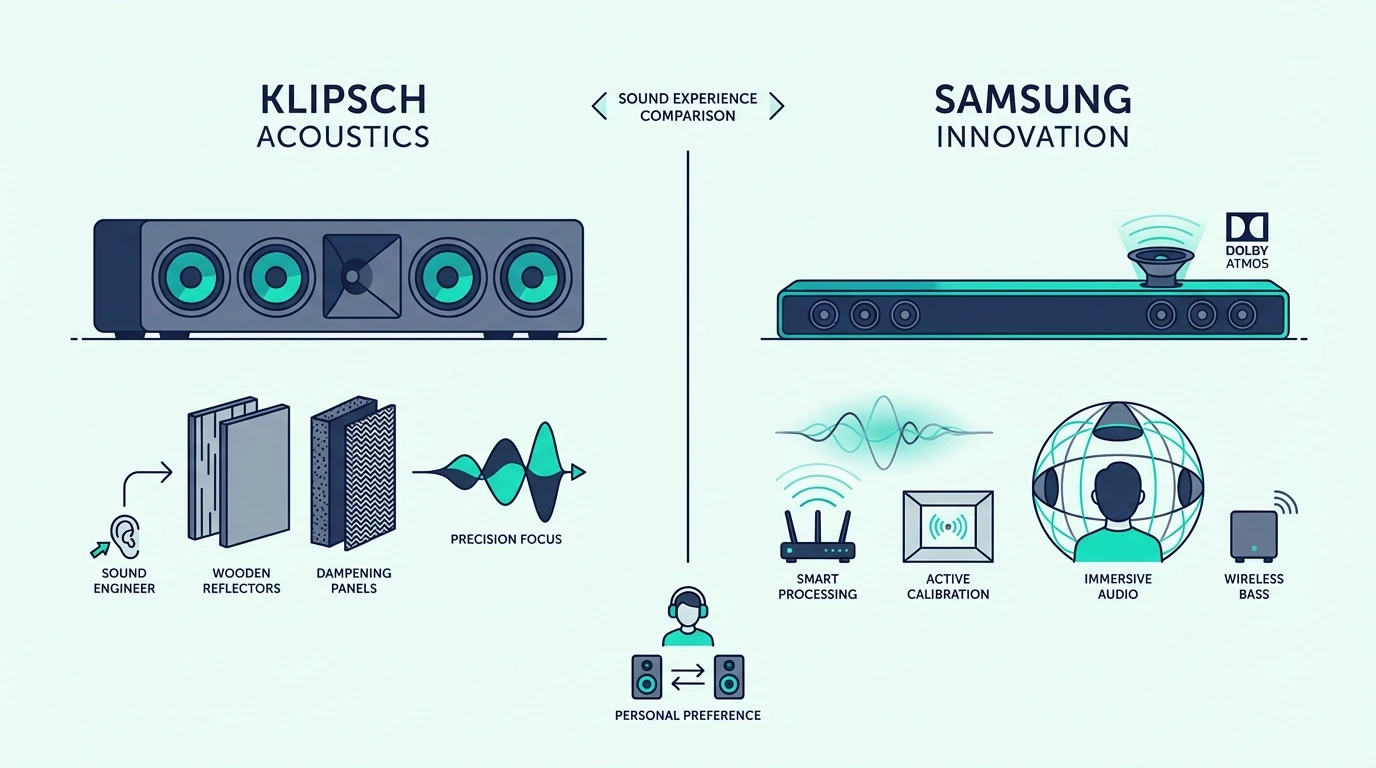
Beyond sound quality, Samsung offers TV integration features that create a fundamentally different ownership experience for Samsung TV owners.
Understanding whether those features matter for your setup determines whether Samsung’s ecosystem advantage justifies choosing their soundbar over Klipsch’s superior dynamics.
Samsung TV Owners: Unmatched Integration
Samsung’s Q-Symphony technology is the single biggest differentiator in this comparison.
It uses your Samsung TV’s built-in speakers alongside the soundbar simultaneously, creating a wider and taller soundstage that neither device could produce alone.
SpaceFit Sound automatically analyzes your room’s acoustics and adjusts the soundbar’s output accordingly.
The TV remote also controls the soundbar seamlessly without needing a separate remote or app.
For Samsung TV owners, these features transform the soundbar from a separate audio device into an integrated extension of the TV itself.
That level of seamless integration is something Klipsch and every other non-Samsung soundbar brand cannot provide because Q-Symphony depends on proprietary communication between Samsung TV and Samsung soundbar hardware.
That convenience matters most in everyday family-room use, where simpler control and automatic room tuning often get noticed more than small differences in raw sound character. It also reduces setup friction for less technical households.
Our Sonos vs Samsung soundbar comparison covers how Samsung’s integration competes with Sonos’s ecosystem, and our best Samsung soundbar guide shows which models make the most of those ecosystem features.
Non-Samsung TV Owners: Level Playing Field
If you don’t own a Samsung TV, Samsung’s biggest advantages don’t apply.
The comparison then shifts to audio quality, price, and standard features, where Klipsch’s dynamic sound character becomes a more compelling differentiator.
Without Samsung TV integration, a Samsung soundbar is simply a well-featured bar with Dolby Atmos at competitive pricing.
If your TV will never support Samsung’s exclusive features, paying extra for them makes less sense than choosing the sound profile you actually prefer.
Klipsch, by contrast, offers genuinely distinctive audio character that stands out from the crowd.
For large-room movie use, a current example is JBL Bar 700MK2-7.1 Channel soundbar System with Detachable Speakers a…, which is a strong fit for Atmos movies and TV with stronger bass.
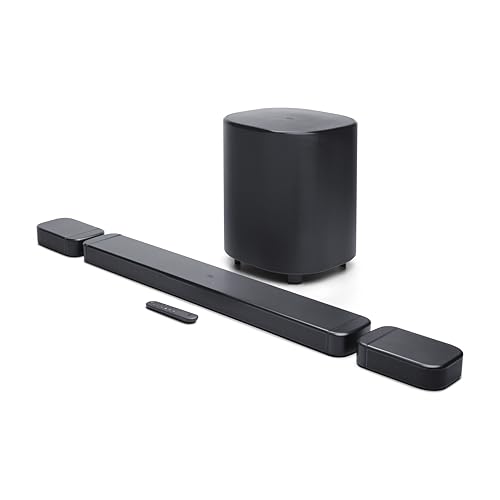
JBL Bar 700MK2-7.1 Channel soundbar System with Detachable Speakers a…
Our HDMI vs optical guide explains connection options for both brands, and our soundbar to TV connection guide covers setup for any TV-soundbar combination.
Product Range and Pricing
Samsung offers the widest soundbar lineup of any brand — from budget models under $200 through the flagship HW-Q990D with 11.1.4 channels and physical rear speakers.
That range gives buyers options at every price point with consistent feature quality.
That breadth also makes Samsung easier to shop by budget because there is usually a model tier built around your room size and TV habits.
Klipsch’s soundbar lineup is significantly smaller and newer, with the Flexus series positioned at the mid-to-premium price points where competition is fiercest.
Klipsch gives you fewer forks in the road, but the lineup feels more intentionally voiced for buyers chasing impact over feature menus.
Our soundbar vs surround sound guide covers when full surround systems outperform both brands, and our soundbar vs home theater comparison explains the broader home theater upgrade path.
Get Studio Tips Weekly
Join 5,000+ creators getting acoustic treatment advice every week.
No spam. Unsubscribe anytime.The Bottom Line
Choose Klipsch for dynamic, lively sound with horn-loaded clarity that makes movies and music feel exciting.
It also gives you speaker-heritage audio engineering and a distinctive sound character that stands out from mainstream brands.
Choose Samsung if you want seamless TV integration with Q-Symphony and SpaceFit Sound, the widest product lineup at every price point, and balanced audio that sounds good with everything.
For Samsung TV owners, that feature-rich ecosystem is hard to beat.
Our guide to choosing a soundbar helps evaluate whether either brand upgrade makes sense, and our soundbar setup guide covers optimal placement for both soundbar brands.
Frequently Asked Questions
Is Klipsch considered high end?
Yes — Klipsch is a heritage American speaker brand founded in 1946 with a reputation for high-end audio engineering.
Their signature horn-loaded driver technology is known for exceptional dynamics and efficiency.
Their soundbars carry that premium audio heritage into a more accessible form factor.
That positioning puts them above mass-market brands in audio quality while remaining below ultra-premium brands like Bang & Olufsen.
Does Klipsch make good soundbars?
Yes — Klipsch’s Flexus series soundbars deliver the brand’s signature dynamic sound with horn-loaded tweeters and Dolby Atmos processing.
That audio character appeals to buyers who genuinely want more liveliness and dialogue clarity.
The main limitation compared to Samsung is the smaller product lineup and lack of TV-specific integration features.
What brand is best for soundbars?
No single brand is best for everyone.
Samsung leads in TV integration and product variety, while Klipsch leads in dynamic audio character.
Sonos leads in multi-room ecosystem, Bose excels at compact room-filling sound, and JBL remains strong on mid-range value.
The best brand depends on whether you prioritize TV integration, audio character, ecosystem, or value for your specific setup.