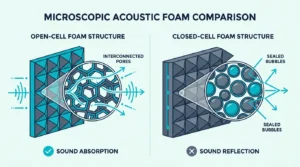
Acoustic Foam vs Vocal Booth: Which Fixes Roomy Vocals Faster?
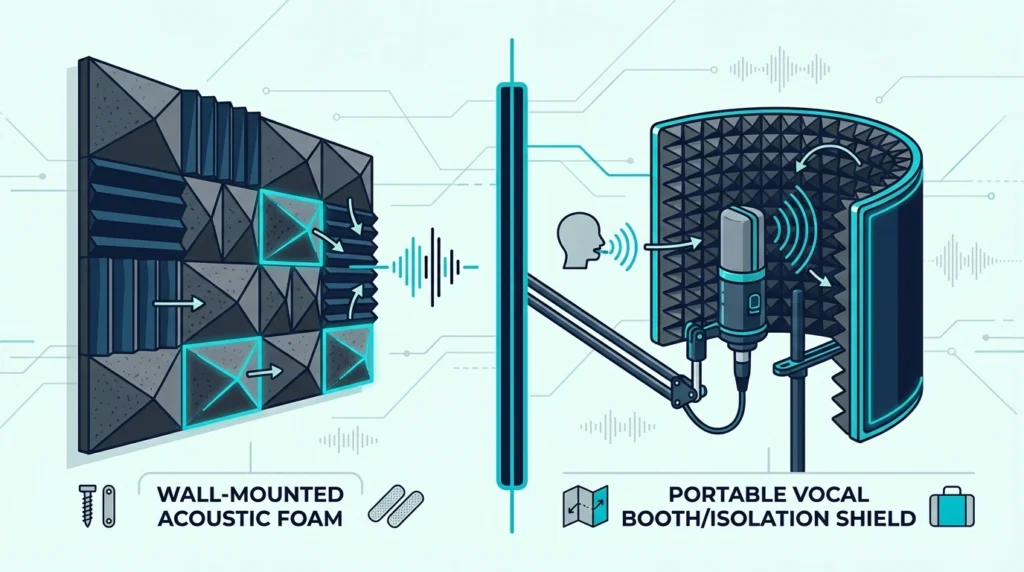
Acoustic foam vs vocal booth seems like a choice between two identical solutions, but picking the wrong one means wasting money on treatment that won’t fix your specific recording problem.
Getting the right type of absorption in place stops those reflections before they hit the mic, giving you the clean, direct audio needed for professional results.
Start with the quick takeaway below to see which approach matches your workflow, then each section explains why treating the room is completely different from treating the microphone.
If you can’t mount panels (rental), record in multiple locations, or need a fast “set it up anywhere” fix, a portable vocal booth is the quickest win — it mainly reduces reflections hitting the mic from behind, which is often the loudest offender in untreated rooms.
If you’re treating a permanent room and you want the whole space to sound better, acoustic foam is the better long-term move. Neither option soundproofs, but both can cut echo and roominess when you use enough coverage and place it well.
How Do Acoustic Foam and Vocal Booths Work?
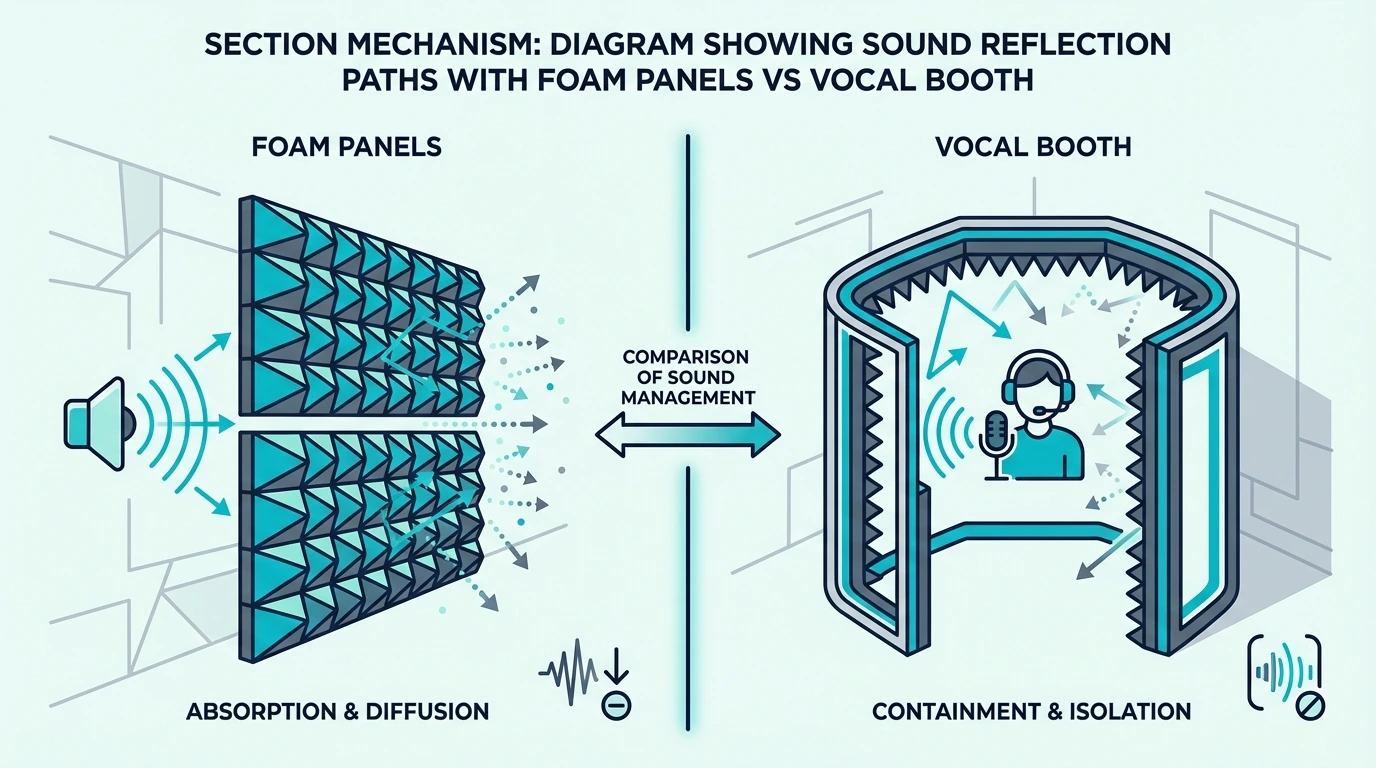
Here’s the simplest way to think about it: foam treats the room, while a vocal booth treats the microphone. Once you see what each one actually reduces (and what it can’t), the choice gets a lot clearer.
Acoustic Foam Panels
Foam panels mount on room surfaces — typically the wall behind you, the side walls, and sometimes the ceiling. They absorb and scatter reflections so less of your room bounces back into the mic a split second later.
That’s why foam can make your voice sound less hollow even when you don’t move the mic. A 2-inch kit like TroyStudio 2-inch foam panels is a practical starting point for treating the wall behind your mic position.
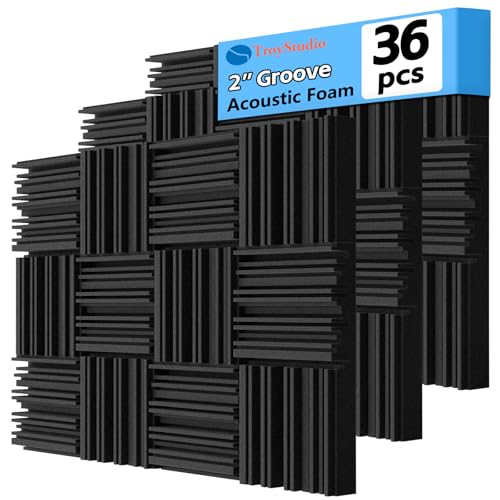
TroyStudio Thick Acoustic Foam Panels (36 pcs, 2-inch)
The does foam improve recording guide helps set realistic expectations for both solutions.
The frequency absorption guide covers exactly which ranges foam handles best.
Portable Vocal Booths
Portable vocal booths (also called isolation shields or reflection filters) wrap around the back and sides of your microphone. Instead of fixing the whole room, they try to stop the nearest reflections from smacking the mic capsule.
That’s why they’re popular for renters and mobile recording: you clamp it to a stand and your setup stays consistent room-to-room. A 5-sided shield like Moukey’s 5-sided shield is the common “grab-and-go” style.
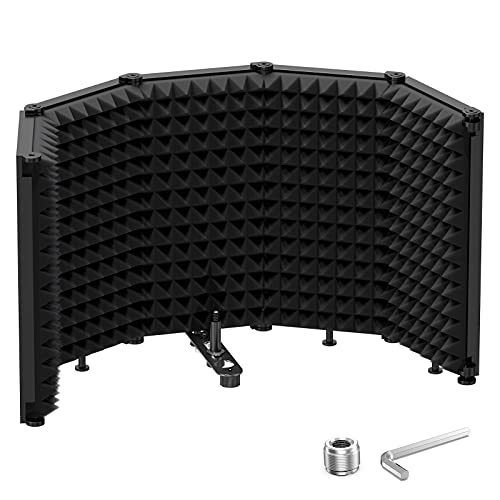
Moukey Microphone Isolation Shield (5-sided)
Which Improves Vocal Recordings More: Foam or a Vocal Booth?
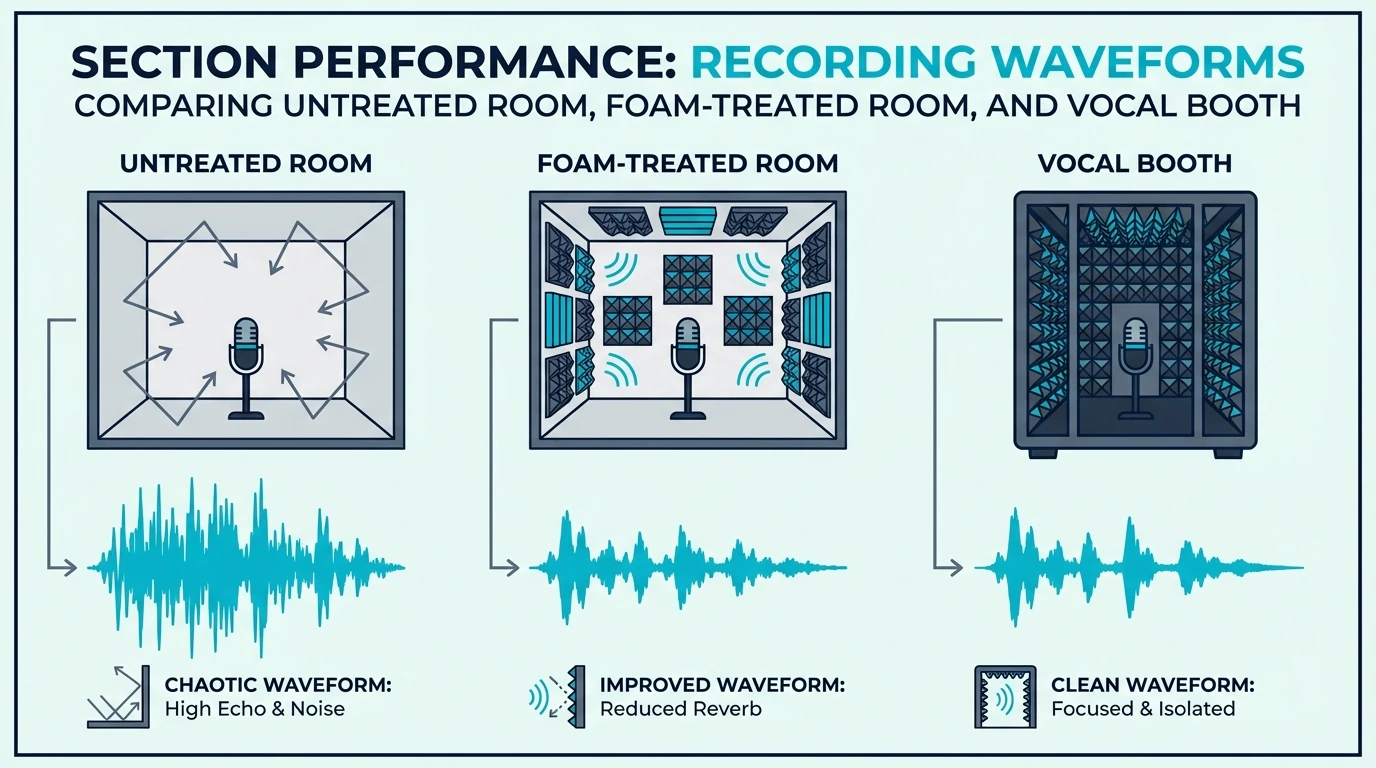
This isn’t a “one is always better” situation. It depends on whether your problem is the room around you or the wall right behind the mic.
Acoustic Foam Performance
When you cover the right reflection points, foam reduces flutter echo and shortens reverb, which makes vocals sound tighter and more forward. The change is usually obvious in a quick before/after voice test, especially in small bedrooms.
The catch is coverage: a couple of panels won’t move the needle, but a meaningful patch behind and beside the mic often will. A pack like a 24-pack of 2-inch pyramid foam makes it easier to treat one problem wall without playing panel Tetris.
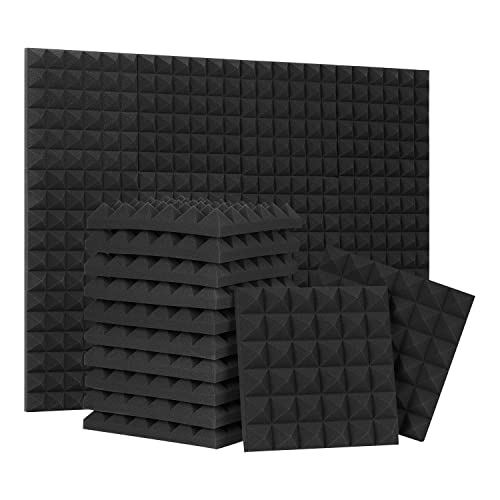
24 Pack 2-inch Pyramid Acoustic Foam Panels
Portable Vocal Booth Performance
A vocal booth reduces reflections reaching the mic from behind, which can clean up the harshest “room slap” in an untreated space. It’s also consistent: if you record in a bedroom one day and a hotel the next, the shield goes with you.
But it doesn’t treat reflections coming from behind you, and some designs can make vocals feel a bit boxed-in if you’re already in a tight corner. If you want an easy all-in-one kit, Dmsky’s shield + stand kit is a good example of the “set up and record” approach.
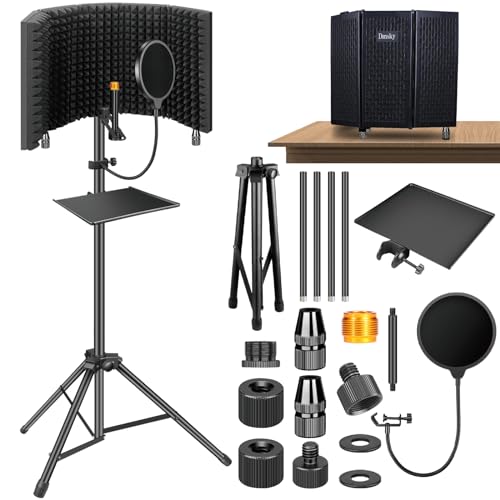
Dmsky Microphone Isolation Shield (with pop filter + stand)
The Real-World Difference
In a properly treated room, foam usually wins because it reduces reflections from multiple directions, not just one. If you’re recording in one room every week, that “whole room gets quieter” effect is hard for a shield to match.
In an untreated room, a vocal booth usually beats doing nothing, especially for the wall right behind the mic. Think of it as a band-aid that travels, while foam is the upgrade you install once. The isolation shield vs acoustic foam comparison digs deeper into the performance gap.
Is Acoustic Foam or a Vocal Booth Cheaper?
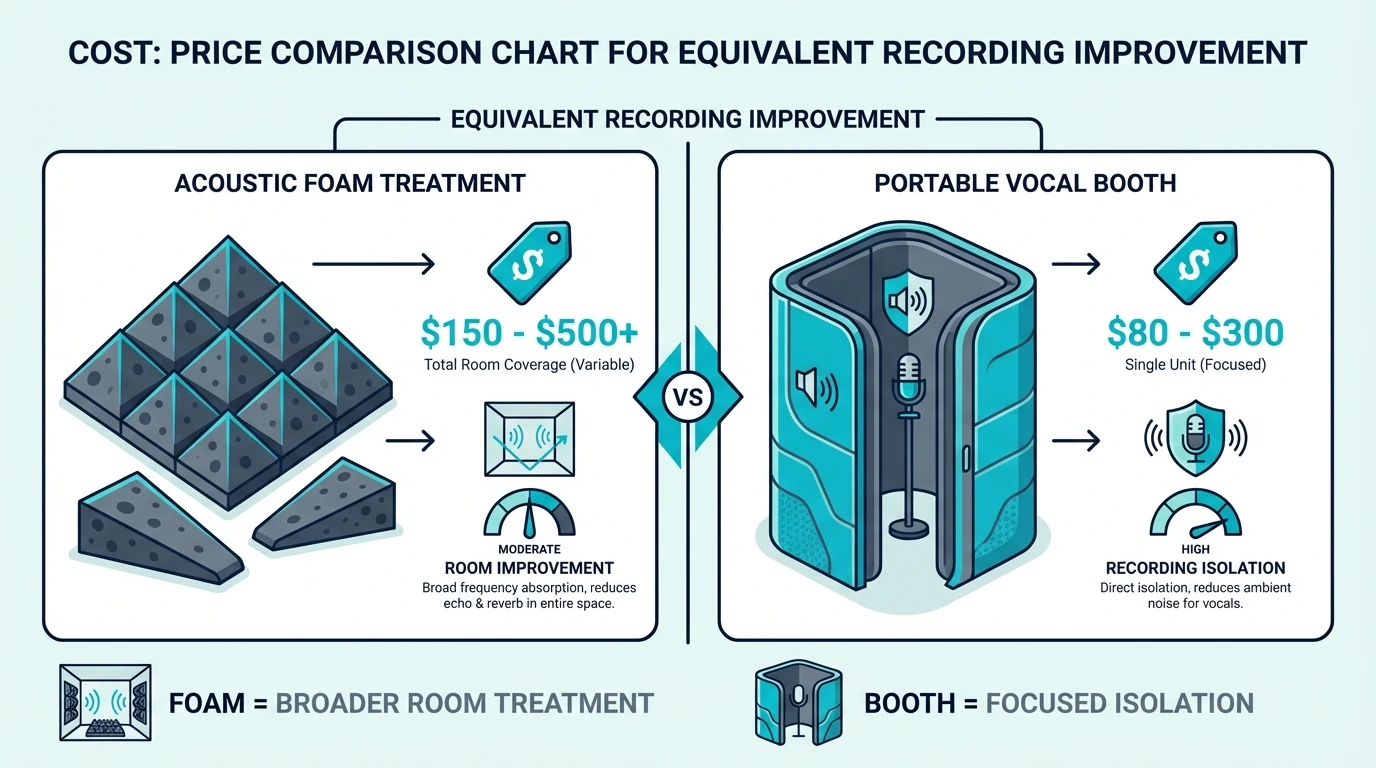
Price depends on how far you’re trying to take the improvement. A vocal booth is a single purchase, while foam scales with room size and coverage.
Acoustic Foam Costs
Foam is cheap to try and expensive to finish. A small starter kit can improve one reflection zone, but full-room treatment takes a lot more surface area.
The best acoustic foam for recording guide covers starter kits by budget.
Portable Vocal Booth Costs
Vocal booths have a higher entry price than a small foam kit, but the cost is contained because you only buy one. Budget shields can be good enough for voice work, while heavier kits are steadier and more convenient if you record often.
Value Analysis
If you only care about improving vocals at one mic position, a booth is often the fastest way to hear a difference. If you also care about monitoring, instruments, or the room sounding better on camera, foam tends to be the better long-term value.
Which Is Easier to Use Day-to-Day?
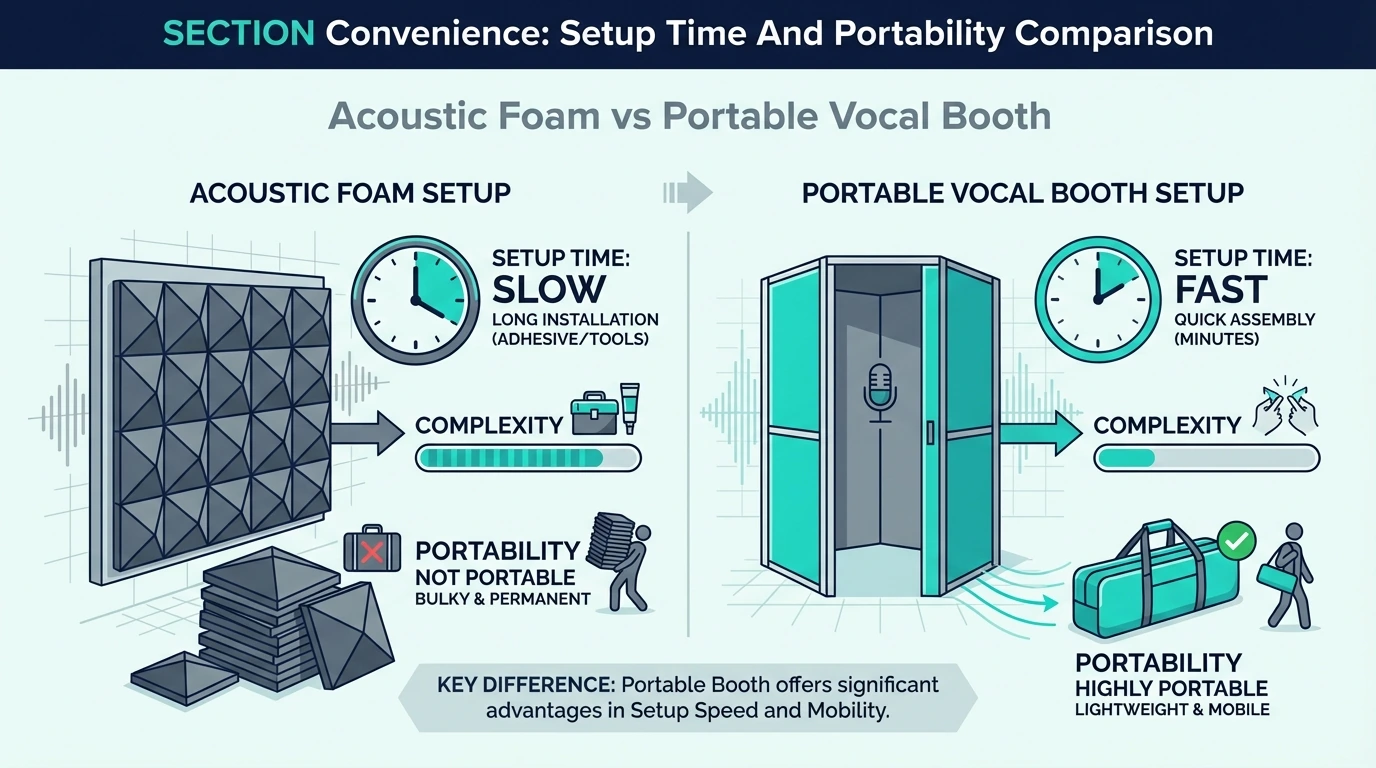
This is where a lot of people decide without realizing it. The best-sounding option you don’t actually use is still the wrong one. Starting with the permanent option:
Foam Panel Convenience
Foam is a one-time install: you plan placement, mount it, and it’s always there. The downside is removal can be annoying in rentals, and bad placement means you covered a wall without fixing the reflection path.
Once it’s up, there’s no setup step—you just hit record, and the room stays more consistent session to session. The arrangement guide covers which walls to treat first.
Vocal Booth Convenience
A vocal booth clamps to a mic stand in minutes and disappears when you’re done, which is why renters love it. It also lets you bring the same “recording bubble” to different rooms.
The tradeoff is it takes up desk and stand space, and it’s only as stable as the stand it’s mounted on. If you swap microphones a lot, you’ll also spend a minute re-positioning it each session.
Convenience Verdict
If you’re a renter or you record in different places, the booth wins on convenience because it’s portable and removable. If you have a dedicated room you use every week, foam wins because it’s “set and forget.”
When Should You Choose Foam (and When Should You Choose a Vocal Booth)?
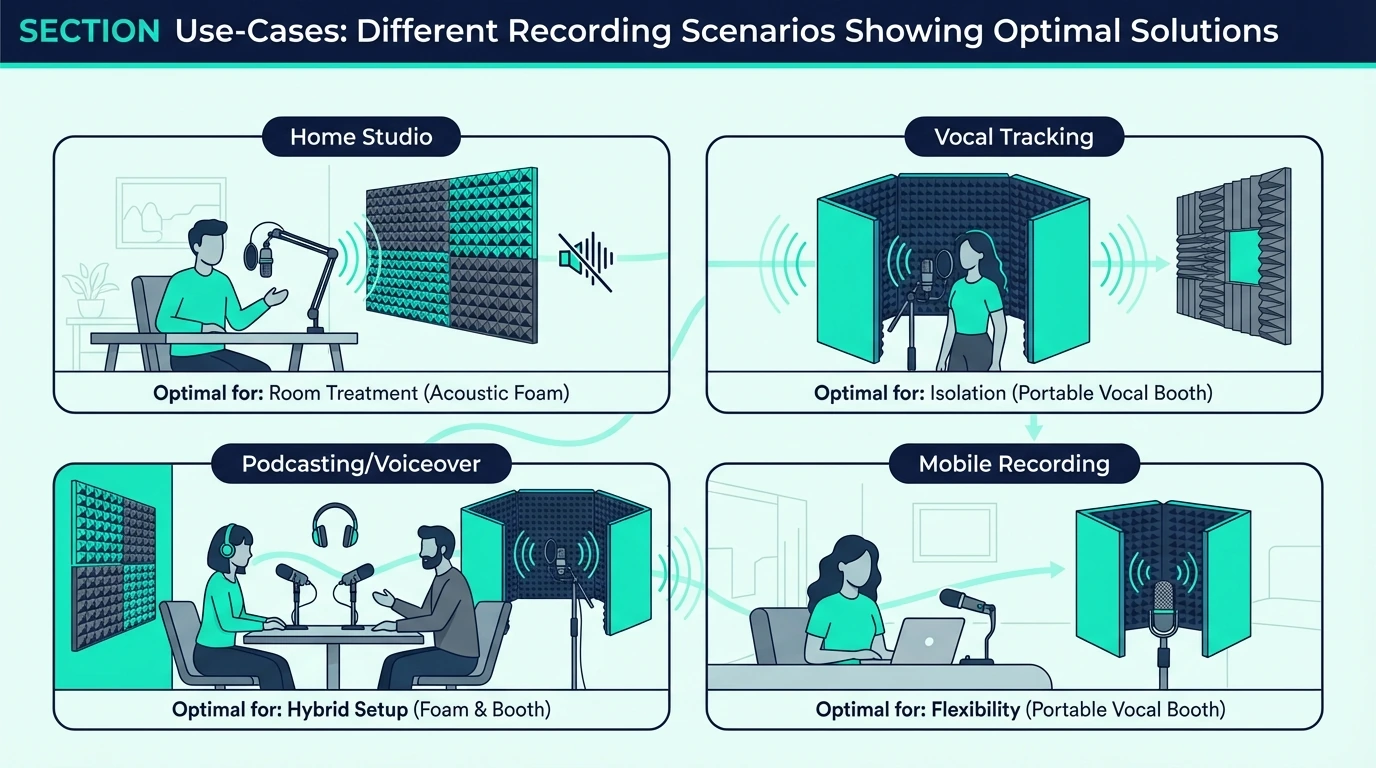
This is the part most people skip, then they wonder why the purchase didn’t help. Start with your room constraints, then your recording workflow.
When Foam Panels Are Better
Foam makes the most sense when you record in the same room and you want that room to sound better for everything: vocals, instruments, and playback. It’s also the cleaner choice if your space is on-camera or you’re building a dedicated podcast corner.
If you do any monitoring or mixing in the same room, treating the space is almost always the smarter move. The best acoustic foam panels roundup covers top picks for room treatment. For a placement starting point, use the arrangement guide.
When Portable Vocal Booths Are Better
A portable vocal booth is the practical choice when you can’t or won’t modify walls, especially in rentals. It also shines when you record in multiple locations and want the same sound wherever you go.
It’s a good “test before you commit” tool too: if a booth cleans up your recordings, you know treatment matters and you can decide whether to treat the room next. For renters who still want to try foam, the wall installation guide covers removable mounting methods.
Should You Use Both Together?
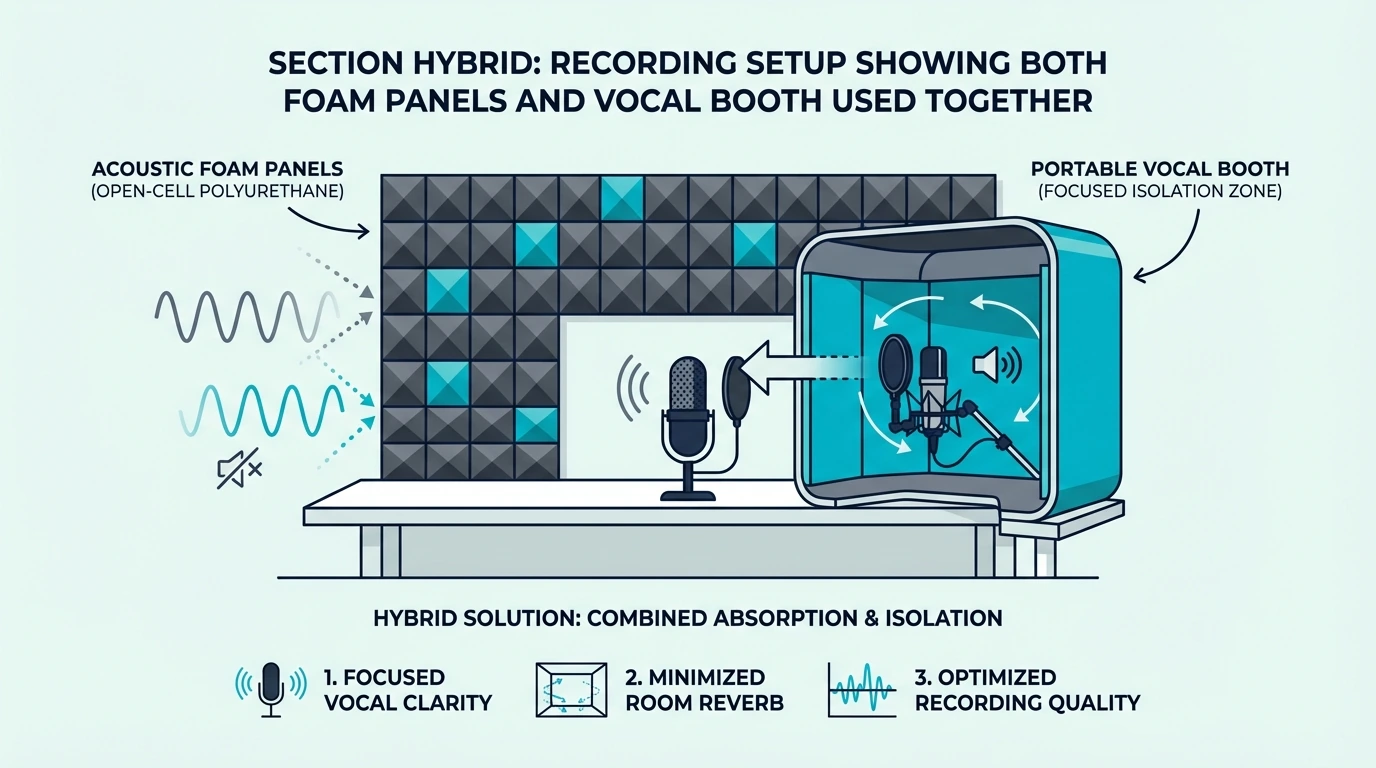
You don’t have to pick one forever. A hybrid approach is often the cleanest way to upgrade a room step-by-step.
Foam + Vocal Booth Together
A treated room makes a vocal booth work better because the mic is surrounded by less bounce in the first place. The booth then adds an extra buffer for critical takes, like voice-over and close-mic vocals.
This combo is common because it solves both problems: the room gets tighter overall and the mic gets a little extra isolation. If you already own a shield, adding foam behind you is often the highest ROI next step. If you’re starting from zero, you need to decide what to buy first.
Prioritization Strategy
If you’re choosing one purchase first, start with the thing that fixes your biggest constraint. For many renters, that’s a vocal booth because it improves recordings without touching the walls.
Then add foam behind your mic position to reduce the reflections the booth can’t catch, and only then think about broader room coverage. That sequence gives you a real improvement at each step instead of spreading your budget too thin.
For DIY alternatives that can supplement either approach, see DIY acoustic foam panels.
What Do People Get Wrong About Vocal Booths and Foam?
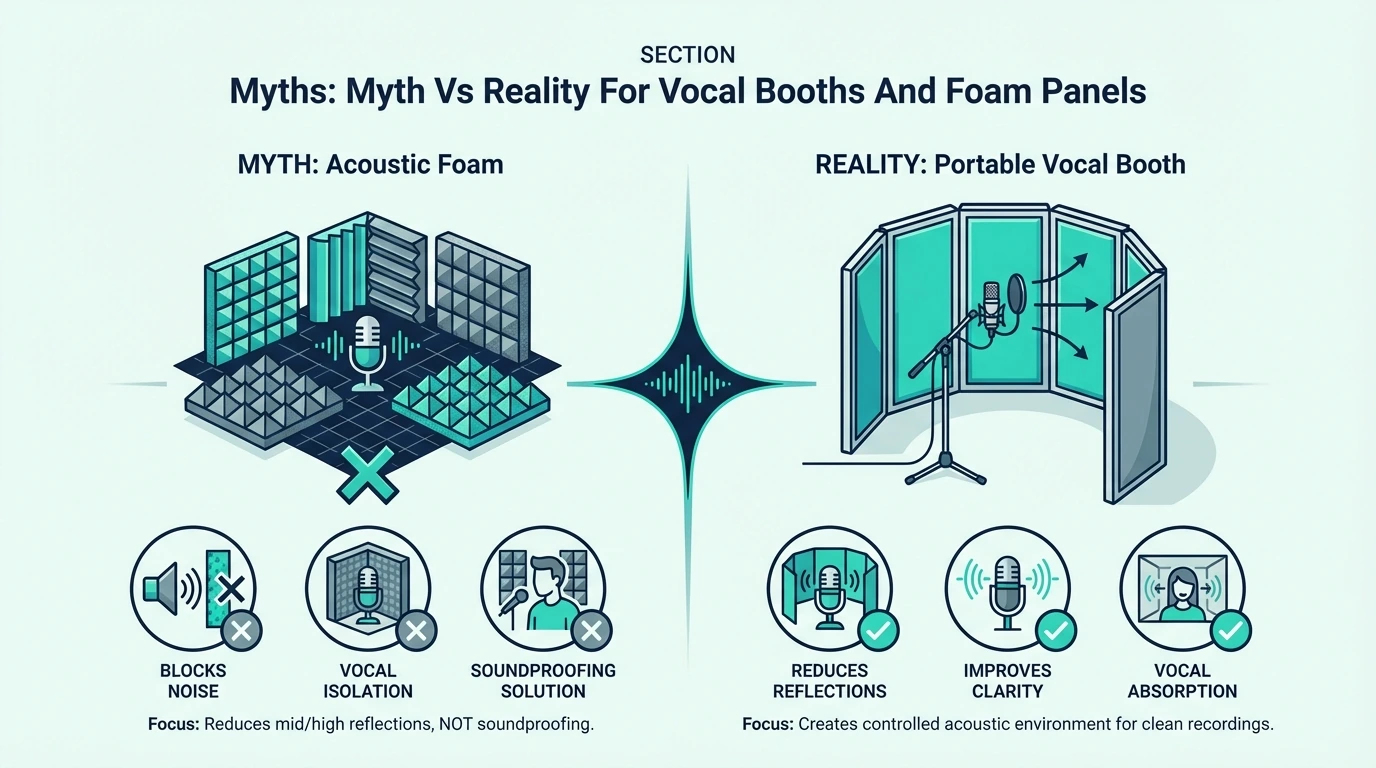
Most disappointment comes from expecting these products to do a job they can’t.
“Vocal Booths Soundproof Your Recording”
Vocal booths don’t block external noise; they reduce reflections. If your issue is traffic, neighbors, or HVAC, you need soundproofing (sealing + mass), not a reflection shield. The foam vs insulation comparison explains the difference.
“Foam Panels Are Only for Studios”
Foam works in any room that has hard surfaces reflecting into the mic. Bedrooms, offices, and even closets can sound cleaner with a small amount of treatment placed well.
You don’t need a “studio” label for acoustic treatment to help, especially in rentals where rooms are bare. If you’re recording in an apartment, start here: does acoustic foam help apartments.
“More Expensive Vocal Booths Work Much Better”
Premium vocal booths usually offer incremental improvements, not a night-and-day jump. In most cases, a solid mid-range shield gets you most of the benefit.
“Vocal Booths Replace Room Treatment”
Vocal booths supplement room treatment; they don’t replace it. A booth in an untreated room helps, but a booth in a treated room helps more—and room treatment improves everything you do in that space.
How Do You Decide Between Foam and a Vocal Booth?
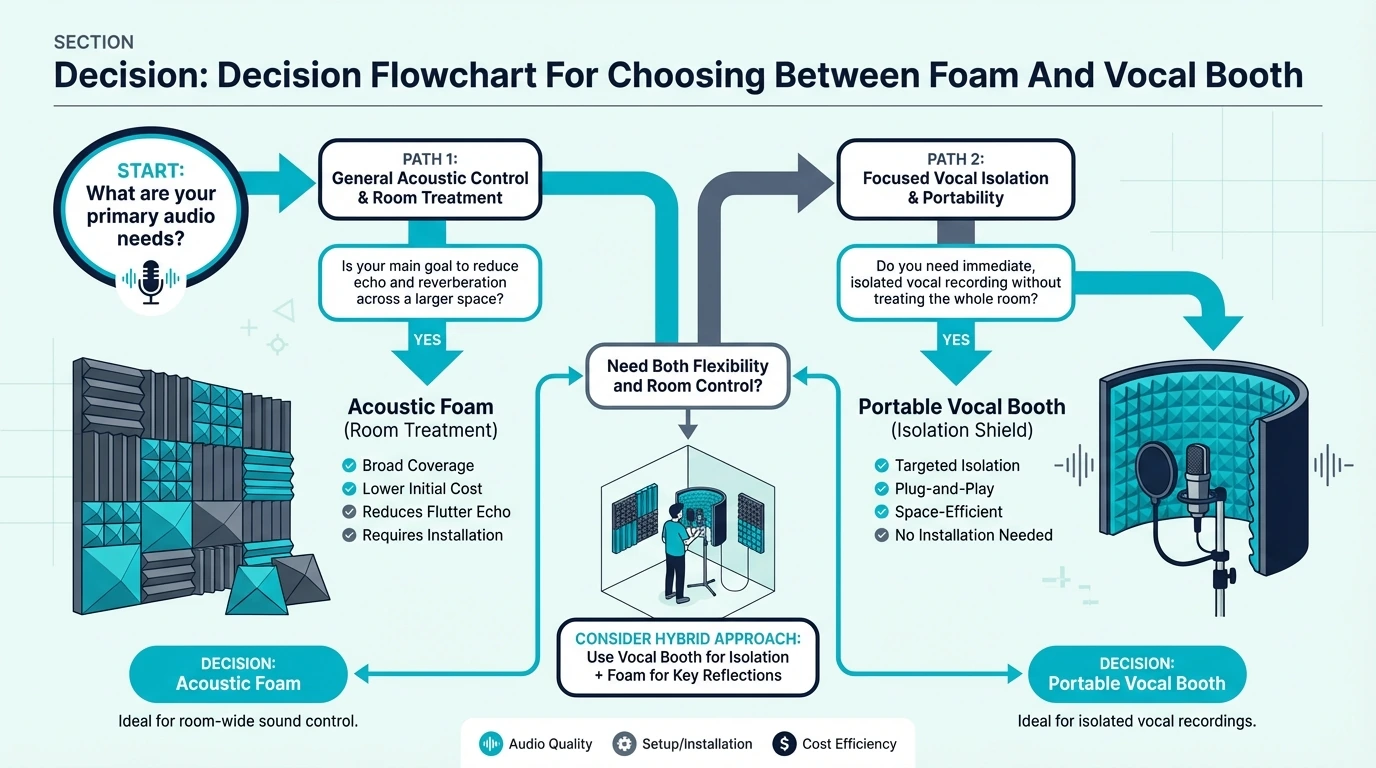
If you’re stuck, don’t overthink it—answer these questions in order. They map directly to the constraints that decide the winner in real rooms.
Can You Mount Panels?
If you can mount panels (homeowner or landlord approval), foam is on the table and usually the better long-term fix. If you can’t, a vocal booth is the practical choice because it doesn’t touch the walls.
Do You Record in Multiple Locations?
If you record in multiple locations, a booth wins because you can take the improvement with you. If you always record in the same room, foam usually wins because it improves the space itself.
What Do You Record?
If it’s voice-only at one mic position, a vocal booth may be enough to get you out of “roomy” territory. If you record instruments or do any monitoring and mixing, treating the room with foam matters much more.
What’s Your Budget?
If your budget is tight, start with the option that solves the biggest constraint in your situation (often the booth for renters, or a starter foam patch for owners). If budget is comfortable, foam treatment first is usually smarter, then add a booth later if you want extra isolation.
How Permanent Is Your Setup?
If the setup is temporary, the booth makes more sense because you can pack it away. If it’s permanent, foam makes more sense because you can treat the room once and stop thinking about it.
The Bottom Line
Foam and vocal booths both reduce “roominess,” but they do it in different places: foam treats the room, while a booth treats the mic position. That’s why the “better” choice depends on whether you need a permanent room upgrade or a portable, renter-friendly fix.
If you can mount panels and you record in the same room, foam is the better foundation because it improves recording, monitoring, and anything else you do in that space. If you can’t mount panels or you move locations, a vocal booth is the fastest way to get a cleaner vocal without committing to the walls.
If budget allows, the hybrid is the sweet spot: treat the room enough to calm the reflections behind you, then add a booth for extra control on critical takes. Do that and you’ll spend less time fighting your room in post.
Frequently Asked Questions
Can a portable vocal booth replace acoustic foam panels?
It can replace some of the benefit for voice-only recording at one mic position. It mainly reduces reflections from behind the mic, so your voice can sound cleaner even in an untreated room.
But it doesn’t treat reflections coming from behind you, side walls, or ceiling, and it does nothing for monitoring or mixing. If you want the whole room to behave, you’ll still need treatment on the room surfaces.
Do I need both a vocal booth and foam panels?
No—most people can get solid results with just one, as long as they match it to their constraints. Foam alone is often enough in a dedicated room, and a booth alone can be enough for portable voice work.
The combination is best when you want maximum consistency: foam calms the room, and the booth adds an extra buffer at the mic. Think of the booth as an enhancement, not a requirement.
Which is better for podcasting—foam or a vocal booth?
For a dedicated podcast room, foam usually wins because it improves the room sound for both audio and on-camera video. You also don’t have to set anything up each session.
For podcasters who record in different places or can’t modify walls, a booth wins because the improvement travels. Many people start with a booth, then add some foam once they settle into a permanent space.
Are portable vocal booths worth the money?
They’re worth it when you need portability or you can’t treat the walls, and you want immediate improvement on voice. The gain is real, but it’s not the same as treating the whole room.
Aim for a design that’s stable and doesn’t crowd the mic too tightly, because “boxy” tone is the common downside in tiny setups. If you can treat behind you as well, the booth tends to sound better.
Can I build a DIY vocal booth?
Yes, you can build a simple reflection shield using rigid absorptive material mounted behind the mic. DIY can be cheaper and you can size it to your space. The DIY acoustic panels guide walks through the build process.
The downside is it’s not as portable and it takes time to build and mount safely. For true grab-and-go use, commercial shields are usually more practical.
How much foam do I need to match a vocal booth’s improvement?
To match a booth’s benefit at the mic, start by treating the wall behind the mic and the wall behind you (the main reflection paths). In many rooms, that’s a handful of 2-inch panels placed around the recording position, not scattered randomly.
For broader room improvement, you’ll need more coverage across multiple surfaces. Think of a booth as one-direction control, while foam scales with how much of the room you treat.