Bose Soundbar vs Yamaha: Which Premium Brand Fits You Better? [2026]

The Bose soundbar vs Yamaha comparison sounds like a simple premium-brand decision, but it usually goes wrong when buyers assume both brands are chasing the same result. They are not: Bose is built around speech clarity and polish, while Yamaha chases fuller balance, bass weight, and better music playback.
That mismatch creates a very specific frustration after purchase. Buy Bose hoping for the biggest, warmest sound in a medium room and it can feel lighter than expected; buy Yamaha hoping for Bose-level dialogue separation and busy TV mixes can still leave voices softer than you wanted.
The upside is that once you understand that tradeoff, the right choice gets much easier. You can match the brand to your room, habits, and daily annoyances instead of paying premium money for the wrong kind of soundbar.
Start with the question that matters most: are you trying to fix unclear dialogue, or are you trying to get a fuller, more musical soundbar for both TV and playlists? That frame makes the Bose-versus-Yamaha decision much clearer before you ever compare specs.
Choose Bose if dialogue clarity is your top priority and you want a more polished day-to-day app experience. Bose generally sounds cleaner with speech, but you often pay more for fewer hardware extras at the same price.
Choose Yamaha if you want warmer, fuller sound for both TV and music, plus stronger value on bass and connectivity. Yamaha usually delivers better feature value per dollar, especially if bass impact and music playback matter as much as TV dialogue.
How Do Bose and Yamaha Differ in Sound Quality?
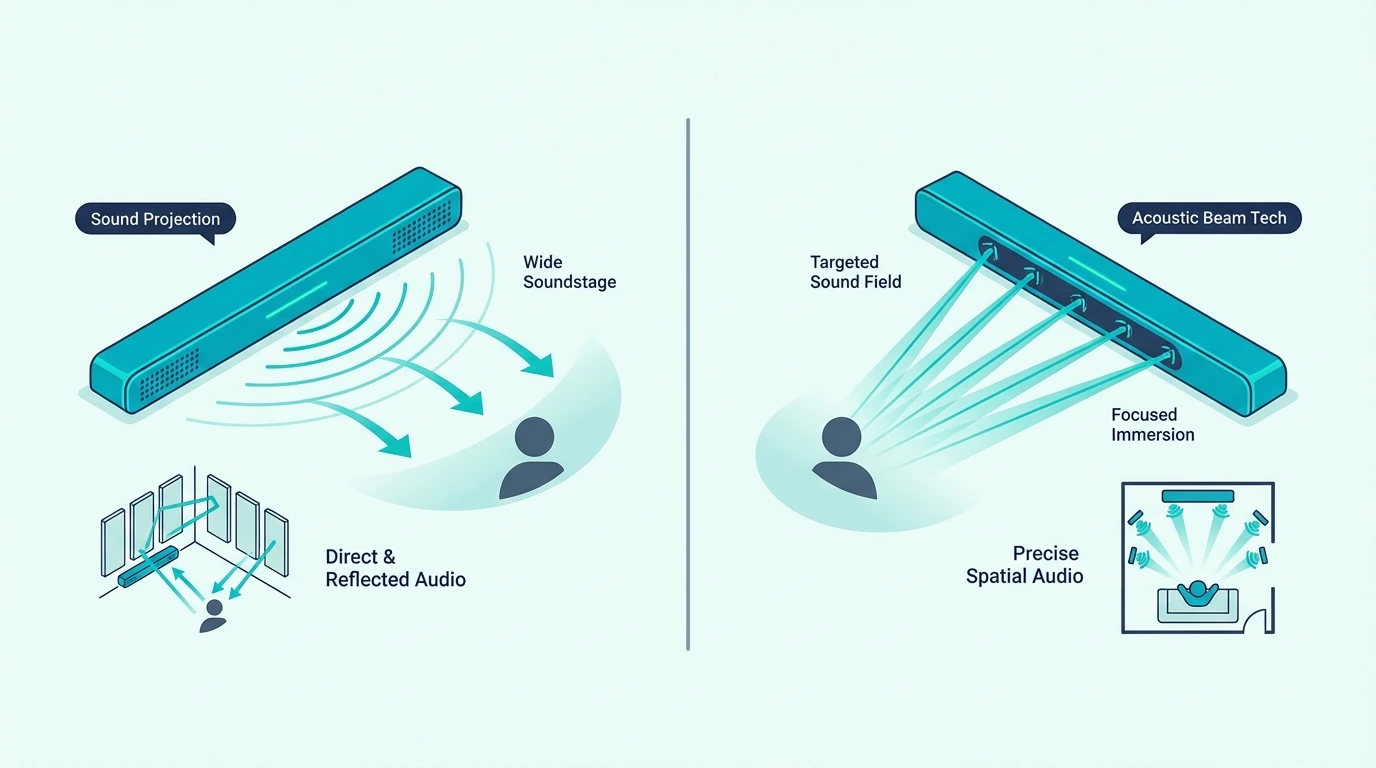
The biggest difference between Bose and Yamaha isn’t the spec sheet — it’s the tuning philosophy each brand brings to the room. Bose prioritizes making voices easy to follow, while Yamaha tends to chase fuller tonal balance that feels stronger with music and bass-heavy content.
Bose: Dialogue-First Engineering
Bose soundbars are engineered with voice clarity as the primary design goal. Their proprietary ADAPTiQ room calibration and dialogue-focused processing help speech stay intelligible even during dense action scenes and imperfect room acoustics.
That makes Bose especially appealing in apartments, bedrooms, and mixed-use living rooms where TV dialogue is the frustration you’re trying to solve first. A current premium example is the Bose Smart Ultra Soundbar, which fits the brand’s cleaner, more voice-first side of the comparison, and our Sonos vs Bose soundbar comparison shows how that same Bose tuning stacks up against another premium rival.
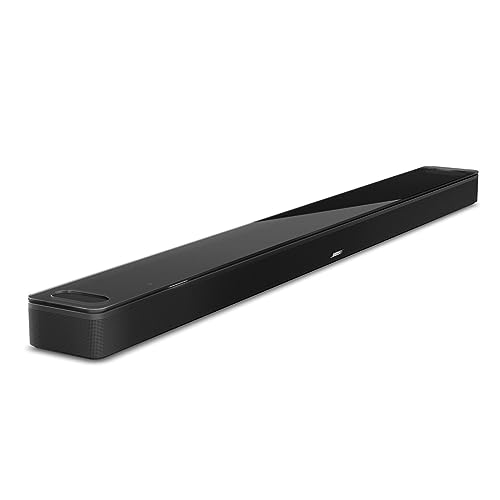
Bose Smart Ultra Soundbar
Bose’s PhaseGuide processing also creates a wider soundstage from a compact bar, but it still relies on virtual surround rather than the more physical multi-speaker approach some competitors favor. If your priority is clear voices and polished TV performance more than maximum bass output, that tradeoff often works in Bose’s favor.
That cleaner approach also suits buyers who want a single-bar setup without extra boxes around the room. Bose often feels easier to recommend when the room is small, the layout is shared, or the goal is solving everyday TV frustration rather than building a pseudo-home-theater statement piece.
Yamaha: Music-First Balance
Yamaha brings a different background to soundbar design. Decades of work in musical instruments, AV receivers, and hi-fi gear show up in a sound signature that usually feels warmer, fuller, and less dialogue-forward than Bose.
That tuning can make Yamaha the more satisfying choice if your soundbar doubles as a music system instead of existing only for TV dialogue. The Yamaha Audio YAS-209BL Sound Bar with Wireless Subwoofer is a useful current example because the included subwoofer gives Yamaha a more immediately weighty presentation than many similarly priced bar-only alternatives.
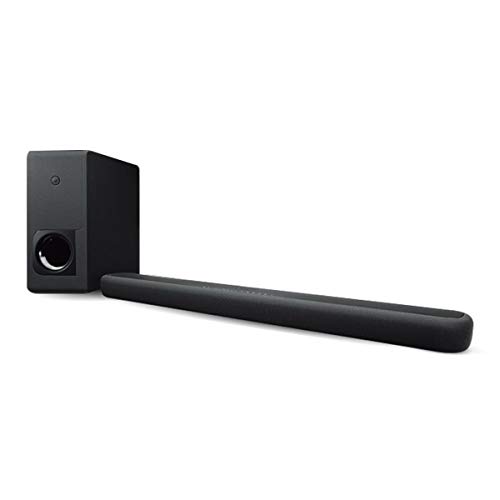
Yamaha Audio YAS-209BL Sound Bar with Wireless Subwoofer
Yamaha soundbars tend to sound more substantial across the full frequency range, especially with music, gaming, and movie effects. Our what is a soundbar guide explains the basics behind that soundbar design tradeoff, and the practical takeaway is simple: Yamaha often sounds fuller, while Bose more consistently sounds clearer.
The tradeoff is that Yamaha’s extra warmth can make speech sound less surgically separated than Bose in rough TV mixes. For many listeners that is a fair trade because the overall presentation feels richer and less thin, especially when music and movie effects matter as much as the center channel.
Yamaha also tends to make more sense when you want bass presence without immediately planning a separate upgrade path. A bundled subwoofer changes the experience faster than another layer of virtual processing, which is why Yamaha can feel like the more satisfying choice in medium-size living rooms.
How Do Bose and Yamaha Compare on Features and Value?
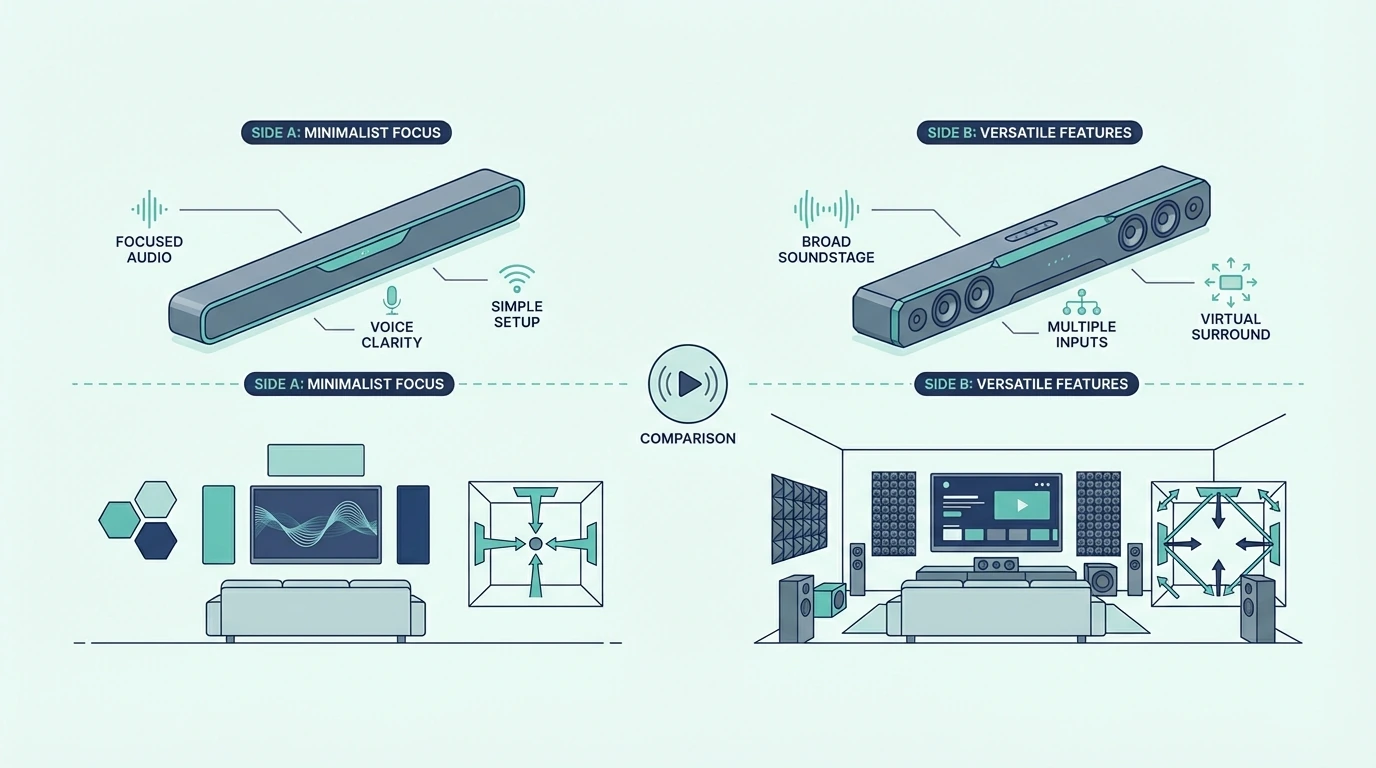
Beyond sound quality, Bose and Yamaha differ in pricing strategy, connectivity, and ecosystem fit. Those practical differences often matter more than subtle tonal changes once the soundbar becomes part of your daily routine.
Pricing and Value
Bose keeps a tight three-model lineup built around premium positioning. In practical terms, that means a basic Bose TV Speaker at the low end, the mid-tier Bose Smart Soundbar 600 for Atmos and smarter features, and the Smart Ultra at the top — a curated range that is easy to understand but rarely the cheapest on raw hardware.
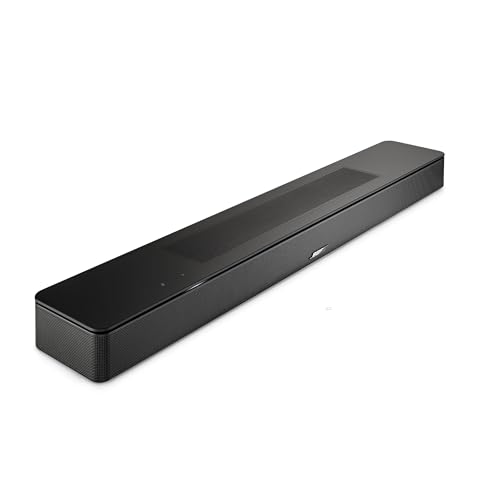
Bose Smart Soundbar 600
Yamaha is usually more aggressive on value. At comparable price points, Yamaha more often includes fuller bass, extra inputs, or a bundled subwoofer, which is why the brand tends to look better on a feature-per-dollar spreadsheet even when Bose still wins on voice-first polish.
This is where Bose and Yamaha can feel like completely different categories even when both are called premium brands. Bose sells a curated experience with fewer choices and clearer positioning, while Yamaha more often asks you to compare features, inputs, and bass hardware at each step up the lineup.
Our is a soundbar worth it guide helps evaluate whether either premium brand makes sense for your budget, and our 2.1 vs 5.1 soundbar comparison explains when more channels and bass hardware actually change the experience.
Connectivity and Compatibility
Yamaha soundbars typically offer more connection flexibility at lower price points, including extra HDMI inputs or legacy inputs on models where Bose expects you to route everything through the TV. That can make Yamaha easier to live with if you run multiple consoles, streaming boxes, or older devices.
Bose takes the cleaner approach: HDMI ARC/eARC, Bluetooth, and straightforward setup that works the same across TV brands. Our HDMI vs optical guide explains why ARC matters, and our does a soundbar work with any TV guide confirms the universal-compatibility side of the decision.
That difference matters most if your TV has limited ports or if you swap sources often. Buyers with a console, disc player, and streaming box tend to appreciate Yamaha’s flexibility, while buyers who just want ARC from the TV usually prefer Bose’s cleaner setup path.
Ecosystem and Smart Features
Bose has the advantage if you already own Bose speakers or headphones. The Bose Music app, SimpleSync pairing, and the generally polished software layer make Bose feel more complete for buyers who care about multi-room audio and private listening.
Yamaha’s MusicCast ecosystem is broader if you already live in Yamaha’s receiver-and-speaker world, and it makes more sense for buyers who may eventually expand into a bigger home audio setup. Our soundbar vs home theater comparison shows when Yamaha’s wider AV heritage becomes a real advantage, while our soundbar vs speakers guide covers when either brand stops being the best tool for the job.
If you already know you may expand into a receiver, separate speakers, or a wider Yamaha-based setup later, MusicCast gives Yamaha a more natural runway. If you just want the soundbar to behave consistently every day and tie neatly into other Bose devices, Bose feels less fiddly.
Which Brand for Which Listener
Choose Bose if your daily frustration is missing dialogue, you want a more polished software experience, or you prefer a simpler premium lineup that works predictably with any TV. Choose Yamaha if you want one soundbar to handle music and TV equally well, or if stronger bass and hardware value matter more than having the cleanest speech processing.
For budget-conscious buyers comparing feature sheets, Yamaha usually wins. For buyers who care more about refinement, speech intelligibility, and low-fuss usability, Bose still makes the stronger case.
Room size also shifts the answer. Bose tends to make more sense in smaller spaces where clean dialogue and compact simplicity matter most, while Yamaha often makes more sense in medium rooms where a little extra bass weight and hardware value are easier to appreciate.
Our soundbar vs surround sound guide covers when either brand’s surround processing is enough versus a discrete speaker system, and our soundbar setup guide walks through configuration for both brands.
Get Studio Tips Weekly
Join 5,000+ creators getting acoustic treatment advice every week.
No spam. Unsubscribe anytime.The Bottom Line
Bose soundbars excel at dialogue clarity, premium build quality, and ecosystem polish — choose Bose if understanding voices clearly during TV and movies is your top priority and you want the most refined day-to-day experience.
Yamaha soundbars excel at balanced audio, bass depth, music performance, and feature-per-dollar value — choose Yamaha if you want one soundbar to handle both TV and music well without paying Bose pricing for a more curated lineup.
Our do you need a soundbar for smart TV guide helps determine whether either brand is worth the upgrade, and our Bose vs Samsung soundbar comparison covers another common premium-brand decision.
Frequently Asked Questions
How good are Yamaha soundbars?
Yamaha soundbars are excellent — particularly for listeners who value balanced audio that handles both TV and music well. Yamaha’s background in musical instruments and hi-fi audio equipment gives their soundbars a warm, natural sound signature with strong bass that many listeners prefer over the more processed sound of premium competitors.
What brand is best for soundbars?
No single brand is “best” for everyone — Bose leads in dialogue clarity and voice processing, Yamaha excels at balanced audio and features-per-dollar value, Sonos dominates multi-room integration and streaming, and Samsung offers the widest model range at every price point. The best brand depends on whether you prioritize voice clarity (Bose), music quality (Yamaha), smart home integration (Sonos), or budget flexibility (Samsung).
Which speaker is better than Bose?
For music listening and bass depth, Yamaha and Sonos soundbars outperform Bose at comparable price points because they prioritize tonal balance over Bose’s dialogue-first tuning. For dialogue clarity specifically, Bose remains the leader — no other brand matches their voice separation processing technology for making TV speech intelligible during complex audio scenes.