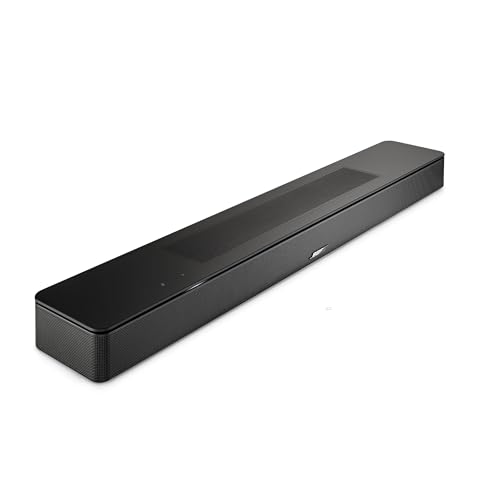
Bose vs Harman Kardon Soundbar: Two Premium Brands, Different Strengths [2026]

The Bose vs Harman Kardon soundbar comparison looks like a simple premium-brand decision, but these brands are not trying to impress you in the same way. Bose builds around dialogue clarity, compact practicality, and a cleaner upgrade path, while Harman Kardon leans harder into design-led living-room appeal and a warmer, smoother presentation that can feel more music-friendly.
That mismatch is why buyers end up disappointed. Choose Bose expecting the most natural, design-first soundbar for music and decor, and it can feel more processed than you wanted; choose Harman Kardon expecting Bose-level speech focus and lineup depth, and you may get fewer options and less obvious TV-first polish than you expected.
The upside is that the decision gets easier once you stop treating them as interchangeable luxury labels. You can match the brand to the room, the content you watch most, and the ownership experience you actually want instead of paying premium money for the wrong strength.
For most buyers, the real choice is not between two “premium” logos but between two different frustrations. Bose is usually the better fix when you are tired of muddy dialogue and want the safer all-around TV recommendation, while Harman Kardon makes more sense when you already know you care about warmer sound, visible design, and a more lifestyle-oriented living-room setup.
Start with the question that matters most: are you trying to fix unclear dialogue and get a more flexible long-term soundbar path, or are you trying to get a warmer, better-looking bar that feels more like part of the room? That frame makes the Bose-versus-Harman Kardon decision much clearer before you compare specs.
Choose Bose if dialogue clarity, easier shopping, and a more practical ecosystem matter most. Bose gives you a clearer lineup from entry-level to flagship, plus a more obvious upgrade path if you later want better Atmos performance, app control, or add-on expansion.
Choose Harman Kardon if you care more about warm presentation, elegant industrial design, and a soundbar that feels like a visible premium object rather than a utility upgrade. Just expect a smaller lineup and less day-to-day clarity around which model fits which buyer compared with Bose.
How Do Bose and Harman Kardon Differ in Sound Character?
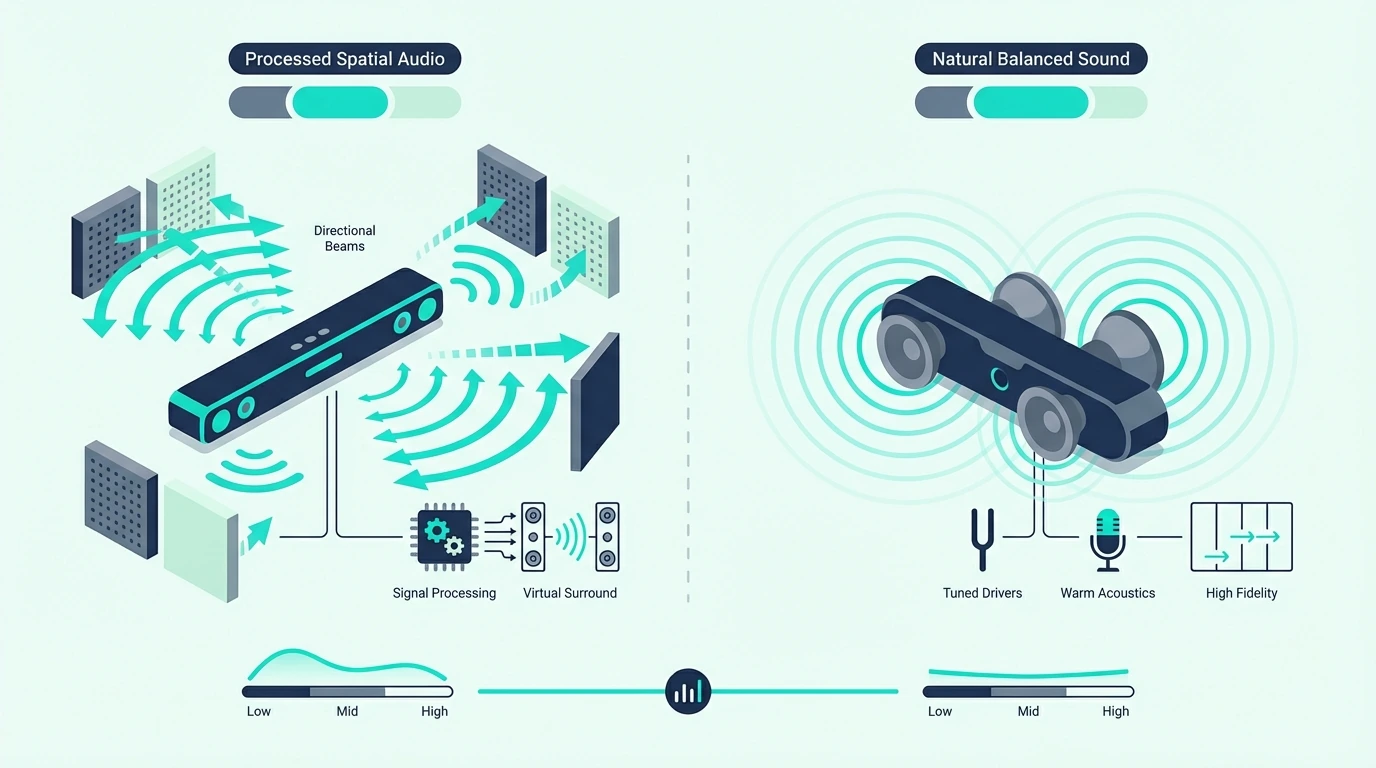
The biggest difference between Bose and Harman Kardon is not the price tag — it is the type of premium experience each brand values. Bose tends to sound more controlled and TV-first, while Harman Kardon tends to feel more relaxed, smoother, and more obviously tuned for people who also care about music and visible design.
Bose: Dialogue-First Control
Bose soundbars are built around intelligibility, spaciousness, and compact practicality. Their processing pushes speech forward, widens the presentation from relatively small enclosures, and makes everyday TV easier to follow in rooms where bad mixes, background effects, and low-volume listening can otherwise bury voices.
That is why Bose is so often the safer recommendation for apartments, bedrooms, and mixed-use living rooms where TV dialogue is the real problem. A current premium example is the Bose Smart Ultra Soundbar, which shows the brand’s premium single-bar ceiling. Our Sonos vs Bose soundbar comparison covers how that same Bose voice-first tuning stacks up against another premium ecosystem brand.
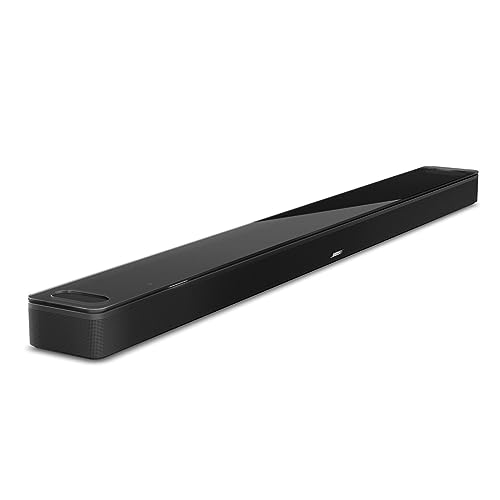
Bose Smart Ultra Soundbar
Bose also benefits from being more consistent across the lineup. Even when the bars differ on Atmos performance, app depth, and expandability, the brand character is easy to understand: clearer speech, cleaner control, and fewer surprises if your use case is mostly TV and movies.
That consistency matters more than spec-sheet buyers sometimes realize. If several people in the house use the same TV, or if you often watch at moderate volume late at night, Bose’s more obvious dialogue focus tends to be easier to appreciate every day than a warmer but less TV-specific tuning.
Harman Kardon: Warmer and More Design-Led
Harman Kardon usually appeals to a different kind of buyer. The brand has long leaned into premium styling and a smoother, warmer sound that feels less aggressively processed than Bose, which can make music, acoustic instruments, and casual listening feel more relaxed and more naturally weighted.
That design-first pattern still shows up in current models like the Harman Kardon Enchant 900, which emphasizes Dolby Atmos, MultiBeam surround processing, Harman PureVoice dialogue enhancement, and 4K pass-through inside a more statement-piece chassis. That is a different sales pitch from Bose: less “fix your TV dialogue problem first” and more “make the room and the soundbar feel premium together.”
The tradeoff is that Harman Kardon is harder to shop confidently. The lineup is smaller, the upgrade path is less obvious, and the brand’s TV-first advantage is less immediate if your main frustration is simply understanding actors more clearly. Our what is a soundbar guide covers the basics behind those design tradeoffs, and our Bose vs Yamaha comparison shows another premium matchup where sound character matters more than logo prestige.
That does not make Harman Kardon weak — it just makes the brand more selective in who it fits best. If you want the bar to look and feel premium in an open living room, and you care almost as much about music playback and appearance as TV dialogue, Harman Kardon can feel more emotionally satisfying than a more utilitarian Bose setup.
How Do Bose and Harman Kardon Compare on Design, Features, and Value?
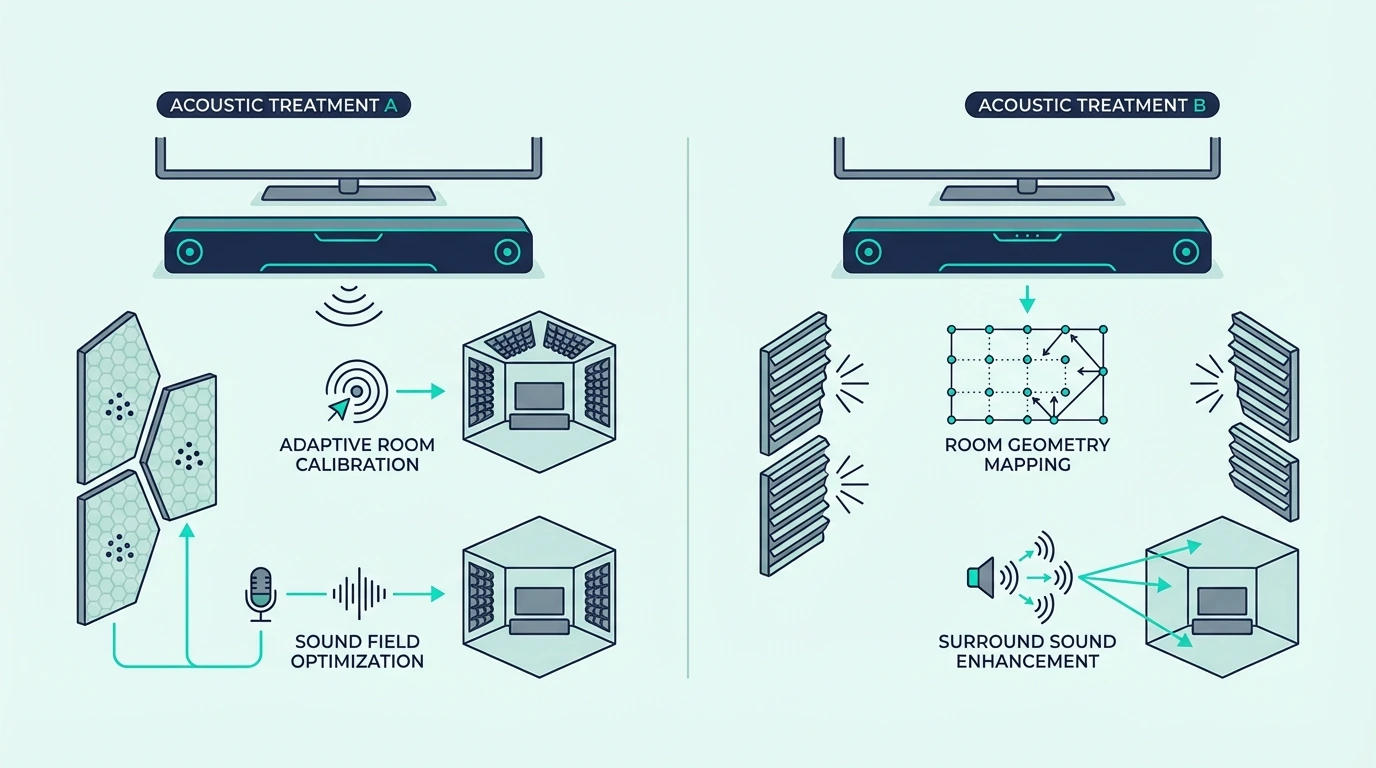
Once you move past sound character, the comparison becomes more practical. Bose tends to win on lineup clarity, expansion logic, and everyday ownership confidence, while Harman Kardon is more appealing when aesthetics, passthrough convenience, and premium living-room presence matter just as much as the audio itself.
Bose: Easier Lineup and Better Upgrade Path
Bose is easier to understand because the lineup is more clearly tiered. At the low end, the Bose TV Speaker is the simplest “make voices clearer and move on” option. In the middle, the Bose Smart Soundbar 600 is the cleaner midpoint for buyers who want Atmos, smarter features, and a more serious movie upgrade without jumping to the flagship tier.
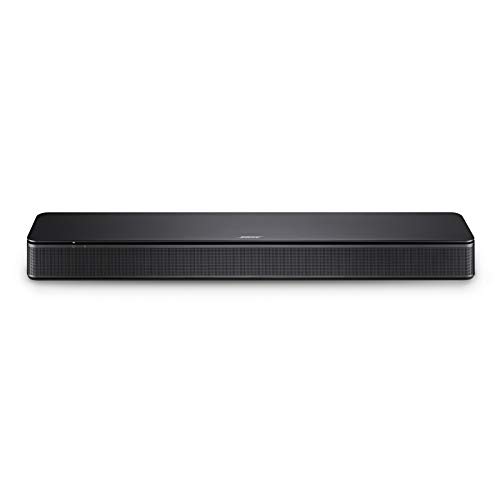
Bose TV Speaker
That lineup clarity matters because it reduces buyer error. It is easier to know when you need the cheap dialogue fix, when you need the better all-around smart bar, and when you need Bose’s best single-bar performance. Our does a soundbar work with any TV guide and soundbar to TV connection guide also fit the Bose side well, because Bose’s appeal is partly that the ownership path feels straightforward regardless of TV brand.
It also makes Bose easier to recommend when you are not shopping only for yourself. If you are advising family members or buying for a shared room, Bose’s lineup is more transparent about who each model is for, which lowers the risk of overspending or buying the wrong kind of upgrade.
Harman Kardon: Better Fit for Visible Rooms and Lifestyle Buyers
Harman Kardon makes more sense when the soundbar is not just an audio upgrade but part of the room’s visual identity. Current HK bars put more emphasis on distinguished styling, Wi-Fi streaming support such as AirPlay and Google Cast, and useful practical touches like 4K pass-through with Dolby Vision, which can matter if you want the bar to sit more centrally in the signal chain instead of routing everything through the TV.
That does not automatically make Harman Kardon the better value. Bose usually gives buyers a more obvious ladder of choices, more surrounding ecosystem awareness, and a more clearly documented upgrade path, while Harman Kardon can feel more niche and more expensive for what you get on paper. Our is a soundbar worth it guide helps frame that premium-value question, and our HDMI vs optical guide explains why passthrough and connection flexibility can matter in practice.
In other words, Harman Kardon is easier to justify when the room itself is part of the purchase decision. If you want the soundbar to sit visibly under the TV, handle some source-switching duties, and feel like a premium object rather than a black utility bar, HK’s strengths become much easier to understand.
Which Brand Fits Which Buyer Better?
Choose Bose if your daily annoyance is unclear dialogue, inconsistent TV mixes, or not knowing which premium model is actually worth the step up. Bose is also the safer pick if you want a brand that feels more practical, more expandable, and easier to recommend across multiple room sizes and TV brands.
Choose Harman Kardon if you are more drawn to warm presentation, cleaner aesthetics, and the feeling of buying a lifestyle product rather than a purely functional AV tool. It makes the most sense in rooms where the soundbar stays visible every day and where music listening matters almost as much as the TV itself.
They also are not sister brands, which matters because some buyers assume there is shared engineering. Harman Kardon sits inside Harman International under Samsung ownership, while Bose remains independent, so the product philosophies and ecosystem priorities are genuinely separate rather than two badges on the same platform. Our soundbar vs speakers guide and soundbar vs home theater comparison are useful next reads if either brand still feels like a compromise against a fuller system.
Room type also shifts the answer. Bose usually makes more sense in smaller or more practical spaces where speech intelligibility and ease of use matter most, while Harman Kardon tends to make more sense in larger, design-conscious rooms where the soundbar stays on display and music playback has equal weight.
Get Studio Tips Weekly
Join 5,000+ creators getting acoustic treatment advice every week.
No spam. Unsubscribe anytime.The Bottom Line
Bose is the better pick if you want clearer dialogue, simpler shopping, and a more obvious long-term path from a basic speech upgrade to a more capable Atmos bar. It is the more practical premium brand for TV-first buyers who want the soundbar to solve a problem, not become another lifestyle decision.
Harman Kardon is the better pick if warm presentation, premium industrial design, and a more design-conscious ownership experience matter just as much as raw TV convenience. That does not make it worse — it just makes it more niche, and for most buyers Bose remains the easier premium brand to shop with confidence.
Our do you need a soundbar for smart TV guide helps determine whether either brand is worth the upgrade at all, and our soundbar setup guide covers placement and configuration once you choose a direction.
Frequently Asked Questions
Is Harman Kardon better than Bose?
Neither is universally better. Harman Kardon makes more sense for buyers who prefer warmer presentation and design-led premium products, while Bose makes more sense for buyers who want clearer dialogue, easier model selection, and a more practical ownership path.
Is Harman Kardon owned by Bose?
No. Harman Kardon is part of Harman International under Samsung ownership, while Bose is an independent audio company, so there is no shared ownership or product platform between the two brands.
Which brand has the best soundbars?
There is no single best soundbar brand for everyone. Bose is one of the safest premium picks for dialogue and TV-first use, while Harman Kardon appeals more to buyers who care about warmer sound, cleaner styling, and niche premium design priorities.