Bose vs Sony Soundbar: Which Brand Delivers Better Audio for Your Setup? [2026]

The Bose vs Sony soundbar comparison looks like a premium-versus-premium choice, but these brands are chasing different kinds of wins. Bose builds around cleaner dialogue, easier everyday use, and a tighter product ladder, while Sony leans harder into cinematic immersion, physical surround hardware, and features that become more compelling if you already own a Bravia TV.
That difference matters because the wrong match is easy to hear. Choose Bose when what you really wanted was a bigger, more theater-like bubble of sound, and it can feel restrained; choose Sony when what you really wanted was maximum speech intelligibility and low-friction TV use, and the wider presentation can feel less focused than you expected.
The better question is not which brand sounds “best” in the abstract, but which brand fits your room, your TV, and the kind of content you watch most. Once you compare them that way, Bose and Sony stop looking like interchangeable luxury badges and start looking like two genuinely different answers to TV audio.
Start with the choice that actually shapes satisfaction: do you want clearer voices and simpler ownership with any TV, or do you want stronger cinematic immersion and deeper Sony-TV integration? Below, we’ll break down the sound, features, value, and TV fit so you can choose the brand that matches your setup instead of the one with the flashier marketing.
Choose Bose if dialogue clarity, cleaner day-to-day usability, and TV-brand flexibility matter most. Bose is the safer fit for buyers who want speech to stay forward in the mix and who do not want their soundbar choice tied to one TV ecosystem.
Choose Sony if you want more cinematic scale, more emphasis on physical surround hardware, and meaningful Bravia-specific advantages. Sony also makes more sense if you are willing to trade some Bose-style vocal focus for a bigger, more theater-like presentation.
How Do Bose and Sony Differ in Sound Character?
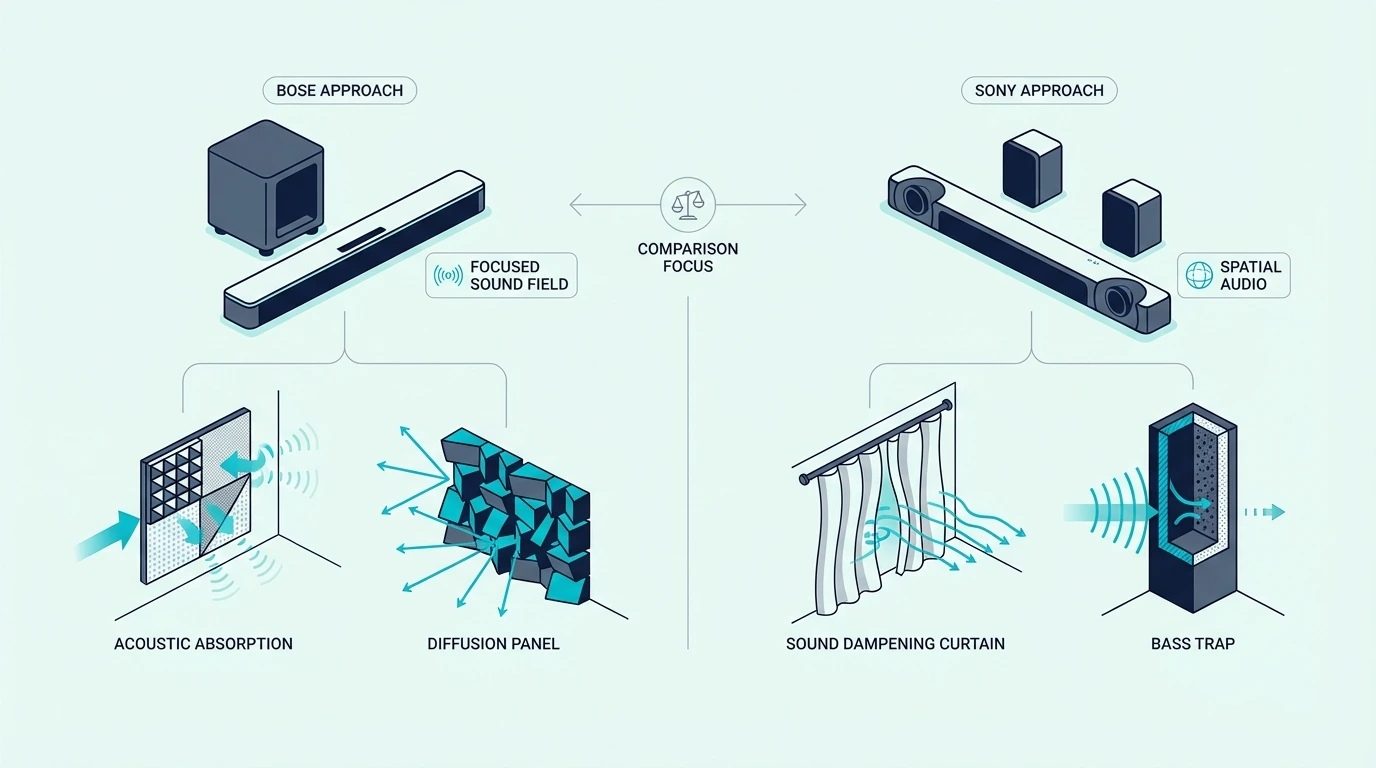
The biggest difference between Bose and Sony is what each brand treats as the priority when TV audio gets complicated. Bose tends to push speech and control to the front, while Sony tends to chase width, height, and a more obviously cinematic sense of space.
Bose: Better for Dialogue-First Rooms
Bose soundbars are built to make everyday TV easier to follow. Dialogue stays more forward, low-volume listening usually stays clearer, and the overall sound feels more controlled in rooms where reflections, messy mixes, and constant volume-riding make TV frustrating.
That is why Bose often lands better in apartments, bedrooms, and shared living rooms where the real complaint is not “I need more Atmos” but “I can’t hear people talking.” A good flagship example is the Bose Smart Ultra Soundbar, which shows how far Bose pushes a single-bar, voice-first design before asking you to add more speakers around the room. Our Sonos vs Bose soundbar comparison is a useful next read if you want to compare Bose’s speech-focused tuning against another premium ecosystem brand.
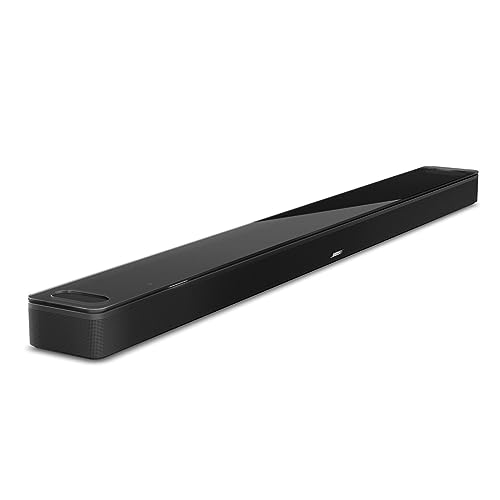
Bose Smart Ultra Soundbar
Bose also tends to feel more predictable from model to model. The bars differ on immersion and features, but the house sound is usually easy to understand: voices first, tidy presentation second, and fewer surprises if your use case is still streaming, cable TV, sports, and everyday movies rather than demo-scene home theater.
That consistency matters if multiple people use the same TV or if you often watch at modest volume late at night. In those rooms, Bose’s cleaner center focus can be more valuable than a technically bigger soundstage that does not keep dialogue as locked in.
It also makes Bose easier to recommend to households that are not trying to build a system over time. If the goal is a premium bar that solves a clear problem without pushing you toward matching add-ons, rear speakers, or brand-specific TV features, Bose usually feels simpler and more immediately satisfying.
Sony: Better for Physical Immersion and Bigger Presentation
Sony comes at the category from a more cinematic angle. Instead of centering the entire experience on voice focus, Sony puts more emphasis on hardware-assisted immersion, physical driver layouts, and a broader sense of space that feels more like an intentional home-theater step up.
That shows up clearly in flagship products like the Sony Bravia Theater Bar 9, which makes Sony’s priorities obvious: scale, spatial effects, and deeper Bravia-aware feature integration instead of a pure dialogue-first pitch.
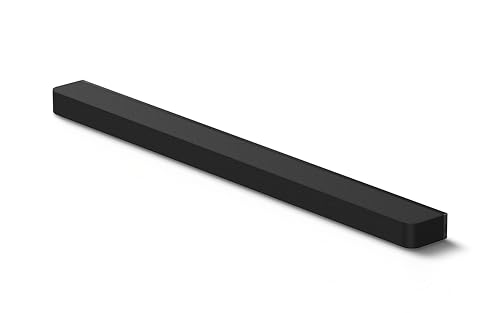
Sony Bravia Theater Bar 9
Sony also gives buyers more reason to care about room size. In larger rooms, and especially in setups where you want the soundbar to feel more expansive than the TV speakers from the first movie night, Sony’s physical approach usually makes more sense than Bose’s more polished virtual-surround presentation. Our soundbar vs surround sound guide helps frame when that extra hardware genuinely changes the experience, and our what soundbar channels mean guide explains why Sony’s specs can matter more in wider rooms.
That does not automatically make Sony better. It makes Sony easier to recommend when you care more about cinematic scale, action movies, and a bigger sense of wraparound sound than about squeezing the cleanest possible dialogue out of every scene.
Sony also makes more emotional sense for movie-first buyers who want the soundbar to feel like a step toward a real theater setup. Even before you add optional speakers, Sony’s product language and hardware choices are more clearly aimed at immersion, expansion, and system-building than Bose’s tidier one-bar proposition.
How Do Bose and Sony Compare on TV Integration, Features, and Value?
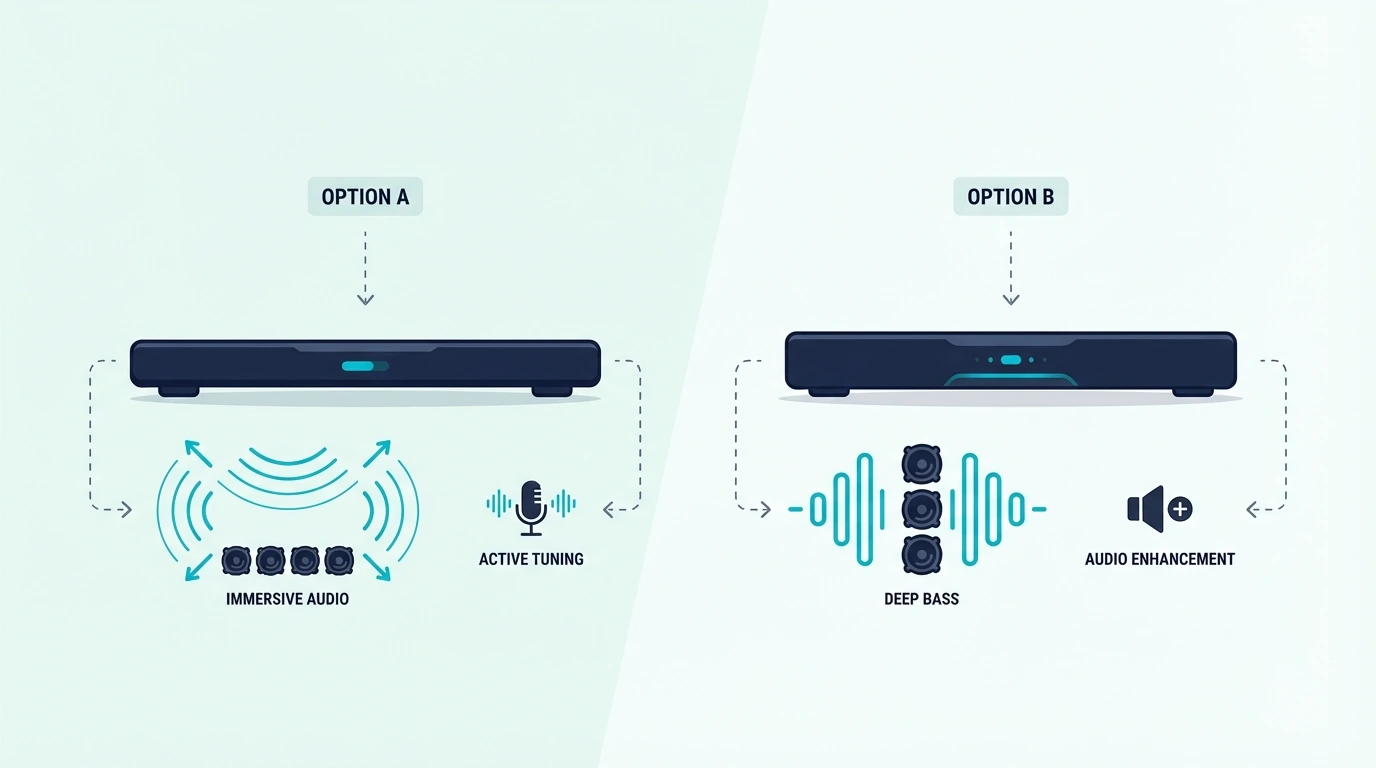
Once you get past raw sound character, the decision becomes more practical. TV brand, ecosystem fit, room goals, and lineup shape often matter just as much as pure sound quality because those are the things that keep affecting you after the first week of ownership.
Sony Has the Better Fit for Bravia TVs
If you already own a compatible Sony Bravia TV, Sony soundbars start with an advantage Bose cannot fully replicate. Features like Acoustic Center Sync let the TV participate as part of the center-channel presentation, and Sony’s broader Bravia integration makes the soundbar feel more like an extension of the display rather than a separate accessory.
Sony also leans harder into room-aware surround systems such as 360 Spatial Sound Mapping, which can make the soundbar feel more personalized and more theater-like when the room and TV are both aligned with Sony’s ecosystem. That is why Sony often makes the most sense for buyers who want the soundbar and TV to behave like parts of one system instead of two brands connected by HDMI. Our soundbar to TV connection guide and soundbar fundamentals guide are both useful here because the Sony advantage is easiest to understand when you care about how integration changes the experience, not just how the bar sounds in isolation.
Sony also gives you more routes into expansion. A strong mid-range example is the Sony HT-A3000, which is useful because it shows Sony’s real range advantage: you can start mid-tier and still build upward later instead of committing immediately to the most expensive bar.
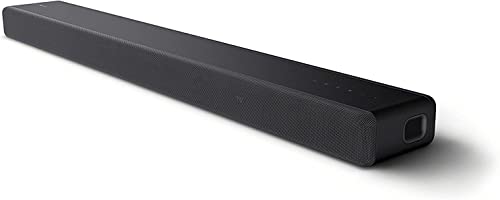
Sony HT-A3000
Bose Is Easier If You Want TV-Agnostic Simplicity
Bose wins a different kind of feature battle: fewer dependencies. Bose bars work cleanly with practically any modern TV over ARC or eARC, and the ownership pitch does not change much depending on whether the display is Sony, Samsung, LG, TCL, or Hisense.
That makes Bose easier to recommend for buyers who change TVs more often than speakers, who do not want to think about ecosystem lock-in, or who simply want a premium bar that behaves consistently regardless of what display sits under it. Bose also benefits from a smaller, easier-to-shop lineup, which lowers the chance of buying the wrong model or paying for a level of immersion you do not really need.
The practical tradeoff is simple: Sony usually gives you more hardware ambition, deeper Bravia-specific features, and a more dramatic theater-first pitch, while Bose usually gives you cleaner everyday usability and clearer expectations across a smaller lineup. Our HDMI vs optical guide, does a soundbar work with any TV guide, and Bose vs Samsung comparison all help clarify where Bose’s TV-agnostic simplicity can matter more than raw feature count.
Room type is also a useful tiebreaker. Bose usually makes more sense in smaller or more practical spaces where speech clarity and ease of use matter most, while Sony usually makes more sense in larger rooms where you can actually benefit from the wider, more cinematic presentation the brand is chasing.
Which Brand Is the Better Value?
This is where the answer depends heavily on what you mean by value. If value means more cinematic ambition, more system-building potential, and stronger ecosystem upside for Sony TV owners, Sony often wins. If value means cleaner dialogue, easier model choice, and a more reliable “this will fix my TV frustration” purchase, Bose can still be the better deal even when the sticker price feels higher for less hardware.
That is the real reason this comparison is so easy to get wrong. A soundbar with more drivers or deeper ecosystem features is not automatically a better value if the problem you wanted to solve was simply hearing dialogue more clearly every night. Our is a soundbar worth it guide and Bose vs Yamaha comparison are useful follow-ups if you are still deciding whether you want the cleaner Bose path or a more hardware-driven alternative.
In practice, the better value brand is usually the one that matches your frustration most closely. If you keep missing dialogue, Bose’s focus can be worth more than extra hardware. If you keep wishing movies felt bigger and more enveloping, Sony’s theater-first direction is often the smarter buy.
Get Studio Tips Weekly
Join 5,000+ creators getting acoustic treatment advice every week.
No spam. Unsubscribe anytime.The Bottom Line
Bose is the better fit if you want cleaner dialogue, simpler ownership, and a premium soundbar that behaves predictably with any TV brand. It is the safer answer for buyers who want the soundbar to fix everyday TV listening without turning the purchase into a wider ecosystem decision.
Sony is the better fit if you want a more cinematic, hardware-driven presentation, especially if you already own a Bravia TV and can benefit from Sony’s deeper integration features. It is the stronger answer when the goal is to make movies feel bigger, not just clearer.
Our do you need a soundbar for smart TV guide helps determine whether either brand is worth the upgrade at all, and our soundbar setup guide covers placement and setup once you choose a direction.
Frequently Asked Questions
Which is better, Bose or Sony soundbar?
Neither is universally better. Bose is usually better for dialogue clarity and simpler TV-agnostic ownership, while Sony is usually better for cinematic immersion, Bravia integration, and buyers who want the soundbar to feel more like a home-theater upgrade.
Is Bose owned by Sony?
No. Bose and Sony are completely separate companies with no ownership relationship, shared ecosystem, or shared product platform.
Which brand has the best soundbars?
There is no single best soundbar brand for everyone. Bose is one of the safest picks for dialogue-focused premium use, while Sony is one of the strongest picks for cinematic immersion and Bravia-specific integration. Your TV brand, room size, and listening habits matter more than the logo alone.