KEF LSX vs Soundbar: Which Is Better for Music and TV? [2026]
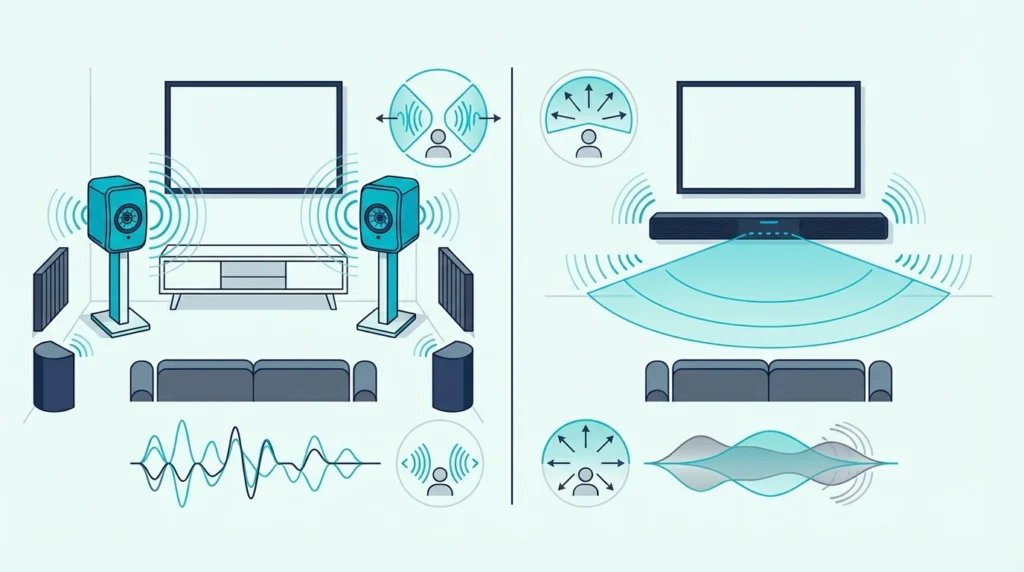
The KEF LSX vs soundbar debate seems like a clear win for KEF’s audiophile pedigree but it is actually a choice between two fundamentally different audio philosophies. Picking the wrong one leads to expensive buyer’s remorse.
The KEF LSX II are premium powered bookshelf speakers built around KEF’s acclaimed Uni-Q coaxial driver technology. Two physically separated speakers deliver audiophile-grade stereo imaging and music reproduction.
A soundbar is a single compact bar that uses virtual processing to deliver dialogue clarity and surround effects. You get simple one-cable setup from a unit placed below your TV.
The problem is music lovers who buy a soundbar expecting rich detailed music reproduction get disappointed. Compressed stereo imaging and processed sound character show up even on premium soundbars.
The cause is simple: a single bar physically cannot create the wide stereo separation that two properly positioned speakers produce. That limitation is baked into the form factor.
The KEF LSX II’s Uni-Q driver places the tweeter at the acoustic center of the midrange cone. Each speaker becomes a point source with exceptionally accurate stereo imaging.
The resulting three-dimensional soundstage is something no single-bar soundbar can replicate.
Knowing whether your primary use case is music listening (where the KEF LSX II genuinely excels) or TV viewing with dialogue clarity and surround effects (where soundbars genuinely excel) helps you make a confident purchase, so you can avoid spending audiophile money on speakers that underperform for TV dialogue and surround versus investing in a soundbar that delivers better TV audio while accepting its music limitations.
Below, we’ll compare the KEF LSX II and soundbars across music quality, TV performance, setup requirements, and value so you can pick the approach that matches whether music or TV is your primary listening priority.
Choose the KEF LSX II if music listening is your primary use case and you want audiophile-grade stereo imaging, natural sound reproduction, and a wide three-dimensional soundstage that no soundbar can match. Choose a soundbar if TV viewing is your primary use case and you want clearer dialogue, virtual surround for movies, deeper bass from an included subwoofer, and simpler one-cable setup.
Music Quality vs TV Performance
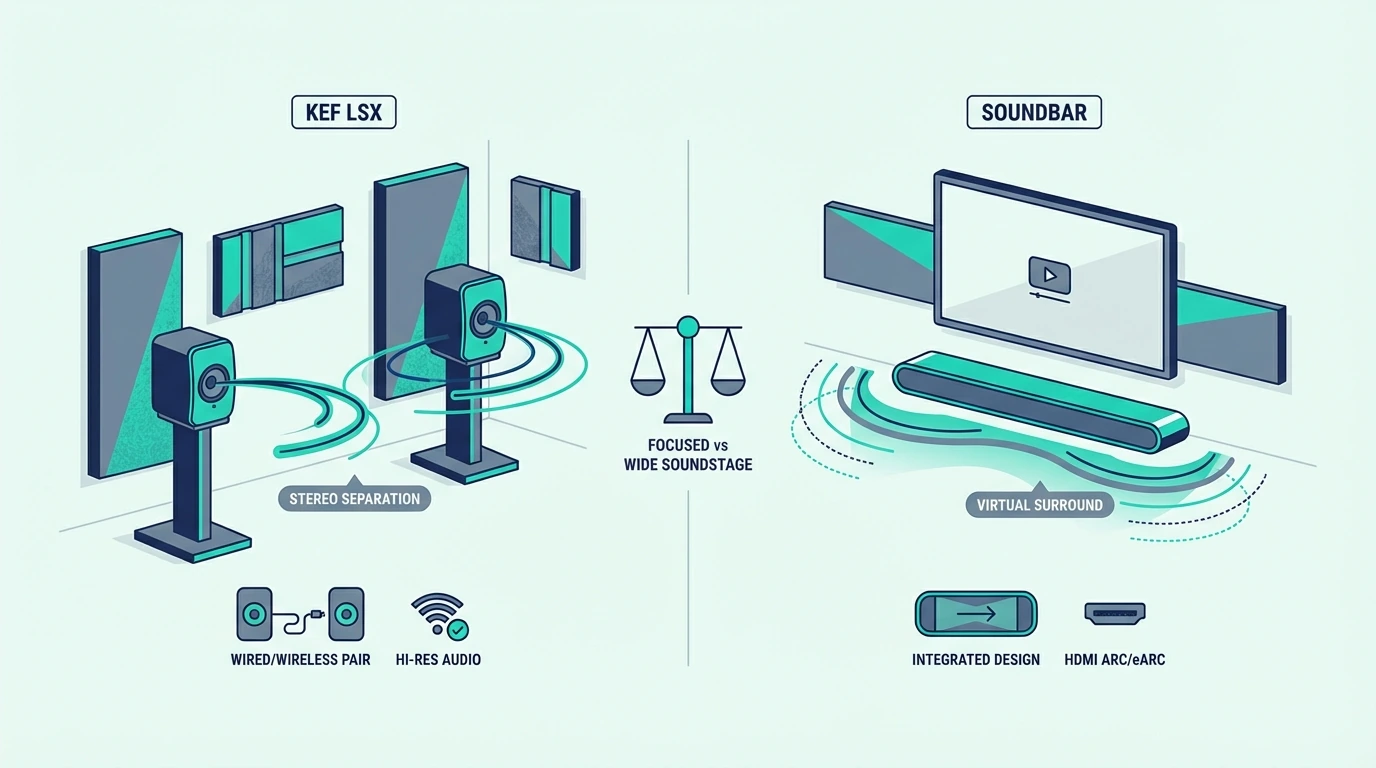
The KEF LSX II and soundbars each dominate in their primary use case — and understanding where each excels (and where each falls short) prevents you from choosing the wrong product for your actual listening habits.
KEF LSX II: Audiophile Music Excellence
Place two LSX II speakers 4-8 feet apart at ear height for best imaging. The result is a wide three-dimensional stereo soundstage.
Instruments and vocals occupy precise positions in space with a depth and clarity that makes music feel present and alive in the room.
The stereo separation alone transforms music listening. Vocals sit firmly centered between the two speakers while instruments spread across a wide soundstage.
The soundstage extends beyond the physical positions of the speakers themselves. Even high-end soundbars cannot approach that kind of imaging.
For jazz and classical plus acoustic and well-produced recordings, the difference between KEF LSX II and any soundbar is immediately obvious.
The limitation for TV use is significant. The KEF LSX II are stereo speakers without a dedicated center channel for dialogue isolation.
They also lack virtual surround processing for movies and a built-in subwoofer for deep bass impact.
Dialogue can occasionally get lost in complex soundtracks because there is no center channel specifically handling voice frequencies.
Our soundbar vs speakers comparison covers the broader speaker-vs-soundbar decision, and our soundbar vs bookshelf speakers guide explains the general tradeoffs between these product categories.
Soundbars: TV Audio Dominance
Soundbars are purpose-built for TV audio — dedicated center channels isolate dialogue from background audio, virtual surround processing creates spatial immersion for movies and games, wireless subwoofers deliver deep bass impact, and the single-bar form factor means setup takes minutes rather than the careful positioning that bookshelf speakers require.
For large-room movie use, a current example is the JBL Bar 700 MK2. It is a strong fit for Atmos movies and TV with stronger bass.
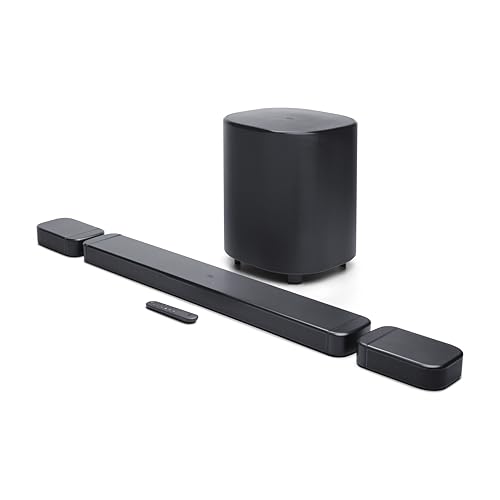
JBL Bar 700 MK2
For Atmos streaming and immersive TV audio, another premium option is the Sonos Arc Ultra. It pairs especially well with households that already use the Sonos ecosystem.
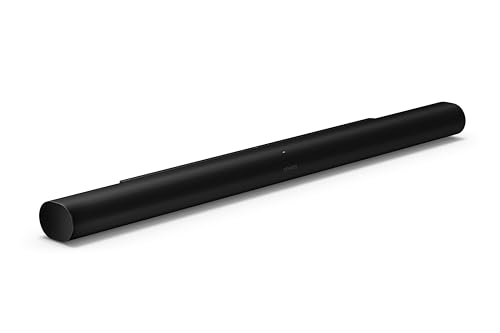
Sonos Arc Ultra
For dialogue-heavy TV viewing plus movie surround effects and gaming directional audio, soundbars outperform the KEF LSX II decisively. They are specifically engineered for these use cases with dedicated hardware that stereo speakers lack entirely.
Our soundbar fundamentals guide covers how all soundbar types work, and our guide to choosing a soundbar helps evaluate the overall soundbar investment.
Setup, Room Requirements, and Value
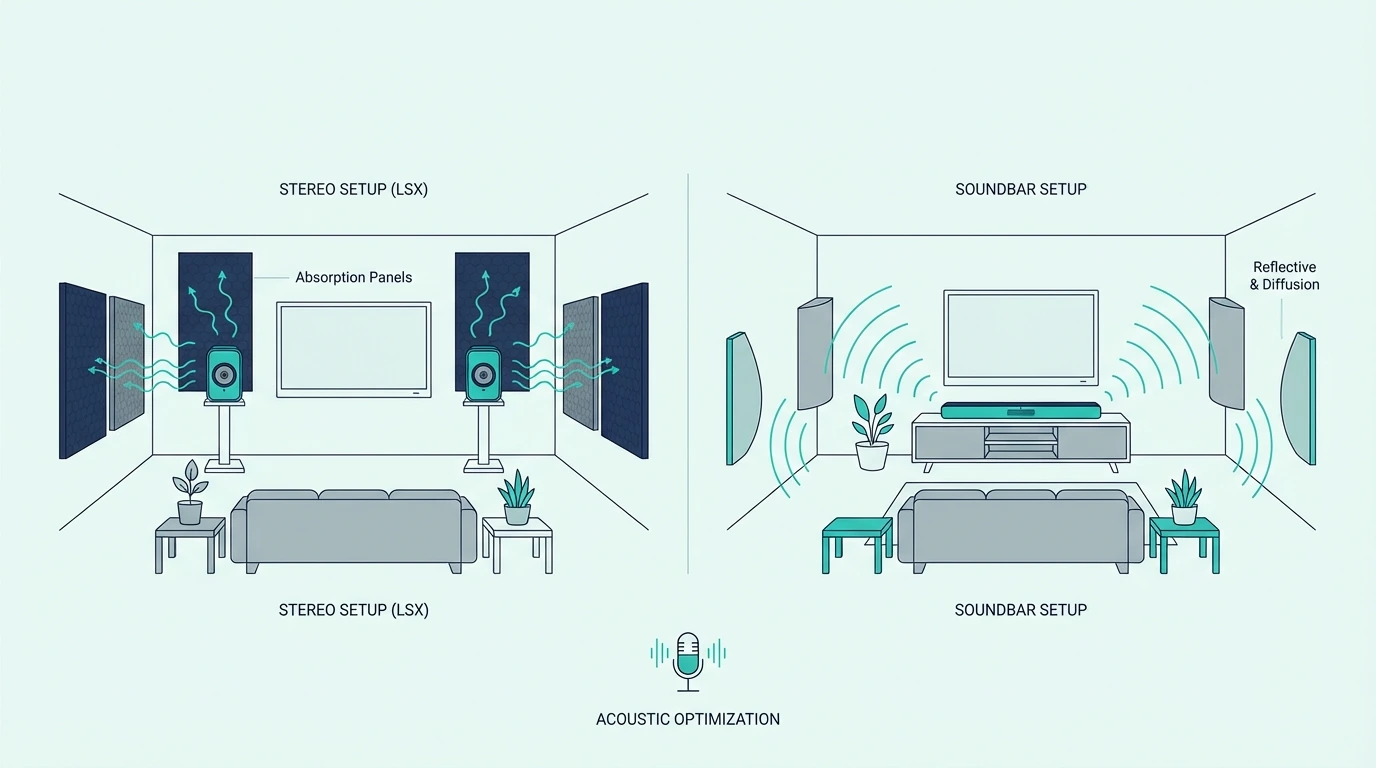
Beyond audio performance differences, the KEF LSX II and soundbars have dramatically different setup requirements, room commitments, and value propositions that often matter as much as sound quality for daily satisfaction.
KEF LSX II: Room Commitment Required
The KEF LSX II require proper placement for optimal performance. Position the two speakers 4-8 feet apart at ear height on stands or shelves.
Your listening position should form an equilateral triangle with the speakers. That means dedicated shelf or stand space on both sides of your TV.
You also run power cables to both speakers since each one needs AC power. Two visible speakers become part of your room’s aesthetic rather than a single discreet bar.
The LSX II delivers exceptional music reproduction. You still get no subwoofer and no surround processing or dialogue enhancement.
The optional KEF KC62 sub is another purchase on top. That makes a complete TV audio system with the LSX II significantly more expensive than even premium soundbar packages.
Our soundbar vs home theater comparison covers when dedicated speakers justify their room commitment, and our soundbar vs receiver guide explains the broader decision between soundbar convenience and component audio quality.
Soundbars: Minimal Footprint, Maximum Convenience
A soundbar setup takes 5-15 minutes. Place the bar below your TV or mount it on the wall and connect a single HDMI ARC cable.
Wirelessly pair the subwoofer if one is included and start watching.
A current mid-tier example is the Samsung HW-Q800F. It is a strong fit for TV and movies when you want fuller bass.
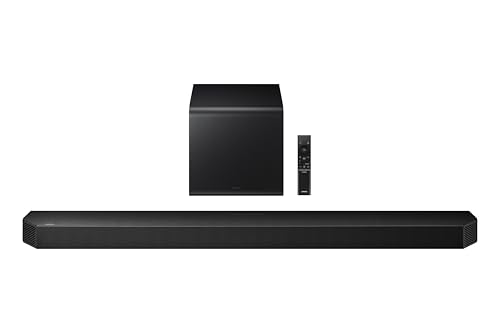
Samsung HW-Q800F
For shared living spaces, apartments, and rooms where visible speakers on both sides of the TV aren’t acceptable, the soundbar’s compact form factor delivers a dramatically better audio upgrade per square inch of room commitment than any bookshelf speaker setup.
Our HDMI vs optical guide explains connection options for both product types, and our soundbar to TV connection guide covers the simple setup process.
The Hybrid Approach: Both Can Coexist
Some audiophiles use KEF LSX II as their primary music speakers and a separate soundbar for TV audio. The KEF handles music while the soundbar handles TV content.
You switch inputs or use the TV’s audio output settings to route TV audio to the soundbar. Music still goes to the KEF speakers directly.
This hybrid approach delivers the best of both worlds. It does require two separate audio systems and the willingness to manage switching between them.
Our soundbar vs surround sound guide covers broader multi-speaker options, and our guide to choosing a soundbar helps evaluate whether a soundbar upgrade makes sense for your room and TV setup.
Get Studio Tips Weekly
Join 5,000+ creators getting acoustic treatment advice every week.
No spam. Unsubscribe anytime.The Bottom Line
Choose the KEF LSX II if music listening is your primary passion. It delivers audiophile-grade stereo imaging and natural sound reproduction that no soundbar can match.
The Uni-Q drivers deliver a musical experience in a completely different league from any single-bar solution. You sacrifice TV dialogue clarity and surround processing without expensive add-ons.
Choose a soundbar if TV viewing and movies and gaming are your primary use cases. Soundbars deliver dramatically better dialogue clarity and surround immersion and deep bass at every price point from $100-900.
Simpler setup and a smaller room footprint round out the advantage over bookshelf speakers.
Our 2.1 vs 5.1 soundbar guide explains common soundbar configurations, and our soundbar setup guide covers optimal placement for soundbar systems.
Frequently Asked Questions
Are bookshelf speakers better than a soundbar?
For music listening, yes. Properly positioned bookshelf speakers like the KEF LSX II deliver stereo imaging plus soundstage width and natural sound reproduction that soundbars cannot match.
For TV viewing with dialogue clarity and surround effects plus simple setup, soundbars are significantly better. They are purpose-built for TV audio with dedicated center channels and integrated subwoofers.
What is the lifespan of KEF LSX speakers?
KEF LSX II speakers are built with premium materials and engineering that typically last 10-15+ years with normal use. Powered speakers have amplifiers built in that are matched to the drivers.
That matched pairing reduces the risk of damage from overpowering. KEF also provides firmware updates that add features and improve performance over time, extending the practical useful life of the speakers.
Is KEF LSX II good for movies?
The KEF LSX II can serve as TV speakers via HDMI eARC, but they lack a dedicated center channel for dialogue isolation, have no surround processing for spatial movie effects, and produce limited deep bass without an added subwoofer — making them significantly less optimal for movies than a comparably priced soundbar system specifically designed for TV and movie audio.